Your mother used to get up from her favorite armchair easily. Now, she pushes against the armrests to stand. When she walks to the bathroom, she reaches for the wall or nearby furniture to steady herself. She brushes it off, saying she’s getting older.
But you notice she walks more slowly, avoids the stairs, and spends more time sitting than she used to. Elderly muscle weakness is common in older adults. There are a few causes, but families can still find ways to manage it.
What Is Elderly Muscle Weakness?
Elderly muscle weakness is a loss of strength. It makes it harder to move, stand, walk, or complete everyday activities. Weakness affects different parts of the body. But leg weakness is important because the legs support body weight and help with almost every movement. It makes usual activities such as getting out of bed, climbing stairs, bathing, and walking around the house more difficult.1
The signs of muscle weakness can vary from person to person. The senior can have difficulty standing up without using their arms. Or they may have trouble climbing stairs. Often, older adults complain about their legs feeling heavy or shaky after walking.
You may notice they take shorter steps or walk slower. Some hold onto walls or furniture for support. These changes affect their everyday routines.
For example, a senior used to enjoy grocery shopping. Now he avoids big stores because walking through the aisles is tiring. For families, the changes may not be noticeable at first.
What Causes Leg Weakness in the Elderly?
Elderly muscle weakness is caused by several conditions and everyday factors. Sometimes, only one problem is responsible. In other cases, it is a combination of health conditions, reduced activity, and poor nutrition.
Age-Related Muscle Loss (Sarcopenia)
People naturally lose muscle mass and strength with age. This process is called sarcopenia. It starts around age 30 and becomes more prominent after age 60. It happens because the muscles become smaller and less powerful. The thighs and hips are very important, as they support the body when standing, walking, and climbing stairs. This makes physical activities more demanding.2
An older adult loved walking around the neighborhood every morning. Over the years, the walks became shorter. Even getting up from a low chair requires extra effort.
Age-related muscle loss contributes to these changes. Regular resistance exercises and proper nutrition help maintain muscle function and improve physical ability.10
Lack of Physical Activity
Muscles need regular movement to stay strong. After retirement, an illness, an injury, or a hospital stay, many seniors become less active. They simply spend more time sitting or rely on others for everyday tasks. When the muscles are inactive, they lose strength.3
This often happens after hospitalization. A senior who spends several days in bed recovering from pneumonia, for example, often struggles with walking and standing once they return home. They need time to adjust and do gentle activities. In some cases, seniors need physical therapy to rebuild their strength.
Arthritis and Joint Problems
Arthritis affects the joints, but it also changes how the surrounding muscles work. Knee and hip arthritis cause pain, stiffness, and difficulty moving. Seniors often avoid walking or standing because these activities make their joints uncomfortable.4
Reduced movement makes the muscles that support the joints weaker. For example, a senior with knee arthritis puts less weight on one leg to avoid pain. This changes their walking pattern and places additional strain on other muscles. Managing arthritis and proper exercise can help seniors stay mobile.
Diabetes and Nerve Damage
Diabetes is another condition that can cause leg weakness. High blood sugar over long periods can damage nerves throughout the body. This condition is called diabetic neuropathy. It often affects the feet and lower legs, causing numbness, tingling, burning sensations, and reduced sensitivity.5
Seniors also experience muscle weakness. They struggle to feel where their feet are when walking, which affects balance and increases their risk of falling. Regular diabetes management and foot checks are important.
Poor Nutrition and Vitamin Deficiencies
Muscles need enough calories, protein, and essential nutrients to maintain their strength. Eating well becomes a problem for seniors. They struggle with dental problems, loss of appetite, or find it difficult to prepare healthy meals. This leads to poor nutrition.
Protein is particularly important because the body uses it to maintain and repair muscle tissue. Vitamin D also supports muscle function. A vitamin B12 deficiency can damage nerves and affect movement and balance.67
Regular and balanced meals make a difference. When a senior experiences loss of appetite or rapid weight change, they should be checked by a doctor.
Poor Blood Circulation
Leg weakness and discomfort sometimes point to circulation problems. Peripheral artery disease (PAD) develops when narrowed arteries reduce blood flow to the legs and feet. It causes pain, cramping, or heaviness in the calves while walking. This improves after resting.8
Some seniors also experience numbness, weakness, cold feet, or wounds that heal slowly. Basically, any circulation problems should be checked by a doctor, who will recommend treatment.
Medical Conditions and Medication Side Effects
Anemia, thyroid disorders, electrolyte imbalances, and neurological conditions affect muscle function, energy, or coordination. This contributes to muscle weakness.
Certain medications also cause muscle pain or weakness. Statins, which lower cholesterol, cause muscle-related side effects in some people. Other medications contribute to dizziness and fatigue, increasing the risk of falls.9
If dizziness happens after starting a new medication, discuss it with your doctor. They will do a medication review to determine which treatment causes the side effects and needs adjusting.
How to Manage Elderly Muscle Weakness
The first thing you need to do is find out what’s causing the weakness. A doctor evaluates the symptoms, reviews medications, and orders tests when needed. When the underlying problem is found, the doctor recommends treatment or lifestyle changes. Often, a combination of movement, good nutrition, and everyday support helps seniors maintain their strength.
Start With Gentle Leg Exercises
Strengthening the leg muscles helps seniors do everyday activities. These don’t have to be tough exercises. A physical therapist can recommend exercises based on the person’s health, balance, and current mobility.10
Some common exercises are:
- Seated leg extensions: Sit in a sturdy chair with both feet on the floor. Slowly straighten one knee, lift the foot, and lower it again. Repeat with the other leg.
- Sit-to-stand exercises: Sit in a sturdy chair with armrests. Lean forward slightly, stand up slowly, and sit down with control. This movement works the thighs and hips, which are essential for standing and walking.
- Heel raises: Stand behind a sturdy chair and hold its back for support. Slowly lift both heels, then lower them to the floor.
- Short walks: Walking inside the house, along the driveway, or in a nearby park helps maintain leg strength and endurance.
Start with light movement you can actually do. Seniors with significant weakness, a history of falls, or medical conditions should talk with their doctor before changing their routine.
Include Protein in Everyday Meals
Getting enough protein supports muscle strength and recovery. Include protein-rich foods such as eggs, Greek yogurt, cottage cheese, chicken, turkey, fish, beans, lentils, chickpeas, and milk.7
For example, adding an egg to breakfast or serving fish with vegetables at dinner helps improve the nutritional value of everyday meals. We understand that seniors may struggle with appetite loss. In such cases, smaller and more frequent meals can help.
Keep Moving Throughout the Day
Short periods of movement are always a better option than a long session of exercise. Walk from the bedroom to the kitchen in the morning. A short walk in the afternoon is also beneficial. Household activities like watering flowers, folding laundry, and preparing simple meals also count.11
Make the Home Safer
Elderly muscle weakness affects balance, which increases the risk of falls. That’s why you should ensure the home environment is safe. This means keeping clear pathways and adding proper lighting. Replacing a low sofa with a firm chair with armrests can also help.12
Loose rugs are a risk and should be removed. Installing grab bars in bathrooms provides extra support. Also keep frequently used items within reach to avoid unnecessary bending. Switch the bath mats to non-slip ones. These changes help seniors move around their home with confidence.
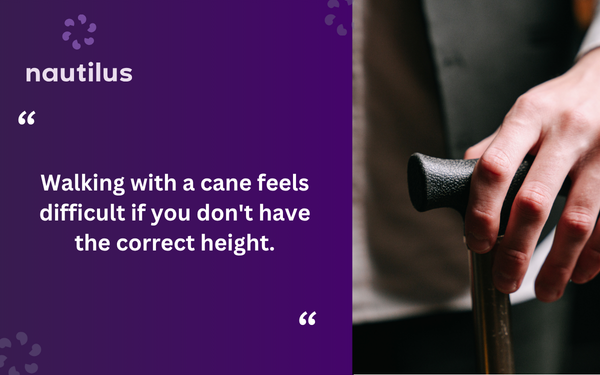
A physical or occupational therapist can also assess the home and recommend suitable mobility aids, such as a cane or walker.
How Home Care Supports Seniors With Leg Weakness
Sometimes, leg weakness can limit seniors in their daily activities. Still, they want to remain independent. A daughter might visit every evening after work, but she also has children, household responsibilities, and other commitments. Her father, meanwhile, struggles with bathing, preparing meals, and moving safely around the house.
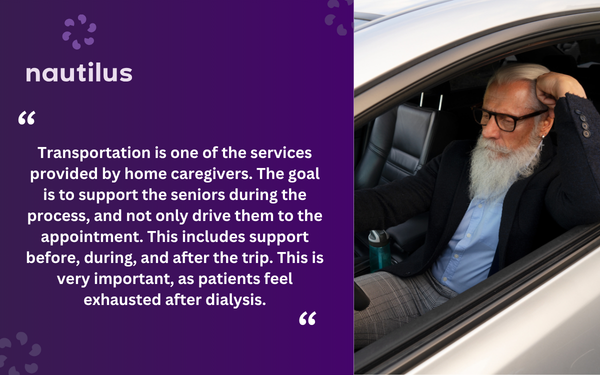
Home care provides support with everyday tasks. Each provider offers a scope of services. The family and home care agency agree on which will be included in the senior’s care plan. Non-medical services include help with personal care, mobility, meal preparation, light housekeeping, transportation, companionship, and medical reminders.13
Caregivers provide all of this, except for medical services. They give family members time to manage their own responsibilities without feeling guilty.
If you’re considering getting help, contact us today. We will answer your questions, as you have many, for sure.
References
- MedlinePlus — Weakness
- National Institute on Aging — How Can Strength Training Build Healthier Bodies as We Age?
- MedlinePlus — Muscle Atrophy
- National Institute of Arthritis and Musculoskeletal and Skin Diseases — Living With Arthritis
- National Institute of Diabetes and Digestive and Kidney Diseases — Peripheral Neuropathy
- NIH Office of Dietary Supplements — Vitamin B12
- PubMed — Protein Intake and Physical Function: Systematic Review
- National Heart, Lung, and Blood Institute — Peripheral Artery Disease Symptoms
- MedlinePlus — Statins
- National Institute on Aging — Health Benefits of Exercise and Physical Activity
- National Institute on Aging — Tips for Getting and Staying Active as You Age
- National Institute on Aging — Preventing Falls at Home: Room by Room
- Centers for Disease Control and Prevention — Information for Caregivers