


If you have never arranged for in-home care before, you must have a lot of questions. Many people have heard the term, but may not be sure what it really means.
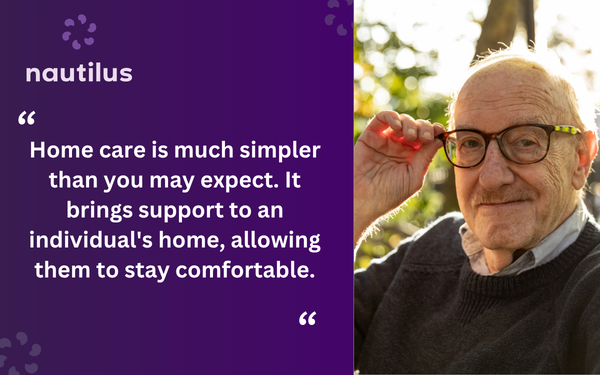
But home care is much simpler than you may expect. It brings support to an individual’s home, allowing them to stay comfortable.
Families get home care for aging parents. Or to help them during the recovery period after a surgery. We explain how home care works in simple words.
| Key Takeaway | Explanation |
|---|---|
| Home Care Is Personalized | Services are tailored to each individual’s health, routines, and preferences. |
| Care Plans Adapt Over Time | Schedules and services can be modified as needs change. |
| Caregivers Support Daily Living | Assistance may include personal care, meals, housekeeping, transportation, and companionship. |
| Scheduling Is Flexible | Families can arrange short-term, part-time, full-time, or overnight care. |
| Families Remain Involved | Home care supports family involvement rather than replacing it. |
| Home Care Promotes Independence | Clients can remain in familiar surroundings while receiving the support they need. |
In-Home Care Starts With Understanding What Help Is Needed
Every person’s situation is different. That’s why home care isn’t a one-size-fits-all option. It is flexible and can adjust to your specific situation.
Some people need help with a few tasks per week. Others require daily support with eating, getting dressed, and personal hygiene.
Before care begins, you and the agency sit down to discuss the situation. You work together to find out what level of assistance is needed. The conversation is relaxed and supportive.
For example, an 82-year-old woman moves independently around the home. She still cooks and does gardening. But she gets tired easily. So she struggles with grocery shopping, laundry, and transportation. In this case, a caregiver visits a few times per week to help with these tasks.
Another person is recovering from surgery. They need help getting dressed, preparing meals, and moving around the home. After a few weeks, they fully recover and no longer need hands-on support.
Feel free to share small details. This helps the agency tailor the approach. They will understand where support is needed and how often.
| Home Care Process | What Happens | Benefits to the Client & Family |
|---|---|---|
| Needs Assessment | The family and agency discuss daily challenges, health concerns, routines, and support requirements. | Ensures services are tailored to the individual’s specific needs. |
| Personalized Care Plan | A written plan outlines services, schedules, routines, and personal preferences. | Provides consistent, individualized care and can be adjusted as needs change. |
| Personal Care Assistance | Help with bathing, dressing, grooming, mobility, and toileting. | Promotes safety, comfort, and independence. |
| Household Support | Includes meal preparation, laundry, light housekeeping, and errands. | Reduces daily stress and helps maintain a clean, safe environment. |
| Medication Reminders | Caregivers remind clients to take medications as scheduled. | Supports treatment adherence and daily health management. |
| Transportation Assistance | Transportation to medical appointments, errands, and community activities. | Helps clients stay active and attend important appointments. |
| Companionship | Conversation, games, social interaction, and emotional support. | Reduces loneliness and improves emotional well-being. |
| Flexible Scheduling | Care can be arranged for a few hours weekly, daily visits, overnight care, or temporary recovery support. | Allows families to increase or decrease support as needs evolve. |
| Professional Caregivers | Services are provided by trained caregivers, home health aides, or nursing assistants. | Ensures safe, reliable support for daily living activities. |
| Family Involvement | Families communicate regularly with caregivers and participate in care decisions. | Creates a collaborative approach while reducing caregiver stress. |
| Aging in Place | Clients remain in their own homes while receiving support. | Preserves independence, familiar routines, and quality of life. |
A Care Plan Is Created Around the Individual
Once you have talked about the needs with the agency, they create a care plan. This is a written plan for the caregiver. It tells them which services to provide, how often to visit, the client’s routines, and preferences.
This is very important for delivering the best care. For example, the family shares how their loved one likes their breakfast. The caregiver follows this, as this helps build trust and comfort.
A care plan can include:
- Assistance with bathing and dressing
- Meal preparation
- Medication reminders
- Light housekeeping
- Transportation to appointments
- Companionship and social interaction
Needs don’t stay the same. So the care plan can adapt to the changes over time. This means that the services and schedule are adjusted to the new situation.
This type of flexibility is why many families choose home care.
What Happens During a Typical Caregiver Visit?
A typical visit depends on the person’s needs. The caregiver provides support during everyday tasks.
For example, a caregiver arrives for the morning shift. They help the client get out of bed, help with bathing, and get dressed. Then they prepare a nutritious breakfast and remind them to take their medication.
Later in the day, they help with light housekeeping. They tidy the house and clean up the kitchen. Or they take the person to a doctor’s appointment.
Care can look different for another client. The visit focuses on companionship. The caregiver checks in, spends time talking, and plays cards. Their presence helps reduce loneliness and isolation,which is common among seniors.
These tasks may seem small. But they help people remain safe and supported while enjoying the comfort of their home.
How Scheduling Works
One of the biggest advantages of in-home care is flexibility. You can arrange care for as many hours as you need. Some need a few hours each week. Others need several hours per day or overnight support.
Agencies are flexible to accommodate your needs. For example, a family starts with visits every Tuesday and Thursday afternoon to help with errands and housekeeping.
A few months later, the person needs more support due to a stroke. The schedule has changed, and now they have daily visits.
Another thing we want to highlight is the importance of short-term care. Families usually arrange this after an illness, injury, or surgery.
Here’s the thing: there is no pressure to commit. The schedule is built around the client’s needs. There is no pressure to adapt to a facility’s routine..
Who Provides the Care?
In-home care is usually provided by trained caregivers, home health aides, or nursing assistants. They have the required certification to perform services safely.
Many caregivers focus on non-medical assistance that includes personal care, meal preparation, housekeeping, transportation, and companionship.
For example, a nurse is visiting regularly to monitor a health condition and manage treatments. The caregiver helps with daily routines such as bathing, cooking, and toileting.
Care can be provided by a private caregiver or an agency. Families often choose to work with a licensed home care agency. The agency handles caregiver screening, background checks, scheduling, and supervision.
Otherwise, families must handle all administrative tasks themselves. An agency takes care of this and makes the process easier.
How Families Stay Involved
For many families, arranging in-home care makes them feel guilty. They feel like they step out. But in reality, families stay involved in more meaningful ways.
Caregivers and family members often work together to ensure that the person gets the best possible support. Families constantly communicate with the caregivers about changes and concerns.
Ultimately, many find out that in-home care actually improves the relationship with their loved one. Family members won’t spend every visit on practical tasks. Instead, they can spend quality time together.
A daughter spent every weekend cleaning, shopping, and managing medications. Things were too exhausting because she had a full-time job. She arranged home care so someone else would help with those. She finally has time to sit down, share a meal, and enjoy meaningful conversations with her mother.
What Makes In-Home Care Different From Other Care Options?
When families start looking for care, they come across different options. These include in-home care, assisted living, and nursing homes. All of them include help with everyday life, but have significant differences.
The biggest difference is where care happens and how much independence they can keep.
With in-home care, the caregiver comes to the person’s home. The client stays in familiar surroundings. They can sleep in their own bed, use their own kitchen, and use their favorite cup. They can continue with their normal routines.
In assisted living or nursing homes, the person moves into a facility where care is provided on-site. For many, this feels disruptive. Being in an unfamiliar environment and being surrounded by unfamiliar faces can be stressful.
Imagine an older adult who has lived in the same house for 40 years. Their home is filled with familiar furniture, photos, neighbors, and routines. Moving means losing a part of themselves and their identity.
The care is personalized
The in-home care plan is built around the person’s needs. In facilities, there is a general schedule for all the residents. Waking up and having meals at a fixed time feels like losing one’s independence. Staff care for many residents at a time.
The in-home caregiver adjusts the approach based on the client’s needs and preferences. They work at their own pace.
Families stay more involved
With in-home care, the families can stay involved in the person’s daily life. They can also participate in care decisions. Family members communicate directly with caregivers and stay informed about any changes in health or routines.
This approach feels more collaborative and personal. In a facility, family members may have a set time for visits. Also, they aren’t involved in decisions.
It can support independence longer
Losing independence is stressful for seniors. And moving to a facility feels like taking away their independence. But they don’t have to move immediately. They can receive help with the specific tasks that are difficult.
For example, a senior manages most of their day independently. But they need help with cooking, housekeeping, and transportation. This type of support allows them to live safely at home for years.
Also, reassurance is important for families. Knowing that someone is regularly checking on a loved one provides peace of mind.
Final Thoughts
Home care isn’t just a list of services. It improves quality of life while allowing seniors to remain at home for as long as possible. The process begins with an assessment, customized care plan, caregiver matching, and flexible schedule.
If your loved one needs help, now is the right time to look for the right option. It doesn’t matter if they need a few hours per week or daily assistance. Home care is flexible and can be adjusted to your needs.
To understand your options, contact us now and schedule a consultation.
| Question | Answer |
|---|---|
| How does in-home care work? | Home care begins with an assessment, followed by a personalized care plan and caregiver support provided in the client’s home. |
| What services can an in-home caregiver provide? | Services may include personal care, meal preparation, medication reminders, housekeeping, transportation, and companionship. |
| How often can caregivers visit? | Visits can be scheduled for a few hours per week, daily support, overnight care, or temporary recovery assistance. |
| Who provides in-home care services? | Care is typically provided by trained caregivers, home health aides, or nursing assistants. |
| Can the care plan be changed later? | Yes. Care plans are designed to evolve as the client’s health and support needs change. |
| How are families involved in the care process? | Families communicate with caregivers, receive updates, and participate in care decisions. |
| How is home care different from assisted living? | Home care allows individuals to remain in their own homes, while assisted living requires moving into a care facility. |
| Why do families choose in-home care? | Many families value the personalized care, flexibility, independence, and comfort of remaining at home. |