• Skip to primary navigation
  • Skip to main content

Nautilus In Home Care Boca Raton Nautilus In Home Care Boca Raton logo

  • About
    • Blog
    • Areas We Serve
  • Services
  • FAQs
  • Contact
CALL NOW 561-637-4242 Available 24/7
  • About
    • Blog
    • Areas We Serve
  • Services
  • FAQs
  • Contact
  • CALL US (561) 637-4242

nautilusshcstg

Can Home Care Help Seniors with Parkinson’s Disease?

​A new diagnosis brings many questions for seniors and families. They wonder whether it is still safe to remain at home. For many older adults, the answer may be yes.​

Parkinson’s disease is a progressive condition. But with the right support, seniors can remain at home safely. It is important to understand that needs change over time. The initial care plan may have helped with meals or transportation. Later, assistance with mobility, personal care, or daily routines may be added. This level of professional support makes all the difference.​

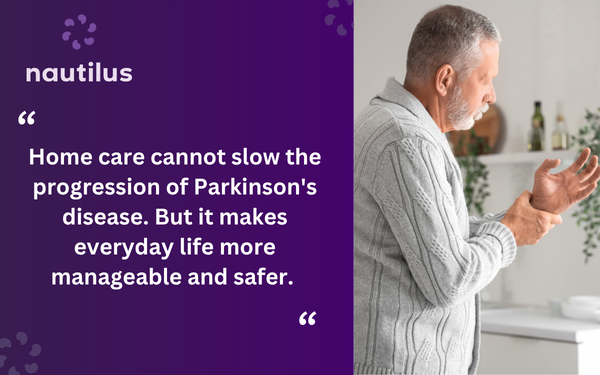
Home care cannot slow the progression of Parkinson’s disease. But it makes everyday life more manageable and safer. Seniors can maintain their independence for as long as possible. And families have peace of mind knowing their loved one isn’t facing these challenges alone.

Key Takeaways
  • Home care helps many seniors with Parkinson’s disease continue living safely and independently at home.
  • Care plans are flexible and can grow as symptoms and support needs change over time.
  • Professional caregivers assist with mobility, personal care, meal preparation, housekeeping, and transportation.
  • Medication reminders help seniors maintain consistent treatment routines.
  • Fall prevention is a major benefit through mobility assistance and home safety monitoring.
  • Caregivers work at the senior’s pace, reducing stress and making daily routines more manageable.
  • Household assistance helps seniors conserve energy for hobbies, social activities, and family time.
  • Home care also provides valuable respite for spouses and family caregivers.
  • Simple home modifications like grab bars, improved lighting, and clutter-free walkways can significantly improve safety.
  • The goal of home care is to improve quality of life while preserving independence for as long as possible.

​

Understanding How Parkinson’s Disease Affects Daily Life

Many of us associate Parkinson’s with hand tremors. But the condition affects more than movement. Seniors may experience stiffness, slow movement, poor balance, fatigue, and changes in speech.​

The simple tasks that once used to take a couple of minutes now require more time and effort. Seniors struggle with buttoning a shirt, preparing breakfast, or getting out of their chair.​

Some days are easier than others. A senior may wake up feeling energetic. Later in the afternoon, they may experience stiffness. The truth is that stress, sleep quality, and the natural progression of the disease can influence how someone feels.

​And living with uncertainty can be frustrating. For example, a retired teacher has always been independent. She still enjoys reading in her garden and making lunch. But fastening buttons is difficult. Carrying a bowl of soup to the dining room feels risky because her hands shake.

​She doesn’t need someone to take over her life. Her caregiver only assists with the tasks that have become challenging. This is how home care helps preserve independence while maintaining safety.

Topic Key Information Benefit
Living at Home Many seniors with Parkinson’s can continue living safely at home with the right level of support. Maintains independence and familiar surroundings.
Daily Challenges Symptoms include tremors, stiffness, slow movement, poor balance, fatigue, and speech changes. Helps families understand changing care needs.
Personalized Assistance Caregivers assist only with tasks that become difficult while encouraging independence. Preserves confidence and self-sufficiency.
Flexible Care Home care adjusts to the senior’s pace instead of following a fixed schedule. Reduces stress and frustration.
Fall Prevention Caregivers assist with mobility and identify hazards like loose rugs, poor lighting, and blocked walkways. Reduces fall risk and hospitalizations.
Medication Support Caregivers provide medication reminders and assist with opening containers. Promotes consistent medication routines.
Energy Conservation Housekeeping, meal preparation, and shopping are handled by caregivers. Allows seniors to enjoy hobbies and family time.
Family Support Professional caregivers help reduce the physical and emotional demands on family members. Provides caregiver relief and peace of mind.
Changing Care Needs Care plans can expand from transportation and errands to bathing, mobility, and personal care. Supports aging in place as the disease progresses.
Safer Walking Areas Remove clutter, cords, loose rugs, and unnecessary furniture while keeping pathways clear. Improves mobility and reduces accidents.
Bathroom Safety Install grab bars, shower chairs, and non-slip mats. Makes bathing and toileting safer.
Accessible Organization Store medications, dishes, clothing, and toiletries within easy reach. Reduces unnecessary bending and reaching.
Better Lighting Use brighter bulbs and motion-sensor lighting throughout the home. Improves visibility and nighttime safety.
Supportive Furniture Choose firm chairs with armrests and beds that are easy to enter and exit. Supports safe movement throughout the home.
Overall Outcome Home care combines practical assistance, companionship, and adaptable support. Improves quality of life for both seniors and families.

​

The Benefits of Home Care for Seniors Living with Parkinson’s Disease

Staying at home brings many benefits for seniors. But one major benefit of home care is flexibility. It adapts to the individual and their needs. The individual isn’t expected to adapt to a fixed schedule.

​

More Time Without Feeling Rushed

Parkinson’s makes everyday activities slower. Getting dressed once used to take only 10 minutes, but now it takes 30. Walking from the kitchen to the living room requires frequent pauses. Cooking breakfast becomes exhausting.

When seniors feel rushed, they are more likely to lose their balance or become frustrated. Over time, they give up the activities they once enjoyed.

A home caregiver is trained to work with seniors with Parkinson’s. They understand that slowing down is part of the condition. They don’t rush seniors through their morning routine. Instead, the caregiver allows extra time and steps in when needed.

For seniors, the day feels calmer and less overwhelming.

​

Improved Safety

Falls are one of the biggest concerns for people with Parkinson’s. They experience changes in balance, muscle stiffness, and slower reaction times, which increases the risk. For example, activities like carrying laundry down the hallway or stepping over a rug can result in a fall.

Home caregivers reduce these risks by assisting with mobility. They keep the pathways clear. Also, they are trained to notice potential hazards that the family members have overlooked. This includes loose rugs, poor lighting, or furniture that blocks pathways.

Fall prevention can help avoid hospitalization and maintain independence for longer.

​

Support with Medication Routines

For individuals with Parkinson’s, taking their medication on time and as directed is crucial. Even a short delay can make symptoms more noticeable. This can make movement and daily tasks more difficult.

Medication management is part of the home care services. The caregiver doesn’t prescribe medications or change doses. They ensure seniors stay on schedule by providing gentle reminders.

Childproof bottles may be difficult to open with tremors. The caregiver can do this and ensure consistency with routines.

​

Conserving Energy for the Things That Matter

Fatigue is a common symptom of Parkinson’s disease. A senior may use most of their energy on household chores, leaving little strength for the things they actually enjoy.

Home care helps with housekeeping so seniors can shift their energy to hobbies, social activities, or quality time with family.

The caregiver prepares meals, changes the bed linens, and goes grocery shopping. Seniors can use their energy for the activities they enjoy.

For example, an older gentleman loved building model airplanes with his grandson. With the progress of Parkinson’s, he was exhausted after doing cleaning and grocery shopping the whole week.

With professional help, he was able to conserve energy and spend time with his grandson.

​

Home Care Supports the Whole Family

Parkinson’s disease not only affects the person who receives the diagnosis. Family members become caregivers without any formal training. Spouses and adult children help with appointments, household tasks, and medication schedules while balancing their own lives.

Over time, the responsibilities become physically and emotionally demanding. Caregivers help ease the burden. They can take over routine tasks, giving family members some time to rest, go to doctor’s appointments, or enjoy quality time with the seniors.

Many say that home care allows them to be a husband, wife, a daughter, or a son again.

​

Home Care Grows as Needs Change

Parkinson’s disease isn’t the same for everyone. The disease progresses differently for everyone. Some seniors may be independent for many years. Others require everyday assistance. Home care can adapt to the changing needs.

A home care plan can begin with transportation to medical appointments and help with grocery shopping. Months later, the care plan can extend to include bathing assistance, mobility support, meal preparation, or longer caregiver visits.

The flexibility allows seniors to remain at home without making sudden lifestyle changes.

​

Small Changes at Home Can Make a Big Difference

Having a loved one with Parkinson’s disease often requires home modifications to ensure safety. Individuals struggle with changes in movement, balance, and energy levels. Professional caregivers assess the home environment and suggest modifications to improve safety.

​

Create a Safer Walking Environment

Falls are one of the greatest concerns for seniors. Muscle stiffness, slower movement, and episodes of freezing make moving around the home unsafe.

Families can reduce the risk by removing tripping hazards like loose rugs, electrical cords, and unnecessary furniture. Also, they are advised to keep the walkways clutter-free. This makes it easier to move around with a cane or walker.

Everyday habits are also important. Families should encourage the seniors to avoid carrying heavy items. Or they shouldn’t rush to answer the phone to prevent accidents. A professional caregiver can help during transfers.

​

Make the Bathroom Easier to Use

Bathrooms are one of the most challenging areas for seniors. Wet floors and small spaces can increase the risk of slipping. Over time, they may skip showers because they fear falling.

Families are often advised to install grab bars near the toilet and inside the shower. This provides additional support. Also, a shower chair makes bathing less physically demanding. Add non-slip mats to further prevent slipping. These modifications allow seniors to manage hygiene routines while feeling safe.

​

Organize Frequently Used Items

Bending, reaching, or standing for long periods can become tiring or unsafe for individuals with Parkinson’s. Make sure they have their personal items such as medications, dishes, clothing, and toiletries within easy reach. This reduces unnecessary movement, which helps prevent accidents and conserve energy.

​

Improve Lighting Throughout the Home

Better lighting helps prevent falls. Dark hallways, staircases, and entryways are risky. Seniors may not notice obstacles on the floor or find it difficult to judge distances. Adding bright bulbs and motion sensors helps improve visibility. This is especially helpful for seniors who frequently get up at night to use the bathroom.

​

Choose Furniture That Supports Mobility

Chairs with firm cushions and sturdy armrests provide support when sitting down or standing up. Beds that are too soft or too low may make it difficult to get in and out. Tables with sharp corners are a hazard if a senior has problems with balance.

​

Final Thoughts

Home care helps seniors with Parkinson’s remain safe and stay independent. A caregiver helps with daily activities, mobility, medication routines, household tasks, and companionship. This helps families and seniors deal with the challenges of this condition.

Every person’s journey is unique. If you need support at home, contact us now. We are ready to answer your questions.

Frequently Asked Question Answer
Can seniors with Parkinson’s disease continue living at home? Yes. Many seniors can safely remain at home with personalized home care that adapts as their needs change.
What services do home caregivers provide for Parkinson’s patients? Services may include personal care, mobility assistance, meal preparation, housekeeping, transportation, medication reminders, and companionship.
Can home care stop Parkinson’s disease from progressing? No. Home care does not slow the progression of Parkinson’s disease, but it helps seniors manage symptoms safely and maintain their independence.
How does home care reduce fall risks? Caregivers assist with walking, transfers, and identifying hazards such as loose rugs, clutter, poor lighting, and unsafe furniture placement.
Can caregivers help with Parkinson’s medications? Yes. Caregivers can provide medication reminders and help seniors stay on schedule, but they do not prescribe or adjust medications.
How does home care benefit family caregivers? Professional caregivers reduce the daily caregiving burden, allowing family members to rest, manage personal responsibilities, and spend quality time with their loved one.
What home modifications improve safety for someone with Parkinson’s? Helpful modifications include grab bars, non-slip mats, brighter lighting, clutter-free walkways, supportive furniture, and keeping everyday items within easy reach.
Does home care change as Parkinson’s progresses? Yes. Home care plans can expand from basic assistance with errands and transportation to include personal care, mobility support, and longer caregiver visits as needs evolve.

Does Home Care Help Seniors with Medication Management?

Taking medications is part of everyday life for seniors. They may take a pill for blood pressure in the morning. Or insulin between meals. With multiple conditions at once, managing the medication may become challenging.​

Seniors may miss their dose. Or they take the same medication twice. Also, mixing up prescriptions can lead to health problems.

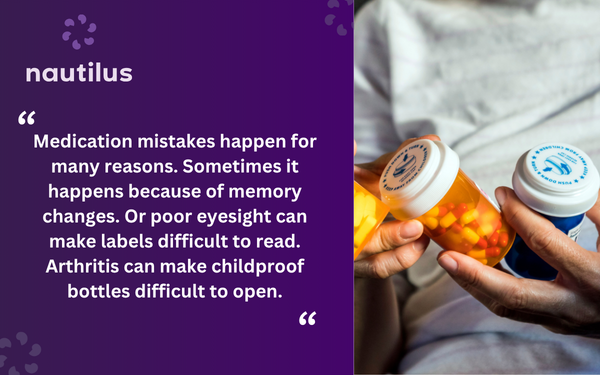
​Medication mistakes happen for many reasons. Sometimes it happens because of memory changes. Or poor eyesight can make labels difficult to read. Arthritis can make childproof bottles difficult to open.

​But family members may not always be present to supervise medication. This is the main reason why many begin to look for additional support. Home care helps seniors follow their medication schedule and prevent mistakes.

Key Takeaways

  • Medication routines often become more complicated as seniors manage multiple health conditions and prescriptions.
  • Memory changes, poor eyesight, and reduced dexterity increase the risk of missed doses or medication errors.
  • Taking medications incorrectly can lead to serious health complications, emergency room visits, or hospitalizations.
  • Home caregivers provide medication reminders and help seniors follow their physician’s instructions without changing medications or dosages.
  • Organized medication schedules reduce confusion and make daily routines easier to manage.
  • Consistent medication management helps control chronic conditions and supports long-term independence.
  • Families gain peace of mind knowing a caregiver is helping monitor medication routines.
  • Medication support can increase over time as a senior’s health, memory, or mobility changes.
  • Warning signs include forgotten doses, duplicate medications, missed refills, and increasing frustration with medication routines.
  • Medication reminders are one part of a personalized home care plan that can be adjusted as care needs evolve.

​

Why Medication Management Becomes More Difficult With Age

Most seniors don’t struggle because they’re careless. Medication routines become more difficult over time.

​A healthy senior may take one prescription each morning. Ten years later, they manage medications for heart disease, diabetes, arthritis, high cholesterol, and osteoporosis.

​Some pills need to be taken with food, while others are taken on an empty stomach. One medication should be taken twice a day, while another is only taken every other evening.

​But misunderstanding the instructions can reduce the medication’s effectiveness or cause side effects.

​

The Risks of Poor Medication Management

Medication mistakes can have serious consequences. Missing blood pressure medication for several days can cause high readings. Taking too much insulin can lead to low blood sugar. Missing antibiotics may not clear the infection, so it can return.

​For families, it is difficult to spot the symptoms. A senior may become unusually tired or dizzy because they accidentally took the wrong medication for weeks. Families may assume these changes are part of aging.

​There are also practical challenges. A senior may forget to refill their prescriptions. Or they may not notice the expired medication in the cabinet due to poor eyesight.

​A senior may continue taking a medication that a doctor discontinued just because it was never removed from the cabinet.

​

How Home Care Supports Medication Management

Professional caregivers help with medication management. They do not prescribe medications or change doses. Their role is to assist the senior in following the medication schedule as prescribed by their healthcare providers.

​Gentle medication reminders are one of the most valuable forms of support. For many seniors, a simple reminder to take their medication is enough. This is especially important for those with mild memory loss.

​A caregiver may visit every morning and evening to ensure that medications are taken correctly. Some agencies may also offer scheduled reminder calls, depending on the care plan. At scheduled times to remind the senior. Keeping the routine consistent reduces the chance of missed or duplicate doses.

​Caregivers can organize the medication schedules. For example, a senior has a kitchen cabinet with ten different prescription bottles, each with different instructions printed in small text. It is easy to become confused.

​The caregiver keeps the medications organized according to the physician’s instructions. This makes the routines smoother and reduces stress.

​But taking medication correctly isn’t just about preventing illness. It helps seniors stay active and independent. When medications are managed well, the chronic conditions are more stable. Blood pressure is under control, and diabetes is easier to manage. The pain is reduced, and breathing problems are less likely to worsen.

​The stability means fewer emergency room visits and fewer hospital stays. Seniors can remain independent and enjoy their favorite everyday activities.

​A grandmother takes her arthritis medication correctly thanks to her caregiver. She may be able to attend her grandson’s soccer game.

​A grandfather manages his heart medication correctly. A caregiver visits every day to ensure they are taken on time. He feels well enough to continue meeting his friends for coffee each week.

Topic Key Information Benefit / Impact
Why Medication Management Becomes Difficult Multiple prescriptions, different schedules, memory changes, poor eyesight, arthritis, and complex instructions make medication routines harder. Greater risk of missed doses, duplicate doses, and medication confusion.
Risks of Poor Medication Management Missing medications, taking incorrect doses, forgetting refills, or using discontinued or expired prescriptions. Can lead to worsening health conditions, side effects, infections, emergency visits, or hospitalization.
How Home Care Helps Caregivers provide medication reminders, organize medication routines, and help seniors follow physician instructions. Reduces missed or duplicate doses and improves medication adherence.
Health Benefits Consistent medication routines help manage chronic conditions like diabetes, heart disease, arthritis, and high blood pressure. Supports independence, reduces pain, improves overall well-being, and lowers hospitalization risk.
Peace of Mind for Families Caregivers help monitor medication routines, remind families about refills, and provide consistent support. Reduces caregiver stress and allows families to focus on spending quality time together.
When More Support Is Needed Medication assistance may increase after surgery or with progressive conditions such as dementia. Flexible care plans adapt as health needs change without disrupting routines.
Warning Signs Forgotten doses, duplicate medications, incorrect refill timing, difficulty opening bottles, confusion, dizziness, fatigue, or frustration with medication routines. Early recognition helps prevent serious medication-related complications.
Medication Management Within Home Care Medication reminders are combined with services such as meal preparation, transportation, bathing, dressing, housekeeping, mobility assistance, and companionship. Provides personalized support that allows seniors to remain safely at home.
Key Takeaway Medication management is an important part of maintaining health, safety, and independence for older adults. Professional home care provides reliable support while helping seniors continue living comfortably at home.

​

Home Care Gives Families Peace of Mind

Family members often worry whether their loved one has taken their medications correctly. Adult children call every morning to ask their elderly parents whether they took their pills. Some drive across town to check medication boxes or refill prescriptions.

​This can become overwhelming. Family members balance their careers, children, and caregiving responsibilities.

​A professional caregiver can step in to help. Knowing someone checks the medication routines gives families peace of mind. They stress less about their loved one missing their medication. Conversations shift from reminders to family life.

​

When Medication Support Needs to Increase

Medication needs often change gradually. A senior may initially need occasional reminders. As vision, memory, or mobility declines, they may require daily assistance.

​For example, a senior recovering from surgery may temporarily need help. A caregiver visits every day to organize several new prescriptions. After recovering, he can manage his medications independently.

​Another senior with dementia requires long-term assistance. Remembering medication schedules is more difficult, so they need consistent assistance.

​One advantage of home care is flexibility. This means support can begin light and increase when health conditions change. Families don’t have to make major lifestyle changes. The level of assistance grows with the senior’s needs.

​

Signs Your Loved One May Need Help Managing Medications

Families may not realize their loved one is struggling with medications. But there are often small warning signs. Recognizing these changes helps families prevent bigger problems.

​One of the first signs is forgetting doses or taking medications more often than prescribed. The senior may wonder whether they took their pill that day. If these moments become frequent, they can mean missed or duplicate doses. And this is especially concerning for medications like blood thinners, insulin, or heart medications. Taking too much or too little can have serious consequences.

​Another common problem is the pill bottle being full when it should be empty. Or it is empty long before they are due for a refill. These situations suggest the medication routine is becoming overwhelming.

​Changes in physical abilities can also be a problem. Childproof bottles are hard to open, especially for older adults with arthritis. Poor eyesight makes reading labels difficult. This increases the chances of taking the wrong medication or wrong dosage.

​Families should also pay close attention to changes in health. Confusion, dizziness, unusual fatigue, or changes in blood pressure may be related to medication errors.

​Ultimately, the biggest sign a senior is struggling with medication is expressing frustration. They may be clear about feeling overwhelmed with their routine.

​

Medication Management Is One Part of a Personalized Home Care Plan

Medication management is just one of the many services included in home care. It is not a one-size-fits-all solution. Instead, the care plan is adjusted to each person’s needs and preferences. Families can choose the level of support that they need.

​For example, a senior is still active and only needs help with medications and doctor’s appointments. The caregiver provides gentle reminders and transports them to their appointments.

​Someone else may need more help in addition to medication reminders. They require daily assistance with bathing, dressing, meal preparation, light housekeeping, mobility support, and companionship.

​As care needs change, services can be adjusted without disrupting the senior’s routine.

​During each visit, the caregiver will remind the senior to take their medications. They help them stay organized. Plus, professional caregivers can notice when something seems unusual. They can remind the family members when prescriptions are low so they don’t forget about refills.

​For example, an older adult receives care three times a week. The caregiver visits in the mornings to prepare a healthy breakfast and remind the client to take their morning medications with food. Then, they help with dressing and tidy the kitchen before leaving.

​Another client is recovering from a hospital stay. They have a caregiver visiting daily. Services include medication reminders, mobility assistance, meal preparation, and transportation to follow-up appointments.

​In both examples, medication management is part of a broader care plan. It isn’t a separate service.

​Flexibility is the biggest advantage of home care. Families only pay for the services they use. There is no pressure to get more than they need. With this, seniors can get the support that reflects their current abilities. As health conditions change, additional services can be added to the existing care plan without any disruptions. Ultimately, seniors can continue living safely and comfortably at home.

​

Final Thoughts

Medication management is part of the everyday routine. But it is crucial for seniors to remain healthy and independent.

​When prescriptions become more complex, managing them independently becomes challenging. Seniors struggle to remember schedules, understand instructions, or keep track of multiple medications. With home care, older adults can remain at home safely.

​If your loved one struggles with taking medications, we’re here to help. Contact us now and schedule a consultation.

Frequently Asked Question Answer
What is medication management in home care? Medication management involves helping seniors follow their prescribed medication schedule through reminders, organization, and routine support. Caregivers do not prescribe medications or change dosages.
Can caregivers administer medications? Services vary by agency and state regulations. In many cases, caregivers provide reminders and assistance while following the care plan and healthcare provider’s instructions.
How do I know if my loved one needs medication assistance? Common signs include forgotten doses, duplicate medications, missed refills, confusion about prescriptions, difficulty reading labels, and frustration managing multiple medications.
Can medication reminders help seniors stay independent? Yes. Consistently taking medications as prescribed helps manage chronic conditions, reduces health complications, and allows many seniors to remain safely in their own homes.
Is medication management included with other home care services? Yes. Medication reminders are typically part of a personalized care plan that may also include meal preparation, companionship, personal care, housekeeping, transportation, and mobility assistance.
Can home care services change as medication needs increase? Yes. Home care plans are flexible and can be adjusted as a senior’s health, memory, or mobility changes, allowing additional support without disrupting their daily routine.

Can Home Care Help Prevent Nursing Home Placement?

For families, a nursing home is a difficult decision. It comes with mixed emotions. Your loved one will be safe and receive professional care. But it often feels like a last step. So families hope to delay it as long as possible.​

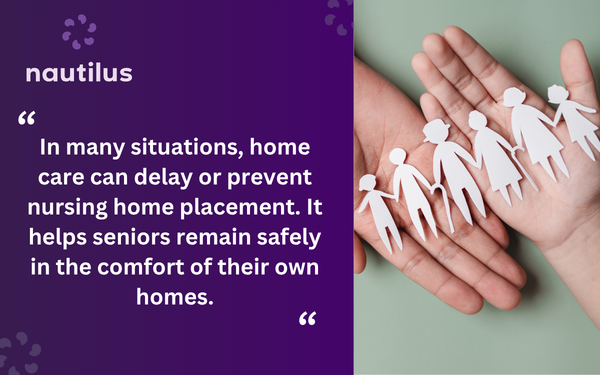
In many situations, home care can delay or prevent nursing home placement. It helps seniors remain safely in the comfort of their own homes.

​However, the answer may not be simple. Home care may not replace nursing homes in every situation. But it can change the timeline. Families have more time and control before making a decision.

Key Takeaways

  • Home care can often delay nursing home placement by helping seniors remain safe and independent at home.
  • Support with meals, bathing, medication reminders, housekeeping, and mobility reduces everyday safety risks.
  • Regular caregiver visits may help prevent falls, hospitalizations, and emergency situations.
  • Home care provides valuable respite for family caregivers, reducing burnout and allowing them to focus on quality time.
  • Remaining in a familiar home environment supports emotional well-being and cognitive stability.
  • Care plans are flexible and can gradually increase as a senior’s needs change.
  • Some situations—including advanced medical needs, severe dementia, or the need for 24/7 supervision—may require nursing home or memory care.
  • Planning for home care before a crisis gives families more options and makes future care transitions easier.

​

Why Staying at Home Matters to Seniors and Families

Most seniors don’t want to move to a facility. The reasons are rather emotional. Home represents familiarity. It holds memories and routines. It is a place where seniors feel independent. They feel most comfortable in a kitchen where they have cooked for decades. A home is more than just a place to live. It is part of their personal identity.​

For example, an elderly man has lived in the same apartment for 40 years. He struggles with short-term memory issues. But he still knows where his favorite chair is. And he remembers how to make his favorite tea.​

Imagine removing him from that familiar environment. This can create stress and confusion.​

Families often hope to delay nursing home placement. They want to preserve independence. Also, they hope their loved one maintains emotional stability this way.​

On top of that, families prefer personalized care. In facilities, caregivers are assigned to multiple residents. So the approach isn’t one-on-one. Within home care, the attention is focused on the senior and their needs.​

Also, families and seniors are often emotionally unprepared for a move.

Topic How Home Care Helps When Nursing Home Care May Be Needed
Daily Living Support Assistance with meals, bathing, medication reminders, housekeeping, and mobility helps seniors remain independent. Daily care needs become too extensive to manage safely at home.
Hospitalization Prevention Caregivers help reduce falls, monitor health changes, and encourage medication compliance. Frequent hospitalizations or serious health declines require ongoing medical supervision.
Family Caregiver Support Provides respite, reduces caregiver burnout, and allows families to focus on emotional connection. Family caregivers are no longer physically or emotionally able to provide care.
Routine & Cognitive Stability Maintains familiar surroundings, routines, and consistent caregiver relationships. Advanced dementia or behaviors create safety risks that require specialized care.
Personalized Care Care plans can expand gradually from companionship to personal care and overnight support. 24/7 supervision or complex care exceeds what home services can safely provide.
Emotional Well-Being Remaining at home preserves independence, identity, comfort, and quality of life. Safety and medical needs outweigh the emotional benefits of staying at home.
Planning Ahead Starting care early allows gradual adjustments, home safety improvements, and stronger caregiver relationships. Waiting until a crisis often limits available care options and speeds nursing home placement.

​

How Home Care Can Delay Nursing Home Placement

Home care provides a long-term support system. As needs change, the care plan adapts. This can help delay nursing home placement in a few different ways.

​

Supporting Daily Living

Often, the need for a nursing home isn’t sudden. The change happens gradually, often starting small. You may notice your loved one is forgetting meals or missing their medications. They may not feel safe getting in and out of the shower. They feel unsteady on their feet or have already fallen. Plus, they have no energy to keep up with housekeeping.

​Home care can step in before the situation becomes critical. A caregiver can visit a few times a week to help with meals, medication reminders, and bathing. Over time, the visits can increase.

This prevents crises that lead to early nursing home placement.

​

Reducing Hospitalizations and Emergency Situations

One of the most common reasons for entering a nursing home is a hospital stay. Falls, infections, or sudden health declines often result in hospitalization. After discharge, families realize they can’t manage care at home by themselves.

​Home care can reduce hospitalizations with fall prevention, medication reminders, monitoring changes in health, and mobility assistance.

​For example, a caregiver notices that the senior is becoming unsteady on their feet. They alert the family before a fall happens. This small intervention can help prevent a hospital visit.

​

Supporting Family Caregivers

Nursing home placement is one of the options when family members experience caregiver burnout. A spouse or adult child may start with full commitment to care. But over time, responsibilities grow.

​An in-home caregiver takes over some of the responsibilities. Even a few hours a day make a difference. This allows family caregivers to have time for themselves. They can sleep through the night, go to work, maintain their health, and take breaks without guilt.

​This doesn’t mean family members step away from caregiving. Families can focus on the emotional connection instead of the everyday tasks. When caregivers receive the support they need, seniors are more likely to remain at home safely.

​

Maintaining Routine and Cognitive Stability

Routine is very important, especially for seniors with memory challenges. Staying at home with support helps maintain sleep patterns, familiar surroundings, regular meals, and daily habits.

​For seniors, waking up in their own bedroom, eating breakfast in their kitchen, and seeing a familiar caregiver regularly helps with confusion.

​For example, a woman with early dementia becomes disoriented in unfamiliar settings. But she enjoys her morning coffee at her kitchen table independently. Home care helps preserve stability.

​

Personalized Attention

Home care is flexible and can adjust to changing needs. A care plan can begin with light support and gradually increase.

For example, a senior can get companionship visits and meal preparation. As their condition progresses, they can get personal care assistance, mobility support, or overnight care.

​

The Emotional Benefit of Staying at Home Longer

Home care goes beyond practical tasks. It supports emotional well-being, which helps delay nursing home placement.

​Seniors who remain at home often experience a stronger sense of identity. They feel less anxiety and confusion. Plus, they have more control over daily life.

​Consider an 85-year-old woman who still tends to her balcony plants. Her caregiver provides support. In a nursing home, she may no longer be able to enjoy this small daily activity that gives her a sense of purpose.

​Emotional stability often impacts physical health. Seniors who feel safe and oriented often sleep better, eat better, and remain active.

​

When Home Care Is No Longer Enough

Home care has many benefits, but it also has limits. At some point, safety and medical needs can’t be managed at home.

​

24/7 Supervision Is Required

If a senior can’t be left alone safely, this may mean they need more than home support. This includes situations like:

  • Wandering frequently
  • Forgetting to turn off appliances
  • Attempting unsafe movements without assistance
  • Becoming disoriented at night

​Even if there is someone present, continuous supervision at home may not be sustainable.

​

Advanced Mobility and Physical Needs

When a senior has advanced mobility needs, home care may no longer be enough. They may be totally dependent on transfers or experience frequent falls. Also, cases of severe weakness and paralysis require advanced assistance.

​

Complex Medical Care

Some conditions require skilled nursing support that goes beyond the standard home care. Things like advanced wound care, feeding tube management, and frequent medical monitoring require a nursing facility.

​

Behavioral or Cognitive Safety Risks

When dementia progresses, some behaviors may be difficult to manage at home. This may happen with other conditions as well. Behaviors like aggression, severe confusion, paranoia, wandering, and resistance to care require specialized memory care institutions.

​

Caregiver Burnout Reaches a Breaking Point

Sometimes, the transition happens because the family caregivers can’t do it anymore. They may be physically exhausted, emotionally overwhelmed, or have health issues. In such cases, home care may no longer be realistic.

​But it is important to understand home care as the first phase of care. It isn’t a failed solution. In many cases, it delays transition to a nursing home by months or years. The goal isn’t to avoid nursing homes at all costs, but to ensure comfort and safety for as long as possible.

​

Planning Ahead Makes Home Care More Successful

Many families wait until a crisis happens to look for some care options. They often call an in-home care agency after a fall, missed medication, or a hospitalization. But decisions need to be made quickly, leaving you fewer options.

​Starting home care early gives everyone time to adjust. The senior can build a relationship with their caregiver while still being independent. This makes it easier to accept help later when they need it. They won’t feel like a stranger has entered their home. The caregiver becomes a familiar face and trusted companion.

​Early planning also allows families to identify safety concerns. They can solve them before they become an emergency. For example, they can make home modifications, organize medications, and increase support gradually.

​For example, a senior needs help with grocery shopping and transportation. But their needs change, and they need more hands-on support. The services include assistance with bathing, meal preparation, and mobility. A care plan was already in place, so the services can be added without any disruptions.

​

Final Thoughts

Home care can delay nursing home placement for many seniors. It supports daily living, reduces emergencies, and helps preserve familiar routines.

​But home care also has limits. When care needs increase, families may need more structured support. The decision isn’t sudden. It builds over time with small changes in health and mobility.

​If you’re considering home care as an option, this is the right place to start. Contact us now and schedule a consultation.

Question Answer
Can home care prevent nursing home placement? In many cases, yes. Home care can delay or prevent nursing home placement by helping seniors safely manage daily activities and health needs at home.
What services does home care typically provide? Services may include personal care, meal preparation, medication reminders, companionship, housekeeping, transportation, and mobility assistance.
How does home care help family caregivers? Professional caregivers provide respite, reduce caregiver burnout, and allow family members to balance work, personal health, and caregiving responsibilities.
When is home care no longer enough? Home care may no longer be sufficient when a senior requires continuous supervision, complex medical care, advanced mobility assistance, or specialized memory care.
Should families start home care before it’s absolutely necessary? Yes. Starting early allows seniors to build trust with caregivers, makes gradual care adjustments easier, and helps families avoid making rushed decisions during emergencies.
Can home care services increase over time? Yes. Care plans are designed to be flexible, allowing services to expand from occasional companionship to more comprehensive personal and overnight care as needs evolve.

Can a Senior Stay at Home with Dementia?

​A dementia diagnosis changes everyday life. However, it doesn’t mean a senior needs to leave home. It turns out many older adults continue living at home years after the diagnosis. They require the right level of support.

​If you were wondering whether your loved one can stay at home, the answer is often yes. This is possible during the early and middle stages of dementia. But it requires supervision, practical help, and securing the home.

​The real point is that every person’s experience with dementia is different. Some seniors can remain independent for some time. Others may need everyday assistance. Families should focus on safety and comfort.

Key Takeaways
Many seniors with dementia can safely remain at home during the early and middle stages with proper support.
Familiar surroundings and daily routines can reduce confusion, anxiety, and emotional stress.
Professional in-home caregivers provide personalized assistance with personal care, meals, medication reminders, companionship, and household tasks.
Home care plans can be adjusted over time as dementia progresses and care needs increase.
Simple home safety modifications, such as grab bars, better lighting, and removing tripping hazards, help reduce risks.
Family caregivers benefit from professional support, allowing them to rest and spend more meaningful time with their loved one.
Frequent wandering, the need for 24-hour supervision, aggressive behaviors, or complex medical conditions may indicate that a higher level of care is needed.

​

Can a Senior Stay at Home with Dementia?

The home is a familiar environment. It provides the level of comfort no care facility can replace. A senior with dementia may not remember recent conversations. But they know where the kitchen is, recognize family photos, and enjoy sitting on the same porch. Staying in familiar surroundings helps reduce confusion.

​For example, an 80-year-old woman has lived in the same house for 35 years. She may forget what day it is or repeat the same story several times. But she smiles when she waters her flowers in the mornings. She enjoys having coffee in the same chair every day. Keeping these simple routines provides emotional stability. This becomes very important as dementia progresses.

​Remaining at home means the senior gets to stay close to family, neighbors, and friends. They keep the familiar daily routines and sleep in their own bed. Older adults can spend time with their beloved pets. And they can continue enjoying the hobbies they love.

Basically, they feel independent.

​As dementia progresses, stress and anxiety often increase. The familiar experiences can help reduce them.

Topic Key Information Why It Matters
Can Seniors Stay at Home? Many seniors with dementia can safely remain at home during the early and middle stages with appropriate support. Maintains independence while ensuring safety and quality of life.
Benefits of Staying Home Familiar surroundings, established routines, family, pets, neighbors, and favorite activities reduce confusion and anxiety. Supports emotional well-being and cognitive comfort.
In-Home Care Services Personal care, meal preparation, medication reminders, housekeeping, transportation, companionship, mobility assistance, and cognitive engagement. Provides personalized support while allowing seniors to remain at home.
Personalized Care Caregivers adapt routines and activities based on daily mood, preferences, and abilities. Improves comfort, engagement, and quality of life.
Reduced Confusion Remaining in a familiar environment avoids the stress of adapting to a new facility. Helps reduce anxiety and disorientation.
Consistent Routines Maintains familiar daily habits such as meals, walks, hobbies, and bedtime routines. Provides predictability and emotional stability.
One-on-One Attention Dedicated caregivers monitor changes in health, mood, appetite, and mobility. Allows early intervention and personalized care.
Supporting Independence Caregivers encourage participation in safe daily tasks like folding laundry, watering plants, or choosing clothing. Preserves confidence and sense of purpose.
Emotional Comfort Companionship through conversation, meals, family photos, music, and shared activities. Builds trust and reduces feelings of fear or isolation.
Benefits for Families Professional caregivers provide respite, allowing family members to rest and focus on meaningful time together. Reduces caregiver stress and burnout.
Flexible Care Plans Care can gradually increase as dementia progresses and needs change. Allows seniors to remain at home longer without major disruptions.
Home Safety Improvements Remove tripping hazards, install grab bars, improve lighting, secure medications, label cabinets, and use door alarms if needed. Reduces accidents while supporting independence.
When Home Care May Not Be Enough Frequent wandering, need for 24/7 supervision, aggressive behaviors, or complex medical conditions may require a higher level of care. Ensures the senior receives appropriate care when safety becomes a concern.
Overall Takeaway With family involvement, home modifications, and professional caregivers, many seniors can safely remain at home after a dementia diagnosis. Supports dignity, safety, and quality of life for as long as possible.

​

In-Home Care Helps Seniors Continue Living Safely

Home care provides professional assistance, so seniors can remain in their homes. Caregivers visit the home according to a defined care plan. Some families schedule a few hours per week. Others have daily visits or around-the-clock care. This depends on the senior’s needs.

​Support can look different for everyone. In-home care agencies often offer:

  • Personal hygiene and bathing assistance
  • Dressing and grooming
  • Meal preparation and hydration reminders
  • Medication reminders
  • Light housekeeping
  • Laundry
  • Grocery shopping
  • Transportation to appointments
  • Fall prevention
  • Mobility assistance
  • Companionship
  • Cognitive engagement through conversation, games, music, or simple activities
  • Monitoring for changes in health or behavior

​

Families can choose which services to add to the care plan. The best thing is that home care is flexible. When needs change, families can add more support.

​

The Benefits of In-Home Care for Seniors with Dementia

Home care focuses on the individual. One of the major benefits is the personalized approach. It adjusts to the individual’s needs, rather than forcing them into a facility’s schedule.

​The caregiver closely follows the mood and preferences. They can adjust each day based on how the senior is feeling.

​For example, someone wakes up anxious. The caregiver spends extra time providing reassurance. They don’t rush through routines.

​If a senior enjoys gardening, they can spend time tending flowers while being monitored. If they enjoy music, the caregiver ensures their favorite songs become part of the day’s activities.

​These meaningful activities help improve quality of life.

Less Confusion

Moving to a facility can be very disorienting for someone with dementia. Simple things like finding the bathroom, recognizing hallways, or remembering where personal belongings are kept may feel stressful.

​Remaining at home prevents many of these challenges. The surroundings are already familiar.

​

Consistent Daily Routines

Seniors with dementia often thrive on familiar routines. The daily structure helps reduce anxiety. Things like waking up at the same time, eating familiar meals, watching a favorite TV show, or taking a walk provide comfort.

​In a facility, these routines will be replaced with new ones. This may cause confusion.

​So that’s why professional caregivers help preserve the senior’s routines with encouragement and gentle reminders. They don’t replace them.

​

One-on-One Attention

In a facility, caregivers are assigned to multiple residents. So they can’t provide the one-on-one attention they need.

​An in-home caregiver focuses on one individual. They can notice changes in mood, appetite, or mobility early. They can then report these changes to family members and healthcare providers to prevent issues from worsening.

​

Greater Independence

Many seniors are afraid of losing their independence. But home care supports it rather than taking it away. And this is seen through how everyday tasks are done. The caregiver doesn’t take over fully. Instead of completing every task for the senior, they often encourage participation whenever it is safe.

​For example, the senior can fold towels. They can prepare the ingredients for lunch. Watering the plants is another example. And they can choose their outfit for the day. These small activities help preserve their confidence and provide a sense of purpose.

​

Emotional Comfort

For seniors, living with dementia can be frightening. They can recognize the memory changes but may not be able to explain them. Having a familiar face provides reassurance, which creates trust and emotional security.

​Comfort comes from simple moments. Sharing a meal, talking about childhood memories, looking through family photo albums, or sitting together on the porch help seniors feel connected.

​

Relief for Family Caregivers

We understand that caring for a loved one with dementia is rewarding. It is an act of love and devotion. But it can also be exhausting. Family caregivers often experience emotional stress, poor sleep, and fatigue. They balance full-time jobs and other personal responsibilities.

​Professional caregivers provide consistent support so spouses or adult children can rest. They can have time for their appointments or spend time with their own families. Ultimately, they can enjoy being a son, daughter, or spouse instead of a full-time caregiver.

​Many families say they can finally enjoy quality time together. They can have meaningful conversations and special moments again because someone else is helping with the daily caregiving responsibilities.

​

A Care Plan That Changes Over Time

Dementia doesn’t stay the same. Someone may need companionship and supervision today. But over time, they may require help with dressing, bathing, eating, or walking.

​In-home care is flexible and responds to changes. Families can increase the number of hours or add services. They don’t have to make major life changes. The gradual approach feels less overwhelming for the senior and the family.

​

Making the Home Safer

Home care helps create a safer living environment. The home care agency does an assessment to find risks. Then they recommend simple adjustments to improve safety.

​This can look like removing loose rugs that could cause falls. Or installing grab bars in the bathroom. Improving the lighting throughout the home is another fix that can improve safety.

​For some seniors, locking away medication and cleaning supplies is necessary. Or using automatic shut-off devices for stoves.

​For convenience, they may recommend placing labels on cabinets and doors. Plus, keeping frequently used items within easy reach helps avoid confusion. If wandering worries you, installing door alarms is an option.

​The small updates help support independence and safety.

​

When Home Care May No Longer Be Safe

Many seniors remain at home safely for years. But at a certain point, this may no longer be an option.

​The decisions come with feelings of guilt. Family members may think they somehow failed their loved one. But in reality, dementia changes over time. And this means that needs will increase.

​There are several signs that may indicate staying at home is no longer safe.

​

Frequent Wandering

A senior who starts leaving home without telling anyone or becoming lost is a serious risk. They may not recognize familiar faces like neighbors.

​When wandering continues despite the safety measures, it is time to consider a higher level of care.

​

Around-the-Clock Supervision Is Needed

When dementia progresses , seniors can’t be left alone. Even doing this for shorter periods can be risky. For example, they may forget the food that is cooking on the stove. They leave the water running. They may unlock doors at night. Misusing medication is another problem common in seniors with dementia.

​This means that constant supervision is needed. When the family can’t provide it, remaining at home is no longer safe.

​

Aggressive or Unsafe Behaviors

Some individuals may develop behavior that is unsafe for them and others. This may include physical aggression, severe agitation, or resistance to essential care. This may need specialized dementia care.

​

Complex Medical Needs

As dementia advances, seniors may experience other health issues. Swallowing difficulties, severe mobility limitations, recurring infections, or other medical conditions requiring skilled nursing support.

​

Final Thoughts

A dementia diagnosis doesn’t have to mean the senior should immediately leave home. With planning, family involvement, home modifications, and professional caregivers, seniors can remain in their homes safely.

​If you have any questions regarding in-home care, contact us and schedule a consultation.

Question Answer
Can a person with dementia continue living at home? Yes. Many seniors with dementia can safely remain at home during the early and middle stages with family support, home modifications, and professional caregiving.
What services does in-home dementia care include? Services commonly include personal care, meal preparation, medication reminders, housekeeping, transportation, companionship, mobility assistance, and cognitive engagement.
Why is staying at home beneficial for someone with dementia? A familiar environment helps reduce confusion, supports daily routines, and provides emotional comfort through familiar people, belongings, and activities.
How can families make the home safer for someone with dementia? Removing tripping hazards, installing grab bars, improving lighting, securing medications, labeling cabinets, and adding door alarms are common safety improvements.
When is it no longer safe for someone with dementia to remain at home? A higher level of care may be needed if the senior frequently wanders, requires constant supervision, develops unsafe behaviors, or has complex medical needs.
How does in-home care benefit family caregivers? Professional caregivers reduce caregiver stress by assisting with daily responsibilities, giving family members time to rest, work, and enjoy meaningful moments with their loved one.

Palm Beach County Resources for Seniors Living Alone

Many seniors in Palm Beach County live alone. They enjoy having their routine, their own space, and making independent decisions. But living alone can also bring challenges.​

Simple tasks that once seemed easy may now be difficult. Think of driving to appointments, grocery shopping, and preparing meals. With health problems and fatigue, these tasks aren’t as simple as they used to be.

​The good news is that seniors in Palm Beach County aren’t alone. They have access to a wide range of programs for support. These are designed to help them remain safe, healthy, and independent.

Key Takeaway Why It Matters
Palm Beach County offers a wide range of senior support services. Older adults can find help with meals, transportation, wellness, and daily living while remaining independent.
The Area Agency on Aging is an excellent starting point. It connects seniors with local programs, benefits, counseling, and community resources.
Meal programs improve both nutrition and well-being. Home-delivered meals and community dining help seniors maintain healthy eating habits and reduce isolation.
Transportation services preserve independence. Reliable rides allow seniors to attend appointments, shop for groceries, and stay socially active.
Community programs help reduce loneliness. Libraries, senior centers, and wellness classes encourage social interaction and lifelong learning.
Home care allows seniors to age in place. Personalized support helps older adults remain safe and comfortable in their own homes.
Combining services creates the best outcomes. Using transportation, meal assistance, wellness programs, and home care together supports long-term independence.

​

Area Agency on Aging of Palm Beach/Treasure Coast

The Area Agency on Aging of Palm Beach/Treasure Coast is one of the most valuable resources for seniors living alone. It is an excellent starting point when you’re unsure where to turn to.

They help connect older adults with programs available throughout Palm Beach County.

​For example, an elderly lady is struggling to prepare meals after a hospital stay. The agency can help her find meal delivery options. Or they can find an in-home care provider that will cook the meals in her own home.

​Or, a senior is confused about Medicare coverage. The agency can connect them with counselors who will guide them.

​Having health information in one place helps save time. Plus, this can reduce stress since seniors will know where to turn for support.

Resource How It Helps Seniors Living Alone Example Benefit
Area Agency on Aging of Palm Beach/Treasure Coast Connects seniors with local programs, benefits, counseling, meal services, and in-home care resources. Helps locate meal delivery after hospitalization or Medicare counseling.
Elder Helpline Provides answers about senior services and referrals through one phone call. Finds transportation or meal assistance without multiple phone calls.
Home-Delivered Meal Programs Provides nutritious meals to eligible seniors who struggle with shopping or cooking. Supports recovery after surgery with ready-to-eat meals.
Meals on Wheels of the Palm Beaches Delivers meals while providing regular social interaction and wellness checks. Reduces loneliness through friendly visits.
Palm Tran CONNECTION Offers transportation for eligible seniors and people with disabilities. Provides rides to medical appointments, pharmacies, grocery stores, and senior centers.
Congregate Meal & Senior Dining Programs Combines healthy meals with opportunities for social interaction. Helps seniors who miss sharing meals with others.
Community Centers Provides social activities, support services, and opportunities to stay active. Encourages daily walking groups and social gatherings.
Library Programs Offers free educational and social activities in a quiet setting. Technology classes, book clubs, and reading groups.
Licensed Home Care Agencies Provides personalized in-home assistance with personal care, meals, housekeeping, transportation, and companionship. Allows seniors to remain safely in their own homes.
Healthy Aging & Wellness Programs Promotes strength, balance, mobility, and chronic disease management. Helps older adults stay physically active and independent.
Combined Community Support Transportation, meals, wellness programs, community centers, libraries, and home care work together to support independent living. Helps seniors maintain routines, improve safety, and reduce isolation.

​

Elder Helpline

Sometimes, older adults want to speak to someone when they have doubts. They may be looking for transportation options to get to medical appointments. Or they want to understand if they are eligible for meal assistance. The Elder Helpline connects seniors with specialists who can answer their questions. They can also refer them to the proper resources.

Looking for the right resource takes time. Seniors may spend hours searching online. Or they can call a few different organizations only to find out they aren’t the right fit. With the helpline, everything can be solved with one call.

​

Home Delivered Meals Programs

Nutrition is one of the big challenges for seniors living alone. Many seniors stop eating because grocery shopping, cooking, and cleanup are physically demanding.

For example, a trip to the grocery store requires carrying bags, standing in lines, and walking through long aisles. Also, cooking may be unsafe or exhausting.

Home-delivered meal programs are available for eligible seniors. They can have healthy meals delivered to their home. This helps ensure they eat a balanced diet.

For example, an older adult is recovering from surgery and can’t cook. They will have meals delivered to their doorstep during recovery.

​

Meals on Wheels of the Palm Beaches

Meals on Wheels delivers meals to homebound seniors throughout Palm Beach County. But the program is more than just food. Seniors appreciate the small conversations and familiar faces.

A regular visit provides a hearty meal and a human connection. This helps reduce isolation.

​

Palm Tran CONNECTION Transportation Services

Many seniors stop driving. They may no longer feel safe due to slower reflexes, vision problems, or fatigue.

This is one of the most difficult transitions for them. Suddenly, they feel like losing their independence. They used to drive to stores and social outings, but now they stay at home and rarely go out.

Palm Tran CONNECTION helps eligible seniors and individuals with disabilities stay engaged with the community. They can go to medical appointments, grocery shopping, pharmacies, senior centers, and other essential activities.

Imagine a senior needing physical therapy, but they don’t drive. Without transportation, they won’t be able to go to appointments. This can delay their recovery process. Palm Tran CONNECTION is here to support them.

​

Congregate Meal Sites and Senior Dining Programs

Not every person wants meals delivered to their home. Many prefer getting out of the house and spending time with other people. Congregate meal programs provide meals in a community setting. Seniors can eat together, participate in activities, and build friendships.

For many older adults, social interaction is the most important benefit from these programs.

A senior who recently lost a spouse may still not adjust to eating alone. They can share lunch with others and socialize.

​

Community Centers

Community centers give older adults a place where they can feel part of something. The Southridge Senior Community in West Palm Beach is a community environment. Seniors live close to others in the same stage of life. There are support and social services available.

Residents take part in daily activities like walking and social time.

​

Library Programs

The Mandel Public Library of West Palm Beach is a quiet place where seniors can spend time. It is for seniors who prefer a calm environment. Here, they can relax with a book without spending money or feeling pressured to socialize.

Libraries often offer free technology classes, book clubs, reading groups, and small social events. For seniors, a visit to the local library can become part of their regular routine. For example, take a light morning walk. Stop at the library and enjoy some quiet time or join an event. Then, return home.

​

Licensed Home Care Agencies

Not every senior is ready to move to a facility. Many want to stay in their home as long as possible. They have followed the same routines for years. It is difficult for them to adjust to new schedules and unfamiliar faces.

In-home care agencies make that possible. They provide assistance in the home, based on their needs. Some need short-term services after illness. Others need continuous support. The good thing is that in-home care isn’t a one-size-fits-all solution. It is tailored to the specific needs and preferences of the client.

Help can look different for everyone. It can include assistance with bathing, dressing, and grooming. For seniors who can’t manage house chores, the caregiver can do light housekeeping and laundry. This helps maintain a clean environment.

When nutrition becomes a problem, caregivers can do grocery shopping and meal preparation. Plus, they sit down and take a meal together with the client as part of the companionship services.

For those who can’t drive, transportation is part of home care. Whether it is doctors’ appointments or social outings, seniors are safe and supported.

Long story short, in-home care is very flexible. It depends on the health needs and preferences.

​

Healthy Aging and Wellness Programs

Many seniors prefer to stay active. The agency offers wellness programs designed for older adults. They focus on improving strength, balance, and managing chronic conditions. The goal is to ensure healthy aging. The classes help older adults remain physically active and confident. The exercises are designed for older adults and their activity levels.

​

Why These Services Matter Together

Palm Beach County offers meals, transportation, community centers, and wellness programs. They support different parts of daily life, covering the needs of a senior who lives alone. Together, these services help seniors remain independent for longer.

Imagine how a week in a senior’s life would look. They start the week by visiting a library program. This isn’t just a simple outing. It gives them reason to get dressed, go out, and be around people. The small interactions reduce the feeling of isolation. Otherwise, they would have stayed at home and felt lonely.

Other days, they visit a community center. They can sit down and talk to familiar faces.

If they no longer drive, the Palm Tran CONNECTION takes them to their destination. Their social outings no longer depend on a family member’s availability. They can go to appointments, stores, or social activities without feeling stuck at home.

When cooking feels tiring or unsafe, the meal programs fill the gap. For family members, this is very important. They don’t have to worry whether their loved one is eating properly.

And when life becomes more difficult to manage alone, licensed home care agencies step in. Instead of moving to assisted living, seniors can stay at home. They enjoy a familiar environment without stressing about changes. A caregiver may come a few times per week to help with cleaning, meals, or simply check in.

The services don’t take away independence. They are designed to encourage it and maintain safety. And no, the caregiver doesn’t take over. They know when to encourage seniors to do activities independently and when to step in for safety.

Basically, the caregivers receive proper training to manage different situations. They handle it with respect and help preserve dignity.

​

Final Thoughts

Palm Beach County has strong senior support. Older adults get the support they need to continue living independently. With community spaces, programs, and in-home support, they can remain in their homes and maintain their routines.

Question Answer
What is the best place to start when looking for senior resources in Palm Beach County? The Area Agency on Aging of Palm Beach/Treasure Coast is a great starting point because it connects seniors with local services, benefits, and support programs.
Who qualifies for home-delivered meal programs? Eligibility varies by program, but many services are available for homebound seniors or older adults who have difficulty preparing meals.
Does Meals on Wheels provide more than food? Yes. In addition to nutritious meals, regular visits provide companionship and help reduce feelings of isolation.
Can seniors get transportation if they no longer drive? Yes. Palm Tran CONNECTION offers transportation for eligible seniors and individuals with disabilities to medical appointments, shopping, and other essential destinations.
What services do licensed home care agencies provide? Services may include personal care, meal preparation, light housekeeping, laundry, companionship, medication reminders, and transportation, depending on the individual’s needs.
Are there programs that help seniors stay socially active? Yes. Community centers, libraries, congregate meal sites, and wellness programs offer activities that encourage social interaction and active living.
Can seniors remain at home instead of moving into assisted living? In many cases, yes. Home care services combined with community resources can help older adults safely age in place while maintaining their independence.

Senior-Friendly Restaurants in Boca Raton

​For seniors, going out to eat is about more than just food. It is a chance to meet friends, enjoy a relaxing afternoon, or celebrate important milestones with family.

​But, good food is not the only must-have. A place should have parking, a quiet atmosphere, and comfortable seating.

​The good thing is that there are many senior-friendly restaurants in Boca Raton. They provide a relaxed dining experience and easy accessibility.

Key Takeaways
• Boca Raton offers several restaurants that combine excellent food with accessibility and comfort for older adults.
• Healthy dining options are available at restaurants like Farmer’s Table and Seasons 52.
• Comfortable seating, quiet dining rooms, and attentive service make dining more enjoyable for seniors.
• Family-owned restaurants such as Josephine’s provide a welcoming atmosphere and personalized hospitality.
• Casual cafés like Carmela’s Coffee Shop & Grill serve as popular social gathering spots for older adults.
• Choosing early lunch or dinner times can provide a quieter atmosphere and easier parking.
• Making reservations and requesting preferred seating can significantly improve the dining experience.

​

Farmer’s Table

This restaurant is famous for its healthy food. Their offerings accommodate different dietary requirements and preferences. For example, you can find low-sodium, gluten-free, vegetarian, or other specialized diets. Some popular choices include fresh fish, salads, grain bowls, and seasonal dishes.

​It is particularly appealing to seniors because of the comfortable setting. The space is big, and the tables aren’t crowded. Plus, the parking is convenient. If you want to enjoy the weather, they have outdoor seating.

​

Seasons 52

If you want an upscale dining experience in a comfortable environment, this one is ideal. They serve lighter seasonal dishes. The restaurant changes its menu throughout the year, adding seasonal ingredients. You can enjoy their seafood, vegetables, and lean protein options.

​Many seniors enjoy Seasons 52 because of the balance between elegance and comfort. The dining room feels refined and modern. The staff is attentive and generally willing to accommodate dietary requests.

​This place is popular for birthdays, anniversaries, and family gatherings. Seniors often take their children and grandchildren here when they visit them, as the menu is appealing to different generations.

Restaurant Highlights Why Seniors Like It
Farmer’s Table Healthy menu, fresh fish, salads, grain bowls, outdoor seating, convenient parking Spacious dining room, comfortable atmosphere, accommodates special diets
Seasons 52 Seasonal menu, seafood, vegetables, lean proteins Elegant yet comfortable setting, attentive staff, great for celebrations
Josephine’s Italian Restaurant Classic Italian cuisine, pasta, seafood, Sicilian recipes Family-owned, warm hospitality, relaxed neighborhood atmosphere
Abe & Louie’s Steaks, seafood, salads, classic side dishes Comfortable seating, attentive service, excellent lighting, ideal for special occasions
Carmela’s Coffee Shop & Grill Breakfast, lunch, coffee, casual dining Cozy neighborhood feel, social atmosphere, perfect for meeting friends
Sixty Vines Fresh ingredients, seafood, salads, shareable dishes Comfortable seating, natural light, easy access from Town Center
The Boca Beach House Breakfast, lunch, casual dining near the beach Relaxed atmosphere, ideal for quiet conversations and casual outings
Senior-Friendly Features Accessible parking, supportive seating, quiet atmosphere, good lighting, flexible menus Creates a comfortable, accessible, and enjoyable dining experience
Dining Tips Visit during off-peak hours, reserve ahead, request preferred seating, stay cool, take your time Helps seniors enjoy a more relaxed and stress-free meal

​

Josephine’s Italian Restaurant

Josephine’s is a favorite place for many Boca Raton residents. It has been in business for three decades and is family-owned. Customers often highlight the warm hospitality, which is why seniors love this place. Plus, they have an opportunity to try the best of the classic Italian cuisine.

​Walking into Josephine’s feels like a neighborhood restaurant where staff recognize regular customers and take the time to chat. For seniors, the personal touch matters.

​On the menu, you can find pasta dishes, seafood, veal, and traditional Sicilian recipes. The dining room feels relaxed, so guests can slow down and enjoy the experience.

​

Abe & Louie’s

Abe & Louie’s is a famous steakhouse near the Boca Center. Seniors love the attentive service, comfortable seating, excellent lighting, and professional staff.

​From the menu, you can choose between meals, fresh seafood, salads, and classic side dishes. Older adults often choose this restaurant to celebrate anniversaries, birthdays, or retirement milestones.

​Ultimately, older adults love the classic fine dining experience with family and friends.

​

Carmela’s Coffee Shop & Grill

Sometimes, seniors aren’t looking for a fancy dinner. They simply want a good breakfast, a cup of coffee, and a friendly conversation. They love these outings just because they want to socialize and connect with their community.

​Carmela’s has a cozy neighborhood feel. The place has regular customers who visit regularly. The atmosphere is casual and welcoming. Seniors love it because they can dine alone or meet friends.

​Breakfast and lunch options are very popular. Guests can meet over a coffee, read the newspaper, or discuss local events.

​This place isn’t just a dining destination. Seniors often see it as a social gathering place.

​

Sixty Vines

The Sixty Vines has comfortable seating. Seniors can enjoy the natural light. The menu offers fresh ingredients, seafood, and salads. Plus, they have shareable dishes in case you want a casual dinner with friends. It is located at Town Center, with easy access from the local shopping areas.

​

The Boca Beach House

The Boca Beach House offers a casual dining experience near the ocean. The casual atmosphere makes it more enjoyable. And it is a short distance from the beach. Guests often come to grab breakfast and lunch. So if you want to meet a friend and have a relaxed conversation, this place is great.

​

What Makes a Restaurant Senior-Friendly?

A senior-friendly restaurant doesn’t necessarily have to be fancy or expensive. It is defined by how easy and comfortable the experience is. For seniors, it is all in the small details.

​

Easy Parking Close to the Entrance

For older adults, the experience starts right at the parking lot. If the parking spaces are distant, guests need to walk. Seniors will feel tired even before the meal begins.

​The senior-friendly restaurants in Boca Raton usually have parking spots close to the entrance. This is especially important during busy hours when the parking lots are crowded.

​

Comfortable Seating

The seating is often overlooked. But for seniors, it changes the whole experience. Low, soft, or unstable seating can feel uncomfortable. You need firm chairs with back support. The table should be at a comfortable height. Plus, there should be enough space between tables for moving.

​When the seating is comfortable, seniors can relax and enjoy themselves.

​

Balanced Noise Levels

Loud music can make conversations difficult. Especially for seniors with hearing challenges. A senior-friendly restaurant keeps the background music low and often has quieter sections. When the environment is quieter, people can talk, connect, and enjoy without strain.

​

Good Lighting for Reading Menus

Dim lighting may create a cozy atmosphere. But often, seniors find it difficult to read the menus. The table should be well-lit without being harsh. Menus are easily readable without squinting.

​

Respectful Service

Senior-friendly restaurants should have attentive staff. The service style matters because  seniors prefer a slower pace. The staff shouldn’t rush ordering or eating.

​They should be willing to repeat or explain many items. They should take that into consideration so guests may need extra time. Communication should be friendly and respectful.

​

Flexible Menu Options for Different Needs

Seniors are looking for specific meal options. They may want healthy or low-sodium options. Also, many prefer simple grilled and baked dishes. The restaurants should provide easy substitutions when needed.

​Senior-friendly restaurants offer flexibility. They tailor the dining experience for people with medical restrictions or dietary concerns.

​

Calm Pace

Older adults don’t feel comfortable being rushed. They want their meals served at a steady pace. Staff should rush them to leave after finishing. And there should be time between courses to talk and rest.

​

Tips for Seniors Dining Out in Boca Raton

Go Earlier in the Day for a Calmer Experience

If you want to enjoy a quieter atmosphere, avoid the busy hours. Lunch or early dinner is the best choice. Make a reservation between 11:00 AM and 2:00 PM when the restaurants are quieter. Restaurants are usually quieter, and it is easier to park. Plus, you will feel less rushed.

​Early dinner around 4:30 to 6:00 PM is another great option if you want to avoid peak hours.

​

Make Reservations When You Can

Even if a restaurant doesn’t require reservations, it is easier if you do. This is especially important in the season when Boca Raton is busier. For seniors, it makes a huge difference. You won’t have to wait in line at the entrance. And you can get a preferred table.

​

Choose Seating That Matches Your Comfort

Simple details, such as the seating, can change the entire dining experience for seniors. You can ask the staff if they are able to accommodate your preferences.

​For example, you can pick a booth if you want back support and privacy. A table away from the kitchen or bar for less noise is another legit request. Or you can choose outdoor seating if the temperatures are comfortable and the patio is shaded.

​Most restaurants can accommodate similar requests,  but it depends on the availability. It is better to ask when booking or upon arrival.

​

Plan Around Weather and Heat

The weather is also part of the experience. During the warmer months, the heat in Florida can be unbearable for older adults. Avoid walking long distances in midday heat. Also, choose indoor seating in the afternoon.

​Sometimes, air conditioning can feel strong. Make sure to bring layered clothing, such as a light sweater, to maintain a steady temperature. And make sure to stay hydrated before and after your meal.

​

Don’t Rush the Experience

One of the best things about dining out as a senior is the ability to slow down. There is no hurry, so you can immerse yourself in the flavors and soak them in. Don’t rush through the menu and take your time to decide. The time spent at the table shouldn’t feel forced.

​

Final Thoughts

Some prefer a laid-back atmosphere and a healthy menu. Others seek traditional hospitality and delicious food. The senior-friendly restaurants in Boca Raton offer something for everyone.

​Whether you’re celebrating an important milestone, meeting friends, or just want to enjoy a meal out, these restaurants are ideal for older adults.

Frequently Asked Question Answer
What makes a restaurant senior-friendly? Accessible parking, comfortable seating, low noise levels, good lighting, attentive service, flexible menu options, and a relaxed pace.
Which Boca Raton restaurants offer healthy menu options? Farmer’s Table and Seasons 52 are known for lighter meals, fresh ingredients, and options for various dietary needs.
What is the best time for seniors to dine out? Late morning through early afternoon (11:00 AM–2:00 PM) or early dinner (4:30–6:00 PM) is usually quieter and less crowded.
Should seniors make restaurant reservations? Yes. Reservations reduce wait times and increase the chance of getting a preferred table.
Can seniors request specific seating? Most restaurants will accommodate requests such as quieter tables, booths, or shaded outdoor seating when available.
Which restaurants are good for special occasions? Seasons 52 and Abe & Louie’s are popular choices for birthdays, anniversaries, retirement celebrations, and family gatherings.

Best Parks and Walking Trails for Seniors in Boca Raton

​As we get older, simple walks are more meaningful. You can enjoy the fresh air, clear your mind, and get your body moving. Plus, you stay connected with nature. Many seniors in Boca Raton have walking as part of their regular routine. Actually, this helps maintain mobility, balance, heart health, and overall well-being.

Key Takeaways
• Boca Raton offers numerous senior-friendly parks with flat, accessible walking paths.
• Parks like Sugar Sand Park and Patch Reef Park are excellent for easy daily walks.
• Nature lovers can enjoy wildlife viewing at Pondhawk Natural Area and Daggerwing Nature Center.
• Spanish River Park and Red Reef Park provide beautiful ocean views and refreshing coastal breezes.
• Many parks include benches, shaded areas, restrooms, and parking for added comfort.
• Walking during the early morning or evening helps avoid Florida’s heat and humidity.
• Staying hydrated, wearing supportive shoes, and using sun protection are essential for safe walks.
• Even a 10–15 minute walk can improve circulation, mobility, balance, and overall well-being.

The good news is that Boca Raton offers many parks and walking trails for comfortable walking. Some trails pass through shaded areas where you can observe wildlife. Others offer scenic views of lakes, with benches where you can stop and rest.

​Many parks have smooth paved paths and restrooms, making them ideal for seniors.

​We share some of the best parks and walking trails for seniors in Boca Raton. You can choose which ones are perfect for peaceful nature walks or spending time with grandchildren.

​

Spanish River Park

Located at 3001 North State Road A1A, this park allows you to enjoy magnificent coastal scenery. There are paved pathways beneath mature trees. Or you can take a stroll toward the beach. The paths are relatively flat, so there is no strain in the knees and hips.

​Many local retirees come to this park early in the morning to avoid the afternoon heat. The ocean breeze makes walking feel cooler.

​Plus, you have benches throughout the park. Seniors can take a break and enjoy views of the Intracoastal Waterway. The park gets busy on weekends, so visit on a weekday if you want a more peaceful walk.

Learn More

Park / Trail Senior-Friendly Features Highlights
Spanish River Park Flat paved paths, shaded areas, benches, ocean breeze Coastal scenery, Intracoastal Waterway views, peaceful weekday walks
Sugar Sand Park Paved paths, flat terrain, shaded walkways, restrooms, parking Family-friendly atmosphere, community events, benches
Patch Reef Park Wide paved path, easy walking, visible trail, resting spots Great for beginners, morning walking groups, social environment
Pondhawk Natural Area Short, level trails suitable for easy walks Bird-watching, wetlands, native wildlife, peaceful setting
Daggerwing Nature Center & Boardwalk Accessible elevated boardwalk, even walking surface Alligators, turtles, birds, educational exhibits, family outings
Burt Aaronson South County Regional Park Multiple walking routes, seating, restrooms, parking Lake views, sunset walks, flexible route lengths
El Rio Trail Flat trail with adjustable walking distance Hidden gem, neighborhood atmosphere, ideal for longer walks
Red Reef Park Easy coastal paths, benches, paved walkways Atlantic Ocean views, sunrise walks, sea breeze
James A. Rutherford Park Short waterfront paths, quiet environment Intracoastal Waterway views, boat watching, peaceful atmosphere
Yamato Scrub Natural Area Easy natural and partially paved trails Native plants, butterflies, birds, quiet natural preserve
Walking Tips for Seniors Walk during cooler hours, stay hydrated, wear supportive shoes, sun protection Start with 10–15 minute walks, walk with a companion if needed, choose trails that match your mobility level

​

Sugar Sand Park

The Sugar Sand Park is often a destination for families. But it is also comfortable for seniors. There are paved walking paths through greenery and well-shaded areas. The terrain is flat, so it is less risky for tripping and falling.

​The area feels lively. You can see children playing, people walking dogs, and casual chit chats. Sometimes, there are community events.

​One local resident used to love walking in this park. It became part of her regular routine. She completed a lap and sat on a bench. There are restrooms and parking available.

Learn More

​

Patch Reef Park

Located at 2000 Yamato Road, Patch Reef Park is a favorite for many older adults. The paved path is surrounded by open green spaces. The path is visible from most areas of the park, so walking feels comfortable and secure.

​The park is excellent for seniors who are starting to get physically active. You can walk for 10 minutes and rest. Instead, adjust your walking time gradually and go at your own pace.

​You can see informal walking groups of retirees in the early mornings. This is ideal if you want to meet like-minded people. The thing is that many seniors find that having walking companions helps them stay consistent with their routine.

Learn More

​

Pondhawk Natural Area

The Pondhawk Natural Area provides a different experience. You can find peaceful wetlands, native plants, and wildlife. The walking trail is short and manageable for seniors. You can enjoy the wonderful nature without committing to a long hike.

​The trails are generally level, but make sure to bring comfortable shoes.

​This area is popular for bird-watching. You can spot herons, egrets, ibis, turtles, and other native Florida wildlife.

​One local couple visits every week. They take their binoculars and a small notebook, where they note the bird they see. This is easy level exercise for seniors that runs into a small adventure.

​Ultimately, Pondhawk is ideal for seniors who want to escape the traffic and busy streets.

Learn More

​

Daggerwing Nature Center and Boardwalk

Daggerwing Nature Center and Boardwalk provides one of the most accessible natural experiences in the area. The boardwalk is elevated, so you don’t have to go through uneven ground.

​And the most spectacular thing is the opportunity to see diverse wildlife. Alligators, turtles, wading birds, and fish are frequently spotted. Of course, this is done from safe viewing areas.

​Plus, many seniors enjoy bringing their grandchildren here. The children are excited to see the wildlife.

​And there are educational displays along the route. You can read information about Florida’s ecosystems. Perfect if you want an engaging and relaxing experience.

Learn More

​

Burt Aaronson South County Regional Park

The regional park has different walking opportunities. It is very large, and you can choose shorter or longer routes depending on your energy level. The open views across lakes and greenery feel very relaxing.

​Many seniors enjoy walking here during sunset to witness the beautiful scenery. And the temperatures are cooler in the evening.

​The park has restrooms, parking, and seating areas. Long story short, it offers a balance of nature and community activity.

Learn More

​

El Rio Trail

If you enjoy longer walks, the El Rio Trail is a great choice. It is one of Boca Raton’s hidden gems. The route is relatively flat, and you can easily adjust the distance. You can walk for fifteen minutes and then turn around.

​Parts of the trail pass through the city, so you can expect to meet friendly neighbors, dog walkers, and fellow seniors.

Learn More

​

Red Reef Park

The route overlooks the ocean while offering easy walking. It is ideal for seniors who want the coastal scenery without walking on soft sand. Many seniors in Boca Raton start their day here. They simply enjoy the sunrise over the Atlantic Ocean and take a short walk.

​You can enjoy the sound of the waves and the sea breeze. With plenty of benches along the trail, you can stop and soak in the views.

Learn More

​

James A. Rutherford Park

The waterfront park is mostly visited by local residents. The walking paths overlook the Intracoastal Waterway. Seniors enjoy seeing the passing boats. Location is 799 FAU Boulevard.

​The paths are short, and the atmosphere is quieter. Seniors often come here to spend an hour outdoors in a peaceful place. You can see many people reading a book or watching the boats travel through the channel.

Learn More

​

Yamato Scrub Natural Area

The Yamato Scrub Natural Area has easy trails. The preserve protects natural scrub habitat that once used to cover large portions of South Florida.

​Some sections of the paths are paved, while most are natural surfaces. If you enjoy nature, you’ll love it. There are opportunities to spot native plants, butterflies, and birds.

​The environment is quiet and peaceful. Ideas if you want an escape from the busier recreational areas.

Learn More

​

Tips for Seniors Walking in Boca Raton

Florida weather requires some planning. Schedule your walks in the early morning or later evening when the temperatures are lower. The humidity is also more manageable.

​Remember to bring water, no matter how short your walk is. Dehydration can happen quickly during the warmer months.

​Choosing the right shoes is also important. Wear supportive walking shoes with good traction. This helps prevent falls.

​Also, wear a hat, sunglasses, and SPF. This helps protect you from Florida’s sun. If you have a medical condition, walk with a friend, relative, or caregiver. This makes walking safer and more enjoyable.

​For example, a retired lady in Boca Raton is living alone. Her children live out of state. She wasn’t confident enough to go out alone. So her family arranged a home caregiver for companionship. The caregiver reminded her to take water and accompanied her to her favorite park twice a week. This supported her emotional well-being.

​Many locals start with a simple routine. They walk a short loop and see how their body responds. There is no pressure to walk a long trail. Also, don’t try to match anyone else’s pace. Remember that even a 10 to 15 minute walk is enough to keep your body moving.

​

Final Thoughts

The best parks and walking trails for seniors in Boca Raton have easy access, amenities, comfortable trails, and mesmerizing sights. The final choice depends on your preferences and what feels comfortable for you.

​Some seniors enjoy the social atmosphere of Sugar Sand Park or Patch Reef Park. Others prefer wildlife watching at Pondhawk Natural Area or Daggerwing Nature Center.

​Plus, there are a few options for those who love coastal scenery. Spanish River Park or Red Reef Park are some of them.

​Parks like Spanish River Park and Sugar Sand Park have shaded areas to prevent overheating.

​But you are encouraged to choose according to how your body feels that day. If your knees are stiff, choose flat paved paths like those in Patch Reef Park or Sugar Sand Park.

​No matter the choice, the most important thing is getting outside and moving. Light activity can improve circulation, strengthen muscles, and boost mood. The daily walks become something seniors look forward to.

Frequently Asked Question Answer
Which Boca Raton park is best for seniors with limited mobility? Sugar Sand Park and Patch Reef Park are excellent choices because they feature flat, paved walking paths, benches, and convenient amenities.
Where can seniors enjoy wildlife while walking? Pondhawk Natural Area and Daggerwing Nature Center offer opportunities to observe birds, turtles, alligators, and native Florida wildlife.
What is the best time of day for seniors to walk in Boca Raton? Early morning and late evening are ideal because temperatures and humidity are generally lower.
Which parks offer ocean views? Spanish River Park and Red Reef Park provide beautiful coastal scenery, ocean breezes, and comfortable walking paths.
How long should seniors walk each day? Even a 10 to 15-minute walk can provide meaningful health benefits. Increase distance gradually based on your comfort level.
What should seniors bring on a walk? Bring water, wear supportive walking shoes, use sunscreen, and consider wearing a hat and sunglasses for sun protection.

Emergency Preparedness for Seniors During Florida Hurricane Season

​Florida’s hurricane season brings challenges for everyone, especially for older adults. Strong winds, flooding, power outages, and road closures are common. When seniors rely on medications, medical equipment, caregivers, or regular healthcare services, this can create risks.

​Families may stock food and water. But emergency preparedness for seniors goes much further. It includes more detailed planning for medical needs and preparing for evacuation.​

The best time to prepare is now. You don’t have to wait for a storm to appear on the weather forecast.

Key Takeaways
  • Florida hurricane preparedness is especially important for seniors with medical, mobility, or caregiving needs.
  • Families should create a written emergency plan before hurricane season begins.
  • Seniors should store at least 7 days of food, water, medications, and medical supplies.
  • Power outages can become serious when seniors rely on oxygen, CPAP machines, nebulizers, or refrigerated medications.
  • Important documents should be stored in waterproof containers and backed up digitally when possible.
  • Evacuation zones, routes, shelters, and backup destinations should be reviewed ahead of time.
  • Seniors with medical or mobility needs may need to register for special needs assistance programs before a storm.
  • Family support makes hurricane planning safer, easier, and less stressful for older adults.

​

Why Seniors Face Greater Risks During Hurricanes

Hurricanes are challenging for anyone. But they are especially concerning for seniors. For example, a young and healthy person can wait in line for supplies. They can climb stairs when the elevators are out of service.

​But many seniors have mobility limitations, chronic health conditions, or vision problems. So they may struggle in emergency situations. Some may not be able to evacuate independently.

​A power outage can become a medical emergency. Some seniors depend on refrigerated medications or electrically powered medical devices.

​

Create a Personal Hurricane Preparedness Plan

Families should create a written emergency plan for seniors. This contains emergency contacts such as family, friends, neighbors, or healthcare providers. Include insurance information and current medications.

​Also, make sure to keep copies of important documents in a waterproof container. This includes identification, insurance cards, a medication list, and physical contact information.

Preparedness Area What Seniors Should Do Why It Matters
Personal Emergency Plan Create a written plan with emergency contacts, healthcare providers, insurance details, medications, and backup caregivers. Reduces confusion and helps family members act quickly during a storm.
Emergency Supply Kit Store at least 7 days of supplies, with some families preparing for up to 2 weeks. Stores may close, roads may flood, and power outages can last for days.
Water Keep at least one gallon per person per day, plus extra for pets, hydration needs, or hot weather. Supports drinking, hygiene, medication use, and basic health needs.
Food Choose ready-to-eat foods like canned soups, tuna packets, peanut butter, crackers, protein bars, applesauce, and shelf-stable milk. Power outages may prevent cooking or refrigeration.
Medical Supplies Stock glucose meters, test strips, blood pressure monitors, oxygen supplies, hearing aid batteries, denture supplies, and incontinence products. Medical needs continue even when pharmacies and stores are closed.
Power Outages Prepare flashlights, batteries, phone chargers, power banks, radios, and backup plans for powered medical equipment. Power loss can become dangerous for seniors using oxygen, CPAP machines, nebulizers, or hospital beds.
Important Documents Store identification, insurance cards, medication lists, medical records, home insurance documents, and power of attorney paperwork in waterproof containers. Protects critical information from water damage and makes evacuation easier.
Comfort Items Include clothing, blankets, comfortable shoes, hygiene products, wet wipes, books, puzzles, and magazines. Personal items can reduce stress and improve comfort during emergencies.
Pet Planning Pack pet food, water, medications, leashes, carriers, and vaccination records. Seniors with pets need evacuation plans that include animal care.
Evacuation Zones Check county evacuation maps, know nearby shelters, and identify evacuation routes before hurricane season. Evacuation orders may come with limited notice and vary by county.
Special Needs Programs Register early if the senior relies on medical equipment, has mobility limitations, or needs extra assistance. Special needs shelters and transportation assistance may require advance registration.
Home Preparation Trim trees, secure patio furniture, inspect shutters, check roofing, and protect important belongings. Reduces property damage and improves safety before strong winds arrive.

​

Build an Emergency Supply Kit

During a storm, the streets are flooded, power is out, and grocery stores are closed. So seniors should have supplies for at least 7 days. Some experts recommend preparing for 2 weeks, especially for stronger storms that cause extensive damage.

​Before the hurricane season begins, you should start gathering emergency supplies. When a storm is approaching, many stores sell out of essentials. The best thing to do is build your kit gradually. Buy supplies throughout the whole year instead of waiting for the hurricane season.

​

Water

Officials always recommend that Florida residents store water. Keep at least one gallon of water per person per day. This covers drinking and basic hygiene needs.

But some seniors may need more due to medical conditions that require extra hydration, or if temperatures are high after the storm. If you have a pet, then consider storing more water for their needs.

For seniors, it is better to store small water bottles that are easier to carry. Also, don’t forget about electrolyte drinks.

Check the expiration dates regularly and replace as needed.

​

Choose Easy-to-Prepare Foods

During a power outage, cooking is not possible. So seniors should stock up on foods that are ready to eat.

Some options to consider:

  • Canned soups
  • Canned vegetables
  • Canned fruit
  • Tuna or chicken packets
  • Peanut butter
  • Crackers
  • Granola bars
  • Protein bars
  • Shelf-stable milk
  • Nuts and trail mix
  • Applesauce cups

​

Still, choose familiar foods that match your needs. For example, seniors with dental issues should avoid foods that are difficult to chew.

When you store canned foods, don’t forget to include a can opener. Many people forget about this.

​

Include Medical Supplies

Many seniors rely on medical devices every day. And these need to be included in emergency planning, too.

Examples:

  • Blood pressure monitors
  • Glucose meters
  • Test strips
  • Oxygen supplies
  • Hearing aid batteries
  • Denture supplies
  • Incontinence products
  • Mobility aids

Stores may be closed for a few days, so stocking up on these essentials is crucial.

​

Prepare for Power Outages

After a hurricane, it is common to have power outages. Consider things like flashlights, extra batteries, portable phone chargers, power banks, and a battery-operated radio. Remember that the internet and cell service are often unavailable during major storms. So get a battery-powered radio to stay up to date with emergency updates.

But finding alternatives for the medical equipment may be challenging. Seniors often use oxygen concentrators, CPAP machines, nebulizers, or hospital beds, which require electricity. Speak with your utility provider about medical priority programs in your area.

Also, ask healthcare providers about backup power options. This may include portable batteries, backup power stations, or alternative oxygen arrangements.

​

Pack Important Documents

Important documents should be protected from water damage. Get waterproof zip-lock bags or waterproof containers to protect them. Include medical records, insurance cards, medication list, home insurance information, and power of attorney documents.

Many families have digital copies of important documents.

​

Don’t Forget Comfort and Personal Care Items

Emergency kits for seniors should also contain items that enhance comfort. Many seniors feel less stressed when they have their personal items available.

This can include comfortable shoes, extra clothing, and blankets. Include personal hygiene products and wet wipes. Still, don’t forget things like books, puzzles, and magazines.

​

Plan for Pets

Many seniors in Florida have pets. Emergency plans should include them too. Include things like food, water, medications, leash, carrier, and vaccination records. If evacuation is needed, verify whether the shelter accepts pets.

​

Store Everything in an Accessible Location

An emergency kit should be easily accessible. Seniors may not be able to reach high shelves or attics. They should be able to reach the supplies without climbing, bending, or lifting heavy objects.

Another thing to consider is checking the kit twice a year. Replace the expired supplies such as food, water, and medication. Don’t forget about batteries, too.

​

Understand Florida Evacuation Zones

Some people may assume they know whether they need to evacuate. But this is a huge mistake. Many Florida residents believe they are safe because they live inland. But understanding the evacuation zone helps with safety.

Florida counties use evacuation zones to identify areas that are most vulnerable to storm surge flooding. This is very dangerous, as strong winds push seawater inland. This causes rapid flooding that can cover entire neighborhoods.

Local emergency management agencies define evacuation zones based on elevation, distance from the coast, and flood risk. Each county has an evacuation map, so make sure to check it. Seniors should know the evacuation zone, nearest evacuation routes, and nearby shelters.

The thing is that evacuation orders are issued with limited notice. And they can vary from county to county. Knowing the information upfront helps reduce confusion.

Also, families should discuss the evacuation destination. Seniors have different options available. They can stay with relatives, friends, or book a  hotel in a safe area. They can use a public shelter or, if eligible, a special needs shelter.

For example, an older couple living near the Florida coast planned to stay with their daughter during an evacuation. But the daughter’s neighborhood was also included in the evacuation order. Option B was heading to a hotel farther inland. Having a backup plan helped avoid confusion.

​

Register for Special Needs Assistance Programs

Some seniors may need more assistance than a standard evacuation plan can provide. Individuals who rely on medical equipment, have mobility limitations, or require ongoing healthcare assistance may be eligible for local emergency assistance programs. Counties have registries to help them identify residents who need additional help.

Families should plan for this ahead of time and understand how these programs work. Also, they should register well before the hurricane season.

Many Florida counties have special needs shelters during hurricanes. They are designed for individuals with complex medical needs that cannot be managed in a general public shelter.

They may provide electricity for certain types of medical devices. Healthcare professionals are available for monitoring and assistance. However, these shelters are not hospitals. They don’t provide medical treatment, personal caregiving, or extensive nursing services.

Seniors should bring their medications, medical equipment, personal supplies, food, and comfort items.

Another thing that is challenging is transportation. Seniors may have limited mobility or no longer drive. Some counties have transportation assistance for the registered residents who cannot evacuate independently.

Families should plan for transportation. Never assume it is automatically available. Always make sure to confirm arrangements before a storm threatens the area.

Still, medical needs can change over time. A senior may not be eligible for assistance now. But they may be in the future because of a new diagnosis or the use of medical equipment. Families should update the registration information yearly.

​

Prepare the Home

Taking some extra steps to prepare the home can improve safety and decrease the chances of damage. Often, seniors can’t do this alone and need help.

Before the hurricane season, trim the trees and branches. High winds will scatter debris around and cause damage.

Also, secure the patio furniture. If possible, bring it indoors. Check the shutters and inspect the roofing. Store the important things and documents safely.

Final Thoughts

Emergency preparedness for seniors is important. Family involvement makes it much easier. Plan ahead of time and explore all the available options. Always include backup plans so you can respond quickly and safely when a storm approaches.

Frequently Asked Question Answer
Why are hurricanes especially risky for seniors? Seniors may have mobility limitations, chronic conditions, vision problems, medication needs, or medical equipment that depends on electricity.
How many days of supplies should seniors keep? Seniors should keep at least 7 days of supplies. Some families may choose to prepare for up to 2 weeks during stronger hurricane seasons.
What should be included in a senior hurricane kit? A kit should include water, ready-to-eat food, medications, medical supplies, batteries, flashlights, chargers, important documents, hygiene items, clothing, and comfort items.
How should seniors prepare for power outages? They should prepare flashlights, batteries, power banks, a battery-operated radio, and backup power options for essential medical equipment.
What are special needs shelters? Special needs shelters are designed for people with medical or mobility needs that cannot be managed in a standard public shelter. They are not hospitals and do not provide full medical care.
Should seniors register for special needs assistance before hurricane season? Yes. Registration should be completed well before hurricane season, especially if the senior needs transportation, medical equipment support, or evacuation assistance.
How can families help seniors prepare? Families can help build supply kits, review evacuation zones, gather documents, arrange transportation, register for assistance programs, and prepare the home.

​

How to Find a Geriatric Care Manager in Boca Raton

As loved ones age, family members face questions they never expected. You may wonder whether they take their medication correctly. Or if it is still safe to drive.

​Things are more challenging when family members live in another city or state. They may wonder if their loved one needs someone to check in more often.

​All of this makes you feel overwhelmed. Many families don’t know where to start. This is where a geriatric care manager can help.

​A geriatric care manager is a professional who helps older adults and their families through age-related challenges. They can provide the support families need.

​But how to find a geriatric care manager in Boca Raton? This guide shares useful resources and tips as a great starting point.

Key Takeaways
  • Geriatric care managers help older adults remain safe, healthy, and independent while coordinating all aspects of their care.
  • They are especially valuable for families who live out of state or cannot provide day-to-day support.
  • Professional backgrounds often include nursing, social work, gerontology, counseling, or healthcare administration.
  • The Aging Life Care Association (ALCA) directory is one of the best places to find qualified geriatric care managers in Boca Raton.
  • The AgingCare Boca Raton Directory can help families compare local providers and narrow their options.
  • Hospitals, primary care physicians, and geriatric specialists are excellent sources for trusted referrals.
  • Interview several providers to compare experience, communication style, services, availability, and pricing.
  • Hiring a geriatric care manager before a crisis occurs can reduce stress and improve long-term care outcomes.

​

What Is a Geriatric Care Manager?

A geriatric care manager is a specialist who helps older adults maintain safety, health, and quality of life. They are also called an aging life care professional.

​Their professional backgrounds often include nursing, social work, gerontology, counseling, or healthcare administration. They don’t focus on a  single issue, but rather look at the big picture.

​For example, an adult has diabetes, mobility challenges, memory loss, and difficulty managing household tasks. The geriatric care manager creates a coordinated care plan. They also evaluate the needs and coordinate assistance.

​Long story short, they guide families through the aging journey.

For example, a daughter lives in New York. But she worries about her aging father in Boca Raton. He recently had a fall. The daughter can’t visit regularly, but wants someone local who can coordinate care and keep her informed. A geriatric care manager can help coordinate that support.

Topic Details Why It Matters
What Is a Geriatric Care Manager? A professional who assesses needs, creates care plans, coordinates services, and supports older adults and their families. Provides expert guidance through complex aging-related challenges.
Professional Backgrounds Common backgrounds include nursing, social work, gerontology, counseling, and healthcare administration. Ensures expertise across medical and social care needs.
When Families Need Help Living alone, long-distance caregiving, memory concerns, chronic illnesses, frequent hospitalizations, caregiver stress, surgery recovery, or exploring long-term care. Early intervention can prevent crises and improve quality of life.
ALCA Directory Search by ZIP code, credentials, experience, and specialty through the Aging Life Care Association. One of the fastest ways to locate qualified care managers.
AgingCare Directory Browse Boca Raton providers, compare services, and review contact information. Makes it easier to build a shortlist of local professionals.
Local Care Management Companies Offer assessments, care planning, advocacy, family communication, and ongoing monitoring. Provides comprehensive support tailored to each senior’s needs.
Hospital Referrals Ask discharge planners, social workers, and case managers for recommendations. Helpful after surgery, stroke, or repeated hospital admissions.
Doctor Recommendations Consult geriatricians, neurologists, cardiologists, and primary care physicians. Healthcare providers often know trusted local care managers.
Boca Raton Considerations Many seniors live independently while adult children reside out of state. Local care managers bridge the distance and provide ongoing updates.
Interviewing Providers Compare experience, services, communication methods, emergency response, and fees. Helps families choose the best long-term partner.
Best Time to Hire Before emergencies arise—especially with memory loss, chronic illness, frequent hospital visits, or caregiver burnout. Proactive care improves safety and reduces future complications.
Key Takeaway A qualified geriatric care manager coordinates care, supports families, and helps older adults remain safe and independent. Offers peace of mind while improving overall care coordination.

​They support families when:

  • An older adult lives alone
  • Family members live far away
  • There are concerns about memory loss
  • Multiple medical conditions need monitoring
  • Family members disagree about care decisions
  • Hospital visits are becoming more frequent
  • A senior is recovering from surgery
  • Long-term care options need to be explored
  • A family caregiver feels overwhelmed

​

How to Find a Geriatric Care Manager in Boca Raton?

Boca Raton has a large senior population. So families have access to different age-related services. If you’re looking for a geriatric care manager in Boca Raton, start with the resources that specialize in aging services.

​

Aging Life Care Association (ALCA)

Families can find a qualified geriatric care manager through the Aging Life Care Association (ALCA). It is a professional organization for aging life care professionals. Members have backgrounds in nursing, social work, gerontology, counseling, or healthcare administration.

​You can search their online directory by ZIP code and location. Plus, you can filter your search by credentials, experience, and specialty areas.

​For example, a senior has multiple chronic health conditions. The family can find a care manager with experience in those areas.

​Basically, the ALCA directory is the quickest way to find a geriatric care manager in Boca Raton.

​

AgingCare Boca Raton Directory

The AgingCare Boca Raton Directory is a practical starting point. It is helpful when a quick Google search won’t do the job. You have a structured list of professionals who already work with seniors in Palm Beach County.

​You can access it through AgingCare’s Florida listings and filter directly by city. Select Boca Raton, and you’ll see a full list of professionals. They can be local geriatric care managers, agencies, and senior care providers.

​Each listing has basic information such as business name, address, service focus, and contact details. This helps narrow down your options.

​This directory is very useful. Boca Raton has a large senior population. Many providers specialize in different types of support. Some focus on dementia care, others on long-term care.

​Here’s a simple guide on how to use it:

  • Start with your ZIP code or city
  • Check the options and find the ones with relevant experience
  • Shortlist a few providers
  • Call and ask questions

​

Before choosing a geriatric care manager, make sure to verify their credentials, understand fees, and confirm availability. The AgingCare Boca Raton Directory provides a starting point, and you need to take things from there.

​

Explore Local Boca Raton Care Management Companies

In Boca Raton, there are several care management providers. They work directly with seniors and families.

​The companies offer assessment, care planning, medical advocacy, family communication, and ongoing monitoring. Many of them serve Boca Raton and other areas throughout Palm Beach County.

​The care management providers often offer an initial consultation. This allows you to understand whether they are a good fit.

​

Ask Boca Raton Regional Hospital for Recommendations

Many families start looking for a geriatric care manager after a hospitalization. In that case, ask the discharge planning team for recommendations.

​Boca Raton Regional Hospital works with patients who need additional support after hospitalization. Hospital social workers, case managers, and discharge planners may know reputable care managers in Boca Raton.

​Care managers work with hospital staff regularly. So they can often provide referrals based on real experience.

​Getting recommendations is helpful when a senior returns home after surgery, recovers from a stroke, has a new diagnosis, or has repeated hospital admissions.

​

Ask Local Geriatric Specialists and Primary Care Doctors

Healthcare providers often work with seniors in Boca Raton. Often, they specialize in aging-related health concerns. So, they collaborate with geriatric care managers.

​You can ask geriatricians, neurologists, cardiologists, or primary care physicians for recommendations. They know which professionals communicate effectively, attend appointments when needed, and help families follow through.

​

Consider Boca Raton’s Unique Senior Care Needs

Boca Raton has one of the largest retirement populations in South Florida. Many seniors move here after retirement because of the excellent healthcare system. But their adult children remain in another city or state.

​When seniors are still independent, this isn’t a problem. But when needs change, they need more assistance. In Boca Raton, long-distance caregiving is common.

​Many local geriatric care managers specialize in helping adult children who live far away. They provide updates, take seniors to doctor appointments, and monitor health changes.

​For example, a son lives in Chicago. His aging mother is living in Boca Raton. Instead of flying to Florida to take her to the doctor, a local care manager handles it.

​Preserving independence is very important for seniors. Geriatric care management provides local support and peace of mind.

​

Interview Multiple Providers

When you find a few options, contact the companies and schedule consultations. Don’t rush the process before making a decision. In most cases, families look for care managers after a stressful situation. But you should take your time. A brief discussion will help you understand if they fit your needs.

​Interviewing multiple providers is important. There are many experienced professionals in Boca Raton. But their approach differs. Some excel in communication but work with a narrow scope of conditions. Others have more experience but are less communicative.

​When you talk to multiple geriatric care managers, you have comparison points. Ask them about their local experience and how many years they have served Boca Raton. They should share the hospitals, rehab centers, and home care agencies they have worked with.

​Next, ask about their services and level of involvement. This is very important, especially for families living out of state. Get information about the frequency of visits, attending medical appointments, and direct communication with doctors.

​Another thing to consider is their communication style. Some like to share updates through email, others on the phone. Some may fill formal reports.

​Their response to urgent concerns is crucial to ask about how quickly they can take action.

​Also, ask the provider to explain their fees. Some charge on hourly basis others offer a package. Also, there may be a minimum commitment for service.  

​

When Should You Consider Hiring a Geriatric Care Manager?

Many families seek help only after a crisis occurs. But involving a professional early on helps prevent emergencies.

​A geriatric care manager is a good choice if you live out of state. Especially if your loved one lives alone.

​Plus, it is beneficial when you are worried about memory loss. Even if it is in the early stages.

​Seniors may struggle with managing chronic conditions. They may have multiple chronic conditions that need monitoring.

​When hospital visits are becoming more frequent, this is a clear sign to get a care manager.

​Families may be present but already juggling many responsibilities. They take care of their loved one, work full time, and have other responsibilities. The care manager provides consistent support and peace of mind.

​

Final Thoughts

Finding a geriatric care manager in Boca Raton may feel overwhelming. The good news is that there are many local resources to rely on. This helps you find qualified professionals that match your needs.

​The right geriatric manager does more than coordinate services. They help prevent crises, guide difficult decisions, and provide peace of mind.

Frequently Asked Question Answer
What does a geriatric care manager do? A geriatric care manager assesses an older adult’s needs, develops care plans, coordinates healthcare and support services, and helps families navigate aging-related decisions.
How can I find a geriatric care manager in Boca Raton? Start with the Aging Life Care Association (ALCA) directory, the AgingCare directory, local care management companies, hospital referrals, and recommendations from physicians.
When should a family hire a geriatric care manager? Consider hiring one when a loved one lives alone, experiences memory loss, has multiple medical conditions, is hospitalized frequently, or when family caregivers feel overwhelmed.
Can a geriatric care manager help families who live out of state? Yes. They coordinate local care, attend appointments when needed, monitor health changes, and provide regular updates to family members living elsewhere.
What should I ask before hiring a geriatric care manager? Ask about their credentials, local experience, services, communication style, emergency availability, visit frequency, and pricing structure before making a decision.

Senior Transportation Options in Palm Beach County

​Getting around Palm Beach County may be difficult for older adults. Driving no longer feels safe. Health issues, reduced mobility, or vision changes can also make simple trips stressful.

​Seniors have many transportation options available. The right choice depends on your needs. Some services are simple and low-cost. Others provide full assistance from point A to point B.​

We share the senior transportation options in Palm Beach County.

Key Takeaways
Palm Tran provides affordable transportation with discounted fares for eligible seniors.
Paratransit offers accessible door-to-door transportation for seniors with mobility limitations.
Uber and Lyft are convenient but do not include physical assistance or appointment support.
NEMT is ideal for recurring medical appointments and wheelchair-accessible transportation.
In-home care transportation provides personalized assistance before, during, and after each trip.
Home care transportation supports both medical and everyday outings that help seniors stay independent.
Seniors with memory loss often benefit from traveling with a familiar caregiver.
The best transportation option depends on each senior’s health, mobility, and level of independence.

​

Public Transportation in Palm Beach County

Public transportation is a simple option. It works well for seniors who are independent. Public transportation is provided by Palm Tran.

​

Palm Tran Buses

Palm Tran operates bus routes across the county. They connect residential areas with shopping centers, hospitals, libraries, and government buildings. This is a practical option for seniors who are independent and are comfortable using public transit.

​For example, a senior living in West Palm Beach can take a Palm Tran bus to go to a clinic without relying on family members. They can also visit the local libraries and grocery stores to stay connected with their local community, which helps reduce isolation.

​

Reduced Fares and Senior Programs

Palm Tran provides a reduced fare program for seniors. They can use the services at a lower cost compared to standard fares. Also, older adults may be eligible to get discounted passes.

​This is very useful for seniors who travel regularly for errands or social activities. It helps keep the transportation costs low.

Transportation Option Best For Benefits & Limitations
Palm Tran Public Buses Independent seniors comfortable using public transportation. Affordable transportation with county-wide routes and reduced senior fares. Limited to fixed routes and schedules, and requires walking to bus stops.
Paratransit Services Seniors with disabilities or mobility challenges who cannot use regular buses. Door-to-door or curb-to-curb transportation with accessible vehicles. Low-cost ($2–$4 one way), but requires advance booking and shared rides may increase travel time.
Uber & Lyft Independent seniors needing flexible, on-demand transportation. Fast and convenient for last-minute appointments and errands. Drivers do not provide mobility assistance or stay during appointments.
Non-Emergency Medical Transportation (NEMT) Seniors with ongoing medical needs requiring transportation to healthcare appointments. Wheelchair- and stretcher-accessible vehicles with trained drivers. Often covered by Medicaid or Medicare if eligible. Limited to medical trips and requires advance scheduling.
Transportation Through In-Home Care Seniors needing personal assistance before, during, and after outings. Provides caregiver support with dressing, mobility, transfers, appointments, errands, shopping, social outings, and memory care. Offers the highest level of personalized assistance as part of a comprehensive home care plan.

​

Limitations of Public Buses

While public transportation is preferred for its affordability, it does come with limitations. The company serves only fixed routes. If your destination isn’t included, you will need to consider alternative transportation.

​On top of that, public buses have fixed schedules. So seniors have to adjust their errands to this. There may be limited options for last-minute trips.

​Another thing that seniors may find challenging is walking. They need to walk to and from the bus stops, which is difficult for many in the Florida heat.

​So, public transport works best for seniors who are mobile, confident, and can plan their day around schedules.

​

Paratransit and Accessible Transportation Services

When seniors find it difficult to use the public buses, the Paratransit services are a better fit. They offer shared rides from door to door for people who can’t use standard transportation due to disability, age, or medical conditions.

​Eligibility is based on an application or a medical verification.

​

Door-to-door Support

Regular buses use the bus stop, which requires walking on foot to reach your destination. Paratransit vehicles take you directly to point B. Services depend on the level of need. Curb-to-curb transport means the vehicle picks up passengers and drops them off at the curb.

​With door-to-door transport. The driver helps the passengers from the door to the vehicle.

​This service makes a big difference for seniors who use walkers, wheelchairs, or need support when moving.

​For example, a senior is recovering from a knee surgery. They can’t walk long distances and can’t drive. With paratransit, they can be picked up at home and taken to physical therapy. They will also be brought home safely. There is no need to walk to and from bus stops.

​Another great advantage is affordability. Seniors can pay between $2 to $4 one-way.

​

Limitations

Here’s the thing: paratransit is minimally flexible. You need to book the service in advance, which is often 1 to 2 days ahead.

​Plus, you share the vehicle with other passengers. And since it makes multiple stops, it may take longer to reach your destination. So it is not a good option for urgent trips.

​

Rideshare Services (Uber and Lyft)

Rideshare services like Uber and Lyft are widely used across Palm Beach County. They are more flexible with travel times.

​

Convenience and Availability

Rides are available within minutes. You can book a trip within minutes from an app. This is very useful if you have last-minute doctor appointments, quick errands, and social visits.

​For example, a senior remembered they had a doctor’s appointment the same day. They called to book a ride and didn’t miss their appointment.

​

Limitations for Seniors

Lyft and similar services aren’t designed specifically for seniors. The service includes transportation only, and not physical assistance. Drivers do not assist with mobility and do not wait during appointments.

​

Non-Emergency Medical Transportation (NEMT)

Non-emergency medical transportation is one of the most important services for seniors with ongoing health needs. It is designed for those who need transportation to doctor’s appointments, but don’t require an ambulance.

​It is covered by Medicaid and Medicare if the patient is eligible.

​

Wheelchair and Stretcher-accessible Vans

NEMT vehicles are designed for medical travel. They include wheelchair ramps, secure seating systems, and space for medical equipment. They are suitable for seniors who can’t safely transfer into a regular car.

​

Door-to-door Assistance

Transportation is provided by drivers trained to assist passengers. They can help a senior get safely from their home to the vehicle. They ensure passengers are safely seated and secured. Plus,they can assist at medical facilities if needed. It is commonly used by patients who need dialysis appointments, physical therapy, routine doctor visits, or follow-ups.

​

Limitations

The NEMT must be scheduled in advance. Also, it covers only medical trips and not errands. It is intended for seniors with ongoing health needs.

​

Transportation as Part of In-home Care Services

For many seniors, transportation is more than just getting from one place to another. A senior may need help with getting dressed, finding their walker, and getting safely down to the front steps. In-home care provides a broader care plan, where transportation is one of the services provided. The caregiver supports the senior before, during, and after the trip.

​One of the most important benefits is traveling with a familiar face. Many seniors may feel anxious meeting new drivers. Within home care services, the caregiver visits at least a few times per week. Over time, a relationship develops. The caregiver understands the senior’s preferences and routines.

​For example, a caregiver knows the senior needs extra time to get ready in the mornings. They planned this and adjusted the routine.

​

Help Starts Before Leaving the House

With other transportation services, help may be limited or not included. A caregiver can help a senior prepare. They assist with getting dressed, preparing mobility devices, gathering paperwork, bringing medication, and other needs.

​

Safe Assistance During the Trip

Many seniors require more advanced mobility support. Opening a car door may not be enough. Getting in and out of a vehicle can be difficult for someone with arthritis, muscle weakness, or balance issues. The caregiver is trained to do safe transfers.

​

Support During Medical Appointments

Help doesn’t end when the senior gets to the doctor’s office. The caregiver can stay if needed to provide additional support. They may help with check-in, fill out forms, and take notes, or accompany them to examination rooms.

​

Transportation for More Than Medical Appointments

Many assume that senior transportation options in Palm Beach County are only for doctor’s appointments. Home care helps maintain independence. Seniors can stay engaged with their community and maintain a social life.

​Caregivers can transport clients to grocery stores, pharmacies, hair appointments, religious services, community events, or lunch with friends.

​These outings may seem small. But they are crucial for maintaining emotional well-being.

​For example, going to the hairstylist has been part of an older lady’s life for years. She enjoys getting a blowout and chatting with the hairstylist. When she stopped driving, she felt sad because she couldn’t attend hair appointments. She missed having her hair done and talking with the staff.

​When speaking with the home care agency, her family found out about transportation services. The lady could see her favorite hairstylist again and feel like herself.

​

A Good Option for Seniors With Memory Loss

This is more challenging for seniors with memory loss. A simple doctor’s appointment can be confusing. They may become disoriented or struggle to follow instructions. A caregiver provides support and reassurance.

​

Final Thoughts

There are a few senior transportation options in Palm Beach County. The final choice depends on the needs and level of independence. Seniors who want to stay engaged with their community and are physically capable can use public transport, rideshare services, and paratransit.

​But for those needing a higher level of assistance, NEMT is a better option.

​Transportation services can also be provided as part of a broader in-home care plan. It is meant to preserve independence and allow the seniors to stay in their homes for longer.

​If you’re interested in home care services, contact us now to understand your options.

Question Answer
What is the most affordable transportation option for seniors in Palm Beach County? Palm Tran buses are generally the most affordable option, with reduced fares and discounted passes available for eligible seniors.
Who qualifies for paratransit services? Paratransit is available for individuals who cannot use standard public transportation because of a disability or qualifying medical condition, typically through an application process.
Can Uber or Lyft help seniors with mobility? No. Rideshare drivers provide transportation only and generally do not assist with transfers, walkers, wheelchairs, or accompanying passengers into appointments.
What is Non-Emergency Medical Transportation (NEMT)? NEMT provides transportation to medical appointments for seniors who do not require emergency ambulance services and may include wheelchair-accessible vehicles.
Can home care transportation be used for non-medical outings? Yes. Caregivers can provide transportation for grocery shopping, hair appointments, religious services, social events, errands, and other community activities.
Which transportation option is best for seniors with memory loss? Transportation through an in-home caregiver is often the best choice because the caregiver provides reassurance, supervision, and assistance throughout the entire outing.
  • « Go to Previous Page
  • Page 1
  • Page 2
  • Page 3
  • Page 4
  • Page 5
  • Interim pages omitted …
  • Page 10
  • Go to Next Page »

© Nautilus Homecare All Right Reserved. Privacy Policy.

Location

2061 NW 2nd Ave., Ste 203
Boca Raton, FL 33431 
Get Directions
LIC#NR30211080

Phone

561.637.4242

Email

info@nautilusshc.com

Available to speak 24/7

Home
Services
About
FAQs
Blog
Contact