• Skip to primary navigation
  • Skip to main content

Nautilus In Home Care Boca Raton Nautilus In Home Care Boca Raton logo

  • About
    • Blog
    • Areas We Serve
  • Services
  • FAQs
  • Contact
CALL NOW 561-637-4242 Available 24/7
  • About
    • Blog
    • Areas We Serve
  • Services
  • FAQs
  • Contact
  • CALL US (561) 637-4242

nautilusshcstg

Activities for the Elderly

Activities for the Elderly

The Importance of Engaging Activities for the Elderly

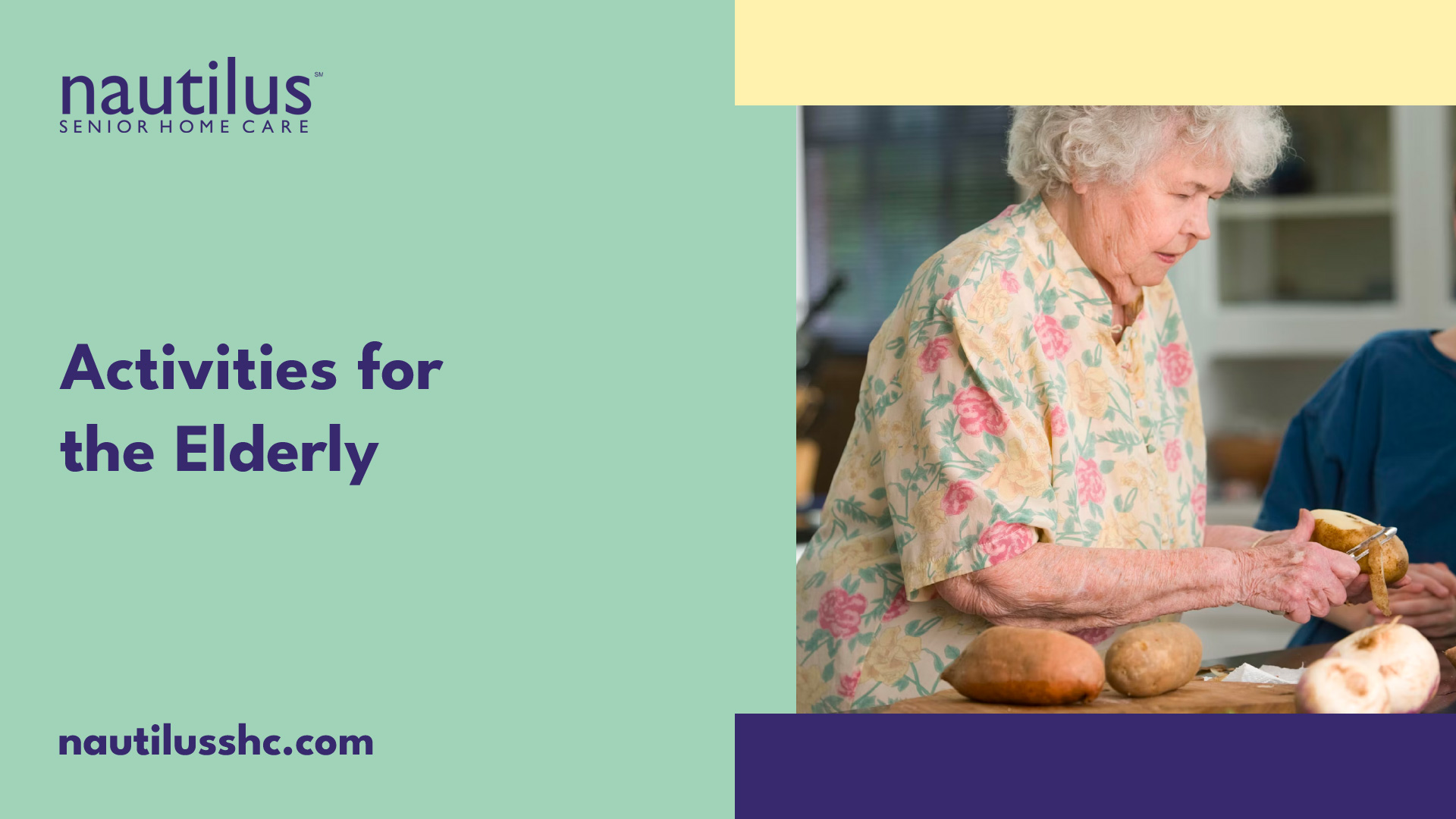
Engaging in activities is crucial for the overall well-being of the elderly. Participating in meaningful and enjoyable activities can have numerous benefits for their physical, mental, social, and emotional health. When choosing activities for the elderly, it’s important to consider their interests, abilities, and any potential limitations.
Benefits of Activities for the Elderly

Engaging in activities provides a wide range of benefits for the elderly, including:

  1. Physical Health: Participating in physical activities helps to improve strength, flexibility, and balance. It can also reduce the risk of certain health conditions, such as cardiovascular diseases and osteoporosis.
  2. Mental Stimulation: Activities that stimulate the mind, such as puzzles, reading, and learning new skills, help to keep the brain active and enhance cognitive function. Mental stimulation can also reduce the risk of cognitive decline and improve memory and concentration.
  3. Social Interaction: Activities that promote social interaction, such as joining senior centers, volunteering, or participating in intergenerational programs, can combat feelings of loneliness and isolation. Social engagement contributes to maintaining emotional well-being and building a sense of belonging and purpose.
  4. Emotional Well-being: Engaging in activities that bring joy, creativity, and a sense of accomplishment can boost mood and overall emotional well-being. Creative and artistic activities, such as painting, music, and crafts, provide an outlet for self-expression and can be particularly beneficial.

Considerations for Choosing Activities

When choosing activities for the elderly, it’s important to consider the following factors:

  1. Interests and Abilities: Select activities that align with the individual’s interests and abilities. Consider their hobbies, past experiences, and preferences to ensure the activities are enjoyable and meaningful to them.
  2. Physical Limitations: Take into account any physical limitations or health conditions when choosing activities. Opt for activities that can be adapted to accommodate mobility issues, such as gentle exercise classes or seated yoga.
  3. Cognitive Function: Consider the individual’s cognitive abilities when selecting activities. Choose activities that provide appropriate levels of mental stimulation and challenge without being overwhelming.
  4. Socialization Opportunities: Look for activities that provide opportunities for social interaction and engagement with others. This can include joining community groups or participating in programs that facilitate connections with people of different ages.

By understanding the importance of engaging activities for the elderly and considering their individual needs and preferences, you can help promote their overall well-being and enhance their quality of life. Encouraging and supporting them to participate in activities that bring enjoyment, purpose, and social connection can have a profound impact on their overall health and happiness.

Physical Activities

Engaging in physical activities is crucial for maintaining the overall health and well-being of the elderly. Regular physical activity can help improve strength, flexibility, cardiovascular health, and balance. In this section, we will explore three physical activities that are particularly beneficial for older adults: gentle exercise classes, walking or outdoor activities, and yoga or Tai Chi.

Gentle Exercise Classes

Gentle exercise classes are specifically designed to cater to the needs of older adults. These classes focus on low-impact exercises that promote strength, flexibility, and balance. They are conducted in a supportive and inclusive environment, allowing participants to engage in physical activity at their own pace.

Here are a few examples of gentle exercise classes:

Class Type and Description

  • ‍‍Chair Yoga: Yoga poses modified to be performed while seated or using a chair for support.
  • Water Aerobics: Exercises performed in a pool, reducing stress on joints and providing resistance for muscle strengthening.
  • Tai Chi for Seniors: Slow and gentle movements combined with deep breathing to improve balance, flexibility, and relaxation.

Walking or Outdoor Activities

Walking is a simple yet effective physical activity that can be enjoyed by people of all ages. It requires no special equipment and can be easily incorporated into daily routines. Going for a walk not only provides cardiovascular benefits but also offers an opportunity to connect with nature and enjoy the outdoors.

In addition to walking, there are various outdoor activities that can be enjoyable for older adults:

Activity and Description

  • ‍‍Gardening: Planting, tending to plants, and maintaining a garden can provide both physical activity and a sense of accomplishment.
  • Golfing: A low-impact sport that involves walking, swinging clubs, and socializing with others on the course.
  • Outdoor Yoga or Tai Chi: Practicing yoga or Tai Chi in a natural setting can enhance the benefits of these mind-body exercises.

Yoga or Tai Chi

Yoga and Tai Chi are ancient practices that combine physical movement, breath control, and mindfulness. They are particularly beneficial for older adults as they promote flexibility, balance, and relaxation. Both yoga and Tai Chi can be adapted to suit individual abilities and fitness levels.

Here are a few key differences between yoga and Tai Chi:

Engaging in physical activities that are suitable for older adults is essential for their overall well-being. Whether it’s through gentle exercise classes, outdoor activities, or mind-body practices like yoga and Tai Chi, older adults can maintain and improve their physical fitness while enjoying the benefits of an active lifestyle.

Mental Stimulation Activities

Engaging in mentally stimulating activities is essential for the overall well-being and cognitive health of the elderly. These activities help keep the mind sharp, improve memory, and enhance cognitive function. In this section, we will explore three popular mental stimulation activities for the elderly: crossword puzzles and Sudoku, reading clubs or book discussions, and learning new skills or hobbies.

Crossword Puzzles and Sudoku

Crossword puzzles and Sudoku are classic brain-teasers that provide an enjoyable way to challenge the mind. These activities not only improve cognitive skills but also enhance problem-solving abilities and boost memory retention.

Activity and Benefits

‍‍Crossword Puzzles
– Enhances vocabulary
– Improves cognitive function
– Stimulates problem-solving skills

Sudoku
– Enhances logical thinking
– Improves concentration
– Boosts memory retention

Crossword puzzles and Sudoku can be easily found in newspapers, puzzle books, or online platforms. They offer a variety of difficulty levels, allowing individuals to choose the level that suits their capabilities. Engaging in these activities regularly can help maintain mental agility and provide a sense of accomplishment.

Reading Clubs or Book Discussions

Participating in reading clubs or book discussions is an excellent way for the elderly to engage with literature and stimulate their minds through thoughtful conversations. These activities not only promote mental stimulation but also provide social interaction and a sense of community.

Activity and Benefits

‍Reading Clubs or Book Discussions
– Expands knowledge and perspective
– Enhances critical thinking skills
– Promotes social interaction

Joining a local reading club or book discussion group allows individuals to explore different genres, share insights, and enjoy the company of fellow book enthusiasts. This can be done in community centers, libraries, or even online platforms. Engaging in these activities encourages intellectual growth and fosters a sense of connection with others.

Learning New Skills or Hobbies

Learning new skills or hobbies is an excellent way for the elderly to keep their minds active and engaged. Whether it’s picking up a musical instrument, learning a new language, or exploring arts and crafts, these activities provide mental stimulation while fostering personal growth and creativity.

Activity and Benefits

‍Learning New Skills or Hobbies
– Stimulates curiosity and creativity
– Enhances cognitive flexibility
– Boosts self-confidence and sense of achievement

Engaging in new activities or hobbies not only provides mental stimulation but also offers an opportunity for personal fulfillment and self-expression. Learning can take place through online courses, local classes, or even with the help of instructional books or videos. Embracing new skills or hobbies keeps the mind active and opens doors to new experiences and perspectives.

By encouraging and participating in mental stimulation activities like crossword puzzles and Sudoku, reading clubs or book discussions, and learning new skills or hobbies, the elderly can enjoy a fulfilling and intellectually stimulating lifestyle. These activities contribute to overall cognitive well-being and help maintain mental sharpness as they thrive through time.

Social and Emotional Engagement

Engaging in social and emotional activities is essential for the well-being of elderly individuals. These activities not only provide opportunities for social interaction but also contribute to emotional fulfillment and a sense of belonging. In this section, we will explore three activities that promote social and emotional engagement among the elderly: senior centers or community groups, volunteering opportunities, and intergenerational programs.

Senior Centers or Community Groups

Senior centers and community groups offer a variety of activities tailored to the needs and interests of older adults. These spaces provide a supportive and inclusive environment where seniors can connect with others who share similar experiences and hobbies. From exercise classes and hobby clubs to group outings and educational programs, senior centers offer a wide range of engaging activities that promote social interaction and foster a sense of community.

Activity and Description

  • ‍‍Exercise Classes: Low-impact exercise classes designed specifically for older adults, such as chair yoga or gentle aerobics.
  • Hobby Clubs: Groups focused on various hobbies like gardening, knitting, painting, or playing musical instruments.
  • Group Outings: Organized trips to museums, parks, theaters, or other places of interest, allowing seniors to explore and socialize.
  • Educational Programs: Workshops, lectures, and classes covering a wide range of topics, stimulating intellectual engagement and discussions.

Volunteering Opportunities

Volunteering not only benefits the community but also provides a meaningful and rewarding experience for the elderly. Engaging in volunteer work allows seniors to utilize their skills and knowledge while making a positive impact on others’ lives. Volunteering opportunities can range from local charities and nonprofit organizations to hospitals, schools, and community centers. By giving back to their community, elderly individuals can maintain a sense of purpose, enhance their self-esteem, and establish new social connections.

Volunteer Opportunity and Description

  • ‍‍Food Banks or Soup Kitchens: Assisting in meal preparation, food distribution, or serving meals to those in need
  • Animal Shelters: Caring for animals, walking dogs, or assisting with adoption events.
  • Tutoring or Mentoring: Supporting and guiding younger individuals in academic or personal development.
  • Community Gardens: Participating in gardening activities, cultivating plants, and maintaining community green spaces.

Intergenerational Programs

Intergenerational programs bring together individuals of different age groups, fostering connections and mutual understanding. These programs promote interaction between older adults and younger generations, creating opportunities for learning, sharing experiences, and building relationships. Intergenerational activities can take various forms, including mentorship programs, shared learning experiences, or collaborative projects. By participating in intergenerational programs, the elderly can feel more connected to their communities and gain a sense of purpose and fulfillment.

Intergenerational Activity and Description

  • ‍‍Mentoring Programs: Older adults serving as mentors to young individuals, providing guidance and support.
  • Intergenerational Learning: Joint educational programs where both older and younger participants learn from one another.
  • Collaborative Projects: Engaging in community-based initiatives that involve cooperation and teamwork across generations.
  • Storytelling or Oral History ProjectsSharing personal stories, experiences, and wisdom with younger generations for preservation and learning.

Engaging in social and emotional activities is vital for the overall well-being of the elderly. By participating in senior centers or community groups, volunteering opportunities, and intergenerational programs, older adults can stay connected, find a sense of purpose, and foster meaningful relationships with others.

Creative and Artistic Activities

Engaging in creative and artistic activities can bring immense joy and fulfillment to the lives of elderly individuals. These activities not only provide an outlet for self-expression but also offer opportunities for social interaction and personal growth. Here are a few creative and artistic activities that can inspire and engage the elderly.

Painting or Drawing Classes

Painting and drawing classes can be a wonderful way for the elderly to explore their artistic talents and unleash their creativity. These classes provide a supportive and encouraging environment for individuals to learn different techniques, experiment with colors and textures, and create beautiful works of art.

Activity and Benefits

‍Painting Classes
– Enhances creativity
– Improves fine motor skills
– Boosts self-esteem
– Provides a sense of achievement

Drawing Classes
– Develops observation skills
– Enhances hand-eye coordination
– Encourages self-expression
– Fosters relaxation and stress relief

Music and Singing Groups

Music has the power to uplift spirits, evoke emotions, and create a sense of connection. Joining music and singing groups allows the elderly to engage in a shared experience, whether it’s singing in a choir, playing an instrument, or participating in music therapy sessions. These activities can bring joy, improve cognitive function, and foster a sense of belonging.

Activity and Benefits

‍Music Groups
– Enhances mood and emotional well-being
– Stimulates memory and cognitive function
– Improves coordination and motor skills
– Encourages social interaction and teamwork

Singing Groups
– Boosts lung capacity and respiratory health
– Releases endorphins and reduces stress
– Strengthens vocal muscles and improves voice control
– Promotes a sense of community and belonging

Crafts and DIY Projects

Engaging in crafts and do-it-yourself (DIY) projects allows the elderly to channel their creativity and create beautiful handmade items. Whether it’s knitting, scrapbooking, woodworking, or jewelry-making, these activities provide a sense of accomplishment and allow individuals to showcase their skills.

Activity and Benefits

‍Crafts
– Enhances fine motor skills and hand dexterity
– Provides a creative outlet for self-expression
– Promotes relaxation and stress reduction
– Creates opportunities for gifting and sharing

DIY Projects
– Encourages problem-solving and critical thinking
– Fosters a sense of accomplishment and self-confidence
– Promotes resourcefulness and independent learning- Stimulates brain activity and cognitive function

Engaging in creative and artistic activities can bring immense joy, fulfillment, and a sense of purpose to the lives of elderly individuals. Whether it’s painting or drawing, joining music and singing groups, or participating in crafts and DIY projects, these activities provide opportunities for self-expression, social interaction, and personal growth.

Technology-Based Activities

As technology continues to advance, it opens up new possibilities for engaging activities for the elderly. Embracing technology-based activities can provide mental stimulation, social interaction, and entertainment. Here are some popular options for technology-based activities that can be enjoyed by the elderly.

Online Games and Brain Training Apps

Online games and brain training apps offer a fun and stimulating way for the elderly to keep their minds active. These games often include puzzles, memory challenges, and cognitive exercises that help improve memory, focus, and problem-solving skills.

Activity and Description

  • ‍‍Sudoku: A number puzzle game that requires logical thinking and problem-solving.
  • Crossword Puzzles: Word puzzles that test vocabulary and general knowledge.
  • Lumosity: An app that offers a variety of brain-training games designed to improve cognitive abilities.
  • Peak: A brain training app with games that target memory, attention, and problem-solving.

Video Calls and Social Media

Staying connected with loved ones is essential for the emotional well-being of the elderly. Video calls and social media platforms provide a way to maintain relationships and engage with family and friends, even when physical distance separates them.

Platform and Description

  • ‍‍Skype: A video calling platform that allows face-to-face conversations with family and friends.
  • Facebook: A social media platform where users can connect, share updates, and join groups of shared interest.
  • Instagram: A photo and video sharing platform that allows users to follow friends, family, and their favorite celebrities.
  • WhatsApp: A messaging app that supports video calls, voice calls, and text messages, making it easy to stay in touch.

Virtual Tours and Online Learning Platforms

Exploring new places and learning new things can be done virtually through online platforms. Virtual tours allow the elderly to visit museums, landmarks, and cultural sites from the comfort of their own homes. Online learning platforms offer a wide range of courses and tutorials that allow seniors to acquire new knowledge and skills.

Platform and Description

  • ‍‍Google Arts & Culture: Provides virtual tours of famous museums and cultural sites worldwide.
  • National Geographic Virtual Tours: Offers virtual tours of natural wonders and wildlife habitats.
  • Coursera: An online learning platform that offers a wide range of courses from leading universities and institutions.
  • Khan Academy: Provides free educational resources, including video lessons and practice exercises, on various subjects.

Technology-based activities can be a valuable addition to the lives of the elderly, offering opportunities for entertainment, learning, and social connection. It’s important to provide support and guidance to ensure that seniors can navigate these technologies comfortably. Whether it’s playing brain-training games, video calling loved ones, or exploring virtual destinations, technology can enhance the overall well-being and quality of life for the elderly.


Sources

Fun Activities for Seniors: Over 100 Ways to Play

23 Activities for the Elderly

10 Stimulating Activities for the Elderly

Caregiver Agreement

Caregiver Agreement

Caregiver Contracts: An Introduction

When it comes to formalizing the arrangement between a caregiver and a care recipient, a caregiver agreement plays a vital role. This agreement serves as a legally binding document that outlines the terms and conditions of the caregiving arrangement. In this section, we will explore what a caregiver agreement entails and why it is important for both parties involved.

What is a Caregiver Agreement?

A caregiver agreement, also known as a care contract or personal care agreement, is a written contract between a caregiver and a care recipient. It serves as a comprehensive document that outlines the terms, expectations, and responsibilities of both parties. The agreement covers various aspects of caregiving, such as the scope of work, compensation, schedule, and termination conditions.

A caregiver agreement helps establish clear communication and understanding between the caregiver and the care recipient. It serves as a reference point for both parties, ensuring that everyone is on the same page regarding the caregiving arrangement. By documenting the agreed-upon terms, a caregiver agreement provides a framework for a successful caregiving relationship.

Why are Caregiver Agreements Important?

Caregiver agreements are important for several reasons. Firstly, they provide clarity and define the roles and responsibilities of the caregiver. This helps to avoid any misunderstandings or conflicts that may arise during the caregiving process. The agreement sets expectations for both parties, ensuring that the caregiver understands their duties and the care recipient knows what to expect.

Secondly, caregiver agreements outline the compensation and payment terms for the caregiver’s services. This includes the hourly rate, payment schedule, and any additional benefits or reimbursements. By documenting these financial arrangements, the agreement helps foster a fair and transparent relationship between the caregiver and the care recipient.

Furthermore, caregiver agreements can provide legal protection for both parties. In the event of a dispute or disagreement, the agreement can serve as evidence of the agreed-upon terms and conditions. This can be particularly important when it comes to financial matters or the termination of the caregiving arrangement.

Overall, caregiver agreements bring peace of mind to both caregivers and care recipients. They establish a solid foundation for the caregiving relationship and promote open communication and trust. Having a caregiver agreement in place ensures that everyone involved is aware of their rights and obligations, creating a more harmonious and productive caregiving experience.

Key Components of a Caregiver Agreement

When creating a caregiver agreement, it’s important to include key components that outline the expectations and responsibilities of both the caregiver and the care recipient. By clearly defining these aspects, the caregiver agreement becomes a valuable tool for establishing a mutually beneficial working relationship. Let’s explore the key components that should be included in a caregiver agreement.

Roles and Responsibilities

Defining the roles and responsibilities of the caregiver is a crucial component of the agreement. This section outlines the specific tasks and duties that the caregiver will be responsible for. It helps establish clear expectations and ensures that both parties are on the same page regarding the scope of work.

Here are some examples of roles and responsibilities that can be included in a caregiver agreement:

  • Assisting with personal care tasks, such as bathing, grooming, and dressing.
  • Administering medication as per the care recipient’s schedule and instructions.
  • Preparing meals and ensuring proper nutrition.
  • Providing transportation for medical appointments or social outings.
  • Monitoring and documenting the care recipient’s health condition and reporting any changes to the appropriate parties.
  • Assisting with household chores, such as light cleaning and laundry.

Compensation and Payment Terms

The compensation and payment terms section of the caregiver agreement establishes the financial arrangement between the caregiver and the care recipient. It outlines the agreed-upon rate of pay, frequency of payment, and any additional benefits or reimbursements.

In this section, the caregiver agreement should include:

  • The hourly rate or salary agreed upon for the caregiver’s services.
  • The frequency of payment, whether it’s weekly, bi-weekly, or monthly.
  • Any overtime or holiday pay policies.
  • Reimbursement for expenses incurred during the course of caregiving, such as transportation costs or meal expenses.
  • Any additional benefits, such as health insurance or retirement plans, if applicable.

Schedule and Hours of Work

The schedule and hours of work section is where the expected working hours and availability of the caregiver are defined. It’s important to establish a clear schedule to ensure that both the caregiver and care recipient have a mutual understanding of when the caregiver’s services will be required.

This section should include:

  • The agreed-upon weekly or monthly schedule, including specific days and hours of work.
  • Any flexibility or changes that may be required based on the care recipient’s needs.
  • Policies regarding time off, sick leave, and vacation time.
  • How schedule changes or additional hours will be communicated and agreed upon.

Termination and Renewal

The termination and renewal section addresses the duration of the caregiver agreement and the conditions under which the agreement can be terminated or renewed. This section provides clarity on the process and ensures that both parties are aware of their rights and responsibilities in these situations.

Consider including:

  • The initial duration of the caregiver agreement, whether it’s for a fixed term or an ongoing basis.
  • The notice period required for either party to terminate the agreement.
  • Circumstances under which the agreement can be terminated immediately, such as a breach of contract or violation of terms.
  • The process for renewal or renegotiation of the caregiver agreement, including any changes in compensation or terms.

By including these key components in a caregiver agreement, both the caregiver and the care recipient can establish a clear understanding of their respective roles, financial arrangements, working hours, and the conditions under which the agreement can be terminated or renewed. This promotes a positive and productive caregiving relationship that benefits both parties involved.

Legal Considerations

When creating a caregiver agreement, it’s important to consider the legal aspects to ensure that the agreement is fair, valid, and enforceable. This section covers three key legal considerations: seeking legal advice, state-specific regulations, and drafting and reviewing the agreement.

Seeking Legal Advice

Before finalizing a caregiver agreement, it is highly recommended to seek legal advice. Consulting with an attorney who specializes in elder law or contract law can provide valuable insights and ensure that the agreement meets all legal requirements. An attorney can help you understand the legal implications of the agreement, protect your rights, and address any specific concerns or requirements.

State-Specific Regulations

In addition to seeking legal advice, it’s crucial to be aware of and comply with state-specific regulations. Each state may have its own laws and regulations governing caregiver agreements. These regulations may cover various aspects, such as minimum wage requirements, overtime rules, and workers’ compensation. Familiarizing yourself with the regulations in your state will help you create an agreement that adheres to the legal framework and avoids any potential legal issues.

To ensure compliance with state-specific regulations, it’s recommended to consult official government websites or local labor departments for accurate and up-to-date information. These resources will provide you with the necessary guidelines to follow when establishing the caregiver agreement.

Drafting and Reviewing the Agreement

When drafting the caregiver agreement, it’s essential to pay attention to the details and ensure that all relevant information is included. The agreement should be written in clear and concise language, outlining the terms and conditions agreed upon by both parties.

To assist in drafting the agreement, you may consider using a template specifically designed for caregiver agreements. These templates can provide a structured framework and help ensure that important clauses are not overlooked. However, it’s important to customize the agreement to suit the specific needs and circumstances of the caregiver and care recipient.

Once the agreement is drafted, it should be reviewed by both parties and, if possible, by their respective legal advisors. This review process allows for any necessary revisions or clarifications to be made, ensuring that the agreement accurately reflects the agreed-upon terms and complies with legal requirements.

By seeking legal advice, understanding state-specific regulations, and carefully drafting and reviewing the agreement, you can ensure that your caregiver agreement is legally sound and provides a solid foundation for the caregiver-care recipient relationship. Taking these legal considerations into account will help protect the rights and interests of both parties involved.

Benefits of Having a Caregiver Agreement

Having a caregiver agreement in place offers several benefits for both the caregiver and the care recipient. Let’s explore some of the key advantages that come with having a caregiver agreement.

Clear Expectations and Boundaries

A caregiver agreement helps establish clear expectations and boundaries between the caregiver and the care recipient. By clearly defining the roles and responsibilities of the caregiver, as well as the care recipient’s needs and preferences, both parties can have a better understanding of what is expected from each other. This clarity helps to minimize misunderstandings and conflicts, creating a more harmonious caregiving relationship.

Protection for Both Parties

A caregiver agreement provides legal protection for both the caregiver and the care recipient. It outlines the terms and conditions of the caregiving arrangement, including compensation, work schedule, and termination procedures. This legal documentation helps protect the rights and interests of both parties, ensuring that they are treated fairly and equitably.

In addition, a caregiver agreement can address liability and insurance matters. It can specify whether the caregiver is covered by the care recipient’s insurance or if they need to have their own liability insurance. This protection offers peace of mind and safeguards against potential financial and legal risks.

Peace of Mind for the Caregiver and the Care Recipient

One of the most significant benefits of having a caregiver agreement is the peace of mind it provides to both the caregiver and the care recipient. For the caregiver, knowing that their rights, responsibilities, and compensation are clearly defined can alleviate stress and uncertainty. It allows them to focus on providing quality care without worrying about the terms of their employment.

On the other hand, the care recipient can feel reassured knowing that their needs and expectations are documented in a formal agreement. They can have confidence in the caregiver’s commitment and professionalism, knowing that the caregiver has agreed to abide by the terms set forth in the agreement.

By establishing a caregiver agreement, both parties can enter into the caregiving relationship with a sense of security, trust, and peace of mind.

A caregiver agreement offers numerous benefits, including clear expectations and boundaries, legal protection, and peace of mind. It serves as a valuable tool for fostering a positive and productive caregiving relationship, ensuring that both the caregiver and the care recipient are supported and their rights are protected.

Tips for Creating an Effective Caregiver Agreement

When creating a caregiver agreement, there are a few key tips to keep in mind to ensure the agreement is effective and meets the needs of both parties involved. These tips include open communication and collaboration, tailoring the agreement to your unique situation, and regular review and updates.

Open Communication and Collaboration

Open communication and collaboration are essential when creating a caregiver agreement. Both the caregiver and the care recipient should have the opportunity to express their needs, concerns, and expectations. This helps to establish a strong foundation of trust and understanding.

To facilitate open communication, it can be helpful to schedule regular meetings or check-ins to discuss any changes or challenges that may arise. This allows both parties to address any issues promptly and find solutions together. By fostering a collaborative environment, you can ensure that the caregiver agreement remains flexible and responsive to evolving needs.

Tailoring the Agreement to Your Unique Situation

Every caregiving situation is unique, and it’s important to tailor the caregiver agreement to your specific circumstances. Consider the specific care needs of the recipient and the qualifications and capabilities of the caregiver. This will help you define the roles, responsibilities, and expectations more accurately.

When tailoring the agreement, be clear and specific about the tasks and responsibilities of the caregiver. This includes details such as meal preparation, medication management, transportation, and any additional duties. Clearly outlining these responsibilities helps to minimize misunderstandings and ensures that both parties have a clear understanding of what is expected.

Regular Review and Updates

Caregiving situations can evolve over time, and it’s crucial to regularly review and update the caregiver agreement to reflect any changes. This allows you to address any new needs, adjust compensation terms if necessary, and make any other modifications to the agreement.

By scheduling regular reviews, you can ensure that the caregiver agreement remains relevant and effective. This is particularly important if the care recipient’s health condition changes or if there are any adjustments in the caregiver’s availability or responsibilities. Regularly reviewing and updating the agreement helps to maintain clear expectations and ensures that both parties are satisfied with the terms.

Remember to keep a record of any updates or changes made to the caregiver agreement for future reference. This will help maintain transparency and provide a clear timeline of any modifications that have been agreed upon.

By following these tips for creating an effective caregiver agreement, you can establish a solid foundation for the caregiving relationship. Open communication, tailoring the agreement to your unique situation, and regular review and updates are key elements to ensure that both the caregiver and the care recipient are satisfied and have peace of mind.

Sources

Caregiver Contracts: How to Compensate for Care

Creating a Caregiver Contract

Expert Tips for Creating a Family Caregiver Contract

How to Use a Cane

How to Use a Cane

Introduction to Using a Cane

When it comes to enhancing mobility and maintaining independence, using a cane can be a valuable tool. Whether you need temporary support during injury recovery or assistance due to a chronic condition, a cane can greatly improve your ability to move around safely and comfortably. In this section, we will explore the purpose of using a cane and how it can enhance mobility.

The Purpose of Using a Cane

The primary purpose of using a cane is to provide stability and support while walking. A cane acts as an extension of your arm, redistributing your weight and providing an additional point of contact with the ground. This added support can help alleviate pressure on your lower body joints, such as the knees and hips, reducing pain and discomfort.

By using a cane, you can improve your balance and reduce the risk of falls, especially on uneven or slippery surfaces. It can also help you navigate challenging terrain, such as stairs or inclines, with more confidence and safety. Additionally, a cane can provide a sense of security, allowing you to engage in daily activities and maintain an active lifestyle.

How a Cane Can Enhance Mobility

Using a cane can enhance mobility in several ways. Here are some key benefits:

  1. Improved Stability: A cane provides an additional point of contact with the ground, increasing stability and reducing the risk of falls.
  2. Reduced Joint Pressure: By shifting some of your body weight to the cane, you can decrease the pressure on your lower body joints, making walking more comfortable.
  3. Enhanced Balance: Holding a cane can help you maintain better balance, especially when navigating uneven surfaces or dealing with dizziness.
  4. Increased Confidence: With the support of a cane, you can feel more confident and secure while walking, allowing you to go about your daily activities with greater ease.
  5. Expanded Independence: Using a cane can enable you to maintain your independence by assisting with mobility, allowing you to continue participating in activities you enjoy.

Remember, using a cane properly is essential to reap these benefits. It’s crucial to select the right cane for your needs, learn the correct techniques for handling and walking with it, and be mindful of safety considerations. By doing so, you can maximize the advantages of using a cane and unleash your mobility potential.

Choosing the Right Cane

To use a cane properly, it’s essential to choose the right type of cane and ensure it is the correct height and fit for your needs. This section will cover the different types of canes available and provide guidance on selecting the appropriate height and fit.

Types of Canes

When it comes to canes, there are various types to choose from, each designed to address specific mobility needs. The table below provides an overview of some common types of canes:

Type of Cane and Description

  • ‍‍Standard Cane: A basic cane with a single tip, suitable for general use.
  • Quad Cane: A cane with a four-pronged base, offering increased stability and support.
  • Folding Cane: A cane that can be folded for easy storage and portability.
  • Offset Cane: A cane with an angled handle, providing better weight distribution and balance.
  • Adjustable Cane: A cane with adjustable height settings to accommodate various individuals.
  • Specialized Canes: Canes designed for specific conditions, such as bariatric canes for individuals with higher weight capacities or canes with ergonomic handles for individuals with arthritis.

When selecting a cane, consider your specific needs, such as stability requirements, portability, and any physical limitations you may have. Consulting with a healthcare professional or mobility specialist can help you determine the most suitable type of cane for your individual circumstances.

Selecting the Correct Height and Fit

Choosing a cane of the correct height and ensuring a proper fit is crucial for safe and effective use. Follow these steps to determine the appropriate height for your cane:

  1. Stand upright in your regular walking shoes.
  2. Allow your arms to rest naturally at your sides with a slight bend in your elbows.
  3. Have a friend or family member measure the distance from your wrist crease to the ground.

The measurement obtained should be used as a guide to select a cane of the appropriate height. Most canes have adjustable settings to accommodate different individuals. Adjust the cane’s height so that the top of the cane is level with your wrist crease.

In terms of fit, it’s important to ensure that the handle of the cane is comfortable to grip and provides a secure hold. Avoid handles that are too small or too large for your hand size. Additionally, consider the material of the handle to ensure a comfortable and non-slip grip.

By choosing the right type of cane and ensuring the correct height and fit, you can enhance your mobility and maintain stability while using a cane. Remember to consult with a healthcare professional or mobility specialist for personalized advice and assistance in selecting the most suitable cane for your needs.

Proper Handling and Grip

When using a cane, it’s essential to understand the correct handling and grip techniques to maximize its effectiveness and ensure your safety. This section will guide you on how to hold the cane correctly and use the opposite hand for support.

Holding the Cane Correctly

To maintain proper control and stability while using a cane, it’s important to hold it correctly. Follow these steps to ensure a secure grip:

  1. Stand up straight with your feet shoulder-width apart.
  2. Hold the cane in the hand on the side opposite to your weaker or injured leg.
  3. Place your hand on the handle of the cane, ensuring a firm but comfortable grip.
  4. Your elbow should be slightly bent, allowing for a natural and relaxed position.
  5. Keep your wrist straight and aligned with your forearm.

By holding the cane correctly, you’ll have better control over your movements and improve your overall balance while walking.

Using the Opposite Hand for Support

Using the opposite hand for support while using a cane provides additional stability and balance. Here’s how to do it:

  1. As you take a step with your weaker or injured leg, move your opposite hand forward at the same time.
  2. Place your hand on a stable surface, such as a handrail or countertop, for support.
  3. Shift your weight onto your stronger leg and the hand that is holding the cane.
  4. Gently lift your weaker or injured leg and move it forward, next to the cane.
  5. Repeat the process, alternating the movement of the cane and the opposite hand.

By using the opposite hand for support, you distribute your weight evenly and reduce the strain on your weaker leg.

It’s important to note that proper handling and grip of a cane may vary depending on your specific needs and the type of cane you are using. Always consult with a healthcare professional or physical therapist to ensure you are using the correct technique for your individual situation.

Remember to practice these techniques in a safe and controlled environment before venturing out into more challenging terrain. With time and practice, using a cane properly will become more comfortable and natural, allowing you to regain your mobility and independence.

Walking with a Cane

Walking with a cane can significantly improve mobility and stability for individuals who need assistance with their balance or strength. To make the most of your cane, it’s important to understand the proper stance, posture, and technique for walking.

Proper Stance and Posture

Maintaining the correct stance and posture while using a cane is crucial for stability and balance. Follow these guidelines to ensure you are in the optimal position:

  1. Stand up straight: Keep your head up and your shoulders relaxed. Avoid slouching or leaning forward.
  2. Hold the cane on the unaffected side: If you have an injury or weakness on one side, hold the cane on the opposite side. This provides support and stability as you walk.
  3. Keep a natural stride: Take natural and comfortable steps. Avoid overstriding or taking steps that are too short.

Correct Technique for Stepping and Balance

Proper technique for stepping and maintaining balance while using a cane is essential for safe and effective mobility. Here are some key tips to follow:

  1. Begin with your stronger leg: If you have one leg that is stronger or more stable than the other, start by stepping forward with that leg. This allows you to establish a solid base of support before moving the weaker leg.
  2. Place the cane and step together: As you step forward with your stronger leg, simultaneously place the cane forward at the same time. This provides stability and support throughout the movement.
  3. Use the cane for balance: As you step forward with your weaker leg, lean on the cane slightly for balance. The cane should support a portion of your weight, but avoid putting too much pressure on it.
  4. Maintain a smooth and fluid motion: Aim for a natural and rhythmic walking pattern. Avoid jerky or abrupt movements that can throw off your balance.

Remember, it may take some time to adjust to using a cane properly. Practice your technique in a safe and controlled environment before venturing out into more challenging situations. If you experience any discomfort or difficulty, consult with a healthcare professional for guidance.

By adopting the correct stance, posture, and technique while walking with a cane, you can enhance your mobility, stability, and overall confidence. Take the time to master these fundamentals and enjoy the newfound freedom that a cane can provide.

Navigating Different Surfaces

When using a cane, it’s important to understand how to navigate different surfaces to maintain stability and ensure safety. Whether you’re walking on level ground or encountering stairs or inclines, proper technique is crucial for a smooth and secure experience.

Walking on Level Ground

Walking on level ground with a cane requires attention to balance and coordination. Follow these steps to navigate level surfaces effectively:

  1. Stand up straight with good posture, ensuring that your weight is evenly distributed.
  2. Hold the cane with the hand opposite to the side that needs support.
  3. Take a step forward with your stronger leg and place the cane simultaneously on the ground, slightly ahead and to the side of your weaker leg.
  4. Transfer your weight to the stronger leg, keeping the cane firmly planted.
  5. Step forward with your weaker leg, maintaining a steady pace.
  6. Repeat the process, alternating legs and providing support with the cane as needed.

Using a cane on level ground provides stability and helps distribute your weight evenly, reducing the strain on your legs and providing added support.

Going Up and Down Stairs or Inclines

Navigating stairs or inclines can be challenging when using a cane, but with the right technique, it can be done safely. Here’s how to navigate stairs and inclines with a cane:

  1. Approach the stairs or incline with caution, ensuring there are sturdy handrails available if necessary.
  2. Hold the handrail with one hand for added support and stability.
  3. Hold the cane with your other hand, keeping it on the side opposite to the handrail.
  4. When ascending, step up with your stronger leg first, followed by the weaker leg and the cane.
  5. Shift your weight onto the stronger leg and push up through your legs and the cane for support.
  6. When descending, step down with your weaker leg first, followed by the stronger leg and the cane.
  7. Transfer your weight onto the stronger leg and gradually lower yourself, using the handrail and the cane for support.

Remember to take your time and maintain a steady pace when navigating stairs or inclines with a cane. Keep your focus on maintaining balance and using the cane as a supportive aid.

Understanding how to navigate different surfaces with a cane is essential for maximizing mobility and ensuring safety. By following proper techniques and utilizing the support provided by your cane, you can confidently traverse level ground, stairs, and inclines, enabling you to maintain your independence and freedom of movement.

Safety Considerations

When using a cane, it’s important to prioritize safety to ensure a smooth and secure mobility experience. Here are some key safety considerations to keep in mind:

Using the Cane on Slippery Surfaces

Walking with a cane on slippery surfaces can present additional challenges. To navigate these surfaces safely, consider the following tips:

  • Choose a cane with a slip-resistant rubber tip for increased traction.
  • Take smaller steps and walk at a slower pace to maintain stability.
  • Engage the core muscles for better balance.
  • Avoid walking on wet or icy surfaces whenever possible.
  • If you encounter a slippery surface, try to find an alternative route or use handrails or other supports for added stability.

Common Mistakes to Avoid

To ensure the proper use of a cane and minimize the risk of accidents or injuries, it’s important to avoid common mistakes. Here are a few pitfalls to steer clear of:

Mistake and Correct Approach

  • ‍‍Holding the cane too far from the body – Keep the cane close to your body for better support and balance.
  • Leaning heavily on the cane – Use the cane as a support, but remember to distribute your weight evenly between the cane and your legs.
  • Using a cane of incorrect height – Ensure that the cane is adjusted to the proper height, with the handle positioned at the level of your wrist when your arm is relaxed by your side.
  • Neglecting regular maintenance – Regularly inspect your cane for any signs of wear and tear. Replace worn-out rubber tips and ensure that all components are secure.
  • Failing to adapt to changing needs – As your mobility or physical condition changes, reassess your cane needs and consult with a healthcare professional if necessary.

By being aware of these safety considerations and avoiding common mistakes, you can use your cane confidently and effectively in various situations. Remember to always prioritize your safety, seek guidance from healthcare professionals when needed, and stay mindful of your surroundings to enjoy the benefits of enhanced mobility.

Exercises and Stretches for Cane Users

In addition to providing support and stability, using a cane can be enhanced by incorporating exercises and stretches into your routine. These exercises can help strengthen the muscles involved in walking and improve flexibility, ultimately enhancing your mobility and overall well-being. Here are some recommended strengthening exercises and stretches specifically designed for cane users:

Strengthening Exercises

Strengthening exercises focus on building strength in the muscles that support your walking and balance. Performing these exercises regularly can improve your ability to bear weight on the cane and maintain proper posture. Here are a few examples of strengthening exercises for cane users:

Exercise and Targeted Muscles

  • ‍‍Calf Raises: Calves
  • Side Leg Lifts: Hips and Thighs
  • Standing Hip Extensions: Buttocks and Hamstrings
  • Heel-to-Toe Walk: Balance and Coordination

Remember to start with a comfortable number of repetitions and gradually increase as you build strength. If you experience any pain or discomfort during these exercises, it’s important to consult with a healthcare professional.

Stretching for Flexibility

Stretching exercises can help improve flexibility, increase range of motion, and reduce muscle tension. Incorporating these stretches into your routine can enhance your mobility and make walking with a cane more comfortable. Here are a few stretching exercises suitable for cane users:

Stretch and Targeted Muscles

  • ‍‍Calf Stretch: Calves
  • Quadriceps Stretch: Quadriceps
  • Hamstring Stretch: Hamstrings
  • Hip Flexor Stretch: Hip Flexors
  • Shoulder Rolls: Shoulders and Upper Back

Perform each stretch slowly and hold it for 15-30 seconds, breathing deeply throughout. Remember to stretch both sides of your body equally to maintain balance and symmetry.

It’s important to note that before starting any exercise or stretching program, it’s advisable to consult with a healthcare professional or physical therapist. They can provide personalized guidance and ensure that the exercises are appropriate for your specific needs and abilities.

By incorporating strengthening exercises and stretches into your routine, you can complement the use of your cane and improve your overall mobility and well-being. Remember to listen to your body and modify the exercises as needed. Regular practice and consistency are key to reaping the benefits of these exercises and enhancing your mobility with a cane.

Sources

How to Use Crutches, Canes, and Walkers – OrthoInfo – AAOS

How to Use a Cane

Tips for choosing and using canes – Mayo Clinic

Sick Spouse Stress

Sick Spouse Stress

Understanding the Stress of Having a Sick Spouse

When your spouse is ill, it can be an incredibly challenging and stressful experience for both you and your partner. Understanding the various aspects of this stress can help you navigate through this difficult time with greater resilience and support. In this section, we will explore the emotional toll of having a sick spouse and the physical and mental impact of caregiving.

The Emotional Toll of Having a Sick Spouse

Having a sick spouse can take a significant emotional toll on both partners. The feelings of worry, fear, and sadness can become overwhelming as you witness your loved one’s struggles and uncertainties. Coping with the emotional burden of your spouse’s illness requires acknowledging and addressing your own emotions while providing support to your partner.

It is important to remember that it is normal to experience a range of emotions during this time. It is okay to feel scared, angry, or frustrated. However, it is crucial to find healthy ways to manage these emotions and seek support when needed. Engaging in open and honest communication with your spouse can help you both navigate through the emotional challenges together.

The Physical and Mental Impact of Caregiving

Being a caregiver for a sick spouse can have a significant impact on your physical and mental well-being. The responsibilities of caregiving can be demanding and exhausting, often leaving little time for self-care. It is common for caregivers to neglect their own health and well-being while focusing solely on the needs of their spouse.

The physical toll of caregiving may include sleep deprivation, fatigue, and neglecting personal health routines. It is important to prioritize self-care by maintaining a healthy lifestyle, getting enough rest, and seeking medical care when needed. Taking care of your own physical health is essential for effectively supporting your spouse.

In addition to the physical challenges, caregiving can also take a toll on your mental health. Feelings of stress, anxiety, and depression may arise as you navigate the uncertainties and responsibilities of caring for a sick spouse. Seeking support from friends, family, or a therapist can be beneficial in managing these emotional challenges and ensuring your own mental well-being.

Understanding the emotional toll and the physical and mental impact of caregiving is the first step in coping with the stress of having a sick spouse. By acknowledging and addressing these challenges, you can work towards finding healthy coping strategies and seeking the support you need to navigate through this difficult time together.

Coping Strategies for Managing Stress

Caring for a sick spouse can be emotionally and physically challenging. It’s important to have coping strategies in place to help manage the stress that comes with this responsibility. Here are three key strategies to consider: prioritizing self-care, seeking support from others, and setting boundaries and asking for help.

Prioritizing Self-Care

Taking care of yourself is essential when you have a sick spouse. Prioritizing self-care allows you to recharge and maintain your own well-being, which in turn enables you to better support your spouse. Here are some self-care practices to consider:

  • Physical self-care: Engage in regular exercise, eat nutritious meals, and get enough restful sleep.
  • Emotional self-care: Find healthy outlets for your emotions, such as journaling, talking to a trusted friend, or engaging in activities that bring you joy.
  • Mental self-care: Practice stress-reducing techniques like meditation, deep breathing exercises, or engaging in hobbies that help you relax and unwind.

By prioritizing self-care, you can better manage your own stress levels and build resilience to cope with the challenges of caring for a sick spouse.

Seeking Support from Others

When facing the stress of having a sick spouse, seeking support from others can provide much-needed emotional and practical assistance. Reach out to friends, family members, or support groups who can offer a listening ear and understanding. Here are some ways to seek support:

  • Join a support group: Connect with others who are going through similar experiences. Sharing your concerns and learning from others can provide valuable support and reassurance.
  • Delegate tasks: Don’t hesitate to ask friends or family members for help with household chores, errands, or caregiving responsibilities. Accepting assistance can alleviate some of the burdens and allow you to focus on your spouse’s care.

Remember, it’s not a sign of weakness to ask for help. Building a support network around you can provide the emotional support and practical assistance you need during this challenging time.

Setting Boundaries and Asking for Help

Caregiving for a sick spouse can be overwhelming, and it’s important to set boundaries to protect your own well-being. Here are some strategies to consider:

  • Communicate your needs: Clearly express your limitations, expectations, and concerns to your spouse, family members, and friends. Open communication helps set realistic expectations and prevents burnout.
  • Seek professional help: If you find yourself struggling with the emotional toll of caregiving, don’t hesitate to seek professional help. Therapists or counselors can provide guidance and support tailored to your specific needs.

By setting boundaries and seeking help when needed, you can ensure that your own well-being remains a priority while providing the care and support your spouse requires.

Remember, coping with stress when your spouse is ill is a journey that requires patience, self-compassion, and support. By implementing these coping strategies, you can navigate this challenging time with greater resilience and care for both yourself and your spouse.

Communication and Emotional Support

When your spouse is ill, effective communication and emotional support play a vital role in navigating the challenges together. Here are some key strategies for fostering open and honest communication, providing emotional support, and seeking professional help if needed.

Open and Honest Communication

Maintaining open and honest communication with your sick spouse is essential for understanding their needs, concerns, and emotions. It’s important to create a safe and non-judgmental space where both of you can openly express your thoughts and feelings. Some tips for effective communication include:

  • Active listening: Give your spouse your full attention, listen attentively, and respond empathetically.
  • Validate their feelings: Acknowledge and validate your spouse’s emotions, even if you may not fully understand them.
  • Express your own feelings: Share your own emotions and concerns to promote mutual understanding and connection.
  • Use “I” statements: Frame your thoughts and concerns using “I” statements to express how you feel without assigning blame or making accusations.

Supporting Each Other Emotionally

Emotional support is crucial during times of illness. Being there for your spouse emotionally can provide comfort and reassurance. Here are some ways to support each other emotionally:

  • Show empathy and compassion: Try to understand and empathize with your spouse’s experience, offering comfort and reassurance.
  • Be patient and understanding: Recognize that your spouse may be going through a difficult time and may exhibit various emotions.
  • Offer encouragement and praise: Provide words of encouragement and acknowledge their strength and resilience.
  • Practice self-care together: Engage in activities that bring you both joy and relaxation, promoting emotional well-being.

Seeking Professional Help if Needed

Sometimes, the challenges associated with a sick spouse may require professional assistance. If you or your spouse are struggling to cope with the stress or if the emotional impact becomes overwhelming, seeking professional help can be beneficial. Consider the following options:

  • Individual therapy: A therapist can provide a safe space for each of you to explore your emotions and develop coping strategies.
  • Couples therapy: Seeking couples therapy can help improve communication, strengthen your relationship, and navigate the challenges together.
  • Support groups: Joining a support group for caregivers or individuals with similar experiences can provide a sense of community and shared understanding.

Remember, seeking professional help is a sign of strength and can provide valuable guidance and support during challenging times.

By prioritizing open communication, providing emotional support, and seeking professional help when necessary, you and your spouse can navigate the stress of having a sick spouse while maintaining a strong and resilient connection.

Practical Tips for Managing Daily Life

When facing the challenges of having a sick spouse, managing daily life can become overwhelming. It’s important to implement practical strategies to help alleviate stress and maintain a sense of balance. Here are some practical tips to consider:

Organizing and Streamlining Responsibilities

Tip and Description

‍Create a schedule: Establish a daily or weekly schedule to help you stay organized and manage your time effectively. This can include caregiving tasks, appointments, and personal commitments.

Delegate responsibilities: Reach out to family members, friends, or neighbors who may be willing to help with certain tasks. Assigning specific responsibilities to others can lighten your load and create a support system.

Utilize technology: Take advantage of technology to streamline tasks. Use calendar apps, reminders, and other organizational tools to stay on top of appointments, medication schedules, and other caregiving responsibilities.

Creating a Support Network

Tip and Description

‍Seek support from friends and family: Reach out to loved ones and share your concerns. Expressing your feelings and seeking support can help reduce feelings of isolation and provide a sense of relief.

Join support groups: Consider joining support groups or online communities where you can connect with others who are going through similar experiences. Sharing stories, advice, and coping strategies can be invaluable.

Seek professional help: If you find that your stress levels are becoming unmanageable, consider seeking professional help. Therapists or counselors can provide guidance and support during this challenging time.

Taking Breaks and Finding Moments of Joy

Tip and Description

‍Prioritize self-care: Make time for activities that bring you joy and help you relax. Engage in hobbies, exercise, or any other activities that help you rejuvenate and maintain your well-being.

Take breaks: It’s important to take breaks from caregiving responsibilities. Whether it’s a short walk outdoors or a few minutes of deep breathing exercises, taking regular breaks can help recharge your energy.

Find moments of joy: Look for moments of joy and positivity in your day-to-day life. This could be as simple as enjoying a cup of tea, listening to uplifting music, or savoring a beautiful sunset. Celebrating these small moments can bring comfort and respite.

Implementing these practical tips can help you navigate the challenges of managing daily life while supporting your sick spouse. Remember, it’s important to take care of yourself as well, so you can continue to provide the care and support your spouse needs.

Maintaining Your Own Well-Being

Taking care of your own well-being is crucial when you have a sick spouse. It’s important to prioritize self-care, embrace emotional resilience, and find ways to relax and unwind. By focusing on your physical and emotional health, you can better cope with the stress and challenges that come with caring for a sick spouse.

Taking Care of Your Physical Health

Maintaining your physical health is essential for both your well-being and your ability to provide care for your spouse. Here are some key aspects to consider:

Aspect and Recommendations

‍Diet: Ensure you are eating a balanced diet with plenty of fruits, vegetables, lean proteins, and whole grains. Avoid relying on unhealthy comfort foods as a coping mechanism.

Exercise: Engage in regular physical activity to reduce stress and improve your overall health. This can include activities such as walking, yoga, or any form of exercise that you enjoy.

Sleep: Prioritize getting enough sleep each night. Aim for 7-8 hours of quality sleep to support your physical and mental well-being. Establish a relaxing bedtime routine and create a comfortable sleep environment.

Embracing Emotional Resilience

Caring for a sick spouse can take an emotional toll. It’s important to build emotional resilience to navigate the challenges you may face. Consider the following strategies:

Strategy and Tips

‍Practice self-compassion: Be kind to yourself and acknowledge that it’s normal to experience a range of emotions. Give yourself permission to feel and process your emotions without judgment.

Seek social support: Reach out to friends, family, or support groups who can provide a listening ear or practical assistance. Sharing your feelings and experiences with others can help alleviate stress and provide a sense of understanding.

Practice stress management techniques: Explore stress management techniques such as deep breathing exercises, meditation, or journaling. Find activities that help you relax and unwind, and incorporate them into your daily routine.

Finding Ways to Relax and Unwind

Taking breaks and finding moments of joy are essential for your well-being when caring for a sick spouse. Here are some suggestions to help you relax and unwind:

Activity and Ideas

‍Engage in hobbies: Dedicate time to activities that bring you joy and help you relax. This could include reading, painting, gardening, or listening to music.

Practice mindfulness: Engage in mindfulness techniques such as meditation or deep breathing exercises. Focus on the present moment and let go of worries and stressors.

Take regular breaks: Schedule regular breaks throughout the day to do something you enjoy. This could be taking a walk, enjoying a cup of tea, or simply sitting in a quiet space and reflecting.

Remember, taking care of your own well-being not only benefits you but also enables you to provide better care and support for your sick spouse. Prioritize self-care, embrace emotional resilience, and find moments of relaxation and joy amidst the challenges you may face.

Sources

How to Keep Relationships Strong with a Major Illness

How to Cope When Your Partner Has a Chronic Illness

Sick Spouse Stress – Freedom Care

Social Security Caregiver Program

Social Security Caregiver Program

Understanding the Social Security Caregiver Program

The Social Security Caregiver Program is a government initiative designed to provide financial assistance to individuals who serve as caregivers for their loved ones. This program aims to support caregivers who dedicate their time and efforts to taking care of family members or friends who have disabilities or serious medical conditions.

Key Takeaway Explanation
Unpaid caregivers may qualify The program is designed for caregivers who provide unpaid support to loved ones with serious medical conditions or disabilities.
Eligibility depends on multiple factors Relationship, level of care, age, income limits, and legal status all affect eligibility.
Benefits are tied to Social Security Payments are generally based on the care recipient’s Social Security benefits and PIA.
Documentation is essential Accurate medical, identity, and income records are required to apply and stay eligible.
Ongoing reporting is required Any changes in income, caregiving status, or living situation must be reported promptly.

What is the Social Security Caregiver Program?

The Social Security Caregiver Program, also known as the Caregiver Credit, is a program that offers financial support to unpaid caregivers. It recognizes the valuable role that caregivers play in providing care and assistance to those in need. Under this program, caregivers may be eligible to receive caregiver credits, which can contribute to their future Social Security benefits.

Category Key Details Important Notes
Program Purpose Provides financial recognition and support to unpaid caregivers assisting loved ones with disabilities or serious medical conditions. Aims to protect caregivers’ future Social Security benefits.
Eligibility Requirements Family relationship, qualifying medical condition, substantial unpaid care, age 18+, and residency/legal status. Specific rules may vary by region and SSA guidelines.
Types of Benefits Caregiver Allowance and Dependent Benefits based on relationship and care recipient’s benefits. Not all caregivers qualify for both benefit types.
Payment Calculation Based on care recipient’s Primary Insurance Amount (PIA) and a percentage allocation. Actual payments may vary due to additional factors.
Application Requirements Identity proof, relationship documents, medical evidence, residency, income records, and caregiver agreement (if required). Having documents ready can speed up approval.
Caregiver Responsibilities Maintain eligibility, provide ongoing care, meet income limits, and submit accurate documentation. Failure to comply can affect benefits.
Reporting Changes Income, living situation, caregiving status, or legal status changes must be reported promptly. Prevents overpayment or underpayment issues.
Additional Resources National Family Caregiver Support Program, Area Agencies on Aging, support groups, and local resource centers. Support focuses on education, respite, and emotional well-being.

Eligibility for the Social Security Caregiver Program

To be eligible for the Social Security Caregiver Program, certain criteria need to be met. Here are some key eligibility requirements:

  1. Relationship: The caregiver must be a family member or close relative of the person they are caring for. This includes spouses, children, parents, siblings, and grandparents.
  2. Care Recipient’s Condition: The care recipient must have a disability or serious medical condition that requires assistance with daily activities.
  3. Extent of Care: The caregiver must provide substantial care and assistance to the care recipient, including help with personal care, household tasks, and medical needs.
  4. Unpaid Caregiving: Caregivers must provide care on an unpaid basis. If the caregiver receives payment for their services, they may not be eligible for the Social Security Caregiver Program.
  5. Age Requirement: The caregiver must be at least 18 years old.

It’s important to note that eligibility requirements may vary depending on the specific rules and regulations of the Social Security Caregiver Program in your region. It’s advisable to consult with the Social Security Administration or relevant government agencies to determine the eligibility criteria applicable to your situation.

Understanding the Social Security Caregiver Program and its eligibility requirements is the first step towards accessing the benefits and support available to caregivers. By fulfilling the necessary criteria, caregivers can take advantage of the program to secure their future and ensure financial stability.

Caregiver Benefits and Payments

The Social Security Caregiver Program provides important benefits and payments to eligible caregivers. Understanding the types of benefits available and how caregiver payments are calculated is crucial for caregivers seeking financial support.

Types of Caregiver Benefits

Under the Social Security Caregiver Program, there are two main types of caregiver benefits:

  1. Caregiver Allowance: This benefit is designed to provide financial assistance to caregivers who are providing care to a loved one. The caregiver allowance is based on the care recipient’s Social Security benefits and is paid directly to the caregiver.
  2. Dependent Benefits: In certain cases, caregivers may be eligible to receive dependent benefits based on their relationship to the care recipient. These benefits are intended to help offset the costs associated with caregiving.

The specific eligibility criteria for each type of caregiver benefit may vary, so it’s important to consult with the Social Security Administration or refer to their official website for detailed information.

Calculating Caregiver Payments

The amount of caregiver payments varies depending on several factors, including the care recipient’s Social Security benefits, the caregiver’s relationship to the care recipient, and the caregiver’s own work history and earnings.

To determine caregiver payments, the Social Security Administration typically considers the care recipient’s primary insurance amount (PIA), which is the monthly benefit amount they would receive if they started receiving benefits at full retirement age. The caregiver’s payment is generally a percentage of the care recipient’s PIA.

Here is a simplified example to illustrate how caregiver payments may be calculated:

Care Recipient’s PIA and Percentage for Caregiver Payment

‍$1,500 – 75%

In this example, if the care recipient’s PIA is $1,500, the caregiver would be eligible for a payment equal to 75% of that amount, which would be $1,125.

It’s important to note that this is a simplified example, and actual caregiver payment calculations may involve additional factors and considerations. To obtain accurate information about caregiver payments, it’s recommended to consult with the Social Security Administration directly or refer to their official resources.

Understanding the types of caregiver benefits and how payments are calculated can help caregivers navigate the Social Security Caregiver Program and access the financial support they need to fulfill their caregiving responsibilities.

Applying for the Social Security Caregiver Program

If you are a caregiver and interested in applying for the Social Security Caregiver Program, there are certain requirements and steps you need to follow. This section will outline the required documentation and the application process, including the timeline.

Required Documentation

When applying for the Social Security Caregiver Program, you will need to gather specific documentation to support your application. The required documents may include:

  1. Proof of identity: This can be a birth certificate, passport, or other government-issued identification.
  2. Proof of relationship: If you are caring for a child, you may need to provide the child’s birth certificate or adoption papers. If you are caring for an adult, you may need to provide legal documentation establishing your relationship.
  3. Proof of residency: You will need to provide proof of your current address, such as a utility bill or lease agreement.
  4. Medical evidence: This may include medical records or statements from healthcare professionals that verify the need for caregiving services.
  5. Employment records: If you are currently employed, you may need to provide proof of your income, such as pay stubs or tax returns.
  6. Caregiver agreement: In some cases, you may need to submit a caregiver agreement or contract that outlines the responsibilities and expectations of the caregiving arrangement.

It’s important to gather all the necessary documentation before starting the application process. This will help expedite the review of your application and ensure that you meet the eligibility criteria.

Application Process and Timeline

To apply for the Social Security Caregiver Program, you can either complete an online application or visit your local Social Security office. The application process typically involves the following steps:

  1. Fill out the application: Provide accurate and detailed information about yourself, the person you are caring for, and your caregiving responsibilities. Be sure to include all relevant documentation as supporting evidence.
  2. Submit the application: Once you have completed the application, submit it online or in person at your local Social Security office. Make sure to retain a copy of the application for your records.
  3. Review and evaluation: The Social Security Administration will review your application and supporting documents to determine your eligibility for the caregiver program. This process may take several weeks.
  4. Decision notification: You will receive a decision letter from the Social Security Administration informing you of their decision regarding your application. If approved, the letter will outline the caregiver benefits you are eligible to receive.
  5. Appeals process: If your application is denied, you have the right to appeal the decision. The appeals process involves submitting additional documentation or requesting a hearing to present your case.

It’s important to note that the application timeline may vary depending on various factors, including the complexity of your case and the workload of the Social Security Administration. It is advisable to apply as early as possible to ensure timely consideration of your application.

By following the application process and providing the required documentation, you can initiate your application for the Social Security Caregiver Program. Make sure to carefully review the eligibility criteria and accurately complete the application to increase your chances of receiving caregiver benefits.

Rights and Responsibilities of Caregivers

As a caregiver participating in the Social Security Caregiver Program, it’s important to understand your rights and responsibilities to ensure continued eligibility and receive the benefits you are entitled to.

Maintaining Eligibility

To maintain eligibility for the Social Security Caregiver Program, caregivers must fulfill certain requirements and responsibilities. These include:

  1. Providing Care: Caregivers must continue to provide care to the eligible individual who requires assistance with daily living activities or supervision due to a qualifying medical condition.
  2. Residency: Caregivers must reside in the same household as the individual receiving care. This ensures that the caregiver is readily available to provide necessary support and assistance.
  3. Legal Status: Caregivers must have legal status in the United States. This includes being a U.S. citizen, a U.S. national, or having lawful noncitizen status.
  4. Income Limits: Caregivers need to meet the income limits set by the Social Security Administration (SSA) to qualify for the program. These limits may vary depending on factors such as household size and location.
  5. Documentation: Caregivers must provide accurate and up-to-date documentation to support their eligibility, such as proof of identity, residency, and income. It’s important to keep these documents organized and readily available for any future reviews or audits.

Reporting Changes and Updates

As a caregiver, it is your responsibility to report any changes or updates to the SSA promptly. This helps ensure that your caregiver payments are accurate and that you remain in compliance with program requirements. Examples of changes that should be reported include:

  1. Changes in Income: If your income exceeds the limits set by the SSA, you must report this change. It’s essential to provide updated documentation to support the change in income.
  2. Changes in Living Situation: If your living situation changes, such as moving to a different address or no longer residing in the same household as the care recipient, you must inform the SSA.
  3. Changes in Caregiving Status: If there are changes in the caregiving responsibilities or if the care recipient’s condition improves, it is important to report these changes to the SSA.
  4. Change in Legal Status: If there are any changes in your legal status, such as becoming a U.S. citizen or obtaining lawful noncitizen status, it is crucial to update your information with the SSA.

By promptly reporting changes and updates, you can ensure that your caregiver benefits are accurately calculated and that you remain compliant with program guidelines. Failure to report changes may lead to overpayment or underpayment of benefits, which can result in potential financial and legal issues.

As a responsible caregiver, it is essential to stay informed about your rights and responsibilities within the Social Security Caregiver Program. By maintaining eligibility and reporting changes and updates, you can continue to receive the benefits you deserve while providing vital care and support to your loved ones.

Additional Resources for Caregivers

Being a caregiver can be both rewarding and challenging. Fortunately, there are various support and assistance programs available to help caregivers navigate their roles effectively. Additionally, there are helpful tips and advice that can make the caregiving journey a little easier. In this section, we will explore these additional resources for caregivers.

Support and Assistance Programs

Caregivers can take advantage of support and assistance programs that provide valuable resources and services. These programs aim to offer guidance, respite care, and financial assistance to alleviate some of the burdens associated with caregiving. Here are a few examples of support programs available:

Support Program and Description

‍National Family Caregiver Support Program: Provides information, assistance, and counseling to caregivers, as well as respite care services.

Aging and Disability Resource Centers: Offers a range of services, including information, referral, and assistance with accessing support programs in local communities.

Area Agencies on Aging: Provides services and programs specifically designed for older adults and their caregivers, including caregiver training and support groups.

Caregiver Support Groups: These groups bring together caregivers facing similar challenges, providing a supportive environment to share experiences and advice.

It’s important for caregivers to explore these programs and connect with resources that can address their specific needs. These programs can provide valuable information, emotional support, and practical assistance, allowing caregivers to navigate their caregiving responsibilities with greater confidence.

Helpful Tips and Advice for Caregivers

In addition to support programs, there are several helpful tips and advice that caregivers can benefit from. These tips are aimed at promoting self-care, managing stress, and maintaining overall well-being. Here are a few key tips for caregivers:

  • Take care of yourself: Prioritize your own well-being by getting enough rest, eating nutritious meals, and engaging in activities that bring you joy and relaxation.
  • Seek support: Don’t hesitate to reach out to friends, family, or support groups for emotional support. Sharing your experiences and concerns with others who understand can be immensely helpful.
  • Delegate tasks: Don’t be afraid to ask for help and delegate tasks to other family members or friends. Sharing the responsibilities can help prevent burnout and ensure that the care recipient’s needs are met.
  • Stay organized: Keep track of important documents, appointments, and medications to stay organized and ensure that nothing falls through the cracks.
  • Educate yourself: Take the time to learn about the care recipient’s condition or illness. Understanding their needs and having knowledge about available resources can empower you to provide better care.

By utilizing these helpful tips and taking advantage of support and assistance programs, caregivers can enhance their caregiving experience and find the support they need. Remember, caring for yourself is just as important as caring for your loved one, and seeking help is a sign of strength, not weakness.

Question Answer
Does Social Security pay all caregivers? No. Only unpaid caregivers who meet specific eligibility criteria may qualify for benefits.
Do caregivers receive direct monthly payments? In some cases, caregivers may receive payments based on the care recipient’s Social Security benefits.
Can a caregiver work while enrolled? Yes, but income must remain within limits set by the Social Security Administration.
How long does the application process take? Processing times vary, but applications often take several weeks for review and decision.
What happens if my application is denied? You may appeal the decision by submitting additional documentation or requesting a hearing.

Sources

Will Social Security Pay for a Caregiver?

Will Social Security Pay for a Caregiver?

Personality Changes in the Elderly

Personality Changes in the Elderly

Understanding Personality Changes in the Elderly

As individuals age, it is not uncommon for them to experience changes in their personality. These changes can be challenging for both the elderly individuals themselves and their loved ones. In this section, we will explore the introduction to personality changes in the elderly and the common causes behind them.

Key Takeaway What It Means
Personality changes are common with aging Changes in behavior, mood, or social habits can occur as part of aging or illness
Not all changes are negative Some seniors develop greater resilience, adaptability, or emotional depth
Health and cognitive conditions play a major role Chronic illness, dementia, medications, or neurological disorders can affect personality
Environment and routine matter Calm settings, predictable routines, and social engagement reduce distress
Caregivers need support too Self-care and professional support help prevent burnout and emotional strain

Introduction to Personality Changes

Personality changes in the elderly refer to alterations in an individual’s thoughts, feelings, and behaviors that differ from their previous patterns. These changes can manifest in various ways, such as increased agitation, withdrawal from social activities, or the development of depression and anxiety. It’s important to note that not all personality changes are negative or problematic. Some changes may be positive, leading to increased wisdom, adaptability, and resilience.

Common Causes of Personality Changes in the Elderly

Personality changes in the elderly can stem from a variety of factors. It is essential to recognize that each individual is unique, and the causes may vary from person to person. However, there are some common factors that can contribute to personality changes in the elderly:

  1. Physical Health Conditions: Chronic illnesses, neurological disorders, and changes in brain structure can affect an individual’s personality. Conditions such as Alzheimer’s disease, stroke, or Parkinson’s disease can lead to significant personality changes.
  2. Medication and Treatment: Certain medications, especially those targeting mental health conditions, can have side effects that impact personality. Additionally, treatments like chemotherapy or surgeries can also result in emotional and behavioral changes.
  3. Psychological Factors: Psychological conditions such as depression, anxiety, or unresolved grief can influence an elderly individual’s personality. These conditions may be triggered by life events, loss of loved ones, or social isolation.
  4. Cognitive Decline: Age-related cognitive decline, including conditions like mild cognitive impairment or dementia, can lead to personality changes. These changes may include increased irritability, impulsivity, or difficulty with social interactions.
  5. Social Factors: Social factors, such as changes in social roles, loss of independence, or limited social support, can impact an individual’s personality. Loneliness and isolation can contribute to the development of personality changes.

Key Takeaway What It Means
Personality changes are common with aging Changes in behavior, mood, or social habits can occur as part of aging or illness
Not all changes are negative Some seniors develop greater resilience, adaptability, or emotional depth
Health and cognitive conditions play a major role Chronic illness, dementia, medications, or neurological disorders can affect personality
Environment and routine matter Calm settings, predictable routines, and social engagement reduce distress
Caregivers need support too Self-care and professional support help prevent burnout and emotional strain

Understanding the potential causes of personality changes in the elderly is crucial in providing appropriate support and care. It is essential to approach these changes with empathy, patience, and a willingness to seek professional help when needed. By recognizing and addressing these changes, we can help promote the well-being and quality of life for our aging loved ones.

Types of Personality Changes

Personality changes in the elderly can manifest in various ways, affecting their behavior, mood, and overall demeanor. Understanding these different types of personality changes is essential for providing appropriate support and care. Let’s explore some common types of personality changes that can occur in the elderly.

Agitation and Irritability

Agitation and irritability are common personality changes observed in the elderly. These individuals may exhibit restlessness, impatience, and a tendency to become easily annoyed or angered. The causes of agitation and irritability can range from physical discomfort, cognitive decline, medication side effects, to underlying medical conditions.

It is important to approach individuals experiencing agitation and irritability with patience and understanding. Creating a calm and soothing environment, engaging in activities that promote relaxation, and providing reassurance can help alleviate these symptoms.

Withdrawal and Social Isolation

Withdrawal and social isolation are personality changes that involve a decreased desire to participate in social activities and a tendency to isolate oneself from others. Elderly individuals experiencing these changes may exhibit a loss of interest in previously enjoyed activities, display a preference for solitude, and have limited social interactions.

Withdrawal and social isolation can stem from various factors, including declining physical health, loss of loved ones, cognitive impairment, or feelings of loneliness. Encouraging socialization through activities tailored to their interests, providing opportunities for interaction, and fostering a supportive environment can help combat withdrawal and social isolation.

Depression and Anxiety

Depression and anxiety are prevalent personality changes in the elderly. These conditions can manifest as persistent sadness, feelings of hopelessness, loss of interest, excessive worry, and restlessness. Depression and anxiety can occur independently or coexist.

The causes of depression and anxiety in the elderly can be multifaceted, including biological factors, life changes, chronic illness, or social isolation. It is vital to recognize the signs and symptoms and encourage individuals to seek appropriate professional help. Treatment options may include therapy, medication, and support services tailored to their specific needs.

Impulsivity and Risk-Taking

Impulsivity and risk-taking behaviors can also emerge as personality changes in the elderly. These individuals may exhibit impulsive decision-making, engage in reckless behaviors, and disregard potential consequences. Such changes can be attributed to cognitive decline, medication side effects, or underlying neurological conditions.

To mitigate the risks associated with impulsivity and risk-taking, it is important to create a safe environment, provide clear guidance, and closely monitor their activities. In some cases, medical intervention and professional guidance may be necessary to manage these personality changes effectively.

Understanding the different types of personality changes in the elderly enables caregivers, family members, and healthcare providers to better support and address the needs of those experiencing these changes. By implementing appropriate coping strategies and seeking professional help when needed, it is possible to improve the well-being and quality of life for individuals navigating through these personality changes.

Coping Strategies for Personality Changes

Coping with personality changes in the elderly can be challenging, but there are strategies that can help both the individuals experiencing these changes and their loved ones. Here are some effective coping strategies to consider:

Patience and Empathy

One of the most important coping strategies is to approach personality changes with patience and empathy. Understand that these changes are often a result of underlying factors such as physical health issues, cognitive decline, or emotional distress. By being patient and empathetic, you can create a supportive environment that helps the elderly individual feel understood and valued.

Communication Techniques

Effective communication is key when dealing with personality changes. Here are some communication techniques that can help:

  • Use simple and clear language: Speak in a calm and reassuring manner, using simple and concise sentences. Avoid talking down to the person or using complex language that may confuse them further.
  • Active listening: Give the person your undivided attention and show genuine interest in what they have to say. Maintain eye contact and nod to indicate that you are actively listening.
  • Validate their feelings: Acknowledge and validate the person’s emotions, even if you don’t fully understand or agree with them. This can help them feel heard and respected.
  • Avoid arguments and confrontation: If the person becomes agitated or confrontational, try to redirect the conversation to a more positive or neutral topic. It’s important to remain calm and avoid escalating the situation.

Creating a Calming Environment

Creating a calming environment can help reduce stress and anxiety for individuals experiencing personality changes. Consider the following:

  • Remove triggers: Identify and remove any triggers that may contribute to agitation or irritability. This could include excessive noise, clutter, or bright lights.
  • Establish routines: Establishing predictable routines can provide a sense of stability and security. Stick to regular meal times, medication schedules, and activities to create a structured environment.
  • Provide a safe space: Create a comfortable and safe space for the individual to relax. This could be a designated area in the home with familiar and soothing items such as photos, favorite books, or soft blankets.

Encouraging Engagement and Socialization

Encouraging engagement and socialization can help combat withdrawal and social isolation. Here are some strategies to consider:

  • Engage in activities: Encourage the individual to participate in activities they enjoy, such as hobbies, puzzles, or gentle exercises. This can help stimulate their mind and provide a sense of purpose.
  • Foster social connections: Facilitate social interactions by arranging visits from friends, family members, or community groups. Encourage the person to engage in conversations and maintain connections with their loved ones.
  • Explore support groups: Consider joining support groups for both the individual and their caregivers. These groups can provide a sense of community and a platform for sharing experiences and coping strategies.

By implementing these coping strategies, you can create a supportive and understanding environment for individuals experiencing personality changes in their later years. Remember that each person’s experience is unique, so it’s important to tailor these strategies to their specific needs and preferences.

Seeking Professional Help

When dealing with personality changes in the elderly, it’s important to recognize when it may be necessary to consult a healthcare provider. Seeking professional help can provide valuable insights, guidance, and support in managing these changes effectively. Here are some key aspects to consider:

When to Consult a Healthcare Provider

If you notice significant and persistent personality changes in an elderly loved one, it is recommended to consult a healthcare provider. While some changes may be a normal part of aging, others could be indicative of underlying health conditions or cognitive decline. Here are some signs that may warrant a healthcare consultation:

  • Sudden and drastic changes in behavior or personality
  • Aggression, agitation, or verbal outbursts that are out of character
  • Social withdrawal and isolation
  • Loss of interest in previously enjoyed activities
  • Signs of depression, anxiety, or emotional distress
  • Difficulty with memory or cognitive function
  • Impulsivity or risky behavior

By seeking professional help, you can ensure a thorough evaluation and appropriate diagnosis of the underlying causes of the personality changes.

Evaluation and Diagnosis

A healthcare provider, such as a primary care physician or geriatric specialist, will conduct a comprehensive evaluation to determine the cause of the personality changes. This evaluation may include:

  1. Medical History: The healthcare provider will review the individual’s medical history, including any pre-existing conditions, medications, and previous mental health concerns.
  2. Physical Examination: A thorough physical examination will be performed to assess general health and identify any physical ailments that may contribute to the personality changes.
  3. Cognitive Assessment: A cognitive assessment, which may involve memory tests and other cognitive tests, can help identify any cognitive impairment or dementia-related changes that may be influencing the personality changes.
  4. Laboratory Tests: Blood tests and other laboratory investigations may be conducted to rule out any underlying medical conditions or imbalances that could be contributing to the personality changes.

Treatment Options and Support Services

Once a diagnosis has been made, the healthcare provider will discuss appropriate treatment options and support services. The treatment plan will depend on the underlying cause of the personality changes. It may involve a combination of medical interventions, therapy, and lifestyle modifications. Some possible treatment options and support services may include:

Treatment Options and Support Services

Medication: In certain cases, medication may be prescribed to manage symptoms related to mental health conditions, cognitive decline, or other underlying medical conditions.

Psychotherapy: Talk therapy, such as cognitive-behavioral therapy (CBT), can help individuals cope with personality changes and address any emotional or psychological issues contributing to the changes.

Support Groups: Joining support groups can provide individuals and their caregivers with a sense of community, understanding, and valuable coping strategies.

Caregiver Support: Caregiver support services, such as respite care or counseling, can help caregivers navigate the challenges associated with personality changes and ensure their own well-being.

Lifestyle Modifications: Encouraging a healthy lifestyle, including regular exercise, a balanced diet, adequate sleep, and engaging in mentally stimulating activities, can positively impact overall well-being and potentially alleviate certain personality changes.

Remember, seeking professional help is a proactive step towards understanding and managing personality changes in the elderly. Healthcare providers can offer valuable guidance, treatment options, and support services to promote the well-being of both the individual experiencing the changes and their caregivers.

Supporting Loved Ones

When a loved one experiences personality changes in their elderly years, it can be a challenging and emotional journey for both the individual and their caregivers. Providing support and understanding is essential in helping them navigate through this time. Here are some strategies for supporting your loved ones during personality changes:

Education and Understanding

Take the time to educate yourself about the different personality changes that can occur in the elderly. Understanding the possible causes and effects can help you approach the situation with empathy and patience. It’s important to remember that these changes are often a result of underlying factors, such as medical conditions or life transitions.

Providing Emotional Support

Emotional support is crucial for your loved one during this time. Be a compassionate listener and provide reassurance. Encourage open communication and validate their feelings. Remember that their emotions may fluctuate, so it’s important to offer a non-judgmental and understanding environment.

Self-Care for Caregivers

Caring for a loved one going through personality changes can be emotionally and physically demanding. It’s important to prioritize your own well-being to ensure you can provide the best support possible. Take breaks when needed, engage in activities that bring you joy, and seek support from others. Remember that you can’t pour from an empty cup.

Building a Support Network

Building a strong support network is essential for both you and your loved one. Connect with other caregivers who are going through similar experiences. Join support groups or online communities where you can share your challenges, seek advice, and find comfort in knowing that you are not alone. Additionally, consider involving healthcare professionals, such as therapists or support groups specialized in elderly care, to provide additional guidance and resources.

Supporting your loved ones during personality changes requires patience, understanding, and empathy. By educating yourself, providing emotional support, prioritizing your own self-care, and building a support network, you can navigate this journey together, promoting their well-being and creating a nurturing environment for their unique needs.

Sources

Your Personality Can Change in Old Age

Personality Changes in the Elderly

Personality Changes in the Elderly – Blue Moon Senior Counseling

Question Answer
Are personality changes a normal part of aging? Some changes can be normal, but sudden or severe changes may signal health concerns.
What causes personality changes in the elderly? Common causes include chronic illness, dementia, medications, mental health conditions, and social isolation.
When should we seek medical help? If changes are sudden, aggressive, persistent, or interfere with safety and daily life.
How can caregivers respond to difficult behavior? With patience, clear communication, calm environments, and consistent routines.
Can in-home care help with personality changes? Yes. Professional caregivers provide structure, supervision, companionship, and emotional reassurance.
  • « Go to Previous Page
  • Page 1
  • Interim pages omitted …
  • Page 8
  • Page 9
  • Page 10

© Nautilus Homecare All Right Reserved. Privacy Policy.

Location

2061 NW 2nd Ave., Ste 203
Boca Raton, FL 33431 
Get Directions
LIC#NR30211080

Phone

561.637.4242

Email

info@nautilusshc.com

Available to speak 24/7

Home
Services
About
FAQs
Blog
Contact