

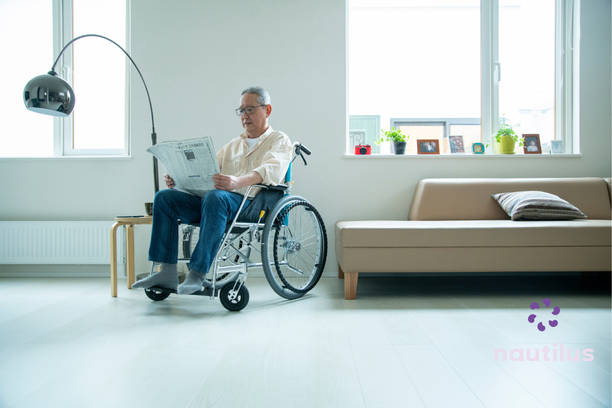
For families, a nursing home is a difficult decision. It comes with mixed emotions. Your loved one will be safe and receive professional care. But it often feels like a last step. So families hope to delay it as long as possible.
In many situations, home care can delay or prevent nursing home placement. It helps seniors remain safely in the comfort of their own homes.
However, the answer may not be simple. Home care may not replace nursing homes in every situation. But it can change the timeline. Families have more time and control before making a decision.
Key Takeaways
- Home care can often delay nursing home placement by helping seniors remain safe and independent at home.
- Support with meals, bathing, medication reminders, housekeeping, and mobility reduces everyday safety risks.
- Regular caregiver visits may help prevent falls, hospitalizations, and emergency situations.
- Home care provides valuable respite for family caregivers, reducing burnout and allowing them to focus on quality time.
- Remaining in a familiar home environment supports emotional well-being and cognitive stability.
- Care plans are flexible and can gradually increase as a senior’s needs change.
- Some situations—including advanced medical needs, severe dementia, or the need for 24/7 supervision—may require nursing home or memory care.
- Planning for home care before a crisis gives families more options and makes future care transitions easier.
Why Staying at Home Matters to Seniors and Families
Most seniors don’t want to move to a facility. The reasons are rather emotional. Home represents familiarity. It holds memories and routines. It is a place where seniors feel independent. They feel most comfortable in a kitchen where they have cooked for decades. A home is more than just a place to live. It is part of their personal identity.
For example, an elderly man has lived in the same apartment for 40 years. He struggles with short-term memory issues. But he still knows where his favorite chair is. And he remembers how to make his favorite tea.
Imagine removing him from that familiar environment. This can create stress and confusion.
Families often hope to delay nursing home placement. They want to preserve independence. Also, they hope their loved one maintains emotional stability this way.
On top of that, families prefer personalized care. In facilities, caregivers are assigned to multiple residents. So the approach isn’t one-on-one. Within home care, the attention is focused on the senior and their needs.
Also, families and seniors are often emotionally unprepared for a move.
| Topic | How Home Care Helps | When Nursing Home Care May Be Needed |
|---|---|---|
| Daily Living Support | Assistance with meals, bathing, medication reminders, housekeeping, and mobility helps seniors remain independent. | Daily care needs become too extensive to manage safely at home. |
| Hospitalization Prevention | Caregivers help reduce falls, monitor health changes, and encourage medication compliance. | Frequent hospitalizations or serious health declines require ongoing medical supervision. |
| Family Caregiver Support | Provides respite, reduces caregiver burnout, and allows families to focus on emotional connection. | Family caregivers are no longer physically or emotionally able to provide care. |
| Routine & Cognitive Stability | Maintains familiar surroundings, routines, and consistent caregiver relationships. | Advanced dementia or behaviors create safety risks that require specialized care. |
| Personalized Care | Care plans can expand gradually from companionship to personal care and overnight support. | 24/7 supervision or complex care exceeds what home services can safely provide. |
| Emotional Well-Being | Remaining at home preserves independence, identity, comfort, and quality of life. | Safety and medical needs outweigh the emotional benefits of staying at home. |
| Planning Ahead | Starting care early allows gradual adjustments, home safety improvements, and stronger caregiver relationships. | Waiting until a crisis often limits available care options and speeds nursing home placement. |
How Home Care Can Delay Nursing Home Placement
Home care provides a long-term support system. As needs change, the care plan adapts. This can help delay nursing home placement in a few different ways.
Supporting Daily Living
Often, the need for a nursing home isn’t sudden. The change happens gradually, often starting small. You may notice your loved one is forgetting meals or missing their medications. They may not feel safe getting in and out of the shower. They feel unsteady on their feet or have already fallen. Plus, they have no energy to keep up with housekeeping.
Home care can step in before the situation becomes critical. A caregiver can visit a few times a week to help with meals, medication reminders, and bathing. Over time, the visits can increase.
This prevents crises that lead to early nursing home placement.
Reducing Hospitalizations and Emergency Situations
One of the most common reasons for entering a nursing home is a hospital stay. Falls, infections, or sudden health declines often result in hospitalization. After discharge, families realize they can’t manage care at home by themselves.
Home care can reduce hospitalizations with fall prevention, medication reminders, monitoring changes in health, and mobility assistance.
For example, a caregiver notices that the senior is becoming unsteady on their feet. They alert the family before a fall happens. This small intervention can help prevent a hospital visit.
Supporting Family Caregivers
Nursing home placement is one of the options when family members experience caregiver burnout. A spouse or adult child may start with full commitment to care. But over time, responsibilities grow.
An in-home caregiver takes over some of the responsibilities. Even a few hours a day make a difference. This allows family caregivers to have time for themselves. They can sleep through the night, go to work, maintain their health, and take breaks without guilt.
This doesn’t mean family members step away from caregiving. Families can focus on the emotional connection instead of the everyday tasks. When caregivers receive the support they need, seniors are more likely to remain at home safely.
Maintaining Routine and Cognitive Stability
Routine is very important, especially for seniors with memory challenges. Staying at home with support helps maintain sleep patterns, familiar surroundings, regular meals, and daily habits.
For seniors, waking up in their own bedroom, eating breakfast in their kitchen, and seeing a familiar caregiver regularly helps with confusion.
For example, a woman with early dementia becomes disoriented in unfamiliar settings. But she enjoys her morning coffee at her kitchen table independently. Home care helps preserve stability.
Personalized Attention
Home care is flexible and can adjust to changing needs. A care plan can begin with light support and gradually increase.
For example, a senior can get companionship visits and meal preparation. As their condition progresses, they can get personal care assistance, mobility support, or overnight care.
The Emotional Benefit of Staying at Home Longer
Home care goes beyond practical tasks. It supports emotional well-being, which helps delay nursing home placement.
Seniors who remain at home often experience a stronger sense of identity. They feel less anxiety and confusion. Plus, they have more control over daily life.
Consider an 85-year-old woman who still tends to her balcony plants. Her caregiver provides support. In a nursing home, she may no longer be able to enjoy this small daily activity that gives her a sense of purpose.
Emotional stability often impacts physical health. Seniors who feel safe and oriented often sleep better, eat better, and remain active.
When Home Care Is No Longer Enough
Home care has many benefits, but it also has limits. At some point, safety and medical needs can’t be managed at home.
24/7 Supervision Is Required
If a senior can’t be left alone safely, this may mean they need more than home support. This includes situations like:
- Wandering frequently
- Forgetting to turn off appliances
- Attempting unsafe movements without assistance
- Becoming disoriented at night
Even if there is someone present, continuous supervision at home may not be sustainable.
Advanced Mobility and Physical Needs
When a senior has advanced mobility needs, home care may no longer be enough. They may be totally dependent on transfers or experience frequent falls. Also, cases of severe weakness and paralysis require advanced assistance.
Complex Medical Care
Some conditions require skilled nursing support that goes beyond the standard home care. Things like advanced wound care, feeding tube management, and frequent medical monitoring require a nursing facility.
Behavioral or Cognitive Safety Risks
When dementia progresses, some behaviors may be difficult to manage at home. This may happen with other conditions as well. Behaviors like aggression, severe confusion, paranoia, wandering, and resistance to care require specialized memory care institutions.
Caregiver Burnout Reaches a Breaking Point
Sometimes, the transition happens because the family caregivers can’t do it anymore. They may be physically exhausted, emotionally overwhelmed, or have health issues. In such cases, home care may no longer be realistic.
But it is important to understand home care as the first phase of care. It isn’t a failed solution. In many cases, it delays transition to a nursing home by months or years. The goal isn’t to avoid nursing homes at all costs, but to ensure comfort and safety for as long as possible.
Planning Ahead Makes Home Care More Successful
Many families wait until a crisis happens to look for some care options. They often call an in-home care agency after a fall, missed medication, or a hospitalization. But decisions need to be made quickly, leaving you fewer options.
Starting home care early gives everyone time to adjust. The senior can build a relationship with their caregiver while still being independent. This makes it easier to accept help later when they need it. They won’t feel like a stranger has entered their home. The caregiver becomes a familiar face and trusted companion.
Early planning also allows families to identify safety concerns. They can solve them before they become an emergency. For example, they can make home modifications, organize medications, and increase support gradually.
For example, a senior needs help with grocery shopping and transportation. But their needs change, and they need more hands-on support. The services include assistance with bathing, meal preparation, and mobility. A care plan was already in place, so the services can be added without any disruptions.
Final Thoughts
Home care can delay nursing home placement for many seniors. It supports daily living, reduces emergencies, and helps preserve familiar routines.
But home care also has limits. When care needs increase, families may need more structured support. The decision isn’t sudden. It builds over time with small changes in health and mobility.
If you’re considering home care as an option, this is the right place to start. Contact us now and schedule a consultation.
| Question | Answer |
|---|---|
| Can home care prevent nursing home placement? | In many cases, yes. Home care can delay or prevent nursing home placement by helping seniors safely manage daily activities and health needs at home. |
| What services does home care typically provide? | Services may include personal care, meal preparation, medication reminders, companionship, housekeeping, transportation, and mobility assistance. |
| How does home care help family caregivers? | Professional caregivers provide respite, reduce caregiver burnout, and allow family members to balance work, personal health, and caregiving responsibilities. |
| When is home care no longer enough? | Home care may no longer be sufficient when a senior requires continuous supervision, complex medical care, advanced mobility assistance, or specialized memory care. |
| Should families start home care before it’s absolutely necessary? | Yes. Starting early allows seniors to build trust with caregivers, makes gradual care adjustments easier, and helps families avoid making rushed decisions during emergencies. |
| Can home care services increase over time? | Yes. Care plans are designed to be flexible, allowing services to expand from occasional companionship to more comprehensive personal and overnight care as needs evolve. |