

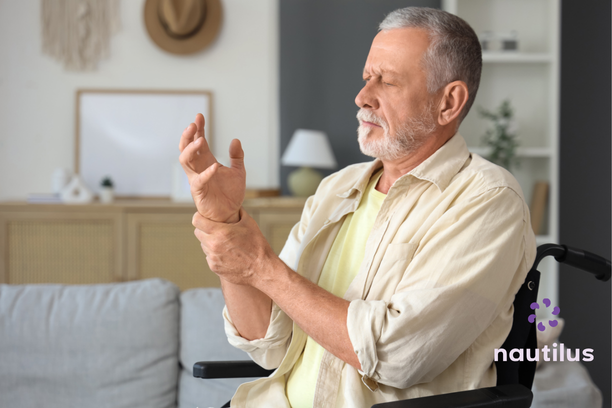
A new diagnosis brings many questions for seniors and families. They wonder whether it is still safe to remain at home. For many older adults, the answer may be yes.
Parkinson’s disease is a progressive condition. But with the right support, seniors can remain at home safely. It is important to understand that needs change over time. The initial care plan may have helped with meals or transportation. Later, assistance with mobility, personal care, or daily routines may be added. This level of professional support makes all the difference.
Home care cannot slow the progression of Parkinson’s disease. But it makes everyday life more manageable and safer. Seniors can maintain their independence for as long as possible. And families have peace of mind knowing their loved one isn’t facing these challenges alone.
Understanding How Parkinson’s Disease Affects Daily Life
Many of us associate Parkinson’s with hand tremors. But the condition affects more than movement. Seniors may experience stiffness, slow movement, poor balance, fatigue, and changes in speech.
The simple tasks that once used to take a couple of minutes now require more time and effort. Seniors struggle with buttoning a shirt, preparing breakfast, or getting out of their chair.
Some days are easier than others. A senior may wake up feeling energetic. Later in the afternoon, they may experience stiffness. The truth is that stress, sleep quality, and the natural progression of the disease can influence how someone feels.
And living with uncertainty can be frustrating. For example, a retired teacher has always been independent. She still enjoys reading in her garden and making lunch. But fastening buttons is difficult. Carrying a bowl of soup to the dining room feels risky because her hands shake.
She doesn’t need someone to take over her life. Her caregiver only assists with the tasks that have become challenging. This is how home care helps preserve independence while maintaining safety.
| Topic | Key Information | Benefit |
|---|---|---|
| Living at Home | Many seniors with Parkinson’s can continue living safely at home with the right level of support. | Maintains independence and familiar surroundings. |
| Daily Challenges | Symptoms include tremors, stiffness, slow movement, poor balance, fatigue, and speech changes. | Helps families understand changing care needs. |
| Personalized Assistance | Caregivers assist only with tasks that become difficult while encouraging independence. | Preserves confidence and self-sufficiency. |
| Flexible Care | Home care adjusts to the senior’s pace instead of following a fixed schedule. | Reduces stress and frustration. |
| Fall Prevention | Caregivers assist with mobility and identify hazards like loose rugs, poor lighting, and blocked walkways. | Reduces fall risk and hospitalizations. |
| Medication Support | Caregivers provide medication reminders and assist with opening containers. | Promotes consistent medication routines. |
| Energy Conservation | Housekeeping, meal preparation, and shopping are handled by caregivers. | Allows seniors to enjoy hobbies and family time. |
| Family Support | Professional caregivers help reduce the physical and emotional demands on family members. | Provides caregiver relief and peace of mind. |
| Changing Care Needs | Care plans can expand from transportation and errands to bathing, mobility, and personal care. | Supports aging in place as the disease progresses. |
| Safer Walking Areas | Remove clutter, cords, loose rugs, and unnecessary furniture while keeping pathways clear. | Improves mobility and reduces accidents. |
| Bathroom Safety | Install grab bars, shower chairs, and non-slip mats. | Makes bathing and toileting safer. |
| Accessible Organization | Store medications, dishes, clothing, and toiletries within easy reach. | Reduces unnecessary bending and reaching. |
| Better Lighting | Use brighter bulbs and motion-sensor lighting throughout the home. | Improves visibility and nighttime safety. |
| Supportive Furniture | Choose firm chairs with armrests and beds that are easy to enter and exit. | Supports safe movement throughout the home. |
| Overall Outcome | Home care combines practical assistance, companionship, and adaptable support. | Improves quality of life for both seniors and families. |
The Benefits of Home Care for Seniors Living with Parkinson’s Disease
Staying at home brings many benefits for seniors. But one major benefit of home care is flexibility. It adapts to the individual and their needs. The individual isn’t expected to adapt to a fixed schedule.
More Time Without Feeling Rushed
Parkinson’s makes everyday activities slower. Getting dressed once used to take only 10 minutes, but now it takes 30. Walking from the kitchen to the living room requires frequent pauses. Cooking breakfast becomes exhausting.
When seniors feel rushed, they are more likely to lose their balance or become frustrated. Over time, they give up the activities they once enjoyed.
A home caregiver is trained to work with seniors with Parkinson’s. They understand that slowing down is part of the condition. They don’t rush seniors through their morning routine. Instead, the caregiver allows extra time and steps in when needed.
For seniors, the day feels calmer and less overwhelming.
Improved Safety
Falls are one of the biggest concerns for people with Parkinson’s. They experience changes in balance, muscle stiffness, and slower reaction times, which increases the risk. For example, activities like carrying laundry down the hallway or stepping over a rug can result in a fall.
Home caregivers reduce these risks by assisting with mobility. They keep the pathways clear. Also, they are trained to notice potential hazards that the family members have overlooked. This includes loose rugs, poor lighting, or furniture that blocks pathways.
Fall prevention can help avoid hospitalization and maintain independence for longer.
Support with Medication Routines
For individuals with Parkinson’s, taking their medication on time and as directed is crucial. Even a short delay can make symptoms more noticeable. This can make movement and daily tasks more difficult.
Medication management is part of the home care services. The caregiver doesn’t prescribe medications or change doses. They ensure seniors stay on schedule by providing gentle reminders.
Childproof bottles may be difficult to open with tremors. The caregiver can do this and ensure consistency with routines.
Conserving Energy for the Things That Matter
Fatigue is a common symptom of Parkinson’s disease. A senior may use most of their energy on household chores, leaving little strength for the things they actually enjoy.
Home care helps with housekeeping so seniors can shift their energy to hobbies, social activities, or quality time with family.
The caregiver prepares meals, changes the bed linens, and goes grocery shopping. Seniors can use their energy for the activities they enjoy.
For example, an older gentleman loved building model airplanes with his grandson. With the progress of Parkinson’s, he was exhausted after doing cleaning and grocery shopping the whole week.
With professional help, he was able to conserve energy and spend time with his grandson.
Home Care Supports the Whole Family
Parkinson’s disease not only affects the person who receives the diagnosis. Family members become caregivers without any formal training. Spouses and adult children help with appointments, household tasks, and medication schedules while balancing their own lives.
Over time, the responsibilities become physically and emotionally demanding. Caregivers help ease the burden. They can take over routine tasks, giving family members some time to rest, go to doctor’s appointments, or enjoy quality time with the seniors.
Many say that home care allows them to be a husband, wife, a daughter, or a son again.
Home Care Grows as Needs Change
Parkinson’s disease isn’t the same for everyone. The disease progresses differently for everyone. Some seniors may be independent for many years. Others require everyday assistance. Home care can adapt to the changing needs.
A home care plan can begin with transportation to medical appointments and help with grocery shopping. Months later, the care plan can extend to include bathing assistance, mobility support, meal preparation, or longer caregiver visits.
The flexibility allows seniors to remain at home without making sudden lifestyle changes.
Small Changes at Home Can Make a Big Difference
Having a loved one with Parkinson’s disease often requires home modifications to ensure safety. Individuals struggle with changes in movement, balance, and energy levels. Professional caregivers assess the home environment and suggest modifications to improve safety.
Create a Safer Walking Environment
Falls are one of the greatest concerns for seniors. Muscle stiffness, slower movement, and episodes of freezing make moving around the home unsafe.
Families can reduce the risk by removing tripping hazards like loose rugs, electrical cords, and unnecessary furniture. Also, they are advised to keep the walkways clutter-free. This makes it easier to move around with a cane or walker.
Everyday habits are also important. Families should encourage the seniors to avoid carrying heavy items. Or they shouldn’t rush to answer the phone to prevent accidents. A professional caregiver can help during transfers.
Make the Bathroom Easier to Use
Bathrooms are one of the most challenging areas for seniors. Wet floors and small spaces can increase the risk of slipping. Over time, they may skip showers because they fear falling.
Families are often advised to install grab bars near the toilet and inside the shower. This provides additional support. Also, a shower chair makes bathing less physically demanding. Add non-slip mats to further prevent slipping. These modifications allow seniors to manage hygiene routines while feeling safe.
Organize Frequently Used Items
Bending, reaching, or standing for long periods can become tiring or unsafe for individuals with Parkinson’s. Make sure they have their personal items such as medications, dishes, clothing, and toiletries within easy reach. This reduces unnecessary movement, which helps prevent accidents and conserve energy.
Improve Lighting Throughout the Home
Better lighting helps prevent falls. Dark hallways, staircases, and entryways are risky. Seniors may not notice obstacles on the floor or find it difficult to judge distances. Adding bright bulbs and motion sensors helps improve visibility. This is especially helpful for seniors who frequently get up at night to use the bathroom.
Choose Furniture That Supports Mobility
Chairs with firm cushions and sturdy armrests provide support when sitting down or standing up. Beds that are too soft or too low may make it difficult to get in and out. Tables with sharp corners are a hazard if a senior has problems with balance.
Final Thoughts
Home care helps seniors with Parkinson’s remain safe and stay independent. A caregiver helps with daily activities, mobility, medication routines, household tasks, and companionship. This helps families and seniors deal with the challenges of this condition.
Every person’s journey is unique. If you need support at home, contact us now. We are ready to answer your questions.
| Frequently Asked Question | Answer |
|---|---|
| Can seniors with Parkinson’s disease continue living at home? | Yes. Many seniors can safely remain at home with personalized home care that adapts as their needs change. |
| What services do home caregivers provide for Parkinson’s patients? | Services may include personal care, mobility assistance, meal preparation, housekeeping, transportation, medication reminders, and companionship. |
| Can home care stop Parkinson’s disease from progressing? | No. Home care does not slow the progression of Parkinson’s disease, but it helps seniors manage symptoms safely and maintain their independence. |
| How does home care reduce fall risks? | Caregivers assist with walking, transfers, and identifying hazards such as loose rugs, clutter, poor lighting, and unsafe furniture placement. |
| Can caregivers help with Parkinson’s medications? | Yes. Caregivers can provide medication reminders and help seniors stay on schedule, but they do not prescribe or adjust medications. |
| How does home care benefit family caregivers? | Professional caregivers reduce the daily caregiving burden, allowing family members to rest, manage personal responsibilities, and spend quality time with their loved one. |
| What home modifications improve safety for someone with Parkinson’s? | Helpful modifications include grab bars, non-slip mats, brighter lighting, clutter-free walkways, supportive furniture, and keeping everyday items within easy reach. |
| Does home care change as Parkinson’s progresses? | Yes. Home care plans can expand from basic assistance with errands and transportation to include personal care, mobility support, and longer caregiver visits as needs evolve. |