
• Skip to primary navigation
  • Skip to main content

Nautilus Nautilus logo

  • About
  • Services
  • FAQs
  • Contact
CALL NOW 561-637-4242 Available 24/7
  • About
  • Services
  • FAQs
  • Contact
  • CALL US (561) 637-4242

Uncategorized

Volunteer Opportunity in Orlando, FL

Volunteer Opportunity in Orlando

The Power of Volunteering

Volunteering is a powerful way to make a positive impact on the community and individuals in need. By dedicating your time and skills to a worthy cause, you not only contribute to the betterment of society but also experience personal growth and fulfillment. Orlando, FL, offers a wide range of volunteer opportunities for those looking to make a difference.

Benefits of Volunteering

Volunteering brings forth numerous benefits, both for the individuals being served and the volunteers themselves. Here are some key advantages of volunteering:

  1. Sense of Purpose: Volunteering allows you to contribute to a cause that aligns with your values, giving you a sense of purpose and fulfillment.
  2. Community Engagement: By actively participating in volunteer work, you become an integral part of the community, fostering connections and building relationships with like-minded individuals.
  3. Skill Development: Volunteering provides an opportunity to develop and enhance various skills, such as communication, teamwork, leadership, and problem-solving.
  4. Personal Growth: Through volunteering, you can step out of your comfort zone, gain new perspectives, and broaden your horizons, leading to personal growth and self-discovery.
  5. Improved Well-being: Engaging in acts of kindness and making a positive impact on others has been shown to improve mental and emotional well-being, reducing stress and boosting happiness.

Making a Difference in Orlando, FL

Orlando, FL, is a city known for its vibrant community and spirit of giving. There are numerous ways to make a difference through volunteer work in this area. Whether you’re passionate about supporting education, environmental conservation, healthcare, animal welfare, or community service, Orlando offers a variety of volunteer opportunities to suit diverse interests.

Here is a glimpse of the impact made by volunteers in Orlando, FL:

Volunteer Sector and Impact in Orlando, FL

‍Education: Assisting students with academic support and mentoring

Environmental Conservation: Preserving local parks, lakes, and natural habitats

Animal Welfare: Providing care and shelter for animals in need

Healthcare: Supporting medical facilities and offering assistance to patients

Community Service: Engaging in various projects to address social issues in the area

By exploring the different volunteer opportunities available in Orlando, FL, you can find a cause that resonates with you and make a meaningful difference in the lives of others.

Remember, volunteering is a powerful tool for positive change, and the impact you create can extend far beyond the time you dedicate. Embrace the power of volunteering and discover the rewards that come from selflessly serving others in Orlando, FL.
Finding Volunteer Opportunities in Orlando

If you’re looking to make a difference in Orlando, FL through volunteer work, there are several avenues you can explore. This section will guide you on how to find volunteer opportunities in Orlando, whether it’s through researching local organizations or utilizing volunteer match websites and platforms.

Researching Local Organizations

One way to find volunteer opportunities in Orlando is by researching local organizations. Many nonprofits, community centers, and charitable organizations in Orlando are in need of volunteers to support their various initiatives. By directly contacting these organizations, you can inquire about available volunteer positions and learn more about their mission and impact.

To help you get started, here are a few well-known organizations in Orlando that often offer volunteer opportunities:

Organization and Volunteer Opportunities

‍Second Harvest Food Bank: Food distribution, packing, and sorting

Coalition for the Homeless of Central Florida: Meal service, shelter support, and mentoring

Orlando Science Center: Exhibit guides, event support, and education programs

Orlando Health: Hospital support, patient assistance, and administrative tasks

Pet Alliance of Greater Orlando: Animal care, adoption support, and fundraising events

Remember, this is just a starting point. There are numerous organizations in Orlando that cater to different causes and interests. Take the time to research and reach out to organizations aligned with your passion and values.

Volunteer Match Websites and Platforms

Another effective way to find volunteer opportunities in Orlando is through volunteer match websites and platforms. These platforms connect volunteers with organizations that are actively seeking assistance. They provide a convenient and efficient way to search for opportunities based on your interests, location, and availability.

Here are a few popular volunteer match websites and platforms that can help you find opportunities in Orlando:

Volunteer Match Website/Platform and Description

‍VolunteerMatch.org: A comprehensive platform that allows you to search for volunteer opportunities based on location, cause, and skills

HandsOn Orlando: Offers a wide range of volunteer opportunities and projects throughout the Orlando area

Idealist.org: Features a database of volunteer opportunities, internships, and jobs in the nonprofit sector

All for Good: Provides a search engine for volunteer opportunities, including those in Orlando

These platforms typically allow you to filter volunteer opportunities based on your preferences and provide detailed information about each opportunity, including the organization’s mission, time commitment, and required skills. They streamline the process of finding volunteer opportunities and make it easier to connect with organizations in need.

By researching local organizations and utilizing volunteer match websites and platforms, you can uncover a variety of volunteer opportunities in Orlando. Remember to consider your interests, availability, and location when choosing the right opportunity. Volunteering is a rewarding experience that allows you to contribute to your community while making a positive impact on the lives of others.

Types of Volunteer Opportunities

Volunteering in Orlando, FL offers a wide range of opportunities to make a positive impact on the community. Whether your interests lie in community service, environmental conservation, animal welfare, education and mentoring, or healthcare and medical support, there are volunteer opportunities available to suit your passions and skills.

Community Service

Community service volunteer opportunities in Orlando focus on improving the local community and addressing various social issues. These opportunities may include assisting with food drives, homeless shelters, community clean-up projects, and supporting local charities. By engaging in community service, volunteers contribute to the well-being and development of their neighborhoods and create a sense of unity among residents.

Environmental Conservation

For those passionate about environmental sustainability, volunteer opportunities in environmental conservation allow individuals to actively contribute to the preservation and protection of natural resources. These opportunities may involve participating in beach clean-ups, tree planting initiatives, wildlife habitat restoration, and promoting eco-friendly practices within the community. By volunteering in environmental conservation, individuals play a vital role in safeguarding the local environment for future generations.

Animal Welfare

Animal welfare volunteer opportunities in Orlando provide a chance to make a difference in the lives of animals. These opportunities can involve assisting at animal shelters, participating in animal rescue missions, fostering animals in need, or supporting spay/neuter programs. By volunteering in animal welfare, individuals help ensure the well-being and care of animals, while also raising awareness about responsible pet ownership and animal rights.

Education and Mentoring

Volunteer opportunities in education and mentoring aim to support and inspire individuals of all ages in their educational journeys. These opportunities can involve tutoring students, mentoring at-risk youth, assisting in after-school programs, or sharing professional expertise through career guidance initiatives. By volunteering in education and mentoring, individuals empower others to reach their full potential and contribute to a brighter future.

Healthcare and Medical Support

Volunteering in healthcare and medical support allows individuals to make a difference in the lives of patients and their families. These opportunities can include assisting at hospitals, nursing homes, or hospice centers, providing companionship to patients, supporting healthcare professionals, or participating in health awareness campaigns. By volunteering in healthcare and medical support, individuals offer comfort, compassion, and assistance to those in need.

By exploring the various types of volunteer opportunities available in Orlando, individuals can find a cause that resonates with them and aligns with their skills and interests. Each type of volunteer opportunity plays a crucial role in creating a stronger and more vibrant community. Consider the time commitment, required skills, and accessibility when choosing the right opportunity for you. Together, we can make a positive impact in Orlando, FL.

Considerations for Choosing the Right Opportunity

When it comes to selecting the perfect volunteer opportunity in Orlando, FL, there are a few key considerations to keep in mind. Taking the time to assess these factors will help ensure that you find an opportunity that aligns with your interests, availability, and accessibility.

Time Commitment

Before committing to a volunteer opportunity, it’s important to assess the time you can realistically dedicate to volunteering. Different organizations may have varying time requirements, ranging from a few hours per week to full-time commitments. Consider your other commitments, such as work, family, and personal obligations, when determining the amount of time you can allocate to volunteering.

To help you make an informed decision, here’s a table showcasing some examples of different time commitments for volunteer opportunities:

Time Commitment and Description

‍Short-term: One-time or occasional volunteering projects that require a few hours or days of commitment.

Part-time: Regular volunteering commitment for a few hours per week or month.

Full-time: Intensive volunteering commitment, often requiring a significant number of hours per week or month.

Flexible: Volunteer opportunities that offer flexibility in terms of time commitment, allowing you to choose when and how often you volunteer.

Skills and Interests

Consider your skills, expertise, and personal interests when choosing a volunteer opportunity. This will not only ensure a more fulfilling experience but also allow you to contribute effectively to the organization or cause you are passionate about. Assess your strengths, such as communication, organization, or technical skills, and look for opportunities that align with these abilities.

Here are some examples of volunteer opportunities that may match specific skills or interests:

Volunteer Opportunity and Skills/Interests

‍Tutoring Program: Teaching, mentoring, or subject-specific knowledge.

Environmental Cleanup: Passion for the environment, physical stamina, and teamwork.

Animal Shelter: Love for animals, patience, and animal care experience.

Healthcare Clinic: Medical or nursing background, compassion, and empathy.

Location and Accessibility

Consider the location of the volunteer opportunity and its accessibility in relation to your residence or workplace. Choosing an opportunity within a reasonable distance will make it easier for you to commute and ensure that you can consistently fulfill your volunteer commitments.

Assess the transportation options available to you and consider factors like parking availability, public transportation routes, and the proximity to your daily routine. This will help you find an opportunity that is convenient and practical for you to reach.

By considering these factors – time commitment, skills and interests, and location and accessibility – you can choose a volunteer opportunity in Orlando, FL that not only allows you to make a difference but also fits seamlessly into your lifestyle. Remember, volunteering should be a rewarding and enjoyable experience, so take the time to find the opportunity that suits you best.

Getting Started as a Volunteer

Once you have identified the volunteer opportunities that align with your interests and goals, it’s time to take the next steps to get started. This section will guide you through the process of contacting organizations, the application and screening process, as well as training and orientation.

Contacting Organizations

To begin your volunteering journey in Orlando, FL, reach out to the organizations that offer the volunteer opportunities you are interested in. Most organizations have dedicated volunteer coordinators or departments that handle volunteer inquiries. Here are a few ways to contact them:

  • Phone: Look up the organization’s contact information and give them a call to express your interest in volunteering.
  • Email: Send an email to the organization’s volunteer coordinator, introducing yourself and explaining your desire to volunteer.
  • Online Forms: Some organizations may have online volunteer inquiry forms on their websites. Fill out the form with your details and submit it.

When reaching out to organizations, it’s helpful to have specific questions ready, such as the time commitment required, the tasks involved, and any specific skills or qualifications needed.

Application and Screening Process

Once you have made initial contact with the organizations, they may require you to complete an application form. The form helps the organization gather necessary information about your skills, experience, and availability. Some organizations may also conduct background checks or request references as part of their screening process.

The application and screening process is designed to ensure that volunteers are a good fit for the organization and the specific volunteer opportunity. It also helps organizations maintain the safety and well-being of their clients and community.

Training and Orientation

Once your application has been accepted, you may be required to attend a training session or orientation. These sessions provide you with important information about the organization’s mission, policies, procedures, and the specific role you will be undertaking as a volunteer. Training and orientation sessions may cover topics such as:

  • Organization’s history and values
  • Volunteer responsibilities and expectations
  • Safety guidelines and protocols
  • Confidentiality and privacy policies
  • Specific skills or knowledge required for the volunteer role

Training and orientation sessions are valuable opportunities to learn about the organization and the impact of your volunteer work. They also provide a platform for you to ask any remaining questions and get to know the organization’s staff and fellow volunteers.

By following these steps and actively engaging with the organization, you can smoothly transition into your volunteer role in Orlando, FL. Remember to approach the process with enthusiasm, professionalism, and a willingness to learn and contribute to the community.

Sources

The Best Volunteer Organizations in Orlando – VolunteerMatch

The Best Volunteer Opportunities in Orlando

Volunteer Opportunities – City of Orlando

Volunteer Opportunities in Jacksonville FL

Volunteer Opportunities in Jacksonville FL

The Power of Volunteering

Volunteering is a powerful way to make a positive impact in your community and beyond. By giving your time, skills, and energy to a cause you care about, you can contribute to the betterment of society. In this section, we will explore the reasons why people choose to volunteer and the benefits that come with it.

Why Volunteer?

People volunteer for a variety of reasons, driven by their personal values, interests, and desire to make a difference. Here are some common motivations for volunteering:

  1. Passion for a Cause: Many individuals choose to volunteer because they are passionate about a particular cause or issue. Whether it’s supporting animals, helping the homeless, or protecting the environment, volunteering allows them to actively contribute to something they care deeply about.
  2. Sense of Purpose: Volunteering provides a sense of purpose and fulfillment. It gives individuals the opportunity to use their skills and talents to benefit others, creating a meaningful impact and a sense of personal satisfaction.
  3. Personal Growth: Volunteering can be a transformative experience that fosters personal growth. It allows individuals to develop new skills, gain valuable experience, and expand their knowledge. It also provides opportunities for personal reflection and self-discovery.
  4. Building Connections: Volunteering is a great way to connect with like-minded individuals who share similar interests and values. It provides an opportunity to build a network of friends, colleagues, and mentors, fostering a sense of belonging and community.

Benefits of Volunteering

Volunteering not only benefits the community and those being served but also offers numerous rewards for the volunteers themselves. Here are some of the key benefits of volunteering:

Benefits of Volunteering

  • ‍‍Personal satisfaction and fulfillment
  • Development of new skills and knowledge
  • Enhanced self-confidence and self-esteem
  • Expanded social and professional networks
  • Opportunities for personal growth and learning
  • Improved mental and physical well-being
  • Increased empathy and understanding
  • Sense of belonging and community
  • Potential career advancement opportunities
  • Positive impact on society and the environment

Volunteering can have a profound and positive impact on both individuals and communities. Whether you choose to volunteer for a specific cause or organization, the act of giving back is a meaningful way to create change and contribute to a better world.

Remember, when considering volunteer opportunities, it’s important to find a cause or organization that aligns with your interests and values. By doing so, you can ensure a fulfilling and purposeful volunteering experience.

Volunteer Opportunities in Jacksonville, FL

If you’re looking to make a positive impact in your community, Jacksonville, FL offers a wide range of volunteer opportunities. Local nonprofits and organizations are constantly seeking dedicated individuals who are willing to lend a helping hand. By volunteering, you can play a vital role in addressing various social, environmental, and community needs.

Local Nonprofits and Organizations

Jacksonville is home to numerous nonprofits and organizations that are committed to serving the community and making a difference. These organizations work across a diverse range of sectors, including education, healthcare, poverty alleviation, and more. By volunteering with these nonprofits, you can contribute to causes that align with your interests and values.

Here are a few examples of local nonprofits and organizations in Jacksonville, FL:

Nonprofit/Organization and Mission

‍Jacksonville Humane Society: To provide care, shelter, and adoption services for animals in need.

Feeding Northeast Florida: To eliminate hunger and food insecurity in the community through food distribution and education programs.

Habitat for Humanity of Jacksonville: To build affordable housing for low-income families and provide homeownership opportunities.

Clara White Mission: To alleviate homelessness and provide comprehensive support services to individuals in need.

Big Brothers Big Sisters of Northeast Florida: To provide mentorship and support to children facing adversity through one-on-one relationships with caring adults.

Types of Volunteer Work Available

Volunteer work in Jacksonville spans a wide range of areas, allowing individuals to find opportunities that match their skills, interests, and availability. Here are some common types of volunteer work available:

Volunteer Work and Description

‍Mentoring/Tutoring: Supporting and guiding individuals, especially children and youth, in their academic and personal development.

Food Distribution: Assisting with sorting, packing, and distributing food to individuals and families in need.

Event Support: Helping with event planning, setup, registration, and coordination for various nonprofit initiatives and community gatherings.

Environmental Clean-up: Participating in beach clean-ups, park restoration projects, and other efforts to preserve and protect the environment.

Fundraising: Assisting with fundraising campaigns, events, or grant writing to support nonprofit organizations in their financial sustainability.

Administrative Support: Providing office assistance, data entry, and other administrative tasks to ensure the smooth operation of nonprofits.

By exploring these volunteer opportunities, you can find a cause or organization that resonates with you and start making a meaningful difference in Jacksonville, FL. Remember, even the smallest acts of volunteerism can have a significant impact on the lives of others and contribute to the betterment of the community.

Animal Shelters and Rescue Organizations

If you have a love for animals and want to make a difference in their lives, volunteering at animal shelters and rescue organizations in Jacksonville, FL is a wonderful way to contribute to the welfare of animals in need. These organizations provide a safe haven for abandoned, abused, or neglected animals and rely on the support of volunteers to care for these furry friends.

Caring for Animals in Need

Animal shelters and rescue organizations play a crucial role in providing shelter, food, medical care, and love to animals in need. As a volunteer, you can contribute to their mission by providing hands-on care and support to these animals. Your responsibilities may include:

  • Feeding and watering animals
  • Cleaning and maintaining animal enclosures
  • Walking and exercising dogs
  • Socializing with animals to provide them with love and companionship
  • Assisting with grooming and basic medical care under the guidance of shelter staff

By volunteering at animal shelters, you not only help improve the lives of animals but also contribute to their chances of finding a loving forever home. Your time and dedication can make a significant impact on their well-being and happiness.

Opportunities at Local Shelters

In Jacksonville, FL, there are several animal shelters and rescue organizations that offer volunteer opportunities. These shelters provide various programs and services to cater to the diverse needs of animals in their care. Some of the well-known shelters in the area include:

Shelter Name and Volunteer Opportunities

‍Jacksonville Humane Society: Dog walking, cat socialization, administrative support, fundraising events

Animal Care and Protective Services: Kennel enrichment, adoption support, community outreach

First Coast No More Homeless Pets: Spay/neuter clinic assistance, adoption events, transport assistance

By volunteering at these shelters, you can contribute to the well-being of animals and support their journey towards finding loving homes.

Remember, each shelter may have its own volunteer requirements and application process. It’s important to reach out to the specific shelter you are interested in to learn more about their volunteer opportunities, training requirements, and scheduling options. Volunteering at animal shelters can be a rewarding experience, allowing you to make a positive impact on the lives of animals while being a part of a compassionate community.

Community Service and Outreach Programs

Volunteering in community service and outreach programs is a meaningful way to make a positive impact in the community. By actively participating in these initiatives, individuals can contribute to the betterment of society and create lasting change. Jacksonville, FL offers a range of volunteer opportunities in community centers that allow individuals to get involved and make a difference.

Making a Difference in the Community

Community service programs provide a wide array of services to meet the needs of the local community. Volunteers play a crucial role in supporting these initiatives and helping them thrive. By dedicating their time and skills, volunteers can contribute to the well-being and development of their community.

Volunteering in community service programs can involve activities such as:

  • Assisting in community events and festivals
  • Tutoring and mentoring children and youth
  • Providing support to seniors and individuals with disabilities
  • Organizing food drives and distributing meals to those in need
  • Participating in clean-up and beautification projects

By engaging in these community-focused activities, volunteers can foster a sense of belonging and create a positive impact on the lives of others.

Volunteer Opportunities in Community Centers

Community centers are a hub for various programs and services that cater to the needs of the local community. These centers rely on volunteers to assist with the smooth operation of their programs and activities. In Jacksonville, FL, there are several community centers that actively seek volunteers to support their initiatives.

Here are a few volunteer opportunities in community centers:

Community Center and Volunteer Opportunities

Millbrook Community Center

  • Assisting in after-school programs
  • Organizing community events
  • Providing administrative support

Riverside Community Center

  • Tutoring and mentoring youth
  • Assisting in sports and recreational activities
  • Helping with meal distribution programs

Greenwood Community Center

  • Supporting senior activities and events
  • Assisting with computer literacy programs
  • Providing language and cultural support

Volunteering in community centers allows individuals to connect with their local community, build relationships, and contribute to programs that enhance the well-being of residents. It’s important to reach out to specific community centers to inquire about their volunteer opportunities and requirements.

By actively participating in community service and outreach programs, individuals can play a meaningful role in creating positive change. Whether it’s assisting with community events or supporting programs at local community centers, volunteering in Jacksonville, FL provides a chance to make a difference in the lives of others while fostering a stronger sense of community.

Environmental and Conservation Organizations

If you have a passion for protecting the environment and want to make a positive impact, there are several environmental and conservation organizations in Jacksonville, FL that offer volunteer opportunities. By dedicating your time and efforts to these organizations, you can contribute towards safeguarding the environment and promoting conservation efforts.

Protecting the Environment

Environmental organizations in Jacksonville, FL play a vital role in raising awareness about environmental issues and implementing strategies to protect natural resources. These organizations focus on various aspects, such as land conservation, wildlife preservation, and sustainability initiatives. By volunteering with these organizations, you can actively participate in the protection and preservation of the environment in and around Jacksonville.

Volunteering for Conservation Efforts

Volunteering for environmental and conservation organizations allows you to get involved in a variety of activities and initiatives. These organizations often offer diverse volunteer opportunities that cater to different interests and skill sets. Some of the common volunteer roles include:

Volunteer Role and Description

‍Habitat Restoration: Assisting with habitat restoration projects, such as tree planting, invasive species removal, and trail maintenance.

Wildlife Monitoring: Participating in wildlife surveys and data collection to aid in conservation efforts and monitor biodiversity.

Beach and Waterway Cleanup: Contributing to the cleanliness of beaches and waterways by participating in organized cleanup events.

Environmental Education: Assisting with environmental education programs and workshops to raise awareness and promote sustainable practices.

Conservation Advocacy: Engaging in advocacy efforts to support environmental policies and initiatives at the local and state levels.

By volunteering with environmental and conservation organizations, you can make a direct impact on the environment while also gaining valuable knowledge and skills in the field. These organizations provide an excellent platform for individuals who are passionate about the environment to come together and work towards a common goal.

Remember to research and reach out to specific environmental and conservation organizations in Jacksonville, FL to learn more about their volunteer opportunities and how you can get involved. Your dedication and commitment can contribute to the preservation of natural resources and the overall well-being of the local environment.

Social Services and Support Groups

Volunteering in social services and support groups is a meaningful way to make a difference in the lives of vulnerable individuals and families. Jacksonville, FL offers a range of volunteer opportunities in various support service organizations.

Helping Vulnerable Individuals and Families

Volunteering in social services and support groups allows you to extend a helping hand to those who are facing difficult circumstances. Whether it’s providing emotional support, offering practical assistance, or advocating for their rights, your contribution can have a significant impact on improving their well-being and quality of life.

Volunteers in this sector often work with diverse populations, including:

  • Homeless individuals and families
  • At-risk youth
  • Individuals with disabilities
  • Elderly individuals
  • Domestic violence survivors
  • Low-income families

By offering your time and skills, you can bring hope and support to those who need it most. Your willingness to listen, provide guidance, and offer resources can empower individuals and families to overcome challenges and move towards a brighter future.

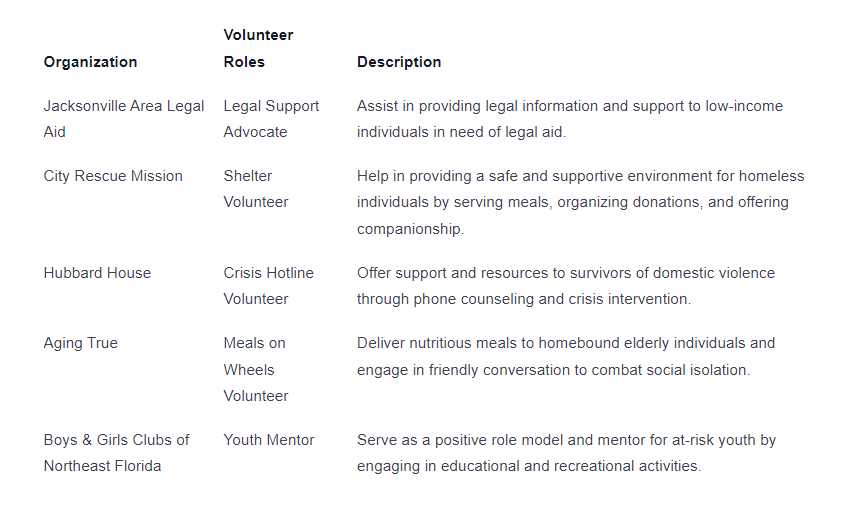
Volunteer Opportunities in Support Services

In Jacksonville, FL, numerous organizations provide volunteer opportunities in social services and support groups. These organizations focus on different areas of need, ranging from basic needs assistance to mental health support. Here are some examples of volunteer opportunities in support services:

These are just a few examples of the volunteer opportunities available in social services and support groups in Jacksonville, FL. By reaching out to local organizations and exploring their volunteer programs, you can find the opportunity that aligns with your interests, skills, and schedule.

Through your involvement, you can create a positive impact in the lives of vulnerable individuals and families, fostering a stronger, more compassionate community.

Sources

The Best Volunteer Organizations in Jacksonville

The Best Volunteer Opportunities in Jacksonville

5 Great Places to Do Community Volunteer Work in Jacksonville

Volunteer Opportunities for the Elderly in Florida

Volunteer Opportunities for the Elderly in Florida

Volunteer Opportunities for the Elderly in Florida

Volunteerism plays a vital role in the lives of the elderly, providing them with a sense of purpose, fulfillment, and community engagement. Florida offers a wide range of engaging volunteer opportunities specifically catered to the elderly population. These opportunities allow seniors to make a meaningful impact while staying active and connected within their local communities.

The Importance of Volunteerism for the Elderly

Volunteering is not only beneficial to the community,but also to the well-being of the elderly. Engaging in volunteer activities can have a positive impact on their physical, mental, and emotional health. It provides opportunities for social interaction, reduces feelings of isolation, and enhances overall life satisfaction.

Through volunteering, seniors can share their skills, knowledge, and life experiences, making a difference in the lives of others. It also helps them maintain a sense of purpose and relevance, contributing to their overall sense of self-worth and identity.

Engaging Volunteer Opportunities in Florida

Florida offers a plethora of volunteer opportunities that cater specifically to the elderly population. These opportunities allow seniors to choose activities that align with their interests, skills, and availability. Here are some examples of engaging volunteer opportunities available in Florida:

Volunteer Opportunity and Description

Soup Kitchens and Food Banks: Assisting in preparing and serving meals, organizing food drives, and distributing food to those in need.

Homeless Shelters and Transitional Housing: Providing support and assistance to individuals experiencing homelessness, including shelter maintenance, meal preparation, and mentorship programs.

Tutoring and Mentoring Programs: Assisting children and young adults with their educational needs, including homework help, academic guidance, and mentorship.

Reading and Literacy Initiatives: Participating in programs that promote literacy, such as reading to children, organizing book drives, and supporting literacy events.

Senior Centers and Retirement Communities: Engaging in various activities within senior centers and retirement communities, including organizing social events, leading classes, and providing companionship to fellow seniors.

Companion and Visitation Programs: Offering companionship and support to homebound or isolated seniors through regular visits, conversation, and assistance with daily activities.

Park Cleanup and Restoration Projects: Participating in efforts to preserve and restore natural areas, including cleaning up parks, planting trees, and maintaining trails.

Wildlife Rehabilitation and Conservation Efforts: Assisting in wildlife rehabilitation centers, helping injured or orphaned animals, and participating in conservation projects to protect Florida’s diverse ecosystems.

Hospital and Healthcare Volunteer Programs: Supporting healthcare facilities by providing companionship to patients, assisting with administrative tasks, and offering comfort to those in need.

Senior Fitness and Wellness Programs: Helping seniors stay active and healthy by volunteering in fitness classes, leading walking groups, or providing support during wellness events.

These are just a few examples of the countless volunteer opportunities available for the elderly in Florida. Seniors can choose activities that align with their interests, passions, and strengths, ensuring a fulfilling and rewarding experience. By embracing volunteerism, the elderly in Florida can continue to make a positive impact in their communities while enjoying the numerous benefits that come with giving back.

Assisting the Homeless

When it comes to volunteer opportunities for the elderly population in Florida, there are various ways to make a positive impact on the lives of those in need. Assisting the homeless is one area where volunteers can play a crucial role in providing support and resources. Here are two volunteer opportunities specifically focused on helping the homeless:

Soup Kitchens and Food Banks

Soup kitchens and food banks are essential in providing meals and nourishment to individuals experiencing homelessness. Volunteers in these settings help prepare and serve meals, distribute food packages, and ensure that those in need have access to nutritious food. By volunteering at soup kitchens and food banks, elderly individuals can contribute to addressing the issue of hunger among the homeless population in Florida.

Volunteer Activity and Description

‍Food Preparation: Assisting in the kitchen to prepare meals for the homeless.

Meal Service: Serving food to those in need and ensuring a welcoming atmosphere.

Food Distribution: Sorting and distributing food packages at food banks or community centers.

Homeless Shelters and Transitional Housing

Homeless shelters and transitional housing facilities provide temporary accommodations and support services for individuals experiencing homelessness. Volunteers can contribute by assisting with various tasks, such as organizing donations, providing companionship, and offering support to help residents transition to more stable living situations. By volunteering in homeless shelters and transitional housing programs, elderly individuals can make a meaningful difference in the lives of those seeking shelter and a path towards stability.

Volunteer Activity and Description

Donation Organization: Sorting and organizing donated items, such as clothing and toiletries.

Companionship and Support: Engaging in conversations, offering emotional support, and providing companionship to shelter residents.

Life Skills Training: Assisting in workshops or classes that help residents develop essential life skills for independent living.

Engaging in volunteer opportunities focused on assisting the homeless allows elderly individuals in Florida to contribute their time and skills towards making a positive impact on the lives of those less fortunate. By dedicating their efforts to soup kitchens, food banks, homeless shelters, and transitional housing programs, volunteers can play a meaningful role in helping address the challenges faced by the homeless population in the state.

Supporting Children and Education

Volunteering to support children and education is a meaningful way for the elderly population in Florida to make a positive impact on their community. There are various opportunities available that allow seniors to contribute their knowledge, experiences, and time to help shape the future generation. Two common avenues for volunteering in this area are tutoring and mentoring programs, as well as reading and literacy initiatives.

Tutoring and Mentoring Programs

Tutoring and mentoring programs provide invaluable support to children who may be struggling with their academic studies or in need of guidance and mentorship. Elderly volunteers can play a significant role in these programs by assisting students in various subjects, helping with homework, and providing additional academic support.

In tutoring programs, volunteers work one-on-one or in small groups with students, tailoring their approach to meet specific learning needs. By patiently explaining concepts, providing examples, and offering encouragement, volunteers can help boost students’ confidence and academic performance.

Mentoring programs, on the other hand, focus on building meaningful relationships with children and providing guidance beyond academics. Mentors offer support, advice, and a listening ear, serving as positive role models for young individuals who may benefit from additional guidance and support.

Volunteer Opportunity and Description

Tutoring Programs: Assist students with academic subjects and homework.

Mentoring Programs: Provide guidance and support to children, serving as positive role models.

Reading and Literacy Initiatives

Reading and literacy initiatives are an excellent way for elderly volunteers in Florida to foster a love for reading and help improve literacy rates among children. Volunteers can participate in programs that focus on promoting reading skills, providing access to books, and encouraging a lifelong passion for learning.

In these initiatives, volunteers may assist in organizing and facilitating reading sessions, reading aloud to children, or even helping establish and maintain community libraries. By engaging with children through storytelling and encouraging their participation, volunteers can instill a love for reading and help develop strong literacy skills.

Volunteer Opportunity and Description

Reading Sessions: Engage children in reading activities and read aloud to them.

Community Libraries: Help establish and maintain community libraries, ensuring access to books.

By engaging in tutoring and mentoring programs, as well as reading and literacy initiatives, elderly volunteers can make a significant impact on the lives of children in Florida. These opportunities not only help shape the educational journey of young individuals but also provide a rewarding experience for the volunteers themselves as they contribute to the growth and development of future generations.

Helping the Elderly Community

Volunteering to support the elderly community in Florida is a meaningful way to make a positive impact on the lives of seniors. There are various volunteer opportunities available that cater specifically to the needs and interests of older adults. In this section, we will explore two key areas: senior centers and retirement communities, as well as companion and visitation programs.

Senior Centers and Retirement Communities

Senior centers and retirement communities are hubs of social engagement for older adults. These facilities provide a range of programs and activities designed to enhance the well-being and quality of life of seniors. By volunteering at senior centers and retirement communities, you can contribute to fostering a sense of community and offer support to elderly individuals.

Volunteer activities at senior centers and retirement communities can include:

  • Assisting with recreational activities, such as organizing games, arts and crafts, and exercise classes.
  • Providing companionship and engaging in meaningful conversations with the residents.
  • Assisting with meal services and helping organize social events.
  • Offering transportation services for seniors who may need assistance getting to appointments or running errands.
  • Sharing special skills or talents, such as playing a musical instrument or teaching a workshop.

By engaging with senior centers and retirement communities, you can create a positive and enriching environment for older adults, promoting social connections and a sense of belonging.

Companion and Visitation Programs

Companion and visitation programs are specifically designed to combat social isolation and loneliness among the elderly. These programs match volunteers with seniors who may benefit from regular companionship and social interaction. By participating in companion and visitation programs, you can provide emotional support, friendship, and a listening ear to seniors in need.

Volunteer activities within companion and visitation programs may include:

  • Spending time with an elderly individual, engaging in activities they enjoy, such as playing games, going for walks, or simply having a conversation.
  • Accompanying seniors to appointments, community events, or outings.
  • Providing respite care for family caregivers, allowing them some time for self-care or other responsibilities.
  • Assisting with practical tasks, such as grocery shopping or light housekeeping.

Through these programs, you can develop meaningful relationships and make a positive impact on the mental and emotional well-being of older adults in Florida.

Volunteering to help the elderly community in Florida through senior centers, retirement communities, and companion and visitation programs allows you to contribute to the overall well-being and happiness of seniors. By dedicating your time and companionship, you can make a significant difference in the lives of older adults and create a more connected and supportive community for everyone involved.

Environmental Conservation

In addition to the various volunteer opportunities available for the elderly in Florida, engaging in environmental conservation efforts can be a rewarding and impactful way to contribute to the community. Here are two specific areas where elderly individuals can lend their support:

Park Cleanup and Restoration Projects

Taking part in park cleanup and restoration projects allows elderly volunteers to actively contribute to the preservation and beautification of Florida’s natural spaces. These projects involve activities such as removing litter, clearing trails, planting trees, and restoring habitats. By participating in park cleanup initiatives, elderly volunteers can enjoy the outdoors while making a positive impact on the environment.

Park Cleanup and Restoration Projects

  • ‍‍Clearing trails
  • Planting trees
  • Removing litter
  • Restoring habitats

Wildlife Rehabilitation and Conservation Efforts

Elderly individuals can also get involved in wildlife rehabilitation and conservation efforts. These initiatives focus on protecting and preserving Florida’s diverse wildlife population. Volunteers may assist in rehabilitating injured or orphaned animals, participating in wildlife surveys, and educating the community about the importance of conservation. By supporting wildlife rehabilitation and conservation, elderly volunteers can help safeguard the natural heritage of Florida for future generations.

Wildlife Rehabilitation and Conservation Efforts

  • ‍‍Assisting in rehabilitating injured or orphaned animals
  • Participating in wildlife surveys
  • Educating the community about conservation

Engaging in environmental conservation not only benefits the natural environment but also provides elderly individuals with a sense of purpose and fulfillment. By participating in park cleanup and restoration projects or wildlife rehabilitation and conservation efforts, elderly volunteers can make a meaningful difference in preserving Florida’s natural resources and protecting its wildlife.

Health and Wellness Initiatives

When it comes to volunteer opportunities for the elderly population in Florida, health and wellness initiatives play a crucial role. These initiatives not only benefit the elderly volunteers themselves but also contribute to the overall well-being of the community. In this section, we will explore two key volunteer programs in the health and wellness sector: hospital and healthcare volunteer programs, and senior fitness and wellness programs.

Hospital and Healthcare Volunteer Programs

Hospital and healthcare volunteer programs offer a range of opportunities for the elderly to make a meaningful impact on the lives of patients and their families. These programs provide a chance to contribute to the healthcare system while fostering a sense of purpose and fulfillment.

Volunteer tasks in hospital and healthcare settings can vary, from assisting in administrative tasks and providing information to visitors, to offering comfort and companionship to patients. The table below outlines some common volunteer roles and responsibilities in hospital and healthcare settings.

Volunteer Role and Responsibilities

‍‍Patient Companion: Engage in conversation with patients, provide emotional support, and offer companionship during their hospital stay.

Greeter/Information Desk Attendant: Welcome visitors, provide directions, answer questions, and offer a warm and friendly presence at the information desk.

Administrative Support: Assist with paperwork, filing, data entry, and other administrative tasks to support the smooth operation of the healthcare facility.

Transporter: Help patients navigate the hospital by escorting them to appointments, procedures, and testing areas.

Pet Therapy Volunteer: Bring certified therapy animals to provide comfort and emotional support to patients and staff.

Senior Fitness and Wellness Programs

Senior fitness and wellness programs focus on promoting active and healthy lifestyles among the elderly population. These programs offer volunteer opportunities that allow seniors to share their knowledge, skills, and experiences to inspire others to lead healthier lives.

Volunteering in senior fitness and wellness programs can involve leading exercise classes, organizing health workshops, or providing one-on-one support to individuals looking to improve their well-being. The table below highlights some potential volunteer roles and responsibilities in senior fitness and wellness programs.

Volunteer Role and Responsibilities

‍Fitness Instructor; Lead exercise classes tailored to the needs and abilities of older adults, focusing on strength, flexibility, and balance.

Wellness Workshop Facilitator: Conduct workshops on topics such as nutrition, stress management, and chronic disease prevention to educate and empower seniors.

Health Screening Volunteer: Assist in organizing and conducting health screenings, such as blood pressure checks or body mass index (BMI) assessments, to promote early detection and prevention.

Walking Group Leader: Organize and lead walking groups to encourage physical activity and social interaction among elderly individuals in the community.

Nutrition Advisor: Provide guidance on healthy eating habits, meal planning, and dietary modifications to support overall wellness.

By participating in hospital and healthcare volunteer programs and senior fitness and wellness programs, the elderly population in Florida can contribute to the betterment of their community while maintaining their own health and well-being. These opportunities offer a chance to make a positive impact and create meaningful connections with others who share similar interests and goals.

Sources

Volunteer Opportunities – DOEA

Volunteer with Seniors – Gators Volunteer – University of Florida

Volunteer – In Home Senior Care Northeast Florida

Ways to Earn a Living While on CDPAP

Ways to Earn a Living While on CDPAP

Introduction to CDPAP

CDPAP, which stands for Consumer Directed Personal Assistance Program, is a unique program that allows individuals in need of home care services to have more control over their care. It provides them with the opportunity to hire and direct their own caregivers, who may be friends, family members, or even trusted individuals from their community.

What is CDPAP?

CDPAP is a Medicaid program that enables individuals with disabilities or chronic illnesses to receive personal care services in the comfort of their own homes. Unlike traditional home care programs where caregivers are assigned by an agency, CDPAP allows the care recipient to make their own decisions and choose someone they trust to provide the necessary care.

Under CDPAP, the care recipient becomes the employer of their caregiver, giving them the authority to manage and direct their care. This level of control allows for a more personalized and tailored approach to caregiving, as the care recipient can specify their needs and preferences to their caregiver.

Understanding the Benefits of CDPAP

CDPAP offers a range of benefits to both the care recipient and the caregiver. For the care recipient, some key advantages of CDPAP include:

  • Independence: CDPAP empowers individuals to maintain their independence by allowing them to select their caregiver and direct their own care.
  • Personalized Care: With CDPAP, care recipients have the flexibility to choose a caregiver who understands their unique needs and can provide care in a way that aligns with their preferences.
  • Familiarity and Comfort: By hiring a caregiver from their own network of friends, family, or trusted individuals, care recipients can receive care from someone they already know and trust, creating a more comfortable and familiar environment.

For caregivers, CDPAP offers its own set of benefits, including:

  • Employment and Income: CDPAP provides an opportunity for caregivers to earn a living by providing care to their loved ones or others in their community.
  • Flexibility: Caregivers have the flexibility to set their own schedules and work hours, allowing them to balance their caregiving responsibilities with other commitments.
  • Fulfillment: Many caregivers find personal fulfillment in being able to support their loved ones or assist individuals in need of care.

CDPAP has transformed the way home care services are delivered, allowing individuals to receive care that is tailored to their specific needs and preferences while providing opportunities for caregivers to earn a living.

CDPAP Success Stories

CDPAP has provided countless individuals with the opportunity to earn a living while making a positive impact in the lives of others. Let’s explore three inspiring success stories that highlight the various ways CDPAP has transformed lives.

Story 1: Fulfilling a Passion for Caregiving

In this success story, we meet Sarah, a compassionate individual who always had a natural inclination towards caregiving. Through CDPAP, Sarah was able to turn her passion into a fulfilling career. By enrolling as a caregiver for her elderly neighbor, Sarah not only provided essential personal care services but also offered companionship and emotional support. CDPAP gave Sarah the flexibility to work on her terms, while ensuring her neighbor received the care and attention she deserved. This success story exemplifies how CDPAP can empower individuals to pursue their passion and positively impact the lives of those in need.

Story 2: Empowering Individuals with Disabilities

In this heartwarming success story, we meet Alex, a young individual with a disability who wanted to live independently and receive care from someone they trusted. With CDPAP, Alex was able to hire a personal caregiver who understood their unique needs and provided the necessary support. Through this arrangement, Alex gained a sense of empowerment and control over their own life. CDPAP enabled Alex to hire a caregiver who not only assisted with daily living activities but also served as a companion, fostering a supportive and nurturing environment. This success story showcases how CDPAP can transform the lives of individuals with disabilities, granting them the freedom to live life on their own terms.

Story 3: Supporting Loved Ones While Earning a Living

In this inspiring success story, we meet Mark, a devoted son who wanted to care for his aging mother while still earning a living. CDPAP offered Mark the opportunity to become his mother’s caregiver, allowing him to provide the personal care services she needed while maintaining financial stability. By enrolling in CDPAP, Mark not only supported his mother’s well-being but also strengthened their bond through the caregiving experience. This success story demonstrates how CDPAP enables individuals to support their loved ones while pursuing a meaningful career.

These success stories are just a glimpse into the many ways CDPAP has positively impacted the lives of caregivers and care recipients alike. Through CDPAP, individuals can find fulfillment in their work, empower those in need, and create lasting connections.

Ways to Earn a Living with CDPAP

CDPAP offers individuals the opportunity to earn a living while providing essential care and support to those in need. Here are three main ways to earn a living through the Consumer Directed Personal Assistance Program:

Providing Personal Care Services

One of the primary ways individuals can earn a living with CDPAP is by providing personal care services. This involves assisting clients with activities of daily living (ADLs) such as bathing, dressing, grooming, and toileting. The specific tasks and responsibilities will vary depending on the needs and preferences of the client.

By becoming a personal care provider, individuals can not only earn a living but also make a meaningful difference in the lives of those they care for. It is a rewarding opportunity to support individuals in maintaining their independence and promoting their overall well-being.

Assisting with Daily Living Activities

Another way to earn a living with CDPAP is by assisting clients with daily living activities beyond personal care. This can include tasks such as meal preparation, medication reminders, light housekeeping, and running errands. By providing these services, individuals can help clients manage their daily lives and maintain a comfortable and safe living environment.

Assisting with daily living activities allows caregivers to contribute to the overall quality of life of their clients. It provides an opportunity to develop meaningful connections and foster independence, while also earning a living through the CDPAP program.

Offering Companionship and Emotional Support

In addition to personal care and daily living activities, offering companionship and emotional support is another way to earn a living with CDPAP. Many individuals in need of care also require social interaction and emotional companionship. By engaging in conversations, participating in activities, and providing emotional support, caregivers can enhance the overall well-being and quality of life of their clients.

Being a companion caregiver offers the chance to form meaningful relationships and make a positive impact on the lives of others. It allows individuals to earn a living while providing crucial emotional support to those who may be isolated or in need of companionship.

Through CDPAP, individuals can choose the type of care they provide and the specific tasks they are comfortable with. This flexibility allows caregivers to earn a living while focusing on the areas where they excel and have a genuine passion for.

By offering personal care services, assisting with daily living activities, and providing companionship and emotional support, individuals can not only earn a living but also make a difference in the lives of those they care for through the CDPAP program.

Steps to Getting Started with CDPAP

If you are interested in earning a living through the Consumer Directed Personal Assistance Program (CDPAP), there are a few important steps to follow. These steps will help you understand the eligibility requirements, enroll in CDPAP, and find clients and opportunities.

Eligibility Requirements

Before you can participate in CDPAP, it’s essential to determine if you meet the eligibility requirements. Generally, the program is open to individuals who:

  • Are eligible for Medicaid in their state
  • Require assistance with activities of daily living or skilled nursing services
  • Have the ability to self-direct their care or have a designated representative who can make decisions on their behalf

The specific eligibility criteria may vary from state to state, so it’s important to consult your state’s Medicaid office or a CDPAP coordinator to understand the requirements in your area.

Enrolling in CDPAP

Once you have confirmed your eligibility, the next step is to enroll in CDPAP. The enrollment process involves:

  1. Contacting your state’s Medicaid office or a CDPAP coordinator to express your interest in participating in the program.
  2. Providing the necessary documentation and completing the required forms, which may include a Medicaid application, a physician’s order, and a personal assistant agreement.
  3. Attending any mandatory training sessions or orientations to familiarize yourself with the program guidelines and responsibilities.

During the enrollment process, it’s important to ask any questions you may have and ensure that you fully understand the program’s rules and regulations.

Finding Clients and Opportunities

Once you are enrolled in CDPAP, you can start finding clients and opportunities to provide personal care services. Here are some strategies to consider:

  • Reach out to your local Medicaid office or CDPAP coordinator to inquire about available clients who are seeking personal assistants.
  • Network within your community by connecting with organizations that support individuals with disabilities or older adults who may require personal care services.
  • Utilize online platforms and caregiver directories that connect personal assistants with clients in need of care.
  • Spread the word among your friends, family, and social circles to see if anyone is aware of individuals who could benefit from CDPAP services.

By actively seeking out clients and opportunities, you can establish a fulfilling career in CDPAP and make a positive impact on the lives of those in need of personal care assistance.

Remember, the specific steps and processes may vary depending on your state’s guidelines and requirements. It’s crucial to stay informed and seek guidance from the appropriate authorities to ensure a smooth transition into the CDPAP program.

Ways to Earn a Living with CDPAP

CDPAP (Consumer Directed Personal Assistance Program) not only provides individuals with the opportunity to receive personalized care at home but also offers a unique pathway to earning a living. Here are three ways in which individuals can earn a living while participating in CDPAP.

Providing Personal Care Services

One of the primary ways to earn a living through CDPAP is by providing personal care services to eligible individuals. This may include assistance with activities of daily living (ADLs) such as bathing, dressing, toileting, and grooming. By becoming a personal care assistant (PCA) or a home health aide (HHA) under CDPAP, individuals can turn their caregiving skills into a source of income.

The compensation for providing personal care services under CDPAP varies depending on several factors, such as location, level of care required, and the individual’s qualifications. It is important to note that the compensation rates are set by the state or the designated fiscal intermediary. For more specific information on compensation rates in your area, you can consult with the relevant authorities.

Assisting with Daily Living Activities

In addition to personal care services, CDPAP also allows individuals to earn a living by assisting with daily living activities. This may involve helping with household chores, meal preparation, medication management, and transportation. By providing support in these areas, individuals can make a meaningful difference in the lives of those they care for while earning income at the same time.

The compensation for assisting with daily living activities under CDPAP is typically determined based on the number of hours worked and the tasks performed. Again, the rates may vary depending on the location and the specific requirements of the individual receiving assistance. It is important to consult with the relevant authorities or the designated fiscal intermediary to understand the compensation structure in your area.

Offering Companionship and Emotional Support

Another way to earn a living through CDPAP is by offering companionship and emotional support to individuals who may be experiencing social isolation or loneliness. This aspect of caregiving is particularly valuable, as it helps promote overall well-being and enhances the quality of life for those receiving care.

While the compensation for offering companionship and emotional support under CDPAP may not be based on specific tasks, it is still an essential component of the care provided. The compensation structure is typically determined based on the number of hours spent providing companionship and emotional support. It is important to note that the rates can vary depending on the location and the specific circumstances of the care recipient.

By participating in CDPAP and providing personal care services, assisting with daily living activities, or offering companionship and emotional support, individuals can earn a living while making a positive impact in the lives of those they care for. The compensation rates and specific details may vary depending on the location and the individual circumstances, so it is recommended to consult with the relevant authorities or the designated fiscal intermediary to understand the earning potential under CDPAP.

Sources

4 Ways to Earn a Living While on CDPAP

10 Ways to Get Paid While Taking Care of a Family Member

What are the Medical Power of Attorney Laws in Nevada?

What are the Medical Power of Attorney Laws in Nevada?

Understanding Medical Power of Attorney Laws in Nevada

When it comes to making important medical decisions, it’s crucial to understand the laws surrounding medical power of attorney. In Nevada, these laws provide individuals with the ability to appoint someone they trust to make healthcare decisions on their behalf when they are unable to do so. Let’s explore what medical power of attorney entails and why it is important.

What is Medical Power of Attorney?

Medical power of attorney, also known as healthcare power of attorney or healthcare proxy, is a legal document that designates an individual to act as a healthcare agent or surrogate decision-maker for another person. This legal designation allows the appointed person, known as the medical power of attorney agent, to make healthcare decisions on behalf of the individual, also known as the principal, when they are unable to do so due to incapacitation or other circumstances.

The medical power of attorney agent has the authority to make decisions regarding medical treatments, procedures, and other healthcare matters. This can include choices about medications, surgeries, end-of-life care, and more. It is important to choose a medical power of attorney agent who understands your values, preferences, and wishes regarding healthcare decisions.

Importance of Medical Power of Attorney

Having a medical power of attorney is essential for several reasons. First and foremost, it ensures that your healthcare decisions align with your personal wishes and values. By appointing a trusted individual as your medical power of attorney agent, you can have peace of mind knowing that your healthcare choices will be made by someone who understands your beliefs and desires.

Additionally, a medical power of attorney provides a clear legal framework for decision-making in the event of incapacitation. Without a designated medical power of attorney agent, healthcare decisions may be left to family members or healthcare providers, potentially causing confusion and disagreement among loved ones. Having a medical power of attorney in place helps to avoid conflicts and ensures that your wishes are respected.

By understanding what medical power of attorney is and recognizing its importance, you can take proactive steps to protect your healthcare decisions and ensure that your wishes are honored, even in challenging circumstances.

Nevada Laws on Medical Power of Attorney

When it comes to medical power of attorney, it’s essential to understand the laws and regulations specific to your state. In Nevada, there are specific provisions that define and govern the medical power of attorney.

Defining Medical Power of Attorney in Nevada

In Nevada, medical power of attorney is known as a “Durable Power of Attorney for Health Care.” This legal document grants someone, known as the agent or attorney-in-fact, the authority to make medical decisions on behalf of another person, referred to as the principal, in the event that they become unable to make decisions for themselves.

The durable power of attorney for health care allows the agent to communicate with healthcare providers, access medical records, and make informed decisions regarding the principal’s medical treatment and care. It is important to note that this authority only comes into effect when the principal is unable to make decisions due to incapacity, coma, or other conditions specified in the document.

Requirements for Creating a Medical Power of Attorney in Nevada

To create a valid durable power of attorney for health care in Nevada, certain requirements must be met. These requirements include:

  1. Legal Capacity: The principal must be of sound mind and legal age (18 years or older) to create a medical power of attorney.
  2. Written Document: The medical power of attorney must be in writing and signed by the principal or by someone at the principal’s direction in their presence.
  3. Witnesses: The document must be signed in the presence of two adult witnesses who are not related to the principal by blood, marriage, or adoption. The witnesses should also be of sound mind and not named as the agent or alternate agent in the document.
  4. Notarization: While not required by Nevada law, it is highly recommended to have the medical power of attorney notarized to add an extra layer of validity and authenticity.

It’s crucial to understand that the requirements for creating a medical power of attorney may vary from state to state. Therefore, it’s important to consult with a legal professional or refer to the specific laws of your state to ensure compliance.

By understanding the definitions and requirements of medical power of attorney in Nevada, you can take the necessary steps to ensure that your healthcare decisions are protected and entrusted to someone you trust in the event that you are unable to make those decisions yourself.

Selecting a Medical Power of Attorney

When it comes to selecting a medical power of attorney, there are important considerations to keep in mind. This individual will be entrusted with making healthcare decisions on your behalf if you are unable to do so. Let’s explore who can be your medical power of attorney and the factors to consider when making this important choice.

Who Can Be Your Medical Power of Attorney?

In Nevada, the person you choose as your medical power of attorney is commonly referred to as a healthcare agent or proxy. It is crucial to select someone who is willing and capable of carrying out the responsibilities associated with this role. Generally, the following guidelines apply when choosing a medical power of attorney:

  1. Age and Competence: The person you select should be at least 18 years old and mentally competent to make informed healthcare decisions.
  2. Trustworthiness: Your medical power of attorney should be someone you trust implicitly. This person should have a clear understanding of your values, beliefs, and healthcare preferences.
  3. Availability: It is important to choose someone who is readily available and accessible. They should be able to respond promptly in case of a medical emergency or when healthcare decisions need to be made.
  4. Communication Skills: Your medical power of attorney should be an effective communicator who can convey your wishes to healthcare providers and advocate for your best interests.

Factors to Consider When Choosing a Medical Power of Attorney

In addition to the eligibility criteria mentioned above, several factors should be considered when selecting a medical power of attorney. These factors will help ensure that the individual you choose is the most suitable person to make healthcare decisions on your behalf. Some key considerations include:

  1. Relationship: Consider the nature of your relationship with the potential medical power of attorney. This person should be someone who knows you well and understands your values and preferences.
  2. Shared Values and Beliefs: It is important to choose a medical power of attorney who shares your values and beliefs, particularly regarding medical treatments, end-of-life decisions, and quality of life considerations.
  3. Willingness to Serve: Discuss the role of a medical power of attorney with the individual you are considering. Make sure they are willing to take on this responsibility and understand the importance of their role.
  4. Proximity: Consider the proximity of the potential medical power of attorney to your location. It may be more convenient to select someone who lives nearby to ensure they can be readily available in case of emergencies or healthcare decision-making situations.

Remember, choosing a medical power of attorney is a significant decision. Take the time to carefully consider the individuals who meet the eligibility criteria and possess the qualities necessary to fulfill this crucial role. Openly discuss your wishes and expectations with your chosen medical power of attorney to ensure clarity and understanding.

Rights and Responsibilities of a Medical Power of Attorney

When it comes to medical power of attorney in Nevada, it’s important to understand the rights and responsibilities that come with this role. The chosen medical power of attorney, also known as a healthcare agent or surrogate, is entrusted with making healthcare decisions on behalf of the individual who granted them this authority. Let’s explore the decision-making authority and the limitations and restrictions associated with being a medical power of attorney in Nevada.

Decision-Making Authority

As a medical power of attorney in Nevada, you have the authority to make healthcare decisions for the individual who appointed you, also known as the principal. This authority comes into effect when the principal is unable to make decisions regarding their healthcare due to incapacity or other circumstances specified in the medical power of attorney document.

The decisions you make must align with the wishes and preferences of the principal, as outlined in their advance healthcare directive or other relevant documents. It is essential to have open communication with the principal, their healthcare providers, and other involved parties to ensure that decisions are made in their best interest.

To provide a clear understanding of the decision-making authority, here are some key responsibilities and examples of decisions a medical power of attorney may need to make:

Responsibility and Examples of Decisions

‍Make healthcare decisions on behalf of the principal

– Approving or withholding medical treatments
– Choosing healthcare providers or facilities
– Deciding on end-of-life care options
– Authorizing surgical procedures

Limitations and Restrictions

While a medical power of attorney in Nevada has decision-making authority, it is important to note that there are certain limitations and restrictions that must be considered. These limitations aim to protect the rights and well-being of the principal and ensure that the medical power of attorney acts within their designated role.

Some common limitations and restrictions for a medical power of attorney in Nevada include:

  • The medical power of attorney cannot override the principal’s wishes if they are still capable of making their own healthcare decisions.
  • The medical power of attorney must act in accordance with the principal’s advance healthcare directive or any other legally binding instructions.
  • The medical power of attorney cannot make decisions regarding non-healthcare matters, such as financial or legal matters, unless specifically authorized to do so.
  • The medical power of attorney should not make decisions based on their own personal beliefs or preferences but rather consider the best interests and wishes of the principal.

Understanding these limitations and restrictions is crucial to ensure that the medical power of attorney acts within the legal boundaries and fulfills their role responsibly and ethically.

Being aware of the decision-making authority and the limitations and restrictions as a medical power of attorney in Nevada empowers you to make informed decisions that align with the wishes of the principal. It is important to familiarize yourself with the relevant laws and seek legal advice if needed to ensure you fulfill your responsibilities appropriately.

Creating a Medical Power of Attorney in Nevada

When it comes to protecting your future and ensuring that your healthcare decisions are respected, creating a medical power of attorney is a crucial step. In Nevada, there are specific steps to follow and legal considerations to keep in mind when creating a medical power of attorney.

Steps to Creating a Medical Power of Attorney

Creating a medical power of attorney in Nevada involves the following steps:

  1. Choose a trusted individual: Select someone you trust to act as your medical power of attorney. This person should be willing to make healthcare decisions on your behalf if you become unable to do so.
  2. Discuss your wishes: Have an open and honest conversation with your chosen medical power of attorney about your healthcare values, preferences, and any specific instructions you have regarding your medical treatment.
  3. Complete the necessary forms: In Nevada, you will need to use the state-approved form to create a medical power of attorney. This form must be signed by you, the principal, and witnessed by two adults who are not your chosen medical power of attorney or named as alternative agents.
  4. Consider additional documents: While the medical power of attorney form is essential, you may also want to consider creating other advance directives, such as a living will or a do-not-resuscitate (DNR) order. These documents provide more specific instructions regarding end-of-life care.
  5. Distribute copies: Provide copies of your completed medical power of attorney form and any other advance directives to your chosen medical power of attorney, your healthcare providers, and close family members. This ensures that everyone involved in your care is aware of your wishes.

Legal Considerations and Documentation

When creating a medical power of attorney in Nevada, it’s important to consider the following legal aspects:

  1. Capacity and competency: You must have the legal capacity and competency to create a medical power of attorney. This means that you must be of sound mind and understand the implications of appointing someone to make healthcare decisions on your behalf.
  2. Revocation: You have the right to revoke or change your medical power of attorney at any time, as long as you are still mentally competent. It’s important to communicate any changes to your chosen medical power of attorney and update the necessary documents accordingly.
  3. Healthcare provider acceptance: It’s crucial to ensure that your healthcare provider accepts and recognizes your medical power of attorney. Discuss your decision with your healthcare provider and provide them with a copy of the document to include in your medical records.

Creating a medical power of attorney in Nevada allows you to designate someone you trust to make healthcare decisions on your behalf when you are unable to do so. By following the necessary steps and considering the legal aspects, you can ensure that your wishes are respected and your future protection is secured.

Ensuring Your Future Protection

To ensure that your medical power of attorney remains up-to-date and aligned with your wishes, it is important to review and update it periodically. Additionally, seeking legal advice can provide valuable guidance and ensure that you fully understand the intricacies of Nevada’s medical power of attorney laws.

Reviewing and Updating Your Medical Power of Attorney

Regularly reviewing your medical power of attorney document is crucial to ensure that it reflects your current preferences and circumstances. Life changes, such as marriage, divorce, the birth of a child, or the passing of a loved one, may necessitate updates to your medical power of attorney.

Consider reviewing your medical power of attorney under the following circumstances:

  1. Change in personal relationships: If your designated medical power of attorney becomes unavailable or if your relationship with them changes, you may want to select a new person to fulfill this role.
  2. Change in medical condition or treatment preferences: If your health status or treatment preferences change, you may want to update your medical power of attorney to reflect these modifications.
  3. Change in legal requirements: It is essential to stay informed about any changes in Nevada’s medical power of attorney laws. If there are updates or amendments to the laws, you may need to revise your document accordingly.

When updating your medical power of attorney, it is advisable to consult with legal professionals who specialize in estate planning or elder law. They can provide valuable insights and ensure that your document complies with Nevada’s specific legal requirements.

Seeking Legal Advice

Navigating the legal aspects of medical power of attorney can be complex, and seeking legal advice is highly recommended. Legal professionals can guide you through the process, answer any questions you may have, and ensure that your medical power of attorney is valid and enforceable under Nevada law.

When selecting an attorney, consider their experience and expertise in estate planning and healthcare law. They should have a comprehensive understanding of Nevada’s medical power of attorney laws to provide accurate advice and help you make informed decisions.

Legal professionals can assist you with various aspects related to medical power of attorney, including:

  • Explaining the legal implications and requirements of a medical power of attorney in Nevada.
  • Assisting in the creation, review, and updating of your medical power of attorney document.
  • Helping you understand the rights and responsibilities of your chosen medical power of attorney.
  • Ensuring that your medical power of attorney aligns with your overall estate planning goals and objectives.

By seeking legal advice, you can have peace of mind knowing that your medical power of attorney is properly executed and will effectively protect your healthcare decisions in the future.

Sources

FPO 0802A Durable Power of Attorney for Health care Decisions

Durable Power of Attorney for Health Care | Nevada Caregivers

What are the Medical Power of Attorney Laws in Nevada?

Ways to Get Paid While Caring for a Family Member

Ways to Get Paid While Caring for a Family Member

Caring for a Family Member: Financial Considerations

Taking care of a family member can be a rewarding experience, but it can also present financial challenges. In this section, we will explore the importance of financial support for family caregivers and discuss different options for obtaining financial assistance.

The Importance of Financial Support for Family Caregivers

Family caregivers play a crucial role in providing care and support to their loved ones. However, this responsibility often comes with financial implications. Caregiving can require significant time and resources, leading to reduced work hours or even leaving the workforce entirely. As a result, family caregivers may face financial strain and difficulty meeting their own financial obligations.

Financial support is essential for family caregivers to ensure their own well-being and maintain a sustainable caregiving arrangement. It can help alleviate financial stress and provide caregivers with the resources they need to continue providing quality care. Access to financial assistance can make a significant difference in the lives of family caregivers, allowing them to focus on their caregiving responsibilities without sacrificing their financial stability.

Understanding Different Financial Assistance Options

Fortunately, there are various financial assistance options available to support family caregivers. These options can vary depending on factors such as the caregiver’s relationship to the care recipient, the care recipient’s eligibility for specific programs, and the state in which they reside. Here are some common financial assistance options for family caregivers:

Financial Assistance Option and Description

‍Veterans Benefits: Veterans and their family caregivers may be eligible for specific financial assistance programs through the Department of Veterans Affairs (VA). These programs include the VA Caregiver Support Program, Aid and Attendance Benefit, and Dependency and Indemnity Compensation.

Medicaid Programs: Medicaid offers several programs that provide financial support to family caregivers. Home and Community-Based Services (HCBS) Waivers, Cash and Counseling Programs, and Medicaid Personal Care Services are some examples of programs that may be available.

State-Specific Programs: Many states offer their own programs to support family caregivers. These programs can include paid family leave programs, respite care services, and tax credits or deductions. Eligibility and benefits vary depending on the state of residence.

Private Insurance and Employer Support: Family caregivers may have access to financial support through private long-term care insurance policies. Additionally, some employers offer caregiver support programs that provide assistance with caregiving expenses.

Other Financial Resources: Nonprofit organizations, charities, crowdfunding platforms, and even Social Security benefits for caregivers can provide additional financial resources for family caregivers. These resources can vary in availability and eligibility requirements.

Understanding the different financial assistance options is crucial for family caregivers to access the support they need. Caregivers should explore these options based on their specific circumstances and consult with relevant organizations or professionals to determine their eligibility and application processes. By accessing financial assistance, family caregivers can find the necessary support to continue providing care while maintaining their own financial well-being.

Veterans Benefits for Family Caregivers

For family caregivers who are taking care of a veteran, there are specific benefits and programs available to provide financial support. These programs are designed to recognize the valuable role that family caregivers play in supporting their veteran loved ones. In this section, we will explore three key veterans benefits for family caregivers: the VA Caregiver Support Program, Aid and Attendance Benefit, and Dependency and Indemnity Compensation.

VA Caregiver Support Program

The VA Caregiver Support Program aims to provide assistance to family caregivers of eligible post-9/11 veterans. This program offers a range of services and support, including financial assistance, access to healthcare coverage, and training and education opportunities for caregivers.

To qualify for the VA Caregiver Support Program, caregivers must meet certain criteria, such as the need for personal care services and the veteran’s eligibility for VA healthcare. Financial assistance provided through this program is based on the veteran’s needs and the caregiver’s role in supporting them. It’s important to note that this program is currently available to caregivers of post-9/11 veterans, with plans to expand eligibility to caregivers of veterans from other eras.

Aid and Attendance Benefit

The Aid and Attendance Benefit is a pension program offered by the Department of Veterans Affairs. This benefit provides additional financial assistance to veterans and their spouses who require the aid and attendance of another person to perform daily activities or who are housebound due to disability.

To qualify for the Aid and Attendance Benefit, veterans must meet certain eligibility criteria, including the need for assistance with activities of daily living, such as bathing, dressing, or eating. The benefit can also be extended to eligible surviving spouses of veterans. The table below provides an overview of the maximum monthly benefit amounts for 2021:

Veteran’s Status and Maximum Monthly Benefit Amount

‍Veteran with Spouse: $1,936

Single Veteran: $1,244

Surviving Spouse: $1,244

Dependency and Indemnity Compensation

Dependency and Indemnity Compensation (DIC) is a benefit provided by the Department of Veterans Affairs to eligible survivors of deceased veterans. This compensation is intended to financially support surviving spouses, children, and dependent parents who have suffered the loss of a veteran.

To be eligible for DIC, survivors must meet certain criteria, including the veteran’s cause of death being related to military service or a service-connected disability. The table below provides an overview of the monthly DIC rates for 2021:

Dependency Status and Monthly DIC Rate

‍Surviving Spouse: $1,357

Surviving Spouse with Child: $1,470

Child Only: $525

These veterans benefits for family caregivers can provide crucial financial assistance and support to those caring for their veteran loved ones. It’s important for caregivers to explore and understand the specific eligibility criteria and requirements associated with each program to ensure they receive the benefits they are entitled to.

Medicaid Programs for Family Caregivers

When it comes to financial assistance for family caregivers, Medicaid offers several programs that can provide support. These programs aim to help caregivers receive compensation for the care they provide to their family members. Here, we will explore three Medicaid programs specifically designed for family caregivers: Home and Community-Based Services (HCBS) Waivers, Cash and Counseling Programs, and Medicaid Personal Care Services.

Home and Community-Based Services (HCBS) Waivers

HCBS waivers are Medicaid programs that allow eligible individuals to receive long-term care services in their own homes or communities instead of in a nursing home or institution. These waivers provide financial support to family caregivers who assist with the daily activities and personal care needs of their loved ones.

The specific services covered under HCBS waivers vary by state, but they often include personal care assistance, respite care, home modifications, and transportation assistance. The compensation for family caregivers can be provided directly through Medicaid or through a fiscal intermediary, depending on the state’s program.

To qualify for an HCBS waiver, both the care recipient and the caregiver must meet certain eligibility criteria, which may include income limits, functional assessments, and medical necessity evaluations. It’s important to check with your state’s Medicaid office or local Area Agency on Aging to understand the specific requirements and application process.

Cash and Counseling Programs

Cash and Counseling programs, also known as Consumer-Directed Care programs, provide eligible Medicaid beneficiaries with the flexibility to manage their own long-term care services, including the ability to hire and pay their own caregivers, which can include family members. These programs aim to empower care recipients and their families to make decisions about their care.

Under Cash and Counseling programs, eligible individuals receive a budget to allocate towards their care needs. This budget can be used to compensate family caregivers for the services provided. The caregiver’s compensation is typically based on an hourly rate determined by the program and may vary by state.

To participate in Cash and Counseling programs, individuals typically undergo an assessment to determine their eligibility and care needs. They must also be capable of managing their own care or have a representative who can assist them in the decision-making process.

Medicaid Personal Care Services

Medicaid Personal Care Services (PCS) provide assistance with activities of daily living (ADLs) and instrumental activities of daily living (IADLs) for individuals who require help due to physical or cognitive limitations. These services can be provided in the person’s home or community setting and may include personal hygiene, meal preparation, medication management, and transportation.

Family caregivers can be compensated through Medicaid PCS programs for the care they provide to their loved ones. The compensation is typically based on the number of hours of care provided and the prevailing rate set by the state’s Medicaid program.

To qualify for Medicaid PCS, both the care recipient and the caregiver must meet the eligibility requirements, which may include income limits, functional assessments, and medical necessity evaluations. It’s important to check with your state’s Medicaid office or local Area Agency on Aging for specific details on eligibility and the application process.

Understanding these Medicaid programs can help family caregivers navigate the financial aspects of providing care to their loved ones. Each program has its own set of eligibility criteria and benefits, so it’s essential to research and consult with the appropriate agencies to determine the best options for your unique situation.

State-Specific Programs for Family Caregivers

When it comes to financial support for family caregivers, various state-specific programs exist to provide assistance. These programs are designed to help alleviate some of the financial burden that caregivers may face. In this section, we will explore three common state-specific programs: paid family leave programs, respite care services, and tax credits and deductions.

Paid Family Leave Programs

Paid family leave programs allow caregivers to take time off from work to care for their family members while still receiving a portion of their wages. These programs vary by state and may provide different lengths of leave and wage replacement percentages.

Here are a few examples of paid family leave programs across different states:

It’s important to check with your state’s labor department or human resources office to understand the specific requirements and benefits of the paid family leave program available in your area.

Respite Care Services

Respite care services offer temporary relief to family caregivers by providing trained individuals who can step in and care for their loved ones. These services allow caregivers to take a much-needed break, attend to personal matters, or simply recharge.

Respite care services can be provided in various settings, including home-based care, adult day care centers, or residential facilities. The availability and cost of respite care services may vary by state and the specific programs offered.

To access respite care services, caregivers can reach out to local aging and disability resource centers, community organizations, or government agencies that oversee caregiving programs in their state.

Tax Credits and Deductions

Tax credits and deductions can help offset some of the financial expenses associated with caregiving. These tax benefits vary by state and may include deductions for medical expenses, caregiver tax credits, or dependent care tax credits.

Here are a few examples of tax credits and deductions that caregivers may be eligible for:

State and Tax Benefit

‍California: California Dependent Care (CDCTC) Tax Credit

New York: New York State Child and Dependent Care Credit

Florida: Florida Medical Expense Deduction

To determine the specific tax benefits available in your state, it’s recommended to consult with a tax professional or review the resources provided by your state’s tax department.

State-specific programs play a crucial role in providing financial support for family caregivers. Paid family leave programs, respite care services, and tax credits and deductions can help alleviate some of the financial strain associated with caregiving responsibilities. Be sure to explore the resources available in your state to understand the eligibility criteria, benefits, and application procedures for these programs.

Private Insurance and Employer Support

When it comes to financial support for family caregivers, private insurance and employer support can play a significant role. In this section, we will explore two important avenues: long-term care insurance and employer-sponsored caregiver support programs.

Long-Term Care Insurance

Long-term care insurance is a type of insurance policy that helps cover the costs associated with long-term care, including caregiving services. This insurance provides financial assistance to individuals who require extended care due to aging, illness, or disability. It can help alleviate the financial burden on family caregivers by providing coverage for services such as in-home care, assisted living facilities, and nursing homes.

Before purchasing long-term care insurance, it’s important to carefully review the policy details, including the coverage limits, waiting periods, and eligibility criteria. Some policies may have specific requirements regarding the level of care needed or the types of services covered. It’s advisable to compare different policies and consult with an insurance professional to determine the best option for your specific caregiving needs.

Employer-Sponsored Caregiver Support Programs

Many employers recognize the challenges faced by their employees who are also family caregivers. As a result, some companies offer caregiver support programs to assist their employees in balancing their work and caregiving responsibilities. These programs may include a range of benefits and resources to help caregivers manage their caregiving duties more effectively.

Some common elements of employer-sponsored caregiver support programs include:

Program and Description

‍Flexible Work Arrangements: Employers may offer flexible work schedules, remote work options, or reduced hours to accommodate the caregiver’s needs.

Caregiver Leave: Some employers provide paid or unpaid leave specifically for caregivers to attend to their family members’ needs.

Employee Assistance Programs (EAPs): EAPs offer counseling services, referrals to community resources, and educational materials to help caregivers cope with the challenges they face.

Caregiver Support Groups: Employers may organize support groups for caregivers within the company, allowing them to connect with others who are in similar situations.

Financial Assistance or Reimbursement: Some employers provide financial assistance or reimbursement for caregiving-related expenses, such as respite care or home modifications.

The availability and extent of these programs can vary depending on the employer. It’s advisable for caregivers to inquire about these benefits with their human resources department or employee assistance program to understand the support options available to them.

Private insurance and employer-sponsored caregiver support programs can provide valuable financial assistance and resources for family caregivers. Exploring these options can help alleviate the financial strain and provide caregivers with the necessary support to fulfill their caregiving responsibilities more effectively.

Exploring Other Financial Resources

While there are various government programs and insurance options available, there are also additional financial resources that can provide support for family caregivers. These resources include nonprofit organizations and charities, crowdfunding platforms, and social security benefits.

Nonprofit Organizations and Charities

Nonprofit organizations and charities play a vital role in providing financial assistance and resources to family caregivers. These organizations often offer grants, scholarships, and financial aid programs specifically designed to support caregivers. They may also provide guidance and counseling services to help caregivers navigate the financial challenges they may face.

Here are a few examples of nonprofit organizations and charities that offer financial support for family caregivers:

Organization/Charity and Description

‍AARP Foundation: Offers various programs and services aimed at helping caregivers, including financial assistance and resources.

National Alliance for Caregiving: Provides information and resources on financial assistance programs available to family caregivers.

Family Caregiver Alliance: Offers a range of services, including financial assistance programs and support for caregivers.

Crowdfunding Platforms

Crowdfunding platforms have become increasingly popular as a means for individuals to raise funds for various causes, including caregiving expenses. These platforms allow caregivers to share their stories and financial needs with a wide audience, giving others the opportunity to contribute and provide support.

Here are a few popular crowdfunding platforms that caregivers can explore:

Crowdfunding Platform and Description

‍GoFundMe: A widely used crowdfunding platform that allows individuals to create fundraising campaigns for personal causes, including caregiving expenses.

Kickstarter: While primarily focused on creative projects, Kickstarter can also be used to raise funds for caregiving initiatives and related expenses.

Indiegogo: Similar to Kickstarter, Indiegogo offers a platform for individuals to crowdfund for various causes, including caregiving expenses.

Social Security Benefits for Caregivers

Social Security benefits can provide financial assistance to family caregivers in certain situations. Specifically, caregivers may be eligible for benefits if they are caring for a child under the age of 16 or a disabled adult child. These benefits are known as “dependent benefits” and can help alleviate some of the financial burdens associated with caregiving.

To determine eligibility and learn more about the specific requirements for receiving social security benefits as a caregiver, it is recommended to contact the Social Security Administration directly.

Exploring these additional financial resources can help family caregivers find the support they need to alleviate some of the financial burdens associated with caregiving. Whether through nonprofit organizations and charities, crowdfunding platforms, or social security benefits, these resources can provide valuable assistance during challenging times.

Sources

10 Ways to Get Paid While Taking Care of a Family Member

5 Ways You Can Get Paid as a Family Caregiver

Activities for the Elderly

Activities for the Elderly

The Importance of Engaging Activities for the Elderly

Engaging in activities is crucial for the overall well-being of the elderly. Participating in meaningful and enjoyable activities can have numerous benefits for their physical, mental, social, and emotional health. When choosing activities for the elderly, it’s important to consider their interests, abilities, and any potential limitations.

Benefits of Activities for the Elderly

Engaging in activities provides a wide range of benefits for the elderly, including:

  1. Physical Health: Participating in physical activities helps to improve strength, flexibility, and balance. It can also reduce the risk of certain health conditions, such as cardiovascular diseases and osteoporosis.
  2. Mental Stimulation: Activities that stimulate the mind, such as puzzles, reading, and learning new skills, help to keep the brain active and enhance cognitive function. Mental stimulation can also reduce the risk of cognitive decline and improve memory and concentration.
  3. Social Interaction: Activities that promote social interaction, such as joining senior centers, volunteering, or participating in intergenerational programs, can combat feelings of loneliness and isolation. Social engagement contributes to maintaining emotional well-being and building a sense of belonging and purpose.
  4. Emotional Well-being: Engaging in activities that bring joy, creativity, and a sense of accomplishment can boost mood and overall emotional well-being. Creative and artistic activities, such as painting, music, and crafts, provide an outlet for self-expression and can be particularly beneficial.

Considerations for Choosing Activities

When choosing activities for the elderly, it’s important to consider the following factors:

  1. Interests and Abilities: Select activities that align with the individual’s interests and abilities. Consider their hobbies, past experiences, and preferences to ensure the activities are enjoyable and meaningful to them.
  2. Physical Limitations: Take into account any physical limitations or health conditions when choosing activities. Opt for activities that can be adapted to accommodate mobility issues, such as gentle exercise classes or seated yoga.
  3. Cognitive Function: Consider the individual’s cognitive abilities when selecting activities. Choose activities that provide appropriate levels of mental stimulation and challenge without being overwhelming.
  4. Socialization Opportunities: Look for activities that provide opportunities for social interaction and engagement with others. This can include joining community groups or participating in programs that facilitate connections with people of different ages.

By understanding the importance of engaging activities for the elderly and considering their individual needs and preferences, you can help promote their overall well-being and enhance their quality of life. Encouraging and supporting them to participate in activities that bring enjoyment, purpose, and social connection can have a profound impact on their overall health and happiness.

Physical Activities

Engaging in physical activities is crucial for maintaining the overall health and well-being of the elderly. Regular physical activity can help improve strength, flexibility, cardiovascular health, and balance. In this section, we will explore three physical activities that are particularly beneficial for older adults: gentle exercise classes, walking or outdoor activities, and yoga or Tai Chi.

Gentle Exercise Classes

Gentle exercise classes are specifically designed to cater to the needs of older adults. These classes focus on low-impact exercises that promote strength, flexibility, and balance. They are conducted in a supportive and inclusive environment, allowing participants to engage in physical activity at their own pace.

Here are a few examples of gentle exercise classes:

Class Type and Description

  • ‍‍Chair Yoga: Yoga poses modified to be performed while seated or using a chair for support.
  • Water Aerobics: Exercises performed in a pool, reducing stress on joints and providing resistance for muscle strengthening.
  • Tai Chi for Seniors: Slow and gentle movements combined with deep breathing to improve balance, flexibility, and relaxation.

Walking or Outdoor Activities

Walking is a simple yet effective physical activity that can be enjoyed by people of all ages. It requires no special equipment and can be easily incorporated into daily routines. Going for a walk not only provides cardiovascular benefits but also offers an opportunity to connect with nature and enjoy the outdoors.

In addition to walking, there are various outdoor activities that can be enjoyable for older adults:

Activity and Description

  • ‍‍Gardening: Planting, tending to plants, and maintaining a garden can provide both physical activity and a sense of accomplishment.
  • Golfing: A low-impact sport that involves walking, swinging clubs, and socializing with others on the course.
  • Outdoor Yoga or Tai Chi: Practicing yoga or Tai Chi in a natural setting can enhance the benefits of these mind-body exercises.

Yoga or Tai Chi

Yoga and Tai Chi are ancient practices that combine physical movement, breath control, and mindfulness. They are particularly beneficial for older adults as they promote flexibility, balance, and relaxation. Both yoga and Tai Chi can be adapted to suit individual abilities and fitness levels.

Here are a few key differences between yoga and Tai Chi:

Engaging in physical activities that are suitable for older adults is essential for their overall well-being. Whether it’s through gentle exercise classes, outdoor activities, or mind-body practices like yoga and Tai Chi, older adults can maintain and improve their physical fitness while enjoying the benefits of an active lifestyle.

Mental Stimulation Activities

Engaging in mentally stimulating activities is essential for the overall well-being and cognitive health of the elderly. These activities help keep the mind sharp, improve memory, and enhance cognitive function. In this section, we will explore three popular mental stimulation activities for the elderly: crossword puzzles and Sudoku, reading clubs or book discussions, and learning new skills or hobbies.

Crossword Puzzles and Sudoku

Crossword puzzles and Sudoku are classic brain-teasers that provide an enjoyable way to challenge the mind. These activities not only improve cognitive skills but also enhance problem-solving abilities and boost memory retention.

Activity and Benefits

‍‍Crossword Puzzles
– Enhances vocabulary
– Improves cognitive function
– Stimulates problem-solving skills

Sudoku
– Enhances logical thinking
– Improves concentration
– Boosts memory retention

Crossword puzzles and Sudoku can be easily found in newspapers, puzzle books, or online platforms. They offer a variety of difficulty levels, allowing individuals to choose the level that suits their capabilities. Engaging in these activities regularly can help maintain mental agility and provide a sense of accomplishment.

Reading Clubs or Book Discussions

Participating in reading clubs or book discussions is an excellent way for the elderly to engage with literature and stimulate their minds through thoughtful conversations. These activities not only promote mental stimulation but also provide social interaction and a sense of community.

Activity and Benefits

‍Reading Clubs or Book Discussions
– Expands knowledge and perspective
– Enhances critical thinking skills
– Promotes social interaction

Joining a local reading club or book discussion group allows individuals to explore different genres, share insights, and enjoy the company of fellow book enthusiasts. This can be done in community centers, libraries, or even online platforms. Engaging in these activities encourages intellectual growth and fosters a sense of connection with others.

Learning New Skills or Hobbies

Learning new skills or hobbies is an excellent way for the elderly to keep their minds active and engaged. Whether it’s picking up a musical instrument, learning a new language, or exploring arts and crafts, these activities provide mental stimulation while fostering personal growth and creativity.

Activity and Benefits

‍Learning New Skills or Hobbies
– Stimulates curiosity and creativity
– Enhances cognitive flexibility
– Boosts self-confidence and sense of achievement

Engaging in new activities or hobbies not only provides mental stimulation but also offers an opportunity for personal fulfillment and self-expression. Learning can take place through online courses, local classes, or even with the help of instructional books or videos. Embracing new skills or hobbies keeps the mind active and opens doors to new experiences and perspectives.

By encouraging and participating in mental stimulation activities like crossword puzzles and Sudoku, reading clubs or book discussions, and learning new skills or hobbies, the elderly can enjoy a fulfilling and intellectually stimulating lifestyle. These activities contribute to overall cognitive well-being and help maintain mental sharpness as they thrive through time.

Social and Emotional Engagement

Engaging in social and emotional activities is essential for the well-being of elderly individuals. These activities not only provide opportunities for social interaction but also contribute to emotional fulfillment and a sense of belonging. In this section, we will explore three activities that promote social and emotional engagement among the elderly: senior centers or community groups, volunteering opportunities, and intergenerational programs.

Senior Centers or Community Groups

Senior centers and community groups offer a variety of activities tailored to the needs and interests of older adults. These spaces provide a supportive and inclusive environment where seniors can connect with others who share similar experiences and hobbies. From exercise classes and hobby clubs to group outings and educational programs, senior centers offer a wide range of engaging activities that promote social interaction and foster a sense of community.

Activity and Description

  • ‍‍Exercise Classes: Low-impact exercise classes designed specifically for older adults, such as chair yoga or gentle aerobics.
  • Hobby Clubs: Groups focused on various hobbies like gardening, knitting, painting, or playing musical instruments.
  • Group Outings: Organized trips to museums, parks, theaters, or other places of interest, allowing seniors to explore and socialize.
  • Educational Programs: Workshops, lectures, and classes covering a wide range of topics, stimulating intellectual engagement and discussions.

Volunteering Opportunities

Volunteering not only benefits the community but also provides a meaningful and rewarding experience for the elderly. Engaging in volunteer work allows seniors to utilize their skills and knowledge while making a positive impact on others’ lives. Volunteering opportunities can range from local charities and nonprofit organizations to hospitals, schools, and community centers. By giving back to their community, elderly individuals can maintain a sense of purpose, enhance their self-esteem, and establish new social connections.

Volunteer Opportunity and Description

  • ‍‍Food Banks or Soup Kitchens: Assisting in meal preparation, food distribution, or serving meals to those in need
  • Animal Shelters: Caring for animals, walking dogs, or assisting with adoption events.
  • Tutoring or Mentoring: Supporting and guiding younger individuals in academic or personal development.
  • Community Gardens: Participating in gardening activities, cultivating plants, and maintaining community green spaces.

Intergenerational Programs

Intergenerational programs bring together individuals of different age groups, fostering connections and mutual understanding. These programs promote interaction between older adults and younger generations, creating opportunities for learning, sharing experiences, and building relationships. Intergenerational activities can take various forms, including mentorship programs, shared learning experiences, or collaborative projects. By participating in intergenerational programs, the elderly can feel more connected to their communities and gain a sense of purpose and fulfillment.

Intergenerational Activity and Description

  • ‍‍Mentoring Programs: Older adults serving as mentors to young individuals, providing guidance and support.
  • Intergenerational Learning: Joint educational programs where both older and younger participants learn from one another.
  • Collaborative Projects: Engaging in community-based initiatives that involve cooperation and teamwork across generations.
  • Storytelling or Oral History ProjectsSharing personal stories, experiences, and wisdom with younger generations for preservation and learning.

Engaging in social and emotional activities is vital for the overall well-being of the elderly. By participating in senior centers or community groups, volunteering opportunities, and intergenerational programs, older adults can stay connected, find a sense of purpose, and foster meaningful relationships with others.

Creative and Artistic Activities

Engaging in creative and artistic activities can bring immense joy and fulfillment to the lives of elderly individuals. These activities not only provide an outlet for self-expression but also offer opportunities for social interaction and personal growth. Here are a few creative and artistic activities that can inspire and engage the elderly.

Painting or Drawing Classes

Painting and drawing classes can be a wonderful way for the elderly to explore their artistic talents and unleash their creativity. These classes provide a supportive and encouraging environment for individuals to learn different techniques, experiment with colors and textures, and create beautiful works of art.

Activity and Benefits

‍Painting Classes
– Enhances creativity
– Improves fine motor skills
– Boosts self-esteem
– Provides a sense of achievement

Drawing Classes
– Develops observation skills
– Enhances hand-eye coordination
– Encourages self-expression
– Fosters relaxation and stress relief

Music and Singing Groups

Music has the power to uplift spirits, evoke emotions, and create a sense of connection. Joining music and singing groups allows the elderly to engage in a shared experience, whether it’s singing in a choir, playing an instrument, or participating in music therapy sessions. These activities can bring joy, improve cognitive function, and foster a sense of belonging.

Activity and Benefits

‍Music Groups
– Enhances mood and emotional well-being
– Stimulates memory and cognitive function
– Improves coordination and motor skills
– Encourages social interaction and teamwork

Singing Groups
– Boosts lung capacity and respiratory health
– Releases endorphins and reduces stress
– Strengthens vocal muscles and improves voice control
– Promotes a sense of community and belonging

Crafts and DIY Projects

Engaging in crafts and do-it-yourself (DIY) projects allows the elderly to channel their creativity and create beautiful handmade items. Whether it’s knitting, scrapbooking, woodworking, or jewelry-making, these activities provide a sense of accomplishment and allow individuals to showcase their skills.

Activity and Benefits

‍Crafts
– Enhances fine motor skills and hand dexterity
– Provides a creative outlet for self-expression
– Promotes relaxation and stress reduction
– Creates opportunities for gifting and sharing

DIY Projects
– Encourages problem-solving and critical thinking
– Fosters a sense of accomplishment and self-confidence
– Promotes resourcefulness and independent learning- Stimulates brain activity and cognitive function

Engaging in creative and artistic activities can bring immense joy, fulfillment, and a sense of purpose to the lives of elderly individuals. Whether it’s painting or drawing, joining music and singing groups, or participating in crafts and DIY projects, these activities provide opportunities for self-expression, social interaction, and personal growth.

Technology-Based Activities

As technology continues to advance, it opens up new possibilities for engaging activities for the elderly. Embracing technology-based activities can provide mental stimulation, social interaction, and entertainment. Here are some popular options for technology-based activities that can be enjoyed by the elderly.

Online Games and Brain Training Apps

Online games and brain training apps offer a fun and stimulating way for the elderly to keep their minds active. These games often include puzzles, memory challenges, and cognitive exercises that help improve memory, focus, and problem-solving skills.

Activity and Description

  • ‍‍Sudoku: A number puzzle game that requires logical thinking and problem-solving.
  • Crossword Puzzles: Word puzzles that test vocabulary and general knowledge.
  • Lumosity: An app that offers a variety of brain-training games designed to improve cognitive abilities.
  • Peak: A brain training app with games that target memory, attention, and problem-solving.

Video Calls and Social Media

Staying connected with loved ones is essential for the emotional well-being of the elderly. Video calls and social media platforms provide a way to maintain relationships and engage with family and friends, even when physical distance separates them.

Platform and Description

  • ‍‍Skype: A video calling platform that allows face-to-face conversations with family and friends.
  • Facebook: A social media platform where users can connect, share updates, and join groups of shared interest.
  • Instagram: A photo and video sharing platform that allows users to follow friends, family, and their favorite celebrities.
  • WhatsApp: A messaging app that supports video calls, voice calls, and text messages, making it easy to stay in touch.

Virtual Tours and Online Learning Platforms

Exploring new places and learning new things can be done virtually through online platforms. Virtual tours allow the elderly to visit museums, landmarks, and cultural sites from the comfort of their own homes. Online learning platforms offer a wide range of courses and tutorials that allow seniors to acquire new knowledge and skills.

Platform and Description

  • ‍‍Google Arts & Culture: Provides virtual tours of famous museums and cultural sites worldwide.
  • National Geographic Virtual Tours: Offers virtual tours of natural wonders and wildlife habitats.
  • Coursera: An online learning platform that offers a wide range of courses from leading universities and institutions.
  • Khan Academy: Provides free educational resources, including video lessons and practice exercises, on various subjects.

Technology-based activities can be a valuable addition to the lives of the elderly, offering opportunities for entertainment, learning, and social connection. It’s important to provide support and guidance to ensure that seniors can navigate these technologies comfortably. Whether it’s playing brain-training games, video calling loved ones, or exploring virtual destinations, technology can enhance the overall well-being and quality of life for the elderly.

Sources

Fun Activities for Seniors: Over 100 Ways to Play

23 Activities for the Elderly

10 Stimulating Activities for the Elderly

The Signs of Patient Abuse

The Signs of Patient Abuse

Understanding Patient Abuse

Patient abuse is a serious issue that can occur in various healthcare settings, such as hospitals, nursing homes, and assisted living facilities. It involves any intentional harm, mistreatment, or neglect inflicted upon a patient by a caregiver or healthcare professional. Recognizing the signs of patient abuse is crucial for protecting vulnerable individuals and ensuring their safety and well-being.

What is Patient Abuse?

Patient abuse encompasses a range of harmful behaviors and actions that violate a patient’s rights and dignity. It can manifest in different forms, including physical, emotional, verbal, psychological, neglect, and financial exploitation. Patient abuse is an infringement on a patient’s fundamental rights to receive proper care, respect, and protection.

The Importance of Recognizing the Signs

Recognizing the signs of patient abuse is essential in identifying and addressing instances of mistreatment promptly. By being aware of the indicators, patients, their families, and healthcare providers can take appropriate action to prevent further harm. It is crucial to understand that signs of patient abuse may vary depending on the type of abuse and the individual’s circumstances.

To facilitate recognition, here are some common signs associated with different forms of patient abuse:

Type of Abuse and Signs of Abuse

  • ‍‍Physical Abuse: Unexplained injuries or bruises, broken bones or frequent fractures, restraining marks
  • Emotional and Behavioral Abuse: Fear, anxiety, or depression, agitation or withdrawal, sudden changes in behavior
  • Verbal and Psychological Abuse: Humiliation or insults, threats or intimidation, isolation or ignoring
  • Neglect and Financial Exploitation: Poor personal hygiene or malnutrition, lack of medical care or medication, unusual financial transactions or missing assets

It is important to note that these signs may not always be definitive proof of patient abuse, but they should raise concerns and prompt further investigation. If you suspect any form of patient abuse, it is crucial to report it to the appropriate authorities and seek support and resources for the affected individual.

By understanding what patient abuse entails and recognizing the signs, we can work together to create a safer and more compassionate healthcare environment for all patients. Promoting awareness, prevention, and intervention are vital steps in protecting vulnerable individuals and ensuring their rights are upheld.

Physical Signs of Patient Abuse

When it comes to identifying patient abuse, recognizing the physical signs is crucial. These signs may manifest as visible injuries or marks on the patient’s body. It is important to be vigilant and attentive to any unexplained physical changes that may indicate abuse.

Unexplained Injuries or Bruises

One of the most common physical signs of patient abuse is the presence of unexplained injuries or bruises. These injuries may appear in various locations on the body and may vary in severity. Some common areas where these injuries may be observed include the arms, legs, back, or face.

It is important to note that while occasional bumps and bruises can be a part of everyday life, repeated or unexplained injuries should raise concern. The table below provides examples of potential signs of patient abuse related to unexplained injuries or bruises.

Physical Signs and Description

  • ‍‍Multiple bruises in different stages of healing: Bruises at various stages of healing can indicate a pattern of ongoing abuse.
  • Injuries inconsistent with the patient’s medical condition or explanation: Injuries that do not align with the patient’s reported medical history or explanation may indicate abuse.
  • Frequent injuries in unusual locations: Injuries in uncommon areas, such as the inner thighs or abdomen, may warrant further investigation.

Broken Bones or Frequent Fractures

Another physical sign of patient abuse is the presence of broken bones or frequent fractures. These injuries are often a result of physical force or trauma inflicted upon the patient. It is important to be cautious when encountering patients with recurrent fractures or a history of multiple bone injuries.

The following table highlights potential signs of patient abuse related to broken bones or frequent fractures.

Physical Signs and Description

  • ‍‍Multiple fractures occurring in a short period: Repeated fractures within a short span of time may indicate ongoing abuse.
  • Fractures in different stages of healing: Fractures at various stages of healing can suggest a pattern of recurrent injuries.
  • Inconsistent or vague explanations for fractures: Inadequate or inconsistent explanations given for fractures may raise suspicions of abuse.

Restraining Marks

Restraining marks, such as bruising or redness around the wrists or ankles, can be indicative of physical abuse. These marks may suggest that the patient has been physically restrained against their will. It is important to pay attention to any signs of physical restraint, especially if they appear frequently or without a legitimate medical reason.

The table below outlines potential signs of patient abuse related to restraining marks.

Physical Signs and Description

  • ‍‍Bruising or redness around wrists, ankles, or other body parts: Marks indicating the use of physical restraints can be a sign of abuse.
  • Consistent presence of restraining marks: Frequent or persistent presence of restraining marks may indicate ongoing abuse.
  • Presence of other injuries alongside restraining marks: The combination of restraining marks with other injuries may suggest physical abuse.

Recognizing and documenting these physical signs of patient abuse is essential for ensuring the safety and well-being of patients. If you suspect that a patient may be experiencing abuse, it is important to report your concerns to the appropriate authorities or healthcare professionals to ensure that appropriate action is taken.

Emotional and Behavioral Signs of Patient Abuse

Recognizing the emotional and behavioral signs of patient abuse is crucial in identifying and addressing instances of mistreatment. Abuse can deeply affect a patient’s emotional well-being and behavior, often leaving lasting psychological scars. In this section, we will explore some common indicators of emotional and behavioral abuse.

Fear, Anxiety, or Depression

One of the telltale signs of emotional abuse is the presence of fear, anxiety, or depression in the patient. Abused patients may exhibit excessive fear or apprehension, especially when interacting with certain individuals or in specific environments. They may also display signs of anxiety, such as restlessness, irritability, or difficulty sleeping. Moreover, a significant change in the patient’s overall mood, including prolonged periods of sadness or unexplained depression, can be indicative of emotional abuse.

Agitation or Withdrawal

Abused patients may exhibit behavioral changes, often manifesting as agitation or withdrawal. They may become easily agitated, displaying signs of irritability, aggression, or hostility towards others. On the other hand, some patients may withdraw and become socially isolated, avoiding interactions or activities they previously enjoyed. These changes in behavior can be a result of the psychological trauma caused by abuse.

Sudden Changes in Behavior

Another important sign to look out for is sudden and unexplained changes in a patient’s behavior. This can include drastic shifts in personality, interests, or daily routines. For example, a previously outgoing patient may suddenly become introverted, avoiding social interactions. Or a patient who was once punctual and organized may start displaying disorganized or erratic behavior. These sudden changes can be an indication of emotional distress resulting from abuse.

It is important to note that emotional and behavioral signs alone may not definitively confirm patient abuse. However, they serve as red flags, prompting further investigation and intervention. If you suspect abuse based on these signs, it is essential to report your concerns to the appropriate authorities and ensure the safety and well-being of the patient.

By understanding and recognizing the emotional and behavioral signs of patient abuse, we can work towards creating a safer and more supportive environment for vulnerable individuals. Being vigilant and proactive in identifying these signs can help protect patients from further harm and ensure they receive the care and support they deserve.

Verbal and Psychological Signs of Patient Abuse

In addition to physical signs, patient abuse can also manifest through verbal and psychological means. These signs may be more subtle but can have a profound impact on the well-being and mental health of the patient. It’s important to be aware of these signs to identify and address patient abuse effectively.

Humiliation or Insults

One of the verbal signs of patient abuse is the use of humiliation or insults towards the patient. Abusive individuals may belittle, mock, or degrade the patient, undermining their self-esteem and causing emotional distress. This can occur in private or in the presence of others, exacerbating the humiliation experienced by the patient.

Threats or Intimidation

Another red flag of patient abuse is the presence of threats or intimidation. Abusers may use fear as a tactic to control and manipulate patients. They may issue threats of physical harm, punishment, or retaliation to instill fear and ensure compliance. Patients who constantly live in fear or feel threatened should not be taken lightly, as these signs can indicate an abusive environment.

Isolation or Ignoring

Isolation or ignoring is a form of psychological abuse where patients are intentionally excluded or ignored by their caregivers or healthcare providers. This can manifest as purposeful neglect, where patients are denied social interaction, emotional support, or basic human contact. Isolation can lead to feelings of loneliness, anxiety, and depression, exacerbating the emotional toll of patient abuse.

Understanding and recognizing these verbal and psychological signs of patient abuse is crucial for early intervention and prevention. By being vigilant and observant, healthcare professionals, caregivers, and family members can play a vital role in identifying and reporting instances of patient abuse. It is essential to create a safe environment where patients feel empowered to speak up and seek help if they experience any form of abuse.

Neglect and Financial Exploitation

In addition to physical, emotional, and verbal abuse, patient abuse can also manifest in the form of neglect and financial exploitation. It is crucial to recognize the signs of neglect and financial abuse to ensure the safety and well-being of vulnerable patients.

Poor Personal Hygiene or Malnutrition

Neglect can be observed through the neglect of a patient’s personal hygiene and nutrition. Patients who are subjected to neglect may have unkempt appearances, poor oral hygiene, or unclean living environments. Lack of proper nutrition can result in visible weight loss, malnourishment, or dehydration.

Signs of Neglect and Examples

  • ‍‍Poor personal hygiene: Unkempt hair, body odor, dirty clothing
  • Malnutrition: Visible weight loss, sunken eyes, pale skin

Lack of Medical Care or Medication

Another sign of patient neglect is the absence of necessary medical care and medication. Patients who are neglected may not receive timely medical attention for their existing health conditions or may be denied access to prescribed medications. This can lead to worsening of their health conditions and preventable complications.

Signs of Neglect and Examples

  • ‍‍Lack of medical care: Delayed or missed medical appointments, untreated injuries or illnesses
  • Absence of medication: Inconsistent or no administration of prescribed medication

Unusual Financial Transactions or Missing Assets

Financial exploitation occurs when a patient’s finances or assets are misused or taken without their consent. Caregivers or others in positions of trust may exploit patients financially, leading to significant financial losses. It is important to be vigilant for any unusual financial transactions, sudden changes in the patient’s financial situation, or missing assets.

Signs of Financial Exploitation and Examples

  • ‍‍Unusual financial transactions: Unauthorized withdrawals, excessive spending, sudden changes in financial accounts
  • Missing assets: Disappearance of valuable possessions, unexplained loss of money

Recognizing the signs of neglect and financial exploitation is crucial in protecting vulnerable patients. If you suspect any form of patient abuse, it is important to take action by reporting your concerns, seeking support and resources, and promoting awareness and prevention to ensure the safety and well-being of patients.

Taking Action Against Patient Abuse

When it comes to patient abuse, it is crucial to take immediate action to protect the well-being and safety of vulnerable individuals. Recognizing the signs of abuse is just the first step. This section focuses on the actions that can be taken to address patient abuse effectively.

Reporting Suspected Abuse

If you suspect that a patient is being abused, it is essential to report your concerns to the appropriate authorities. Reporting suspected abuse helps ensure that the victim receives the necessary support and intervention. The reporting process may vary depending on the specific circumstances and location, but here are some general steps to follow:

  1. Document the details: Make a note of the observed signs of abuse, including dates, times, locations, and any other relevant information.
  2. Contact the appropriate authorities: Report the suspected abuse to the appropriate agency or organization, such as a local law enforcement agency, adult protective services, or a healthcare facility’s designated reporting line.
  3. Provide accurate information: Be prepared to provide the details of the suspected abuse, as well as any supporting evidence or documentation you may have.
  4. Follow up: If you have reported abuse, follow up with the appropriate authorities to ensure that your concerns are being addressed and that the necessary actions are being taken.

Seeking Support and Resources

Support and resources are crucial for both the victims of patient abuse and those who suspect or report abuse. If you are a victim or know someone who is, it is important to seek help from the following sources:

Resource and Contact Information

‍National Domestic Violence Hotline: 1-800-799-SAFE (7233)

National Sexual Assault Hotline: 1-800-656-HOPE (4673)

National Child Abuse Hotline: 1-800-4-A-CHILD (1-800-422-4453)

National Adult Protective Services Association: www.napsa-now.org

Remember, seeking support is not limited to the victims alone. If you suspect abuse or want to learn more about preventing patient abuse, reach out to these resources for guidance and assistance.

Promoting Awareness and Prevention

Raising awareness about patient abuse is a crucial step in preventing future incidents. By promoting awareness, we can work towards creating a safe and supportive environment for patients. Here are some actions that individuals and organizations can take to promote awareness and prevention:

  • Educate healthcare professionals: Provide training and resources to healthcare professionals to help them recognize and respond to signs of patient abuse effectively.
  • Establish reporting mechanisms: Encourage the implementation of clear and accessible reporting mechanisms within healthcare facilities to ensure that suspected abuse is promptly addressed.
  • Advocate for policy changes: Support initiatives that aim to strengthen laws and regulations related to patient abuse and advocate for the rights and protection of vulnerable individuals.
  • Foster a culture of empathy and respect: Promote a culture within healthcare settings that prioritizes empathy, respect, and patient-centered care, thereby reducing the likelihood of abuse.

By taking action against patient abuse, we can contribute to a society that values and safeguards the well-being of all individuals. It is our collective responsibility to recognize, report, support, and prevent patient abuse in order to create a safer and more compassionate healthcare system.

Sources

The Signs of Patient Abuse

Elder Abuse Signs and What to Look For

Signs | Elder Abuse | Stanford Medicine

The 7 Stages of Alzheimer’s Disease

The 7 Stages of Alzheimer's Disease

Understanding Alzheimer’s Disease

To comprehend the stages of Alzheimer’s disease, it’s essential to first understand what Alzheimer’s disease is and how it progresses.

What is Alzheimer’s Disease?

Alzheimer’s disease is a progressive brain disorder that affects memory, thinking, and behavior. It is the most common cause of dementia, accounting for approximately 60-80% of all dementia cases. This neurological condition gradually destroys brain cells, leading to a decline in cognitive function and memory loss.

The exact cause of Alzheimer’s disease is still not fully understood. However, it is believed to involve a combination of genetic, lifestyle, and environmental factors. The disease is characterized by the accumulation of two abnormal protein structures in the brain: amyloid plaques and neurofibrillary tangles. These abnormalities disrupt the normal functioning of brain cells, leading to their eventual death.

The Progression of Alzheimer’s Disease

Alzheimer’s disease progresses through several stages, each characterized by specific symptoms and changes in cognitive abilities. These stages help healthcare professionals and caregivers understand the impact of the disease and provide appropriate care and support.

While the progression of Alzheimer’s disease may vary from person to person, it generally follows a similar pattern. The stages are often categorized into three main phases: early-stage (mild), middle-stage (moderate), and late-stage (severe). Each stage represents a different level of cognitive decline and functional impairment.

In the early stage, individuals may experience mild memory loss and cognitive difficulties that may go unnoticed or be attributed to normal aging. As the disease progresses, symptoms become more pronounced, leading to significant memory loss, confusion, and challenges with daily tasks. In the late stage, individuals require full assistance with basic activities of daily living, such as eating, dressing, and mobility.

Understanding the stages of Alzheimer’s disease is crucial for individuals, caregivers, and healthcare professionals to provide appropriate care and support. It allows for early intervention, planning, and the development of individualized care strategies to improve the quality of life for individuals living with Alzheimer’s disease.

By comprehending the nature of Alzheimer’s disease and its progression, we can better equip ourselves to navigate the challenges associated with this complex condition.

The 7 Stages of Alzheimer’s Disease

Alzheimer’s disease is a progressive neurodegenerative disorder that affects the brain, causing a decline in cognitive abilities and functional capacity. Understanding the stages of Alzheimer’s disease can provide valuable insights into the progression and management of the condition. Here are the seven stages of Alzheimer’s disease:

Stage 1: Preclinical Alzheimer’s Disease

In this stage, individuals do not exhibit any noticeable symptoms of Alzheimer’s disease. However, there may be subtle changes in the brain, such as the presence of beta-amyloid plaques or tau tangles, which are characteristic of the disease. At this stage, it is challenging to detect Alzheimer’s disease through standard clinical assessments.

Stage 2: Mild Cognitive Impairment (MCI) Due to Alzheimer’s Disease

During this stage, individuals may start experiencing mild cognitive decline that is noticeable to themselves or their close family and friends. However, the symptoms are often subtle and may not interfere significantly with daily activities or independence. Some common signs include memory lapses, difficulty finding words, and mild challenges in problem-solving or decision-making.

Stage 3: Mild Alzheimer’s Disease

Stage 3 marks the beginning of the mild or early-stage of Alzheimer’s disease. Memory and cognitive decline become more evident, and individuals may have difficulty with tasks such as remembering recent events, organizing thoughts, or concentrating. Symptoms may affect work or social activities, and individuals may start to withdraw from complex or unfamiliar situations.

Stage 4: Moderate Alzheimer’s Disease

During this stage, cognitive decline becomes more pronounced. Individuals may struggle with memory, have difficulty recognizing familiar faces or places, and experience challenges with language. They may also exhibit changes in mood and personality, including increased irritability or frustration. Assistance with daily activities and a structured routine may become necessary.

Stage 5: Moderately Severe Alzheimer’s Disease

In stage 5, individuals experience significant cognitive and functional decline. They may require assistance with basic activities of daily living, such as dressing, bathing, and meal preparation. Memory gaps become more severe, and individuals may struggle to recall personal details or recent events. Communication abilities decline, and they may require assistance to express their needs or understand others.

Stage 6: Severe Alzheimer’s Disease

During this stage, individuals become highly dependent on others for their care. Memory loss is extensive, and individuals may have limited awareness of their surroundings or their own identity. They may require assistance with toileting, eating, and mobility. Behavioral and psychological symptoms, such as agitation or aggression, may be more prevalent.

Stage 7: Very Severe Alzheimer’s Disease

In the final stage of Alzheimer’s disease, individuals experience a severe decline in cognitive and physical functioning. They may lose the ability to speak or communicate verbally and require round-the-clock assistance with all aspects of daily living. Individuals in this stage are vulnerable to infections and other medical complications.

Understanding the progression of Alzheimer’s disease through these stages can help caregivers, healthcare professionals, and individuals with Alzheimer’s disease plan and provide appropriate care and support. However, it is important to note that the progression of the disease can vary from person to person, and not everyone will experience all stages in the same way or in the same order.

Symptoms and Characteristics of Each Stage

As Alzheimer’s disease progresses, individuals experience a variety of symptoms and characteristics that are indicative of each stage. These symptoms can be categorized into three main areas: cognitive decline, functional decline, and behavioral and psychological symptoms.

Cognitive Decline

Cognitive decline is one of the hallmark features of Alzheimer’s disease. It refers to the deterioration of cognitive abilities, including memory, thinking, and problem-solving skills. The severity of cognitive decline increases as the disease progresses through the stages.

Stage and Cognitive Decline

‍Stage 1: Preclinical Alzheimer’s DiseaseNo noticeable cognitive decline

Stage 2: Mild Cognitive Impairment (MCI) Due to Alzheimer’s DiseaseMild memory lapses, difficulty finding words

Stage 3: Mild Alzheimer’s DiseaseNoticeable memory problems, confusion, difficulty with problem-solving

Stage 4: Moderate Alzheimer’s DiseaseSevere memory loss, difficulty recognizing familiar faces and places

Stage 5: Moderately Severe Alzheimer’s DiseaseSevere cognitive decline, inability to perform complex tasks

Stage 6: Severe Alzheimer’s DiseaseLoss of awareness of surroundings, difficulty with basic activities of daily living

Stage 7: Very Severe Alzheimer’s DiseaseSevere cognitive decline, inability to communicate, complete dependence on others

Functional Decline

Functional decline refers to the progressive loss of ability to carry out daily activities and tasks. As Alzheimer’s disease advances, individuals may struggle with basic self-care activities, such as dressing and bathing, and require increasing assistance from caregivers.

Stage and Functional Decline

‍Stage 1: Preclinical Alzheimer’s Disease: No noticeable functional decline

Stage 2: Mild Cognitive Impairment (MCI) Due to Alzheimer’s Disease: Mild difficulty with complex tasks, no impact on daily activities

Stage 3: Mild Alzheimer’s Disease: Need for assistance with some daily tasks, mild impairment in work or social activities

Stage 4: Moderate Alzheimer’s Disease: Significant decline in ability to perform complex tasks, assistance required for basic activities of daily living

Stage 5: Moderately Severe Alzheimer’s Disease: Dependence on others for most activities of daily living, assistance needed with eating and toileting

Stage 6: Severe Alzheimer’s Disease:Complete dependence on others for all activities, loss of continence

Stage 7: Very Severe Alzheimer’s Disease: Loss of ability to eat, walk, and control movement

Behavioral and Psychological Symptoms

In addition to cognitive and functional decline, individuals with Alzheimer’s disease may also experience behavioral and psychological symptoms. These symptoms can include agitation, anxiety, depression, hallucinations, and delusions. The severity and frequency of these symptoms can vary from person to person.

It’s important to note that the progression of symptoms may not align precisely with the stages outlined above. Each individual’s experience with Alzheimer’s disease can be unique. These stages serve as a general framework to understand the progression of the disease and the associated symptoms.

Understanding the symptoms and characteristics of each stage can help individuals, caregivers, and healthcare professionals better anticipate and address the specific needs and challenges that arise throughout the course of Alzheimer’s disease.

Care and Support for Individuals with Alzheimer’s Disease

Providing appropriate care and support is crucial for individuals with Alzheimer’s disease. This section focuses on three important aspects: early diagnosis and intervention, the importance of individualized care, and building a support network.

Early Diagnosis and Intervention

Early diagnosis of Alzheimer’s disease is key to ensure timely intervention and support. Recognizing the symptoms and seeking medical evaluation as soon as possible can help individuals and their families plan for the future and access available treatments and support services.

Benefits of Early Diagnosis and Intervention

  • ‍‍Access to available treatments and therapies
  • Ability to participate in clinical trials and research studies
  • Opportunity for individuals and families to plan for the future
  • Access to support services and resources

It’s important for healthcare professionals to conduct a comprehensive assessment, including cognitive tests, medical history review, and imaging scans, to reach an accurate diagnosis. Early intervention may involve medication, cognitive stimulation, lifestyle modifications, and support from healthcare professionals and caregivers.

Importance of Individualized Care

Individualized care is essential when supporting individuals with Alzheimer’s disease. Each person’s experience and needs can vary, and tailoring care to their specific requirements can enhance their quality of life and well-being.

Key Aspects of Individualized Care

  • ‍‍Understanding the individual’s preferences and routines
  • Creating a safe and supportive environment
  • Providing activities and engagement that align with their abilities and interests
  • Offering emotional support and reassurance
  • Encouraging independence and autonomy as much as possible

Caregivers, whether family members or professional caregivers, should work closely with healthcare professionals to develop personalized care plans. Regular assessments and adjustments can help ensure that the care provided remains appropriate and effective as the disease progresses.

Building a Support Network

Building a support network is vital for both individuals with Alzheimer’s disease and their caregivers. Having a strong support system can alleviate the challenges associated with the disease and provide emotional, practical, and informational support.

Components of a Support Network

  • ‍‍Family members and close friends
  • Support groups or online communities
  • Healthcare professionals
  • Alzheimer’s associations and organizations
  • Respite care services

Support networks can offer guidance, share experiences, and provide a sense of belonging. They can also provide access to valuable resources, such as educational materials, caregiving tips, and financial assistance options. It’s important for caregivers to seek support and take care of their own well-being to ensure they can effectively care for their loved ones.

By focusing on early diagnosis, individualized care, and building a support network, individuals with Alzheimer’s disease can receive the care and support they need to maintain their dignity, independence, and overall well-being throughout the course of the disease.

Alzheimer’s Disease and the Importance of Research

As Alzheimer’s disease continues to affect millions of individuals worldwide, ongoing research plays a crucial role in deepening our understanding of the disease, identifying potential treatments, and improving care for those living with the condition. Let’s explore the current research efforts, promising areas of study, and future directions in Alzheimer’s disease research.

Current Research Efforts

Researchers around the globe are actively engaged in various studies and clinical trials aimed at unraveling the complexities of Alzheimer’s disease. Some of the current research efforts include:

  1. Genetic Studies: Investigating genetic factors associated with Alzheimer’s disease to better understand its hereditary nature and the role of specific genes in disease development.
  2. Biomarkers and Early Detection: Exploring potential biomarkers, such as specific proteins or imaging techniques, that can help with early detection and diagnosis of Alzheimer’s disease, enabling intervention at earlier stages.
  3. Drug Development: Conducting clinical trials to evaluate the safety and efficacy of potential drug treatments aimed at reducing cognitive decline and targeting underlying disease mechanisms.
  4. Lifestyle Interventions: Investigating the impact of lifestyle factors, such as diet, exercise, cognitive stimulation, and social engagement, on reducing the risk of developing Alzheimer’s disease or slowing its progression.

Promising Areas of Study

Several areas of study show promise in advancing our understanding of Alzheimer’s disease and potentially leading to new treatments. These include:

  1. Immunotherapy: Developing immunotherapeutic approaches to target and remove abnormal protein deposits, such as beta-amyloid plaques and tau tangles, which are characteristic of Alzheimer’s disease.
  2. Precision Medicine: Utilizing personalized medicine approaches to tailor treatments based on an individual’s unique genetic makeup, biomarker profile, and disease progression.
  3. Non-Pharmacological Interventions: Exploring non-pharmacological interventions, such as cognitive training, physical exercise, and social activities, that may help improve cognitive function and quality of life in individuals with Alzheimer’s disease.
  4. Brain Stimulation: Investigating the potential benefits of brain stimulation techniques, such as transcranial magnetic stimulation (TMS) and deep brain stimulation (DBS), in managing Alzheimer’s symptoms and enhancing cognitive abilities.

Future Directions

The field of Alzheimer’s research is rapidly evolving, and promising advancements are on the horizon. Some potential future directions in Alzheimer’s disease research include:

  1. Early Intervention: Focusing on identifying and implementing effective interventions at preclinical and early stages of the disease to delay or prevent cognitive decline.
  2. Multi-Domain Approaches: Exploring interventions that target multiple aspects of Alzheimer’s disease, including cognitive, physical, and social domains, to optimize treatment outcomes.
  3. Big Data and Artificial Intelligence: Harnessing the power of big data and artificial intelligence to analyze large-scale datasets, identify patterns, and develop predictive models for early detection, diagnosis, and personalized treatment approaches.
  4. Collaborative Efforts: Encouraging collaborative efforts between researchers, healthcare professionals, industry, and advocacy groups to accelerate the translation of research findings into clinical practice and improve care for individuals with Alzheimer’s disease.

Continued research efforts in Alzheimer’s disease are essential to advance our knowledge, discover effective treatments, and provide better support for individuals and families affected by this devastating condition. By staying informed about the latest research developments, we can contribute to raising awareness and supporting the ongoing fight against Alzheimer’s disease.

Sources

The 7 Stages of Alzheimer’s Disease – Penn Medicine

Alzheimer’s Stages – Early, Middle, Late Dementia Symptoms

Stages of Alzheimer’s Disease

Taking Care of Sick Parents

Taking Care of Sick Parents

The Challenges of Caring for Sick Parents

Caring for sick parents can be a challenging and emotionally taxing experience. As a caregiver, it’s important to understand the various difficulties that may arise and find ways to navigate them effectively.

Understanding the Emotional and Physical Toll

Being a caregiver to a sick parent can take a toll on your emotional and physical well-being. Witnessing your parent’s pain or deterioration in health can be emotionally distressing, leading to feelings of sadness, guilt, and helplessness. The constant worry and responsibility of caregiving can also lead to increased stress and anxiety.

Challenges and Impact

  • ‍‍Emotional distress: Feelings of sadness, guilt, and helplessness
  • Physical exhaustion: Increased stress and anxiety

To manage the emotional toll, it’s essential to seek support from friends, family, or support groups. Sharing your feelings and concerns with others who are going through similar experiences can provide comfort and validation. Additionally, practicing self-care activities like exercising, engaging in hobbies, and seeking therapy can help maintain emotional well-being.

Balancing Caregiving with Other Responsibilities

Caring for a sick parent often requires significant time and effort, which can make it challenging to balance other responsibilities in your life. Many caregivers find themselves juggling caregiving duties with work, raising a family, or managing their own personal needs.

Responsibilities and Challenges

  • ‍‍Work: Balancing work demands with caregiving responsibilities
  • Family: Meeting the needs of other family members while caring for a sick parent
  • Personal needs: Allocating time for self-care and maintaining personal well-being

To manage the demands of caregiving alongside other responsibilities, it’s important to establish clear boundaries and communicate your needs with others. Delegate tasks to family members or consider hiring professional caregivers if possible. Creating a schedule and prioritizing tasks can also help you allocate time efficiently. Remember that seeking support from friends, relatives, or community resources can alleviate some of the caregiving burden.

By understanding the emotional and physical toll of caregiving and finding strategies to balance caregiving with other responsibilities, you can navigate the challenges more effectively. Remember that taking care of yourself as a caregiver is essential to provide the best possible care for your sick parent.

Creating a Care Plan

When it comes to managing the care of sick parents, creating a comprehensive care plan is essential. This involves assessing your parent’s needs and assembling a support team to ensure their well-being.

Assessing Your Parent’s Needs

To begin the care planning process, it’s crucial to assess your parent’s specific needs. This involves considering their medical condition, physical limitations, and emotional well-being. By understanding their unique requirements, you can develop a care plan tailored to their individual situation.

Aspect and Considerations

  • ‍‍Medical Condition: Evaluate the severity of the illness, treatment requirements, and potential complications.
  • Physical Limitations: Identify any mobility issues, assistance needed for activities of daily living, and accessibility modifications required at home.
  • Emotional Well-being: Assess their emotional state, any signs of depression or anxiety, and the need for additional emotional support.
  • Social Interaction: Consider their social needs, including opportunities for socialization and maintaining relationships with friends and family.Financial ConsiderationsEvaluate the financial impact of medical expenses and determine if additional financial support is necessary.

By thoroughly assessing your parent’s needs, you can create a care plan that addresses their physical, emotional, and social well-being.

Assembling a Support Team

Caring for a sick parent can be overwhelming, and it’s crucial to assemble a support team to share the responsibilities and provide assistance. Here are some key individuals to consider including in your support team:

Role and Responsibilities

  • ‍‍Primary Caregiver: This could be you or another family member who takes on the primary responsibility of coordinating care and managing daily tasks.
  • Family Members: Involve other family members who can provide emotional support, assist with caregiving, or contribute to financial and logistical aspects of care.
  • Healthcare Professionals: Consult with doctors, nurses, and other healthcare professionals involved in your parent’s care to understand their medical needs and receive guidance on providing appropriate care.
  • Home Care Providers: Depending on your parent’s needs, consider engaging home care providers who can assist with activities of daily living, medication management, and medical monitoring.
  • Support Groups: Connect with support groups or online communities where you can share experiences, gain insights, and find emotional support from others who are in similar caregiving roles.

By building a strong support team, you can ensure that your parent receives the necessary care and support while also alleviating some of the caregiving burden on yourself.

Creating a care plan and assembling a support team are crucial steps in managing the care of sick parents effectively. By assessing your parent’s needs and involving a diverse group of individuals to provide assistance, you can ensure that your parent receives the care they require while also taking care of your own well-being.

Organizing Medical Information

When caring for sick parents, it’s essential to have a well-organized system for managing their medical information. This includes keeping track of appointments and medications, as well as maintaining clear communication with healthcare providers. By staying organized, you can ensure that your parent’s healthcare needs are met effectively and efficiently.

Keeping Track of Appointments and Medications

One of the key aspects of managing care for sick parents is keeping track of their medical appointments and medications. This involves creating a system to record and organize important information such as:

  • Appointments: Maintain a calendar or spreadsheet to track upcoming appointments, including dates, times, and locations. This will help you stay organized and ensure that you don’t miss any important healthcare visits. Consider using digital tools or smartphone apps that allow you to set reminders for appointments.
  • Medications: Develop a medication management system to keep track of your parent’s medications, dosages, and schedules. This can be done using a medication organizer or a simple spreadsheet. It’s also important to note any specific instructions or precautions provided by healthcare providers. Regularly review the medication list and update it as needed.

Here’s an example of a medication tracker table:

By keeping a record of appointments and medications, you can ensure that your parent receives the necessary healthcare services and medications at the right time.

Maintaining Communication with Healthcare Providers

Effective communication with healthcare providers is vital when caring for sick parents. It ensures that you have the necessary information about your parent’s condition, treatment plans, and any changes in their healthcare needs. Here are some strategies to help you maintain clear communication:

  • Prepare for appointments: Before each appointment, write down any questions or concerns you have about your parent’s health. This will help you stay focused and ensure that all important topics are addressed during the appointment.
  • Take notes: During appointments, take detailed notes about the information provided by healthcare providers. This may include diagnoses, treatment plans, recommended lifestyle modifications, and any changes in medications. Having accurate notes will help you remember important details and refer back to them when needed.
  • Follow up: After appointments, follow up with healthcare providers to clarify any instructions or ask additional questions. This can be done through phone calls, emails, or patient portals. Promptly addressing any concerns or uncertainties will contribute to effective care management.
  • Share information: If multiple healthcare providers are involved in your parent’s care, ensure that they are kept informed about each other’s recommendations and updates. This can help prevent misunderstandings and ensure coordinated care.

Maintaining open and effective communication with healthcare providers will facilitate the best possible care for your sick parents. By being proactive and organized, you can advocate for your parent’s needs and play an active role in their healthcare journey.

Managing Daily Tasks

Caring for sick parents involves taking on various daily tasks to ensure their well-being and comfort. This section focuses on two critical aspects of daily care: meal planning and preparation, and assisting with personal hygiene and medication administration.

Meal Planning and Preparation

Proper nutrition plays a vital role in supporting the health of sick parents. Planning and preparing balanced meals can help ensure they receive the necessary nutrients for their recovery. Consider the following tips for managing meal-related tasks:

  1. Assess dietary needs: Understand any dietary restrictions or recommendations provided by healthcare professionals. Consult a nutritionist if needed.
  2. Plan meals: Create a weekly meal plan that includes a variety of foods from different food groups. Consider their preferences and cultural or religious dietary requirements.
  3. Grocery shopping: Prepare a shopping list based on the meal plan and ensure you have all the necessary ingredients, including any specialized or modified foods.
  4. Meal preparation: Cook meals in advance, if possible, to save time and ensure a consistent supply of nutritious food. Consider freezing individual portions for easy reheating.
  5. Mealtime assistance: Assist with feeding if necessary, ensuring they are comfortable and have any required adaptive utensils or equipment.

Assisting with Personal Hygiene and Medication Administration

As a caregiver, you may need to provide assistance with personal hygiene and medication administration. Here are some essential considerations:

  1. Bathing and grooming: Assist with bathing, grooming, and dressing, taking into account any mobility limitations or specific care instructions from healthcare professionals.
  2. Toileting and incontinence care: Help with toileting needs, including assistance with using the restroom, managing incontinence supplies, and maintaining cleanliness.
  3. Medication management: Create a medication schedule and ensure medications are taken as prescribed. Use pill organizers or medication reminder apps to help organize and track dosages.
  4. Monitoring and documenting: Keep track of any changes in their health, behavior, or medication side effects. Maintain a record to share with healthcare providers during appointments.

Remember, open communication with your parents and involving them in decision-making can help maintain their dignity and independence throughout the caregiving process. Seek guidance from healthcare professionals or consider enlisting the support of a home healthcare aide if needed.

The daily tasks involved in caring for sick parents can be challenging, but with proper organization and support, you can ensure their needs are met while maintaining their comfort and well-being.

Self-Care for Caregivers

Taking care of sick parents can be emotionally and physically demanding, and it’s crucial for caregivers to prioritize their own well-being. Neglecting self-care can lead to increased stress, burnout, and negatively impact the ability to provide adequate care. In this section, we will explore the importance of self-care for caregivers and provide strategies for managing stress and avoiding burnout.

Recognizing the Importance of Self-Care

As a caregiver, it’s easy to get caught up in the responsibilities of caring for a sick parent and neglect one’s own needs. However, taking care of oneself is not selfish; it is essential for maintaining physical and mental well-being. Recognizing the importance of self-care is the first step towards creating a healthy balance between caregiving and personal well-being.

Self-care encompasses a variety of activities that promote relaxation, stress reduction, and overall health. It can include activities such as exercise, getting enough sleep, eating a balanced diet, practicing mindfulness or meditation, engaging in hobbies, and seeking social support. By prioritizing self-care, caregivers can better manage their own health and remain resilient in their caregiving role.

Strategies for Managing Stress and Avoiding Burnout

Caring for a sick parent can be overwhelming, and caregivers often experience high levels of stress. To prevent burnout and maintain their own well-being, caregivers can incorporate various strategies into their daily routine. Here are some strategies that can help:

  1. Seek support: Don’t hesitate to reach out to friends, family, or support groups. Talking to others who understand your situation can provide emotional support and practical advice.
  2. Take breaks: Allow yourself regular breaks from caregiving duties. Use this time to engage in activities that bring you joy and relaxation. It could be something as simple as reading a book, going for a walk, or pursuing a hobby.
  3. Practice stress management techniques: Explore stress management techniques such as deep breathing exercises, yoga, or meditation. These techniques can help reduce stress levels and promote a sense of calm.
  4. Set boundaries: Establish clear boundaries with your loved one and other family members. Communicate your needs and limitations, and don’t be afraid to ask for help or delegate tasks.
  5. Maintain a healthy lifestyle: Ensure you are taking care of your physical health by eating nutritious meals, getting regular exercise, and prioritizing sleep. Remember to attend your own medical appointments and take care of your own health needs.
  6. Consider respite care: Explore options for temporary respite care, where a trained caregiver can step in to provide care for your parent. This allows you to take a break and recharge.

Remember, taking care of yourself is not a luxury but a necessity. By practicing self-care and implementing strategies to manage stress, caregivers can better support their sick parents while maintaining their own well-being. Prioritizing self-care is not only beneficial for the caregiver but also ensures that they can continue to provide the best care possible for their loved ones.

Seeking Additional Resources

Caring for sick parents can be overwhelming, both emotionally and physically. As a caregiver, it’s important to recognize the need for additional support and resources to help you navigate this challenging journey. In this section, we will explore two key resources that can be invaluable during this time: support groups and counseling services, as well as financial and legal assistance for caregivers.

Support Groups and Counseling Services

Support groups and counseling services can provide a much-needed outlet for caregivers to share their experiences, seek guidance, and receive emotional support from others who are going through similar situations. These resources can help caregivers cope with the stress, grief, and mixed emotions that often accompany caring for sick parents.

Support groups for caregivers may be available in various formats, including in-person meetings, online forums, or telephone support networks. They offer a safe and understanding environment where caregivers can openly discuss their challenges, ask questions, and find solace in the company of others who truly understand their journey.

Counseling services, whether individual or family therapy, can provide a professional and confidential space for caregivers to explore their feelings, address any psychological or emotional concerns, and develop coping strategies. A trained counselor can offer guidance, help caregivers manage their own well-being, and provide tools to navigate the complex emotions that arise during this time.

Financial and Legal Assistance for Caregivers

Caring for sick parents often comes with financial and legal implications. Caregivers may face challenges in terms of managing medical expenses, accessing insurance benefits, or navigating legal matters related to their parent’s care. Seeking financial and legal assistance can help alleviate some of these burdens.

Financial assistance programs may be available to caregivers to help cover the costs associated with caregiving. These programs can offer financial aid, grants, or subsidies to support caregivers financially. Additionally, caregivers should explore whether their parent is eligible for any government assistance programs or benefits that can help alleviate the financial strain.

Legal assistance can be invaluable when it comes to managing the legal aspects of caring for sick parents. Caregivers may need guidance on matters such as power of attorney, healthcare proxies, wills, or estate planning. Consulting with an attorney who specializes in elder law can provide caregivers with the necessary legal knowledge and support to ensure their parent’s affairs are properly managed.

It’s important for caregivers to proactively seek out these additional resources to ease the burden of caring for sick parents. Remember, you don’t have to navigate this journey alone. Reach out to support groups, seek counseling services, and explore financial and legal assistance options to ensure you have the support and resources necessary to provide the best care for your sick parents while also taking care of yourself.

Sources

Taking Care of Sick Parents – FreedomCare

Caring For Yourself While Caregiving For Aging Parents

How to Prepare to Take Care of Your Sick and Aging Parent

  • « Go to Previous Page
  • Page 1
  • Interim pages omitted …
  • Page 6
  • Page 7
  • Page 8
  • Page 9
  • Page 10
  • Interim pages omitted …
  • Page 12
  • Go to Next Page »

© Nautilus Homecare All Right Reserved. Privacy Policy.

Location

2061 NW 2nd Ave., Ste 203
Boca Raton, FL 33431 
LIC#NR30211080

Phone

561.637.4242

Email

info@nautilusshc.com

Available to speak 24/7

Home
Services
About
FAQs
Blog
Careers
Contact