
• Skip to primary navigation
  • Skip to main content

Nautilus Nautilus logo

  • About
  • Services
  • FAQs
  • Contact
CALL NOW 561-637-4242 Available 24/7
  • About
  • Services
  • FAQs
  • Contact
  • CALL US (561) 637-4242

Uncategorized

Residential Care Services

Residential Care Services

The Comforts of Residential Care Services

Residential care services aim to provide seniors with the comforts of home while offering specialized care tailored to their individual needs, promoting a sense of community and overall well-being for residents. Within these care facilities, great attention is given to creating a home-like environment and ensuring the comfort and convenience of residents through various amenities.

Creating a Home-Like Environment

Residential care facilities strive to create an atmosphere that feels like home for their residents. By designing spaces that are warm, inviting, and reminiscent of a traditional home, these facilities aim to provide a sense of familiarity and comfort. The decor, furnishings, and layout are carefully chosen to create a cozy and welcoming ambiance.

In addition to the physical aspects, residential care services also focus on fostering a supportive and nurturing environment. Staff members are trained to provide compassionate care, treating residents with respect, dignity, and empathy. This person-centered approach helps residents feel valued and supported, enhancing their overall well-being.

Amenities for Comfort and Convenience

Residential care facilities offer a range of amenities to ensure the comfort and convenience of their residents. These amenities are designed to meet the diverse needs and preferences of individuals while promoting a high quality of life. Some common amenities provided in residential care facilities include:

These amenities not only enhance the overall comfort and convenience of residents but also contribute to their sense of belonging and well-being within the residential care community. By providing essential care and assistance while maintaining the comforts of home, residential care services strive to create an environment that supports the physical, emotional, and social needs of seniors.

In the next sections, we will delve deeper into the importance of person-centered care, the design of residential care facilities, and the sense of community fostered within these homes.

The Importance of Person-Centered Care

In residential care services, person-centered care plays a vital role in enhancing the quality of life for residents by focusing on their individual needs, preferences, and well-being. This approach recognizes the uniqueness of each resident and values their dignity, autonomy, and choices (Island Healthcare).

Individualized Care and Support

Person-centered care in residential settings revolves around tailoring services to meet the specific needs and preferences of each resident. By taking into account their life story, cultural background, and personal preferences, individualized care and support are provided to ensure that residents receive personalized attention and care (Alzheimer’s Association Greater Missouri Chapter).

Staff members in residential care homes play a crucial role in delivering person-centered care. They build strong relationships with residents, understand their needs, and provide compassionate support. By involving residents in decision-making processes related to their care and well-being, staff members empower residents to maintain their independence. The goal is to create a safe and secure environment that fosters a sense of well-being and security (Alzheimer’s Association Greater Missouri Chapter).

Fostering Dignity and Independence

The philosophy of person-centered care emphasizes treating residents with respect, compassion, and empathy, valuing their individuality. By involving residents in decision-making processes, their dignity is upheld, and they are given the opportunity to maintain their independence (Island Healthcare).

Person-centered care in residential care services recognizes the importance of maintaining residents’ autonomy and decision-making abilities. By providing support and assistance while respecting their choices, residents can maintain a sense of empowerment and control over their lives.

By implementing person-centered care in residential care services, positive outcomes have been observed. Residents experience reduced anxiety, improved social interactions, and increased engagement in daily activities (Alzheimer’s Association Greater Missouri Chapter). The transformation of residential care facilities into more home-like environments, where residents are encouraged to engage in familiar activities, contributes to their comfort and well-being (Alzheimer’s Association Greater Missouri Chapter).

In conclusion, person-centered care in residential care services focuses on the individual needs, preferences, and well-being of residents. By providing personalized care and support, fostering dignity and independence, and creating a home-like environment, residential care services aim to enhance the overall quality of life for residents.

Promoting Well-Being in Residential Care

Residential care services prioritize the well-being of their residents, aiming to create an environment that fosters happiness, independence, and a sense of belonging within the community. Two key aspects of promoting well-being in residential care are engaging programming and events, as well as trained staff providing specialized care.

Engaging Programming and Events

Unique programming and events in residential care communities offer opportunities for residents to engage in a variety of activities that promote their physical health, cognitive functioning, and emotional well-being (Leisure Care). These activities are designed to cater to the diverse interests and preferences of the residents, allowing them to pursue hobbies, learn new skills, and socialize with their peers.

By participating in engaging programming and events, residents can maintain an active lifestyle and develop a sense of purpose and fulfillment. These activities may include fitness classes, art workshops, music therapy sessions, book clubs, and social outings. Such programs contribute to a vibrant and stimulating environment, enhancing the overall quality of life for residents.

Trained Staff and Specialized Care

In residential care services, well-trained staff members play a crucial role in promoting the well-being of residents. Person-centered care is a key focus, which involves tailoring care to meet the unique needs, preferences, and well-being of each individual. This approach recognizes the importance of maintaining the dignity, autonomy, and decision-making abilities of residents, fostering a sense of empowerment and respect (Alzheimer’s Association Greater Missouri Chapter).

Staff members in residential care services build relationships with residents, observe their behavior, and adapt care strategies to meet the unique needs and preferences of each individual (Alzheimer’s Association Greater Missouri Chapter). This person-centered approach enhances the quality of life for residents, as they receive personalized care and support that aligns with their specific requirements.

Furthermore, staff members undergo specialized training to address the unique needs of residents, such as memory care for individuals with Alzheimer’s disease or dementia. This specialized care ensures that residents receive the appropriate support and assistance to maintain their well-being and maximize their independence. The implementation of person-centered care has demonstrated positive outcomes, including reduced anxiety, improved social interactions, and increased engagement in daily activities.

By providing engaging programming and events, along with well-trained staff delivering specialized care, residential care services create an environment that promotes the well-being of their residents. These efforts contribute to an enhanced quality of life, fostering independence, happiness, and a sense of belonging within the community (Leisure Care).

Designing Residential Care Facilities

When it comes to residential care services, the design of the facilities plays a crucial role in creating a comfortable and nurturing environment for residents. The goal is to provide a home-like atmosphere that promotes well-being and enhances the overall quality of care. Two key aspects of designing residential care facilities are creating home-like environments and striking a balance between privacy and community.

Home-Like Environments

Research shows that providing residential aged care services in a home-like environment is essential for the quality of care (BMC Health Services Research). To achieve this, residential care facilities are designed to resemble actual homes, creating an environment that feels familiar and comforting.

Strategies for designing residential care facilities to resemble home environments include:

  • Smaller, more intimate living spaces: Instead of large, institutional settings, residential care facilities often feature smaller living spaces that mimic the comfort and coziness of a home. This design allows for more personalized care and encourages a sense of belonging.
  • Family-style dining: Residential care facilities often prioritize family-style dining, where residents gather around a table to share meals. This approach fosters a sense of community and encourages social interaction among residents.
  • Pet-friendly policies: Recognizing the therapeutic benefits of pets, many residential care facilities adopt pet-friendly policies. Having animals around can help create a warm and home-like atmosphere, providing companionship and emotional support to residents.
  • Building relationships between residents and staff: Residential care facilities focus on building meaningful relationships between residents and staff members. This person-centered approach promotes a sense of community and enhances the overall well-being of residents.

Balancing Privacy and Community

Residential care facilities face the challenge of striking a delicate balance between privacy and community. While residents value their personal space and privacy, fostering a sense of community is equally important for their social and emotional well-being.

To address this, residential care facilities incorporate design elements that promote both privacy and community:

  • Private living spaces: Each resident is provided with their own private living space, typically consisting of a bedroom and a private bathroom. This allows residents to have a personal retreat where they can relax and maintain their privacy.
  • Communal spaces: Residential care facilities also offer communal spaces where residents can socialize, participate in activities, and engage in shared experiences. These spaces may include common areas, gardens, lounges, and recreational facilities.
  • Thoughtful layout: The layout of residential care facilities is carefully planned to ensure a balance between private and communal spaces. This allows residents to have the option of engaging with others or retreating to their private quarters as desired.

By designing residential care facilities with home-like environments and a focus on privacy and community, these facilities can provide a nurturing and supportive environment for residents. This approach enhances the overall experience of residents and promotes their well-being, dignity, and independence.

Understanding Residential Care Services

Residential care services play a vital role in providing essential care and assistance to individuals who require a supportive living environment. These services aim to maintain the comforts of home while ensuring the safety and well-being of residents. Let’s explore the key aspects of residential care services, including the provision of essential care and assistance, as well as the focus on safety and security.

Providing Essential Care and Assistance

Residential care homes, also known as board and care homes or personal care homes, cater to small groups of adults aged 60 and above. These homes offer non-institutional, home-like services to seniors who do not require 24-hour nursing care, providing a more personal and family-oriented environment compared to larger assisted living communities or nursing homes (Sunbound Homes).

In residential care settings, a wide range of essential care and assistance services are provided to ensure the well-being of residents. These services include:

  • Accommodations: Residential care homes offer comfortable living spaces that resemble a home environment. Each resident typically has their own private or shared room, providing a sense of privacy and personal space.
  • Nutritious Meals: Residents are provided with balanced and nutritious meals tailored to their dietary needs. These meals are often prepared on-site and cater to individual preferences and dietary restrictions.
  • Assistance with Personal Care Activities: Trained staff members assist residents with activities of daily living (ADLs), such as bathing, dressing, grooming, and toileting. This support ensures that residents can maintain their personal hygiene and well-being.
  • Medication Management: Staff members in residential care homes help residents manage their medications, ensuring that medications are taken at the appropriate times and in the correct dosages. This helps to prevent medication errors and promotes resident safety.
  • Housekeeping: Residential care homes take care of housekeeping tasks, including cleaning residents’ living spaces, laundering linens, and maintaining a clean and organized environment.
  • Supervision and Security: One of the key aspects of residential care is the provision of a safe and secure living environment. Staff members are available around the clock to provide supervision and ensure the safety of residents.
  • Help with Activities of Daily Living (ADLs): In addition to personal care activities, staff members assist residents with other daily tasks, such as mobility support, meal assistance, and help with transportation.
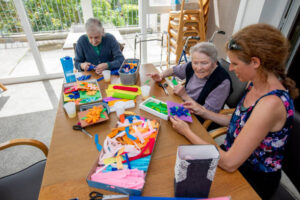
  • Social and Recreational Activities: Residential care homes offer a variety of social and recreational activities to promote engagement and well-being among residents. These activities may include group outings, games, exercise programs, and social events, fostering a sense of community and connection.
  • Additional Services: Some residential care homes provide additional services, such as transportation assistance and coordination of healthcare appointments, to ensure that residents have access to necessary medical care and support.

Safety and Security in Residential Care

Ensuring the safety and security of residents is a top priority in residential care homes. These homes are designed to provide a secure and supportive living environment. Trained staff members are available to address any safety concerns and provide immediate assistance when needed.

Residential care homes implement various safety measures, including:

  • Emergency Response Systems: Many residential care homes are equipped with emergency response systems that allow residents to call for help in case of an emergency or medical issue. These systems provide residents with a sense of security and prompt assistance when required.
  • Staff Training: The staff in residential care homes undergo comprehensive training to handle emergency situations, including first aid and CPR. This training ensures that they can respond effectively to any health or safety-related incidents.
  • Regular Safety Assessments: Residential care homes conduct regular safety assessments to identify and address potential hazards or risks. This includes ensuring the proper functioning of fire safety systems, maintaining well-lit hallways and common areas, and implementing measures to prevent falls and accidents.
  • Security Measures: Residential care homes may have security measures in place to maintain the safety of residents. This can include controlled access to the premises, surveillance systems, and trained personnel monitoring the facility.

By providing essential care and assistance, as well as prioritizing safety and security, residential care services offer a supportive living environment for individuals who require assistance with their daily needs. These services aim to create a home-like atmosphere while promoting the well-being and independence of residents.

Building Community in Residential Care Homes

Residential care homes strive to create a sense of community among their residents, fostering meaningful relationships and providing a supportive environment. This is achieved through various strategies, including promoting social interactions and designing communal spaces.

Fostering Meaningful Relationships

In residential care homes, fostering meaningful relationships among residents and staff is a key focus. Regular social interactions, such as communal dining and shared recreational activities, are encouraged to build connections and promote a sense of community (Athena Healthcare Group). By creating opportunities for residents to engage with one another, friendships can form, and a supportive network can develop.

Intergenerational connections are also fostered in some care homes. Weekly activities that facilitate interactions between residents and younger generations are organized, often in collaboration with local schools, community organizations, or volunteer groups. These joint activities bring joy to the residents and help bridge the generation gap, creating a richer and more diverse community (Athena Healthcare Group).

Regular communication is another important aspect of building community within residential care homes. By providing updates on community events, soliciting feedback and suggestions from residents and their families, and ensuring that resident voices are heard, a vibrant and inclusive community can be fostered. This practice helps create an environment where everyone feels valued and involved.

Designing Communal Spaces

The design of communal spaces in residential care homes plays a significant role in creating a sense of community. These spaces are carefully planned to provide inviting and comfortable environments for residents to gather, interact, and relax with one another and their families. Comfortable seating areas, cozy lounges, and well-designed outdoor spaces encourage socialization and create opportunities for residents to engage in conversations and activities.

Communal spaces are often designed with a homelike ambiance, ensuring that residents feel at ease and comfortable. The layout and decor are chosen to promote a warm and welcoming atmosphere, encouraging residents to spend time together and share experiences. These spaces may include common dining areas, recreational rooms, and gardens, providing opportunities for residents to bond and form connections.

By fostering meaningful relationships and designing inviting communal spaces, residential care homes create a sense of community that enhances the quality of life for their residents. The combination of personalized care, homelike settings, and engaging activities helps seniors maintain their independence, happiness, and a sense of belonging within the community.

Amenities in Retirement Homes

Retirement homes offer a range of amenities and services to ensure the comfort and well-being of their residents. These amenities are designed to provide a supportive and enriching environment for seniors to enjoy their golden years. Two common types of retirement homes that provide different levels of care are Continuity Care Retirement Communities (CCRCs) and skilled nursing facilities with memory care units.

Continuity Care Retirement Communities (CCRCs)

Continuity Care Retirement Communities (CCRCs) are popular among seniors due to the comprehensive care and services they provide. CCRCs offer a continuum of care at multiple levels, accommodating individuals with varying needs within the same community. This allows couples, family members, and friends with significantly different care requirements to live together without the need for relocation (Booking Ninjas).

CCRCs often feature a variety of amenities such as:

  • Independent living units: Self-contained apartments or cottages that enable residents to maintain an active and independent lifestyle.
  • Assisted living services: Assistance with activities of daily living (ADLs) such as bathing, dressing, medication management, and meal preparation.
  • Skilled nursing care: On-site healthcare services provided by licensed professionals for individuals with more complex medical needs.
  • Memory care: Specialized care units for seniors with dementia or Alzheimer’s disease, offering a secure and supportive environment.

By providing a range of care options within the same community, CCRCs allow seniors to age in place and receive the appropriate level of care as their needs change over time.

Skilled Nursing Facilities and Memory Care Units

Skilled nursing facilities are an integral part of retirement homes, providing around-the-clock care and support for individuals with complex medical needs. These facilities offer an extensive range of services, including meal service, personal care, medication management, dressing, physical activities, and more. Skilled nursing facilities are the most comprehensive and expensive type of care available in retirement homes. They also provide short-term rehabilitative stays for those in need of focused therapy and assistance (Booking Ninjas).

For seniors with cognitive impairment, retirement homes often have specialized memory care units. These units are equipped with amenities and features tailored to support individuals with dementia or Alzheimer’s disease. Memory care facilities may employ a color-coding system, provide a structured environment, offer memory training units, and foster an atmosphere that encourages independence and overall well-being (Booking Ninjas).

In conclusion, retirement homes provide a wide range of amenities and services to cater to the diverse needs of senior residents. From CCRCs that offer a continuum of care to skilled nursing facilities and memory care units, these retirement homes strive to create an environment that promotes comfort, safety, and a high quality of life for older adults.

Sources

Alzheimer’s Association Greater Missouri Chapter

Island Healthcare

Athena Healthcare Group

Hospice Care for Seniors at Home

Hospice Care for Seniors at Home

Exploring Hospice Care for Seniors at Home

When considering hospice care for seniors, there are two primary options to explore: hospice care at home and inpatient hospice care.

Understanding Hospice Care

Hospice care provides comfort-oriented care to individuals with advanced illnesses when curative medical treatments are no longer effective or preferred. It is intended for patients with a prognosis of six months or less, as certified by a physician (VITAS Healthcare). The aim of hospice care is to enhance the quality of life and provide support to both patients and their families during this challenging time.

Hospice Care at Home vs. Inpatient Hospice Care

Hospice care at home allows seniors to receive hospice care services in the comfort of their own familiar surroundings. This option offers several benefits, including emotional support from loved ones and the ability to be surrounded by familiar objects and memories. According to MeloDia Care, seniors receiving hospice care at home often experience improved quality of life.

In contrast, inpatient hospice care is provided in a specialized facility, offering round-the-clock medical care and support. This option may be beneficial for seniors requiring complex symptom management or those without a strong support system at home. Inpatient hospice care provides a structured environment where medical professionals can closely monitor and address the needs of the patient.

The decision between hospice care at home and inpatient hospice care depends on various factors, including the senior’s medical condition, the availability of a robust support system, and personal preferences. Home hospice care can be cost-effective compared to inpatient hospice care, as it may eliminate the need for expensive facility fees (MeloDia Care). However, it is essential to ensure that families involved in providing care at home have a robust support system and access to necessary resources, such as medical equipment and skilled healthcare professionals, to ensure the senior’s comfort and well-being.

Ultimately, the choice between hospice care at home and inpatient hospice care should be based on the individual needs and preferences of the senior and their family. It is advised to consult with healthcare professionals and hospice care providers to determine the most suitable option for the unique circumstances of the senior.

Benefits of Hospice Care at Home

When considering hospice care for seniors, providing care at home offers numerous benefits that can greatly impact their well-being and overall experience. Let’s explore two key advantages: comfort and emotional support, and familiar surroundings leading to improved quality of life.

Comfort and Emotional Support

Hospice care at home allows seniors to be in familiar surroundings, providing comfort and emotional support from loved ones during their final days (MeloDia Care). The presence of family members and close friends can bring a sense of peace and reassurance, creating an environment of emotional well-being. Companionship plays a crucial role in the hospice care journey, offering both emotional support and a comforting presence during challenging and serene moments (Caring for Seniors).

The availability of hourly or 24-hour care services in home hospice care ensures comprehensive support to guarantee the comfort and well-being of seniors. This approach allows caregivers to tailor their care to the specific needs and preferences of the individual, ensuring their comfort and dignity are prioritized (Caring for Seniors).

Familiar Surroundings and Improved Quality of Life

Seniors receiving hospice care at home often experience an improved quality of life compared to inpatient hospice care. Being surrounded by familiar objects, memories, and the presence of loved ones can enhance their overall well-being. This familiarity can provide a sense of peace and security, reducing anxiety and stress commonly associated with aging and end-of-life care.

In addition, being in a familiar environment allows seniors to maintain a sense of control over their lives and maintain a connection to their personal routines. It can contribute to a greater sense of autonomy and promote a dignified end-of-life experience (Care At Home Services). This familiar setting can also minimize confusion or disorientation that may arise when transitioning to an unfamiliar environment.

By providing hospice care at home, seniors can experience a more peaceful and comfortable environment, surrounded by loved ones and familiar settings. This approach not only addresses their physical needs but also prioritizes their emotional well-being and the preservation of their dignity.

Considerations for Hospice Care at Home

When considering hospice care for seniors, providing care at home can offer numerous benefits. However, it’s important to take certain considerations into account to ensure the well-being and comfort of the senior. Two crucial factors to consider are a robust support system and necessary resources, as well as the cost-effectiveness and elimination of facility fees.

Robust Support System and Necessary Resources

For hospice care at home to be successful, it is essential to have a robust support system in place. This includes family members, friends, and caregivers who are available and committed to providing the necessary care and emotional support. The senior should have someone who can be present to assist with activities of daily living, administer medications, and attend to any emergent needs.

In addition to a support system, access to necessary resources is crucial. This may include medical equipment, such as hospital beds, oxygen tanks, or mobility aids, depending on the individual’s specific needs. Skilled healthcare professionals, such as nurses and aides, may also be required to provide specialized care and monitoring. Having these resources readily available ensures that the senior’s comfort and well-being are properly addressed throughout the hospice care journey.

Cost-effectiveness and Elimination of Facility Fees

One of the advantages of hospice care at home, as opposed to inpatient hospice care, is the potential cost-effectiveness it offers. By receiving care at home, seniors and their families may be able to avoid expensive facility fees associated with inpatient care (MeloDia Care). This can help alleviate financial burdens and provide a more affordable option for end-of-life care.

It’s important to note that while hospice care typically has zero out-of-pocket expenses related to the terminal diagnosis, other home health care services may not offer the same coverage. Unlike hospice care, home health care services may require patients to pay for medications, supplies, and equipment. Additionally, home health services may not cover inpatient stays if symptoms escalate and become unmanageable at home.

By carefully considering the support system, necessary resources, and cost-effectiveness, families can make informed decisions regarding hospice care at home for their senior loved ones. This option allows seniors to receive compassionate care in the comfort of their own familiar surroundings, enhancing their quality of life during this challenging time.

The Role of Hospice Care Providers

When it comes to hospice care for seniors at home, a crucial aspect is the presence of a dedicated interdisciplinary team of professionals who collaborate to provide comprehensive care and support. This team is comprised of various healthcare professionals who work together to address the physical, emotional, and spiritual needs of the patient and their loved ones.

Interdisciplinary Team in Hospice Care

Hospice care includes an interdisciplinary team that brings clinical, compassionate services to patients wherever they live. This team typically consists of the following professionals:

  1. Physician: The physician provides medical oversight and coordinates the patient’s overall care plan. They work closely with other team members to manage pain and symptoms, ensure medication management, and address any medical concerns.
  2. Nurse: Nurses play a crucial role in hospice care. They provide skilled nursing care, including monitoring the patient’s health, administering medications, managing symptoms, and coordinating with other healthcare professionals.
  3. Hospice Aide: Hospice aides provide personal care assistance to patients, assisting with activities of daily living (ADLs) such as bathing, dressing, and grooming. They work under the supervision of nurses to ensure the patient’s comfort and well-being.
  4. Chaplain: Chaplains offer spiritual support and guidance to patients and their families, respecting their individual beliefs and values. They can provide emotional and spiritual comfort during this challenging time.
  5. Social Worker: Social workers provide emotional support, counseling, and assistance with practical matters such as advance care planning, accessing community resources, and coordinating services. They help patients and their families navigate the emotional and logistical challenges that may arise.
  6. Volunteer: Volunteers offer companionship and support to patients and their families. They may engage in activities such as reading, listening, or providing respite for caregivers. Volunteers play an important role in enhancing the quality of life for patients.

Services Provided by Hospice Care Professionals

Hospice care professionals work together to provide a wide range of services to seniors receiving care at home. These services may include:

  • Pain and Symptom Management: The interdisciplinary team focuses on managing pain and alleviating distressing symptoms to ensure the patient’s comfort.
  • Caregiver Education: Professionals provide guidance and education to caregivers, equipping them with the knowledge and skills to provide optimal care and support.
  • Emotional Support: The team offers emotional support to both the patient and their loved ones, helping them navigate the emotional challenges and providing a compassionate presence.
  • Spiritual Care: Chaplains and other spiritual advisors provide spiritual support tailored to the patient’s beliefs and preferences, offering comfort and guidance during this transitional period.
  • Coordination of Services: The team collaborates to coordinate various aspects of care, including medical appointments, therapy services, and access to community resources.
  • 24/7 Availability: Hospice care professionals are available around the clock to address any concerns or provide guidance, ensuring consistent support for patients and their families.

The involvement of a multidisciplinary team ensures that seniors receiving hospice care at home have access to comprehensive and holistic support. By working together, these professionals aim to enhance the quality of life for patients, promote comfort, and provide compassionate care during the end-of-life journey.

Palliative Care vs. Hospice Care

When considering end-of-life care options for seniors, it’s important to understand the difference between palliative care and hospice care. While both provide support and improve the quality of life for individuals facing a life-threatening illness, there are distinct differences between the two.

Palliative Care as an Option

Palliative care is a type of care that provides support and improves the quality of life for patients facing a life-threatening illness and their family members. Unlike hospice care, palliative care can be considered during any stage of a serious illness for anyone and can even be used alongside curative treatments (Notre Dame Healthcare).

Palliative care professionals work closely with patients, care providers, and families to create personalized care plans that address unique needs and preferences. These plans encourage personal choices that align with values and priorities, including medical treatment options, living arrangements, and end-of-life care preferences.

Differentiating Palliative Care from Hospice Care

While palliative care focuses on improving the quality of life for individuals with a life-threatening illness, hospice care is specifically designed for individuals who are nearing the end of life. Hospice care is typically considered when curative treatments are no longer effective or desired.

The main difference between palliative care and hospice care is the stage of the illness. Palliative care can be provided at any stage, while hospice care is specifically for individuals with a prognosis of six months or less to live.

Palliative care services range from assessment and care planning to pain and symptom management, assistance with activities of daily living (ADLs), nutritional support, medication management, and support for caregivers. Care teams also offer educational support to both patients and their families (Notre Dame Healthcare).

Hospice care, on the other hand, focuses on providing comfort and support for individuals in their final stages of life. The goal of hospice care is to enhance the quality of life by managing symptoms, reducing pain and discomfort, improving emotional well-being, and fostering a sense of peace and comfort in familiar surroundings (Care At Home Services).

By understanding the distinctions between palliative care and hospice care, individuals and their families can make informed decisions about the type of care that best meets their needs. Whether choosing palliative care to address a serious illness at any stage or hospice care for end-of-life support, both options aim to provide comfort, support, and an enhanced quality of life for seniors and their families.

Selecting a Hospice Provider for Seniors at Home

When it comes to selecting a hospice provider for seniors receiving care at home, it’s important to make an informed decision. Comparing different hospices and asking relevant questions can help ensure the best possible care for your loved one. Additionally, considering accreditation and testimonials is crucial for evaluating the quality and reliability of a hospice provider.

Comparing Hospices and Asking Relevant Questions

To choose the right hospice provider for your senior loved one, it’s essential to compare different hospices. This involves researching and gathering information about each provider’s reputation, services offered, and the experiences of others who have utilized their services. By comparing hospices, you can make an informed decision that aligns with your loved one’s specific needs.

As you evaluate different hospices, consider asking relevant questions such as:

  • What services does the hospice provide? It’s important to ensure that the hospice offers the specific services your loved one requires, such as pain management, emotional support, and assistance with daily activities.
  • What is the availability of hospice care professionals? Determine how often nurses, doctors, and other professionals visit patients at home, and whether there is 24/7 access to support and assistance.
  • How does the hospice handle emergencies? Inquire about the hospice’s protocols and response times in case of emergencies or urgent situations.
  • What is the process for creating a personalized care plan? Understanding how the hospice involves the patient and their family in developing a customized care plan is crucial for ensuring that individual needs and preferences are met.
  • What additional support services are available? Inquire about any additional services the hospice provides, such as counseling, spiritual support, or bereavement services for families.

Asking these relevant questions will help you gather the necessary information to make an informed decision about the hospice provider that best suits your loved one’s needs.

Importance of Accreditation and Testimonials

Accreditation is a vital factor to consider when selecting a hospice provider for seniors at home. Accredited hospices have undergone rigorous evaluations to ensure that they meet specific quality and safety standards. Choosing an accredited hospice provides reassurance that the provider adheres to recognized industry standards and guidelines.

Reading testimonials from prior clients can also provide valuable insights into the quality of care provided by a hospice. Testimonials allow you to hear directly from individuals who have experienced the services firsthand, offering an authentic perspective on the provider’s strengths and areas of excellence. By perusing testimonials, you can gain further assurance about the quality and reliability of a hospice provider.

When selecting a hospice provider for seniors at home, it’s crucial to consider both accreditation and testimonials to make an informed decision. By choosing a reputable provider with positive feedback from previous clients, you can ensure that your loved one receives the highest level of care and support during this sensitive time.

Cultural sensitivity is another important aspect to consider in hospice care. It is crucial for providers to understand and respect the unique cultural needs and beliefs of the patient and their family, ensuring that care is delivered in a culturally appropriate manner. This sensitivity helps foster trust, understanding, and a more comfortable experience for the senior and their loved ones (Hospice Foundation, Coastal Home Care).

Ensuring Quality Hospice Care for Seniors at Home

When it comes to hospice care for seniors at home, ensuring quality and compassionate care is of utmost importance. Here are two key aspects to consider in order to ensure the best possible experience for your loved one.

Cultural Sensitivity in Hospice Care

Cultural sensitivity plays a vital role in providing effective and person-centered hospice care. It is crucial for hospice providers to understand and respect the unique cultural beliefs, practices, and values of the seniors and their families. This helps create a safe and supportive environment that honors their cultural background and preferences.

For example, hospice nurse Dorotea Gonzalez emphasizes the importance of cultural sensitivity in reaching out to communities like the Latino community (Hospice Foundation). By being aware of cultural nuances, hospice care providers can tailor their approach, communication, and care plans to better meet the needs of seniors from diverse cultural backgrounds.

To ensure cultural sensitivity in hospice care, it’s essential to choose a hospice provider that values and promotes cultural competence. Look for providers who have experience working with diverse populations and have implemented culturally sensitive practices in their care delivery.

Guidance and Support from Hospice Foundations

Hospice foundations play a crucial role in providing guidance, support, and resources for hospice care. Organizations like the Hospice Foundation of America (HFA) are dedicated to developing and applying the hospice care philosophy, enhancing the U.S. healthcare system, and promoting the role of hospice care within it.

These foundations offer valuable resources and information for families and caregivers, including guidance on the dying process, coping strategies, and end-of-life support. They can provide insights into best practices, help families navigate the hospice care journey, and offer support during this challenging time.

When choosing a hospice provider for seniors at home, it is recommended to consult resources provided by hospice foundations. These resources can help you compare different hospices, ask relevant questions, and make informed decisions to ensure quality hospice care for your loved one (Hospice Foundation).

By prioritizing cultural sensitivity and seeking guidance from hospice foundations, you can ensure that your loved one receives high-quality and compassionate hospice care at home. Remember to engage in open and honest conversations with your senior and their care team to understand their unique needs, preferences, and goals. Together, you can create a supportive and comforting environment that respects their cultural background and provides the best possible care during this stage of life.

The Importance of Advance Care Planning

In the context of hospice care for seniors at home, advance care planning plays a crucial role in ensuring that their wishes and preferences are respected during the end-of-life journey. Initiating conversations and documenting these wishes are essential components of advance care planning.

Initiating Conversations and Documenting Wishes

Advance care planning conversations should be initiated early by individuals diagnosed with serious illnesses, in conjunction with their family and healthcare providers. These discussions provide an opportunity to express desires regarding the type of care one wishes to receive, including hospice care (National Institute on Aging). By engaging in open and honest conversations, individuals can ensure that their values, beliefs, and goals are understood and taken into account when making healthcare decisions.

Initiating these conversations can sometimes be challenging, but they are crucial for ensuring that seniors receive the care that aligns with their wishes. Family members and primary healthcare providers play a vital role in supporting and facilitating these discussions. By addressing concerns, answering questions, and providing emotional support, they can help seniors feel empowered and in control of their healthcare choices (Notre Dame Healthcare).

Documentation of end-of-life wishes is an essential aspect of advance care planning. Tools like PREPARE for Your Care, an online program available in English and Spanish, assist in documenting and expressing these wishes. By utilizing such tools, individuals can ensure that their preferences regarding the use of life-sustaining treatments, pain management, and other aspects of care are clearly communicated and recorded.

Tools for Advance Care Planning

When it comes to advance care planning, various tools and resources are available to assist individuals and their families. One such tool is PREPARE for Your Care, an online program that guides individuals through the process of documenting their end-of-life wishes. This comprehensive program helps individuals consider their values, clarify their goals, and communicate their preferences to their healthcare providers and loved ones. By completing these documents, individuals can ensure that their wishes are known and respected.

In addition to online programs like PREPARE for Your Care, there are other resources available to aid in advance care planning. These include advance directives, such as living wills and durable power of attorney for healthcare, which legally outline an individual’s healthcare decisions in the event that they are unable to communicate them themselves. By completing these documents, individuals can designate a trusted person to make healthcare decisions on their behalf and ensure that their wishes are upheld.

It is important to periodically review and update advance care planning documents to reflect any changes in preferences or circumstances. By regularly revisiting and discussing these documents with healthcare providers and family members, seniors can ensure that their wishes are accurately documented and that their end-of-life care aligns with their current desires.

By initiating conversations and documenting end-of-life wishes through advance care planning, seniors can have peace of mind knowing that their preferences will be respected during their hospice care journey. These conversations and tools provide a framework for individuals to have a say in their care, ensuring that their values and beliefs are honored during this important stage of life.

Sources

National Institute on Aging

Notre Dame Healthcare

Hospice Foundation

Daily Living Assistance for Seniors

Daily Living Assistance for Seniors

Promoting Independence for Seniors

Maintaining independence is crucial for seniors to lead fulfilling lives and maintain a sense of autonomy. However, there are various challenges that seniors face in their daily living activities, which can impact their ability to remain independent.

Understanding the Importance of Independence

Independence plays a vital role in the overall well-being and quality of life for seniors. It allows them to retain control over their daily routines, make decisions that align with their preferences, and preserve their sense of identity. Being able to perform daily tasks independently fosters a sense of accomplishment and self-worth, contributing to a positive self-image and mental well-being.

Research suggests that promoting independence in seniors, including those with dementia, is beneficial for their overall functioning and well-being. By allowing individuals to engage in activities to the best of their abilities, caregivers can help preserve their dignity and self-esteem. Effective communication, patience, and understanding of how dementia may affect an individual’s approach to activities are essential components in promoting independence (Atrainceu).

Challenges for Seniors in Daily Living

Seniors often encounter challenges in their daily living activities, which can impact their ability to maintain independence. Some of these challenges include:

  1. Physical and Cognitive Changes: Physical changes associated with aging, such as reduced strength, flexibility, and mobility, can make it difficult for seniors to perform tasks that were once routine. Additionally, cognitive changes, including memory loss and decreased processing speed, can hinder their ability to complete tasks independently (Smithlife Homecare).
  2. Loss of Purpose and Identity: Seniors may experience a loss of purpose or identity when they can no longer engage in activities they once enjoyed. This loss can have a significant impact on their emotional well-being and overall independence (Smithlife Homecare).
  3. Lack of External Support: Family members often face challenges in balancing their own responsibilities while providing care for elderly loved ones. This highlights the need for external support services to assist seniors in maintaining their independence.
  4. Loneliness and Isolation: Seniors may face challenges such as loneliness, depression, anxiety, and isolation, especially if they are no longer able to drive, have children who have moved away, or have experienced the loss of a significant other. Loneliness can be detrimental to seniors’ mental health, making companionship an essential aspect of senior care services.
  5. Falling Risks: Elderly individuals living alone are at a higher risk of tripping and falling due to hazards in their homes. Minimizing falling risks is crucial in ensuring the safety and independence of seniors (Neighborly Home Care Explores 5 Challenges Seniors Face Living at Home Alone).

To address these challenges and promote independence, various forms of assistance are available. Personal care assistance, housekeeping support, meal preparation, medication management, and access to supportive services can all contribute to enhancing seniors’ ability to live independently while receiving the necessary support (Neighborly Home Care Explores 5 Challenges Seniors Face Living at Home Alone). By understanding these challenges and implementing effective interventions, seniors can maintain their independence and improve their overall well-being.

Activities of Daily Living (ADLs)

To promote independence for seniors, it is essential to understand the concept of Activities of Daily Living (ADLs). ADLs are generally divided into two categories: basic ADLs, which are skills needed to take care of personal needs, and instrumental ADLs, which are skills needed to function within society and the community (ATrain Education). These activities play a crucial role in maintaining independence and overall well-being for seniors.

Basic ADLs for Personal Care

Basic ADLs encompass the fundamental activities necessary for personal care. These activities include:

  • Bathing: Assisting seniors with bathing ensures proper hygiene and contributes to their sense of well-being.
  • Dressing: Helping seniors with dressing involves selecting appropriate clothing and aiding in putting on garments.
  • Grooming: Supporting seniors with grooming tasks such as hair brushing, oral care, and skincare helps maintain their personal appearance and self-esteem.
  • Toileting: Assisting seniors with toileting activities, including using the toilet, maintaining continence, and maintaining personal hygiene, is essential for their comfort and dignity.

By providing assistance and support with these basic ADLs, caregivers can help seniors maintain their independence and perform these activities with confidence and ease (SAGE Publications).

Instrumental ADLs for Functioning in Society

Instrumental ADLs focus on the skills needed for seniors to function within society and their communities. These activities include:

  • Housekeeping and Home Maintenance: Offering support with housekeeping tasks like cleaning, laundry, gardening, and home maintenance allows seniors to live comfortably in their own homes for longer periods, enhancing their independence (SAGE Publications).
  • Meal Preparation and Nutrition Management: Meal preparation assistance for seniors, including grocery shopping, planning, and cooking nutritious meals, not only ensures they have proper nutrition but also helps them maintain their independence and overall well-being.
  • Medication Management: Supporting seniors with medication management by ensuring they take the right medications at the right time can prevent health complications and hospitalizations, contributing to their independence and quality of life.

Instrumental ADLs enable seniors to engage in daily activities, maintain their homes, and manage their health effectively. By providing assistance and support in these areas, caregivers play a vital role in promoting independence and improving the overall quality of life for seniors.

Assisting Seniors with Daily Living

As seniors age, they may face challenges with various daily living activities that can impact their independence. Assisting seniors with these tasks not only helps them maintain their autonomy but also ensures their overall well-being. Here are some key areas where seniors may require assistance:

Personal Care Assistance

Assisting seniors with personal care activities such as bathing, dressing, grooming, and toileting is crucial in maintaining their independence and dignity. These tasks can become more challenging as mobility and physical abilities decline. Providing support in these areas helps seniors maintain their personal hygiene and enhances their quality of life.

Housekeeping and Home Maintenance Support

Offering support with housekeeping tasks like cleaning, laundry, gardening, and home maintenance allows seniors to live comfortably in their own homes for longer periods, enhancing their independence (SAGE Publications). As physical stamina diminishes, household chores can become overwhelming. By assisting with these tasks, seniors can continue to enjoy a clean and safe living environment.

Meal Preparation and Nutrition Management

Proper nutrition plays a vital role in senior health and well-being. However, meal preparation can become challenging for seniors. Assisting with grocery shopping, planning, and cooking nutritious meals not only ensures they have proper nutrition but also helps them maintain their independence and overall well-being (SAGE Publications). Providing support in this area allows seniors to enjoy delicious and balanced meals without the burden of meal planning and preparation.

Medication Management

Supporting seniors with medication management is essential for their health and safety. Ensuring they take the right medications at the right time can prevent health complications and hospitalizations, contributing to their independence and quality of life. This assistance can involve organizing medication schedules, setting reminders, and helping with medication administration. By providing proper medication management support, seniors can maintain their health and independence.

By assisting seniors with personal care, housekeeping, meal preparation, and medication management, we can help them overcome daily living challenges and promote their independence. It is important to tailor the assistance to each individual’s needs and preferences, respecting their autonomy and dignity. Through these supportive measures, seniors can continue to lead fulfilling lives while maintaining their sense of independence and well-being.

The Role of Assisted Living

Assisted living facilities play a crucial role in promoting independence and enhancing the quality of life for seniors. These communities offer a supportive environment where seniors can receive the assistance they need while maintaining their independence. Let’s explore some of the key aspects of assisted living that contribute to this goal.

Addressing Loneliness and Social Connections

Loneliness and social isolation can significantly impact the mental and emotional well-being of seniors. Assisted living facilities address these challenges by providing opportunities for social connections and companionship. According to Arbor Company, residents in assisted living communities have the chance to develop meaningful relationships through shared activities and programs. This fosters a sense of belonging and can lead to lifelong friendships and new romantic connections. Engaging in social interactions can reduce feelings of loneliness and improve overall mental health.

Encouraging an Active Lifestyle

An active lifestyle is crucial for maintaining physical health and well-being. Assisted living facilities offer a range of exercise classes, physical activities, and community outings to encourage seniors to stay active. These activities are designed to be fun and accessible, even for individuals who may struggle with physical activity on their own. By providing opportunities for seniors to engage in an active lifestyle, assisted living facilities promote independence and overall well-being. Arbor Company highlights the importance of an active lifestyle in their assisted living communities.

Providing Nutritious Meals

Proper nutrition is essential for seniors to maintain good health and vitality. Assisted living facilities ensure that residents have access to healthy and delicious meals. The facilities employ professional chefs who prepare nutritious meals, taking into consideration dietary restrictions and individual needs. By providing well-balanced meals, assisted living facilities contribute to the overall quality of life for seniors. Arbor Company emphasizes the importance of gourmet dining experiences in their assisted living communities.

Assisted living facilities play a vital role in supporting seniors’ independence by addressing loneliness, encouraging an active lifestyle, and providing nutritious meals. These aspects contribute to the overall well-being and quality of life of seniors residing in assisted living communities.

Effective Interventions for Independence

When it comes to promoting independence in seniors, several interventions have been found to be effective in enhancing their ability to perform daily tasks. Based on a systematic review of eight randomized controlled trials, three types of interventions stand out: cognitive training, physical exercises, and multicomponent interventions.

Cognitive Training

Cognitive training refers to activities and exercises designed to stimulate and enhance cognitive abilities such as memory, attention, and problem-solving skills. Certain studies have shown that cognitive interventions can have a positive impact on improving the performance of the elderly in activities of daily living. By engaging in cognitive training programs, seniors can maintain or even improve their cognitive function, which directly contributes to their independence.

Physical Exercises

Physical exercises play a crucial role in maintaining the physical health and functional abilities of seniors. Various physical activity interventions, focusing on mobility exercises and functional training, have been examined to enhance the activities of daily living for older adults (PMC). Regular physical exercise not only improves muscle strength and flexibility but also enhances balance and coordination, reducing the risk of falls and injuries. By incorporating physical exercises into their routine, seniors can maintain their independence and continue to engage in daily activities with ease.

Multicomponent Interventions

Multicomponent interventions combine various components such as cognitive training, physical exercises, and other supportive elements to enhance the overall independence of seniors. These interventions target different aspects of daily living, addressing both cognitive and physical aspects. They may include education, counseling, fall prevention strategies, and changes in the physical and social environments.

By adopting a holistic approach, multicomponent interventions have been shown to be effective in maintaining physical activity levels and independence among the elderly community (Source). These interventions consider the diverse needs and capabilities of seniors, providing a comprehensive support system that addresses various factors affecting their independence.

In conclusion, cognitive training, physical exercises, and multicomponent interventions have proven to be effective in improving the independence of seniors in activities of daily living. These interventions can help seniors maintain their cognitive function, physical health, and overall well-being, enabling them to lead independent and fulfilling lives. It is important for healthcare providers and caregivers to recognize the value of these interventions and incorporate them into the care plans of seniors, fostering a greater sense of independence and quality of life.

The Conceptual Framework for Independence

In order to promote independence in the elderly, a conceptual framework has been developed to guide interventional research and support the activities of daily living. This framework emphasizes the importance of tailored interventions, creating an age-friendly environment, and providing supportive services (Source).

Tailored Interventions

Tailored interventions play a crucial role in enhancing the independence of seniors in their daily living activities. These interventions are designed to meet the unique needs and preferences of each individual. By considering factors such as physical capabilities, cognitive abilities, and personal goals, tailored interventions can effectively address specific areas where assistance is required. For example, cognitive training, physical exercises, and multicomponent interventions have been identified as effective in improving the independence of the elderly in activities of daily living (PMC). These interventions enhance older people’s ability to perform daily tasks and maintain their independence (Source).

Creating an Age-Friendly Environment

Creating an age-friendly environment is crucial for supporting the independence of seniors. This involves adapting physical spaces and social structures to accommodate the changing needs of older adults. An age-friendly environment includes features such as well-designed and accessible housing, community support services, and transportation options that cater to the mobility needs of seniors. By creating an environment that is safe, inclusive, and supportive, seniors can maintain their independence and actively participate in society.

Providing Supportive Services

To promote independence among seniors, it is essential to provide supportive services that address their various needs. This includes financial support, psychological support, and social support. Financial support may involve access to affordable healthcare, pensions, and other financial assistance programs that alleviate economic burdens. Psychological support can include counseling services, mental health resources, and programs that help seniors cope with emotional challenges. Social support encompasses community engagement, social activities, and opportunities for seniors to maintain social connections and combat feelings of loneliness and isolation. By providing a range of supportive services, seniors can receive the assistance they need while retaining their independence.

By adopting a conceptual framework that focuses on tailored interventions, creating an age-friendly environment, and providing supportive services, we can effectively promote independence among seniors in their daily living activities. This holistic approach recognizes the diverse needs of older adults and empowers them to lead fulfilling and independent lives.

Overcoming Challenges for Seniors Living Alone

Seniors who live alone face unique challenges that can impact their daily lives and overall well-being. It is important to address these challenges and provide support to help seniors maintain their independence. Here are some key areas where assistance can make a significant difference:

Addressing Loneliness and Isolation

One of the major challenges for seniors living alone is the feeling of loneliness and isolation. Factors such as the loss of a significant other, limited social interactions, or the inability to drive can contribute to these feelings (Neighborly Home Care Explores 5 Challenges Seniors Face Living at Home Alone). Companionship plays a vital role in senior care, and services like those offered by Neighborly Home Care provide caregivers who can engage in meaningful conversations, activities, and outings to combat loneliness and promote social connections.

Minimizing Falling Risks

Seniors living alone are at a higher risk of falls due to various hazards present in their homes. These hazards can include slippery floors, poor lighting, and obstacles in walkways. Falling can have serious consequences for seniors, potentially leading to injuries and a loss of independence. Home care agencies like Neighborly Home Care provide caregivers who can assess the home environment, identify potential risks, and implement safety measures to minimize falling risks. Additionally, caregivers can provide immediate assistance or arrange for medical attention if a fall does occur.

Assisting with Errands and Transportation

Completing necessary errands can be a challenge for seniors living alone, especially if they no longer drive or have limited mobility. Errands such as grocery shopping, attending appointments, and house upkeep can become overwhelming. Home care service providers, like Neighborly Home Care, offer assistance with these tasks. Caregivers can accompany seniors on errands, provide transportation, and help with various household chores. This support enables seniors to maintain their independence while receiving the necessary assistance.

Medication Management Support

Seniors may face challenges in remembering to take their medications, which can be due to factors such as mental illness or fatigue. Proper medication management is crucial for maintaining health and well-being. Home care service providers can offer medication reminders and help seniors keep track of their medical conditions. Caregivers can assist in organizing medications, ensuring proper dosages are taken at the right times, and communicating with healthcare professionals to ensure seniors receive the necessary care and management of their health needs.

By addressing these challenges and providing the appropriate support, seniors living alone can maintain their independence and quality of life. Assistance in these areas helps to enhance their overall well-being, reduce feelings of loneliness and isolation, mitigate falling risks, facilitate daily tasks, and ensure proper medication management.

Understanding Senior Care Options

When it comes to providing daily living assistance for seniors, there are various care options available to meet their unique needs. Understanding these options can help families make informed decisions about the best care setting for their loved ones. The three main senior care options are home-based care, assisted living facilities, and skilled nursing facilities.

Home-Based Care

Home-based care, as explained by the University of Wisconsin Extension, involves minimal assistance to ensure seniors have safe living conditions. This type of care allows seniors to stay in their own homes as long as possible, with assistance provided by family members, friends, or healthcare professionals for activities of daily living (ADLs). Home-based care provides seniors with the comfort and familiarity of their own surroundings while receiving the necessary support they require.

Assisted Living Facilities

Assisted living facilities are a popular choice for seniors who desire a balance between independence and support. These facilities, as reported by the University of Wisconsin Extension, have over 800,000 American residents, with more than half being 85 years and older. In assisted living facilities, seniors receive assistance with activities such as making meals, bathing, and medication management while remaining largely independent.

Assisted living facilities offer a range of services and amenities that promote a high quality of life for seniors. According to the Arbor Company, these facilities combat loneliness and social isolation by providing opportunities for social connections through shared meals, programs, and activities. Seniors have the chance to develop meaningful relationships, potentially leading to lifelong friendships and new romantic connections. Additionally, assisted living facilities offer an active lifestyle through exercise classes, physical activities, and community outings, making exercise fun and accessible for all residents. Furthermore, these facilities provide healthy and delicious meals, ensuring seniors have access to proper nutrition and gourmet dining experiences, positively impacting their overall quality of life.

Skilled Nursing Facilities

Skilled nursing facilities, also known as nursing homes, provide around-the-clock care by doctors, nurses, and specialized therapists. These facilities cater to seniors who require long-term care or rehabilitation after medical emergencies. Skilled nursing facilities offer more intensive care compared to assisted living facilities and are more akin to clinics and hospitals. Seniors in skilled nursing facilities receive comprehensive medical attention, including assistance with activities of daily living, medication management, and specialized therapies.

Understanding the different senior care options allows families to make educated decisions based on the level of care needed and the specific requirements of their loved ones. Whether it’s the desire to age in the comfort of their own home with home-based care, the balance of independence and support in assisted living facilities, or the comprehensive care provided in skilled nursing facilities, each option offers unique benefits tailored to seniors’ needs.

The Growing Demand for Senior Care Professionals

As the population of seniors continues to grow, there is an increasing demand for skilled professionals in senior care. The field of healthcare occupations is projected to experience significant growth, specifically in relation to senior care. This growth reflects the need for quality care and support for the aging population.

The Projected Growth in Healthcare Occupations

According to the US Bureau of Labor Statistics, healthcare occupations are expected to grow by 13% from 2021 to 2031, which is faster than the average for all occupations. This growth signifies the increasing demand for healthcare professionals, including those specializing in senior care. The projected growth is a response to the rising number of seniors requiring assistance with their daily living activities and healthcare needs.

The Need for Skilled Professionals in Senior Care

The demand for skilled professionals in senior care is driven by the unique challenges faced by the elderly population. Seniors often require specialized care due to age-related conditions, chronic illnesses, and physical limitations. Skilled professionals play a crucial role in providing personalized care, promoting independence, and enhancing the overall quality of life for seniors.

In Wisconsin alone, there are approximately 1,500 assisted living communities and around 30,000 related jobs across the state. This demonstrates the significant need for skilled professionals to meet the growing demand for senior care services.

The role of senior care professionals extends beyond basic assistance with activities of daily living. They provide companionship, emotional support, medication management, and coordinate medical services for seniors. These professionals work closely with seniors and their families to develop personalized care plans that address their specific needs and preferences.

With the projected growth in healthcare occupations and the increasing demand for senior care professionals, it is essential to ensure that there is an adequate supply of skilled individuals entering the field. This includes providing comprehensive training programs, educational opportunities, and support for career development in senior care.

The need for skilled professionals in senior care reflects society’s recognition of the importance of promoting independence and providing quality care for seniors. As the aging population continues to grow, it is crucial to invest in the recruitment, training, and retention of skilled professionals who can meet the evolving needs of seniors and contribute to their overall well-being.

Sources

Neighborly Home Care Explores 5 Challenges Seniors Face Living at Home Alone

PMC

University of Wisconsin Extension

Mental Health Support for the Elderly

Mental Health Support for the Elderly

Mindful Care: Making Mental Healthcare Accessible

In order to address the critical need for immediate psychiatric support, Mindful Care has emerged as a pioneer in the field of mental healthcare. Founded in 2018 by Dr. Tamir Aldad, Mindful Care is the first mental health urgent care facility that offers same-day and next-day visits, whether virtually or in person. The organization operates across 14 states, including New York, New Jersey, Illinois, Michigan, Florida, and Connecticut.

The Need for Immediate Psychiatric Support

The traditional model of mental health care often involves long wait times of 6-8 weeks to see a psychiatrist who accepts insurance. This delay in accessing care poses a significant barrier to individuals in need of immediate psychiatric support. Mindful Care recognizes this issue and challenges the status quo by providing same-day or next-day appointments, addressing the critical issue of time in mental health treatment. By offering timely access to care, Mindful Care aims to bridge the gap between individuals seeking mental health support and the resources available to them (Mindful Care).

Mindful Care’s Patient-First Approach

At Mindful Care, a patient-first approach lies at the heart of their comprehensive mental healthcare services. They offer a wide range of services, including urgent psychiatric care, ongoing psychiatric services, individual MicroTherapySM, and group therapy. This approach ensures inclusivity and financial accessibility through insurance acceptance and private-pay options. Mindful Care also adopts a hybrid care model, combining in-person and virtual services to accommodate individual preferences and needs (Mindful Care).

By providing both in-person and virtual care options, Mindful Care breaks down geographical barriers to mental healthcare. The availability of telehealth services plays a crucial role in ensuring that individuals from remote or underserved areas can access timely and effective mental health treatment. This approach enhances the reach of psychiatric services, making them more accessible to a broader population.

Mindful Care’s commitment to expanding its services nationwide reflects its dedication to increasing the availability of urgent psychiatric care across the country. By setting a new standard for mental health services, Mindful Care aims to fulfill the societal need for more accessible and responsive mental healthcare. The organization recognizes the growing recognition of mental health’s importance and strives to ensure that it is given equal importance as physical health.

Comprehensive Mental Health Services

When it comes to providing mental health support for elderly individuals, Mindful Care takes a patient-first approach, offering a range of comprehensive services to address their unique needs. These services include urgent psychiatric care, ongoing psychiatric services, individual MicroTherapySM, and group therapy.

Urgent Psychiatric Care

Mindful Care recognizes the importance of immediate intervention in mental health crises. Founded in 2018 by Dr. Tamir Aldad, Mindful Care is the first mental health urgent care facility that offers same-day and next-day visits, both virtually and in person across multiple states, including New York, New Jersey, Illinois, Michigan, Florida, and Connecticut (Mindful Care). This accessible and timely service allows elderly individuals to receive urgent psychiatric care when they need it most, without enduring long wait times often associated with traditional mental health care models.

Ongoing Psychiatric Services

Mindful Care also offers ongoing psychiatric services to provide continued support to elderly individuals. These services involve regular appointments with mental health professionals who can provide evaluations, diagnoses, and personalized treatment plans. By engaging in ongoing psychiatric services, elderly individuals can receive the necessary care and support to manage their mental health conditions effectively.

Individual MicroTherapySM and Group Therapy

In addition to urgent and ongoing psychiatric care, Mindful Care offers individual MicroTherapySM and group therapy options. Individual MicroTherapySM is a unique approach that allows individuals to receive short, focused, and solution-oriented therapy sessions. This form of therapy is suitable for elderly individuals who prefer a more personalized and targeted treatment approach.

Group therapy provides a supportive environment where individuals can come together with peers who may be experiencing similar challenges. This form of therapy allows elderly individuals to share their experiences, gain insights from others, and develop coping strategies under the guidance of a trained mental health professional. Group therapy can foster a sense of community and reduce feelings of isolation, promoting overall well-being.

By offering a comprehensive range of mental health services, Mindful Care aims to make mental healthcare accessible to elderly individuals. The patient-first approach, combined with a hybrid care model that includes in-person and virtual options, ensures inclusivity, financial accessibility through insurance acceptance and private-pay options, and the breaking down of geographical barriers to care. Mindful Care’s commitment to expanding its services nationwide reflects the growing recognition of the importance of mental health in parity with physical health, setting a new standard for mental health services (Mindful Care).

The Benefits of Mindfulness for Elderly Individuals

Mindfulness, the practice of being present and nonjudgmental in the current moment, offers numerous benefits for elderly individuals. It can significantly improve their mental and emotional well-being, help them find purpose and meaning, and effectively manage stress and anxiety.

Improving Mental and Emotional Well-being

Engaging in mindfulness practices has shown to improve the mental and emotional well-being of elderly individuals. By focusing on the present moment and cultivating awareness, mindfulness reduces feelings of loneliness and increases overall mental health. It allows seniors to become more attuned to their thoughts, emotions, and sensations, promoting self-awareness and self-acceptance.

Finding Purpose and Meaning

Mindfulness can provide a sense of purpose and meaning for seniors. By practicing mindfulness, elderly individuals can maintain a positive outlook on life and feel more connected to the present moment. This sense of purpose and meaning contributes to their overall well-being and enhances their quality of life.

Managing Stress and Anxiety

Mindfulness activities, such as meditation and yoga, provide effective tools for managing stress and anxiety in elderly individuals. By focusing on the present moment and observing their thoughts and feelings without judgment, seniors can experience a greater sense of relaxation and calm. Mindfulness allows them to develop coping strategies and cultivate resilience in the face of stressors (Mindful Teachers).

Enhancing Rest and Well-being

Research has indicated that engaging in mindfulness practices can enhance sleep quality for seniors. By incorporating mindfulness techniques into their routine, elderly individuals can experience better rest and overall well-being. Mindfulness helps to calm the mind and relax the body, promoting a peaceful and restful sleep.

Cognitive Function and Memory

Practicing mindfulness has also been linked to improved cognitive function and memory in older adults. By engaging in mindfulness techniques, seniors can enhance their mental acuity and maintain better brain health. Mindfulness exercises focus on attention and awareness, which can help seniors maintain cognitive abilities and reduce cognitive decline.

Incorporating mindfulness into the lives of elderly individuals can have profound positive effects on their mental and emotional well-being. By embracing mindfulness practices, seniors can experience improved overall quality of life and enjoy the benefits of a calmer and more centered mindset.

Mindfulness and Sleep Quality for Seniors

For seniors, sleep plays a crucial role in maintaining overall health and well-being. Engaging in mindfulness practices has been linked to improved sleep quality, which enhances rest and promotes a sense of well-being (Mindful Teachers). Let’s explore how mindfulness can enhance sleep quality and benefit cognitive function and memory in seniors.

Enhancing Rest and Well-being

Mindfulness activities such as meditation and deep breathing exercises can help seniors relax and unwind before bedtime. By focusing on the present moment and letting go of racing thoughts, seniors can alleviate stress and anxiety, creating a more peaceful state of mind (Mindful Teachers). This relaxation response promotes restful sleep, leading to improved overall well-being.

Cognitive Function and Memory

In addition to enhancing sleep quality, mindfulness training has shown beneficial effects on various psychological processes, including cognitive function and memory in older adults. Mindfulness practices help seniors develop greater attentional control, allowing them to improve their focus and concentration. By training the mind to be present and nonjudgmental, seniors may experience improvements in memory and executive functions.

Research suggests that mindfulness training may positively impact attention, memory, and executive functions in older adults (NCBI). These cognitive benefits can contribute to better overall mental functioning, supporting seniors in maintaining their independence and quality of life.

By incorporating mindfulness practices into their daily routines, seniors can enhance their sleep quality, enjoy improved cognitive function, and promote overall well-being. It’s important to note that mindfulness is a skill that can be cultivated over time, so consistency and patience are key. Seniors may find it helpful to engage in guided mindfulness exercises or participate in mindfulness-based programs tailored to their specific needs.

By embracing mindfulness, seniors can tap into its potential to enhance sleep quality, cognitive function, and memory, leading to a more fulfilling and vibrant life.

Mindfulness-Based Interventions for Older Adults

Mindfulness-based interventions have shown promise in promoting the well-being of older adults. These interventions have been found to be feasible and acceptable for this population, offering numerous benefits for their psychological health and overall quality of life.

Feasibility and Acceptability

Studies have indicated that mindfulness-based interventions are feasible and well-received among older adults. Older individuals have shown a willingness to engage in mindfulness practices and have reported positive experiences with these interventions. The adaptability of mindfulness programs to meet the specific needs and abilities of older adults contributes to their feasibility and acceptability.

Positive Effects on Psychological Well-being

Mindfulness training has demonstrated beneficial effects on various psychological problems and processes. It has been found to positively impact mood, anxiety, stress-related disorders, substance misuse, eating disorders, and physical health problems such as pain and chronic conditions (NCBI). Older adults, who often face challenges related to mental health, can benefit from mindfulness-based interventions to improve their psychological well-being.

Potential for Reducing Depressive Symptoms and Anxiety

Depressive symptoms and anxiety are common among older adults, particularly in long-term care settings and community-dwelling individuals. Mindfulness training shows potential for reducing these symptoms and improving emotional well-being in older adults. By cultivating mindfulness, individuals can develop greater emotional resilience and experience improved day-to-day emotional well-being.

Furthermore, mindfulness training has been associated with improvements in attention, memory, and executive functions in older adults. These cognitive benefits contribute to overall mental well-being and may help mitigate age-related cognitive decline (NCBI).

Incorporating mindfulness-based interventions into the mental health support provided to older adults can enhance their overall well-being, promote emotional resilience, and reduce symptoms of depression and anxiety. By embracing mindfulness practices, older adults can experience a positive impact on their mental health and lead fulfilling lives.

Challenges in Elderly Care in ICU Settings

Providing care for elderly individuals in intensive care unit (ICU) settings presents unique challenges. These challenges can arise from various factors, including nurses’ attitudes towards elderly care and systemic factors related to the overall care system. Additionally, models of patient care delivery play a crucial role in addressing the specific needs of elderly patients in ICUs.

Nurses’ Attitudes and Systemic Factors

A study exploring the challenges experienced by ICU staff, particularly nurses, in the care of elderly patients identified several issues (NCBI). Negative attitudes towards elder care among nurses can hinder the provision of quality care. These attitudes may stem from a lack of knowledge and skills, inadequate resources, or a lack of specialized training in elderly care.

Systemic factors within the care environment can also contribute to challenges in elderly care in ICU settings. Inappropriate environments that do not cater to the specific needs of elderly patients can impact their overall well-being and recovery. Furthermore, the lack of resources, both physical and human, can affect the quality of care provided to elderly patients.

Models of Patient Care Delivery

The models of patient care delivery in ICU settings also play a significant role in addressing the challenges faced in elderly care. A specialized model of care that recognizes the unique needs of elderly patients can greatly improve the quality of care provided. This may involve adjusting staffing ratios, enhancing the training and education of ICU staff in geriatric care, and implementing protocols tailored to the specific needs of elderly patients.

To overcome the challenges in elderly care in ICU settings, it is crucial for caregivers and managers to address these issues head-on. This includes addressing negative attitudes towards elderly care through education and training programs for ICU staff. Additionally, allocating sufficient resources and creating appropriate environments can help improve the overall care experience for elderly patients in ICUs.

By acknowledging and addressing the challenges faced in elderly care in ICU settings, healthcare professionals can work towards providing optimal care and enhancing the well-being of elderly individuals during their stay in the ICU. The findings of studies exploring these challenges can serve as a valuable resource for caregivers and managers in their efforts to improve the quality of care for elderly patients in ICUs.

The Growing Importance of Elderly Care

As the global population continues to age, the importance of elderly care becomes increasingly significant. Addressing the needs of the aging population requires a comprehensive understanding of the challenges they face, including mental disorders, loneliness, and social isolation.

Addressing the Aging Population

By the year 2050, one in six individuals will be 65 years of age or older, leading to a significant increase in the worldwide aging community. This demographic shift, combined with lower birth rates, raises concerns about the old-age dependency ratio, which refers to the number of older adults compared to the working-age population. Countries like China are experiencing a substantial increase in the old-age dependency ratio, highlighting the urgency of providing adequate care and support to the elderly.

Mental Disorders in Older Adults

Mental disorders are major contributors to the increasing disabilities faced by older adults. These disorders can coexist with each other or with physical diseases, resulting in complex comorbidities. The prevalence of mental disorders in older adults highlights the need for accessible and tailored mental health support. Addressing these disorders is crucial for promoting the overall well-being and quality of life for elderly individuals (NCBI).

Loneliness and Social Isolation

Loneliness and social isolation pose significant risks to the mental and physical health of older adults. The public health significance of these issues has been compared to smoking and obesity. Loneliness and social isolation are associated with increased mortality, higher risk of mental disorders, and other adverse health outcomes. It is essential to address these challenges and foster social connections to improve the well-being and overall quality of life for elderly individuals.

As the aging population continues to grow, it is crucial to prioritize elderly care, including mental health support. By addressing the unique needs of older adults, such as mental disorders, loneliness, and social isolation, we can ensure their well-being and promote a healthier and more fulfilling aging experience.

Treating Insomnia in Older Adults

Insomnia, characterized by difficulty falling asleep or staying asleep, is a common sleep disorder that can significantly impact the health and well-being of older adults. It is important to address and treat insomnia in this population to improve their overall quality of life. In this section, we will explore the impacts of insomnia on health and well-being, as well as two effective treatment approaches: Cognitive Behavioral Therapy for Insomnia (CBT-I) and Mindfulness-Based Cognitive Therapy (MBCT).

Impacts of Insomnia on Health and Well-being

Insomnia can have various negative impacts on the health and well-being of older adults. The prevalence of insomnia symptoms ranges from 30% to 48% in older adults, while the prevalence of insomnia disorder ranges from 12% to 20% in the general population (Source).

The consequences of insomnia extend beyond sleep deprivation. It can lead to poor quality of life, impaired daily functioning, and negatively affect cognitive, physical, and emotional health. Insomnia is also a consistent predictor of poor physical and mental health, as well as cognitive impairment.

Cognitive Behavioral Therapy for Insomnia (CBT-I)

Cognitive Behavioral Therapy for Insomnia (CBT-I) is considered a first-line treatment for chronic insomnia in adults of any age. It is safe, effective, and has stable long-term effects (Source). CBT-I focuses on identifying and changing the thoughts and behaviors that contribute to insomnia.

CBT-I typically involves several components, including sleep hygiene education, stimulus control therapy, sleep restriction therapy, and cognitive therapy. Sleep hygiene education emphasizes the importance of maintaining a consistent sleep routine, creating a sleep-friendly environment, and avoiding sleep-disruptive substances like caffeine and alcohol. Stimulus control therapy aims to associate the bed with sleep and establish a regular sleep-wake schedule. Sleep restriction therapy involves limiting the time spent in bed to increase sleep efficiency. Cognitive therapy helps identify and challenge negative thoughts and worries related to sleep.

Mindfulness-Based Cognitive Therapy (MBCT)

Mindfulness-Based Cognitive Therapy (MBCT) has shown efficacy in improving sleep quality and reducing insomnia symptoms in older adults. It combines elements of cognitive therapy with mindfulness practices. Mindfulness involves paying attention to the present moment without judgment, which can help reduce rumination and promote relaxation.

MBCT for insomnia typically includes guided mindfulness meditation exercises, body scanning, and gentle yoga. These practices cultivate awareness of bodily sensations, thoughts, and emotions, allowing individuals to develop a non-reactive and accepting attitude towards their sleep difficulties. By incorporating mindfulness into their daily lives, older adults can learn to observe and let go of sleep-related worries and anxieties, promoting a more restful and peaceful sleep.

It is important to consult with a healthcare professional or a licensed therapist specializing in sleep disorders to determine the most appropriate treatment approach for insomnia in older adults. Both CBT-I and MBCT have shown promise in improving sleep quality and reducing insomnia symptoms, providing non-pharmacological options for older adults seeking relief from their sleep difficulties.

Sources

NCBI

Mindful Teachers

Mindful Care

Choosing the Right Elderly Home Care Provider

Choosing the Right Elderly Home Care Provider

Choosing the Right Elderly Home Care Provider

When it comes to selecting an elderly home care provider, there are several key factors to consider. Ensuring the safety, well-being, and quality of care for your loved one is of utmost importance. In this section, we will explore the importance of background checks, licensing, certifications, and training, as well as assessing experience and expertise.

Importance of Background Checks

Before entrusting the care of your elderly loved one to a home care provider, conducting thorough background checks is essential. This includes verifying criminal history, checking the sex offender registry, reviewing driving records, and other relevant screenings. These checks help ensure the safety and well-being of the elderly under their care. By performing these checks, you can gain peace of mind knowing that the caregiver has a clean record and is trustworthy.

Licensing, Certifications, and Training

Another critical aspect to consider is whether the elderly home care provider has the necessary licenses, certifications, and training. This is especially important for services that involve medical care, medication management, physical therapy, or other specialized needs. Proper licensing and certifications demonstrate that the provider meets the required standards and possesses the knowledge and skills to provide quality care. By ensuring that the provider has the appropriate qualifications, you can be confident in their ability to meet your loved one’s specific needs.

Assessing Experience and Expertise

When selecting an elderly home care provider, it’s crucial to assess their level of experience and expertise. This can be done by reviewing references and inquiring about the provider’s track record in handling similar situations and specific needs. An experienced provider will have a deep understanding of the challenges that may arise while caring for the elderly and will be equipped to handle them effectively. By considering their experience and expertise, you can ensure that your loved one receives the highest quality of care.

By considering the importance of background checks, licensing, certifications, and training, as well as assessing experience and expertise, you can make an informed decision when choosing the right elderly home care provider. Remember to prioritize the safety, well-being, and specific needs of your loved one throughout the selection process.

Factors to Consider in an Elderly Home Care Provider

When selecting an elderly home care provider, there are several factors to consider to ensure you find the right match for your loved one’s needs. Clear payment terms and services, reliable transportation services, and personalized care plans are key factors to evaluate.

Clear Payment Terms and Services

It is crucial to have a clear understanding of the payment terms and services provided by the elderly home care provider. This includes knowing the hourly rates, any additional fees, and the payment schedule. By clarifying these aspects upfront, you can avoid misunderstandings and ensure a smooth caregiving process for the elderly.

Payment Considerations

  • ‍‍Clear hourly rates
  • Transparent additional fees, if any
  • Defined payment schedule

Reliable Transportation Services

Transportation is an important aspect of elderly home care, especially when it comes to medical appointments, social activities, and running errands. Ensure that the home care provider offers reliable transportation services to cater to these needs. This can include assistance with arranging transportation or providing their own transportation for the elderly.

Transportation Services

  • ‍‍Assistance with arranging transportation
  • Provider’s own transportation availability

Personalized Care Plans

Every individual has unique needs and preferences, so it’s essential to find an elderly home care provider that offers personalized care plans. Look for providers, such as Visiting Angels, that tailor their care plans to accommodate the specific requirements and living conditions of each individual. Having a dedicated care coordinator who provides ongoing support and updates throughout the caregiving process can greatly enhance the quality of care provided.

Personalized Care

  • ‍‍Tailored care plans
  • Dedicated care coordinator

By considering these factors, you can make an informed decision when choosing an elderly home care provider. Clear payment terms and services, reliable transportation services, and personalized care plans are all crucial elements in ensuring your loved one receives the care and support they need in the comfort of their own home.

The Visiting Angels Difference

When it comes to choosing an elderly home care provider, Visiting Angels stands out as a trusted and reliable option. With a proud history of providing professional in-home care services since 1998, Visiting Angels enables seniors to age in place comfortably in their own homes, avoiding the need to move to assisted living facilities or nursing homes.

Professional In-Home Care Services

Visiting Angels is known for its commitment to delivering professional in-home care services. Their caregivers are carefully selected, ensuring they possess the necessary skills, experience, and compassion to provide high-quality care. The organization strives to match seniors with caregivers who are dedicated, experienced, and compatible, creating a personalized and suitable caregiver-client relationship that fosters trust and comfort.

Personalized Care Plans

Recognizing that each individual has unique needs and living conditions, Visiting Angels offers personalized care plans tailored to the specific requirements of their clients. These customized plans take into account the physical, emotional, and social aspects of care, ensuring that seniors receive the support they need to thrive. This personalized approach allows for flexibility and adaptability as the care recipient’s needs evolve over time.

Dedicated Care Coordinator

To provide seamless care coordination and support, Visiting Angels assigns a dedicated care coordinator to each client. This coordinator serves as a point of contact for the client and their family, offering guidance, answering questions, and providing updates throughout the caregiving process. The care coordinator ensures open communication and collaboration between the client, their family, and the caregiver, fostering a strong and trusting relationship.

Visiting Angels has earned recognition as a Home Care Pulse Endorsed National Provider, which reflects their commitment to maintaining the highest client satisfaction scores in the industry. This endorsement showcases their dedication to delivering compassionate and dedicated home care to families across the United States.

By choosing Visiting Angels as an elderly home care provider, individuals and their families can have peace of mind knowing that they will receive professional care, personalized attention, and the support of a dedicated care coordinator. With Visiting Angels, seniors can continue to live comfortably in their own homes while receiving the assistance they need to maintain their independence and quality of life.

Tips for Selecting an Elderly Home Care Provider

When it comes to choosing the right elderly home care provider, there are several important factors to consider. This section will provide you with valuable tips to help you make an informed decision.

Consider the Location

When selecting an elderly home care provider, it’s important to consider the location of the facility. Choose a provider that is conveniently located for regular visits and accessibility for family members and loved ones. Being able to visit your loved one easily can help maintain a strong connection and ensure their well-being.

Services Offered

Take a close look at the services offered by the home care provider. Consider the specific needs of your loved one and make sure the provider offers the necessary services to meet those needs. Services may include meal preparation, housekeeping, personal care services, transportation assistance, and more. Understanding the range of services provided will help ensure that your loved one receives the care and support they require on a daily basis.

Staff Qualifications and Training

The qualifications and training of the staff are crucial considerations when selecting an elderly home care provider. Inquire about the provider’s staff qualifications, including whether they have nursing staff or therapists available. It’s important to ensure that the staff members are well-trained, experienced, and capable of providing the necessary care and support to your loved one. You can ask about certifications, ongoing training programs, and any specialized expertise that may be relevant to your loved one’s needs.

To ensure the safety and well-being of your loved one, it’s also essential to conduct a thorough background check of the caregiver. This includes verifying references, checking for any criminal history, and ensuring compliance with labor laws and regulations.

By considering the location, services offered, and staff qualifications and training, you can make a more informed decision when choosing an elderly home care provider. Additionally, take the time to check the provider’s reputation and read online testimonials or ask for references from current or past clients. This will help you gain insights into the quality of care provided and whether the provider is the right fit for your loved one’s needs.

Ensuring Safety and Preparedness

When choosing an elderly home care provider, it is crucial to prioritize the safety and preparedness of the agency. Emergencies can happen unexpectedly, and it is important to ensure that the provider has robust emergency protocols and measures in place to handle such situations effectively.

Emergency Protocols

Inquire about the emergency protocols of the home care provider. A reputable agency should have clear procedures in place for emergencies, including who to contact and how to respond to various urgent scenarios. By understanding their emergency protocols, you can assess their preparedness and ability to handle critical situations.

Trained Staff for Emergencies

Ask about the level of training their staff receives in emergency situations. Home healthcare providers should have trained and certified staff who are equipped to handle emergencies, including CPR certification. It is important to ensure that the agency’s staff is prepared to respond appropriately in critical moments and provide the necessary medical assistance.

24/7 Availability and Backup Plans

Prioritizing an elderly home care provider that offers 24/7 availability for emergency situations is essential for peace of mind. Emergencies can occur at any time, and having access to immediate assistance is crucial. Ensure that the agency has staff on call around the clock to provide assistance when needed, even outside regular working hours.

Additionally, it is advisable to inquire about the provider’s backup plans and alternative solutions for emergencies. Ask if they have access to additional staff, medical resources, or alternative care arrangements to maintain continuity and quality of care during unexpected situations. Having backup plans in place demonstrates the provider’s commitment to client safety and their ability to adapt to unforeseen circumstances.

By thoroughly researching and validating the emergency response procedures of potential elderly home care providers, you can ensure that your loved one will be in safe hands. Reviewing their emergency plans and understanding their level of preparedness will give you confidence in their ability to handle unexpected situations effectively. Prioritizing safety and preparedness will help you make an informed decision when selecting the right elderly home care provider.

The Impact of Nursing Staffing Levels

When it comes to choosing an elderly home care provider, one crucial factor to consider is the staffing levels, particularly in nursing homes. Sufficient staffing has a significant impact on the quality of care and the overall well-being of residents. Research has shown a strong positive relationship between the number of nursing home staff providing direct care and the quality of care and quality of life of residents.

Importance of Sufficient Staffing

Insufficient nursing staff can have detrimental effects on all residents in a nursing home. Adequate staffing levels ensure that residents receive the attention, support, and care they require. Numerous studies have highlighted the positive outcomes associated with higher nursing staffing levels.

Positive Outcomes with Higher Staffing

Higher nurse staffing levels, including registered nurses (RNs), licensed vocational nurses or licensed practical nurses (LVNs/LPNs), and certified nursing assistants (CNAs), are associated with better resident care quality. Some of the positive outcomes linked to higher staffing levels include:

  • Fewer pressure ulcers: Adequate staffing enables regular monitoring and prompt intervention to prevent pressure ulcers.
  • Lower restraint use: With sufficient staff, alternatives to restraints can be implemented, promoting resident safety and autonomy.
  • Decreased infections: Proper infection control measures can be implemented and monitored effectively with an adequate number of staff.
  • Lower pain levels: Timely administration of pain medication and other pain management techniques can be provided with appropriate staffing.
  • Improved activities of daily living (ADLs) independence: Adequate staffing allows for personalized care and assistance with ADLs, fostering independence.
  • Lower mortality rates: Studies have shown a correlation between higher staffing levels and reduced mortality rates among residents.

Challenges in Nursing Home Staffing

Despite the importance of sufficient staffing, nursing homes often face challenges in meeting recommended staffing levels. More than half of U.S. nursing homes had lower staffing levels than those recommended by experts in 2014, and a significant number did not meet the expected RN staffing levels in subsequent years. These challenges can lead to understaffing, which compromises the quality of care provided to residents.

By considering the impact of nursing staffing levels, individuals seeking elderly home care can make informed decisions to ensure their loved ones receive the attention and care they deserve. It is essential to select a provider that prioritizes staffing levels and maintains a sufficient number of qualified nurses and caregivers to meet the needs of residents.

Quality Indicators of Nursing Home Staffing

When evaluating nursing home care providers, it is essential to consider the quality indicators of nursing home staffing. Adequate staffing levels play a crucial role in ensuring the well-being and safety of residents. Here are some key quality indicators to consider:

Reduced Emergency Room Use and Rehospitalizations

Research shows that higher nurse staffing levels in nursing homes are associated with reduced emergency room use and rehospitalizations from nursing homes. When there are enough skilled and qualified staff members available, they can provide timely and appropriate care, reducing the need for residents to seek emergency medical assistance. This indicator is a reflection of the quality of care provided and the ability of the staff to address residents’ needs effectively.

Lower Deficiencies for Poor Quality

Nursing homes with adequate staffing levels tend to have lower deficiencies for poor quality issued by state surveyors. These deficiencies are a measure of the overall quality of care provided and the compliance with regulatory standards. By ensuring that there are enough staff members to meet the needs of residents, nursing homes can maintain a higher level of quality and minimize the occurrence of deficiencies.

Meeting Resident Care Needs

One of the primary objectives of nursing home staffing is to meet the care needs of each resident. Adequate staffing levels ensure that residents receive personalized, attentive, and timely care. When there are enough skilled staff members available, they can provide the necessary assistance with activities of daily living, medication administration, and medical monitoring, among other essential services. Meeting resident care needs is an essential quality indicator that reflects the overall effectiveness and attentiveness of the nursing home staff.

Ensuring that nursing homes have sufficient nursing staff with the appropriate competencies and skill sets is crucial for resident safety and well-being. Nursing homes are required to have sufficient numbers of registered nurses (RNs), licensed vocational nurses (LVNs) or licensed practical nurses (LPNs), and certified nursing assistants (CNAs) on a 24-hour basis to provide nursing care to all residents. These staffing requirements are in place to guarantee that residents receive the highest level of care and support.

By considering these quality indicators of nursing home staffing, you can make an informed decision when choosing an elderly home care provider. Adequate staffing levels contribute significantly to the overall quality of care provided, ensuring that residents receive the attention and support they need for a safe and comfortable living environment.

Regulatory Requirements for Nursing Home Staffing

When selecting an elderly home care provider, it’s crucial to consider the regulatory requirements for nursing home staffing. These requirements are in place to ensure the safety and well-being of the residents and to maintain the highest level of care. Let’s explore the key aspects of these regulatory requirements.

Assuring Resident Safety and Well-Being

Nursing homes are mandated to have sufficient nursing staff with the appropriate competencies and skill sets to assure resident safety and achieve or maintain the highest level of physical, mental, and psychosocial well-being for each resident. This means that the facility must have an adequate number of registered nurses (RNs), licensed vocational nurses or licensed practical nurses (LVNs/LPNs), and certified nursing assistants (CNAs) available on a 24-hour basis to provide nursing care to all residents. These requirements are put in place to ensure that residents receive the necessary care and attention they deserve.

Staffing Requirements for Different Roles

The staffing requirements for different roles in nursing homes vary to meet the unique needs of the residents. Here is a breakdown of the key roles and their staffing requirements:

Staff Role and Staffing Requirement

‍Registered Nurses (RNs): Nursing homes should have a sufficient number of RNs to provide direct care and supervision to residents as needed. The specific ratio may vary based on state regulations and the acuity level of the residents.

Licensed Vocational Nurses or Licensed Practical Nurses (LVNs/LPNs): Nursing homes should have an adequate number of LVNs/LPNs to provide nursing care, administer medications, and assist with daily living activities. The exact ratio may vary depending on state requirements.

Certified Nursing Assistants (CNAs): Nursing homes must have enough CNAs to meet the needs of the residents, including assistance with bathing, dressing, toileting, and other activities of daily living. The ratio of CNAs to residents may vary based on state regulations and resident acuity levels.

It’s important to inquire about the staffing ratios and qualifications when considering an elderly home care provider. Adequate staffing levels ensure that residents receive personalized care and attention, contributing to their overall well-being.

By understanding the regulatory requirements for nursing home staffing, you can make informed decisions when choosing the right elderly home care provider. Keep in mind that higher nurse staffing levels are associated with better resident care quality, including fewer pressure ulcers, lower restraint use, decreased infections, lower pain levels, improved independence in daily activities, and lower mortality rates. Prioritizing resident safety and well-being is essential when selecting an elderly home care provider.

References

  • ‍https://iprospectcheck.com/caregiver-background-checks/
  • ‍https://www.medicare.gov/care-compare/resources/nursing-home/staffing
  • ‍https://www.visitingangels.com/homecare-services
  • ‍https://www.homeworksolutions.com/knowledge-center/background-screening-for-senior-home-care/
  • ‍https://caretap.net/blog/how-home-healthcare-agencies-handle-emergency-situations/
  • ‍https://www.ncbi.nlm.nih.gov/pmc/articles/PMC7328494/

Top Signs It’s Time for In-Home Elderly Care

Top Signs It's Time for In-Home Elderly Care

Signs It’s Time for In-Home Elderly Care

Recognizing the signs that indicate the need for in-home elderly care is essential for ensuring the well-being and safety of aging loved ones. When considering whether it’s time to seek professional assistance, it’s important to pay attention to the following signs:

Difficulties in Daily Activities

Struggling with daily activities that were once routine can be a clear indication that in-home elderly care is needed. This may include difficulties with tasks such as bathing, dressing, cooking, or managing household chores. According to Seniors at Home – Jewish Family and Children’s Services, these challenges may arise due to physical limitations, cognitive decline, or a combination of both.

Forgetfulness and Memory Issues

Forgetfulness and memory issues can significantly impact an individual’s ability to live independently. Missing important appointments, forgetting to take medication, or being unable to recall recent events can all be signs that in-home care is necessary. These symptoms may also indicate underlying health issues such as Alzheimer’s or dementia, as highlighted by Nurse Next Door.

Changes in Personal Hygiene

Changes in personal hygiene habits, such as neglecting to bathe regularly, wearing dirty or soiled clothing, or failing to maintain oral hygiene, can be warning signs that in-home elderly care is required. Poor personal hygiene may be due to mobility issues, forgetfulness, or physical limitations that make it difficult for individuals to perform self-care tasks effectively.

Difficulty Managing Medications

Managing medications can become increasingly challenging for aging individuals. Forgetting to take prescribed medications or taking incorrect dosages can have serious health consequences. If an individual struggles with organizing, remembering, or administering their medications, it may be time to consider in-home elderly care. HelpGuide emphasizes the importance of proper medication management to maintain overall well-being.

Frequent Falls or Accidents

Frequent falls or accidents in the home can be a significant red flag that in-home elderly care is necessary. Aging individuals may experience balance issues or reduced mobility, increasing the risk of falls. Regular accidents, such as burns or cuts, may indicate the need for assistance and supervision. It’s crucial to address these safety concerns promptly to prevent further injuries.

By recognizing these signs, families and caregivers can take proactive steps to ensure the safety, health, and well-being of their aging loved ones. Seeking in-home elderly care can provide the necessary support and assistance to help individuals maintain their independence and quality of life.

Benefits of In-Home Elderly Care

When it comes to providing care for elderly individuals, in-home elderly care offers numerous benefits. From maintaining independence and dignity to specialized care for cognitive decline, these services cater to the unique needs of seniors. Let’s explore the top benefits of in-home elderly care:

Maintaining Independence and Dignity

One of the primary advantages of in-home elderly care is the ability to maintain independence and dignity. Many seniors prefer to age in the comfort of their own homes, surrounded by familiar surroundings and cherished memories. In-home care allows them to continue living in a familiar environment while receiving the assistance they need to carry out daily activities. This sense of familiarity and autonomy can greatly contribute to their overall well-being.

Personalized Care and Assistance

In-home elderly care provides personalized care and assistance tailored to the specific needs of each individual. Caregivers work closely with the seniors, understanding their preferences and creating a care plan that meets their unique requirements. Whether it’s help with personal hygiene, medication management, or mobility support, in-home caregivers are trained to provide compassionate and individualized care.

Companionship and Emotional Support

Loneliness and social isolation can have a detrimental impact on the mental and emotional well-being of elderly individuals. In-home elderly care offers companionship and emotional support, alleviating feelings of isolation and providing much-needed social interaction. Caregivers engage in meaningful conversations, participate in activities, and offer a supportive presence, helping seniors maintain a sense of connection and overall happiness.

Specialized Care for Cognitive Decline

For seniors experiencing cognitive decline, such as Alzheimer’s or dementia, in-home care providers offer specialized care. Caregivers are trained to understand the unique challenges associated with cognitive decline and employ strategies to enhance the quality of life for individuals affected by these conditions. They provide a safe and structured environment, engage in memory-stimulating activities, and ensure medication adherence.

Safety and Accident Prevention

In-home elderly care prioritizes the safety and well-being of seniors. Caregivers are trained to identify potential hazards within the home, such as fall risks, and implement appropriate safety measures. They assist with mobility, provide support during transfers, and ensure that the living environment is free from clutter and tripping hazards. By addressing safety concerns, in-home care helps prevent accidents and promotes a secure living space.

In-home elderly care offers a range of benefits that cater to the specific needs of seniors. From maintaining independence and dignity to providing specialized care, these services enhance the overall quality of life for elderly individuals. Caregivers provide personalized assistance, emotional support, and prioritize safety, allowing seniors to age comfortably in the place they call home.

Factors to Consider in Choosing In-Home Care Providers

When selecting an in-home care provider for your elderly loved one, there are important factors to consider to ensure they receive the best possible care. These factors include credentials and accreditation, reputation and client feedback, as well as safety precautions and health protocols.

Credentials and Accreditation

Evaluating the credentials and accreditation of a home care provider is essential to ensure the trustworthiness and expertise of the caregivers. Look for certifications and affiliations with reputable organizations such as CAHSAH (California Association for Health Services at Home), Home Care Aide Organization, American Board of Home Care, and others. These credentials demonstrate that the caregivers have undergone necessary training and adhere to industry standards.

Reputation and Client Feedback

Reputation plays a significant role in choosing an in-home care provider. It is advisable to review online ratings and feedback from clients to gauge the quality of service provided. Look for testimonials and reviews that highlight the caregivers’ competence, compassion, and professionalism. Transparent communication channels with caregivers and supervisors are also crucial for maintaining a strong caregiver-client relationship.

Safety Precautions and Health Protocols

Especially in the current public health climate, understanding the safety precautions implemented by home care providers is crucial. This is particularly important for seniors who are more vulnerable to viruses and infections. Inquire about the safety protocols followed by the providers, such as regular COVID-19 testing, personal protective equipment (PPE) usage, sanitization practices, and vaccination policies. Ensuring that the caregivers prioritize the health and safety of your loved one is of utmost importance.

By considering these factors when choosing an in-home care provider, you can make an informed decision that aligns with your loved one’s needs and ensures they receive the highest quality care possible. Don’t hesitate to ask questions and gather all the necessary information before making a final selection. Your loved one’s well-being and comfort are paramount, and choosing the right care provider can make a significant difference in their lives.

Caring for Elderly Parents at Home

When it comes to caring for elderly parents at home, there are several essential factors to consider to ensure their well-being and maintain a healthy caregiving dynamic. This section will explore four key aspects of caring for elderly parents at home: assessing the level of care needed, creating a care plan, sharing responsibilities and setting boundaries, and utilizing respite care.

Assessing the Level of Care Needed

Before embarking on the journey of caring for elderly parents at home, it’s crucial to assess the level of care they require. Understanding the extent of their care routines, such as assisting with meals, medication management, or mobility, is vital in making an informed decision By evaluating their needs, you can determine the appropriate level of support and assistance required to ensure their safety and well-being.

Creating a Care Plan

Creating a comprehensive care plan is essential when caring for elderly parents at home. This plan, tailored to your family’s unique needs, provides insights into caregiving tasks, coordination with healthcare teams, and outside support. It enhances organization and communication among family members, reducing stress levels and promoting a more efficient caregiving experience.

A care plan should outline various aspects, including medical appointments, medication schedules, personal care routines, and any specific dietary requirements. It is important to regularly review and update the care plan as the needs of your elderly parents evolve.

Sharing Responsibilities and Setting Boundaries

Caring for elderly parents at home can be demanding, both physically and emotionally. To ensure sustainable care, it is advised to share responsibilities among family members. By distributing tasks and seeking assistance from siblings or other family members, the caregiving burden is lightened, and each person can contribute based on their strengths and availability. Sharing responsibilities also promotes a sense of teamwork and prevents burnout.

In addition to sharing responsibilities, setting realistic boundaries is crucial. Establishing clear expectations and open communication channels within the family helps prevent conflicts and ensures everyone understands their roles and limitations. It’s important to recognize personal commitments and seek external support when needed to avoid overwhelming oneself.

Utilizing Respite Care

Caring for elderly parents at home can be demanding, and caregivers may occasionally need a break to recharge and attend to personal commitments. This is where respite care becomes invaluable. Respite care offers short-term stays ranging from weeks to months, as well as drop-in opportunities, providing caregivers with the chance to take necessary breaks and avoid burnout.

Utilizing respite care allows your elderly parents to receive necessary care and support while providing you with the opportunity to rest, rejuvenate, and attend to your own well-being. It’s important to research and explore respite care options in your area to find the best fit for your family’s needs.

By assessing the level of care needed, creating a care plan, sharing responsibilities, and utilizing respite care, you can provide the best possible care for your elderly parents at home. Remember, caregiving is a journey that requires support, open communication, and flexibility. Seek assistance when needed and prioritize self-care to ensure the well-being of both your loved ones and yourself.

Remote Monitoring Solutions for Aging in Place

As the population in the Western world continues to age, the need for effective care solutions for the elderly becomes increasingly important. Remote monitoring solutions integrated into the living environments of seniors have the potential to reduce the care burden and help them self-manage age-related problems. In this section, we will explore the benefits of remote monitoring solutions for aging in place.

The Aging Population and Care Challenges

Estimations suggest a significant increase in the aging population in the coming years, leading to an imbalance in the number of formal and informal caregivers. This growth poses challenges in terms of care costs and the quality of life for seniors. Remote monitoring solutions can alleviate some of these challenges by providing continuous monitoring and support to older adults in their homes.

Ambient Assistive Technologies for Independent Living

Ambient assistive technologies play a crucial role in better managing the conditions of older adults and enabling them to live independently with minimal caregiver support. These technologies, such as IoT sensors and computational methods, allow for objective monitoring of daily routines and the detection of deviations that may require intervention.

Monitoring Daily Routines for Cognitive Decline

Daily routines are essential in addressing cognitive decline, managing chronic conditions, reducing stress and anxiety, and promoting safety and security among seniors. By utilizing remote monitoring solutions, it becomes possible to establish and monitor the daily routines of older adults. These solutions can detect subtle or sudden deviations from baseline routines, enabling personalized intervention processes that enhance autonomy and well-being.

Supporting Independent Functioning and Well-being

Slowing cognitive decline and maintaining independent functioning in activities of daily living (ADL) are crucial for supporting the care and well-being of older adults. Continuous monitoring of daily routines and the detection of deviations can help identify cognitive decline and decrease functionality in ADL. Prompt intervention setup can then be initiated to prolong autonomy and well-being among seniors.

The proposed remote monitoring solutions focus on identifying the daily routines of seniors through monitored activities of daily living and inferring deviations that may necessitate caregiver interventions. These solutions have demonstrated the ability to confidently identify routines and detect deviations with high sensitivity and precision.

By implementing remote monitoring solutions for aging in place, older adults can benefit from personalized care, timely intervention, and enhanced independence, ultimately improving their overall quality of life.

References

  • ‍https://www.homehelpershomecare.com/orange-coast/community-blog/2017/january/why-elderly-ones-need-a-daily-routine/
  • ‍https://carepartners.us/5-factors-to-consider-when-choosing-home-care-services/
  • ‍https://seniorservicesofamerica.com/blog/caring-for-elderly-parents-at-home/
  • ‍https://www.ncbi.nlm.nih.gov/pmc/articles/PMC8840439/

Palliative Care: Ensuring Quality of Life

Palliative Care: Ensuring Quality of Life

Palliative Care for Seniors: Ensuring Quality of Life

When it comes to ensuring the quality of life for seniors with serious illnesses, palliative care plays a crucial role. Palliative care is a holistic approach that focuses on providing relief from the symptoms, pain, and stress associated with serious illnesses, regardless of age or setting. It involves a range of care providers and unpaid caregivers, working together to create personalized treatment plans that meet the individual’s needs and those of their caregivers.

Understanding Palliative Care

Palliative care goes beyond traditional medical treatments. It encompasses physical, emotional, and spiritual support to enhance the overall well-being of seniors facing serious illnesses. The goal is to improve the quality of life for both the patients and their families.

Palliative care can be provided in various settings, including at home, which many individuals prefer due to the comfort it offers with the right supports in place. The care team involves doctors, nurses, social workers, counselors, and other healthcare professionals who work collaboratively to address the needs of the seniors and their families.

The Role of Palliative Care in Enhancing Quality of Life for Seniors

Research has shown that palliative care interventions have a positive impact on the quality of life for older adults with serious illnesses. It not only improves their symptoms but can also prolong their lives. By providing physical, emotional, and spiritual support, palliative care helps seniors confront and cope with the challenges of their illnesses, leading to an improved quality of life.

One of the key aspects of palliative care is the focus on personalized care plans. Each senior’s needs and preferences are taken into account, ensuring that the care provided is tailored to their specific situation. This approach helps seniors maintain their dignity, autonomy, and sense of control over their lives.

By addressing pain management, symptom control, emotional support, and end-of-life planning, palliative care ensures that seniors have access to comprehensive care that meets their physical, emotional, and spiritual needs. It aims to provide comfort, improve the overall well-being of the seniors, and support their families throughout the journey.

Ensuring quality of life for seniors with serious illnesses requires a multidimensional approach, and palliative care plays a vital role in achieving this goal. By providing holistic support and personalized care plans, palliative care enables seniors to live their lives to the fullest, even in the face of illness.

Palliative Care Settings for Seniors

When it comes to providing palliative care for seniors, it is important to consider the settings in which this care can be delivered. Two common settings for palliative care for seniors are home-based palliative care and hospice care.

Home-Based Palliative Care

Home-based palliative care is a crucial component of ensuring quality of life for seniors with life-limiting illnesses. According to the World Health Organization (WHO), palliative care goes beyond addressing physical symptoms and aims to support patients and their caregivers through a team approach. Many individuals express a desire to be cared for and spend their final days in the comfort of their own homes, making home-based palliative care an ideal option.

Home-based palliative care typically involves a multidisciplinary team of healthcare professionals with specialized training in palliative care. This team works together to address not only the physical symptoms but also the emotional, social, and spiritual needs of the patient and their family. The goal is to enhance the patient’s quality of life and provide comprehensive support throughout the illness journey.

Research consistently reports improved symptom management, satisfaction, and quality of life for patients receiving community-based palliative care in the home. This type of care allows seniors to remain in a familiar and comfortable environment, surrounded by their loved ones. Additionally, it can help reduce the burden on family caregivers by providing them with the necessary support and resources.

Hospice Care for Seniors

Hospice care is another setting that focuses on providing palliative care for seniors. Hospice care is generally reserved for individuals with a limited life expectancy, often in the last six months of life. It is an approach that aims to provide comfort and support to both the patient and their family during this challenging time.

Hospice care can be provided in various settings, including the patient’s own home, a hospice facility, or a hospital. The focus of hospice care is on managing symptoms, controlling pain, and ensuring the patient’s comfort. It also provides emotional and spiritual support to the patient and their loved ones.

In addition to addressing physical symptoms, hospice care emphasizes emotional and psychological well-being. This holistic approach helps patients and families cope with the challenges and uncertainties that arise at the end of life. Hospice care also provides bereavement support to families after the patient’s passing.

By offering specialized care tailored to the unique needs of seniors, both home-based palliative care and hospice care play crucial roles in ensuring the highest quality of life for seniors with life-limiting illnesses. These settings provide comprehensive support, manage symptoms, and enhance the overall well-being of seniors and their families during difficult times.

Essential Elements of Quality Palliative Care for Seniors

To ensure quality of life for seniors receiving palliative care, several essential elements must be considered. These elements focus on providing comprehensive and compassionate care that addresses the physical, emotional, and spiritual needs of patients. The key elements include integrated teamwork, managing pain and physical symptoms, and providing holistic care.

Integrated Teamwork

One crucial element of quality palliative care is integrated teamwork. Palliative care teams consist of various healthcare professionals, including doctors, nurses, social workers, and counselors, who work collaboratively to provide comprehensive support to seniors and their families. This interdisciplinary approach allows for a holistic assessment of the patient’s needs and ensures that all aspects of their care are addressed. The team collaborates to develop personalized care plans, regularly communicates and shares information, and coordinates services across different healthcare settings.

Managing Pain and Physical Symptoms

Another essential element of quality palliative care for seniors is effective management of pain and physical symptoms. Palliative care goes beyond addressing physical symptoms and aims to alleviate suffering in its entirety. This includes managing pain, discomfort, and other distressing symptoms that seniors may experience. The palliative care team works closely with the patient, their family, and other healthcare providers to develop an individualized pain management plan that considers the unique needs and preferences of the senior. By utilizing a combination of medication, therapies, and non-pharmacological approaches, the team strives to enhance the comfort and overall well-being of the senior.

Providing Holistic Care

Holistic care is a fundamental element of quality palliative care for seniors. It recognizes that seniors have multifaceted needs, including emotional, psychological, and spiritual aspects, in addition to their physical well-being. Palliative care providers aim to create a supportive and compassionate environment that addresses these holistic needs. They offer emotional support, counseling, and spiritual care to help seniors and their families navigate the challenges and emotional distress that can arise during this phase of life. By providing holistic care, palliative care teams strive to enhance the quality of life for seniors by attending to their emotional and spiritual well-being, in addition to their physical comfort.

By incorporating integrated teamwork, effective management of pain and physical symptoms, and holistic care, quality palliative care for seniors can be achieved. These essential elements ensure that seniors receive comprehensive support tailored to their unique needs, enhancing their quality of life during their palliative care journey.

Barriers and Challenges in Palliative Care Delivery for Seniors

The delivery of palliative care for seniors faces various barriers and challenges that can impact the quality of care provided. These challenges can be categorized into cultural, social, and organizational barriers, lack of resources and financing, and communication and collaboration challenges.

Cultural, Social, and Organizational Barriers

Cultural, social, and organizational barriers can significantly affect the delivery of palliative care for seniors. These barriers may include attitudes and cultural factors, patient and family-related barriers, provider-related barriers, time and financial constraints, education, communication challenges, policies, insurance issues, safety, and crisis management.

It’s crucial to recognize and address cultural and social factors that may influence seniors’ and their families’ perception and acceptance of palliative care. Understanding cultural beliefs, traditions, and preferences can help healthcare providers provide culturally sensitive care that aligns with the values and wishes of the seniors and their families.

Organizational barriers such as limited resources, equipment, and financing can hinder the provision of comprehensive palliative care services. Insufficient funding, lack of specialized palliative care teams, and inadequate training programs for healthcare professionals can impact the quality and availability of care.

Lack of Resources and Financing

The availability and accessibility of palliative care services vary widely across different countries and regions. Disparities exist between developed, developing, and underdeveloped countries, with primarily developed countries like the United States and Japan scoring higher on palliative care services. Limited resources, including healthcare facilities, trained professionals, and funding, can create barriers to adequate palliative care for seniors.

The lack of financing options for palliative care services can also pose challenges. Many individuals may not have adequate insurance coverage or financial means to afford the necessary care. This can result in limited access to essential palliative care services, impacting the quality of life for seniors.

Communication and Collaboration Challenges

Effective communication and collaboration among healthcare providers, patients, and their families are fundamental in palliative care. However, challenges in communication can hinder the delivery of quality care. Issues such as language barriers, limited health literacy, and difficulty understanding complex medical information can impede effective communication between healthcare providers and seniors.

Collaboration among different healthcare professionals involved in the palliative care of seniors is crucial for comprehensive and holistic care. However, coordination challenges, fragmented healthcare systems, and lack of interdisciplinary teamwork can hinder effective collaboration.

Addressing these barriers and challenges is essential to ensure that seniors receive the highest quality palliative care. By promoting cultural sensitivity, advocating for adequate resources and financing, and fostering effective communication and collaboration, healthcare systems can overcome these challenges and provide seniors with the care they need and deserve.

Palliative Care and End-of-Life Planning for Seniors

As seniors approach the end of life, palliative care plays a crucial role in ensuring their quality of life. This involves addressing the physical, emotional, and spiritual needs of seniors and providing support to both the patients and their families. In this section, we will explore three essential components of palliative care and end-of-life planning for seniors: documenting goals of care, addressing spiritual care, and enhancing patient and family preparedness.

Documenting Goals of Care

Documenting goals of care is an integral part of palliative care for seniors. It involves open and honest communication between healthcare providers, patients, and their families to establish the desired outcomes and preferences for care. According to a study, 76.1% of decedents had documented goals of care in the last 6 months of life, with 58.0% having a primary goal of comfort.

By documenting goals of care, healthcare providers can better understand the seniors’ wishes and tailor the care accordingly. It helps ensure that the medical treatments and interventions align with the patient’s values and preferences. This process empowers seniors to make informed decisions, maintain control over their care, and preserve their dignity. It also provides guidance for family members and healthcare professionals in decision-making during critical moments.

Addressing Spiritual Care

Spiritual care is an essential aspect of palliative care for seniors. It recognizes the significance of spirituality and its impact on the overall well-being of individuals. In the last 6 months of life, approximately 55.0% of decedents had documented spiritual care. Addressing spiritual needs involves providing support, guidance, and resources to help seniors find comfort, meaning, and connection during their end-of-life journey.

Spiritual care can take various forms, such as facilitating discussions about life’s purpose, offering religious or spiritual rituals, connecting seniors with chaplains or spiritual leaders, or simply providing a compassionate presence. By incorporating spiritual care into palliative care, healthcare providers acknowledge the holistic nature of individuals and promote a sense of peace and comfort in their final days.

Enhancing Patient and Family Preparedness

Preparing both patients and their families for the end-of-life journey is vital in palliative care. This involves providing education, information, and emotional support to help them understand the process and navigate the challenges that may arise. By enhancing patient and family preparedness, healthcare providers can alleviate anxiety, improve communication, and foster a sense of control and empowerment.

Patient and family preparedness can include discussions about advance care planning, providing resources for emotional support and counseling, and addressing practical matters such as funeral arrangements and financial considerations. By engaging in these conversations early on, healthcare providers can facilitate a smoother transition and help seniors and their families feel more confident and supported during this challenging time.

By focusing on documenting goals of care, addressing spiritual needs, and enhancing patient and family preparedness, palliative care for seniors ensures that their end-of-life journey is guided by their own wishes, values, and comfort. Through open communication, empathy, and comprehensive support, palliative care professionals can help seniors and their families navigate this sensitive and profound stage of life with dignity and compassion.

The Importance of Early Integration of Palliative Care for Seniors

Recognizing the significance of early integration, palliative care has evolved beyond institutionally delivered hospice care for oncology patients. It now encompasses a broader purview, providing care for individuals suffering from any serious illness starting at the point of diagnosis and delivered in various settings, including home, hospice, residential aged care, or hospital.

Benefits of Early Access to Palliative Care

Extensive evidence showcases the numerous benefits that early access to palliative care can offer to patients, their family caregivers, and the healthcare system. Studies have demonstrated that early integration of palliative care leads to improved quality of life, enhanced symptom management, reduced hospitalizations, and increased satisfaction with care.

By integrating palliative care early in the disease trajectory, individuals with serious illnesses can receive comprehensive support focused on relieving physical, emotional, and spiritual distress. This proactive approach allows for better symptom control, improved communication and decision-making, and the ability to establish realistic goals of care. Additionally, early palliative care involvement can alleviate the burden on family caregivers by providing them with the necessary guidance, education, and emotional support they need to navigate the challenges of caring for a loved one with a serious illness.

Shifting the Perception of Palliative Care

One of the barriers to early integration of palliative care is the misconception that it is exclusively about death and dying. This perception, held by both healthcare providers and the public, has negative consequences, as it prevents many individuals from accessing the benefits of palliative care. However, palliative care is not solely focused on end-of-life care; it is a holistic and complementary approach that can be integrated throughout the course of an illness.

To promote early integration, it is crucial to shift the perception of palliative care. By reframing it as a supportive and comprehensive approach that enhances quality of life, healthcare providers can encourage patients to seek palliative care earlier in their journey. Emphasizing the positive outcomes and benefits of palliative care, such as improved symptom management, enhanced communication, and increased emotional support, can help dispel misconceptions and foster a more receptive attitude towards this important aspect of care.

By recognizing the benefits of early access to palliative care and dispelling misconceptions, healthcare providers can advocate for the integration of palliative care as an essential component of comprehensive care for seniors with serious illnesses. This shift in approach can lead to improved quality of life, better outcomes, and a more holistic and patient-centered healthcare experience.

Improving Access to Palliative Care for Seniors

Ensuring access to quality palliative care for seniors is essential to enhance their quality of life during the later stages of their journey. Improvements in access can be achieved through various strategies, including strengthening linkages between care settings and providers, addressing disparities in palliative care services, and developing end-of-life care systems.

Strengthening Linkages Between Care Settings and Providers

To improve access to palliative care for seniors, it is crucial to establish strong linkages between different care settings and providers. This entails enhancing communication and collaboration among healthcare professionals, caregivers, and organizations involved in the care of seniors. By fostering seamless transitions between care settings, seniors can receive continuous and coordinated care tailored to their individual needs.

To strengthen linkages, healthcare systems can implement strategies such as:

  • Establishing effective communication channels between primary care providers, specialists, and palliative care teams.
  • Facilitating the exchange of medical records and information to ensure a comprehensive understanding of the seniors’ medical history and preferences.
  • Promoting interdisciplinary collaboration to facilitate shared decision-making and holistic care for seniors.

Addressing Disparities in Palliative Care Services

Despite increased access to palliative care services, disparities in availability persist between developed, developing, and underdeveloped countries. The Quality of Death Index reveals that primarily developed countries, such as the United States and Japan, generally score higher in terms of palliative care services compared to other countries.

To address these disparities, it is crucial to:

  • Advocate for the integration of palliative care into healthcare systems at a policy level, ensuring that it is recognized as an essential component of care for seniors.
  • Allocate resources and funding to expand and improve palliative care services in underserved areas, both domestically and globally.
  • Promote education and awareness among healthcare professionals, policymakers, and the public, highlighting the importance of palliative care for seniors and the need for equitable access.

Developing End-of-Life Care Systems

Developing robust end-of-life care systems is vital to ensure that seniors receive appropriate and timely palliative care. These systems should consider the specific needs of seniors with advanced illness and provide comprehensive support to enhance their quality of life.

Key considerations for developing end-of-life care systems include:

  • Establishing protocols and guidelines for the provision of palliative care in various settings, including home-based care, residential facilities, and hospitals.
  • Training healthcare professionals and caregivers in palliative care principles and practices.
  • Incorporating culturally sensitive approaches to address the diverse needs and preferences of seniors and their families.
  • Implementing mechanisms to ensure continuity of care and support for seniors and their families during the end-of-life journey.

By focusing on strengthening linkages, addressing disparities, and developing comprehensive end-of-life care systems, access to quality palliative care for seniors can be improved. These efforts contribute to enhancing the overall quality of life for seniors by ensuring that they receive the support, comfort, and dignity they deserve during their journey.

References

  • ‍https://www.canada.ca/en/health-canada/services/health-services-benefits/palliative-care.html
  • ‍https://bmcpalliatcare.biomedcentral.com/articles/10.1186/s12904-022-01065-5
  • ‍https://www.who.int/news-room/fact-sheets/detail/palliative-care
  • ‍https://www.ncbi.nlm.nih.gov/pmc/articles/PMC5733665/
  • ‍https://www.ncbi.nlm.nih.gov/pmc/articles/PMC8395877/

Companionship and Connection in Social Care for the Elderly

Companionship and Connection in Social Care for the Elderly

The Importance of Companionship and Connection for the Elderly

In social care for the elderly, companionship and connection play a pivotal role in promoting their overall well-being and quality of life. The impact of social care on elderly well-being is significant, as it addresses their emotional, mental, and physical needs. On the other hand, social isolation and loneliness can pose serious health risks to older adults, highlighting the importance of fostering companionship and connection in their lives.

Impact of Social Care on Elderly Well-being

Social care services that prioritize companionship and connection for the elderly can have a profound impact on their overall well-being. By providing emotional support and fostering social interactions, these services promote a sense of belonging, reduce feelings of loneliness, and enhance mental health. According to the U.S. Department of Health and Human Services, various agencies offer programs aimed at enhancing the well-being of older adults, underscoring the focus on social care and support.

Companionship and connection in social care contribute to improved emotional resilience, reduced stress levels, and increased feelings of happiness and fulfillment. Regular social engagement significantly decreases feelings of loneliness, which is crucial as loneliness is often associated with poor health outcomes. Social relationships can also positively influence older adults’ adherence to medical treatments and health behaviors, further emphasizing the impact of social care on their overall well-being.

Health Risks of Social Isolation and Loneliness

Social isolation and loneliness pose significant health risks for older adults. Studies have shown that social isolation can be as harmful as smoking 15 cigarettes a day and is associated with a 26% increased risk of mortality. The impact of loneliness on overall well-being is substantial, affecting both physical and mental health.

Loneliness and social isolation are predictors of poor health outcomes among older adults. They have been associated with an increased risk of cognitive decline, depression, anxiety, cardiovascular diseases, and even mortality. It is crucial to address social isolation and loneliness in older adults to mitigate these health risks and enhance their overall quality of life.

In the next sections, we will explore the benefits of social interaction for older adults, cultural perspectives on companionship and connection, social care programs, and strategies to address social isolation and loneliness. By prioritizing companionship and connection in social care, we can create a supportive environment that promotes the well-being and happiness of older adults.

Benefits of Social Interaction for Older Adults

Engaging in social interaction and fostering companionship and connection plays a crucial role in the well-being of older adults. Interacting with others not only enhances their physical and mental health but also provides cognitive benefits. Let’s explore these benefits in more detail.

Enhancing Physical and Mental Health

Social care programs that encourage companionship and connection have been found to have positive effects on the physical and mental health of older adults. Studies have shown that higher social technology use among older adults is associated with better self-rated health, fewer chronic illnesses, higher subjective well-being, and reduced depressive symptoms. These associations are mediated by reduced loneliness.

Technology-based solutions, such as the use of the internet, have been particularly effective in reducing loneliness and improving overall well-being. Older adults who use technology for social connection experience lower levels of depression and loneliness, higher social support, life satisfaction, purpose in life, and social capital [3]. It is important to note that older adults who embrace technology for social interaction are more likely to have positive attitudes toward technology and find it useful, leading to greater satisfaction with its benefits.

Furthermore, participating in social activities such as volunteering, joining clubs, and attending social gatherings has been shown to reduce loneliness and improve the overall well-being of older adults. These social engagements provide opportunities for connection, support, and a sense of belonging, which contribute to better physical and mental health.

Cognitive Benefits of Companionship

Companionship and connection not only have a positive impact on physical and mental health but also provide cognitive benefits for older adults. Regular social interactions have been linked to a slower progression of cognitive decline in comparison to those who experience social isolation. Engaging in conversations, sharing experiences, and participating in stimulating activities with others can help maintain cognitive function and preserve memory.

By promoting social interaction and encouraging companionship and connection in social care programs for the elderly, we can enhance their overall well-being, improve their cognitive function, and provide them with a higher quality of life. It is essential to prioritize the inclusion of technology-based solutions and the facilitation of access to vital services to ensure that older adults have the opportunity to connect with others, regardless of physical limitations or geographical barriers.

Cultural Perspectives on Companionship and Connection

Cultural perspectives greatly influence the caregiving practices and the importance placed on companionship and connection in social care for the elderly. Different cultures have unique approaches to providing support and fostering social connections among older adults. Let’s explore some cultural differences in caregiving practices and the role of companionship in different cultures.

Cultural Differences in Caregiving Practices

In Japan, older adults are more likely to live with their children or others, which increases the likelihood of giving and receiving social support. This arrangement contributes to a greater sense of well-being among older adults. Aging has positive connotations in Japan, rooted in Buddhist, Confucian, and Taoist beliefs that characterize aging as maturity and a socially valuable part of life. Older age is seen as a time of “rebirth” and gaining wisdom.

On the other hand, some cultures prefer to keep the elderly at home with their families. In the Philippines, many families live together in a home referred to as a bahay kubo, allowing for multigenerational companionship. This setup provides the elderly with companionship and a chance to pass on traditions and teachings. In India, traditional caregiving practices often involve joint families where seniors reside with their adult children. This arrangement not only provides companionship but also mutual support and shared responsibilities among family members, ensuring the well-being of the elderly.

Conversely, some cultures may have different caregiving norms. In China, due to the one-child policy and urbanization, there has been a shift towards residential care options. This has led to an increase in senior living communities that provide companionship and care for the elderly. Cultural differences play a significant role in shaping the social care practices for the elderly, and it is important to understand and respect these diverse approaches.

The Role of Companionship in Different Cultures

The role of companionship in different cultures is integral to the well-being of older adults. For example, the Japanese concept of “ikigai,” which translates to “a reason for being,” highlights the importance of purpose and connection in promoting a fulfilling life, especially for seniors. This philosophy emphasizes companionship, community engagement, and finding joy in everyday activities.

In various cultures, companionship is not only about social interaction but also about mutual support and shared responsibilities. Living in extended family setups or close-knit communities provides older adults with a sense of belonging and purpose. Through companionship, older adults can maintain connections with their loved ones and pass on traditions, values, and wisdom to future generations.

Understanding and respecting the cultural perspectives on companionship and connection is crucial in providing effective and holistic care for the elderly. By embracing the diverse approaches to social care, caregivers can create environments that foster companionship, connection, and overall well-being for older adults across different cultures.

Social Care Programs for the Elderly

To address social isolation and promote companionship and connection among the elderly, various social care programs have been developed. These programs utilize technology-based solutions, volunteer programs, and phone calls to enhance the well-being of older adults.

Technology-Based Solutions

The use of technology has become increasingly important in combating social isolation among older adults. Video calls, social media platforms, and other digital tools offer opportunities for virtual interactions, reducing feelings of loneliness and fostering social connections. Research conducted in the UK found that older individuals who use the internet are 35% less likely to experience loneliness.

Technology-based solutions are particularly valuable for older adults living in rural areas, where access to transportation and community services may be limited. By providing virtual connections and services, technology helps bridge the gap and enables older adults to stay connected and engaged with their communities.

Volunteer Programs and Phone Calls

Volunteer programs and regular phone calls play a crucial role in addressing social isolation among the elderly. In a study conducted in British Columbia, older adults who received regular phone calls from volunteers experienced a decrease in loneliness and an increase in social support. This highlights the significance of regular communication and companionship for the well-being of older adults.

Volunteer programs connect compassionate individuals with older adults who may benefit from companionship and social interaction. These programs often involve volunteers visiting or calling elderly individuals, engaging in conversations, and providing emotional support. The regular contact with volunteers helps alleviate feelings of loneliness and provides older adults with a sense of connection to their community.

Additionally, phone calls from volunteers serve as an essential lifeline for those who may be isolated or have limited social interactions. These phone calls offer a listening ear, companionship, and an opportunity for conversation. They can be a valuable source of emotional support and help combat feelings of loneliness.

Social care programs that incorporate technology-based solutions, volunteer programs, and regular phone calls contribute to enhancing the quality of life for older adults. These programs promote social connections, reduce loneliness, and provide access to vital services. By fostering companionship and connection, social care programs play a pivotal role in ensuring the well-being and happiness of the elderly.

For additional assistance and information on social care programs in the United States, the Eldercare Locator Service is a public service of the U.S. Administration on Aging that connects older adults and their families to services, providing information and assistance to resolve care problems.

Addressing Social Isolation and Loneliness

Social isolation and loneliness can have detrimental effects on the well-being and overall health of older adults. It is crucial to implement strategies to reduce isolation and foster regular communication to promote companionship and connection among seniors.

Strategies for Reducing Isolation

Reducing social isolation requires a multifaceted approach that addresses the physical, emotional, and cognitive needs of older adults. Here are some effective strategies:

  • Community Engagement: Encouraging participation in community programs, clubs, and senior centers can provide opportunities for social interaction and engagement. These activities may include group outings, fitness classes, hobby groups, or volunteer work.
  • Family and Friend Involvement: Strengthening relationships with family members and friends is vital for combating social isolation. Regular visits, phone calls, video chats, and family gatherings can help maintain a sense of connection and belonging.
  • Intergenerational Programs: Intergenerational programs that bring together older adults and younger generations foster mutual understanding and companionship. Activities such as mentoring, reading programs, or volunteering in schools can create meaningful connections.
  • Transportation Services: Lack of transportation can contribute to social isolation. Providing accessible transportation options or coordinating rideshares can help seniors attend social events and maintain social connections.

Importance of Regular Communication

Regular communication plays a crucial role in addressing social isolation and loneliness among older adults. Here’s why it is essential:

  • Emotional Support: Regular communication helps seniors feel heard, understood, and valued. It provides an avenue for expressing emotions, sharing experiences, and receiving emotional support from loved ones.
  • Cognitive Stimulation: Engaging in conversations and discussions keeps the mind active and sharp. Regular communication can stimulate cognitive processes, improving memory, attention, and overall cognitive function.
  • Sense of Belonging: Regular communication helps seniors feel connected to their social networks, fostering a sense of belonging and reducing feelings of loneliness. It strengthens relationships and provides a support system during challenging times.
  • Health Benefits: Regular social interaction has numerous health benefits for older adults. Studies have shown that it can improve cardiovascular health, reduce the risk of chronic diseases, lower blood pressure, and enhance immune system function.

By implementing strategies to reduce social isolation and prioritizing regular communication, we can promote companionship and connection among older adults. These efforts contribute to the overall well-being, mental health, and quality of life of seniors, ensuring that they can age with joy and fulfillment.

Promoting Companionship and Connection in Social Care

To ensure the well-being and happiness of older adults, promoting companionship and connection within social care programs is crucial. Incorporating technology-based solutions and providing access to vital services can significantly contribute to enhancing social interaction and reducing feelings of isolation and loneliness.

Incorporating Technology-Based Solutions

Technology has become an invaluable tool in addressing social isolation among older adults. Video calls, social media platforms, and other digital communication methods offer opportunities for older adults to connect with loved ones, friends, and communities, regardless of physical distance. Research conducted in the UK found that older individuals who use the internet are 35% less likely to experience loneliness.

By incorporating technology-based solutions, social care programs can enhance the quality of life for older adults. These solutions promote social connections, reduce loneliness, and provide access to vital services. Moreover, older adults who use technology for social connection are more likely to have positive attitudes toward technology, find it useful, and be satisfied with its benefits.

Providing Access to Vital Services

In addition to technology-based solutions, ensuring access to vital services is essential for promoting companionship and connection in social care. Two notable resources that provide valuable assistance are the Eldercare Locator Service and VirginiaNavigator.

The Eldercare Locator Service is a public service of the U.S. Administration on Aging, which connects older adults and their families to services, offering information and assistance to resolve care problems. This resource serves as a valuable tool in connecting older adults with the necessary resources and support systems.

VirginiaNavigator is another valuable resource that provides free information associated with aging, disabilities, post-military life, and overall well-being in Virginia. By providing access to this resource, social care programs empower older adults to find the services they need, fostering a sense of connection and support.

By incorporating technology-based solutions and providing access to vital services, social care programs can effectively promote companionship and connection among older adults. These initiatives play a vital role in reducing feelings of social isolation and loneliness, enhancing overall well-being, and ensuring a joyful aging experience.

The Biology of Loneliness

Loneliness is not just a feeling; it can have profound effects on an individual’s health and well-being, particularly among older adults. The biology of loneliness reveals the detrimental impact it can have on various aspects of physical and mental health.

Health Risks Associated with Loneliness

Social isolation and loneliness in older people can lead to negative health outcomes, including cognitive decline, depression, and heart disease. These conditions are also linked to higher risks for physical and mental conditions such as high blood pressure, obesity, weakened immune system, anxiety, and Alzheimer’s disease. In fact, loneliness has been found to accelerate the buildup of plaque in arteries, promote cancer cell growth and spread, and contribute to inflammation in the brain, potentially leading to Alzheimer’s disease.

Moreover, loneliness can contribute to wear and tear on the body, weakening immune cells and making individuals more vulnerable to infectious diseases. Nursing home residents who reported feeling lonely also had a higher rate of mortality compared to those who did not feel lonely.

The Impact of Loneliness on Overall Well-being

Loneliness not only affects physical health but also has a significant impact on overall well-being. Approximately 43% of seniors in the US report feeling lonely regularly, which can lead to health issues such as depression, anxiety, weakened immune system, and even cognitive decline. Social isolation and loneliness among seniors are associated with a 59% greater risk of physical and mental decline.

Addressing and combating loneliness is crucial for promoting the well-being of older adults. Social care programs, companionship, and connection play a vital role in counteracting the negative effects of loneliness. By fostering meaningful relationships and providing opportunities for social interaction, we can support older adults in maintaining their physical and mental health.

As we delve deeper into the importance of companionship and connection in social care, it becomes clear that addressing loneliness is not only about emotional well-being but also about safeguarding the overall health of older adults.

References

  • ‍https://www.hhs.gov/programs/social-services/programs-for-seniors/index.html
  • ‍https://selecthealth.org/blog/2022/02/why-companionship-is-so-important
  • ‍https://www.ncbi.nlm.nih.gov/pmc/articles/PMC5312603/‍
  • ‍https://www.cdc.gov/aging/publications/features/lonely-older-adults.html‍
  • ‍https://www.ncbi.nlm.nih.gov/pmc/articles/PMC3183740/

In-Home Rehabilitation Services for Seniors

In-Home Rehabilitation Services for Seniors

In-Home Rehabilitation Services for Senior Independence

In-home rehabilitation services play a crucial role in supporting the independence and well-being of seniors. By providing personalized care and therapy in the comfort of their own homes, these services offer numerous benefits that contribute to a more effective recovery process and improved quality of life.

The Importance of In-Home Rehabilitation

In-home rehabilitation services, as highlighted by Episcopal Retirement Services, provide personalized support and care tailored to the specific needs and goals of senior individuals. This individualized approach allows seniors to receive the attention and treatment they require, leading to a more effective recovery process.

Recovering in familiar surroundings is a significant advantage of in-home rehabilitation services. According to Episcopal Retirement Services, seniors benefit from being in a comfortable and familiar environment, which positively impacts their mental and emotional well-being. By avoiding the stress and unfamiliarity of a clinical setting, seniors can focus on their rehabilitation and experience a sense of security and reassurance.

Benefits of In-Home Rehabilitation Services

In-home rehabilitation services, provided by organizations like Home Advantage Rehabilitation, offer a range of benefits for seniors seeking to regain their independence and improve their overall well-being.

Personalized Care Plans

In-home rehabilitation services enable seniors to receive personalized care plans tailored to their specific needs. This individualized approach allows for targeted therapy and support, maximizing the effectiveness of the rehabilitation process. Seniors can receive one-on-one attention from skilled professionals, progress at their own pace, and work towards their unique goals.

Improved Balance and Fall Prevention

In-home physical therapy services, as highlighted by Home Advantage Rehabilitation, focus on improving balance, strength, and mobility. This targeted approach helps seniors reduce the risk of falls and enhances their overall safety and independence. Particularly beneficial after a hospital stay or surgery, in-home rehabilitation services provide seniors with the tools and exercises needed to regain their balance and confidence.

By removing the need for transportation to and from a clinic, in-home rehabilitation services, as emphasized by Parentis Health, offer convenience for seniors. They can receive therapy in the comfort of their own homes, eliminating the stress and logistical challenges associated with traveling to a clinic. This convenience factor contributes to increased participation and commitment to the rehabilitation process.

Active Involvement of Family Caregivers

In-home physical therapy significantly boosts seniors’ motivation and participation levels, as mentioned by Givers. By receiving care in a familiar setting, seniors are more likely to actively engage in rehabilitation. Additionally, family caregivers can actively participate in the therapy process, providing support and encouragement. The presence of loved ones during therapy sessions can enhance the overall experience and further contribute to seniors’ independence and quality of life.

In-home rehabilitation services offer a tailored approach to care, addressing seniors’ specific needs and goals. By providing personalized treatment plans and promoting a faster and successful recovery process, these services empower seniors to regain their independence and improve their overall well-being. The convenience, familiarity, and active involvement of family caregivers make in-home rehabilitation an invaluable resource for seniors on their path to independence.

Components of In-Home Rehabilitation

In-home rehabilitation services play a vital role in supporting senior independence by providing personalized care and therapy in the comfort of their own homes. Two key components of in-home rehabilitation are personalized treatment plans and skilled geriatric physical therapists.

Personalized Treatment Plans

When seniors opt for in-home rehabilitation services, they can expect to receive personalized treatment plans tailored to their individual needs and goals. These treatment plans are developed after an initial assessment, which takes into account the senior’s physical condition, medical history, and living environment.

The personalized treatment plans include specific exercises, activities, and potential home modifications to enhance safety and independence. The focus is on improving movement, pain control, and overall quality of life for seniors. By customizing the treatment plan to address the unique challenges and goals of each senior, in-home rehabilitation services can maximize the effectiveness of the therapy.

Skilled Geriatric Physical Therapists

In-home rehabilitation services are provided by skilled geriatric physical therapists who specialize in working with older adults. These therapists have the expertise and experience to address the unique needs and concerns of seniors, ensuring that they receive the highest quality care.

Geriatric physical therapists are trained to assess the physical capabilities and limitations of seniors, taking into account age-related changes and conditions that may impact their rehabilitation process. They are well-versed in designing and implementing appropriate exercise programs, balance training, and mobility exercises to promote functional independence.

With their knowledge of geriatric care and rehabilitation techniques, these therapists can provide seniors with the support and guidance they need to regain mobility, improve strength, and enhance their overall quality of life. The presence of skilled geriatric physical therapists ensures that seniors receive the necessary expertise and attention to facilitate a faster and more successful recovery process.

By combining personalized treatment plans with the expertise of skilled geriatric physical therapists, in-home rehabilitation services offer a comprehensive approach to supporting senior independence. These components work together to promote mobility, improve strength, and enhance overall well-being, enabling seniors to regain their independence and maintain a high quality of life.

Enhancing Independence through In-Home Rehabilitation

In-home rehabilitation services play a crucial role in enhancing the independence of seniors by focusing on improving various aspects of their physical well-being. Two key areas that are targeted through in-home rehabilitation are balance and fall prevention, as well as strength and mobility.

Improving Balance and Fall Prevention

Falls are a significant concern for seniors, as they can lead to serious injuries and a loss of independence. In-home rehabilitation services are designed to address this issue by implementing strategies to improve balance and prevent falls.

Through personalized treatment plans, skilled geriatric physical therapists work with seniors to assess their balance and identify areas of improvement. They then develop exercises and techniques tailored to the individual’s specific needs. These exercises often focus on strengthening the core muscles, improving coordination, and promoting stability.

By consistently engaging in these exercises, seniors can enhance their balance and reduce the risk of falls. This, in turn, allows them to maintain their independence and navigate their daily lives with confidence.

Enhancing Strength and Mobility

Loss of strength and mobility is a common issue among seniors, which can greatly impact their ability to perform daily activities and maintain independence. In-home rehabilitation services aim to address these challenges by targeting strength and mobility through targeted exercises and therapies.

Physical therapists work closely with seniors to develop personalized treatment plans that focus on improving strength and enhancing mobility. These plans may include exercises that target different muscle groups, range-of-motion exercises, and functional activities to improve overall physical function.

By regularly participating in these exercises, seniors can experience significant improvements in their strength and mobility. This can lead to enhanced independence in performing tasks such as walking, climbing stairs, and engaging in activities of daily living.

Through in-home rehabilitation services, seniors are empowered to regain control over their physical well-being, thereby increasing their independence and reducing the risk of falls and injuries.

In conclusion, in-home rehabilitation services for seniors provide targeted interventions to improve balance, prevent falls, and enhance strength and mobility. By addressing these key areas, seniors can experience a significant improvement in their overall quality of life and maintain their independence for longer periods.

Advantages of In-Home Rehabilitation Services

In-home rehabilitation services for seniors offer numerous advantages that contribute to their overall well-being, independence, and successful recovery. Let’s explore two key advantages: convenience and familiarity, and the active involvement of family caregivers.

Convenience and Familiarity

One of the significant benefits of in-home rehabilitation services is the convenience they provide. Seniors can receive therapy in the comfort of their own homes, minimizing the need for frequent transportation to medical facilities, which can be challenging for individuals with limited mobility or access to transportation [4]. This convenience not only saves time and effort but also reduces the stress associated with traveling to appointments.

Furthermore, receiving rehabilitation services at home allows seniors to remain in familiar surroundings. Being in a familiar environment can have a positive impact on their mental and emotional well-being. The comfort of home promotes relaxation and a sense of security, creating a conducive atmosphere for healing and progress.

Active Involvement of Family Caregivers

Another advantage of in-home rehabilitation services is the active involvement of family caregivers in the care process. Family members can play a vital role in supporting and encouraging seniors during their recovery journey . Their presence provides emotional support, motivation, and reassurance, which can significantly impact the senior’s progress and overall well-being.

Family caregivers can actively participate in therapy sessions, learning techniques and exercises that they can assist with outside of scheduled sessions. This involvement allows for continuity of care and promotes a collaborative approach to the senior’s rehabilitation journey. By working together with the rehabilitation team, family caregivers can contribute to the senior’s successful recovery and help them regain independence.

The active involvement of family caregivers also enhances communication between the rehabilitation team, seniors, and their loved ones. This open line of communication ensures that everyone is well-informed about the progress, challenges, and goals, fostering a supportive environment for the senior’s rehabilitation journey.

By providing convenience, familiarity, and the active involvement of family caregivers, in-home rehabilitation services for seniors offer a holistic approach to their recovery. These advantages contribute to the overall success of the rehabilitation process, enabling seniors to regain their independence, improve their quality of life, and thrive in the comfort of their own homes.

The Impact of In-Home Rehabilitation

In-home rehabilitation services have a significant impact on the well-being and quality of life for seniors. By receiving rehabilitation in the comfort of their own homes, seniors experience various positive outcomes, including improved mental and emotional well-being and the ability to regain independence.

Improved Mental and Emotional Well-being

Recovering in familiar surroundings can have a positive effect on the mental and emotional well-being of seniors. The sense of comfort and security provided by their own homes can contribute to reduced stress levels and improved overall mood. Being surrounded by familiar belongings and memories can create a supportive environment that promotes a sense of normalcy during the rehabilitation process.

Additionally, in-home rehabilitation services often involve personalized support and care tailored to the specific needs and goals of the senior. This individualized attention can enhance motivation and engagement, leading to increased satisfaction and a more positive outlook on the recovery journey. The active involvement of family caregivers, who can provide emotional support and encouragement, also plays a crucial role in fostering a positive mindset and improved well-being during the rehabilitation process.

Regaining Independence and Quality of Life

One of the primary goals of in-home rehabilitation services is to help seniors regain their independence and improve their overall quality of life. Through targeted interventions, such as exercises, gait training, pain management, fall prevention strategies, and education on performing daily tasks safely, seniors can regain mobility, strength, and confidence in their abilities.

By addressing specific needs and goals, in-home rehabilitation services provide a tailored approach to support seniors in their recovery process. This individualized care enables seniors to progress at their own pace and receive the necessary attention to achieve optimal outcomes. As seniors regain their physical abilities, they experience a renewed sense of independence, allowing them to engage in activities they may have previously struggled with. This newfound independence contributes to an improved overall quality of life and a greater sense of fulfillment.

In-home rehabilitation services empower seniors to continue living in the comfort and familiarity of their own homes while receiving the necessary support to regain their independence and enhance their well-being. By addressing both physical and emotional aspects, these services play a vital role in promoting a successful recovery process and improving the overall quality of life for seniors.

Tailored Approach to In-Home Rehabilitation

In-home rehabilitation services offer a tailored approach to senior care, addressing specific needs and goals to promote a faster and successful recovery process. These personalized services enable seniors to receive individualized attention and progress at their own pace in the comfort of their homes [4].

Addressing Specific Needs and Goals

One of the key advantages of in-home rehabilitation services is the ability to address the specific needs and goals of each senior individual. The rehabilitation professionals work closely with the seniors to understand their unique challenges, limitations, and aspirations. Based on this assessment, a personalized treatment plan is developed to target the areas that require attention and improvement.

By tailoring the rehabilitation program to the specific needs and goals of seniors, the in-home therapists can focus on enhancing the areas that are most important to the individual’s overall well-being. Whether it’s regaining mobility after surgery, improving balance to prevent falls, or enhancing strength for daily activities, the treatment plan is designed to address these specific objectives.

Promoting a Faster and Successful Recovery Process

In-home rehabilitation services play a crucial role in promoting a faster and successful recovery process for seniors. By receiving care in the comfort of their own homes, seniors are in a familiar and supportive environment that can contribute to their overall well-being and comfort. This familiarity can help reduce anxiety and stress, which can be common during the recovery process.

Additionally, receiving in-home rehabilitation allows seniors to maintain their daily routines and activities. This level of independence and autonomy can have a positive impact on their mental and emotional well-being, further contributing to the overall success of the recovery process.

The tailored approach of in-home rehabilitation services ensures that seniors receive the necessary support and guidance to achieve their goals. The therapists work closely with the seniors, monitoring progress and making adjustments to the treatment plan as needed. This personalized attention and continuous evaluation contribute to a more effective recovery process, enabling seniors to regain their independence and enjoy an improved quality of life.

Through a combination of addressing specific needs and goals and promoting a faster and successful recovery process, in-home rehabilitation services provide seniors with the individualized care and support they need to thrive in their own homes.

Challenges and Considerations

While in-home rehabilitation services for senior independence offer numerous benefits, there are certain challenges and considerations that need to be addressed, particularly in rural areas.

Workforce and Training Challenges in Rural Areas

One significant challenge in providing in-home rehabilitation services in rural areas is the presence of workforce and training challenges. This includes factors such as low wages for workers, high turnover rates, heavier workloads, and the need for specialized training to address complex medical and behavioral needs of recipients. The limited availability of skilled professionals in rural areas can make it difficult to provide adequate in-home rehabilitation services to seniors who require them.

Lack of Home-Based Services in Rural Communities

Another challenge in rural areas is the lack of home-based services and community supports. This can result in increased stress for informal caregivers, difficulty accessing healthcare due to limited transportation options, and a higher likelihood of using skilled nursing facilities. The absence of essential home-based services in rural communities not only affects seniors but also places a heavier burden on family caregivers who may have to take on additional responsibilities.

Studies have shown that the lack of home-based services in rural areas can lead to increased reliance on family caregivers, which may result in caregiver burden, disruption of their own well-being and social activities, and an increased risk for physical health problems and premature mortality. It is essential to recognize the critical role of family caregivers and provide them with the necessary support to ensure their well-being and the well-being of the seniors they care for.

To address these challenges, it is crucial to implement strategies that focus on creating a supportive environment for in-home rehabilitation services in rural areas. This includes initiatives to attract and retain skilled professionals, providing adequate training and support, and improving access to transportation options for seniors in need of rehabilitation services. Additionally, efforts should be made to enhance community supports and resources in rural areas, ensuring that seniors and their caregivers have access to the necessary services and assistance to maintain independence and quality of life.

By recognizing and addressing the challenges specific to rural areas, it is possible to overcome barriers and ensure that seniors in these communities have equal access to the in-home rehabilitation services they need to enhance their independence and overall well-being.

References

  • ‍https://www.joingivers.com/learn/in-home-physical-therapy
  • ‍https://homeadvantagerehab.com/in-home-physical-therapy-for-seniors
  • ‍https://parentishealth.com/benefits-of-in-home-physical-therapy-for-seniors/
  • ‍https://www.ruralhealthinfo.org/topics/community-living
  • ‍https://www.ncbi.nlm.nih.gov/pmc/articles/PMC2597573/

Memory Care Programs for Seniors

Memory Care Programs for Seniors

Understanding Memory Care Programs

When it comes to caring for individuals with Alzheimer’s disease and other forms of dementia, memory care programs play a vital role in providing specialized care and support. Let’s explore what memory care programs are and the benefits they offer.

What Are Memory Care Programs?

Memory care programs are specifically designed to cater to the unique needs of individuals with memory impairments, such as Alzheimer’s and dementia. These programs provide a safe and secure environment where residents receive 24-hour supervised care from specialized staff who are trained to address the challenges and behaviors associated with memory loss.

In memory care programs, the physical layout and design of the facility are tailored to support the needs of residents. This may include color-coded hallways, memory boxes outside residents’ rooms, and other features that help stimulate memory and assist residents in navigating their surroundings independently.

Benefits of Memory Care Programs

Memory care programs offer a range of benefits that can greatly enhance the quality of life for individuals with memory impairments. Here are some key advantages:

  1. Specialized Care: Memory care programs provide specialized care that focuses on meeting the unique needs of individuals with memory loss. The staff is trained to understand and manage the challenges associated with dementia, ensuring that residents receive the appropriate level of care and support.
  2. Structured Routines and Activities: Memory care programs typically offer structured routines and engaging activities tailored to help residents cope with memory loss and maintain their cognitive abilities. These activities can include cognitive stimulation exercises, sensory stimulation activities, and opportunities for socialization and engagement. The goal is to enhance cognitive function, promote well-being, and reduce feelings of isolation.
  3. Secure and Dementia-Friendly Environment: Memory care programs provide a secure environment that is specifically designed to meet the safety needs of individuals with memory impairments. The facilities are equipped with features such as secure entrances, alarmed doors, and monitoring systems to prevent wandering and ensure the safety of residents. This allows family members to have peace of mind knowing their loved ones are in a secure setting.
  4. Personalized Care Plans: Memory care programs create personalized care plans for each resident, taking into account their unique needs and preferences. These care plans address not only the physical care requirements but also the emotional and social well-being of the residents. By tailoring the care to individual needs, memory care programs can provide a higher level of support and improve the overall quality of life for residents.

Memory care programs offer a comprehensive approach to caring for individuals with memory impairments. Through specialized care, engaging activities, and a secure environment, these programs aim to enhance the well-being and cognitive function of residents, while providing peace of mind to their families.

Features of Memory Care Programs

Memory care programs are specifically designed to provide specialized care and support for individuals with memory impairments, such as Alzheimer’s disease or dementia. These programs offer a range of features and services that cater to the unique needs of seniors with memory loss. Let’s explore some of the key features of memory care programs.

Specially Trained Staff

Memory care programs are staffed by professionals who have received specialized training in caring for individuals with memory impairments. They possess the knowledge and expertise to understand the unique challenges faced by seniors with memory loss and provide the necessary support and assistance.

The staff members in memory care programs are trained to communicate effectively and compassionately with residents, understanding their individual needs and preferences. They are skilled in managing behaviors associated with memory loss and have a deep understanding of Alzheimer’s disease and dementia.

Secure and Dementia-Friendly Environment

Memory care programs prioritize the safety and well-being of their residents. These programs often feature a secure and dementia-friendly environment to prevent residents from wandering and ensure their safety. Measures such as secured entries and exits, as well as a secure outdoor space, are implemented to provide a secure living environment.

In addition to security measures, memory care environments incorporate design elements that promote independence and stimulate memory. Color-coded hallways, memory boxes outside residents’ rooms, and other visual cues help individuals navigate their surroundings and trigger memory recall.

Structured Routines and Activities

Structured routines and activities play a crucial role in memory care programs. These programs provide residents with a predictable and consistent daily schedule, which can help reduce anxiety and confusion associated with memory loss. Regular routines provide a sense of stability and familiarity, promoting a better quality of life for seniors with memory impairments.

Memory care programs also offer a variety of activities that are tailored to stimulate cognitive function and provide meaningful engagement. These activities may include brain games, puzzles, art therapy, music therapy, and exercise classes. Engaging in such activities can help maintain cognitive abilities, improve mood, and enhance overall well-being.

By providing specially trained staff, a secure environment, and structured routines and activities, memory care programs offer comprehensive support and care for seniors with memory impairments. These programs aim to enhance the overall quality of life for individuals with memory loss, fostering a safe and engaging living environment.

The Role of Memory Care Programs

Memory care programs play a vital role in supporting individuals experiencing memory loss, Alzheimer’s, or other forms of dementia. These programs provide specialized care and activities tailored to meet the unique needs of seniors with cognitive impairments. Let’s explore the key roles that memory care programs play in enhancing the lives of individuals in their care.

Providing Personalized Care Plans

Memory care programs are designed to provide individualized care plans for each resident. These care plans are developed based on a thorough assessment of the resident’s cognitive abilities, personal preferences, and medical history. By understanding the specific needs of each individual, memory care programs can create a tailored approach to care, focusing on promoting independence, maintaining dignity, and ensuring overall well-being.

Enhancing Cognitive Function and Well-Being

Participation in memory care programs can have a significant impact on enhancing cognitive function and overall well-being. These programs offer a range of activities, including cognitive stimulation exercises, memory games, and puzzles, aimed at keeping the mind active and engaged. According to research cited by A Place for Mom, engaging in such activities can lead to increased cognitive abilities, improved mood, decreased agitation, and reduced medication use in seniors with dementia.

Reducing Wandering and Improving Safety

One of the primary concerns for individuals with dementia is wandering, which can pose risks to their safety. Memory care programs address this concern by providing a secure and dementia-friendly environment. These programs incorporate additional security measures, such as secured outdoor spaces and restricted access, to prevent residents from wandering off. By creating a safe and controlled environment, memory care programs help minimize the risk of falls, injuries, and disorientation that can result from wandering.

In addition to the secure environment, memory care programs also offer 24-hour supervised care from specialized staff who are trained to deal with the challenges and behaviors associated with dementia. This constant support and supervision ensure that residents receive the assistance they need, fostering their safety and well-being.

Memory care programs play a crucial role in providing the necessary support and specialized care for individuals with memory impairments. Through personalized care plans, cognitive stimulation activities, and a secure environment, these programs help enhance the quality of life for seniors with dementia. By valuing the unique needs of each resident, memory care programs empower individuals to maintain their independence, preserve their dignity, and experience a sense of purpose and fulfillment.

Activities in Memory Care Programs

Memory care programs for seniors are specifically designed to cater to individuals with memory impairments, such as Alzheimer’s or dementia. These programs offer a variety of activities that aim to maintain cognitive function and improve the overall quality of life for seniors. Let’s explore some common activities found in memory care programs.

Cognitive Stimulation Activities

Engaging in cognitive stimulation activities is crucial for seniors with memory impairments. These activities focus on stimulating memory, problem-solving skills, and overall brain function. By challenging the mind, seniors can maintain some cognitive functions despite the challenges of aging.

Some examples of cognitive stimulation activities include:

  • Reminiscing exercises: Encouraging seniors to recall and share memories from their past can help stimulate their memory and promote a sense of identity and connection.
  • Brain games and puzzles: Activities like crossword puzzles, word games, and Sudoku can enhance cognitive abilities, including memory, attention, and problem-solving skills.
  • Memory exercises: Tasks that involve memorization, such as learning new information or reciting familiar facts, can help seniors exercise their memory muscles.

Sensory Stimulation Activities

Sensory stimulation activities play a vital role in memory care programs. These activities provide seniors with experiences that engage their senses, evoke positive emotions, reduce anxiety, and improve overall cognitive function. Sensory stimulation can be achieved through various means, including music, art, and nature experiences.

Some examples of sensory stimulation activities include:

  • Music therapy: Listening to familiar songs, playing instruments, or participating in sing-alongs can evoke memories, reduce agitation, and promote emotional well-being.
  • Art therapy: Engaging in artistic activities such as painting, drawing, or crafting can provide a creative outlet, stimulate self-expression, and enhance cognitive abilities.
  • Nature experiences: Outdoor activities like gardening, nature walks, or birdwatching can provide sensory stimulation, a sense of accomplishment, and exposure to natural light, which can enhance mood and reduce agitation.

Socialization and Engagement

Engaging in group activities is a crucial aspect of memory care programs. These activities provide opportunities for social interaction, reducing feelings of isolation and promoting mental well-being and emotional health. Building social connections through these programs contributes to the overall quality of life for seniors with memory impairments.

Some examples of socialization and engagement activities include:

  • Group discussions: Facilitating group conversations on various topics of interest can promote social interaction, encourage communication, and foster a sense of belonging.
  • Exercise classes: Participating in exercise classes together promotes physical well-being, boosts mood, and provides opportunities for socialization.
  • Recreational activities: Organizing games, movie nights, or outings can create a sense of community, encourage friendships, and provide enjoyable experiences.

By incorporating cognitive stimulation activities, sensory stimulation activities, and promoting socialization and engagement, memory care programs aim to enhance the well-being and cognitive function of seniors with memory impairments. These activities are carefully designed to cater to the unique needs and interests of each individual, creating a supportive and fulfilling environment for seniors in memory care.

Choosing a Memory Care Program

When it comes to selecting a memory care program for seniors, there are several important factors to consider. Families and loved ones should carefully evaluate these factors to ensure they choose the right program that meets the unique needs of their loved one.

Factors to Consider

  1. Cost: Memory care programs are typically more expensive than assisted living due to the specialized care, security measures, and programs provided to support individuals with memory issues. Families should consider their budget and financial resources when exploring memory care options.
  2. Location: The location of the memory care program is an important consideration. It is beneficial to choose a program that is conveniently located for family members and loved ones to visit regularly. Additionally, a familiar and comfortable environment can contribute to the overall well-being of the senior.
  3. Staff-to-Resident Ratio: Memory care programs often have a higher staff-to-resident ratio compared to assisted living facilities, ensuring that residents receive the attention and care they need. A higher ratio allows for more personalized care and ensures that each resident’s needs are met.

Cost and Location

When considering a memory care program, families should evaluate both the cost and location of the facility. The cost of memory care programs can vary depending on factors such as location, amenities, and the level of care provided. It is important to consider the budget and financial resources of the family when making a decision.

Additionally, the location of the memory care program should be convenient for family members to visit regularly. Being able to maintain close connections with loved ones can contribute to the emotional well-being of the senior.

Staff-to-Resident Ratio

The staff-to-resident ratio is a crucial factor when choosing a memory care program. Memory care programs often have a higher number of staff members compared to assisted living facilities, ensuring that residents receive the attention and care they need. This higher ratio allows for more individualized care, promotes safety, and enhances the overall quality of life for the residents.

A higher staff-to-resident ratio means that staff members can devote more time to each resident, providing assistance with daily activities, medication management, and engaging social interactions. This personalized care and attention are especially important for individuals with memory issues.

By considering factors such as cost, location, and staff-to-resident ratio, families can make informed decisions when choosing a memory care program. It is essential to find a program that not only meets the specific needs of the senior but also provides a supportive, safe, and engaging environment to enhance their overall well-being.

The Importance of Staff Training in Memory Care Programs

Memory care programs for seniors require well-trained staff who possess the knowledge and skills necessary to provide specialized care for individuals with Alzheimer’s and dementia. Staff training plays a crucial role in ensuring the well-being and safety of residents. Here are some key areas that staff training in memory care programs should focus on:

Knowledge of Alzheimer’s and Dementia

Staff members in memory care programs should receive comprehensive training on Alzheimer’s disease and other forms of dementia. This includes understanding the progression of the diseases, recognizing common symptoms, and being aware of the unique challenges faced by individuals living with memory impairments. With this knowledge, caregivers can better anticipate the needs of residents and provide appropriate support and care.

Communication Skills and Ethics

Effective communication is essential in memory care programs. Staff members should be trained in communication techniques that are sensitive, respectful, and tailored to the individual needs of residents. This includes using non-verbal cues, active listening, and maintaining a calm and reassuring demeanor. Ethical considerations, such as maintaining confidentiality and respecting residents’ rights, should also be emphasized during training.

Reminiscence Therapy and Personalized Care

Reminiscence therapy is a valuable technique used in memory care programs. Staff members should be trained to engage residents in reminiscing about past experiences, which can enhance their overall well-being. Personalized care plans should be developed for each resident, taking into account their individual preferences, interests, and abilities. Staff training should focus on understanding the importance of person-centered care and implementing personalized strategies to support memory retention and emotional well-being.

By ensuring that staff members are well-trained in these areas, memory care programs can provide a high standard of care for seniors with memory impairments. Staff who possess the knowledge, skills, and empathy needed to support residents can help create a safe, engaging, and nurturing environment where seniors can thrive.

The Impact of Memory Care Activities

Memory care activities play a significant role in enhancing the lives of seniors with memory impairments. These activities can have a positive impact on cognitive enhancement, mental health, memory retention, and social connections. Let’s explore these impacts in more detail.

Cognitive Enhancement and Mental Health

Participation in memory care programs can lead to increased cognitive abilities and improved mental health outcomes for seniors with dementia. Engaging in activities that focus on stimulating memory, problem-solving skills, and overall brain function can enhance their quality of life. By providing opportunities for cognitive stimulation, memory care activities help seniors maintain some cognitive functions despite the challenges of aging.

Individualized Approaches for Memory Retention

Memory care programs that are tailored to individual needs and interests can be more effective in improving memory and mental health outcomes in seniors. Customized activities promote active engagement, social interaction, and emotional well-being among elderly individuals living with memory impairment. Activities such as reminiscing, brain games, and sensory stimulation have been shown to positively impact memory retention and overall cognitive abilities in seniors.

Building Social Connections and Reducing Isolation

Regular participation in memory care activities can help seniors build a sense of community and reduce feelings of isolation and loneliness commonly experienced by older adults with memory issues. These programs provide opportunities for social interaction and connection, allowing seniors to form meaningful relationships with others. Social connections formed through memory care activities contribute to overall mental and emotional well-being in seniors.

In addition to cognitive enhancement and mental health benefits, memory care activities often include music therapy, art therapy, pet therapy, and other sensory experiences. These holistic approaches provide seniors with a range of stimuli that evoke positive emotions, reduce anxiety, and improve overall cognitive function. By incorporating these varied activities, memory care programs offer seniors a comprehensive approach to memory enhancement and emotional well-being.

In conclusion, memory care activities have a profound impact on the lives of seniors with memory impairments. By promoting cognitive enhancement, memory retention, and social connections, these activities contribute to improved quality of life and overall well-being for elderly individuals. Implementing personalized and engaging memory care programs can provide seniors with the support they need to thrive and lead fulfilling lives.

Memory Care Facilities vs. Assisted Living

When it comes to caring for seniors with memory impairments, memory care facilities provide specialized care tailored to their unique needs. While assisted living facilities offer general support for older adults, memory care facilities go a step further to address the specific challenges presented by memory loss. Let’s explore the key differences between memory care facilities and assisted living in the context of specialized care, design considerations, and holistic well-being.

Specialized Care for Memory Impairments

Memory care facilities have staff who are trained to handle the challenges presented by memory loss, ensuring that residents receive the proper care and support they need. The focus in memory care is on maintaining a structured routine, engaging residents in cognitive activities, and providing assistance with daily living activities. This specialized approach helps individuals with Alzheimer’s or other forms of dementia navigate their daily lives more effectively.

Design and Layout Considerations

The design of memory care facilities is intentional, with layouts that help residents navigate the environment safely and comfortably. Features such as color-coded hallways, memory boxes outside rooms, and secure outdoor spaces contribute to a supportive and dementia-friendly setting. These design elements assist residents in recognizing their surroundings, reducing confusion and anxiety.

Holistic Approach to Physical and Emotional Well-Being

Memory care facilities take a holistic approach to the well-being of their residents. Medical care is tailored to meet the specific needs of seniors with memory issues, including medication management, assistance with personal care, and coordination of medical appointments. This comprehensive approach addresses the physical, emotional, and mental well-being of residents, providing them with the necessary support and resources.

Socialization and engagement play a crucial role in memory care programs. Interaction with peers and staff can enhance cognitive function and overall well-being. Activities like art therapy, music programs, and group exercises are commonly offered to stimulate memory and promote social connections among residents [3]. By creating a supportive community environment, memory care facilities foster a sense of belonging and purpose.

In contrast, assisted living facilities provide general support for older adults who may not require the specialized care and attention provided in memory care programs. While both types of facilities offer assistance with daily activities, memory care facilities are specifically designed to meet the unique needs of individuals with memory impairments.

By understanding the differences between memory care facilities and assisted living, families can make informed decisions about the type of care that will best meet the needs of their loved ones. Whether it’s the specialized care, purposeful design, or holistic approach, memory care facilities provide a tailored environment that supports the well-being of seniors with memory impairments.

References

  • ‍https://www.aplaceformom.com/caregiver-resources/articles/assisted-living-vs-memory-care
  • ‍https://www.aplaceformom.com/caregiver-resources/articles/memory-care-activities
  • ‍https://www.forbes.com/health/senior-living/assisted-living-vs-memory-care/
  • ‍https://cateredliving.com/chesapeake-manor/blog/memory-care-activities-for-seniors/
  • ‍https://www.aplaceformom.com/caregiver-resources/articles/memory-care-staff-training
  • « Go to Previous Page
  • Page 1
  • Interim pages omitted …
  • Page 5
  • Page 6
  • Page 7
  • Page 8
  • Page 9
  • Interim pages omitted …
  • Page 15
  • Go to Next Page »

© Nautilus Homecare All Right Reserved. Privacy Policy.

Location

2061 NW 2nd Ave., Ste 203
Boca Raton, FL 33431 
LIC#NR30211080

Phone

561.637.4242

Email

info@nautilusshc.com

Available to speak 24/7

Home
Services
About
FAQs
Blog
Careers
Contact