
• Skip to primary navigation
  • Skip to main content

Nautilus Nautilus logo

  • About
  • Services
  • FAQs
  • Contact
CALL NOW 561-637-4242 Available 24/7
  • About
  • Services
  • FAQs
  • Contact
  • CALL US (561) 637-4242

Uncategorized

Elderly Care for Grandparents

Elderly Care for Grandparents

The Importance of Elderly Care for Grandparents

Ensuring proper elderly care for grandparents is of paramount importance. As grandparents age, their needs change, and it becomes crucial to provide them with the necessary support and assistance to maintain their well-being. Understanding the changing needs of grandparents and investing in elderly care can significantly enhance their quality of life.

Understanding the Changing Needs of Grandparents

Grandparents play a vital role in families, and as they age, their physical and mental health may deteriorate. They may face challenges such as chronic health conditions, limited mobility, memory loss, and the need for assistance with daily activities. Recognizing these changing needs is crucial to ensure that appropriate care is provided.

It’s essential to assess the specific requirements of grandparents in terms of health, mobility, and emotional well-being. This evaluation helps determine the level of care needed and the type of elderly care option that best suits their unique situation.

The Benefits of Investing in Elderly Care

Investing in elderly care for grandparents offers numerous benefits that contribute to their overall well-being and happiness. Some key advantages include:

  1. Professional Assistance: Elderly care services provide access to trained professionals who specialize in senior care. These professionals have the expertise to handle the physical and emotional needs of grandparents effectively.
  2. Enhanced Safety and Security: Elderly care facilities and in-home care services ensure a safe and secure environment for grandparents. They incorporate safety measures, such as fall prevention strategies and emergency response systems, to minimize potential risks.
  3. Social Interaction: Loneliness and social isolation can negatively impact the mental health of seniors. Elderly care options offer opportunities for social interaction and engagement with peers, helping to combat feelings of loneliness and promoting overall well-being.
  4. Specialized Care: Different elderly care options cater to specific needs. Whether it’s in-home care, assisted living facilities, or nursing homes, each option provides specialized care tailored to the requirements of grandparents. This ensures that they receive the appropriate level of support and assistance.
  5. Peace of Mind: Investing in elderly care for grandparents provides peace of mind to both the grandparents and their families. Knowing that their loved ones are receiving the care they need, families can focus on their own responsibilities while ensuring the well-being of their grandparents.

By understanding the changing needs of grandparents and recognizing the benefits of investing in elderly care, families can make informed decisions to provide the best possible care for their beloved grandparents. Whether it’s in-home care, assisted living facilities, or nursing homes, each option offers unique advantages that contribute to the overall quality of life for grandparents in their golden years.

Types of Elderly Care Options

When it comes to providing care for grandparents, there are several types of elderly care options available. Each option caters to different needs and preferences, ensuring that your grandparents receive the appropriate level of care and support. The three main types of elderly care options are in-home care, assisted living facilities, and nursing homes.

In-Home Care

In-home care allows your grandparents to receive care in the comfort of their own home. This option is ideal for individuals who prefer to age in familiar surroundings and maintain independence. In-home care services can be tailored to meet specific needs, ranging from basic assistance with daily activities to more comprehensive medical care.

In-Home Care Services

  • ‍‍Personal care assistance (bathing, grooming)
  • Medication management
  • Meal preparation
  • Light housekeeping
  • Companionship and emotional support

In-home care is often provided by professional caregivers who visit your grandparents’ home on a scheduled basis. They can help with tasks such as personal care, medication management, meal preparation, light housekeeping, and provide companionship. This option allows grandparents to maintain their daily routines while receiving the necessary support.

Assisted Living Facilities

Assisted living facilities are residential communities designed for seniors who require assistance with daily activities but do not need extensive medical care. These facilities offer a combination of housing, personal care services, and social activities to promote a comfortable and engaging lifestyle.

Assisted Living Facilities

  • ‍‍Private or semi-private living spaces
  • Assistance with activities of daily living (ADLs)
  • Social and recreational activities
  • On-site dining services
  • Transportation services

Assisted living facilities provide private or semi-private living spaces, allowing your grandparents to have their own personal space while still having access to care and support. Trained staff members are available to assist with activities of daily living (ADLs), such as bathing, dressing, and medication management. Additionally, these facilities offer social and recreational activities, on-site dining services, and transportation services to enhance the quality of life for residents.

Nursing Homes

Nursing homes, also known as skilled nursing facilities, provide comprehensive care for seniors who have complex medical needs or require around-the-clock assistance. This option is suitable for grandparents who need specialized medical care and monitoring due to chronic conditions or disabilities.

Nursing Home Services

  • ‍‍24/7 skilled nursing care
  • Rehabilitation services
  • Medication management
  • Social activities and programs
  • Dietary and nutrition services

Nursing homes offer 24/7 skilled nursing care, ensuring that your grandparents’ medical needs are attended to at all times. These facilities also provide rehabilitation services to help seniors recover from illnesses or injuries. Additionally, nursing homes offer social activities and programs to promote socialization and engagement, as well as dietary and nutrition services to ensure proper nutrition.

When deciding on the best elderly care option for your grandparents, it’s important to consider their specific needs, preferences, and the level of care required. Discussing these options with your grandparents and consulting with healthcare professionals can help you make an informed decision that ensures their well-being and enhances their quality of life.

Factors to Consider When Choosing Elderly Care

When it comes to choosing the right elderly care for your grandparents, there are several factors that need to be carefully considered. By taking these factors into account, you can ensure that the chosen care option aligns with their specific needs and preferences. The key factors to consider include assessing health and functional needs, evaluating financial considerations, and considering personal preferences.

Assessing the Health and Functional Needs

Assessing the health and functional needs of your grandparents is a crucial step in determining the appropriate level of care required. Consider their medical conditions, mobility, and daily living activities. This assessment will help you determine whether they require minimal assistance at home or if they need a higher level of care provided by a facility.

Evaluating Financial Considerations

Evaluating the financial considerations associated with elderly care is essential to ensure that the chosen option fits within the budget. The cost of care can vary significantly based on the type of care, location, and level of assistance required. Consider factors such as income, savings, insurance coverage, and government assistance programs.

Considering Personal Preferences

Considering the personal preferences of your grandparents is crucial to ensure their comfort and happiness in the chosen care option. Take into account their preferences regarding the location, social activities, and level of independence they desire. Involve them in the decision-making process to ensure that their voices are heard and their preferences are respected.

By carefully assessing the health and functional needs, evaluating financial considerations, and considering personal preferences, you can make an informed decision when choosing the right elderly care for your grandparents. Remember to involve them in the process and seek professional guidance if needed to ensure that their care needs are met effectively.

Planning for Elderly Care

When it comes to providing elderly care for grandparents, careful planning is essential to ensure their well-being and meet their specific needs. This section will discuss three key aspects of planning for elderly care: creating a care plan, addressing legal and financial considerations, and effectively communicating with grandparents about care options.

Creating a Care Plan

Creating a comprehensive care plan is the first step in ensuring that your grandparents receive the necessary support and assistance. A care plan outlines the specific care requirements, schedules, and responsibilities, providing a roadmap for caregivers and family members. Consider the following factors when developing a care plan:

  • Healthcare needs: Assess the physical and medical needs of your grandparents, including medication management, doctor’s appointments, and any specialized care required.
  • Daily activities: Determine the assistance needed with activities of daily living (ADLs) such as bathing, dressing, eating, and mobility.
  • Social engagement: Include opportunities for social interaction and engagement to promote mental and emotional well-being.
  • Safety measures: Identify and address potential safety concerns, such as fall prevention, home modifications, and emergency preparedness.

Creating a care plan allows you to organize and prioritize the care of your grandparents, ensuring that their needs are met effectively.

Legal and Financial Considerations

When planning for elderly care, it’s important to address the legal and financial aspects to protect your grandparents’ interests. Consider the following key considerations:

  • Estate planning: Encourage your grandparents to create or update their wills, establish power of attorney, and determine their healthcare directives.
  • Financial management: Assess their financial situation and explore options such as long-term care insurance, Medicare, and Medicaid to determine the best financial resources for their care.
  • Legal documents: Ensure that important legal documents, such as advance healthcare directives and durable power of attorney, are in place to guide decision-making in case your grandparents are unable to do so.

Addressing legal and financial considerations provides peace of mind and ensures that your grandparents’ assets and personal affairs are managed properly during their elderly care journey.

Communicating with Grandparents about Care Options

Open and effective communication with your grandparents is crucial when discussing care options. Here are some tips for successful communication:

  • Empathy and respect: Approach the conversation with empathy and respect, acknowledging their desires, concerns, and preferences.
  • Active listening: Give your grandparents an opportunity to express their thoughts and concerns. Listen attentively to understand their needs and wishes.
  • Provide information: Educate your grandparents about the different care options available, explaining the benefits and potential challenges of each choice.
  • Involve them in decision-making: Involve your grandparents in the decision-making process, allowing them to have a say in their care and respecting their autonomy.

By fostering open and honest communication, you can ensure that your grandparents feel involved and empowered in the decision-making process, creating a sense of ownership and comfort in their elderly care journey.

Planning for elderly care requires careful consideration of various factors, including creating a care plan, addressing legal and financial aspects, and maintaining effective communication with your grandparents. By taking these steps, you can provide the necessary support and ensure a positive and nurturing environment for your grandparents’ well-being.

Resources and Support for Elderly Care

When it comes to providing the best possible care for grandparents, there are various resources and support options available. These resources can help in navigating the complexities of elderly care and ensure that your grandparents receive the assistance they need. Here are some key avenues to explore:

Local Agencies and Organizations

Local agencies and organizations dedicated to elderly care can be valuable sources of information and support. These entities often provide a range of services, including assistance with healthcare, housing, and social programs. They can help you access resources specific to your location and connect you with professionals who specialize in elderly care.

Type of Resource/Organization and Services Provided

  • ‍‍Area Agency on Aging: Assistance with long-term care options, home-based services, and caregiver support programs
  • Senior Centers: Social activities, educational programs, and access to community resources
  • Nonprofit Organizations: Support groups, counseling services, and educational workshops

Online Resources and Support Groups

The internet offers a wealth of resources for those seeking information and support in elderly care. Online platforms provide a convenient way to access a wide range of articles, guides, and forums where you can connect with others facing similar challenges. Online support groups can provide a sense of community, allowing you to share experiences and learn from others.

Type of Online Resource and Services Provided

  • ‍‍Government Websites: Information on Medicare, Medicaid, and other public programs
  • Health Websites: Articles, blogs, and forums on elderly care topics
  • Social Media Groups: Online communities for sharing experiences, advice, and support

Professional Guidance and Advice

Seeking professional guidance and advice is crucial when making decisions regarding elderly care. Experts in the field can provide personalized recommendations based on your grandparents’ specific needs and circumstances. Professionals who can offer valuable insights include geriatric care managers, elder law attorneys, financial advisors, and healthcare providers specialized in geriatrics.

Type of Professional and Services Provided

  • ‍‍Geriatric Care Managers: Comprehensive assessment, care planning, and coordination of services
  • Elder Law Attorneys: Legal advice on estate planning, long-term care planning, and guardianship
  • Financial Advisors: Assistance with financial planning, insurance options, and long-term care funding
  • Geriatric Healthcare Providers: Medical care, medication management, and specialized treatment plans

By utilizing these resources and support options, you can ensure that your grandparents receive the care and support they deserve. Remember to tailor your approach based on their unique needs and preferences. Providing elderly care for your grandparents is a journey, and having access to the right resources will make it a smoother and more fulfilling experience.

Sources

A Guide to Taking Care of Grandparents | Eastleigh Care Homes

Taking Care of Grandparents – Freedom Care

How to Care for Your Grandparents: 12 Steps (with Pictures)

Diabetes Management in the Elderly

Diabetes Management in the Elderly

Managing Diabetes in the Elderly

When it comes to managing diabetes in the elderly, proper management is essential for maintaining their health and overall well-being. This section will delve into the importance of diabetes management for the elderly and the unique challenges they may face.

The Importance of Diabetes Management for the Elderly

Managing diabetes is crucial for individuals of all ages, but it becomes even more critical for the elderly population. Older adults with diabetes are at a higher risk of developing complications such as heart disease, stroke, kidney problems, and nerve damage. Effective management of diabetes can help prevent or delay the onset of these complications, ensuring a better quality of life for the elderly.

Additionally, well-managed diabetes can help control blood sugar levels, reducing the risk of hyperglycemia (high blood sugar) and hypoglycemia (low blood sugar) episodes. This can help prevent diabetic emergencies and improve overall health outcomes for the elderly.

Unique Challenges of Managing Diabetes in the Elderly

Managing diabetes in the elderly poses several unique challenges. These challenges can be attributed to factors such as age-related physiological changes, multiple chronic conditions, cognitive impairments, and medication complexities. Some common challenges include:

  1. Polypharmacy: Elderly individuals often take multiple medications to manage various health conditions. This can lead to medication interactions and potential difficulties in managing diabetes medication regimens.
  2. Cognitive Impairments: Age-related cognitive decline, such as dementia or Alzheimer’s disease, can make it challenging for the elderly to adhere to diabetes management routines and remember to take medications or monitor blood sugar levels.
  3. Physical Limitations: Mobility issues and physical limitations can hinder regular exercise and physical activity, which are crucial components of diabetes management.
  4. Social Isolation: Elderly individuals may experience social isolation, which can impact their emotional well-being and motivation to manage their diabetes effectively.

It is important to recognize these challenges and develop strategies to overcome them. By addressing the unique needs of elderly individuals with diabetes, healthcare providers, caregivers, and family members can provide the necessary support and empower them to manage their condition effectively.

Understanding the importance of diabetes management for the elderly and recognizing the challenges they face is the first step towards providing the necessary support and care. The next section will explore empowering strategies that can help elderly individuals with diabetes lead a healthy and fulfilling life.

Empowering Strategies for the Elderly with Diabetes

When it comes to managing diabetes in the elderly, empowering strategies are essential to help them lead a healthy and fulfilling life. By focusing on healthy eating habits, regular physical activity, and effective medication management, seniors can take control of their diabetes and improve their overall well-being.

Healthy Eating Habits

Maintaining a balanced and nutritious diet is crucial for managing diabetes in the elderly. Encouraging healthy eating habits can help regulate blood sugar levels and prevent complications. Here are some key considerations for promoting healthy eating:

  • Carbohydrate Awareness: Educate seniors about the impact of carbohydrates on blood sugar levels and encourage portion control. Emphasize the importance of choosing complex carbohydrates, such as whole grains, vegetables, and legumes, over simple carbohydrates like sugary desserts and refined grains.
  • Balanced Meals: Encourage a balanced plate with a variety of nutrients. Include lean proteins, high-fiber fruits and vegetables, and healthy fats in each meal. Provide examples of balanced meal options to guide seniors in making nutritious choices.
  • Sugar Substitutes: Discuss alternatives to sugar, such as artificial sweeteners or natural sweeteners like stevia or monk fruit, which can help satisfy sweet cravings without causing significant spikes in blood sugar levels.

Regular Physical Activity

Physical activity plays a vital role in diabetes management for the elderly. Regular exercise can help improve insulin sensitivity, control weight, reduce the risk of cardiovascular complications, and enhance overall well-being. Here are some recommendations for incorporating physical activity:

  • Low-Impact Exercises: Encourage low-impact exercises that are gentle on joints, such as walking, swimming, cycling, or tai chi. These activities provide cardiovascular benefits without putting excessive stress on the body.
  • Strength Training: Include strength training exercises to improve muscle strength and enhance insulin utilization. This can involve using resistance bands, light weights, or bodyweight exercises.
  • Flexibility and Balance Exercises: Promote flexibility and balance exercises to maintain joint mobility and reduce the risk of falls. Activities like yoga or gentle stretching routines can be beneficial.

Medication Management

Proper medication management is crucial for elderly individuals with diabetes. Adhering to medication schedules and understanding the purpose of each medication is essential for maintaining blood sugar control. Here are some strategies for effective medication management:

  • Medication Schedule: Help seniors establish a routine for taking their medications at the same time each day. This can be supported through the use of medication reminder tools, such as pill organizers or smartphone apps.
  • Communication with Healthcare Providers: Encourage open communication between seniors and their healthcare providers to address any concerns or questions related to their medications. Regular check-ups and medication reviews can ensure that the prescribed medications are appropriate and adjusted as needed.
  • Education and Understanding: Provide clear instructions on how to take medications, including any specific requirements such as fasting or food intake. Help seniors understand the purpose and potential side effects of their medications.

By empowering the elderly with diabetes through healthy eating habits, regular physical activity, and effective medication management, they can take control of their condition and enhance their quality of life. Encourage ongoing support and education to ensure that seniors have the knowledge and resources to manage their diabetes successfully.

Lifestyle Modifications for Diabetes Management

For the elderly with diabetes, making certain lifestyle modifications can play a crucial role in effectively managing their condition. These modifications include blood sugar monitoring, stress management, and regular medical check-ups.

Blood Sugar Monitoring

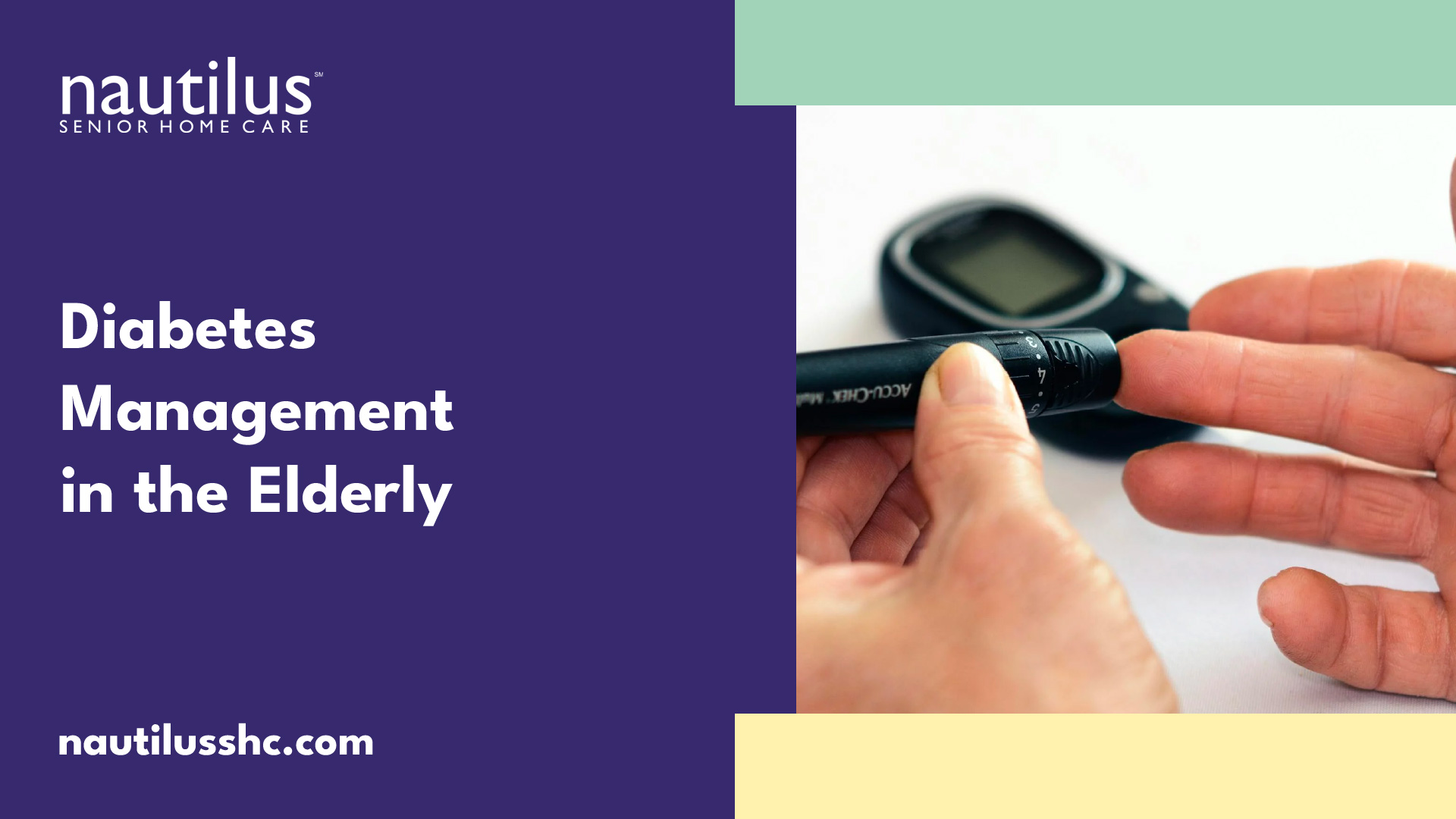
Regular blood sugar monitoring is essential for individuals with diabetes, especially the elderly. It helps in understanding how food, physical activity, medication, and other factors affect blood sugar levels. By keeping track of blood sugar readings, seniors can make informed decisions about their diet, medication, and lifestyle choices.

The frequency of blood sugar monitoring may vary based on individual needs and the recommendation of healthcare professionals. It’s important to follow the prescribed monitoring schedule and record the results in a logbook or a digital app. This data can help identify patterns and trends, enabling better diabetes management.

Stress Management

Stress can have a significant impact on blood sugar levels, making stress management an important aspect of diabetes care for the elderly. Chronic stress can lead to elevated blood sugar levels, making it more challenging to manage diabetes effectively.

Encouraging stress-reducing activities such as deep breathing exercises, meditation, yoga, or engaging in hobbies can help seniors manage stress levels. Additionally, ensuring a healthy work-life balance and fostering a supportive environment can contribute to stress reduction.

Importance of Regular Medical Check-ups

Regular medical check-ups are crucial for elderly individuals with diabetes to monitor their overall health and diabetes management progress. These check-ups provide an opportunity to assess blood sugar control, evaluate complications, and adjust treatment plans if necessary.

During these appointments, healthcare professionals may conduct various tests such as A1C tests, lipid profiles, kidney function tests, and eye exams. These tests help in identifying any potential complications and guide appropriate interventions.

It is important to adhere to the recommended frequency of medical check-ups and actively communicate any concerns or changes in health status to healthcare professionals. This ensures that any issues can be addressed promptly, and necessary adjustments can be made to the diabetes management plan.

By incorporating these lifestyle modifications into their daily routine, the elderly with diabetes can enhance their overall well-being and effectively manage their condition. Regular blood sugar monitoring, stress management, and regular medical check-ups are essential pillars of diabetes care for seniors, empowering them to live a healthier and more fulfilling life.

Support Systems for the Elderly with Diabetes

Managing diabetes in the elderly can be challenging, but having a strong support system in place can make a significant difference in their overall well-being. Here are three essential support systems that can help elderly individuals effectively manage their diabetes: family and caregiver support, diabetes education programs, and access to healthcare services.

Family and Caregiver Support

Family and caregiver support play a vital role in the management of diabetes for the elderly. The involvement of family members and caregivers can provide emotional support, assistance with daily activities, and help in adhering to dietary and medication routines. By actively participating in the care of their elderly loved ones with diabetes, family members can help promote a healthy and balanced lifestyle.

It is important for family members and caregivers to understand the specific needs and challenges faced by elderly individuals with diabetes. This includes being aware of the signs of high and low blood sugar levels, understanding the dietary restrictions, and assisting with regular physical activity. Open communication and education within the family unit can foster a supportive environment for the elderly individual’s diabetes management.

Diabetes Education Programs

Diabetes education programs are valuable resources for both the elderly individuals and their caregivers. These programs offer education and guidance on various aspects of diabetes management, including healthy eating habits, blood sugar monitoring, and medication management. They provide useful information related to diabetes self-care, empowering elderly individuals to take control of their health.

These programs often include workshops, classes, and one-on-one counseling with healthcare professionals specializing in diabetes management. Through these educational initiatives, elderly individuals can gain a better understanding of their condition, learn practical strategies for diabetes management, and develop the necessary skills to make informed decisions about their health.

Access to Healthcare Services

Access to healthcare services is crucial for elderly individuals with diabetes. Regular medical check-ups, consultations with healthcare professionals, and necessary screenings are essential components of diabetes management. Healthcare providers can monitor blood sugar levels, assess the effectiveness of the treatment plan, and make necessary adjustments to medication or lifestyle recommendations.

Additionally, healthcare services can help address any complications or comorbidities that may arise due to diabetes. By having access to specialized healthcare professionals, elderly individuals can receive the necessary support and guidance to manage their condition effectively.

It is important to ensure that elderly individuals with diabetes have access to healthcare services that are convenient and tailored to their specific needs. This includes regular visits to primary care physicians, diabetes specialists, and other healthcare professionals involved in their diabetes management.

By establishing a strong support system that includes family and caregiver support, participation in diabetes education programs, and access to healthcare services, the elderly individuals with diabetes can receive the necessary support to effectively manage their condition. This holistic approach promotes better diabetes management, enhances overall well-being, and improves the quality of life for the elderly population.

Enhancing Quality of Life for the Elderly with Diabetes

Managing diabetes is not just about controlling blood sugar levels; it’s also about improving the overall quality of life for the elderly. By focusing on mental and emotional well-being, preventing complications, and living a fulfilling life, seniors with diabetes can thrive and enjoy their golden years to the fullest.

Mental and Emotional Well-being

Maintaining good mental and emotional health is essential for seniors with diabetes. The following strategies can help promote well-being:

  • Support systems: Encouraging seniors to connect with family, friends, and support groups can provide emotional support and reduce feelings of isolation.
  • Stress management: Teaching stress management techniques, such as deep breathing exercises, meditation, or engaging in hobbies, can help seniors better cope with the challenges of managing diabetes.
  • Counseling and therapy: In some cases, professional counseling or therapy may be beneficial to address any underlying mental health concerns.

Preventing Complications

Preventing complications is a key aspect of managing diabetes in the elderly. By focusing on the following areas, seniors can minimize the risk of complications:

  • Blood sugar control: Regular monitoring of blood sugar levels and making necessary adjustments in diet, medication, and lifestyle can help prevent complications associated with high or low blood sugar.
  • Healthy lifestyle habits: Encouraging seniors to maintain a healthy weight, eat a balanced diet, engage in regular physical activity, and avoid smoking can significantly reduce the risk of complications.
  • Regular check-ups: Regular medical check-ups, including eye exams, foot exams, and kidney function tests, can help detect any potential complications early on and prevent their progression.

Living a Fulfilling Life with Diabetes

Having diabetes doesn’t mean that seniors can’t live a fulfilling life. Here are some strategies to help seniors enjoy life while managing their diabetes:

  • Adaptation and acceptance: Encouraging seniors to accept their diabetes diagnosis and make necessary lifestyle modifications can empower them to regain control over their health and maintain a positive outlook.
  • Goal setting: Setting realistic goals related to diabetes management, such as achieving target blood sugar levels or engaging in regular physical activity, can provide a sense of purpose and accomplishment.
  • Engaging in hobbies and social activities: Encouraging seniors to pursue hobbies, engage in social activities, and participate in community events can add meaning and enjoyment to their lives.

By focusing on mental and emotional well-being, preventing complications, and embracing a fulfilling life, seniors with diabetes can lead happy and healthy lives. It’s important to provide them with the necessary support, education, and resources to empower them in their journey towards optimal diabetes management.

Sources

A Dietary Guide to Managing Diabetes for Older Adults

Diabetes Management in the Elderly – PMC

Diabetes in Older People | National Institute on Aging

Caring for Elderly with Muscle Weakness

Caring for Elderly with Muscle Weakness

Understanding Muscle Weakness in the Elderly

Muscle weakness is a common condition experienced by many elderly individuals. It can significantly impact their daily lives, making it essential to understand the causes of muscle weakness and its effects on their overall well-being.

Causes of Muscle Weakness

There are several factors that contribute to muscle weakness in the elderly. These include:

  1. Age-related muscle loss (sarcopenia): As individuals age, there is a natural decline in muscle mass and strength. Sarcopenia, the loss of muscle tissue, can be accelerated by factors such as reduced physical activity and inadequate nutrition.
  2. Chronic health conditions: Conditions like arthritis, osteoporosis, and neurological disorders can lead to muscle weakness in the elderly. These conditions may affect the muscles directly or limit mobility, resulting in muscle disuse and atrophy.
  3. Medications: Certain medications prescribed for various health conditions can cause muscle weakness as a side effect. It’s important for healthcare professionals to consider the potential impact of medications on muscle health when treating elderly patients.

Impact on Daily Life

Muscle weakness can have a profound impact on the daily life of elderly individuals. It can affect their ability to perform routine activities, resulting in a loss of independence and reduced quality of life. Common challenges faced by individuals with muscle weakness include:

  • Mobility issues: Weak muscles can make it difficult to walk, climb stairs, or get up from a seated position. This can lead to a loss of freedom and increased reliance on others for assistance.
  • Functional limitations: Muscle weakness can affect fine motor skills, making it challenging to perform tasks such as buttoning clothes, holding utensils, or writing. This can lead to frustration and a loss of confidence in one’s abilities.
  • Increased fall risk: Weak muscles can compromise balance and stability, increasing the risk of falls and injuries. Fall prevention becomes crucial in managing muscle weakness in the elderly.

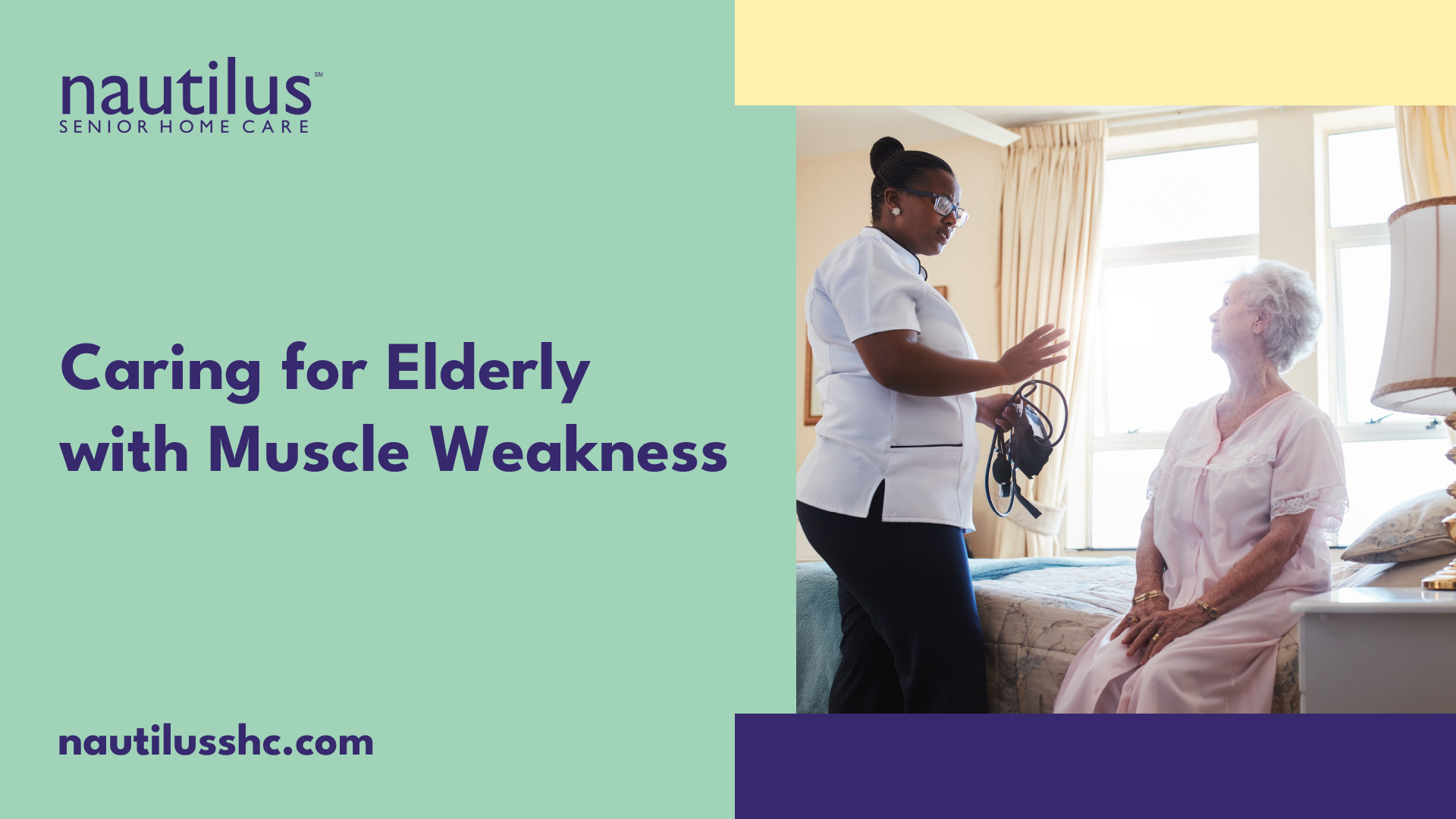
By understanding the causes and impact of muscle weakness, caregivers and healthcare professionals can develop effective strategies to provide the necessary support and care for elderly individuals. This includes physical assistance, promoting muscle strength and flexibility, ensuring safety, addressing nutritional needs, and providing emotional support.

Providing Physical Support

When caring for elderly individuals with muscle weakness, it’s essential to provide physical support to help them maintain mobility and independence. This section focuses on two key aspects of physical support: assisting with mobility and utilizing assistive devices.

Assisting with Mobility

Assisting with mobility is crucial for elderly individuals with muscle weakness, as it enables them to navigate their surroundings safely and maintain an active lifestyle. Here are some strategies to consider:

  • Encourage regular physical activity: Engaging in gentle exercises, such as walking or light stretching, can help improve muscle strength and flexibility. Encourage the elderly individual to stay active within their abilities and provide assistance when needed.
  • Offer support during transfers: Help with transferring from one position to another, such as from a bed to a wheelchair or from a chair to the toilet. Use proper lifting techniques and assistive equipment, if necessary, to ensure the safety and comfort of the individual.
  • Provide stability during walking: Walk alongside the individual, offering support and stability. You can do this by gently holding their arm or providing a sturdy walking aid, such as a walker or cane, to help them maintain balance and prevent falls.

Using Assistive Devices

Assistive devices can play a significant role in promoting independence and mobility for elderly individuals with muscle weakness. These devices are designed to provide support and stability, allowing individuals to perform daily activities with greater ease. Here are some commonly used assistive devices:

Assistive Device and Purpose

  • ‍‍Canes: Provide additional support and balance while walking. Canes come in various types, including single-point canes, quad canes, and folding canes.
  • Walkers: Offer more stability than canes and are suitable for individuals who require greater support. Walkers come in different styles, such as standard walkers, rolling walkers, and wheeled walkers with seats.
  • Wheelchairs: Serve as a mobility aid for individuals with severe muscle weakness or limited mobility. Wheelchairs can be manual or electric, providing independence and mobility for those who require it.
  • Grab Bars: Installed in bathrooms or other areas where support is needed, grab bars provide stability and assistance when standing, sitting, or transferring.
  • Reachers: Assist in reaching objects that are out of reach, reducing the need for bending or stretching. Reachers are helpful for individuals with limited mobility or difficulty with balance.

By assisting with mobility and utilizing appropriate assistive devices, caregivers can help elderly individuals with muscle weakness maintain their independence and navigate their daily lives more comfortably. It’s important to assess each individual’s specific needs and capabilities to determine the most suitable support and devices required.

Promoting Muscle Strength and Flexibility

As individuals age, muscle weakness can become a common issue. However, there are various strategies that can be implemented to promote muscle strength and flexibility in the elderly. Regular exercise and physical therapy, as well as incorporating strength training, are effective approaches in caring for elderly patients with muscle weakness.

Regular Exercise and Physical Therapy

Regular exercise plays a vital role in maintaining and improving muscle strength and flexibility in the elderly. Engaging in physical activities helps to stimulate muscle growth and prevent muscle loss. It is important to encourage elderly individuals to participate in exercises that are appropriate for their fitness level and health condition.

Physical therapy, under the guidance of a professional therapist, is an excellent option for elderly individuals with muscle weakness. Physical therapists can design personalized exercise programs that target specific muscle groups, addressing areas of weakness and promoting overall strength and mobility.

Types of Exercise and Benefits

  • ‍‍Aerobic exercises (e.g., walking, swimming): Improve cardiovascular health and endurance
  • Resistance training (e.g., using resistance bands, weightlifting): Build muscle strength and increase flexibility
  • Balance exercises (e.g., yoga, tai chi): Enhance stability and reduce the risk of falls
  • Stretching and flexibility exercises (e.g., gentle stretching routines): Improve range of motion and prevent muscle stiffness

Incorporating Strength Training

Strength training is particularly beneficial for elderly individuals with muscle weakness. It involves repetitive exercises that target specific muscle groups, gradually increasing resistance to build strength and endurance. Strength training can be performed using resistance bands, weights, or even bodyweight exercises.

When incorporating strength training for elderly patients, it is crucial to start with light weights or resistance and gradually increase the intensity as tolerated. This helps to prevent injuries and overexertion. It is also important to maintain proper form and technique to ensure the safety and effectiveness of the exercises.

Strength training exercises should focus on major muscle groups, including the arms, legs, back, and core. By strengthening these muscle groups, elderly individuals can improve their overall functional abilities and enhance their quality of life.

Strength Training ExercisesTargeted Muscle Groups

  • ‍‍Squats: Quadriceps, Glutes, Hamstrings
  • Bicep Curls: Biceps, Forearms
  • Leg Press: Quadriceps, Hamstrings, Glutes
  • Chest Press: Chest, Shoulders, Triceps
  • Plank: Core, Abdominals

By incorporating regular exercise and physical therapy, as well as implementing strength training exercises, caregivers and healthcare professionals can effectively promote muscle strength and flexibility in elderly patients. These strategies not only enhance physical well-being but also contribute to improved mobility, independence, and overall quality of life.

Ensuring Safety and Fall Prevention

When caring for elderly individuals with muscle weakness, ensuring their safety and preventing falls are of utmost importance. Muscle weakness can increase the risk of falls and injuries, but there are strategies that can be implemented to create a safe living environment and minimize the chances of accidents.

Creating a Safe Living Environment

Creating a safe living environment is essential for elderly individuals with muscle weakness. This involves making modifications and adjustments to the home to reduce potential hazards. Some key considerations include:

  1. Removing tripping hazards: Ensure that walkways and pathways are clear of clutter, loose rugs, and other obstacles that may increase the risk of trips and falls.
  2. Improving lighting: Adequate lighting is crucial to enhance visibility and reduce the risk of accidents. Install bright, non-glare lighting in hallways, staircases, and frequently used areas.
  3. Installing grab bars and handrails: Install grab bars in bathrooms, near toilets, and in shower areas to provide support and stability. Handrails along staircases can also assist with balance and mobility.
  4. Securing loose carpets and mats: Use double-sided tape or non-slip pads to secure loose carpets and mats to prevent slipping.
  5. Maintaining clear pathways: Ensure that furniture and other objects are arranged in a way that allows for easy and unobstructed movement throughout the home.

Fall Prevention Strategies

Implementing fall prevention strategies is crucial to safeguard elderly individuals with muscle weakness. Here are some strategies to consider:

  1. Regular exercise: Encourage regular exercise routines that focus on improving balance, strength, and flexibility. Exercise programs tailored to the individual’s needs can help reduce the risk of falls.
  2. Assistive devices: Depending on the severity of muscle weakness, assistive devices such as canes, walkers, or wheelchairs may be necessary to provide additional support and stability.
  3. Proper footwear: Ensure that the elderly individual wears well-fitting, non-slip footwear with good traction. Avoid shoes with worn-out soles that may increase the risk of slipping.
  4. Medication management: Some medications may cause dizziness or lightheadedness, increasing the risk of falls. It’s important to review and manage medications with the guidance of healthcare professionals.
  5. Regular eye check-ups: Poor vision can contribute to falls. Schedule regular eye check-ups to ensure the elderly individual has the correct prescription and wears appropriate eyewear.
  6. Home monitoring systems: Consider installing home monitoring systems or emergency call buttons to provide quick access to help in case of a fall or emergency.

By creating a safe living environment and implementing fall prevention strategies, the risk of falls and injuries can be significantly reduced for elderly individuals with muscle weakness. It’s crucial to tailor these measures to the specific needs and abilities of the individual, ensuring their safety and well-being.

Addressing Nutritional Needs

Proper nutrition plays a crucial role in caring for elderly individuals with muscle weakness. A balanced diet that provides essential nutrients is essential for maintaining muscle health, promoting strength, and supporting overall well-being. In this section, we will explore the importance of a balanced diet and discuss specific nutritional considerations for muscle health.

Importance of a Balanced Diet

A balanced diet is key to ensuring that elderly individuals with muscle weakness receive the necessary nutrients for optimal health. A well-rounded diet should include a variety of food groups, providing a combination of macronutrients (carbohydrates, proteins, and fats) and micronutrients (vitamins and minerals).

Below is a breakdown of the recommended daily macronutrient intake for elderly individuals:

Macronutrient and Recommended Daily Intake

  • ‍‍Carbohydrates: 45-65% of total calories
  • Proteins: 10-35% of total calories
  • Fats: 20-35% of total calories

Additionally, it’s important to emphasize the consumption of whole foods such as fruits, vegetables, whole grains, lean proteins, and healthy fats. These nutrient-dense foods provide the essential vitamins, minerals, and antioxidants needed for muscle health and overall well-being.

Nutritional Considerations for Muscle Health

When caring for elderly individuals with muscle weakness, certain nutritional considerations can help support muscle health and function. Here are some key nutrients to focus on:

  1. Protein: Adequate protein intake is vital for muscle health. Protein-rich foods such as lean meats, poultry, fish, dairy products, legumes, and nuts should be included in the diet. The recommended daily protein intake for older adults is about 0.8 grams per kilogram of body weight.
  2. Calcium and Vitamin D: Calcium is important for maintaining bone health and muscle function. Vitamin D aids in calcium absorption. Good sources of calcium include dairy products, leafy greens, and fortified foods. Vitamin D can be obtained from sunlight exposure and foods like fatty fish, egg yolks, and fortified products.
  3. Omega-3 Fatty Acids: These healthy fats have anti-inflammatory properties and can support muscle health. Fatty fish like salmon, mackerel, and sardines are excellent sources of omega-3 fatty acids. Vegetarian sources include flaxseeds, chia seeds, and walnuts.
  4. Antioxidants: Antioxidants help combat inflammation and oxidative stress, which can contribute to muscle weakness. Colorful fruits and vegetables, such as berries, citrus fruits, leafy greens, and bell peppers, are rich in antioxidants.
  5. Hydration: Staying adequately hydrated is important for muscle health and overall well-being. Encourage the elderly to drink enough water throughout the day, aiming for at least eight cups (64 ounces) of fluid daily.

By prioritizing a balanced diet that includes these essential nutrients, caregivers can provide the necessary nutritional support to elderly individuals with muscle weakness. It’s important to consult with a healthcare professional or registered dietitian for personalized dietary recommendations based on specific needs and medical conditions.

Emotional and Mental Support

Caring for elderly individuals with muscle weakness goes beyond addressing their physical needs. It is equally important to provide emotional and mental support to enhance their overall well-being. This section will explore two key aspects of emotional and mental support: encouraging independence and addressing emotional well-being.

Encouraging Independence

Encouraging independence is crucial for promoting a sense of dignity and self-worth in elderly individuals with muscle weakness. Here are some strategies to foster independence:

  1. Assess capabilities: Understand the capabilities and limitations of the individual and provide support accordingly. Encourage them to perform tasks they are capable of doing independently, while providing assistance when needed.
  2. Adaptive aids and modifications: Introduce adaptive aids and modifications to enable independent living. This may include grab bars in the bathroom, raised toilet seats, or mobility aids such as walkers or canes.
  3. Simplify tasks: Break down complex tasks into smaller, manageable steps. This helps individuals feel a sense of accomplishment and encourages them to continue engaging in daily activities.
  4. Promote decision-making: Involve the individual in decision-making processes related to their care. This helps them maintain a sense of control over their own lives and boosts their confidence.

By encouraging independence, you can empower elderly individuals with muscle weakness to maintain a sense of autonomy and control over their lives.

Addressing Emotional Well-being

Addressing the emotional well-being of elderly individuals with muscle weakness is vital for their overall quality of life. Here are some strategies to support their emotional well-being:

  1. Active listening: Take the time to actively listen to their concerns, fears, and emotions. Show empathy and validate their feelings, providing a safe space for them to express themselves.
  2. Engage in meaningful activities: Encourage engagement in activities that bring joy and a sense of purpose. This could include hobbies, socializing with friends and family, or participating in community events.
  3. Maintain social connections: Facilitate opportunities for social interactions with friends, family, and peers. Loneliness can have a detrimental impact on emotional well-being, so encourage regular social engagement.
  4. Promote mental stimulation: Engage the individual in activities that promote mental stimulation, such as puzzles, reading, or learning new skills. Mental stimulation helps maintain cognitive function and fosters a sense of fulfillment.
  5. Provide emotional support: Offer emotional support through open and honest communication. Reassure the individual that their emotions are valid and provide comfort during challenging times.

By addressing the emotional well-being of elderly individuals with muscle weakness, you can help improve their overall quality of life and ensure they feel supported and valued.

Remember, each individual is unique, and the level of emotional and mental support needed may vary. It is important to tailor your approach based on the individual’s preferences, needs, and capabilities. By providing both physical and emotional support, you can make a meaningful difference in the lives of elderly individuals with muscle weakness.

Sources

Taking Care of Elderly Patients with Muscle Weakness

Muscle weakness in the elderly

Advocacy Groups for People with Disabilities

Advocacy Groups for People with Disabilities

The Power of Disability Advocacy Groups

Disability advocacy groups play a crucial role in providing support, empowerment, and representation for individuals with disabilities. These groups understand the unique challenges faced by the disabled community and work tirelessly to promote inclusivity and equality. Let’s explore the importance of support and the role that disability advocacy groups play in creating a more inclusive society.

Understanding the Importance of Support

Support is a fundamental aspect of any individual’s well-being, and for people with disabilities, it is even more crucial. Disability advocacy groups provide a safe and understanding environment where individuals can connect with others who have similar experiences. This sense of community and shared understanding offers emotional support, reduces feelings of isolation, and fosters a sense of belonging.

Moreover, disability advocacy groups are a valuable source of information and resources. They offer guidance on navigating various aspects of life, including healthcare, education, employment, and accessibility. Through their collective knowledge and expertise, these groups empower individuals to make informed decisions and advocate for their rights.

The Role of Disability Advocacy Groups

Disability advocacy groups play a multifaceted role in society. They serve as a powerful voice for the disabled community, advocating for fair and equal treatment. These groups work tirelessly to raise awareness about the challenges faced by individuals with disabilities and strive to eliminate stigmas and misconceptions.

In addition to advocating for change on a broader scale, disability advocacy groups also provide direct support and assistance to individuals. They offer guidance on navigating legal and bureaucratic systems, ensuring that individuals can access the rights and benefits they are entitled to. These groups also engage in community outreach, organizing events, workshops, and educational programs to promote inclusion and understanding.

By amplifying the voices of individuals with disabilities, disability advocacy groups help to shape policies and legislation that promote inclusivity and accessibility. They collaborate with government agencies, businesses, and other organizations to ensure that the needs and rights of the disabled community are recognized and respected.

The power of disability advocacy groups lies in their ability to bring people together, foster support and understanding, and drive positive change. Through their tireless efforts, these groups empower individuals with disabilities, promote inclusivity, and work towards a more equitable society for all.

Types of Disability Advocacy Groups

Disability advocacy groups play a vital role in providing support, resources, and representation for individuals with disabilities. These groups can be categorized into different types based on their scope and reach. Let’s explore three common types of disability advocacy groups: local support groups, national and international organizations, and online communities and forums.

Local Support Groups

Local support groups are grassroots organizations that operate within a specific geographic area, such as a city or town. These groups focus on providing a sense of community and support for individuals with disabilities and their families in a local setting. They often organize regular meetings, workshops, and social events to foster connections and share experiences.

Local support groups are valuable for individuals seeking direct, face-to-face interaction with others who understand the challenges and triumphs of living with a disability. These groups provide a safe space for individuals to express themselves, seek advice, and receive emotional support from peers who share similar experiences.

National and International Organizations

National and international disability advocacy organizations operate on a larger scale, working to address the needs and rights of individuals with disabilities at a broader level. These organizations often have regional or national chapters and focus on influencing policies, advocating for legislative changes, and promoting inclusivity and accessibility on a wider scale.

These organizations offer resources, information, and guidance to individuals with disabilities, their families, and professionals working in the field. They may provide support through helplines, websites, publications, and educational programs. National and international organizations also engage in public awareness campaigns to promote understanding and acceptance of disabilities.

Online Communities and Forums

In the digital era, online communities and forums have become an essential part of disability advocacy. These platforms offer individuals with disabilities an opportunity to connect and engage with others worldwide, regardless of geographical boundaries. Online communities provide a space for sharing stories, exchanging advice, and finding support from individuals who may face similar challenges.

These virtual communities and forums can be found on social media platforms, dedicated websites, or through specialized apps. They offer a convenient way for individuals to participate in discussions, access resources, and seek guidance from a diverse range of people with disabilities, caregivers, and advocates. Online communities also provide a platform for raising awareness and advocating for change on a global scale.

By understanding the different types of disability advocacy groups available, individuals can choose the level of support and engagement that best meets their needs. Whether it’s seeking local connections, accessing national resources, or engaging in online discussions, these groups play a crucial role in fostering empowerment, providing information, and advocating for the rights and well-being of individuals with disabilities.

Benefits of Joining a Disability Advocacy Group

Joining a disability advocacy group can bring about numerous benefits for individuals with disabilities. These groups provide a supportive and empowering environment, along with access to essential resources, information, and opportunities for advocacy and representation.

Peer Support and Empowerment

One of the significant benefits of joining a disability advocacy group is the opportunity for peer support and empowerment. Being part of a community of individuals who have faced similar challenges can be incredibly reassuring and uplifting. Members can share their experiences, provide emotional support, and offer guidance on navigating various aspects of life with a disability. This sense of belonging and solidarity can boost confidence and overall well-being.

Access to Resources and Information

Disability advocacy groups serve as valuable sources of information and resources. These groups often have access to a wealth of knowledge and expertise on disability-related topics, ranging from healthcare and accessibility to education and employment. Through workshops, seminars, and informational materials, members can gain insights, learn new skills, and stay updated on the latest developments in disability rights and services. This information empowers individuals to make informed decisions, access necessary support, and overcome obstacles.

Resources and Information

  • ‍‍Workshops and seminars
  • Informative materials
  • Access to experts and professionals
  • Updates on disability rights and services

Advocacy and Representation

Advocacy and representation are at the core of disability advocacy groups. These groups actively work towards creating positive change and improving the lives of individuals with disabilities. They advocate for equal rights, inclusivity, and accessibility in various realms, such as education, employment, healthcare, and public spaces. By joining a disability advocacy group, individuals can have their voices heard and contribute to collective efforts aimed at influencing policies, raising awareness, and challenging societal barriers.

Advocacy and Representation

  • ‍‍Influencing policies and legislation
  • Raising awareness about disability rights
  • Challenging societal barriers
  • Promoting inclusivity and accessibility

By becoming a member of a disability advocacy group, individuals with disabilities can experience the power of peer support, gain access to valuable resources and information, and actively participate in advocacy and representation efforts. These benefits contribute to a stronger sense of community, increased self-advocacy skills, and the potential for positive societal change.

Examples of Successful Disability Advocacy Groups

Disability advocacy groups play a vital role in promoting the rights and well-being of individuals with disabilities. These groups work tirelessly to raise awareness, provide support, and advocate for inclusive policies and practices. Here, we highlight some notable organizations that have made a significant impact in the field of disability advocacy.

Highlighting Notable Organizations

Organization and Description

  • ‍‍The National Federation of the Blind (NFB): The NFB is one of the largest and oldest advocacy organizations for the blind and visually impaired community. They strive to improve the lives of blind individuals through various initiatives, including education, employment, and accessibility advocacy.
  • Autism Speaks: Autism Speaks is a renowned organization dedicated to promoting solutions, support, and awareness for individuals on the autism spectrum. They work towards enhancing research, advocating for policy changes, and providing resources for individuals and families affected by autism.
  • The American Association of People with Disabilities (AAPD): The AAPD is the largest cross-disability organization in the United States, advocating for the rights and inclusion of people with disabilities. They focus on areas such as employment, education, healthcare, and accessible technology, aiming to create a society that values and supports individuals with disabilities.

Impactful Initiatives and Achievements

These organizations have achieved remarkable milestones and launched initiatives that have positively impacted the lives of individuals with disabilities. Here are a few examples:

  1. The National Federation of the Blind (NFB) successfully campaigned for the passage of the Americans with Disabilities Act (ADA) in 1990. This landmark legislation has been instrumental in protecting the rights of individuals with disabilities and ensuring equal access to employment, public accommodations, and transportation.
  2. Autism Speaks has made significant contributions to autism research, funding studies that focus on understanding the causes, prevention, and treatment of autism spectrum disorders. Their efforts have led to advancements in early intervention strategies, increased awareness, and improved support for individuals and families affected by autism.
  3. The American Association of People with Disabilities (AAPD) played a crucial role in advocating for the inclusion of disability-related provisions in the Affordable Care Act (ACA). These provisions aim to ensure that individuals with disabilities have access to affordable and comprehensive healthcare services, eliminating discriminatory practices.

These are just a few examples of the impactful work carried out by disability advocacy groups. Through their dedication and advocacy efforts, these organizations have helped shape policies, raise awareness, and improve the lives of individuals with disabilities across the globe.

By highlighting the achievements and initiatives of these notable organizations, we hope to inspire individuals to get involved in disability advocacy and support the ongoing efforts to create a more inclusive and accessible society for all.

Getting Involved in Disability Advocacy

If you are passionate about making a difference in the lives of individuals with disabilities, getting involved in disability advocacy groups is a wonderful way to contribute and create positive change. Here are two key aspects to consider when getting involved in disability advocacy: finding the right group for you and exploring ways to make a difference.

Finding the Right Group for You

When it comes to disability advocacy, there are a variety of groups to choose from. It’s important to find a group that aligns with your interests, values, and goals. Here are a few steps to help you find the right group:

  1. Research: Begin by researching different disability advocacy groups in your local community, nationally, and even internationally. Look for groups that focus on the specific disability or cause that resonates with you.
  2. Attend Meetings: Attend meetings or events hosted by different disability advocacy groups to get a firsthand experience of their activities and to meet the members. This will give you an opportunity to gauge their approach, culture, and level of commitment.
  3. Connect with Others: Engage with individuals who are already involved in disability advocacy. Seek their advice and ask about their experiences with different groups. They can provide valuable insights and recommendations based on their own involvement.
  4. Consider Your Skills and Interests: Assess your own skills, interests, and strengths. Determine how you can contribute effectively to a disability advocacy group. For example, if you have strong communication skills, you may be interested in participating in public speaking or awareness campaigns.

Remember, finding the right group may take time and exploration. It’s important to choose a group that aligns with your values and provides a supportive and inclusive environment.

Ways to Contribute and Make a Difference

Once you have found the right disability advocacy group, there are several ways you can contribute and make a difference. Here are a few suggestions:

  1. Volunteer: Offer your time and skills to support the activities and initiatives of the advocacy group. This could involve assisting with events, fundraising, or providing administrative support.
  2. Share Your Story: Share your personal experiences and journey with disability to raise awareness and inspire others. Your story can help educate the public and promote understanding and empathy.
  3. Advocate for Change: Use your voice to advocate for policy changes and improvements in areas such as accessibility, healthcare, employment, and education. Participate in lobbying efforts and engage with policymakers to bring about meaningful change.
  4. Support Peer Mentoring: Offer support and mentorship to individuals with disabilities who may be facing similar challenges. Sharing your knowledge and experiences can empower and uplift others in the community.

By finding the right disability advocacy group and actively getting involved, you can contribute to creating a more inclusive and supportive society for individuals with disabilities. Every effort, no matter how small, can make a significant impact on the lives of others.

Sources

Disability Advocacy Groups

Disability Advocacy Organizations

Listing: Advocacy Groups for People with Disabilities

Suffolk County Social Services Programs

Suffolk County Social Services Programs

Introduction to Suffolk County Social Services

Overview of Suffolk County Social Services

Suffolk County Social Services plays a vital role in providing support and assistance to individuals and families in need within Suffolk County. The department offers a range of programs and services designed to address various social and economic challenges faced by the community.

With a commitment to improving the overall well-being of residents, Suffolk County Social Services aims to enhance the quality of life by providing access to essential resources and support. Through their comprehensive programs, they strive to uplift individuals and families, helping them break free from financial constraints and achieve self-sufficiency.

Importance of Social Services Programs

Social services programs offered by Suffolk County Social Services are instrumental in fostering a more inclusive and equitable society. These programs are designed to address the diverse needs of the community, providing assistance in areas such as financial stability, healthcare access, and child care support.

By offering a safety net for vulnerable populations, these programs help individuals and families navigate through challenging circumstances and regain control of their lives. They serve as a lifeline for those experiencing economic hardships, ensuring that basic needs are met and opportunities for growth and self-improvement are available.

Through their commitment to social justice and equality, Suffolk County Social Services programs contribute to breaking down barriers and creating a more just society. By providing a range of assistance programs and resources, they empower individuals to overcome challenges, build resilience, and work towards a brighter future.

The following section will delve into the specific assistance programs offered by Suffolk County Social Services, highlighting the impact they have on the lives of those they serve.

Assistance Programs Offered

Suffolk County Social Services offers a range of assistance programs to support individuals and families in need. These programs aim to provide temporary financial assistance, access to nutritious food, healthcare coverage, and child care support. By offering these vital resources, Suffolk County Social Services aims to improve the well-being and stability of the community.

Temporary Assistance

Temporary Assistance is a program designed to provide financial support to eligible individuals and families facing economic hardships. This program offers cash assistance to help meet basic needs such as housing, utilities, and other essential expenses. The amount of assistance provided is determined based on factors such as family size, income, and resources.

Supplemental Nutrition Assistance Program (SNAP)

The Supplemental Nutrition Assistance Program (SNAP), formerly known as food stamps, is a federally funded program that assists individuals and families in purchasing nutritious food. SNAP benefits are provided through an Electronic Benefit Transfer (EBT) card, which can be used to purchase eligible food items at authorized retailers. The amount of benefits received depends on factors such as household size, income, and expenses.

Medicaid

Medicaid is a healthcare program that provides low-income individuals and families with access to essential medical services. Suffolk County Social Services helps eligible residents apply for Medicaid coverage, which includes doctor visits, hospital services, prescription medications, and other necessary healthcare services. The availability of Medicaid coverage is based on income and certain eligibility criteria.

Child Care Assistance

Suffolk County Social Services also offers child care assistance programs to support working parents or guardians. These programs help eligible families afford quality child care services, ensuring that children receive proper care and supervision while their parents or guardians are at work or attending school. The amount of assistance provided depends on factors such as family size, income, and the type of child care chosen.

The assistance programs offered by Suffolk County Social Services play a crucial role in addressing the immediate needs of individuals and families in Suffolk County. By providing temporary financial support, access to nutritious food, healthcare coverage, and child care assistance, these programs aim to uplift and empower those in need.

Breaking Barriers and Changing Lives

Suffolk County Social Services programs play a crucial role in breaking barriers and making a positive impact on the lives of individuals and families in need. Through various assistance programs, they provide support and resources that help create a path to a better future. Let’s explore some key areas where these programs make a difference:

Providing Financial Stability

One of the primary goals of Suffolk County Social Services programs is to provide financial stability to individuals and families facing economic hardships. Through programs like Temporary Assistance, eligible individuals receive financial support to meet their basic needs, such as food, shelter, and utilities. This assistance helps to alleviate immediate financial burdens and provides a stepping stone towards greater stability.

Ensuring Access to Healthcare

Access to healthcare is essential for overall well-being, and Suffolk County Social Services programs recognize this importance. Medicaid, a program offered by the County, ensures that eligible individuals and families have access to quality healthcare services. This includes coverage for doctor visits, hospital stays, prescription medications, and more. By removing barriers to healthcare, these programs help improve the health outcomes and quality of life for those in need.

Supporting Families and Children

Suffolk County Social Services programs also focus on supporting families and children, recognizing the critical role they play in society. Through programs like Child Care Assistance, eligible parents receive financial aid to help cover the costs of child care. This support enables parents to work or pursue education while ensuring their children receive quality care and early education opportunities. By investing in families and children, these programs contribute to the well-being and future success of the community.

Promoting Self-Sufficiency

Empowering individuals to become self-sufficient is a core objective of Suffolk County Social Services programs. Alongside financial assistance, these programs offer resources and support to help individuals gain the necessary skills and knowledge to become self-reliant. Through job training programs, educational opportunities, and employment support, individuals are equipped with the tools they need to secure stable employment and break free from the cycle of poverty.

The impact of Suffolk County Social Services programs goes beyond immediate assistance. By addressing the root causes of poverty and providing support in key areas, these programs create a positive ripple effect, transforming lives and communities. Let’s now explore how individuals can access these invaluable programs and the impact they have on the community.

How to Access Suffolk County Social Services Programs

If you are in need of assistance and want to access the various programs offered by Suffolk County Social Services, it’s important to understand the eligibility requirements, application process, and the resources and support available.

Eligibility Requirements

To qualify for Suffolk County Social Services programs, certain eligibility criteria must be met. The specific requirements may vary depending on the program, but here are some common factors that are considered:

  1. Income: Your household income must fall within the income limits set by the program. These limits are based on the Federal Poverty Level (FPL) and vary depending on the program and the size of your household.
  2. Residency: You must be a resident of Suffolk County, New York, to be eligible for the programs offered by Suffolk County Social Services.
  3. Citizenship or Immigration Status: Most programs require applicants to be U.S. citizens or have eligible immigration status. Some programs may have different requirements, so it’s important to check the specific eligibility criteria for each program.
  4. Assets: Some programs have asset limits, which means that your total assets, such as property or savings, must be below a certain threshold to qualify.

It’s crucial to review the eligibility requirements for each program you are interested in to determine if you meet the necessary criteria.

Application Process

Once you have determined your eligibility, the next step is to apply for the Suffolk County Social Services programs. The application process typically involves the following steps:

  1. Gather Required Documentation: Before applying, gather the necessary documentation, such as proof of identity, residency, income, and household composition. The specific documents required may vary depending on the program.
  2. Submit an Application: There are multiple ways to apply for the programs, including online applications, in-person visits to the Suffolk County Department of Social Services, or by mail. Check the official Suffolk County Social Services website for detailed instructions on how to apply for each program.
  3. Interview and Verification: After submitting your application, you may be required to attend an interview or provide additional documentation for verification purposes. This is done to ensure that the information provided is accurate and complete.
  4. Application Review: The Suffolk County Department of Social Services will review your application and supporting documents to determine your eligibility for the programs. The processing time may vary depending on the program and the volume of applications.

Resources and Support

Suffolk County Social Services understands that navigating the application process can be overwhelming, and they offer resources and support to assist individuals in accessing the programs. Some of the available resources and support include:

  1. Online Resources: The official Suffolk County Social Services website provides detailed information about the programs, eligibility requirements, and application procedures. It also offers downloadable application forms and frequently asked questions (FAQs) to address common queries.
  2. Call Center: Suffolk County Social Services has a dedicated call center where you can speak to a representative who can provide guidance and answer questions related to the programs and the application process.
  3. Local Assistance: If you prefer in-person assistance, you can visit the Suffolk County Department of Social Services office. Trained staff members are available to provide support and help with the application process.

By understanding the eligibility requirements, following the application process, and utilizing the available resources and support, you can access the Suffolk County Social Services programs and receive the assistance you need.

Impact of Suffolk County Social Services Programs

Suffolk County Social Services programs have had a significant impact on the lives of individuals and families in the community. These programs, designed to provide support and assistance, have brought about positive changes and improved the well-being of many.

Success Stories

The success stories emerging from Suffolk County Social Services programs are a testament to their effectiveness in transforming lives. These programs have helped individuals and families overcome various challenges and achieve stability. Here are just a few examples of the success stories:

Name and Program / Story

Sarah – Temporary Assistance: Sarah, a single mother, was struggling to make ends meet. With the support of the Temporary Assistance program, she received financial aid that allowed her to provide for her children and secure stable housing. This assistance gave Sarah the opportunity to pursue employment and gain financial independence.

James – Supplemental Nutrition Assistance Program (SNAP): James, a senior citizen living on a fixed income, found it difficult to afford nutritious food. Through the SNAP program, he received monthly benefits that enabled him to purchase healthy groceries. This assistance improved James’ overall health and well-being, ensuring that he had access to adequate nutrition.

Maria – Medicaid: Maria, who had limited access to healthcare due to financial constraints, was able to receive essential medical services through the Medicaid program. This ensured that she received the necessary treatment and medications, improving her quality of life and allowing her to manage her health effectively.

These success stories highlight the profound impact of Suffolk County Social Services programs on the lives of individuals and families in need.

Community Impact

The impact of Suffolk County Social Services programs extends beyond individual success stories. These programs have a positive ripple effect on the community as a whole. By providing support to those in need, these programs contribute to the overall well-being and stability of the community. Some of the community impacts include:

  • Reduced poverty rates: By offering financial assistance and supportive services, these programs help lift individuals and families out of poverty, reducing the overall poverty rate in Suffolk County.
  • Improved health outcomes: Access to healthcare through programs like Medicaid ensures that community members can receive necessary medical services, leading to improved health outcomes and a healthier population.
  • Stronger families: Social service programs that provide child care assistance and support for families help create a nurturing and stable environment for children, promoting their healthy development.

The community impact of Suffolk County Social Services programs is substantial, fostering a stronger and more resilient community.

Future Outlook

Looking ahead, Suffolk County Social Services programs will continue to play a vital role in the community. As the needs of individuals and families evolve, these programs will adapt and expand to address emerging challenges. The future outlook for Suffolk County Social Services programs includes:

  • Enhanced accessibility: Efforts will be made to ensure that individuals are aware of the available programs and that the application process is streamlined, making it easier for eligible individuals to access the support they need.
  • Collaboration and partnerships: Suffolk County Social Services will actively seek collaborations and partnerships with community organizations, nonprofits, and other stakeholders to maximize the impact of their programs and resources.
  • Continuous improvement: Regular evaluations and assessments of the programs will be conducted to identify areas for improvement and to ensure that the services provided are meeting the evolving needs of the community.

By focusing on these areas, Suffolk County Social Services programs will continue to make a positive impact, empower individuals and families, and create a stronger and more resilient community for the future.

Sources

Department of Social Services

Local DSS: Suffolk – Office of Children and Family Services

Social Services | Suffolk, VA

CDPAP Stroke Care Guidelines

CDPAP Stroke Care Guidelines

Understanding CDPAP Stroke Care

CDPAP (Consumer Directed Personal Assistance Program) stroke care is a specialized form of care provided to individuals who have experienced a stroke. This unique program allows the stroke survivor to choose their own caregiver, often a family member or close friend, who will assist them in their recovery journey. Understanding the fundamentals of CDPAP stroke care is essential for both caregivers and those seeking care.

What is CDPAP?

CDPAP is a Medicaid program that enables individuals with disabilities, including stroke survivors, to have more control over their care by allowing them to hire and direct their own caregivers. This program empowers the individual receiving care to choose someone they trust and feel comfortable with, typically a family member, to provide the necessary assistance.

Through CDPAP, stroke survivors can select their caregivers and take charge of creating a personalized care plan. The caregiver is then trained and compensated for their services, providing support to the stroke survivor in their daily activities, rehabilitation, and overall well-being.

Importance of Stroke Care Plan for CDPAP Caregivers

Having a well-designed stroke care plan is crucial for CDPAP caregivers. A stroke care plan outlines the specific needs, goals, and preferences of the stroke survivor, serving as a roadmap for the caregiver to provide effective care and support. It ensures that the caregiver understands the unique challenges associated with stroke and enables them to provide the necessary assistance and interventions.

A stroke care plan typically includes:

  1. Activities of Daily Living (ADLs): Assistance with bathing, dressing, grooming, toileting, and other daily activities that the stroke survivor may struggle with.
  2. Mobility Support and Rehabilitation Exercises: Helping the stroke survivor with mobility, such as walking, transferring, and using assistive devices. The caregiver may also assist in performing prescribed rehabilitation exercises to aid in recovery.
  3. Communication and Emotional Support: Effective communication strategies are essential for caregivers to understand the stroke survivor’s needs and preferences. Additionally, providing emotional support and creating a supportive environment can positively impact the stroke survivor’s well-being.
  4. Medication Management: Administering medications as prescribed and keeping track of medication intake is a crucial responsibility for caregivers. It ensures that the stroke survivor receives the right medications at the right time.
  5. Safety Precautions: Implementing safety measures to prevent falls, making necessary home modifications, and being prepared for emergencies are vital aspects of stroke care.
  6. Working with Healthcare Professionals: Collaborating with the stroke survivor’s medical team, attending appointments, and regularly monitoring and reporting any changes or concerns to healthcare professionals are essential for effective care.

By understanding the principles of CDPAP stroke care and following the stroke care plan, caregivers can provide the necessary support for stroke survivors, promoting their recovery and overall well-being.

Key Guidelines for Stroke Care

When providing stroke care as a CDPAP caregiver, it is essential to follow key guidelines to ensure the well-being and recovery of the individual. These guidelines focus on early intervention and medical support, assisting with activities of daily living (ADLs), as well as mobility support and rehabilitation exercises.

Early Intervention and Medical Support

Early intervention plays a crucial role in stroke care. As a CDPAP caregiver, it is important to recognize the signs of a stroke and act promptly by seeking medical help. The faster medical support is provided, the better the chances of minimizing potential complications and promoting recovery.

Signs of Stroke

  • ‍‍Sudden numbness or weakness in the face, arm, or leg
  • Difficulty speaking or understanding speech
  • Sudden confusion or trouble with vision
  • Severe headache with no known cause
  • Trouble walking or loss of balance

Assisting with emergency medical services and ensuring that the individual receives appropriate medical attention is paramount. Being familiar with emergency contact numbers and having a clear plan in place can help in these critical situations.

Assisting with Activities of Daily Living (ADLs)

Stroke can impact an individual’s ability to perform daily activities independently. As a CDPAP caregiver, providing assistance with activities of daily living (ADLs) is an important aspect of stroke care.

Examples of ADLs

  • ‍‍Bathing
  • Dressing
  • Eating
  • Toileting
  • Transferring (moving between bed, chair, etc.)

Understanding the individual’s specific needs and limitations is key to providing effective care. It may involve helping with personal hygiene, dressing, preparing meals, or offering support during mealtimes. Ensuring a safe and comfortable environment is crucial to promote independence and maintain dignity.

Mobility Support and Rehabilitation Exercises

Mobility support and rehabilitation exercises are vital for stroke recovery. As a CDPAP caregiver, you may assist the individual in performing prescribed exercises and activities recommended by healthcare professionals. These exercises can help improve strength, coordination, and overall mobility.

Benefits of Rehabilitation Exercises

  • ‍‍Regaining muscle strength
  • Improving balance and coordination
  • Enhancing range of motion
  • Promoting overall physical well-being

It is important to follow the guidance and instructions provided by the healthcare team when supporting the individual in their rehabilitation journey. Encouraging regular exercise, assisting with mobility aids if necessary, and providing emotional support throughout the process can positively impact the individual’s recovery.

By adhering to these key guidelines for stroke care, CDPAP caregivers can contribute to the well-being and progress of individuals on their stroke recovery journey. Collaboration with healthcare professionals and a focus on early intervention, ADL assistance, and rehabilitation exercises can make a significant difference in achieving the best possible outcomes.

Communication and Emotional Support

Effective communication and emotional support are vital components of providing stroke care through the Consumer Directed Personal Assistance Program (CDPAP). CDPAP caregivers play a crucial role in understanding the needs and emotions of stroke survivors, facilitating their recovery process. This section will explore the key strategies for effective communication and managing emotional well-being.

Effective Communication Strategies

Communication can sometimes be challenging for stroke survivors, as they may experience difficulties with speech, language, or cognition. Here are some effective communication strategies for CDPAP caregivers to employ:

  1. Be patient and attentive: Give the stroke survivor ample time to express themselves and actively listen to their needs and concerns.
  2. Use clear and simple language: Speak in a calm and unhurried manner, using short sentences and simple words. Avoid jargon or complex terms that may cause confusion.
  3. Encourage non-verbal communication: If verbal communication is challenging, encourage the use of gestures, facial expressions, or other non-verbal cues to express thoughts and emotions.
  4. Provide visual aids: Visual cues, such as pictures, charts, or written instructions, can assist in conveying information and improving understanding.
  5. Ask open-ended questions: Instead of relying on yes/no questions, ask open-ended questions that encourage the stroke survivor to share their thoughts and feelings.

Remember, effective communication goes beyond verbal interactions. It involves active listening, empathy, and understanding the individual needs and preferences of the stroke survivor.

Managing Emotional Well-being

Stroke recovery is not only physical but also emotional. CDPAP caregivers can provide essential emotional support to stroke survivors by:

  1. Being empathetic: Show understanding and compassion towards the emotional challenges a stroke survivor may face. Validate their feelings and provide reassurance.
  2. Encouraging self-expression: Create a safe and non-judgmental environment where the stroke survivor feels comfortable expressing their emotions. Encourage them to share their concerns, fears, or frustrations.
  3. Offering encouragement and motivation: Recognize and celebrate the stroke survivor’s progress, no matter how small. Provide positive reinforcement and support their goals.
  4. Helping to establish routines: Establishing daily routines can provide a sense of stability and control, which can positively impact emotional well-being.
  5. Encouraging participation in support groups: Connect the stroke survivor with local support groups or online communities where they can interact with others who have experienced similar challenges.

By implementing effective communication strategies and providing emotional support, CDPAP caregivers can create a supportive environment that promotes the overall well-being of stroke survivors.

Remember, every stroke survivor is unique, and their communication and emotional support needs may vary. It’s essential to adapt and tailor your approach to meet their individual requirements, ensuring a caring and empathetic caregiving experience.

Medication Management

Administering medications and ensuring proper monitoring and recording of medication intake are crucial components of stroke care within the CDPAP (Consumer Directed Personal Assistance Program). Caregivers play a vital role in helping individuals recovering from a stroke manage their medications effectively.

Administering Medications

Administering medications to stroke patients requires careful attention to detail and adherence to prescribed dosages and schedules. Caregivers should follow these guidelines:

  1. Dosage Administration: Administer medications as prescribed by the healthcare professional, ensuring the correct dosage is given at the designated times.
  2. Proper Technique: Use the recommended administration methods, such as oral administration, injection, or topical application, as instructed by the healthcare provider.
  3. Medication Interactions: Be aware of potential interactions between different medications and consult the healthcare professional if there are any concerns.
  4. Medication Storage: Store medications in a safe and appropriate manner, following the instructions provided by the healthcare professional or pharmacist.

Monitoring and Recording Medication Intake

Keeping track of medication intake is essential to ensure that stroke patients receive the appropriate medications at the right time. Caregivers should follow these guidelines:

  1. Medication Schedule: Develop and maintain a medication schedule that outlines the names of the medications, dosages, and specific times they should be administered.
  2. Timely Administration: Administer medications according to the prescribed schedule, ensuring that doses are not missed or delayed.
  3. Recording Intake: Keep a detailed record of medication intake, noting the date, time, and dosage administered. This documentation helps track adherence to the medication plan and can be useful for healthcare professionals during follow-up visits.
  4. Side Effects and Reactions: Monitor for any adverse reactions or side effects from the medications and promptly report them to the healthcare professional.

To assist with organizing medication information and intake records, caregivers can use medication management tools or apps. These tools can help track medication schedules, set reminders, and generate medication intake reports.

By adhering to medication management guidelines, caregivers can ensure stroke patients receive their medications accurately and on time. This plays a vital role in promoting the individual’s recovery and overall well-being.

Safety Precautions

Ensuring the safety of individuals recovering from a stroke is of utmost importance in a CDPAP care setting. Implementing specific safety precautions can help prevent accidents and promote a secure environment for the stroke survivor. Here are three key safety precautions that should be included in the stroke care plan:

Fall Prevention

One of the primary concerns in stroke care is fall prevention. Stroke survivors may experience balance issues, weakness, or difficulty with coordination, which increases their risk of falling. Implementing fall prevention strategies can significantly reduce the likelihood of accidents. Some key fall prevention measures include:

  • Keeping the living environment free from clutter and tripping hazards.
  • Installing handrails and grab bars in areas such as bathrooms and hallways.
  • Using non-slip mats in the bathroom and shower.
  • Ensuring proper lighting throughout the home.
  • Encouraging the use of assistive devices, such as canes or walkers, as recommended by healthcare professionals.

Home Modifications

Making necessary modifications to the home can enhance safety and accessibility for stroke survivors. These modifications are tailored to meet the specific needs of the individual and may include:

  • Installing ramps or lifts to accommodate mobility aids, such as wheelchairs.
  • Widening doorways to facilitate easy passage for mobility devices.
  • Installing grab bars and handrails in strategic areas for support.
  • Removing obstacles and creating clear pathways within the home.
  • Ensuring that the home is well-lit, with switches conveniently located.

A thorough evaluation of the living space by a healthcare professional or occupational therapist can provide valuable insights into the necessary home modifications for stroke care.

Emergency Preparedness

Being prepared for emergencies is crucial when caring for a stroke survivor. Caregivers should have a well-defined emergency plan in place to ensure a swift response in case of unforeseen situations. Here are some essential components of emergency preparedness:

  • Keeping emergency contact numbers readily available.
  • Knowing the location of the nearest hospital and stroke center.
  • Having a first aid kit easily accessible.
  • Regularly reviewing and updating emergency procedures with the healthcare team.
  • Educating caregivers on recognizing stroke warning signs and when to seek immediate medical attention.

Additionally, it is essential for caregivers to be trained in CPR and basic life-saving techniques for emergency situations.

By implementing safety precautions such as fall prevention measures, home modifications, and emergency preparedness, caregivers can create a safe environment for stroke survivors under their care. These precautions, combined with other stroke care guidelines, contribute to a comprehensive and effective stroke care plan within the CDPAP program.

Working with Healthcare Professionals

When it comes to providing stroke care as a CDPAP caregiver, collaboration with healthcare professionals plays a crucial role in ensuring the well-being and recovery of the individual. By working closely with the medical team and following regular health monitoring and reporting practices, caregivers can contribute to a comprehensive and effective stroke care plan.

Collaborating with Medical Team

Collaboration with the medical team is essential for CDPAP caregivers involved in stroke care. By actively participating in discussions and sharing observations, caregivers can contribute valuable insights that aid in the development and adjustment of the care plan. It is important to maintain open lines of communication with healthcare professionals, including doctors, nurses, therapists, and any other specialists involved in the individual’s stroke care.

Regular communication with the medical team allows caregivers to stay updated on the individual’s condition, receive guidance on specific care tasks, and address any concerns or questions that may arise. This collaboration ensures that the care provided aligns with the individual’s unique needs, promotes recovery, and helps manage any potential complications.

Regular Health Monitoring and Reporting

As a CDPAP caregiver, regular health monitoring and reporting are vital aspects of stroke care. By closely observing the individual’s condition and monitoring important health indicators, caregivers can identify any changes or issues that may require immediate attention.

Health monitoring may involve tracking vital signs such as blood pressure, heart rate, and oxygen levels. Caregivers should also be vigilant in observing any changes in the individual’s behavior, mobility, or cognitive abilities. Regularly documenting these observations and communicating them to the medical team helps ensure that appropriate interventions are implemented in a timely manner.

Maintaining accurate records of health monitoring and reporting is crucial. This can be done through the use of a care log or journal, where caregivers can record daily observations, medication administration details, and any concerns or questions they may have. Sharing this information with the medical team during appointments or through regular check-ins allows for a comprehensive understanding of the individual’s progress and helps guide the stroke care plan.

By collaborating with the medical team and prioritizing regular health monitoring and reporting, CDPAP caregivers can play a vital role in supporting the stroke care journey. This collaborative approach ensures that the care provided is comprehensive, tailored to the individual’s needs, and contributes to their overall recovery and well-being.

Sources

CDPAP Stroke Care Guidelines That Make a Difference

Caregiver Guide to Stroke

Vaccines for Elderly

Vaccines for Elderly

Importance of Vaccines for the Elderly

As individuals age, their immune system undergoes changes that can make them more susceptible to certain diseases. Vaccines play a crucial role in protecting the health and well-being of the elderly population. In this section, we will explore why vaccines are crucial in later life and delve into the understanding of the aging immune system.

Why Vaccines Are Crucial in Later Life

Vaccines are essential for the elderly population as they help prevent the occurrence of infectious diseases and their potentially severe consequences. There are several reasons why vaccines are crucial for older adults:

  1. Reduced Immune Response: The immune system naturally weakens with age, making it more difficult for the body to fight off infections. Vaccines help stimulate the immune response, enabling the body to recognize and combat pathogens more effectively.
  2. Higher Risk of Complications: Older adults are more likely to experience severe complications if they contract certain diseases, such as influenza or pneumonia. Vaccines can significantly reduce the risk of hospitalization, serious illness, and even death.
  3. Protection for Vulnerable Populations: Vaccinating the elderly not only benefits them individually but also helps protect other vulnerable populations, such as young children or individuals with compromised immune systems. By preventing the spread of diseases, vaccines contribute to community immunity.

Understanding the Aging Immune System

To comprehend the importance of vaccines for the elderly, it is vital to understand how the immune system changes as individuals age. Here are some key aspects:

  1. Immunosenescence: Immunosenescence refers to the gradual decline in immune function that occurs with age. This decline can result in a reduced response to infections and vaccinations. Vaccines specifically designed for older adults help overcome this diminished immune response.
  2. Decreased Vaccine Effectiveness: The aging immune system may not respond to vaccines as robustly as it did in younger years. This reduced effectiveness can make older adults more susceptible to vaccine-preventable diseases. However, receiving recommended vaccines can still provide significant protection.
  3. Immune Memory: The immune system develops memory cells that remember specific pathogens encountered before. Over time, the immune memory may decline, making it important for the elderly to receive booster shots or additional doses of vaccines to maintain protection.

Understanding the changes in the aging immune system emphasizes the importance of vaccines for the elderly. By ensuring that older adults receive the recommended vaccines, we can help protect their health, reduce the risk of complications, and enhance their overall quality of life.

Vaccines Recommended for the Elderly

As individuals age, their immune system may weaken, making them more susceptible to certain infections and diseases. Vaccines play a crucial role in protecting the health of the elderly by boosting their immune response. Here are three vaccines that are particularly recommended for the elderly:

Influenza (Flu) Vaccine

The influenza (flu) vaccine is highly recommended for the elderly as they are at a higher risk of developing severe complications from the flu. The flu virus can lead to hospitalization and even death in older adults. By getting the annual flu vaccine, seniors can significantly reduce their risk of contracting the flu and its associated complications.

It’s important to note that the flu vaccine is updated each year to match the most prevalent strains of the virus. This ensures that the vaccine provides optimal protection against the specific flu strains circulating each flu season. Vaccination is typically recommended in the fall before the flu season begins.

Pneumococcal Vaccine

The pneumococcal vaccine is designed to protect against pneumococcal diseases, including pneumonia, bloodstream infections, and meningitis. These diseases can be severe and life-threatening, particularly for older adults. The pneumococcal vaccine helps to prevent such infections by targeting the bacteria responsible for these illnesses.

There are two types of pneumococcal vaccines recommended for the elderly:

  1. Pneumococcal conjugate vaccine (PCV13): This vaccine is recommended for all adults aged 65 years and older. PCV13 provides protection against 13 strains of pneumococcal bacteria.
  2. Pneumococcal polysaccharide vaccine (PPSV23): In addition to PCV13, the PPSV23 vaccine is also recommended for older adults. This vaccine offers protection against 23 different strains of pneumococcal bacteria.

It’s important to consult with a healthcare provider to determine the appropriate timing and schedule for receiving these vaccines.

Shingles (Herpes Zoster) Vaccine

Shingles, also known as herpes zoster, is caused by the reactivation of the varicella-zoster virus, the same virus that causes chickenpox. The risk of developing shingles increases with age, and the condition can cause chronic pain and other complications.

The shingles vaccine is recommended for adults aged 50 years and older. There are two types of shingles vaccines available:

  1. Shingles vaccine (recombinant, adjuvanted): This vaccine is recommended for individuals aged 50 years and older. It helps to reduce the risk of developing shingles and its associated complications.
  2. Shingles vaccine (live, attenuated): This vaccine is recommended for individuals aged 60 years and older. It is a single-dose vaccine that provides protection against shingles.

It’s worth noting that not all individuals are eligible for the shingles vaccine, especially those with certain medical conditions. Consultation with a healthcare provider is essential to determine if the shingles vaccine is appropriate for an individual.

By staying up to date with these recommended vaccines, the elderly can protect themselves from serious illnesses and complications, ensuring a healthier and more vibrant life. Vaccination is an important step in maintaining the well-being and longevity of our senior population.

Benefits of Vaccines for the Elderly

Vaccines play a crucial role in protecting the health and well-being of the elderly population. As individuals age, their immune system becomes more vulnerable, making them more susceptible to serious illnesses and complications. Vaccines specifically designed for the elderly can provide numerous benefits, including:

Protection Against Serious Illnesses

Vaccines for the elderly are designed to target diseases that can have severe consequences for this age group. By receiving the recommended vaccines, seniors can significantly reduce their risk of acquiring these illnesses and experiencing their potentially devastating effects. Here are some vaccines that are particularly important for the elderly:

Vaccine and Disease(s) Targeted

  • ‍‍Influenza (Flu) Vaccine: Influenza (flu)
  • Pneumococcal Vaccine: Pneumococcal diseases, including pneumonia, meningitis, and bloodstream infections
  • Shingles (Herpes Zoster) Vaccine: Shingles (herpes zoster)

Reduced Risk of Complications

In addition to protecting against the illnesses themselves, vaccines for the elderly also help reduce the risk of complications that can arise from these diseases. For example, influenza can lead to pneumonia and other respiratory infections, while shingles can cause long-lasting nerve pain. By getting vaccinated, seniors can lower their chances of developing such complications and their associated health risks.

Maintaining Independence and Quality of Life

Vaccines not only safeguard the physical health of the elderly but also contribute to their overall well-being and independence. By preventing serious illnesses and complications, vaccines can help seniors maintain their ability to perform daily activities, engage in social interactions, and enjoy a good quality of life. Vaccination empowers the elderly to live more confidently and actively, free from the limitations imposed by preventable diseases.

It’s crucial for seniors to stay up-to-date with their vaccinations and follow the recommendations provided by healthcare professionals. By doing so, they can reap the benefits of vaccines and continue to lead healthy and fulfilling lives.

Vaccine Safety and Considerations

When it comes to vaccines for the elderly, safety is of utmost importance. Vaccines are rigorously tested and monitored to ensure their safety and effectiveness. Here, we will discuss the vaccine safety for the elderly, address common myths and misconceptions, and emphasize the importance of consulting healthcare providers.

Vaccine Safety for the Elderly

Vaccines recommended for the elderly have been extensively studied and proven to be safe. The Centers for Disease Control and Prevention (CDC) and the World Health Organization (WHO) closely monitor the safety profiles of vaccines. Extensive clinical trials and post-marketing surveillance help to identify and address any potential side effects.

It is important to note that the risk of adverse reactions to vaccines is generally low. The benefits of vaccination, such as protection against serious illnesses and reduced risk of complications, far outweigh the minimal risks associated with vaccines.

Common Myths and Misconceptions

Unfortunately, there are common myths and misconceptions surrounding vaccines that can create doubts or concerns. Let’s address a few of these misconceptions:

  1. Myth: Vaccines can give you the disease they are designed to prevent.
    Fact: Vaccines do not contain live viruses that can cause the disease. Instead, they contain either inactivated viruses or specific components that stimulate the immune system.
  2. Myth: Vaccines are not necessary for the elderly because they already had the diseases.
    Fact: Even if someone has had a particular disease in the past, their immunity may decrease over time. Vaccination helps to boost and maintain immunity, providing ongoing protection.
  3. Myth: Vaccines can weaken the immune system.
    Fact: Vaccines actually strengthen the immune system by stimulating a response to specific pathogens. This helps the body recognize and fight off those pathogens more effectively.

It is essential to rely on accurate and evidence-based information when making decisions about vaccines. Consulting reliable sources, such as healthcare providers or reputable health organizations, can help dispel any concerns or misconceptions.

Consultation with Healthcare Providers

Consulting with healthcare providers is crucial when considering vaccines for the elderly. Healthcare professionals are well-informed about the latest vaccine recommendations and can provide personalized advice based on an individual’s health status and specific needs.

During a consultation, healthcare providers can assess the individual’s medical history, allergies, and potential contraindications to vaccines. They can also address any concerns or questions, providing clear and accurate information to help individuals make informed decisions.

By consulting with healthcare providers, the elderly can receive tailored recommendations and ensure that vaccines are administered safely and effectively.

It is important to remember that vaccines are a vital tool in protecting the health and well-being of the elderly. By understanding vaccine safety, dispelling myths, and seeking guidance from healthcare providers, we can ensure that the elderly receive the benefits of vaccination and stay protected against vaccine-preventable diseases.

Promoting Vaccine Awareness and Access for the Elderly

Ensuring vaccine awareness and access among the elderly population is crucial for their health and well-being. By promoting education, providing vaccination programs, and empowering the elderly through vaccination, we can make a significant impact on their overall health outcomes.

Importance of Education and Communication

Education and communication play vital roles in promoting vaccine awareness among the elderly. It is essential to provide clear and accurate information about the benefits of vaccines, addressing any concerns or misconceptions they may have. By emphasizing the importance of vaccination in later life, we can help the elderly understand the significance of staying up-to-date with recommended vaccines.

Healthcare providers, community organizations, and caregivers can play a significant role in educating the elderly about vaccines. Offering educational materials, organizing seminars or workshops, and engaging in one-on-one conversations can help dispel myths and increase vaccine acceptance. By ensuring that the elderly have access to reliable information, we can empower them to make informed decisions about their health.

Vaccination Programs and Resources

To enhance vaccine access for the elderly, it is crucial to establish vaccination programs and provide necessary resources. These programs can be implemented in healthcare settings, community centers, or through mobile vaccination clinics, making vaccines easily accessible to the elderly population.

Collaboration between healthcare providers, government agencies, and community organizations can help identify areas where vaccine access may be limited. By targeting underserved communities and providing mobile vaccination services, we can bridge the gap and ensure that all elderly individuals have access to vaccines.

In addition to vaccination programs, it is important to provide resources that facilitate vaccine access for the elderly. This can include information on vaccine schedules, locations of vaccination sites, and assistance with appointment scheduling. By simplifying the process and reducing barriers, we can encourage the elderly to receive the necessary vaccines.

Empowering the Elderly through Vaccination

Vaccination not only protects the elderly from serious illnesses but also empowers them to maintain their independence and quality of life. By staying up-to-date with recommended vaccines, the elderly can reduce the risk of illness, hospitalization, and complications associated with vaccine-preventable diseases.

Vaccination empowers the elderly by providing them with the opportunity to take control of their health. It allows them to actively participate in their own well-being and stay connected with their communities. By promoting vaccine awareness and ensuring access, we can empower the elderly to make informed decisions about their health and lead fulfilling lives.

Promoting vaccine awareness and access for the elderly is a collective effort that involves education, resources, and empowerment. By working together, we can ensure that the elderly population receives the protection they need and continue to thrive in their later years.

Sources

Recommended Vaccines for Adults

Vaccinations and Older Adults | National Institute on Aging

The 5 Vaccines Every Person Over Age 65 Should Consider

Elderly Mobility Scale (EMS) Protocol

Elderly Mobility Scale (EMS) Protocol

The Importance of Assessing Elderly Mobility

Assessing elderly mobility is of utmost importance as it plays a significant role in the overall well-being and quality of life for older individuals. Understanding the impact of mobility on the elderly and the benefits of assessing their mobility can help healthcare professionals provide appropriate care and interventions.

Understanding the Impact of Mobility on Elderly Individuals

Mobility, or the ability to move freely and independently, is crucial for maintaining independence and engaging in daily activities. For older adults, mobility directly affects their physical health, mental well-being, and social participation.

  1. Physical Health: Mobility allows older individuals to perform essential tasks like walking, climbing stairs, and getting in and out of chairs. It helps maintain muscle strength, joint flexibility, and cardiovascular health.
  2. Mental Well-being: Mobility enables older adults to stay physically active, which has been linked to improved cognitive function and reduced risk of mental health conditions such as depression and anxiety.
  3. Social Participation: Being mobile allows elderly individuals to participate in social activities, visit friends and family, and engage in community events. It helps prevent isolation and promotes a sense of belonging.

Benefits of Assessing Elderly Mobility

Assessing elderly mobility using a standardized protocol, such as the Elderly Mobility Scale (EMS), offers numerous benefits for both healthcare professionals and older individuals themselves.

  1. Early Detection of Mobility Issues: By assessing mobility, healthcare providers can identify potential mobility limitations or decline at an early stage. This allows for timely interventions and preventive measures to maintain or improve mobility.
  2. Personalized Treatment Planning: Understanding an individual’s mobility level helps in developing personalized treatment plans. It allows healthcare professionals to tailor interventions, exercises, and assistive devices to address specific mobility challenges.
  3. Monitoring Progress: Regular assessments using the EMS or similar tools enable healthcare providers to track changes in mobility over time. It provides a quantifiable measure of progress or decline, helping to evaluate the effectiveness of interventions and make necessary adjustments.
  4. Enhanced Safety: Assessing mobility helps identify fall risks and balance issues. This information can guide healthcare professionals in implementing fall prevention strategies and recommending appropriate assistive devices, such as walking aids or grab bars.
  5. Improved Quality of Life: By assessing and addressing mobility limitations, older individuals can maintain or regain their independence, engage in activities they enjoy, and experience an enhanced overall quality of life.

By recognizing the impact of mobility on the elderly and the benefits of assessing their mobility, healthcare professionals can empower older individuals to maintain their independence, prevent functional decline, and lead fulfilling lives. The Elderly Mobility Scale (EMS) is a valuable tool in this process, providing a standardized and reliable assessment of mobility levels.

Introducing the Elderly Mobility Scale (EMS)

To accurately assess the mobility of elderly individuals, healthcare professionals often use a standardized tool called the Elderly Mobility Scale (EMS). This assessment protocol provides valuable insights into an individual’s mobility capabilities and limitations, allowing for tailored interventions and treatment planning. Let’s delve into what the Elderly Mobility Scale entails and how it can be used effectively.

What is the Elderly Mobility Scale?

The Elderly Mobility Scale (EMS) is a validated assessment tool specifically designed to evaluate the mobility of older adults. It is an objective and reliable measure that helps healthcare professionals gain a comprehensive understanding of an individual’s mobility status. The EMS assesses various aspects of mobility, including balance, gait, and functional movements, to provide a holistic picture of an individual’s mobility abilities.

Overview of the Assessment Protocol

The Elderly Mobility Scale (EMS) assessment protocol consists of a series of standardized tests that evaluate different components of mobility. These tests are typically conducted by trained healthcare professionals, such as physiotherapists or occupational therapists. The EMS assessment protocol includes the following components:

  1. Balance Assessment: This component assesses an individual’s ability to maintain balance in different positions, such as standing or sitting. It may involve tasks such as standing on one leg or maintaining balance while turning the head.
  2. Gait Assessment: Gait refers to the manner of walking. The gait assessment component evaluates an individual’s walking patterns, including speed, stability, and coordination. It may involve tasks such as walking in a straight line or changing directions.
  3. Functional Movements Assessment: This component assesses an individual’s ability to perform functional movements related to daily activities. It may include tasks such as sitting down and standing up from a chair, reaching for objects, or climbing stairs.

During the assessment, each component is scored based on specific criteria, and the scores are then combined to determine an overall mobility level. The EMS provides a standardized scoring system that allows for consistent evaluation and comparison of mobility across individuals.

The Elderly Mobility Scale (EMS) serves as a valuable tool in assessing the mobility of elderly individuals. By providing an objective measure of mobility abilities, it helps healthcare professionals identify areas of improvement, track changes over time, and develop targeted interventions to enhance the quality of life for older adults.

Components of the Elderly Mobility Scale

The Elderly Mobility Scale (EMS) is a comprehensive assessment tool that evaluates various aspects of mobility in elderly individuals. It consists of three main components: balance assessment, gait assessment, and functional movements assessment. Let’s take a closer look at each of these components.

Balance Assessment

The balance assessment within the Elderly Mobility Scale focuses on evaluating an individual’s ability to maintain stability and equilibrium while performing various tasks. This component assesses the person’s balance in both static (standing still) and dynamic (performing movements) conditions. It includes tests such as:

  • Single-leg stance: The person is asked to balance on one leg while maintaining stability.
  • Tandem stance: The person is asked to stand with one foot directly in front of the other, testing their ability to maintain balance.
  • Romberg test: The person stands with feet together and eyes closed, challenging their balance without visual input.

During the balance assessment, the EMS assigns scores based on the individual’s performance, indicating their level of balance ability.

Gait Assessment

Gait assessment focuses on evaluating an individual’s walking pattern and quality. It assesses various aspects of gait, including speed, stride length, step width, and overall coordination. This component typically involves tasks such as:

  • Walking at a comfortable pace: The person is asked to walk at their normal speed, allowing the evaluator to observe their gait pattern.
  • Walking on different surfaces: The person walks on various surfaces, such as carpet, tile, or uneven ground, to assess their adaptability and stability.
  • Performing dual tasks: The person walks while simultaneously performing another cognitive or physical task, assessing their ability to multitask.

During the gait assessment, the EMS uses specific criteria to assign scores and determine the person’s gait performance.

Functional Movements Assessment

The functional movements assessment evaluates an individual’s ability to perform various functional tasks that are essential for daily living. This component assesses the person’s mobility in activities such as:

  • Rising from a chair: The person is asked to stand up from a seated position without assistance.
  • Walking up and down stairs: The person navigates a set of stairs to assess their ability to perform stair-related movements.
  • Reaching for objects: The person reaches for objects placed at different heights to evaluate their range of motion and flexibility.

During the functional movements assessment, the EMS assigns scores based on the person’s performance in each task, providing insight into their functional mobility.

By assessing balance, gait, and functional movements, the Elderly Mobility Scale provides a comprehensive evaluation of an individual’s mobility capabilities. This holistic approach enables healthcare professionals to gain a better understanding of the person’s mobility status and identify areas for improvement.

Interpreting the Elderly Mobility Scale Results

Once the Elderly Mobility Scale (EMS) assessment has been completed, it is important to interpret the results accurately to gain insights into the individual’s mobility levels. The EMS utilizes a scoring system and different categories to assess and classify the mobility of elderly individuals.

Scoring System and Categories

The Elderly Mobility Scale (EMS) employs a scoring system that ranges from 0 to 20, with higher scores indicating better mobility. The scores are categorized into different levels of mobility, providing a clear understanding of the individual’s functional abilities.

Mobility Level and EMS Score Range

  • ‍‍High Mobility: 16 – 20
  • Moderate Mobility: 10 – 15
  • Low Mobility: 5 – 9
  • Very Low Mobility: 0 – 4

The scoring categories help to assess the overall mobility status of the individual and provide a benchmark for comparison over time. By identifying the level of mobility, healthcare professionals can tailor interventions and treatment plans to address specific needs.

Assessing Mobility Levels

Based on the EMS scores, individuals can be classified into different mobility levels. Here is a breakdown of the mobility levels and their corresponding EMS score ranges:

  1. High Mobility: Individuals in this category have a score range of 16 to 20 on the EMS. They exhibit excellent mobility and are capable of performing a wide range of functional movements and activities independently.
  2. Moderate Mobility: Individuals in this category have a score range of 10 to 15 on the EMS. They possess a reasonable level of mobility and can perform most activities of daily living with minimal assistance or aids.
  3. Low Mobility: Individuals in this category have a score range of 5 to 9 on the EMS. They experience limitations in mobility and may require assistive devices or occasional assistance to perform certain activities.
  4. Very Low Mobility: Individuals in this category have a score range of 0 to 4 on the EMS. They have severe mobility impairments and are highly dependent on assistance or aids for most activities.

By assessing an individual’s mobility level, healthcare professionals can gain a comprehensive understanding of their functional capabilities. This information can guide the development of personalized treatment plans, interventions, and strategies to improve or maintain mobility. It also allows for the tracking of changes in mobility over time, which can help in evaluating the effectiveness of interventions and enhancing the quality of life for elderly individuals.

The Elderly Mobility Scale provides a valuable framework for assessing and interpreting mobility levels in the elderly population. By utilizing this assessment protocol, healthcare professionals can gather crucial information to support decision-making and improve the overall well-being of elderly individuals.

Benefits and Applications of the Elderly Mobility Scale

The Elderly Mobility Scale (EMS) is a valuable tool for assessing and monitoring the mobility of elderly individuals. This assessment protocol offers several benefits and applications that contribute to the overall well-being of older adults.

Tracking Changes in Mobility Over Time

One of the primary benefits of the Elderly Mobility Scale is its ability to track changes in mobility over time. By regularly assessing an individual’s mobility using the EMS, healthcare professionals can monitor any improvements or declines in their mobility levels. This longitudinal data provides valuable insights into the effectiveness of interventions, rehabilitation programs, or lifestyle modifications. It allows healthcare providers to identify trends and make informed decisions regarding the individual’s care and treatment plan.

Informing Treatment Planning and Interventions

The Elderly Mobility Scale serves as a valuable tool in informing treatment planning and interventions for elderly individuals. The assessment results provide healthcare professionals with a comprehensive understanding of an individual’s mobility abilities and limitations. This information can guide the development of personalized treatment plans tailored to address specific mobility challenges. By targeting areas of weakness identified through the EMS, healthcare providers can implement interventions, such as physical therapy exercises, balance training, or assistive device recommendations, to improve mobility and enhance overall functional independence.

Enhancing Quality of Life for Elderly Individuals

Maintaining mobility is crucial for maintaining independence and overall quality of life in elderly individuals. The Elderly Mobility Scale plays a significant role in enhancing the quality of life for older adults by identifying mobility limitations and addressing them proactively. By utilizing the EMS, healthcare professionals can identify areas of improvement and develop interventions that target specific mobility issues. This can help individuals regain or maintain their ability to perform daily activities, engage in social interactions, and participate in activities they enjoy. Improving mobility not only enhances physical well-being but also contributes to mental and emotional well-being by fostering a sense of independence and self-confidence.

The benefits and applications of the Elderly Mobility Scale make it an essential tool in assessing and managing the mobility of elderly individuals. By tracking changes in mobility over time, informing treatment planning and interventions, and enhancing the overall quality of life, the EMS empowers healthcare professionals to provide personalized care and support to older adults, promoting their health, independence, and well-being.

Sources

Elderly Mobility Scale | RehabMeasures Database

Elderly Mobility Scale (EMS)

Using the Elderly Mobility Scale (EMS) to Assess Mobility

How to Use a Cane

How to Use a Cane

Introduction to Using a Cane

When it comes to enhancing mobility and maintaining independence, using a cane can be a valuable tool. Whether you need temporary support during injury recovery or assistance due to a chronic condition, a cane can greatly improve your ability to move around safely and comfortably. In this section, we will explore the purpose of using a cane and how it can enhance mobility.

The Purpose of Using a Cane

The primary purpose of using a cane is to provide stability and support while walking. A cane acts as an extension of your arm, redistributing your weight and providing an additional point of contact with the ground. This added support can help alleviate pressure on your lower body joints, such as the knees and hips, reducing pain and discomfort.

By using a cane, you can improve your balance and reduce the risk of falls, especially on uneven or slippery surfaces. It can also help you navigate challenging terrain, such as stairs or inclines, with more confidence and safety. Additionally, a cane can provide a sense of security, allowing you to engage in daily activities and maintain an active lifestyle.

How a Cane Can Enhance Mobility

Using a cane can enhance mobility in several ways. Here are some key benefits:

  1. Improved Stability: A cane provides an additional point of contact with the ground, increasing stability and reducing the risk of falls.
  2. Reduced Joint Pressure: By shifting some of your body weight to the cane, you can decrease the pressure on your lower body joints, making walking more comfortable.
  3. Enhanced Balance: Holding a cane can help you maintain better balance, especially when navigating uneven surfaces or dealing with dizziness.
  4. Increased Confidence: With the support of a cane, you can feel more confident and secure while walking, allowing you to go about your daily activities with greater ease.
  5. Expanded Independence: Using a cane can enable you to maintain your independence by assisting with mobility, allowing you to continue participating in activities you enjoy.

Remember, using a cane properly is essential to reap these benefits. It’s crucial to select the right cane for your needs, learn the correct techniques for handling and walking with it, and be mindful of safety considerations. By doing so, you can maximize the advantages of using a cane and unleash your mobility potential.

Choosing the Right Cane

To use a cane properly, it’s essential to choose the right type of cane and ensure it is the correct height and fit for your needs. This section will cover the different types of canes available and provide guidance on selecting the appropriate height and fit.

Types of Canes

When it comes to canes, there are various types to choose from, each designed to address specific mobility needs. The table below provides an overview of some common types of canes:

Type of Cane and Description

  • ‍‍Standard Cane: A basic cane with a single tip, suitable for general use.
  • Quad Cane: A cane with a four-pronged base, offering increased stability and support.
  • Folding Cane: A cane that can be folded for easy storage and portability.
  • Offset Cane: A cane with an angled handle, providing better weight distribution and balance.
  • Adjustable Cane: A cane with adjustable height settings to accommodate various individuals.
  • Specialized Canes: Canes designed for specific conditions, such as bariatric canes for individuals with higher weight capacities or canes with ergonomic handles for individuals with arthritis.

When selecting a cane, consider your specific needs, such as stability requirements, portability, and any physical limitations you may have. Consulting with a healthcare professional or mobility specialist can help you determine the most suitable type of cane for your individual circumstances.

Selecting the Correct Height and Fit

Choosing a cane of the correct height and ensuring a proper fit is crucial for safe and effective use. Follow these steps to determine the appropriate height for your cane:

  1. Stand upright in your regular walking shoes.
  2. Allow your arms to rest naturally at your sides with a slight bend in your elbows.
  3. Have a friend or family member measure the distance from your wrist crease to the ground.

The measurement obtained should be used as a guide to select a cane of the appropriate height. Most canes have adjustable settings to accommodate different individuals. Adjust the cane’s height so that the top of the cane is level with your wrist crease.

In terms of fit, it’s important to ensure that the handle of the cane is comfortable to grip and provides a secure hold. Avoid handles that are too small or too large for your hand size. Additionally, consider the material of the handle to ensure a comfortable and non-slip grip.

By choosing the right type of cane and ensuring the correct height and fit, you can enhance your mobility and maintain stability while using a cane. Remember to consult with a healthcare professional or mobility specialist for personalized advice and assistance in selecting the most suitable cane for your needs.

Proper Handling and Grip

When using a cane, it’s essential to understand the correct handling and grip techniques to maximize its effectiveness and ensure your safety. This section will guide you on how to hold the cane correctly and use the opposite hand for support.

Holding the Cane Correctly

To maintain proper control and stability while using a cane, it’s important to hold it correctly. Follow these steps to ensure a secure grip:

  1. Stand up straight with your feet shoulder-width apart.
  2. Hold the cane in the hand on the side opposite to your weaker or injured leg.
  3. Place your hand on the handle of the cane, ensuring a firm but comfortable grip.
  4. Your elbow should be slightly bent, allowing for a natural and relaxed position.
  5. Keep your wrist straight and aligned with your forearm.

By holding the cane correctly, you’ll have better control over your movements and improve your overall balance while walking.

Using the Opposite Hand for Support

Using the opposite hand for support while using a cane provides additional stability and balance. Here’s how to do it:

  1. As you take a step with your weaker or injured leg, move your opposite hand forward at the same time.
  2. Place your hand on a stable surface, such as a handrail or countertop, for support.
  3. Shift your weight onto your stronger leg and the hand that is holding the cane.
  4. Gently lift your weaker or injured leg and move it forward, next to the cane.
  5. Repeat the process, alternating the movement of the cane and the opposite hand.

By using the opposite hand for support, you distribute your weight evenly and reduce the strain on your weaker leg.

It’s important to note that proper handling and grip of a cane may vary depending on your specific needs and the type of cane you are using. Always consult with a healthcare professional or physical therapist to ensure you are using the correct technique for your individual situation.

Remember to practice these techniques in a safe and controlled environment before venturing out into more challenging terrain. With time and practice, using a cane properly will become more comfortable and natural, allowing you to regain your mobility and independence.

Walking with a Cane

Walking with a cane can significantly improve mobility and stability for individuals who need assistance with their balance or strength. To make the most of your cane, it’s important to understand the proper stance, posture, and technique for walking.

Proper Stance and Posture

Maintaining the correct stance and posture while using a cane is crucial for stability and balance. Follow these guidelines to ensure you are in the optimal position:

  1. Stand up straight: Keep your head up and your shoulders relaxed. Avoid slouching or leaning forward.
  2. Hold the cane on the unaffected side: If you have an injury or weakness on one side, hold the cane on the opposite side. This provides support and stability as you walk.
  3. Keep a natural stride: Take natural and comfortable steps. Avoid overstriding or taking steps that are too short.

Correct Technique for Stepping and Balance

Proper technique for stepping and maintaining balance while using a cane is essential for safe and effective mobility. Here are some key tips to follow:

  1. Begin with your stronger leg: If you have one leg that is stronger or more stable than the other, start by stepping forward with that leg. This allows you to establish a solid base of support before moving the weaker leg.
  2. Place the cane and step together: As you step forward with your stronger leg, simultaneously place the cane forward at the same time. This provides stability and support throughout the movement.
  3. Use the cane for balance: As you step forward with your weaker leg, lean on the cane slightly for balance. The cane should support a portion of your weight, but avoid putting too much pressure on it.
  4. Maintain a smooth and fluid motion: Aim for a natural and rhythmic walking pattern. Avoid jerky or abrupt movements that can throw off your balance.

Remember, it may take some time to adjust to using a cane properly. Practice your technique in a safe and controlled environment before venturing out into more challenging situations. If you experience any discomfort or difficulty, consult with a healthcare professional for guidance.

By adopting the correct stance, posture, and technique while walking with a cane, you can enhance your mobility, stability, and overall confidence. Take the time to master these fundamentals and enjoy the newfound freedom that a cane can provide.

Navigating Different Surfaces

When using a cane, it’s important to understand how to navigate different surfaces to maintain stability and ensure safety. Whether you’re walking on level ground or encountering stairs or inclines, proper technique is crucial for a smooth and secure experience.

Walking on Level Ground

Walking on level ground with a cane requires attention to balance and coordination. Follow these steps to navigate level surfaces effectively:

  1. Stand up straight with good posture, ensuring that your weight is evenly distributed.
  2. Hold the cane with the hand opposite to the side that needs support.
  3. Take a step forward with your stronger leg and place the cane simultaneously on the ground, slightly ahead and to the side of your weaker leg.
  4. Transfer your weight to the stronger leg, keeping the cane firmly planted.
  5. Step forward with your weaker leg, maintaining a steady pace.
  6. Repeat the process, alternating legs and providing support with the cane as needed.

Using a cane on level ground provides stability and helps distribute your weight evenly, reducing the strain on your legs and providing added support.

Going Up and Down Stairs or Inclines

Navigating stairs or inclines can be challenging when using a cane, but with the right technique, it can be done safely. Here’s how to navigate stairs and inclines with a cane:

  1. Approach the stairs or incline with caution, ensuring there are sturdy handrails available if necessary.
  2. Hold the handrail with one hand for added support and stability.
  3. Hold the cane with your other hand, keeping it on the side opposite to the handrail.
  4. When ascending, step up with your stronger leg first, followed by the weaker leg and the cane.
  5. Shift your weight onto the stronger leg and push up through your legs and the cane for support.
  6. When descending, step down with your weaker leg first, followed by the stronger leg and the cane.
  7. Transfer your weight onto the stronger leg and gradually lower yourself, using the handrail and the cane for support.

Remember to take your time and maintain a steady pace when navigating stairs or inclines with a cane. Keep your focus on maintaining balance and using the cane as a supportive aid.

Understanding how to navigate different surfaces with a cane is essential for maximizing mobility and ensuring safety. By following proper techniques and utilizing the support provided by your cane, you can confidently traverse level ground, stairs, and inclines, enabling you to maintain your independence and freedom of movement.

Safety Considerations

When using a cane, it’s important to prioritize safety to ensure a smooth and secure mobility experience. Here are some key safety considerations to keep in mind:

Using the Cane on Slippery Surfaces

Walking with a cane on slippery surfaces can present additional challenges. To navigate these surfaces safely, consider the following tips:

  • Choose a cane with a slip-resistant rubber tip for increased traction.
  • Take smaller steps and walk at a slower pace to maintain stability.
  • Engage the core muscles for better balance.
  • Avoid walking on wet or icy surfaces whenever possible.
  • If you encounter a slippery surface, try to find an alternative route or use handrails or other supports for added stability.

Common Mistakes to Avoid

To ensure the proper use of a cane and minimize the risk of accidents or injuries, it’s important to avoid common mistakes. Here are a few pitfalls to steer clear of:

Mistake and Correct Approach

  • ‍‍Holding the cane too far from the body – Keep the cane close to your body for better support and balance.
  • Leaning heavily on the cane – Use the cane as a support, but remember to distribute your weight evenly between the cane and your legs.
  • Using a cane of incorrect height – Ensure that the cane is adjusted to the proper height, with the handle positioned at the level of your wrist when your arm is relaxed by your side.
  • Neglecting regular maintenance – Regularly inspect your cane for any signs of wear and tear. Replace worn-out rubber tips and ensure that all components are secure.
  • Failing to adapt to changing needs – As your mobility or physical condition changes, reassess your cane needs and consult with a healthcare professional if necessary.

By being aware of these safety considerations and avoiding common mistakes, you can use your cane confidently and effectively in various situations. Remember to always prioritize your safety, seek guidance from healthcare professionals when needed, and stay mindful of your surroundings to enjoy the benefits of enhanced mobility.

Exercises and Stretches for Cane Users

In addition to providing support and stability, using a cane can be enhanced by incorporating exercises and stretches into your routine. These exercises can help strengthen the muscles involved in walking and improve flexibility, ultimately enhancing your mobility and overall well-being. Here are some recommended strengthening exercises and stretches specifically designed for cane users:

Strengthening Exercises

Strengthening exercises focus on building strength in the muscles that support your walking and balance. Performing these exercises regularly can improve your ability to bear weight on the cane and maintain proper posture. Here are a few examples of strengthening exercises for cane users:

Exercise and Targeted Muscles

  • ‍‍Calf Raises: Calves
  • Side Leg Lifts: Hips and Thighs
  • Standing Hip Extensions: Buttocks and Hamstrings
  • Heel-to-Toe Walk: Balance and Coordination

Remember to start with a comfortable number of repetitions and gradually increase as you build strength. If you experience any pain or discomfort during these exercises, it’s important to consult with a healthcare professional.

Stretching for Flexibility

Stretching exercises can help improve flexibility, increase range of motion, and reduce muscle tension. Incorporating these stretches into your routine can enhance your mobility and make walking with a cane more comfortable. Here are a few stretching exercises suitable for cane users:

Stretch and Targeted Muscles

  • ‍‍Calf Stretch: Calves
  • Quadriceps Stretch: Quadriceps
  • Hamstring Stretch: Hamstrings
  • Hip Flexor Stretch: Hip Flexors
  • Shoulder Rolls: Shoulders and Upper Back

Perform each stretch slowly and hold it for 15-30 seconds, breathing deeply throughout. Remember to stretch both sides of your body equally to maintain balance and symmetry.

It’s important to note that before starting any exercise or stretching program, it’s advisable to consult with a healthcare professional or physical therapist. They can provide personalized guidance and ensure that the exercises are appropriate for your specific needs and abilities.

By incorporating strengthening exercises and stretches into your routine, you can complement the use of your cane and improve your overall mobility and well-being. Remember to listen to your body and modify the exercises as needed. Regular practice and consistency are key to reaping the benefits of these exercises and enhancing your mobility with a cane.

Sources

How to Use Crutches, Canes, and Walkers – OrthoInfo – AAOS

How to Use a Cane

Tips for choosing and using canes – Mayo Clinic

Urinary Infection in the Elderly

Urinary Infection in the Elderly

Understanding Urinary Infections in the Elderly

Urinary infections, also known as urinary tract infections (UTIs), are a common concern among the elderly population. In this section, we will provide an overview of urinary infections and discuss why the elderly are more susceptible to these infections.

Overview of Urinary Infections

Urinary infections occur when bacteria enter the urinary tract, leading to an infection in the bladder, urethra, or kidneys. The most common type of urinary infection is a bladder infection, also known as cystitis. However, if left untreated, the infection can spread to the kidneys, causing a more severe condition called pyelonephritis.

Urinary infections can cause a range of symptoms, including increased frequency and urgency of urination, pain or burning sensation during urination, and cloudy or strong-smelling urine. It is important to note that some elderly individuals may not display typical symptoms, making diagnosis more challenging.

Why are the Elderly More Susceptible to Urinary Infections?

The elderly population is more susceptible to urinary infections due to various factors, including age-related changes in the urinary system and underlying health conditions. Here are some reasons why the elderly are at a higher risk:

  1. Weakened Immune System: As individuals age, their immune system may weaken, making it harder for the body to fight off infections effectively.
  2. Incomplete Bladder Emptying: Aging can lead to weakened bladder muscles, resulting in incomplete emptying of the bladder. This residual urine creates an environment where bacteria can thrive.
  3. Urinary Retention: Certain medical conditions or medications can cause urinary retention in the elderly, leading to urine stagnation and an increased risk of infection.
  4. Reduced Estrogen Levels: In postmenopausal women, reduced estrogen levels can result in changes to the urinary tract, making it more susceptible to infections.
  5. Chronic Health Conditions: Elderly individuals often have chronic health conditions, such as diabetes or kidney disease, which can weaken the immune system and increase the risk of urinary infections.

It is crucial to be aware of these factors and their potential impact on the elderly population. By understanding the increased susceptibility to urinary infections, appropriate preventive measures and early detection can be implemented to reduce the risk and improve overall well-being.

Common Symptoms of Urinary Infections in the Elderly

Urinary infections, also known as urinary tract infections (UTIs), can present differently in the elderly population compared to younger individuals. Recognizing the common symptoms of urinary infections in the elderly is crucial for early detection and prompt treatment. Here are the three most prevalent symptoms to watch out for:

Increased Frequency and Urgency

One of the telltale signs of a urinary infection in the elderly is an increased frequency and urgency to urinate. This means that they may need to visit the bathroom more often than usual and may feel an urgent need to urinate even when the bladder is not full. The urge to urinate can be accompanied by only passing small amounts of urine each time.

Pain or Burning Sensation

Pain or a burning sensation during urination is another common symptom experienced by elderly individuals with urinary infections. This discomfort can occur in the urethra, bladder, or lower abdomen. The pain may range from mild to severe and can be persistent or intermittent.

Cloudy or Strong-Smelling Urine

Changes in the appearance and smell of urine can also indicate a urinary infection in the elderly. Urine that appears cloudy or has an unusual strong odor may point towards the presence of bacteria in the urinary tract. This change in urine characteristics is often caused by the infection and should not be ignored.

To provide a clearer understanding, here is a table summarizing the common symptoms of urinary infections in the elderly:

Symptom and Description

  • ‍‍Increased Frequency: Needing to urinate more frequently than usual, even with small amounts of urine
  • Urgency: Feeling a strong and sudden urge to urinate, often unrelated to the bladder being full
  • Pain or Burning: Discomfort or a burning sensation during urination, which can occur in the urethra, bladder, or abdomen
  • Cloudy or Strong-Smelling Urine: Changes in the appearance and smell of urine, often cloudy with an unusual odor

Recognizing these symptoms is crucial for the early detection and prompt treatment of urinary infections in the elderly. If any of these symptoms are present, it is important to seek medical attention to prevent complications and ensure proper care.

Additional Symptoms to Watch out for

In addition to the common symptoms of urinary infections in the elderly discussed earlier, there are a few additional symptoms that should not be ignored. These symptoms may indicate a more severe infection or complications that require immediate medical attention.

Blood in the Urine

The presence of blood in the urine, also known as hematuria, is a concerning symptom that warrants prompt medical evaluation. While it can be a sign of a urinary infection, it can also indicate other underlying conditions such as kidney stones, bladder cancer, or urinary tract injury.

If an elderly individual notices blood in their urine, it is crucial to seek medical attention to determine the underlying cause and receive appropriate treatment.

Fever or Chills

The presence of fever or chills in conjunction with urinary infection symptoms can be a sign of a more severe infection that has spread to the kidneys. Fever is the body’s natural response to an infection, indicating an immune response. Chills often accompany fever and can cause the elderly to feel cold and shiver.

If an elderly individual experiences fever or chills along with urinary infection symptoms, it is important to seek medical attention promptly. The healthcare provider will evaluate the individual’s condition and determine the appropriate course of treatment.

Confusion or Delirium

In some cases, urinary infections in the elderly can lead to confusion or delirium. This is particularly common in older individuals with pre-existing cognitive impairment or dementia. The infection can cause changes in mental status, leading to symptoms such as disorientation, agitation, and difficulty concentrating.

If an elderly individual with a urinary infection displays signs of confusion or delirium, it is crucial to seek medical attention immediately. Prompt treatment of the infection can help alleviate these cognitive symptoms and prevent further complications.

Recognizing these additional symptoms and understanding their potential significance is essential for the early detection and appropriate management of urinary infections in the elderly. If an elderly individual experiences blood in the urine, fever or chills, or confusion or delirium alongside other urinary infection symptoms, it is vital to consult with a healthcare professional for a thorough evaluation and proper treatment.

Importance of Early Detection and Treatment

Recognizing and promptly addressing urinary infections in the elderly is crucial to prevent complications and ensure their overall well-being. Failing to detect and treat urinary infections in a timely manner can lead to various risks and complications. It is important to be proactive in seeking medical attention when symptoms arise.

Risks of Untreated Urinary Infections

If left untreated, urinary infections in the elderly can pose serious risks and complications. Some of the potential consequences of untreated urinary infections include:

Risks of Untreated Urinary Infections

‍– Kidney infection (pyelonephritis)
– Sepsis, a life-threatening condition
– Recurrent infections
– Increased risk of falls and fractures
– Decline in cognitive function
– Overall decline in quality of life

These risks highlight the importance of timely detection and treatment of urinary infections in the elderly. It is crucial to be vigilant of the symptoms and seek medical attention to prevent these potential complications.

Seeking Medical Attention

When an elderly individual experiences symptoms of a urinary infection, it is essential to seek medical attention promptly. Consulting a healthcare professional allows for accurate diagnosis and appropriate treatment. The healthcare provider may conduct a physical examination, request a urine sample for analysis, and potentially order further tests to determine the exact cause and extent of the infection.

Once diagnosed, treatment typically involves a course of antibiotics specific to the type of infection. It is important for the elderly individual to take the prescribed medication as directed and complete the full course of treatment, even if symptoms improve. This helps ensure the infection is fully eliminated and reduces the risk of recurrence.

In addition to medication, healthcare providers may recommend measures to alleviate symptoms, such as increased fluid intake and pain management. It is crucial to follow the healthcare provider’s advice and attend follow-up appointments to monitor progress and ensure the infection is fully resolved.

By seeking timely medical attention, the risks associated with untreated urinary infections can be mitigated, and appropriate treatment can be provided to promote recovery and overall well-being in the elderly.

Preventive Measures for Urinary Infections in the Elderly

Taking preventive measures is crucial when it comes to managing urinary infections in the elderly. By implementing certain strategies, individuals can reduce the risk of developing these infections. Here are some preventive measures to consider:

Hydration and Frequent Urination

Ensuring proper hydration is essential for maintaining urinary health. Encouraging the elderly to drink an adequate amount of water throughout the day can help flush out bacteria from the urinary tract. The following table provides a general guideline for daily water intake based on age:

Age Group and Recommended Daily Water Intake

‍65-79 years: 8-11 cups (about 2-2.7 liters)

80 years and above: 7-9 cups (about 1.7-2.2 liters)

In addition to drinking enough water, promoting frequent urination is important. Elderly individuals should be encouraged to empty their bladders regularly, as this helps to prevent the accumulation of bacteria and reduces the risk of urinary infections.

Proper Hygiene Practices

Maintaining proper hygiene is crucial for preventing urinary infections in the elderly. Here are some hygiene practices to follow:

  • Encourage regular and thorough handwashing, especially before and after using the toilet.
  • Teach proper wiping techniques after using the toilet (front to back).
  • Ensure cleanliness of the genital area by regularly washing with mild soap and water.
  • Avoid the use of harsh soaps, douches, or scented products in the genital area, as these can disrupt the natural balance and increase the risk of infection.
  • Use clean and dry underwear, and change it regularly.

By practicing good hygiene, the elderly can minimize the risk of introducing harmful bacteria into the urinary tract.

Regular Medical Check-ups

Regular medical check-ups play a vital role in preventing urinary infections in the elderly. During these check-ups, healthcare professionals can assess the individual’s overall health and identify any underlying conditions that may contribute to urinary tract infections.

Routine urine tests can also help detect any signs of infection early on, even before symptoms manifest. This allows for prompt treatment and reduces the risk of complications. It is recommended that elderly individuals schedule regular check-ups with their healthcare provider to monitor their urinary health and address any concerns.

By implementing these preventive measures, such as ensuring proper hydration and frequent urination, practicing good hygiene, and scheduling regular medical check-ups, the elderly can take proactive steps to reduce the occurrence of urinary infections. It is important to remember that individual circumstances may vary, and it is always advisable to consult with a healthcare professional for personalized advice and guidance.

Sources

Urinary Tract Infection Induced Delirium in Elderly Patients

Senior UTI – Do you know the symptoms?

Urinary Tract Infections (UTIs) in Older Adults

  • « Go to Previous Page
  • Page 1
  • Interim pages omitted …
  • Page 7
  • Page 8
  • Page 9
  • Page 10
  • Page 11
  • Page 12
  • Go to Next Page »

© Nautilus Homecare All Right Reserved. Privacy Policy.

Location

2061 NW 2nd Ave., Ste 203
Boca Raton, FL 33431 
LIC#NR30211080

Phone

561.637.4242

Email

info@nautilusshc.com

Available to speak 24/7

Home
Services
About
FAQs
Blog
Careers
Contact