
• Skip to primary navigation
  • Skip to main content

Nautilus Nautilus logo

  • About
  • Services
  • FAQs
  • Contact
CALL NOW 561-637-4242 Available 24/7
  • About
  • Services
  • FAQs
  • Contact
  • CALL US (561) 637-4242

Uncategorized

How In-Home Care Helps Seniors Recover After Falls

A fall is more than just a physical injury for seniors. While it causes stress and anxiety, it also impacts their independence.

On the other hand, the recovery period is stressful for the family. They need to provide care and emotional support while working full-time.

Topic Key Takeaway
Impact of Falls Falls affect both physical health and emotional confidence, often reducing independence
Recovery Challenges Pain, fear of re-injury, and daily task limitations can slow recovery without support
Role of In-Home Care One-on-one care ensures routines, safety, and emotional reassurance during healing
Family Support Professional caregivers reduce stress and burnout for working family members
Long-Term Outlook In-home care can start short-term and transition into ongoing support if needed

In such cases, in-home care is the perfect solution. The one-on-one assistance at the comfort of their own home helps them stick to the recovery routine. On the other hand, this helps enhance independence.

Seniors will feel secure and can go on with their daily activities. The caregiver also helps them navigate through the fear of falling again.

In this article, we explain how in-home care helps seniors recover after falls. You will understand how to get the support you need in caregiving to ensure recovery goes smoothly for your loved one.

Recovery Area Challenges After a Fall How In-Home Care Helps
Physical Recovery Pain, stiffness, weak muscles, fear of movement Caregivers assist with mobility, gentle movement, and following doctor-approved activity plans
Emotional Well-Being Fear of falling again, anxiety, loss of confidence One-on-one reassurance, encouragement, and companionship to rebuild confidence
Daily Activities Difficulty dressing, bathing, cooking, and personal care Assistance with daily tasks while encouraging independence where possible
Medication Management Confusing schedules, new medications, side effects Ensures medications are taken on time and monitors for adverse reactions
Physical Therapy Transportation issues, missed appointments Transportation, walking assistance, and follow-through on therapy exercises at home
Home Safety Environmental hazards like clutter, loose rugs, poor lighting Fall-prevention measures to make the home safer and more secure
Family Support Caregiver burnout, limited availability Relieves family stress by providing consistent professional care

​

Why Seniors Fall?

As the body ages, the risk of falling is higher. The muscle mass is gradually reducing throughout the years, which can impact the body’s stability.

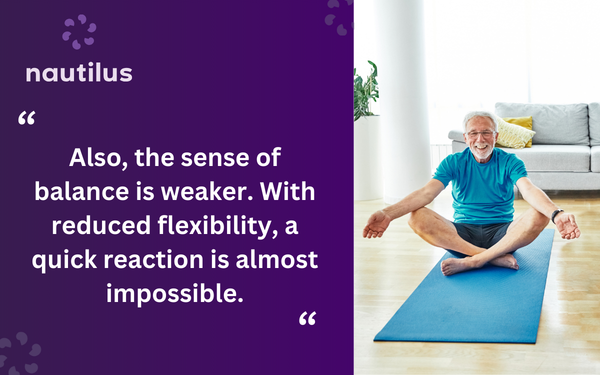
Also, the sense of balance is weaker. With reduced flexibility, a quick reaction is almost impossible.
Vision loss is another problem that can result in a fall. Seniors might not be able to see the obstacles, which results in tripping.

Seniors with chronic health conditions such as Parkinson’s, stroke, or arthritis are more vulnerable.

Also, the sedentary lifestyle is another major culprit. Lack of movement speeds up muscle weakness.

Medication side effects can be one of the reasons. Some causes of dizziness can increase the chances of falling.

And we shouldn’t forget about the environmental hazards. Poor lighting, clutter, and slippery surfaces pose a fall risk.

Even with a minor fall, seniors can get injured due to reduced flexibility.

​

Why Falls Are a Serious Concern for Seniors

Falls happen as a result of poor vision, weak muscles, health conditions, or medication side effects. Simple things, such as poor lighting or a loose rug, cause tripping.

Seniors can get seriously injured after a fall. Bruises and fractures take time to heal. However, the fear of falling again remains.

The fall leaves an emotional impact in the form of guilt, anxiety, and stress. They can lose confidence and may avoid daily activities.

​

Challenges of Recovery After a Fall

Managing recovery alone is challenging for seniors. Taking medication as directed, physical therapy appointments, eating healthy, and light activities are more difficult. Pain and stiffness make moving harder.

Many forget about the emotional aspect of falling. While injuries can heal, the fear and anxiety remain long after the fall.

Due to fear, seniors will limit their movement. However, this can slow the recovery process and cause stiffness.

Seniors need assistance to overcome such problems. However, they need constant care, and family members might not be able to keep it up. At this point, many consider getting professional help.

​

How In-Home Care Helps Seniors Recover After Falls

In-home care can help establish a recovery routine and maintain consistency. The caregiver provides one-on-one support that matches the doctor’s recommendations. Also, they help with the household tasks and personal care.

We can explain this with our own example. A lovely old lady fell down while going to the kitchen. After this, she was afraid to walk a few steps.

Our experienced caregiver visited her daily. Their kindness and reassurance helped her regain her confidence. She taught safe ways to navigate through the home. Soon she returned to her everyday activities.

​

Physical Therapy Appointments

Going to physical therapy as recommended by the doctor is important for recovery. While mobility and transportation can be a problem for seniors, their dedicated caregiver can help.

They will take the client to the clinic, help with walking, and attend to them during their therapy session. They ensure no appointment is missed and make the whole experience less stressful.

They will also take the notes from the physical therapist to continue the care at home.

​

Recovery Routine

Recovery after a fall can feel so overwhelming for seniors. The caregiver helps establish a recovery outline that matches the doctor’s recommendations.

A simple routine brings structure. They will have breakfast at the same time every day. The medicines will be taken accordingly.

Routine is very important for gaining back their confidence. Instead of staying in bed all day, they will start the day with a light and nutritious meal. The caregiver will then accompany them for a short walk to the living room. Then, they can rest to heal their body.

The familiar routine helps patients rebuild their confidence.

​

Mobility

After falling, seniors are afraid of falling again. This makes getting up so difficult for them.

A caregiver provides mobility support so they have the confidence needed. They help the individual stand up, go to the bathroom, and get up from bed.

The support is calm and steady, following the patient’s pace. Nothing is rushed. Knowing that their caregiver is there to support them, seniors will regain their confidence with small steps.

​

Daily Activities

The simple everyday activities can become a hassle after a fall. Suddenly, cooking a meal, getting dressed, and taking a shower are risky for them.

A caregiver can help with the daily activities, allowing seniors to stay as independent as they can. They will encourage them to do what they can, while helping with the rest.

​

Light Activity

If light movement is part of the recovery plan, the caregiver will encourage it. They follow the doctor’s recommendations and ensure gentle activity. Thai helps boost circulation and prevent stiffness.

The caregiver will support the client for a short walk to the kitchen. They will encourage light exercise when seated. Or they can help them do light stretches. Any activity is strictly done according to the patient’s condition and the doctor’s recommendations.

​

Medication Management

Changing the medication schedule can be overwhelming for recovering patients. They need to add new medicine and rearrange the current ones.

The caregiver helps them take medicine on time and as directed. Plus, they can monitor for any reactions after taking a new medicine.

​

Emotional Support

After a fall, seniors can feel frustration and fear. Knowing that their body isn’t the same with age can be so overwhelming. And they are afraid this might repeat.

The caregiver provides emotional support for healing patients. Their kind words and encouragement positively impact the recovery process. A simple conversation is what gives them reassurance. With time, they will regain confidence.

​

Home Safety

Every corner of the home can feel like a potential falling hazard. Caregivers step in to remove the risks and make the home feel secure for them.

They can remove loose rugs, keep walkways clear, and encourage safe habits. These small steps help prevent future falls but also make seniors feel safer in their own homes.

​

When to Consider In-Home Care After a Fall

​

The fall can be a turning point for the whole family. It reminds you that your loved ones are getting older. They aren’t as independent as they used to be, so more support is needed.

In-home care should be considered for the entire recovery period. It is a must if your loved one is struggling with their everyday activities.

A fall signals that their body is weaker, which means they need help. While in-home care can be used during the recovery period, it can also be long-term support. Caregivers can visit for a few hours a week to provide support.

These signs mean your loved one needs extra support:

  • Difficulty walking and standing
  • Fear of moving alone
  • Forgetfulness
  • Pain and stiffness
  • Decline in personal care

When to Seek Long-Term Care

As your loved one is aging, this question will open. Often, it is difficult for family members to understand the right moment when they need care.

You remember them being independent and cheerful. But as years pass, they need you more than ever.

After the recovery, you should watch out for any signs. Frequent falls mean their physical condition is declining. And chronic conditions slow down recovery. Also, they might avoid doing the everyday tasks.

​

Final Take

Recovery after a fall is difficult to manage for seniors and their families. They need professional assistance to ensure the recovery plan is met and proper emotional support is provided.

Don’t navigate through these challenges alone. Let a skilled caregiver help your loved one and guide them through the process.

Not sure what your next steps are? We’re here to help. Contact our team today to explore the care options!

Question Answer
When should in-home care start after a fall? As soon as mobility, confidence, or daily activities are affected, even for minor falls
Is in-home care only temporary? No, it can be short-term during recovery or long-term for ongoing support
Will caregivers encourage independence? Yes, caregivers assist only where needed while encouraging safe independence
Can caregivers help prevent future falls? Yes, through mobility support, home safety adjustments, and routine monitoring
How does in-home care help families? It eases caregiving stress while ensuring consistent, professional support

Preventing Hospital Readmissions with In-Home Care

​

Going home after a hospital stay is stressful for seniors and families. The recovery process continues at home, and often this is the most critical period.

The hospital focuses on treating the condition. And after discharge, the family is now responsible for everything from medication to food and hygiene.

Hospital readmissions are common among seniors. And many of them happen because the person did not receive the proper care at home. In-home care provides one-on-one support, which is crucial for recovery.

In this article, we explore hospital readmissions and the options for prevention. This can help families avoid the unnecessary trips back to the hospital.

Key Takeaway Why It Matters
The first 30 days after discharge are critical Most hospital readmissions occur due to gaps in post-discharge care
Medication mismanagement is a leading cause of readmissions Caregivers ensure correct dosing, timing, and monitoring for side effects
Seniors with mobility or cognitive issues are most at risk In-home care provides supervision and structured daily support
In-home care supports—not replaces—medical care It focuses on daily living, safety, and adherence to medical instructions
Fall prevention is essential after hospitalization Weakness after a hospital stay increases fall and injury risk
Nutrition and hydration speed up recovery Meal preparation ensures energy, healing, and strength
Emotional support affects physical recovery Reducing loneliness and anxiety improves overall outcomes
Care plans should be flexible Hours and services can change as recovery progresses

​

What Is a Hospital Readmission?

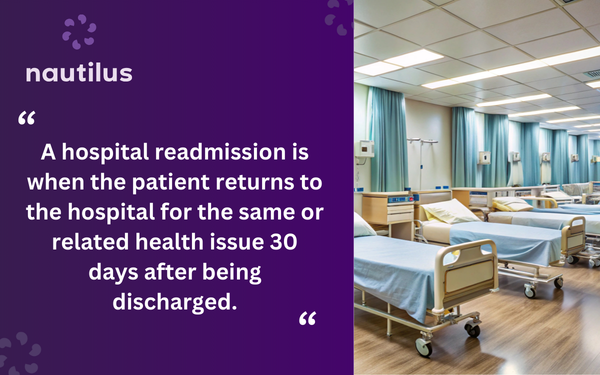
A hospital readmission is when the patient returns to the hospital for the same or related health issue 30 days after being discharged. About 16% of the hospitalized seniors have a readmission.

This means that the recovery care wasn’t done properly. And it can happen to everyone. Seniors with mobility issues and cognitive decline are the most vulnerable.

But how do readmissions happen? One of the reasons is that medications are not taken correctly. Or, the follow-up appointments are missed. Seniors with mobility issues can fall or get injured. Also, recovery instructions can be hard to manage alone.

The hard truth is that mature bodies heal at a slower rate. Chronic conditions also make it harder to manage everything. And family members work full-time jobs and don’t have enough time to dedicate to their loved ones.

At this point, in-home care is the perfect solution. It provides a seamless transition from hospital to home recovery.

Category Key Points Impact on Readmission Prevention
Hospital Readmissions Occurs within 30 days after discharge for the same or related issue; affects ~16% of seniors Highlights gaps in recovery care and need for structured home support
Common Causes Medication errors, missed follow-ups, falls, poor nutrition, unmanaged instructions Direct contributors to complications and hospital returns
Who Benefits Most Seniors living alone, those with mobility or cognitive issues, busy families Ensures consistent care and reduces risk factors during recovery
Medication Management Caregivers organize, remind, and monitor medications and side effects Prevents missed doses and adverse reactions
Doctor’s Instructions Support with diet, activity limits, and daily routines Improves compliance and recovery outcomes
Post-Discharge Monitoring Observation of pain, swelling, fatigue, or changes Early detection of issues prevents escalation
Mobility & Fall Prevention Assistance with walking, transfers, and home navigation Reduces fall-related injuries and readmissions
Nutrition & Hydration Meal prep and adherence to dietary guidelines Supports healing and overall strength
Follow-Up Appointments Reminders, transportation help, instruction follow-through Prevents missed care and complications
Emotional Support Companionship, reassurance, and mental well-being Improves morale and supports physical recovery
Family Support Professional backup for overwhelmed caregivers Reduces burnout and ensures consistent care
Routine & Environment Structured daily schedule and hazard-free home Enhances safety, predictability, and peace of mind
In-Home Care vs Home Health Non-medical daily support vs short-term medical services Combined use provides comprehensive recovery support
When to Start Care Ideally immediately after discharge; first 48–72 hours are critical Ensures smooth transition and reduces early complications

​

Why Prevent Hospital Readmissions?

Hospital stays can take a toll on one’s mental health. Leaving the familiar environment makes them feel stressed and anxious. Plus, it increases the risk of infections and confusion.

Readmissions also cost a fortune, even with insurance. That’s why it is crucial to prevent them.

​

Who Is In-home Care For?

In-home care is helpful for seniors living alone, so they can navigate through the recovery phase.

It is beneficial for seniors with dementia or memory issues who have been discharged after a procedure. Remembering to take medication and following the doctor’s notes is hard for them. A caregiver ensures they follow the recovery protocol.

In addition, in-home care is ideal for families that can’t provide constant care. They need professional support to overcome this period.

​

Preventing Hospital Readmissions With In-home Care

In-home care provides support for seniors who are back home from the hospital. It provides assistance whenever needed, at the comfort of their own home.

You will work closely with your agency to develop a personalized care plan that matches the individual’s needs and the doctor’s recommendations.

Agencies view the doctor’s note and have a conversation with the family to develop a care plan. The structured schedule supports recovery and safety.

​

Medicine Management

Poor medicine management is one of the common reasons for readmissions. Seniors often forget to take them. Or, they mix up their prescriptions. 

The caregiver will manage the medication to ensure no dose is missed, ensuring a faster recovery. Plus, they will monitor for any side effects or reactions.

​

Following the Doctor’s Instructions

Before discharging a patient from the hospital, the doctor gives instructions for home recovery. They provide dietary recommendations, activity limits, and medication schedules.

Seniors can have struggles with following the doctor’s note. While in-home care isn’t a replacement for medical care, it can assist patients with following the doctor’s advice. The caregivers work according to the recovery plan and support daily routines.

​

Post-discharge Monitoring

Caregivers are fully dedicated to the client. They will monitor any changes during the post-discharge period. Any swelling, fatigue, or pain can signal a problem. The caregiver can spot it on time and alert the family.

​

Fall Prevention

A hospital stay can make patients feel weaker.  This makes standing and walking more difficult than before.

One of the basic services of in-home care is mobility assistance. Caregivers help patients move safely around their home. This helps reduce the risk of falls, which prevents readmissions.

​

Proper Nutrition

The right nutrition helps patients recover faster. Meal prepping is one of the services involved in in-home care, which is crucial for recovery. The caregiver ensures the patient gets nutritious foods and is hydrated. Plus, they help them follow dietary guidelines recommended by doctors.

​

Helping with Follow-ups

Follow-ups ensure the recovery process is going as planned. Missing them can lead to complications and increase the risk of readmissions. 

Seniors can have a hard time remembering their appointments, so the caregiver can remind them. Plus, they can help with transportation and following the doctor’s notes.

​

Emotional Support

Recovering at home is stressful for seniors living alone. Loneliness, anxiety, and depression can kick in, which impacts physical recovery.

Having someone for emotional support makes a huge difference for them. A simple conversation can make them feel heard. The caregiver provides reassurance and emotional comfort.

​

Supporting Family Caregivers

While family members support their loved ones, sometimes they could use some help. Most of the day, they’re away due to work. Or, they feel overwhelmed.

In such cases, a professional can step in to offer help. This allows family members to recharge while knowing they have backup.

​

Routine

The caregiver establishes a routine for the patient, which helps create a sense of familiarity. The balanced daily schedule involves meals, sleep, medication, and exercise, according to the doctor’s note.

Having a predictable routine helps the patient feel in control. Plus, a balanced schedule ensures the medication is taken on time and rest time is respected. It also involves light activity if recommended by the doctor.

However, the routine isn’t rigid. It can be changed according to the patient’s needs and mood. The routine is meant to be supportive and provide peace of mind for families.

​

Safe Recovery Environment

A safe environment that reduces the risk of injury is crucial for recovery. The caregiver helps create clear walkways and removes hazards. The goal is to prevent any accidents that could result in readmissions.

​

Experienced Caregivers

In-home care is provided by caregivers who are experienced in post-hospital recovery. They understand the challenges that patients face after a hospital stay and have been trained to maintain safety.

Post-hospital In-home Care vs Home Health Care

Many think these two services are similar. But in reality, they aren’t. Home health care includes medical services such as wound care and physical therapy. While that is crucial for recovery, it does not include the non-medical services that are also important.

In-home care includes meal prepping, medication management, housekeeping, and grooming. It is focused on comfort and safety.

While home health care is short-term and prescribed by a doctor, in-home care isn’t. It can be short-term or long-term, depending on the patient’s needs.

Therefore, both services can be used at the same time. Home health care provides the needed medical help to treat the condition. At the same time, in-home services help with nutrition, housekeeping, adhering to the doctor’s advice, and mobility to aid recovery.

​

When Should In-Home Care Start?

A smooth transition from hospital to home is important for the patient. In-home care can start as soon as they get discharged.

So the best time to find an agency and arrange the care is before hospital discharge. The process takes some time, so planning ahead ensures a smooth transition. The caregiver will be ready to take over the patient from day one, ensuring the doctor’s advice is followed.

The first 48-72 hours are critical after hospital discharge. In the beginning, you can start with a few hours a day and take things from there. The in-home care service is provided on an hourly basis, and you can decide how much you need. With this, you also control the monthly cost.

The care plan is quite flexible, and you can make adjustments as the recovery progresses. Hours can be increased, reduced, or stopped. The agencies are always open to provide as much or as little support as you need to overcome the difficult period.

​

Final Take

Hospital readmissions might not always be avoidable. But with the right care plan, they can be prevented.

In-home care is helpful for seniors living alone or when family members need backup. Caregivers ensure the patient follows the doctor’s notes and takes medication as prescribed. Plus, they support their health with nutrition, hydration, and ensuring a safe environment.

If you have any questions regarding post-hospital care, we’re here for you. Contact us now, and we will help you!

Question Answer
What is a hospital readmission? A return to the hospital within 30 days for the same or related health issue after discharge
Can hospital readmissions be prevented? Many can be avoided with proper post-discharge support, monitoring, and routine care
Is in-home care medical care? No, it is non-medical support focused on daily living, safety, and recovery assistance
Can in-home care and home health care be used together? Yes, they complement each other by addressing both medical and non-medical needs
When should in-home care begin? Ideally immediately after hospital discharge, especially during the first 48–72 hours
How many hours of care are needed? Care is flexible and can range from a few hours a day to full-time support
Does in-home care help family caregivers? Yes, it provides relief, reduces burnout, and ensures consistent care
Can the care plan be changed? Yes, care plans are adjustable as recovery needs evolve

In-Home Care Statistics for Boca Raton, Florida

Life moves at a steady pace in Boca Raton. That’s why many seniors choose to age in place in this vibrant community. About 24.7% of Boca Raton’s population is aged 65 or older, which is significantly higher than the national average. This makes Boca Raton a popular destination for older adults who want to remain independent while enjoying a high quality of life.

Key Area Takeaway
Aging Population Nearly one in four Boca Raton residents is aged 65 or older, making it a senior-focused community.
Aging in Place Preference Most seniors prefer to remain at home, valuing independence, familiarity, and routine.
Caregiver Shortage Florida ranks last nationally in home health care worker availability, increasing demand pressure.
Family Caregiver Burden Most caregiving is unpaid, with many caregivers juggling full-time jobs and family responsibilities.
Financial Impact Caregiving often leads to reduced income, increased debt, and delayed personal healthcare.
Role of In-Home Care Professional in-home care supports seniors while easing emotional and physical strain on families.

Quiet neighborhoods, familiar routines, and morning walks by the beach are part of everyday life for seniors. But in most cases, it isn’t just the scenery that matters—it’s independence.

Waking up in their own bed and preparing meals in their own kitchen brings comfort and dignity. However, as people age, daily routines can become more difficult.

Families are often the first to step in. Unfortunately, many live out of state or work full-time, making consistent caregiving challenging.

In-home care has become a widely adopted solution in Boca Raton. It balances independence and support without placing additional strain on families.

Below, we present in-home care statistics for Boca Raton, Florida to help you understand just how common and necessary these services are.


Boca Raton Population Overview

Today, Boca Raton is home to more than 100,000 residents. While the city attracts families and young professionals, it is especially favored by retirees due to its warm climate, welcoming community, and calm neighborhoods.

Key Demographic Insights

  • 24–26% of residents are aged 65 or older, compared to a U.S. average of 16–17%
  • One in four residents is a senior
  • The median age is 46, higher than many U.S. cities
  • The population aged 75 and older continues to grow
  • Many seniors relocate to Boca Raton for:
    • Ocean access
    • Strong healthcare infrastructure
    • Walkable and accessible neighborhoods

Boca Raton has an older population not only compared to the U.S. overall, but even compared to much of Florida. As a result, in-home care services are essential to the community.

Category Statistic Key Insight
Senior Population (Boca Raton) 24–26% aged 65+ Much higher than the U.S. average of 16–17%
Median Age (Boca Raton) 46 years Indicates a stable, aging population
Residents 75+ Increasing yearly Reflects longer life expectancy and aging in place
Caregivers in Florida 4+ million adults (24%) Most caregiving is unpaid and unsupported
Working Caregivers 59% full-time employed Balancing jobs and caregiving increases burnout
Unpaid Care Value $40 million annually Major financial contribution by families
Home Health Workers Availability 16 per 1,000 seniors Florida ranks last nationwide
Early Deaths (65–74) +22–27% since 2019 Reverses prior improvements in senior health
Senior Poverty (U.S.) 5.6 million seniors 10% increase since 2019


Senior Health Statistics in Florida

According to the America’s Health Rankings 2023 Senior Report, Florida faces both strengths and challenges when it comes to senior health.

Strengths Among Florida Seniors

  • Strong community engagement
  • High use of hospice care
  • A high percentage of households with high-speed internet access

Ongoing Challenges

  • Florida ranks 50th in access to home care workers for seniors
  • High prevalence of chronic conditions
  • Limited availability of home health care workers
  • Low volunteerism rates among seniors

Despite these challenges, there are signs of improvement.

Concerning Trends

  • Early deaths among adults aged 65–74 increased by 27% between 2019 and 2021
  • Senior poverty rose by 8% between 2019 and 2021
  • High rates of falls and chronic illness persist
  • Florida remains last in the nation for home health care worker availability

These statistics point to a growing need for accessible in-home care services in Boca Raton.


Health and Well-Being of Older Adults Across the United States

The 2023 Senior Report by the United Health Foundation highlights nationwide trends affecting older adults.

National Aging Trends

For many years, aging in the U.S. was associated with steady improvements in health and safety. Since 2019, however, that trend has reversed.

  • Early deaths among adults aged 65–74 increased by 22%
  • Physical distress rose from 14.5% in 2020 to 15.8% in 2021
  • Daily activities have become more difficult for many seniors

Financial Insecurity Among Seniors

  • 5.6 million adults aged 65+ lived in poverty in 2021
  • This represents a 10% increase since 2019
  • Financial strain limits access to:
    • Food
    • Housing
    • Healthcare services

Care Infrastructure Challenges

  • Federal funding for senior centers declined by 23% since 2019
  • Drug-related deaths among older adults remain a concern
  • While caregiver availability is improving, access varies widely by state

States such as Utah, New Hampshire, Colorado, Minnesota, and Vermont currently rank highest for senior health.

As Americans age, home care plays a vital role in maintaining safety, dignity, and quality of life.


Caregiving in Florida

The Florida Caregiver Report provides insight into the realities faced by family caregivers across the state.

Scope of Caregiving in Florida

  • More than 4 million adults in Florida are caregivers
  • This represents 24% of the state’s population
  • Most caregiving is unpaid and unsupported

Caregiver Responsibilities

  • 59% work full-time jobs
  • 24% care for a child under 18 in addition to an adult
  • Many caregivers juggle:
    • Employment
    • Family responsibilities
    • Their own health needs

Financial Impact on Caregivers

  • Florida caregivers provide $40 million in unpaid care annually
  • 54% report negative financial consequences, including:
    • Stopping or using savings
    • Accumulating debt
    • Reducing work hours
    • Leaving jobs entirely

Access Challenges

  • 32% cannot find affordable local services
  • 34% have made home modifications to support loved ones

To address these challenges, Florida has introduced caregiver support programs offering planning assistance, training, and resources.


Home Health Care Workers in Florida

Florida has a critical shortage of home health care workers.

Workforce Availability

  • Only 16 home health care workers per 1,000 adults aged 65+
  • This ranks Florida last among all U.S. states

Impact on Families

  • Higher costs for in-home care services
  • Longer wait times to begin care
  • Fewer available hours of professional support
  • Increased reliance on family caregivers

Families are often forced to plan well in advance and provide more care themselves.


Perspectives From Caregivers and Workers

Family Caregivers

Family caregivers often struggle to balance care with their personal lives:

  • A daughter caring for a mother with mobility issues while working full time
  • A spouse providing daily care for a partner with dementia
  • A son becoming the primary caregiver due to lack of available help
  • Some caregivers delaying their own medical appointments due to lack of support

Direct Care Workers

Caregiving is demanding work that often leads to burnout.

Common challenges include:

  • Low wages
  • High stress levels
  • Limited benefits
  • Career turnover due to exhaustion

Many professional caregivers began as unpaid family caregivers. They entered the field to help others and later pursued training and certification. Despite challenges, helping people is what gives them job satisfaction.


Final Take

This article provides a clear picture of in-home care statistics for Boca Raton, Florida, highlighting both the strengths and challenges seniors and caregivers face.

As Boca Raton’s population continues to age, personalized in-home care remains one of the most effective solutions for seniors who wish to age in place safely and comfortably.

Caregiving can be exhausting—but families don’t have to do it alone.
Contact us today to learn more about your in-home care options in Boca Raton.

Question Answer
Why is in-home care popular in Boca Raton? Boca Raton has a large senior population that values independence, making aging in place a preferred option.
How common is family caregiving in Florida? About 24% of Florida’s adults provide unpaid care to a loved one, often without professional support.
Is it hard to find home care workers in Florida? Yes. Florida ranks last nationwide in the availability of home health care workers for seniors.
Does in-home care reduce caregiver stress? Yes. Professional caregivers help with daily tasks, allowing families to regain balance and peace of mind.
Will demand for in-home care continue to rise? Yes. An aging population, longer life expectancy, and caregiver shortages are driving continued growth.

How Much Does Home Care Cost in Boca Raton FL

The time has come, and your loved one needs assistance. They aren’t as independent as they used to be. Or, you are overwhelmed with being the main caregiver.

In such cases, family members will look for home care. And budgeting is one of the main concerns. The home care cost in Boca Raton FL reflects the cost of living. Other factors come into play, such as services included. However, it is still more affordable than facility care.

This article provides a detailed breakdown of the home care costs. This will help you plan your budget smartly and prepare you for the process.

Key Point What It Means for Families
Higher Local Costs Home care in :contentReference[oaicite:0]{index=0} costs more than many Florida cities due to living expenses and demand.
Hourly Pricing Model You only pay for the hours you need, making home care flexible and customizable.
Care Level Impacts Cost Basic personal care costs less, while specialized or advanced care increases the hourly rate.
24/7 Care Is Expensive Around-the-clock home care can exceed nursing home costs.
Other Care Options May Save Money Assisted living or nursing homes may be more cost-effective as care needs increase.
Financial Help Is Available Insurance, veterans benefits, and family caregiving can reduce out-of-pocket costs.

​

What Is Home Care?

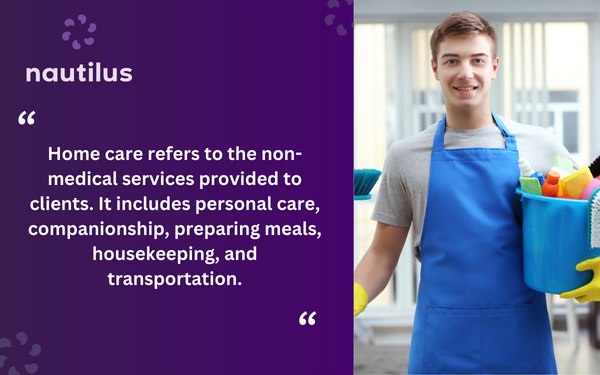
Before we move forward with the cost explanation, it is important to understand the service scope. Home care refers to the non-medical services provided to clients. It includes personal care, companionship, preparing meals, housekeeping, and transportation.

And keep in mind that this does not include medical services such as injections, wound care, and physical therapy. These types of services fall under home health care. Hence, they are billed differently.

Care Type Typical Hours Estimated Cost
Basic Home Care (Non-Medical) Hourly $22–$30 per hour
Specialized Home Care Hourly $31–$36 per hour
Part-Time Home Care 20 hrs/week $440–$600 per week
Full-Time Home Care 44 hrs/week $4,000–$4,500 per month
24/7 In-Home Care 168 hrs/week $17,000–$17,500 per month
Assisted Living Residential $4,500–$5,500 per month
Nursing Home (Private Room) 24/7 Medical Care ~$8,800 per month

​

Average Home Care Cost in Boca Raton FL

The cost for home care in Florida ranges from $22–$30 per hour. The final amount depends on location and provider. This range is for general assistance at home and does not cover medical services.

According to Caring, the home health care average cost is $25, which can include some medical services. At Home Seniors USA states the national average is $27.85/hr in Florida.

The final price is dictated by the services included. For specialized providers, expect to pay between $31–$36 per hour.

The average hourly cost for in-home care is about $33 per hour across the entire US.

But what does this mean for you? If your loved one requires simple services such as personal care, expect to pay less. If you require specialized care services, it will cost more.

​

What Influences Home Care Costs?

Home care is charged by the hour. It is a flexible service where you can get as many hours as you need, so the final price depends on this.

Based on average in-home care rates in Boca Raton, expect to pay $440–$600 per week for 20 hours of care. Whereas, full-time support with 44 hours can cost about $4,000–$4,500 per month.

For the ones that need constant support, the cost goes up. For 24-7 care with 168 hours per month, it will cost around $17,000–$17,500.

Local Factors That Impact Home Care Cost

  • Higher Living Costs
  • Strong Demand
  • Availability of Caregivers
  • Seasonal Changes
  • Local Regulations

​

Families should understand the local factors that impact the price. This helps you understand why the cost is higher in Boca Raton compared to other parts of Florida.

​

Higher Living Costs

The higher living costs are what’s responsible for the cost of in-home care in Boca Raton. Housing, transportation, and wages directly impact the hourly rates of caregivers.

​

Strong Demand

As already mentioned, Boca Raton is known for the senior population. As many of them prefer to age in place, the demand for in-home services grows. This increases the prices, and experienced, specialized caregivers charge more.

​

Availability of Caregivers

Licensed caregivers are in high demand in Palm Beach County. And keep in mind that agencies need to invest in training and certification for their employees. Plus, they conduct background screening.

​

All of these costs are reflected in the final price you pay.

​

Seasonal Changes

The seasonal residents return to Florida for the winter months. At that time, the population increases. Hence, the demand for services is higher.

​

Local Regulations

The home care sector in Florida is strictly regulated. This means that all agencies need to ensure compliance. This brings more operational costs for them, which reflects the prices.

​

Home Care Costs Across Florida

Home care pricing is usually discussed in different states. But it is important to highlight that the costs can vary within the state. Different cities are impacted by different factors, so expect to see variations.

South Florida has the highest home care rates. The large senior population increases the demand for these types of services. Plus, the living costs are higher.

Central Florida has moderate costs. The prices are in the middle range, as the living costs are lower than in South Florida.

The West Coast has lower starting rates. This is explained by the lower housing costs, large supply, and less seasonal fluctuation.

The local labor market, living costs, and caregiver availability impact the cost. For example, Orlando’s cost range is $17–$33.75/hr. The average is ~$24.8/hr.

Fort Lauderdale has a high demand for home care services and higher costs of living. Hence, the cost range is $18.75–$38.5/hr. The average price is $28.4/hr. The starting rate in Tampa is $19.5/hr.

​

Comparisons to Other Care Options

When planning to care for a loved one, it is important to compare the costs. There are different opinions available, and the price depends on how much care is required.

​

Home Care (Hourly)

Cost: $22–$30 per hour in Florida

This is a flexible option for individuals needing part-time assistance. It is ideal for seniors who are independent and don’t need constant support. It can also complement caregiving by family members.

24/7 In-Home Care

Cost: $17,000–$17,500 per month

The service includes constant support. Various caregivers are working in shifts to offer the needed help. While it allows clients to stay at home, it is the costliest option of them all.

​

Assisted Living

Cost: $4,500–$5,500

Assisted living provides housing, meals, assistance, and social interaction in a dedicated residential complex. However, it lacks the one-on-one dedication of home care. The cost across the states ranges between $4,500 and $5,500.

​

Nursing Homes

Cost: $8,800 per month

Nursing homes offer 24/7 support for individuals with complex needs. Nationwide, the average cost is $8,800 per month for a private room. Therefore, it is more affordable than 24/7 home care.

​

Verdict

Home care provides strong value when the client is independent and does not have complex medical needs. Since it is charged hourly, needing more frequent care costs more.

As needs change, you might need to adjust. As the need for care rises, assisted living might be a more feasible option.

And for more complex needs, 24/7 care is more expensive when compared to nursing homes.

​

Payment Options

  • Private Pay
  • Long-term Care Insurance
  • Veterans Benefits

​

Understanding the payment options available in Boca Raton helps you with planning and budgeting.

Home care can be paid through private pay, insurance, and limited public programs. Check in with your chosen provider for more information.

​

Private Pay

Non-medical home services are covered by clients. The families pay hourly, monthly, or weekly.

​

Long-term Care Insurance

Long-term care insurance can decrease the out-of-pocket costs. Make sure to check the policy terms, benefit limits, and elimination period. Also, you should have the needed documentation and ensure you work with approved providers.

​

Veterans Benefits

Veterans and surviving spouses can use their benefits to cover the costs. The program provides financial help for qualifying veterans.

​

Reducing Home Care Costs

Reducing the home care costs is possible with a few mindful adjustments. First, you can schedule care only for the hours when needed. Combine family caregiving with professional support to further reduce the costs. This is one of the ways many families save.

Also, don’t forget to check if your loved one is entitled to any benefits. Veterans and others with long-term care insurance can cut down costs.

And of course, check various agencies in Boca Raton. Do price comparison to obtain the best value for the money you pay.

Final Take

We hope this article helped you understand the home care cost in Boca Raton, FL and the factors that impact it. Also, we did a price comparison of different cities and options. This helps in budgeting and long-term planning.

We understand that the whole process is overwhelming for family members. And reaching out to a trusted agency is the first step. Contact us now, and we will clear any doubts you have!

Question Answer
How much does home care cost in Boca Raton? Most non-medical home care services range from $22–$36 per hour, depending on care needs.
Is home care cheaper than assisted living? Yes, for part-time needs. Full-time or 24/7 home care often costs more than assisted living.
Does home care include medical services? No. Home care is non-medical. Medical services fall under home health care and are billed separately.
Can insurance help pay for home care? Long-term care insurance may cover costs, depending on the policy and provider requirements.
Are veterans benefits accepted? Yes. Eligible veterans and surviving spouses may use VA benefits to help cover home care costs.
How can families reduce home care expenses? Limit care hours, combine family caregiving, compare agencies, and use available benefits.

In-Home Care in Boca Raton FL

​

In-home care is a wide scope of services offered to seniors and individuals with health needs who want to remain independent. And Boca Raton is a vibrant senior community, where many prefer to age in place. Therefore, there is a huge demand for this type of service.

We understand that you want the best for your loved ones. And in-home care in Boca Raton FL is a great option to provide them the support they need.

In this article, we go deeper into this topic. After reading this, you’ll understand if it is the right solution for your current situation.

Key Takeaway Why It Matters
In-home care supports aging in place Seniors can remain independent and comfortable in their own homes.
Services are flexible and personalized Care plans adjust to changing health needs and schedules.
Care is non-medical Ideal for individuals who need daily support but not skilled nursing.
Costs are lower than facility care Hourly rates allow better budget control compared to assisted living.
Licensed agencies ensure quality Licensing guarantees caregiver screening, training, and accountability.

​

In-home Care in Boca Raton FL Explained

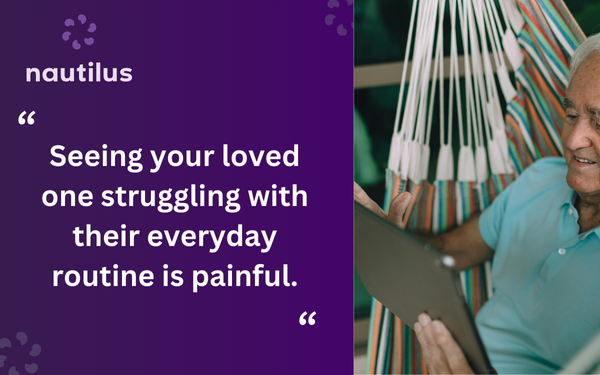
Seeing your loved one struggling with their everyday routine is painful. They don’t have the same physical abilities as in the past. Or, their mental health is declining. Chronic illnesses can also make it harder to deal with ordinary tasks.

At that point, you must be looking for help. A care home is a common solution, but it might not work for those who still want to keep their independence.

In-home care is provided in the client’s home. This includes all those non-medical services that support the person in their everyday activities.

The caregiver can assist with grooming, meal prepping, walking, or just be there for emotional support. The service is quite flexible and can be discussed beforehand with your agency.

Category Details Key Notes
What Is In-Home Care Non-medical care provided in the client’s home to support daily activities and independence. Flexible services tailored through an agency care plan.
Core Services Personal care, errands, emotional support, light housekeeping, meal prep, recovery and dementia care. Services vary by client needs and caregiver training.
Who Benefits Seniors, post-surgery patients, people with chronic or cognitive conditions, disabilities, and family caregivers. Supports aging in place and caregiver relief.
Cost in 2025 $18–$35 per hour depending on services, hours, and caregiver expertise. Generally more affordable than facility-based care.
Care Options Comparison In-home care vs assisted living vs independent living. In-home care offers one-on-one support and independence.
Choosing a Provider Licensing, training, personalized plans, flexibility, reviews, transparent costs, communication. Licensed Florida agencies ensure quality and accountability.
Local Resources AHCA, Florida Department of Elder Affairs, Area Agency on Aging, Palm Beach County Senior Services. Provide regulation, referrals, and senior support programs.

These are the basic services:

  • Personal care such as bathing, grooming, and dressing.
  • Errands and emotional support.
  • Light housekeeping and meal prepping
  • Recovery care
  • Dementia care

Who Needs In-home Care in Boca Raton FL?

In-home care is suitable for a wide range of individuals. The care plans are flexible, with both short-term and long-term options.

​

Seniors

Seniors in Boca Raton prefer to age in place. They want to stay in the comfort of their own home in neighborhoods such as East Boca, West Boca, Broken Sound, and Boca Del Mar.

In-home care allows clients to continue with their familiar routines while getting the support they need. Seniors can still visit local parks and community centers like usual, without their family members worrying.

​

Post-surgery Recovery Patients

Caregivers provide short-term services to help clients recover. They help with mobility, medication management, meal preparation, and safe recovery.

Patients with Chronic Conditions

Patients with chronic conditions such as arthritis, heart disease, or diabetes will benefit from long-term services. Caregivers help with medication and encourage healthy habits.

​

Patients with Cognitive Challenges

In-home care is ideal for patients with dementia. Staying in a familiar environment is very important, as they avoid stress caused by changes.

​

Individuals with Disabilities

Regular in-home care provides support for individuals with disabilities while allowing them to maintain their dignity.

​

Family Caregivers that Require Support

Family caregivers are exhausted and stressed. Many of them balance their full-time jobs and caregiving responsibilities.

Whenever they need to travel or simply take a break, they can turn to professionals for help. Family members can deal with their own challenges while ensuring their loved ones are supported.

​

Cost of In-home Care in Boca Raton FL in 2025

Any care services can be a strain on your budget. So, you would want to know the average price in Boca Raton for planning finances.

The good news is that this type of service is more cost-efficient than facility care.

The cost of in-home care in Boca Raton FL ranges from $18 to $35 per hour. This varies depending on the services included. For example, basic support services such as grooming, bathing and companionship cost less. On the other hand, post-surgery recovery can cost more.

The total price depends on factors like hours per week, needs, and caregiver training.

In addition, the living costs in Boca Raton are higher compared to other cities. Hence, the hourly rate is higher.

​

In-home Care vs Other Options

With many different care options available in Boca Raton, deciding can be challenging. It is important to note that in-home care is suitable for adults who need assistance but not full nursing care.

It allows them to remain in a familiar environment, which reduces stress. Unlike facility care, they provide one-on-one support.

The caregiver is fully dedicated to one client and their needs. The schedule is flexible and can be arranged with your agency. On the other hand, individuals enjoy greater independence.

Assisted living provides similar services, but in a communal environment rather than a home. This option is for those who need more support than just in-home care.

Independent living communities are another option. It is intended for active seniors who need socialization, transportation, and basic help with maintenance. However, services are limited, and this isn’t the right choice for individuals who need more support.

​

Choosing an In-Home Care Provider in Boca Raton FL

Availability and price are important factors for choosing an agency. However, they aren’t the only ones. Finding the right in-home care provider in Boca Raton FL requires a thoughtful approach.

Why? There is a wide range of agencies offering such services. On the other hand, there is a high demand for in-home care.

​

Licensing

The agencies in Florida should meet the local licensing requirements to operate as a business. The Florida Agency for Health Care Administration (AHCA) is the governing body. Any licenses should be checked with them.

The licensed agencies do caregiver training as one of the requirements. Also, they need to do background screening and follow health and safety protocols.

Obtaining services from a licensed provider is crucial. This enables consistency in quality and accountability.

​

Training and Experience

Clients can choose their dedicated caregiver based on their experience and availability. Some provide light personal assistance. Others are specialized in mobility support and dementia care.

​

Personalized Care Plan

Reputable agencies provide some degree of flexibility. They perform an initial assessment to determine the level of service needed.

The discussion involves medical conditions, daily routines, lifestyle preferences, and family involvement. Based on this, they develop a personal care plan that fully corresponds to your needs.

​

Flexibility

Not everyone needs the same service frequency. Some need it daily. Others might need only a couple of hours per week.

And it is important to note that things change and clients might need additional support than the initial plan. Ask whether your agency has the ability to cater to changes. This is crucial for seniors living alone and not having family members nearby.

​

Reviews

Before you commit to an agency, take some time to assess the general impression. Go beyond the testimonials and read some online reviews.

You can find additional info about the agencies, such as availability, caregiver kindness, payment terms, and other aspects. Plus, word of mouth is always welcome.

Remember that local reputation does matter. Agencies that serve Boca Raton understand the needs of local clients.

​

Understand Costs

Before you sign a contract, take some time to understand the costs. See what’s included in your price to avoid any misunderstandings later.

You’ll come across after-hours pricing and additional fees. Your provider can also assist in exploring long-term care insurance, veterans’ benefits, or private pay options.

​

Communication

Establishing clear communication is the top priority. Your provider should communicate respectfully. After all, you should feel comfortable letting them take care of your loved ones.

Always listen to your concerns and take a step back if something doesn’t sit right with you.

​

Local Resources for In-Home Care in Boca Raton

The Florida Agency for Health Care Administration (AHCA) regulates the agencies that provide care. They’re responsible for licensing the agencies and ensuring compliance.

The Florida Department of Elder Affairs offers programs intended for seniors aging in place. They provide information on the available agencies. The goal is to provide benefits for families, seniors, and caregivers.

The Area Agency on Aging of Palm Beach County is the local hub for senior support services. They provide referrals for agencies, caregiver training, and guidance on senior benefits.

Palm Beach County Division of Senior Services focuses on improving the quality of life. The focus is on wellness, nutrition, and transportation.

​

Final Take

In-home care services provide peace of mind for family members in Boca Raton. Your loved ones receive support in the comfort of their own home.

We understand that you have a lot of questions. We encourage you to reach out, and we will be happy to clear your doubts!

Question Answer
What does in-home care include? It includes personal care, companionship, errands, light housekeeping, meal prep, recovery support, and dementia care.
Is in-home care medical? No, in-home care is non-medical and focuses on daily living assistance.
How much does in-home care cost in Boca Raton? In 2025, hourly rates typically range from $18 to $35 depending on care needs and hours.
Who benefits most from in-home care? Seniors, post-surgery patients, individuals with chronic or cognitive conditions, and families needing caregiver support.
Can care plans change over time? Yes, reputable agencies offer flexible plans that evolve with the client’s needs.

What is In-Home Care?

Every person has their own routines. Making a morning coffee, preparing a meal, and getting ready for the day are more than just everyday tasks. They make a person feel independent and confident.

Key Takeaway Explanation
Addiction isn’t a willpower issue Substance use alters brain chemistry, making quitting far more complex than a simple choice.
Cravings are about relief, not pleasure Most cravings come from wanting to feel normal or escape discomfort, not from chasing a high.
Withdrawal increases relapse risk Physical and emotional withdrawal symptoms often push people back to using early on.
Sobriety requires lifestyle changes Long-term recovery involves routines, coping skills, and addressing underlying issues.
Support improves outcomes Treatment, therapy, and peer support significantly increase the chances of lasting recovery.

​

Age or health issues interfere with them, which impacts their daily functioning. Simple tasks can become difficult to manage alone.

​

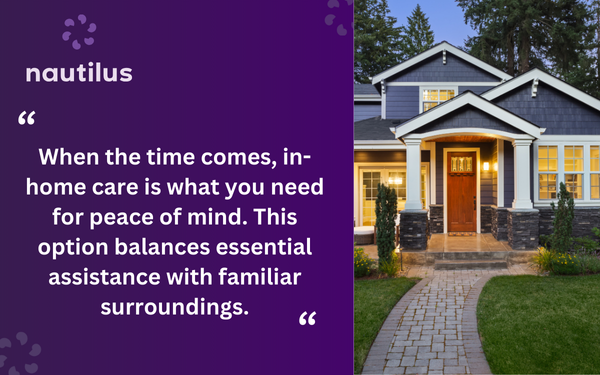
Family members work full-time, so they won’t be able to provide the needed support. When the time comes, in-home care is what you need for peace of mind. This option balances essential assistance with familiar surroundings.

​

We understand that families are facing difficult decisions. In this article, we explain more about this topic so you can decide if it fits your needs.

Test Type Typical Detection Window Key Notes
Urine 1–7 days (some drugs longer) Most commonly used test; detects many prescription drugs
Blood Hours to a few days Shorter detection window; shows recent use
Hair Up to 90 days Long-term use detection; not ideal for recent use

​

What is in-home care?

In-home care includes a wide variety of non-medical services meant to support seniors in their everyday lives. Skilled carers visit the person’s home, providing service at their convenience.

​

The scope and schedule are adjusted to the person’s needs. They provide personal care such as hygiene, dressing, transportation, and mobility. However, this covers additional services that improve the person’s quality of life, such as shopping, household work, and companionship.

​

And these services aren’t only reserved for the elderly. They’re available for anyone needing assistance, whether permanently or temporarily. For example, a person requires help during the recovery period after a surgery. Also, people with disabilities need help to keep up with their daily routine.

​

Difference Between Home Health Care and In-home Care

Both terms seem similar at first glance. However, there are differences in these services related to who provides them and who they’re intended for.

​

Home health care provides medical services ordered by a doctor. Provided by licensed nurses and therapists, they are intended for medical recovery. These are often covered by insurance.

​

On the other hand, in-home care covers the nonmedical services that support the person’s daily activities. These are usually covered privately.

​

Types of In-home Care Services

The in-home care service personnel are non-clinical. Their job is to support everyday living rather than medical treatment. They provide personal care, companionship, and homemaker services.

​

Personal care

The carers help in bathing, grooming, and dressing as part of the personal care tasks. They can also provide toileting and mobility assistance. Managing their medications is part of the job, too.

​

Companion Care

Individuals can feel isolated and alone. The carer provides emotional support as part of the package. With meaningful conversations and activities, they provide the needed social interaction.

​

Homemaker Services

A carer can take over those tedious household tasks. They can do laundry, prepare meals, go shopping, run errands, and do other light tasks to support the individual.

​

Benefits  

Finding the right care service for your loved one can be confusing. And there is no one-size-fits-all solution. In-home care focuses on supporting the individual without having them change their environment. The benefits are numerous, such as enhanced comfort, emotional support, personalized service, independence, and others.

​

Comfort

Comfort is one of the most important benefits of in-home care. Patients have a helping hand while enjoying the privacy and familiarity of their home. This is especially helpful for seniors aging in place.

​

Being in a familiar environment eases anxiety and stress. Plus, it eliminates the feeling of isolation.

​

Emotional Support

Having someone to rely on provides emotional support to individuals. They maintain social interaction, which fights the feeling of isolation.

​

No Adaptation Period

Every change can feel uncomfortable. And a room in a care home doesn’t provide the same coziness as home. With in-home care, your loved ones don’t have to go through the stressful process of adapting to a new environment.

​

Personalized Care

Carers have a tailored approach when delivering services. They understand the specific situation and provide a package that fully caters to their needs. Whereas, personalization is what care homes are lacking.

​

Independence

Individuals will stay at home and continue with their everyday routines. This helps them maintain control over their lives as much as they physically can. On the other hand, they would have to follow the strict schedules in a care facility.

​

Cost effectiveness

In a care facility, you need to pay a fixed monthly amount. In-home care can be adjusted to your needs and budget. People can get as much or as little care as they need.

​

Some need a few hours per day, or others need one day of the week. Every option can be discussed with your provider.

​

Peace of Mind

We understand that everyone has a busy life. Family members will receive additional help in caregiving, so they can focus on spending quality time with their loved ones.

​

Who Needs It

In-home care is mostly used by the elderly to navigate through the challenges of everyday life. However, it is available for anyone who needs it.

​

Family members as unpaid caregivers will benefit from these services. They can have a break and rest assured that their close ones still get the help they need.

​

People with chronic conditions also need support. With in-home care, they can stay in the home environment and receive care.

​

Patients who are recovering after surgery still need help. While the home health care covers their medical needs, they require emotional support and housekeeping.

​

People with disabilities or mobility issues can achieve a level of independence.

​

How Much Does In-home Care Cost

The average cost ranges from $24 to $43 per hour. The type of service and the location are the main factors that impact the price. That is reasonable, as the living costs determine the carer’s wage.

​

Minnesota and South Dakota are the most expensive when it comes to in-home care, with the highest national cost of $43. On the other hand, Mississippi’s cost is $24, and the District of Columbia’s is $25.

​

Some states require the staff to be certified. Therefore, the hourly rate goes up.

​

Signs Your Loved Ones Need In-home Care

Determining when a loved one needs additional support can be difficult. The change often happens gradually, so you can have trouble deciding when the right moment is. And remember that getting help on time can prevent emergencies.

​

Here are some basic signs that indicate a person needs assistance:

  • Struggling with daily activities
  • Poor hygiene
  • Frequent falls and mobility issues
  • Changes in mood
  • Forgetfulness

Caregiver burnout can be another important reason to turn to professionals. Providing care for a family member can be stressful and exhausting, especially if you have other responsibilities like a full-time job and children. In this situation, you’ll have a helping hand while still providing emotional support.

​

The Process

Getting in-home care consists of a few phases. Once you have selected a trusted agency, you should work closely with them to define the needs. Everything starts with an initial assessment, when the agency needs to get a better understanding of the situation.

​

Care Assessment

In-home care is a flexible solution that adjusts to your needs, so this is where it all starts. The team assesses the individual’s environment, activities, and physical condition. This is done to determine the level of support needed. The medical routines, personal care, mobility, and safety concerns are taken into consideration.

​

Personalized Care Plan

Once the team has a clear idea of the situation, they develop a personalized care plan. This includes the specific services that will be provided. It contains a precise outline of the daily tasks and health considerations.

While the plan is precisely defined, it isn’t definite. The individual’s needs can change, and the plan will be readjusted as needed.

Care Schedule

The service is scheduled according to the individual’s needs and budget. Some require a few hours of help with everyday tasks per week. Others might need it every day. So families will pay only for the care they need, with the possibility to adjust services if needed.

Assigning a Caregiver

The caregiver is assigned according to their skills, experience, and personality. Your agency carefully chooses the professional to ensure the highest quality of care.

Feedback

Care providers are a part of the whole journey. As needs change, they do regular checks to determine if the service fits them. Health conditions change, and additional support may be needed. In such cases, the care plan is adjusted to fit them.

Final Take

In-home care is an optimal solution for individuals who need support but still keep their independence. They can enjoy the familiarity and comfort of their own home, while the family has reduced stress.

Choosing the right level of care in their life is important for well-being. The flexibility of in-home care makes this a popular option for many.

If you need a trusted agency to support you in caregiving, you’re at the right place. We will work closely with you to make the right decision. Contact us now for personalized assistance!

Question Answer
Why can’t someone just quit if they want to? Addiction changes how the brain regulates stress, reward, and motivation, making stopping much harder than a simple decision.
Is quitting cold turkey dangerous? For some substances like alcohol or benzodiazepines, sudden withdrawal can be medically risky without supervision.
Does relapse mean treatment failed? No. Relapse is common and often signals that more support or different strategies are needed.
What helps people stay sober long term? Therapy, structured routines, coping skills, accountability, and peer or professional support.
Is asking for help a sign of weakness? No. Seeking help is one of the strongest and most effective steps toward recovery.

Person-Centered Elderly Care

Person-Centered Elderly Care

Understanding Person-Centered Care

In elderly care, person-centered care is a widely recognized approach that focuses on respecting the individuality of older adults and considering their preferences, needs, and values in decision-making processes (Springer Link). This approach aims to provide care that is tailored to the specific needs and desires of each person, recognizing them as unique individuals with their own life experiences and preferences.

The Importance of Individuality

Respecting the individuality of older adults is crucial in person-centered care. Each person has a unique set of experiences, values, and preferences that shape their identity. By acknowledging and valuing these individual characteristics, caregivers can establish a more meaningful and respectful relationship with older adults. This recognition of individuality helps to foster a sense of dignity, autonomy, and self-worth, enhancing the overall well-being of older adults.

Respecting Personal Preferences

In person-centered care, it is essential to respect the personal preferences of older adults. This includes considering their likes, dislikes, and choices when providing care and making decisions. By involving older adults in decision-making processes, their autonomy and independence are upheld, enabling them to actively participate in shaping their own care.

Respecting personal preferences also means understanding that older adults have the right to make choices in their lives. Whether it’s about daily routines, activities, or even the way they prefer to receive care, their preferences should be acknowledged and honored. This approach empowers older adults and promotes a sense of control and agency, which is vital for their overall well-being.

By understanding the importance of individuality and respecting personal preferences, caregivers can provide person-centered care that truly meets the unique needs and desires of older adults. This approach leads to positive outcomes, such as improved quality of life, higher levels of satisfaction with care, and enhanced psychological well-being for older individuals.

Benefits of Person-Centered Elderly Care

Person-centered care has gained recognition as a crucial approach in improving the quality of life and well-being of older adults, placing a strong emphasis on respecting individuality and personal preferences. By adopting this approach, caregivers can provide tailored care that meets the specific needs and desires of each individual. Let’s explore two key benefits of person-centered elderly care: improved quality of life and enhanced psychological well-being.

Improved Quality of Life

Research has shown that person-centered care in elderly settings leads to positive outcomes, including improved quality of life for older individuals. By focusing on the unique needs and preferences of each person, caregivers can create an environment that promotes independence, autonomy, and a sense of purpose.

Person-centered care recognizes the importance of maintaining older adults’ dignity and respect, allowing them to make choices about their daily routines, activities, and care options. This individualized approach enhances the overall well-being of older adults, fostering feelings of empowerment and control over their lives.

By tailoring care to the preferences of the individual, person-centered care also ensures that older adults receive the support they need while maintaining their personal identity and sense of self. This approach can help prevent feelings of helplessness, isolation, and depression, leading to a higher overall quality of life for older individuals.

Enhanced Psychological Well-being

Person-centered care also plays a vital role in promoting the psychological well-being of older adults. By recognizing and respecting their individuality and personal preferences, caregivers can create a sense of belonging and emotional security. This, in turn, fosters positive mental health outcomes.

When older adults feel heard, understood, and valued, they are more likely to experience increased self-esteem, improved mood, and reduced levels of anxiety and depression. Person-centered care acknowledges the importance of building meaningful relationships between caregivers and older adults, establishing trust, and promoting open communication.

Additionally, person-centered care emphasizes the involvement of older adults in decision-making processes regarding their care. This active participation empowers them to maintain a sense of control and autonomy, leading to a greater sense of satisfaction and fulfillment.

By embracing person-centered care, caregivers can enhance the psychological well-being of older individuals, promoting a positive and nurturing environment that supports their emotional needs.

Incorporating person-centered care principles into elderly caregiving can have a profound impact on the lives of older adults. By respecting their individuality, choices, and preferences, caregivers can create an environment that upholds their dignity, supports their well-being, and fosters a higher overall quality of life.

Implementing Person-Centered Care

To create a more respectful and individualized care environment for elderly residents, implementing person-centered care practices in nursing homes requires a shift in organizational culture and a commitment to training staff in person-centered approaches. This ensures that the unique needs and preferences of each individual are respected and prioritized.

Shifting Organizational Culture

Shifting the organizational culture is a fundamental step in implementing person-centered care. It involves creating an environment where the focus is on the individual and their well-being. This cultural shift requires a change in mindset and values, with a strong emphasis on treating each resident with dignity and respect.

Organizations can promote person-centered care by establishing policies and procedures that reflect the principles of individuality and respect. Leadership plays a crucial role in modeling person-centered values and encouraging staff to embrace this approach. By fostering a culture that values and supports person-centered care, organizations can create an environment where residents feel heard, understood, and empowered.

Training Staff in Person-Centered Approaches

Training staff in person-centered approaches is essential to ensure the successful implementation of person-centered care. This training empowers staff to see seniors as unique individuals with their own life stories, preferences, and needs. By developing a deeper understanding of each resident, caregivers can provide more personalized and meaningful care.

Person-centered care training equips staff with the skills and knowledge needed to build strong relationships with the elderly. It emphasizes active listening, empathy, and effective communication techniques. Through this training, caregivers learn to engage residents in decision-making processes, encouraging their active involvement in their own care.

Additionally, training caregivers in specialty areas such as Alzheimer’s care and fall prevention (24 Hour Cares) ensures that they are equipped to provide the best care to older adults. This specialized knowledge enables caregivers to address the specific needs and challenges of elderly residents, promoting their overall well-being.

Confidentiality and trust are vital aspects of person-centered care. Caregivers must maintain confidentiality to establish trust with the client and their family, protecting private information about the patient or their family. Effective communication skills are also crucial for caregivers, especially in situations where clients may have difficulty expressing their needs. Caregivers must be able to communicate clearly and maintain open lines of communication with the patient and their families.

By shifting the organizational culture and providing comprehensive training in person-centered approaches, nursing homes can create an environment that respects and celebrates the individuality of each elderly resident. This fosters a higher quality of care and enhances the overall well-being and satisfaction of the residents.

Key Principles of Person-Centered Care

Person-centered care is a widely recognized approach in elderly care that focuses on respecting the individuality of older adults, considering their preferences, needs, and values in decision-making processes (Springer). This approach recognizes that each person is unique and has the right to make choices in their life, promoting a sense of dignity and autonomy in their care.

Valuing Individual Perspectives

One key principle of person-centered care is valuing individual perspectives. This involves recognizing the older person as an individual with unique life experiences, preferences, and values. By taking the time to understand their perspective, caregivers can develop a more comprehensive understanding of their needs and tailor care accordingly.

Valuing individual perspectives also means actively listening to the older person and involving them in discussions about their care. This collaborative approach fosters a sense of empowerment and respect, ensuring that their voice is heard and their preferences are taken into account (PubMed). It is essential for caregivers to create an environment where older adults feel comfortable expressing their thoughts and concerns, and where their opinions are valued and respected.

Active Involvement in Decision-making

Another crucial principle of person-centered care is active involvement in decision-making. This principle recognizes that older adults should have the opportunity to actively participate in decisions about their care, to the extent that they are able and willing to do so.

In order to involve older adults in decision-making, caregivers should provide them with comprehensive and understandable information about their options and the potential outcomes of each choice. This enables them to make informed decisions that align with their goals, values, and preferences.

Active involvement in decision-making not only respects the autonomy of older adults, but it also promotes a sense of ownership and control over their care. This can have a positive impact on their well-being, as it empowers them to actively engage in their own health and promotes a sense of dignity and self-worth.

By valuing individual perspectives and actively involving older adults in decision-making, person-centered care creates a supportive and empowering environment that respects their autonomy and individuality. This approach acknowledges the importance of recognizing the older person as a unique individual and honoring their preferences, needs, and values in the care provided.

Person-Centered Care in Memory Care Settings

When it comes to providing care for individuals with memory-related conditions, person-centered care plays a crucial role in promoting their well-being and preserving their sense of self. In memory care settings, creating supportive environments and recognizing unique identities are essential aspects of person-centered care.

Creating Supportive Environments

In memory care facilities, creating a supportive environment is essential for individuals with memory-related conditions. These environments are designed to promote a sense of belonging and purpose in their daily lives (A Place for Mom). The physical layout of the facility should be dementia-friendly, with clear signage, calming colors, and familiar cues that help residents navigate their surroundings.

Additionally, staff members should receive specialized training in memory care to better understand the unique needs and challenges faced by individuals with memory loss. This training equips them with the skills to provide compassionate and individualized care, while also fostering a sense of security and comfort for residents.

Recognizing Unique Identities

Each person in memory care has a unique identity shaped by their personal history, beliefs, values, and preferences. Recognizing and honoring these individual identities is a key principle of person-centered care (PubMed). Caregivers should take the time to understand the individual’s life story, interests, and cultural background, as this knowledge can guide the development of personalized care plans.

By incorporating familiar routines, activities, and meaningful engagement into daily life, caregivers can help individuals with memory loss maintain a sense of identity and purpose. This might involve reminiscing through photo albums, participating in hobbies, or engaging in activities that align with their past interests and experiences (A Place for Mom).

By creating supportive environments and recognizing the unique identities of individuals in memory care settings, person-centered care enhances their quality of life and promotes a sense of dignity and well-being. It is through these practices that caregivers can truly honor and respect the individuality of each senior, allowing them to maintain their personhood and find joy and meaning in their daily lives.

Respecting Different Approaches to Caregiving

In the realm of caregiving, it is essential to recognize and respect the various approaches individuals take when providing care for their loved ones. Each caregiving situation is unique and complex, influenced by factors such as personal circumstances, available resources, and the specific needs of the care recipient. Avoiding judgement and encouraging supportive communities are key aspects of fostering understanding and empathy.

Avoiding Judgement

Criticism and judgment have no place in the caregiving journey. It is crucial to understand that caregivers make decisions based on their personal circumstances and the well-being of their loved ones. For example, some individuals may choose not to provide hands-on care but still actively participate in their loved ones’ care by managing from a distance and hiring outside help to meet their personal needs. This decision doesn’t diminish their love or commitment to their family members but rather demonstrates their self-awareness about their limitations.

Additionally, caregivers may make significant personal sacrifices, such as leaving their jobs to become full-time caregivers or rearranging their lives to provide care around the clock. These choices have both short- and long-term consequences and should be respected based on individual circumstances. It is important to remember that caregivers are doing their best within their unique situations, and their choices deserve understanding and support rather than judgment.

Encouraging Supportive Communities

Fostering a supportive caregiving community is vital for caregivers. Many caregivers go above and beyond in their roles, facing numerous challenges and often experiencing feelings of isolation and burnout. Encouragement, empathy, and shared experiences can make a significant difference in their well-being.

It is essential to provide encouragement and hope to fellow caregivers, even if one does not fully agree with their choices. Recognize the efforts they put forth and the love and dedication they have for their loved ones. Sharing experiences and stories can help caregivers feel less alone and provide them with valuable insights and strategies. By refraining from judgment and instead offering kindness and empathy, we can create a supportive environment that uplifts and empowers caregivers (AgingCare.com).

In conclusion, respecting different approaches to caregiving is crucial in recognizing the diverse and complex nature of caregiving situations. Avoiding judgement and embracing supportive communities can help caregivers feel understood, validated, and encouraged in their caregiving journey. By fostering understanding and empathy, we can create an environment where caregivers can thrive and provide the best care possible for their loved ones.

Maintaining Respect in Elderly Care

When it comes to elderly care, maintaining respect is of utmost importance in ensuring the well-being and dignity of older adults. Two key aspects of maintaining respect are confidentiality and the characteristics of the caregiver.

Confidentiality and Trust

Confidentiality plays a vital role in establishing trust between caregivers and older adults, as well as their families. Caregivers must maintain confidentiality to protect private information about the patient or their family, fostering an environment of trust and respect. Respecting the confidentiality of personal and medical information is crucial for maintaining the privacy and dignity of the elderly individuals being cared for.

Essential Caregiver Characteristics

To maintain respect in elderly care, caregivers should possess certain essential characteristics. These characteristics contribute to creating an environment that values and respects the autonomy, intelligence, and dignity of older adults.

  1. Acknowledging Individual Value: Caregivers should recognize that older adults, despite physical changes or health challenges, are still the same individuals with value and intelligence. Encouraging their participation in decision-making, allowing them to engage in activities they love, and actively listening to their thoughts and opinions are ways to demonstrate respect and recognize their autonomy.
  2. Effective Communication: Listening intently to older adults, paying attention to both verbal and non-verbal communication, is crucial for showing empathy and respect. Caregivers should be patient, as older adults may require more effort to express themselves clearly. This patience and attentive listening can provide insights into their needs and potential health issues (Active Senior Care).
  3. Preserving Dignity: Caregivers should find ways to help older adults maintain their dignity while assisting with daily activities they may struggle with, such as bathing, dressing, and eating. Encouraging independence whenever possible and respecting their privacy by allowing them to perform tasks themselves enhances their dignity and sense of self-worth.

Research has shown that elderly individuals value respect and dignity in their interactions with caregivers. Upholding the principles of person-centered care, which prioritize autonomy and dignity, is essential for providing the level of respect that older adults deserve.

By maintaining confidentiality and embodying the essential characteristics of a caregiver, it is possible to create an environment that promotes respect and enhances the well-being of older adults. Through these actions, caregivers can ensure that elderly individuals receive the care they deserve while preserving their dignity and autonomy.

Sources

Active Senior Care

AgingCare.com

A Place for Mom

Outdoor Activities for Senior Wellbeing

Outdoor Activities for Senior Wellbeing

The Benefits of Nature Therapy for Seniors

Nature therapy, specifically engaging in outdoor activities, can have numerous benefits for seniors. These activities contribute to improving mental well-being, reducing feelings of loneliness, and enhancing emotional health.

Improving Mental Well-being

Participating in outdoor activities within a natural environment has been shown to positively impact the mental well-being of seniors. According to a study published in ScienceDirect, nature therapy, including outdoor activities such as gardening, can reduce depression, lower stress levels, and improve overall mental health. Being surrounded by nature and engaging in activities like gardening allows seniors to connect with the natural world, which can promote a sense of calmness and tranquility. This connection has a positive impact on their mental well-being, leading to improved mood and a greater sense of happiness.

Reducing Feelings of Loneliness

Feelings of loneliness and social isolation can be prevalent among seniors. However, participating in outdoor activities can decrease these feelings and improve overall mental health. Engaging with nature and spending time outdoors provides opportunities for social interactions and connections with others who share similar interests. This social engagement helps combat loneliness and fosters a sense of belonging and community. Whether it’s joining a gardening club, taking nature walks with friends, or participating in outdoor group activities, the presence of companionship and shared experiences promotes a sense of connection and reduces feelings of isolation.

Enhancing Emotional Health

Engaging in outdoor activities, such as gardening, can provide seniors with a sense of purpose and accomplishment, contributing to their emotional well-being and overall satisfaction in life. The act of nurturing plants, witnessing their growth, and creating a beautiful outdoor space can bring a sense of fulfillment and joy. This sense of purpose can boost self-esteem, increase feelings of positivity, and enhance emotional health (ScienceDirect). Additionally, being in a natural environment and immersing oneself in the sights, sounds, and smells of nature can evoke a range of positive emotions, including relaxation, serenity, and happiness.

Incorporating nature therapy and outdoor activities into the lives of seniors can have profound positive effects on their mental well-being, combat feelings of loneliness, and enhance emotional health. By connecting with nature and engaging in meaningful outdoor experiences, seniors can experience improved overall well-being, leading to a higher quality of life.

Outdoor Activities for Senior Wellbeing

Engaging in outdoor activities is a wonderful way for seniors to connect with nature and improve their overall wellbeing. Here are three outdoor activities that can greatly benefit seniors:

Gardening and Yard Work

Gardening and yard work offer a multitude of benefits for seniors. According to ScienceDirect, nature therapy, including activities like gardening, can positively impact the wellbeing of seniors by reducing depression, lowering stress levels, and enhancing social connections.

For seniors, gardening provides a sense of accomplishment and purpose, contributing to their emotional well-being and satisfaction in life. It allows them to connect with the natural world, nurturing plants and watching them thrive. Gardening also provides an excellent opportunity for light physical activity, promoting mobility and strengthening muscles.

Nature Walks and Forest Bathing

Nature walks and forest bathing have gained significant recognition for their therapeutic benefits. According to Nature, forest bathing, which involves taking in the forest atmosphere, has been recognized as a preventative and curative approach for stress reduction, anxiety management, and mood improvement. It can significantly contribute to overall mental health and cognitive functioning.

Seniors who engage in outdoor activities like nature walks can experience decreased feelings of loneliness and improved mental health (ScienceDirect). These activities offer a chance to immerse oneself in the beauty of nature, providing a sense of tranquility and rejuvenation. They also promote physical activity and encourage seniors to maintain an active lifestyle.

Engaging in Meaningful Activities

Engaging in meaningful outdoor activities tailored to the interests and abilities of seniors can have a profound impact on their overall wellbeing. It could involve activities like bird-watching, nature photography, or even volunteering for environmental conservation projects. By participating in activities that align with their passions and values, seniors can experience a sense of purpose and fulfillment.

Engaging in meaningful activities in outdoor settings allows seniors to enjoy the benefits of nature therapy, such as reduced stress, improved mood, and enhanced overall wellbeing. It also provides opportunities for social interaction and connection with others who share similar interests, fostering a sense of community.

By incorporating gardening, nature walks, and engaging in meaningful activities into their routines, seniors can reap the numerous benefits of outdoor activities. These activities not only promote physical health and mobility but also contribute to mental and emotional wellbeing, allowing seniors to enjoy the beauty of nature while enhancing their overall quality of life.

Physical Health Benefits of Outdoor Activities

Engaging in outdoor activities as part of nature therapy provides numerous physical health benefits for seniors. These activities not only promote an active lifestyle but also contribute to overall well-being. Let’s explore some of the specific physical health benefits associated with outdoor activities.

Cardiovascular Health

Regular participation in outdoor activities can have a positive impact on cardiovascular health. Access to green spaces and outdoor environments promotes physical activity among seniors, leading to improved cardiovascular health and reduced risk of chronic diseases (ScienceDirect). Activities such as brisk walking, hiking, or biking can help strengthen the heart, improve circulation, and maintain healthy blood pressure levels. By incorporating these activities into their routine, seniors can enhance their cardiovascular fitness and overall well-being.

Bone Health and Vitamin D

Spending time outdoors exposes seniors to natural light, which plays a crucial role in bone health. Sunlight is a primary source of Vitamin D, essential for the absorption of calcium and the maintenance of strong bones. Engaging in outdoor activities increases exposure to sunlight, aiding in the synthesis of Vitamin D. This, in turn, promotes bone health and reduces the risk of conditions such as osteoporosis.

Improving Sleep Quality

Participating in outdoor nature activities can positively impact sleep quality for seniors. Exposure to natural light helps regulate sleep patterns, promoting better sleep and overall sleep quality (The Helper Bees). Adequate restful sleep is crucial for physical and mental well-being, and engaging in outdoor activities can contribute to a more restorative sleep experience. By spending time outdoors, seniors can establish healthier sleep routines and enjoy the benefits of improved sleep.

It is important to note that when participating in outdoor activities, seniors should take appropriate safety precautions, especially in cold weather conditions. Understanding cold weather safety measures and recognizing the signs of hypothermia can ensure a safe and enjoyable experience outdoors.

Incorporating outdoor activities into seniors’ lives not only provides physical benefits such as increased mobility and strengthened muscles but also offers mental health advantages like reducing feelings of depression and anxiety. Engaging in nature therapy can lead to improvements in both emotional and physical well-being, making it an excellent addition to senior care programs.

The Role of Nature-Based Interventions

Nature-based interventions play a significant role in promoting the well-being of seniors. These interventions encompass various outdoor activities that harness the power of nature to improve mental health, social connections, and overall psychological well-being. Let’s explore three key aspects of nature-based interventions: sensory stimulation and cognitive function, social interaction and connection, and psychological benefits of nature therapy.

Sensory Stimulation and Cognitive Function

Engaging with nature provides seniors with a wealth of sensory stimulation, which can have positive effects on cognitive function. According to studies, nature-based therapy has been shown to improve mental well-being and connectedness to nature, while decreasing depression scores. Being outdoors in nature can decrease depression and increase mental well-being (NCBI).

The sights, sounds, and smells of nature help stimulate the senses, promoting cognitive engagement and enhancing cognitive function. The abundance of natural stimuli in outdoor environments can improve attention, memory, and overall cognitive performance in seniors. Whether it’s the vibrant colors of flowers, the sound of birds chirping, or the scent of fresh air, these sensory experiences contribute to a more stimulating and enriching environment.

Social Interaction and Connection

Nature-based interventions also provide opportunities for seniors to engage in social interaction and foster meaningful connections. Participating in outdoor activities such as group nature walks or gardening allows individuals to bond with others who share similar interests. This social interaction can help combat feelings of loneliness and isolation, which are common among seniors.

Group activities in natural settings create a sense of community and belonging, providing a platform for seniors to connect with others, share experiences, and build relationships. These social connections contribute to improved mental well-being and a greater sense of support and belonging.

Psychological Benefits of Nature Therapy

Nature therapy offers a range of psychological benefits for seniors. Research has shown that nature-based interventions positively affect individuals with mental health disorders, improving self-esteem, reducing healthcare consumption, and increasing mental well-being and engagement. Connectedness to nature is associated with subjective perceptions of happiness, well-being, physical and mental health, and life satisfaction (NCBI).

Spending time in nature has a calming effect on the mind, reducing stress and anxiety. The serene and peaceful environment of natural settings promotes relaxation and emotional well-being. Nature therapy can also foster a sense of awe and wonder, providing a perspective that transcends everyday worries and concerns.

By immersing themselves in the beauty of nature, seniors can find solace, rejuvenation, and a sense of purpose. Nature-based interventions offer a holistic approach to improving the overall psychological well-being of seniors, allowing them to reap the benefits of the natural world around them.

Incorporating nature-based interventions into senior care programs can have a profound impact on the mental health and well-being of older adults. By recognizing the importance of sensory stimulation, social interaction, and the psychological benefits of nature therapy, we can create opportunities for seniors to thrive and experience the healing power of nature.

Safety Considerations for Outdoor Activities

When engaging in outdoor activities, it’s important to prioritize the safety and well-being of seniors, especially when it comes to cold weather conditions. Older adults are more susceptible to the effects of cold weather, and certain precautions should be taken to mitigate the risk of hypothermia and other cold-related health issues (NIH National Institute on Aging).

Cold Weather Safety for Seniors

Older adults are more likely to have certain chronic medical conditions that make it harder to stay warm, such as poor blood circulation, which increases the risk of frostbite due to exposure to temperatures below freezing. To ensure the safety of seniors during cold weather, the following precautions should be taken:

  1. Dress warmly: Layer clothing to trap body heat and protect against the cold. Wear a hat, gloves, and a scarf to cover exposed areas.
  2. Stay dry: Wet clothing can accelerate heat loss from the body. It’s important to stay dry and change into dry clothes if they become damp or wet.
  3. Avoid prolonged exposure: Limit time spent outdoors in extremely cold temperatures, especially when wind chill is a factor. Seek shelter and warmth when necessary.
  4. Stay hydrated: Dehydration can impair the body’s ability to regulate temperature. Drink plenty of fluids, even if you don’t feel thirsty.
  5. Use proper footwear: Wear insulated and waterproof footwear with good traction to prevent slips and falls on icy surfaces.
  6. Plan ahead: Check weather forecasts before heading outside and avoid outdoor activities during severe weather conditions. Consider rescheduling or finding indoor alternatives.

Hypothermia Prevention and Recognition

Hypothermia occurs when the body’s core temperature drops below 95°F, leading to serious health problems like arrhythmia, heart failure, and damage to the kidneys or liver. It’s crucial to be aware of the signs and symptoms of hypothermia and take immediate action if they are observed.

Early symptoms of hypothermia include shivering, confusion, slurred speech, and drowsiness. As the condition worsens, one may experience stiff and jerky movements, slow heartbeat or breathing, loss of consciousness, and even death. If someone is showing signs of hypothermia, it’s important to take the following steps:

  1. Call for help: Dial emergency services (911) immediately for professional medical assistance.
  2. Move to a warmer place: If possible, relocate the person to a warm and sheltered area away from the cold environment.
  3. Offer warm fluids: Provide a warm drink, such as a warm beverage or soup, to help raise the person’s body temperature.
  4. Wrap in warm blankets or clothing: Use dry blankets, towels, or coats to insulate the person and prevent further heat loss.

It’s important for caregivers and companions to be vigilant and proactive in recognizing the signs of hypothermia, particularly in cold weather conditions. Taking prompt action can significantly improve the chances of a positive outcome.

While outdoor activities are beneficial for senior well-being, it’s crucial to prioritize safety, especially in cold weather. By following these safety considerations and taking appropriate precautions, seniors can enjoy the benefits of nature therapy while minimizing the risks associated with cold temperatures.

Incorporating Nature Therapy into Senior Care

As the benefits of nature therapy for seniors become increasingly recognized, incorporating nature-based activities into senior care programs is gaining popularity. Nature therapy programs provide a range of advantages for seniors, promoting their mental health and well-being, enhancing social connections, and improving overall quality of life.

The Importance of Nature Therapy Programs

Nature therapy programs offer seniors the opportunity to engage in outdoor activities that provide numerous benefits for their physical and mental health. These programs prioritize the well-being of seniors by creating structured activities that cater to their specific needs and abilities. By incorporating nature therapy into senior care, it becomes possible to harness the positive effects of spending time in nature, improving the overall health and happiness of seniors.

Promoting Mental Health and Well-being

Engaging in outdoor activities as part of nature therapy has been shown to have a positive impact on mental health and well-being for seniors. Spending time in nature reduces stress, improves mood, and lowers feelings of depression and anxiety (The Helper Bees). Nature therapy provides a sense of calmness and tranquility, allowing seniors to escape from the pressures of daily life and find solace in the beauty of the natural world.

Enhancing Social Connections and Quality of Life

One of the significant advantages of nature therapy programs is the opportunity for seniors to connect with others and foster social connections. Participating in group nature walks, gardening activities, or other outdoor experiences creates a supportive and social environment where seniors can bond with like-minded individuals (The Helper Bees). These interactions reduce feelings of isolation and loneliness, improving overall mental well-being and enhancing the quality of life for seniors.

Nature therapy programs also provide a sense of purpose and meaning for seniors. Engaging in meaningful activities such as gardening or conservation efforts instills a sense of accomplishment and fulfillment. This sense of purpose contributes to a greater sense of well-being and overall satisfaction with life.

By incorporating nature therapy into senior care, organizations and caregivers can create tailored programs that harness the benefits of outdoor activities. These programs not only improve mental health and well-being but also enhance social connections, provide a sense of purpose, and ultimately improve the overall quality of life for seniors.

Sources

NIH National Institute on Aging

NCBI

ScienceDirect

The Heart of Home Care: Compassionate Caregivers

The Heart of Home Care: Compassionate Caregivers

The Heart of Home Care: Compassionate Caregivers

Compassionate caregivers are at the core of home care services, providing essential support to individuals in need. Understanding their role and recognizing the importance of compassion in home care is crucial for delivering high-quality care.

Understanding the Role of Caregivers

Caregivers in the home care setting play a critical role in assisting individuals who require support with daily activities and medical needs. They provide a range of services, including private-duty nursing, companion care, and assistance with personal care tasks. These caregivers are often the primary point of contact for patients, offering emotional support, companionship, and ensuring their overall well-being.

Their responsibilities may include helping with medication management, meal preparation, mobility assistance, hygiene care, and monitoring vital signs. Compassionate caregivers approach their role with empathy, recognizing the unique needs and preferences of each individual they care for.

The Importance of Compassion in Home Care

Compassion lies at the heart of home care, as it fosters trust, empathy, and understanding between caregivers and their patients. Compassionate caregivers go beyond professional responsibilities, showing genuine care and kindness to enhance the overall experience of those under their care.

Studies have shown that compassion in healthcare is highly valued by patients, contributing to their overall satisfaction and well-being. Patients emphasize the importance of feeling heard, respected, and understood by their caregivers. When caregivers prioritize compassion, they create a supportive and comforting environment, promoting a sense of security and trust.

Compassion also has a positive impact on patient outcomes. It has been associated with reduced symptom burden, improved quality of life, and enhanced quality-of-care ratings (Indeed). On the other hand, a lack of compassion in healthcare has been linked to increased patient complaints, healthcare costs, and adverse medical events (Source).

Recognizing the importance of compassion in home care is crucial for fostering a positive caregiving experience, promoting overall well-being, and maintaining the dignity and independence of individuals in need of care. By valuing compassion and prioritizing its integration into home care services, caregivers can make a significant difference in the lives of those they assist.

Qualities and Skills of Compassionate Caregivers

Compassionate caregivers play a vital role in providing home care and offering support to individuals in need, whether it’s private-duty nursing or companion care after a hospital stay (VNS Health). Possessing certain qualities and skills, these caregivers ensure the well-being and enhance the quality of life for those they care for. Let’s explore the essential qualities and skills that compassionate caregivers should possess.

Compassion and Empathy

Compassion and empathy are fundamental qualities that compassionate caregivers embody. Having a caring heart and genuinely understanding the emotions and experiences of the individuals they care for are crucial in establishing a strong caregiver-patient relationship (At Home Healthcare). By demonstrating empathy, caregivers can provide emotional support, comfort, and reassurance to individuals during challenging times.

Effective Communication

Effective communication is a key skill that compassionate caregivers should possess. Clear and compassionate communication allows caregivers to understand the needs and preferences of the individuals they care for, ensuring that their care is tailored to their specific requirements. Caregivers who are skilled in active listening and are able to express themselves clearly and respectfully can foster trust, understanding, and open channels of communication.

Problem-Solving and Adaptability

Caregiving often involves encountering unexpected challenges and situations. Compassionate caregivers exhibit problem-solving skills and adaptability, allowing them to handle difficult situations with resilience and creativity. They can think critically, identify solutions, and adapt their approach to meet the evolving needs of individuals under their care. Being flexible and adaptable helps caregivers provide personalized care and maintain a safe and comfortable environment.

By combining these qualities and skills, compassionate caregivers contribute to the overall well-being of the individuals they care for. They create a supportive and nurturing environment, ensuring that the care provided is compassionate, tailored, and enhances the quality of life for those in need of assistance.

The Impact of Compassion in Healthcare

Compassion plays a vital role in healthcare, and its importance has garnered increasing attention from researchers, educators, clinicians, policy makers, patients, and families over the past decade. In this section, we will explore the impact of compassion in healthcare, including patient perspectives, positive outcomes, and the need to address the lack of compassion.

Patient Perspectives on Compassion

Patients strongly emphasize the significance of compassion in their overall quality of care. The experience of compassion from healthcare providers can have a profound impact on patients’ well-being and satisfaction. Compassionate care helps patients feel seen, heard, and valued, fostering a sense of trust and comfort (PubMed).

Positive Outcomes of Compassionate Care

Compassion in healthcare has been associated with numerous positive outcomes for patients. Studies have shown that compassionate care can lead to reduced patient symptom burden, improved quality of life, and enhanced quality-of-care ratings. When patients receive compassionate care, they often experience better emotional well-being, increased satisfaction, and improved trust in their healthcare providers (PubMed).

Addressing the Lack of Compassion in Healthcare

Despite the recognized importance of compassion in healthcare, there is room for improvement in its provision. A lack of compassion has been associated with increased patient complaints, healthcare costs, and adverse medical events. It is crucial to address the barriers that hinder the consistent delivery of compassionate care. Healthcare systems should prioritize promoting a culture of compassion, providing appropriate training and support for healthcare professionals to enhance their compassionate skills (PubMed).

To bridge the gap, interventions and training programs tailored towards improving compassion in healthcare are necessary. By incorporating patient perspectives and focusing on evidence-based practices, healthcare professionals can enhance their ability to deliver compassionate care, ultimately benefiting patients and improving healthcare outcomes (PubMed).

Compassion is not merely a soft skill but a fundamental aspect of healthcare that serves as a cornerstone of high-quality, patient-centered care. By prioritizing and cultivating compassion in healthcare settings, we can create a more supportive and empathetic environment that positively impacts patients’ well-being and overall healthcare experience.

Enhancing Compassion in Home Care

Compassion plays a vital role in home care, as it creates a nurturing and supportive environment for both caregivers and patients. To enhance compassion in home care, several key strategies can be implemented, including training and education for caregivers, creating supportive work environments, and fostering relationships and connection.

Training and Education for Caregivers

Providing comprehensive training and education for caregivers is essential in cultivating compassion and empathy. Caregivers should be equipped with the necessary knowledge and skills to understand the unique needs of their patients and provide compassionate care (Community Homecare).

Training programs can focus on various aspects, such as communication techniques, active listening, emotional intelligence, and cultural sensitivity. By enhancing their understanding and empathy, caregivers can better connect with their patients and deliver care that is tailored to their individual needs.

Creating Supportive Work Environments

The work environment plays a significant role in promoting compassion among caregivers. It is crucial to establish a supportive and empathetic workplace culture that values the well-being of caregivers. This can be achieved by offering emotional support, recognizing and appreciating their efforts, and providing opportunities for self-care and stress management.

Organizations can also implement policies and procedures that prioritize the physical and mental health of caregivers. This includes reasonable workloads, flexible schedules, and access to resources that promote self-care. By prioritizing caregiver well-being, organizations can foster an environment where compassion can thrive.

Fostering Relationships and Connection

Building strong relationships and connections between caregivers and patients is fundamental for compassionate care. Caregivers should actively engage with their patients, taking the time to understand their preferences, needs, and concerns. By cultivating a genuine connection, caregivers can create a safe and trusting environment.

Encouraging open communication and active listening is essential in fostering these relationships. Caregivers should be attentive to patient feedback and actively involve patients and their families in decision-making processes. This collaborative approach empowers patients, increases their satisfaction, and strengthens the caregiver-patient bond.

By learning from patient experiences and continuously improving their caregiving practices, caregivers can provide compassionate care that positively impacts patients’ overall well-being.

Compassion is the heart of home care. By prioritizing training and education for caregivers, creating supportive work environments, and fostering relationships and connection, the quality of care can be significantly enhanced. Incorporating these strategies into home care practices ensures that both caregivers and patients experience the compassion and empathy they deserve.

The Role of GitHub in Home Care Documentation

In the realm of home care, proper documentation plays a crucial role in maintaining clarity, organization, and consistency. GitHub, a popular platform for code collaboration and version control, offers advanced formatting features that can be leveraged effectively in home care documentation. These features enhance readability, engagement, and understanding for both caregivers and users alike.

Leveraging GitHub’s Advanced Formatting Features

GitHub provides various tools and functionalities that can be utilized to create visually appealing and organized documentation for home care projects. Caregivers can take advantage of these features to ensure that their documentation effectively conveys important information and instructions.

Using Code Blocks and Syntax Highlighting

One valuable feature offered by GitHub is the ability to use code blocks and syntax highlighting. Caregivers can utilize this feature to include code snippets within their documentation, allowing for clear and concise explanations of complex processes or procedures. By incorporating code snippets in a well-structured manner, caregivers can enhance the understanding of users and facilitate the implementation of care strategies.

Syntax highlighting, another powerful feature, enables the presentation of code snippets in different programming languages with color-coded formatting. This makes it easier for caregivers and users to distinguish between different elements within the code, improving comprehension and reducing errors. Whether it’s showcasing a medication schedule or outlining a care plan, syntax highlighting can enhance the readability and accessibility of the documentation.

Enhancing Readability and Engagement in README Files

In the heart of home care: compassionate caregivers, caregivers can configure an “about” section in their README file to provide essential information about their project or repository. This section serves as an introduction, offering context and purpose to other users who come across the documentation. By utilizing GitHub’s formatting features, caregivers can enhance the visual appeal, readability, and engagement of their README files.

By leveraging these advanced formatting features provided by GitHub, caregivers can create documentation that is clear, concise, and accessible. The heart of home care: compassionate caregivers can effectively utilize code blocks and syntax highlighting to present information in a visually appealing and organized manner. This enhances the understanding and implementation of care strategies, ultimately benefiting both caregivers and users in the home care setting.

The Heart of Home Care: VNS Health

VNS Health, previously known as the Visiting Nurse Service of New York, is an organization that places a strong emphasis on compassionate caregivers in their home care services. They recognize the importance of providing quality and supportive care to patients in the comfort of their own homes.

VNS Health’s Commitment to Compassionate Care

At VNS Health, compassionate care lies at the heart of their mission. They understand that compassionate caregivers play a critical role in providing home care after a hospital stay. Whether it’s private-duty nursing or companion care, VNS Health ensures that patients receive the support and assistance they need during their recovery journey.

Easy Access to Services and Health Plans

VNS Health is dedicated to offering comprehensive and accessible care options to individuals in need of home care services. They provide easy-to-access services and health plans, making it convenient for patients to receive the care they require. This patient-centered approach ensures that individuals who may be unsure of their options but know they need assistance can find the support they need.

Adapting and Expanding to Meet Community Needs

As VNS Health transitioned from the Visiting Nurse Service of New York, they have expanded their services and health plans. This expansion demonstrates their commitment to evolving and adapting to meet the needs of the community in providing home care services. By continuously striving to meet the changing demands and preferences of their patients, VNS Health ensures that their services remain relevant and effective.

VNS Health’s commitment to compassionate care, easy access to services and health plans, and their dedication to evolving and expanding to meet the needs of the community make them a trusted provider of home care services. They prioritize the well-being and comfort of their patients, ensuring that they receive the highest standard of care in the comfort of their own homes.

The Heart of Home Care: At Home Healthcare

At Home Healthcare is an organization that understands the importance of compassionate caregivers in providing quality home care services. They prioritize promoting health and wholeness in their caregiving approach, recognizing the significant role caregivers play in the lives of individuals in need.

Promoting Health and Wholeness in Home Care

At Home Healthcare is committed to promoting the well-being and overall health of individuals receiving care. Their caregivers go beyond the basic tasks of personal care and housekeeping. They strive to create an environment that fosters physical and emotional well-being.

Caregivers at At Home Healthcare prioritize the individual’s comfort, safety, and dignity. They assist with personal care needs, medication management, and mobility support. Furthermore, they provide emotional support and companionship, recognizing the importance of mental and emotional well-being in overall health.

Caregivers as Trusted Companions

Caregivers at At Home Healthcare understand that their role extends beyond the physical tasks of caregiving. They become trusted companions to the individuals they care for, offering a sense of security and comfort. Building a strong bond and establishing trust is a key aspect of their caregiving approach.

By being reliable and compassionate, At Home Healthcare caregivers create an environment where individuals feel valued and heard. They actively listen to their concerns, engage in meaningful conversations, and provide emotional support during challenging times. This companionship helps alleviate feelings of loneliness and enhances the overall well-being of the individuals in their care.

Balancing Rewards and Challenges in Caregiving

Being a caregiver can be a deeply rewarding experience, as caregivers have the opportunity to make a positive impact on the lives of others. At Home Healthcare recognizes the significance of the relationships formed between caregivers and the individuals they care for. These connections bring joy and fulfillment to both parties involved.

However, caregiving also comes with its share of challenges. At Home Healthcare acknowledges the physical and emotional demands that caregivers face. Balancing multiple responsibilities, managing time effectively, and dealing with the emotional aspects of caregiving can be demanding. That’s why At Home Healthcare supports their caregivers by providing resources, training, and a supportive work environment to help them navigate the challenges they may encounter.

Through their commitment to promoting health and wholeness, At Home Healthcare demonstrates the invaluable role that compassionate caregivers play in home care. By prioritizing the well-being of the individuals they care for and fostering strong relationships, At Home Healthcare ensures that individuals receive the care and support they need to thrive in the comfort and familiarity of their own homes.

Sources

Community Homecare

PubMed

VNS Health

Professional and Caring Home Care Team

Professional and Caring Home Care Team

Building Trust in Home Care

When it comes to home care, building trust is of utmost importance. Trust is the foundation of a strong and effective caregiver-client relationship, providing peace of mind to clients and their families during the challenging transition to home care (Freedom Care). A professional and caring home care team is essential in delivering high-quality care, ensuring the safety, well-being, and dignity of individuals while allowing them to maintain their independence.

Importance of Trust in Home Care

Establishing trust with clients is vital for caregivers. It helps to foster a positive caregiving experience and a fruitful working relationship. Trust allows clients to feel confident in the care they receive, knowing that their needs and well-being are prioritized. Additionally, trust helps to alleviate any concerns or anxieties that clients and their families may have during the transition to home care (Freedom Care).

Elements of a Professional and Caring Home Care Team

A professional and caring home care team is essential in providing the highest quality of care to individuals in need. These teams consist of well-trained caregivers who possess the necessary skills and qualities to build trust with their clients. Some key elements of a professional and caring home care team include:

  • Effective Communication: Communication is a fundamental aspect of building trust. Caregivers should possess strong communication skills, both verbal and non-verbal, to effectively convey information, actively listen to clients, and address their concerns.
  • Empathy and Patience: Caregivers should approach their work with empathy and patience, understanding the unique needs and emotions of their clients. By demonstrating empathy and patience, caregivers create a supportive environment and foster a sense of trust (Freedom Care).
  • Compassion and Dedication: Trustworthy caregivers exhibit compassion and dedication in their work. They genuinely care about the well-being of their clients and are committed to providing the best possible care.
  • Continual Learning and Professional Development: A professional home care team values continual learning and professional development. By staying updated with the latest industry knowledge and techniques, caregivers can provide the highest standard of care to their clients.

By embodying these elements, a professional and caring home care team can establish a solid foundation of trust with their clients. This trust contributes to better health outcomes, increased patient satisfaction, and overall well-being. It is through building trust that caregivers can make a meaningful difference in the lives of their clients, enhancing their quality of life and maintaining their dignity and autonomy in the comfort of their own homes.

Communication in Building Trust

Establishing effective communication within a home care setting is essential for building trust between caregivers and patients. Strong communication skills, along with empathy and patience, play a significant role in creating a professional and caring environment.

Effective Communication Skills

Effective communication skills are vital for caregivers to connect with patients and understand their needs. By actively listening and using open-ended questions, caregivers can encourage patients to share their thoughts openly and without interruption, fostering effective communication and demonstrating compassion.

Caregivers can convey empathy and understanding by utilizing positive gestures such as open body language, maintaining eye contact, actively listening, and taking notes during conversations. These actions reinforce that the patient’s thoughts and concerns are being heard and valued.

Empathy and Patience in Caregiving

Empathy and patience are essential qualities for caregivers to possess when providing home care. By displaying empathy, caregivers can understand and share in the emotions and experiences of their patients. This fosters a sense of trust and creates a supportive environment where patients feel valued and understood.

Patience is also crucial in caregiving. It allows caregivers to provide the necessary time and attention to address the needs of their patients. By remaining patient, caregivers can alleviate any feelings of rush or pressure, ensuring that patients feel heard and supported throughout their care journey.

Caregivers are not the only ones responsible for displaying empathy and patience. It is important to cultivate a culture of compassion within the entire care team. By providing training and support to all team members, including support staff, the overall patient experience and loyalty can be significantly enhanced.

In the home care setting, effective communication, along with empathy and patience, are key elements in building trust between caregivers and patients. By fostering an environment where patients feel heard and valued, caregivers can provide professional and caring support that meets the unique needs of each individual.

Qualities of a Trustworthy Caregiver

When it comes to home care, trust is a fundamental aspect of building a positive and supportive relationship between caregivers and clients. Trustworthy caregivers possess certain qualities that contribute to the establishment of trust and the delivery of high-quality care. Two key qualities that make a caregiver trustworthy are compassion and dedication, as well as a commitment to continual learning and professional development.

Compassion and Dedication

Compassion and dedication are essential qualities of a trustworthy caregiver. The ability to empathize with clients and provide care with genuine kindness and understanding helps create a nurturing environment. Caregivers who demonstrate compassion and dedication prioritize the well-being and comfort of their clients, ensuring that their physical, emotional, and social needs are met.

A trustworthy caregiver shows compassion by actively listening to clients, acknowledging their concerns, and providing emotional support. They approach their role with dedication, consistently going above and beyond to ensure the best possible care experience for their clients. This includes being reliable, punctual, and attentive to the individualized needs and preferences of each client.

Continual Learning and Professional Development

To be a trustworthy caregiver, one must be committed to continual learning and professional development. Acquiring certifications and participating in relevant training programs can contribute to building trust with clients. These credentials demonstrate a caregiver’s expertise and dedication to providing the best care possible.

Continual learning not only helps caregivers stay up-to-date with the latest practices but also enhances their skills and knowledge. It enables them to adapt to the evolving needs of their clients and deliver high-quality care tailored to individual requirements. By investing in their professional development, caregivers demonstrate a commitment to excellence, which fosters trust and confidence in their abilities.

By embodying qualities such as compassion and dedication, and prioritizing continual learning and professional development, trustworthy caregivers play a vital role in building trust with their clients. Trust is the foundation of a positive caregiving relationship, enabling clients to feel safe, supported, and confident in their caregivers’ abilities (Freedom Care). Through their compassionate and dedicated approach, trustworthy caregivers enhance the quality of life for their clients, ensuring they receive the care they deserve in the comfort of their own homes.

Enhancing Trust with Patients

To build trust with patients, a professional and caring home care team should focus on providing personalized and compassionate care, while also demonstrating initiative and adaptability in caregiving.

Personalized and Compassionate Care

Taking the time to understand personal details about each patient is crucial for providing compassionate care and building a strong patient-care team relationship. By personalizing care, the home care team can tailor their approach to meet the unique needs and preferences of each patient. This additional effort in personalization can positively influence treatment options and expressions of empathy.

To convey empathy and understanding during interactions, caregivers can utilize positive gestures such as open body language, active listening, eye contact, note-taking, and repeating patient statements. These actions help create an environment where patients feel heard, valued, and understood by the care team. Encouraging patients to share their thoughts openly and without interruption through open-ended questions fosters effective communication and demonstrates compassion from the care team.

It is essential to note that the responsibility of providing empathetic care lies not only with healthcare providers but also with every member of the care team. Training and encouraging support staff to engage in compassionate and empathetic patient care can significantly impact the overall patient experience and foster trust and loyalty.

Initiative and Adaptability in Caregiving

Professional caregivers are expected to show a caring and thoughtful approach, demonstrating exceptional human qualities. By dedicating time to listen and understand seniors’ situations, caregivers can deliver the highest quality of care while treating seniors with respect. They need to demonstrate a high level of competence and continuously update their qualifications through ongoing education. This ensures that caregivers provide safe and reliable care to seniors, instilling confidence in both seniors and their families.

Building trust with patients also requires caregivers to be adaptable and demonstrate initiative. The tasks of professional caregivers are highly variable, and they need to address the specific needs, health conditions, and living environments of the seniors they care for. Having a keen sense of initiative enables caregivers to provide valuable support, promoting autonomy within a safe and enjoyable environment.

By providing personalized and compassionate care, and by demonstrating initiative and adaptability in caregiving, home care teams can enhance trust with patients. Trust is essential for creating a positive environment that enables patients to live more comfortably and happily in their own homes. It also facilitates effective communication and fosters a strong patient-care team relationship, leading to better overall care and well-being for the patients.

Trust within the Care Team

Building trust within the care team is essential for effective collaboration and the delivery of high-quality care to patients. When team members trust each other, they are better equipped to communicate openly, share ideas, and work together towards common goals. Two key elements that contribute to trust within the care team are clear and open communication and rapport and respect among team members.

Clear and Open Communication

Clear and open communication is a cornerstone of a trustworthy care team. It involves sharing information, ideas, and concerns in a transparent and respectful manner. By communicating clearly, team members can avoid misunderstandings, improve coordination, and ensure that everyone is on the same page.

In the context of a care team, clear communication encompasses providing updates on patient status, sharing important medical information, and discussing care plans. It also involves active listening, allowing team members to understand each other’s perspectives and address any concerns or questions that may arise.

By fostering an environment of open communication, team members feel comfortable expressing their thoughts and opinions without fear of ridicule or judgment. This leads to improved collaboration and problem-solving, ultimately benefiting the patients in their care.

Rapport and Respect among Team Members

Rapport and respect among team members are crucial for building trust within the care team. When team members establish positive relationships based on mutual respect, they are more likely to trust and rely on each other’s expertise, leading to improved patient care.

Respect involves recognizing and valuing each team member’s contributions, ideas, and expertise. It means treating everyone on the team with dignity and professionalism. When team members feel respected, they are more likely to collaborate effectively and feel motivated to provide the best possible care.

In addition to respect, building rapport within the care team is vital for trust. Rapport refers to the positive and harmonious relationships that develop between team members. It involves fostering a supportive and inclusive environment where individuals feel comfortable expressing their thoughts and concerns.

By cultivating rapport and respect among team members, a care team can create a supportive and trusting atmosphere. This allows for open dialogue, the sharing of ideas, and the ability to challenge one another constructively, ultimately leading to the delivery of exceptional care to patients.

Trust within the care team is a foundational element for providing professional and caring home care. By promoting clear and open communication and fostering rapport and respect among team members, the care team can work together more effectively, resulting in improved patient outcomes and a positive care experience for all involved.

Sources

Freedom Care

Caring Professionals Home Care – Bring Home The Care

  • « Go to Previous Page
  • Page 1
  • Page 2
  • Page 3
  • Page 4
  • Interim pages omitted …
  • Page 12
  • Go to Next Page »

© Nautilus Homecare All Right Reserved. Privacy Policy.

Location

2061 NW 2nd Ave., Ste 203
Boca Raton, FL 33431 
LIC#NR30211080

Phone

561.637.4242

Email

info@nautilusshc.com

Available to speak 24/7

Home
Services
About
FAQs
Blog
Careers
Contact