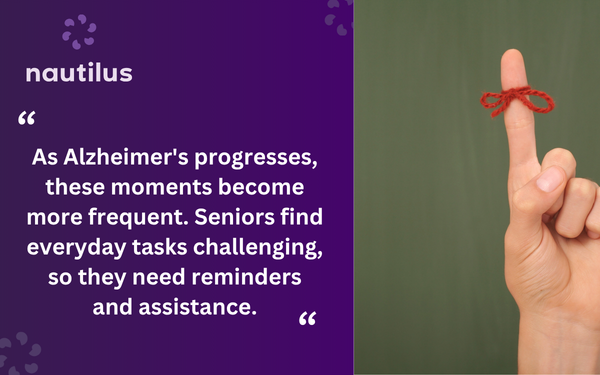

When a person with dementia walks out of the house, the whole family is alarmed. One moment, Dad is sitting in his favorite chair. Next, he is putting on his shoes because he says he needs to go to work. He worked at the same company for 35 years, but he retired a long time ago. To him, though, it is Monday morning, and he is late.
This is what wandering looks like for many families living with dementia. It is not stubbornness. A person with dementia can lose their sense of time, place, and direction.
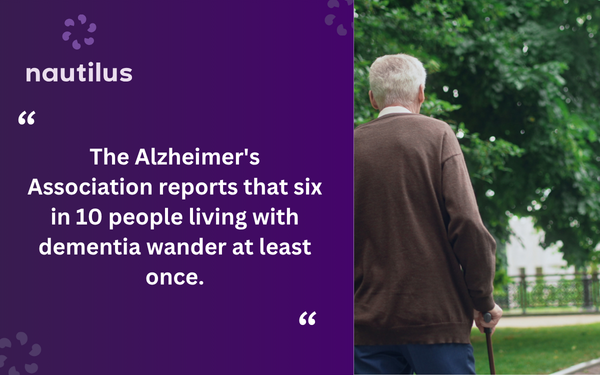
The Alzheimer’s Association reports that six in 10 people living with dementia wander at least once1. Wandering happens at different stages of dementia. When families notice signs of getting lost, pacing, talking about going home, or trying to leave, it is time for a safety plan.
The good news is that families have several ways to reduce the risk.
| Key Takeaway | What Families Should Know |
|---|---|
| Wandering Is Common | Wandering can occur at different stages of dementia and may be connected to changes in a person’s sense of time, place, or direction. |
| Look for the Reason | Hunger, thirst, pain, boredom, anxiety, loneliness, bathroom needs, restlessness, or familiar responsibilities from the past may trigger wandering. |
| Watch for Early Signs | Pacing, searching for keys, putting on shoes, looking for a purse or coat, talking about going home, or repeatedly approaching an exit can signal wandering risk. |
| Supervision Matters | Regular supervision from family members or home caregivers allows someone to respond to wandering behaviors before the person reaches an exit. |
| Create a Predictable Routine | Keeping meals, activities, personal care, rest, and bedtime consistent can provide structure and help reduce restlessness. |
| Make Exits Safer | Door alarms, monitoring devices, appropriately placed locks, and other safeguards can provide additional protection while preserving a safe emergency exit. |
| Remove Leaving Triggers | Keeping coats, purses, shoes, suitcases, and car keys out of sight may reduce familiar cues associated with leaving the house. |
| Keep Identification Ready | An ID bracelet, labeled clothing, a family contact number, and a recent photograph can help if a loved one becomes lost. |
| GPS Adds Another Layer | GPS trackers and safe-zone alerts may help families locate a loved one, but they should be used alongside other safety measures. |
| Use Multiple Safety Measures | Supervision, meaningful activities, routines, home modifications, alerts, identification, and tracking tools work together as part of a broader wandering-prevention plan. |
Start by Understanding Why Your Loved One Wants to Leave
Before we focus on locks and alarms, we look at the reason behind the wandering. A person with dementia has a purpose in mind.
One of our clients used to walk toward the front door every afternoon. She became restless around 4 p.m and repeated that she needed to “pick up the children. But her children are adults.
Once we understood that, we changed her afternoon routine. We started giving her a small task around the same time each day, followed by a short supervised walk and a snack. We talked with her about her children and looked through family photographs. Her afternoon attempts to leave became much less frequent.
Wandering often follows a pattern. Hunger, thirst, needing the bathroom, boredom, pain, anxiety, loneliness, restlessness, or a familiar old responsibility can all drive a person to get up and go somewhere.2
Remember that prevention starts with knowing your loved one.
| Wandering Prevention Strategy | What Families Can Do | Why It Helps |
|---|---|---|
| Understand the Reason for Wandering | Look for patterns and possible causes such as hunger, thirst, bathroom needs, boredom, pain, anxiety, loneliness, restlessness, or familiar responsibilities from the past. | Understanding what motivates the person makes it possible to address the underlying need before they try to leave. |
| Provide Regular Supervision | Have a family member or home caregiver watch for early signs such as pacing, putting on shoes, looking for keys, or searching for a coat or purse. | A caregiver can respond before the person reaches an exit while also providing companionship and meaningful activities. |
| Secure Exterior Doors | Use appropriately placed locks, door alarms, warning bells, or monitoring devices while maintaining a safe emergency exit. | Extra layers of protection can reduce unnoticed exits without eliminating emergency access. |
| Create a Safe Outdoor Area | Consider a fenced yard or another supervised outdoor space for a person who enjoys walking. | It provides a safer way to accommodate the person’s desire for movement. |
| Camouflage Exit Doors | Make doors less noticeable with matching paint, removable curtains, screens, coverings, or similar visual changes. | Reducing the visibility of an exit may reduce the visual cue associated with leaving. |
| Use Visual Barriers | A black mat in front of an exit may act as a visual barrier for some people with dementia. | A visual change near an exit may discourage some individuals from approaching the door. |
| Hide Leaving Triggers | Keep coats, purses, car keys, suitcases, shoes, and other objects associated with leaving out of sight. | Removing familiar reminders can reduce cues that prompt a person to prepare to leave. |
| Secure Car Keys | Keep vehicle keys secure when the person is no longer able to drive safely. | A person with dementia may believe they still need to drive even after they have stopped driving. |
| Install Door Alerts and Monitoring Devices | Use door sensors, pressure-sensitive mats, motion sensors, smart doorbells, or other monitoring devices. | Alerts can notify caregivers quickly when someone approaches or opens an exit, including during the night. |
| Address Unmet Needs | When pacing or restlessness begins, check for needs such as food, hydration, toileting, movement, comfort, or companionship. | Wandering behavior may be the person’s way of communicating a need they cannot clearly express. |
| Maintain a Familiar Routine | Keep meals, personal care, activities, rest, and bedtime at approximately the same times each day. | Predictability can provide a sense of security and help reduce restlessness and anxiety. |
| Plan Meaningful Activities | Try folding towels, watering plants, looking through photographs, listening to favorite music, preparing food together, or taking supervised walks. | Simple activities provide purpose and engagement, particularly during times when wandering usually occurs. |
| Use Identification | Use a medical ID bracelet with the person’s name and a family contact number, and consider labeled clothing. | Identification helps others contact the family if the person becomes lost. |
| Keep a Recent Photograph | Maintain an up-to-date photograph that can be quickly shared if the person goes missing. | Having a current image readily available can save valuable time during a search. |
| Inform Trusted Neighbors | Tell trusted neighbors about the person’s dementia and wandering risk. | Neighbors who understand the situation may recognize unusual wandering and alert the family sooner. |
| Consider GPS Tracking | Consider wearable, shoe-based, clothing-attached, or location-sharing devices that can provide location information and safe-zone alerts. | GPS technology can provide an additional way to locate a person or alert family when they leave a designated area. |
| Combine Safety Measures | Use supervision, routines, environmental changes, identification, alerts, and tracking tools together rather than relying on one solution. | Alarms and GPS devices provide additional safeguards but do not replace human supervision. |
Home Caregivers Provide the Supervision Families Need
For many families, the most effective wandering prevention is having another person there6. A home caregiver provides regular supervision while allowing the senior to remain in familiar surroundings.
This is important when family members work, sleep, run errands, or simply need a break. A caregiver watches for the small signs that often come before wandering.3
Maybe Mom starts pacing after lunch. Maybe Dad puts on his shoes every evening. Maybe your loved one begins searching for a coat, purse, wallet, or car keys. These behaviors give us valuable information.
The caregiver responds before the person reaches the door. Also, they keep the seniors engaged throughout the day. They prepare lunch together, fold towels, water plants, look through photographs, listen to favorite music, or take a supervised walk around the yard. These simple activities give the person something meaningful to do.
For example, we worked with a senior who repeatedly walked from room to room in the late afternoon. His family was exhausted because they spent every evening following him around the house.
We created a predictable afternoon routine. After lunch, he helped fold laundry. Then we took him outside for a short walk. Afterward, he had a snack and rested in his favorite chair.
Long story short, the family didn’t have to constantly watch the front door. They finally had someone who understood the person’s habits, noticed changes, provided companionship, and kept the day moving safely.
Secure Exits Without Making the Home Feel Like a Prison
Exterior doors need extra security. Families use locks placed higher or lower on the door so they are outside the person’s normal line of sight. Door alarms, warning bells, and monitoring devices also alert caregivers when an exterior door opens.4
But safety is a top priority. A person with dementia should never be locked inside a home without a safe way to exit during an emergency. Basically, the idea is to create another layer of protection.
A fenced yard provides a safer outdoor area for seniors who enjoy walking. The goal is to give movement a safe place.
Camouflage Doors to Reduce the Urge to Leave
Sometimes the front door itself becomes a visual trigger. If a person sees the door, they immediately associate it with leaving.
Camouflaging the door reduces that visual cue. Families use paint that matches the wall, removable curtains, screens, or coverings that make the door less noticeable. Some families also cover the doorknob with material that matches the door.
A black mat on the floor in front of an exit also serves as a visual barrier for some people with dementia.5
These changes may sound small. But they can have a strong effect on how a person with dementia moves through the day.
Hide the Triggers
Look around the house from your loved one’s perspective.
What tells them it is time to leave? A coat hanging beside the door. A purse sitting on a table. Car keys in a bowl. A suitcase near the hallway. Shoes waiting by the entrance.
These familiar objects act as reminders of leaving. Keeping them out of sight removes one more trigger.
Also, keep car keys secure when a person is no longer able to drive safely. Dementia affects memory and judgment, so someone who stopped driving years ago can suddenly believe they need to get behind the wheel.
Use Door Alerts and Other Monitoring Devices
Technology is very helpful for families that worry about their loved one. A simple door sensor sends an alert when a door opens. A caregiver receives the notification and checks what is happening. Some systems also use pressure-sensitive mats, motion sensors, smart doorbells, or other home monitoring devices.
This is very helpful at night. For example, a senior gets out of bed at 2 a.m. and starts walking toward the front door. A door alert gives the family an immediate signal. Instead of discovering an empty bedroom later, they respond right away.
Still, keep in mind alarms don’t replace human supervision.
Address Unmet Needs Before They Become Wandering
A person with dementia does not always have the words to explain what is wrong. Instead, they walk, pace, search, or repeatedly ask to leave. So, you need to pay attention to those behaviors.
If Dad starts pacing around 5 p.m., we do not simply tell him to sit down. We look for the reason. He may need dinner. He may need to use the bathroom. He may be restless after sitting all afternoon.
Meeting the underlying need often settles the behavior.
Maintain a Familiar Daily Structure
A predictable day gives people with dementia a sense of security. We recommend keeping meals, personal care, activities, rest, and bedtime around the same times each day. Structured activities are especially useful during the hours when a person tends to wander.
The Alzheimer’s Association recommends meaningful activities, exercise, and a consistent daily plan to help reduce restlessness and anxiety.
The routine does not need to be complicated. Basically, simple is better.
Use an ID Bracelet or Clothing Identification
Even with careful planning, wandering still happens. So, families need a backup plan. A medical ID bracelet should include the person’s name and a family contact number. Clothing labels with a name and phone number provide another layer of identification. The National Institute on Aging recommends identification bracelets and labeled clothing for people at risk of wandering.
Keep a recent photograph of your loved one at home, too. If they ever go missing, having a current photo ready saves valuable time.8
Families should also tell trusted neighbors about the situation. A neighbor who knows the senior has dementia will recognize that something is wrong when they see her walking alone down the street.
Consider GPS Tracking
GPS trackers are an important tool for wandering prevention for dementia patients7. Some trackers are worn as watches or other wearable devices. Others fit into shoes or attach to clothing. Location-sharing systems also provide alerts when a person leaves a designated area.
For example, a family can create a safe zone around the home. If Dad leaves that area, the family receives an alert.
Even so, GPS tracking does not replace supervision. They work best alongside caregivers, door alerts, identification, and a clear emergency plan.
Final Thoughts
Wandering is one of the most frightening parts of dementia care. We understand why families feel exhausted and scared when a loved one starts to wander.
But you do not have to handle a restless afternoon alone. With the right home safety changes, a predictable routine, meaningful activities, and dependable supervision, families create a safer environment while keeping their loved one at home.
Home care provides the companionship, supervision, and daily support that make this possible. We learn your loved one’s routines, watch for changes in behavior, help with everyday activities, and provide the steady presence families need.
If you’re ready to talk, contact us today and schedule a consultation.
| Frequently Asked Question | Answer |
|---|---|
| Why do people with dementia wander? | A person may become confused about time or place, try to complete an old responsibility, or respond to needs such as hunger, pain, boredom, anxiety, loneliness, or restlessness. |
| What are warning signs that someone may wander? | Signs can include pacing, becoming restless, talking about going home or going to work, searching for keys, putting on shoes, looking for a coat or purse, or repeatedly approaching doors. |
| How can I reduce wandering at home? | Start by identifying patterns and unmet needs. Combine regular supervision with predictable routines, meaningful activities, safer exits, door alerts, reduced visual triggers, identification, and an emergency plan. |
| Should I lock the doors to prevent wandering? | Exterior doors may need additional safeguards, but a person should not be left without a safe way to exit during an emergency. Door security should be one part of a broader safety plan. |
| Can camouflaging a door help? | For some people, making an exit less visually noticeable with matching colors, coverings, curtains, or similar changes may reduce the door’s association with leaving. |
| Do door alarms prevent wandering? | Door alarms do not necessarily stop someone from leaving, but they can quickly alert a caregiver when an exterior door opens. They are especially useful as an additional layer of protection. |
| Can a daily routine reduce wandering? | A familiar schedule for meals, activities, personal care, rest, and bedtime can provide structure. Meaningful activities can also be scheduled during periods when wandering or restlessness tends to occur. |
| Should someone at risk of wandering wear identification? | Identification such as a medical ID bracelet or labeled clothing with a family contact number provides an additional safeguard if the person becomes lost. |
| Can GPS trackers help with dementia wandering? | GPS trackers can help families locate a loved one or receive an alert when the person leaves a designated area. They work best as part of a broader safety plan rather than as a replacement for supervision. |
| How can a home caregiver help prevent wandering? | A caregiver can provide supervision, recognize patterns and early warning signs, respond to unmet needs, maintain routines, provide companionship, and keep the person engaged in meaningful activities. |
References
- Wandering and Dementia — Alzheimer’s Association
- Why a Person with Dementia Might Be Walking About — Alzheimer’s Society
- Alzheimer’s and Dementia: Understand Wandering and How to Address It — Mayo Clinic
- Caring for Dementia: Safety Checklists — U.S. Department of Veterans Affairs
- Alzheimer’s Guide: Protect Your Loved One from Wandering — Harvard Health
- Caring for Adults with Cognitive and Memory Impairment — Family Caregiver Alliance
- Wearable and Portable GPS Solutions for Monitoring Mobility in Dementia: A Systematic Review — PubMed
- Five Steps to Prevent Winter Wandering — Alzheimer’s Foundation of America