

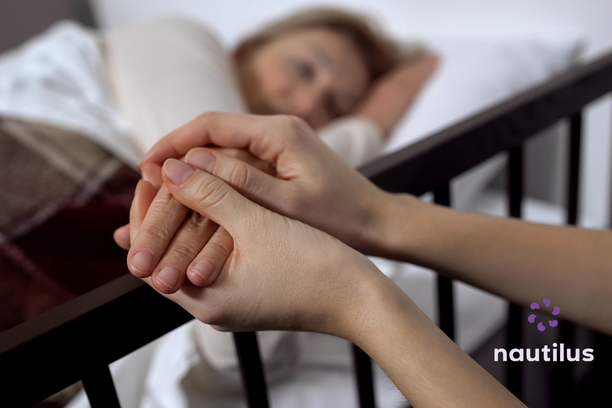
Hospice care at home is a type of care for people with terminal illnesses. It is meant to provide comfort-focused care for patients in their homes. Instead of receiving care at a facility, the patient remains in a familiar environment.
Instead of treatment, the focus is on comfort, controlling symptoms, and maintaining dignity. When a doctor determines treatment is no longer effective, the focus should shift to comfort. The service is provided by a specialized team that supports both the patient and their family. The goal is to prevent unnecessary hospitalizations that put stress on the patient.
| Key Takeaways | Explanation |
|---|---|
| Comfort Over Cure | Hospice prioritizes symptom relief and dignity instead of treatment |
| Family-Centered Care | Family members play a central caregiving role with professional support |
| Multidisciplinary Support | Teams include medical, emotional, and spiritual care providers |
| Not Full-Time Care | Care is scheduled, not continuous; families remain primary caregivers |
| Improved Quality of Life | Patients experience more comfort and meaningful time at home |
Hospice Care in Home
Hospice care focuses on the quality of life. The treatments for curing an illness may no longer be effective. Hospice care ensures that the time that remains is as comfortable as possible. Experienced caregivers help relieve physical discomfort. They also address emotional, psychological, and spiritual needs.
Many people assume hospice care is only for the final days of life. But it can start earlier. In many cases, it begins when a doctor estimates a person may have six months or less to live. This helps provide comfort and reduce unnecessary hospital visits.
| Category | Details | Key Notes |
|---|---|---|
| Purpose | Comfort-focused care for terminal illness | Focus shifts from cure to quality of life |
| Location | Patient’s home, family home, or care facility | Familiar environment improves comfort |
| Care Team | Nurses, doctors, aides, social workers, counselors | Multidisciplinary support system |
| Primary Caregiver | Family member or close friend | Main day-to-day support role |
| Services Provided | Pain management, medication, equipment, emotional support | Customized care plans |
| Excluded Services | Curative treatment, full-time care | Focus strictly on comfort |
| Availability | Scheduled visits + 24/7 on-call support | Not continuous presence |
| Benefits | Comfort, control, meaningful time with loved ones | Improves emotional well-being |
What Does Hospice Care at Home Look Like?
Hospice care at home is provided by a specialized team of healthcare professionals. They help the patient and their family during difficult times. It provides professional care in a familiar environment where patients feel most comfortable. The team visits regularly and is available 24/7 for urgent needs.
However, it is important to note that the patient’s home can be their private residence, a family member’s home, or a care facility. Any of these can be considered “home” for hospice purposes.
Who Is Involved in Hospice Care at Home?
Hospice care is provided by a multidisciplinary team. Every member has a distinct role. Together, they work to provide support.
Primary caregiver
The primary caregiver has an important role in the process. It is a family member or a close friend of the patient. They work closely with the hospice care team to develop a care plan. They make decisions, keep track of symptoms, and communicate with the caregivers.
The hospice team guides and assists, but the family is always present. Because of this, it can be overwhelming for the family members. The team helps with clear communication and support.
Nurses
Hospice nurses monitor the patient’s condition, manage symptoms, and administer medications. They also educate the family members, explaining medical information in a way they can understand. They teach them how to recognize warning signs and to respond to discomfort.
In a case of an emergency, the nurse is the first point of contact for the family.
Doctors
Physicians adjust the care plan and medications based on the symptoms. They work closely with the nurses to make the adjustments. Plus, doctors update medications to help relieve discomfort without causing side effects.
Home Health Aides
While doctors and nurses provide medical services, home health aides help with daily routines. They assist with bathing, dressing, grooming, and mobility. These tasks may look basic, but they are important for maintaining dignity and comfort.
Family members often manage the basic tasks. But as care becomes more demanding, they can feel overwhelmed. Home health aides offer a helping hand to family members.
Social Workers
Social workers help families navigate the process. They provide emotional support and practical guidance. They provide a comfortable space where families can process the situation in their own way.
They also connect families with resources and financial support systems.
Spiritual Counselors
Spiritual counselors help patients understand the changes and support them in finding meaning, belief, and emotional peace. However, this isn’t religious guidance. For many people, it is an opportunity to reflect or find a sense of closure.
In fact, spiritual support is always optional. Plus, it is adjusted to the patient’s preferences.
What Services Are Provided?
Hospice care at home includes a wide range of services. Each care plan is adjusted to the individual’s needs.
Pain and Symptom Management
Hospice care focuses on relieving discomfort. Pain and other symptoms such as fatigue, nausea, and shortness of breath are often present. The hospice team works with the primary caregiver to develop a plan and readjust it as needed. The goal is to reduce suffering while maintaining as much alertness as possible.
Medication Management
Hospice teams provide and manage medications. They advise families on how to administer them safely.
Medical Equipment
Hospice care at home also provides medical equipment. They deliver it to the home to ensure a safer and more comfortable environment. The equipment includes hospital beds, oxygen supplies, and wheelchairs or walkers.
Personal Care Support
As mobility declines, the usual everyday tasks are more challenging. Hospice aides help with personal care such as bathing, dressing, grooming, and mobility.
Emotional Support
End of life brings complex emotions, both for the patient and the family members. Emotional support is part of the hospice care at home, providing counseling and guidance.
Caregiver Support
Family members are the main caregivers. So they may feel overwhelmed with the situation. The hospice team provides education, reassurance, and respite care so the family can rest.
Bereavement Support
The support does not end after the patient has passed. The hospice programs provide follow-up support for families and grief counseling.
What Doesn’t Hospice Care Provide?
Hospice care provides a wide range of services to support the patient and their family. Yet, it is important to understand which services are included. This helps families set realistic expectations.
Curative Care
Hospice care at home comes when curative treatments no longer help. So the focus shifts to comfort. It does not provide treatment for healing an illness or slowing the progression.
The change is difficult for families. But they should know that every decision in hospice care is evaluated based on whether it improves comfort.
Continuous In-Home Medical Presence
One of the common misunderstandings about hospice care at home is that it provides continuous presence. The truth is that the hospice team visits regularly, but is not present all the time.
The care plan has a schedule that the team follows. And yes, they are available on call for urgent situations. However, the family members are still the primary caregivers. The hospice care at home has a strong focus on educating and preparing them for this.
Full-Time Caregiving Support
Hospice care at home does not provide full-time support. Families are responsible for most of the personal care, such as meals, routines, and medication supervision.
We understand that this situation can be challenging for families. That’s why many get additional in-home care services to align with hospice care. In-home care can take over personal care, light housekeeping, and mobility, and is available as needed. Families can adjust the schedule accordingly.
A Completely Stress-Free Experience
Hospice care provides support, comfort, and guidance. While it helps a lot, families will still feel the emotional weight. They can experience stress and uncertainty. Hospice care at home provides guidance and education, so families can manage stress and continue with more clarity.
Benefits of Hospice Care at Home
Hospice care at home is not only a change in location. It changes the whole experience, maximizing comfort and emotional well-being. When care is delivered in a familiar setting, it feels more personal.
Familiar Environment
The most important benefit of hospice care at home is the familiar environment. Staying at home provides a sense of comfort, which can’t be replicated in a clinical setting. Their favorite chair, daily routine, and presence of personal belongings help create a sense of continuity. This is crucial for preserving identity when health declines.
Greater Control
In a clinical setting, patients adapt to schedules, noise, and unfamiliar faces. When many aspects of life feel uncertain, hospice care at home makes people feel more grounded. Simple choices, such as when to wake up and what to eat, remain in the patient’s control. They feel respected when the experience is shaped according to their needs rather than institutional routines.
More Meaningful Time With Loved Ones
The home provides space for quiet moments. Family members have opportunities for connection, which are not restricted by visiting hours. They can spend quality time with their loved one without feeling rushed.
Final Thoughts
Hospice care at home provides support for the family members and the patient. It provides a compassionate alternative to hospital-based care. Patients can remain in familiar surroundings while receiving care that focuses on comfort, dignity, and connection.
Choosing hospice care at home is not an easy decision. But it can create a more peaceful experience for everyone involved.
We understand that you have so many questions. If you have questions, we’re here to help.
| Question | Answer |
|---|---|
| When does hospice care begin? | Typically when a doctor estimates six months or less to live |
| Is hospice only for the final days? | No, it can begin earlier to improve quality of life |
| Does hospice provide 24/7 in-home care? | No, it offers scheduled visits and on-call support, not continuous presence |
| Who is the main caregiver? | Usually a family member or close friend |
| Does hospice include curative treatment? | No, it focuses solely on comfort and symptom management |