

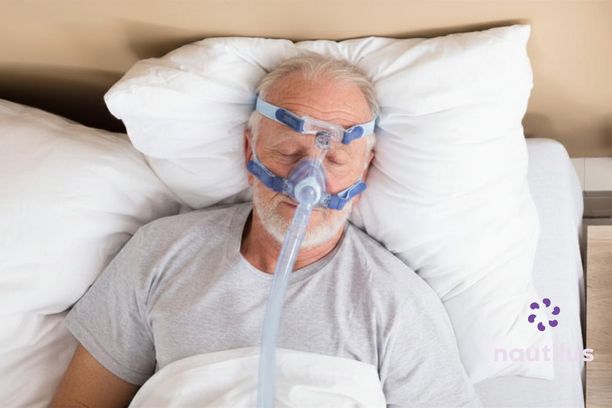
Many assume that poor sleep, snoring, and daytime fatigue are normal with aging. However, this may indicate sleep apnea. This is a medical condition that impacts both sleep and overall quality of life.
The good news is that there are sleep apnea devices for the elderly. But the main challenge may be how to choose the right one.
This guide shares the available devices on the market. Based on these insights, you can choose one that provides comfort and easy use.
| Takeaway | Explanation |
|---|---|
| Sleep apnea is not a normal part of aging | It is a treatable medical condition with serious health risks |
| CPAP remains the most effective treatment | Especially for moderate to severe cases |
| Comfort determines consistency | Devices must be easy to use and comfortable to ensure regular use |
| There are alternatives to CPAP | Options like BiPAP, APAP, and oral appliances provide flexibility |
| Diagnosis is the first step | Choosing the right device depends on proper medical evaluation |
What Is Sleep Apnea?
Sleep apnea is a sleep disorder where breathing repeatedly stops and starts during sleep. The most common type is obstructive sleep apnea (OSA).
It happens when the muscles in the throat relax too much, which blocks airflow.
Common signs:
- Loud snoring
- Pauses in breathing during sleep
- Waking up gasping or choking
- Morning headaches
- Daytime sleepiness
- Trouble concentrating
Over time, sleep apnea can increase the risk of high blood pressure, heart disease, stroke, type 2 diabetes, and memory decline. Managing sleep apnea improves long-term health and quality of life.
Best Sleep Apnea Devices for the Elderly
There are different types of sleep apnea devices for the elderly. And making a final choice is not only about effectiveness, but also about comfort and easy use.
CPAP Machines
CPAP (Continuous Positive Airway Pressure) machines are the most common. They are often prescribed for moderate to severe sleep apnea.
The machine pushes a steady stream of air through a mask. The constant air pressure prevents the throat from collapsing. During the first few uses, it can feel unusual. Users often describe it as a gentle breeze.
The body may need a few days to adjust. After that, users report uninterrupted sleep, less waking, and feeling more rested.
There are different types of masks available. A nasal mask covers only the nose, which is intended for people who breathe through their nose.
A full face mask covers the mouth and nose. It is recommended for mouth breathers. A nasal pillow is a small insert that sits at the nostrils. These are less bulky and more comfortable.
For the elderly, lighter masks with soft straps are usually more comfortable.
Overall, the CPAP machines are highly effective and reduce apnea. They often reduce snoring immediately.
| Device Type | How It Works | Best For |
|---|---|---|
| CPAP Machine | Delivers constant air pressure to keep airway open | Moderate to severe sleep apnea |
| BiPAP Machine | Different pressures for inhale and exhale | Users intolerant to CPAP or with lung conditions |
| APAP Machine | Auto-adjusts pressure based on breathing patterns | Users needing flexible pressure support |
| Oral Appliance | Moves jaw forward to keep airway open | Mild to moderate apnea or CPAP intolerance |
| ASV Device | Adjusts airflow breath-by-breath | Central or complex sleep apnea cases |
| Sleep Apnea Pillows | Support head/neck to improve airflow | Mild symptoms or added comfort |
| Positioning Devices | Encourage side sleeping to reduce airway blockage | Positional sleep apnea |
BiPAP Machines
BiPAP machines, or Bi-level Positive Airway Pressure, are alternatives when CPAP feels uncomfortable. It provides higher pressure when breathing in and lower pressure when breathing out.
Users claim that this machine feels more natural. It is intended for the elderly who find CPAP uncomfortable, people with lung conditions, and those who need higher pressure settings.
Breathing patterns feel easier and less tiring during the night. However, a BiPAP machine can be more expensive than a CPAP.
APAP Machines
APAP machines monitor breathing patterns and adjust as needed. They don’t use fixed pressure like BiPAP and CPAP.
For example, the machine may increase pressure during deep sleep or when lying on the back. Pressure is lower when breathing is stable.
With this, the machine prevents unnecessary high pressure. Users report a more comfortable experience, fewer disruptions, and an easier adjustment period.
Oral Appliances
Oral appliances or mandibular advancement devices are worn like dental retainers. There are no machines or masks. These move the lower jaw slightly forward and prevent the airway from collapsing.
They work well for mild to moderate sleep apnea, or when seniors can’t tolerate machines. During the adjustment period, users can feel mild jaw tension, increased saliva, or dryness. This may last for a couple of weeks.
They are ideal for seniors because they are simple to use. There is no noise, and they are easy to travel with. Plus, they require less maintenance.
However, the oral appliances may be less effective for severe sleep apnea. Also, it requires healthy teeth and gums to work. Some users may experience jaw discomfort and changes in bite over time. However, these can be managed with dental follow-ups.
Adaptive Servo-Ventilation
Adaptive servo-ventilation or ASV is a more advanced device. It monitors breathing and identifies pauses and irregular patterns. The machine adjusts airflow instantly to stabilize breathing.
The difference between ASV and devices like CPAP or BiPAP is that it responds breath-by-breath. It helps in complex cases where breathing control is unstable. It is used for central sleep apnea, a condition where the brain does not signal breathing properly. Also, it is used for complex sleep apnea, which is a combination of different types.
Users experience more stable sleep patterns. However, the ASV is not usually the first option. It is not suitable for patients with heart failure. That said, it requires medical evaluation.
Sleep Apnea Pillows
Sleep apnea pillows are for users looking for simple solutions. They support the head and neck, keeping the airway more open during sleep. This reduces pressure on the airway and supports stable breathing during sleep.
For some users, this can reduce snoring and mild symptoms. There are three types, depending on the needs.
Cervical support pillows
Cervical support pillows provide proper neck alignment. This helps keep the airway more open while reducing neck and shoulder pain. This is a good solution for seniors who are dealing with stiffness and chronic pain.
Wedge pillows
Wedge pillows keep the body elevated slightly at an angle. With this, gravity helps reduce airway collapse. It improves airflow during sleep and may also decrease acid reflux. It is for mild or positional sleep apnea and can be used together with devices. Yet still, users need a few days to adjust.
CPAP pillows
These pillows are specially designed for people who use a CPAP machine. They help ease the mask discomfort, with side cutouts and less pressure on the face. This makes sleeping with a mask on the side more comfortable.
Sleep Positioning Belts
Sleep positioning belts are another helpful device for improving the position. Many people experience worse symptoms when sleeping on their back, so these devices gently train the body to sleep on the side.
Positional belts or vests
A belt or vest is worn around the chest or back during sleep. They have padding, which makes it uncomfortable to sleep on the back. This encourages side sleep without waking up the user. Over time, they gradually change their habits.
Vibration-based devices
The vibration-based devices are less bulky than belts. They detect when the person is lying on their back and vibrate gently. This signals the user to change the position.
Choosing the Right Sleep Apnea Device
When it comes to choosing the right one, there is no one-size-fits-all answer. And going for the most advanced option may not be the solution. You would want a device that provides comfort and easy use for elderly individuals. This ensures it will be used consistently.
Severity
The choice of devices is determined by the severity of sleep apnea. Elderly individuals with mild sleep apnea can manage their symptoms with simple devices like oral appliances or positional therapy. Moderate sleep apnea is typically treated with CPAP or APAP to provide consistent support.
Lastly, severe sleep apnea requires CPAP or BiPAP.
Comfort
You may splurge on a sophisticated device that proved to be effective. But it won’t help if it sits unused on the bedside table. Tight masks, strong pressure, and noise may cause discomfort. Look for masks that don’t cause irritation. Sometimes a simple switch from a full face mask to a nasal pillow can improve comfort.
Easy Use
Some devices may come with advanced settings. However, this makes them difficult to use for older adults. You need minimal steps, easy-to-read buttons, and masks that are easy to put on.
Older adults may struggle with other conditions such as arthritis, limited mobility, or vision issues. This makes dealing with complicated equipment frustrating.
Maintenance
Sleep apnea devices require some level of care. So it would be better to choose devices with fewer parts. A caregiver may need to assist with maintenance.
Tips for Caregivers
Caregivers should be aware that adjustment to the new device takes time. This can be anywhere between days and a few weeks, depending on the individual device. So they should provide support and be patient with the elderly individuals.
Due to other health conditions, the person may need help with device setup and cleaning. Also, it is important to encourage everyday use, even during naps.
At the same time, watch for signs of discomfort. Schedule follow-ups with doctors if the issues persist.
Final Thoughts
Sleep apnea affects both the health and quality of life of older adults. With so many sleep apnea devices for the elderly, choosing the right one may be difficult.
The first step is a proper diagnosis. This makes it easier to choose the right device.
| Question | Answer |
|---|---|
| What is the most common sleep apnea device? | CPAP machines are the most widely used and effective |
| Are there alternatives if CPAP is uncomfortable? | Yes, options include BiPAP, APAP, and oral appliances |
| Which device is best for mild sleep apnea? | Oral appliances or positional therapy devices |
| Why is comfort important? | Uncomfortable devices are less likely to be used consistently |
| Do caregivers play a role? | Yes, they assist with setup, maintenance, and encouraging use |