


Planning care for a loved one isn’t an easy decision. Often, it comes as a result of difficult and emotional moments.
Changes aren’t drastic at first. You may notice untouched groceries or skipped medication. The person who once had an active lifestyle now refuses to leave the house. At this point, families realize the need for support.
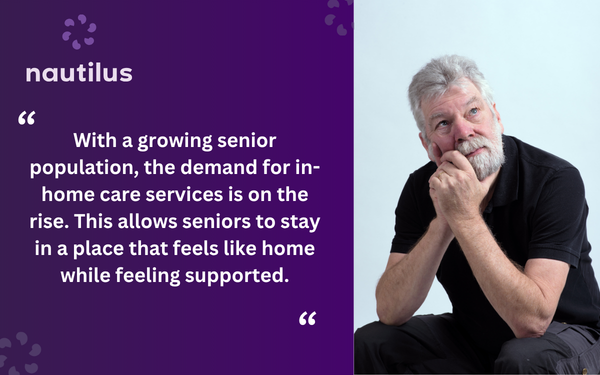
And you’re not alone. This situation is common in Palm Beach County. With a growing senior population, the demand for in-home care services is on the rise. This allows seniors to stay in a place that feels like home while feeling supported.
| Key Insight | Explanation |
|---|---|
| In-home care is flexible | Services range from a few hours to full-time live-in support |
| Care is personalized | Plans are built around routines, preferences, and health needs |
| Multiple services work together | Personal care, companionship, and mobility support create holistic care |
| Costs vary widely | Pricing depends on hours, level of care, and schedule |
| Process ensures compatibility | Assessment and caregiver matching improve comfort and outcomes |
Understanding Palm Beach County In-Home Care
In-home care is a structured support system. It is created according to the individual’s physical, emotional, and medical needs. Seniors and individuals with health conditions can remain in their own homes while getting help with everyday tasks.
Home care is very flexible. And this is why many families make the decision to arrange a caregiver. Assistance can range from a few hours a week to 24-hour live-in care.
In-home care includes:
- Bathing, grooming, and dressing
- Meal preparation and eating support
- Light housekeeping and laundry
- Transportation to appointments or errands
This help individuals remain safe and comfortable at home. In Florida, these services are part of an in-home care model. This prioritizes remaining at home rather than moving into facilities.
Types of In-home Care Services Available in Palm Beach County
| Category | Details | Examples / Notes |
|---|---|---|
| Purpose of In-Home Care | Supports seniors at home with daily tasks and care needs | Promotes independence and comfort |
| Core Services | Personal care, meals, housekeeping, transportation | Flexible from part-time to 24-hour care |
| Additional Services | Mobility, cognitive support, respite, live-in care | Adapts as needs increase |
| Benefits | Safety, routine, emotional support, independence | Reduces need for facility care |
| Care Process | Assessment, care plan, caregiver matching, ongoing updates | Personalized and adaptable |
| Cost Range | $28–$40/hour | $2,400–$6,900+ monthly depending on care level |
Personal Care
Personal care focuses on the ADLs or activities of daily living. These are the basic routines such as bathing, dressing, grooming, toileting, eating, and mobility support. Assisting with these everyday tasks allows seniors to function independently.
Caregivers can help seniors step safely into the shower without the fear of slipping. They can also assist with buttons and zippers. Also, the caregiver ensures safe transfers from bed to chair.
Many people overlook the emotional aspect of care. For seniors, these tasks are personal. Simple things like getting dressed up in the morning or preparing breakfast are part of their identity.
A caregiver doesn’t rush through the steps. Instead, they provide reassurance, guidance, and assistance when needed. They understand that rushing creates resistance, so the senior’s routine is respected.
Companion Care
Not all needs are physical. Companionship is one of the services people often underestimate. It helps prevent isolation and loneliness, which contribute to mental and physical decline in older adults.
Companionship may include conversations and daily interactions. Or a caregiver may encourage activities the senior enjoys, such as walking, games, or a hobby. They also accompany the senior to doctor’s appointments or social gatherings.
In Palm Beach County, this service is sought after. Many seniors live alone, so they need someone to provide structure and engagement.
Homemaker Services
Caregivers can do light housekeeping. This is meant to reduce the physical strain, but also create a healthy and safe environment.
The caregiver may do vacuuming and dusting to remove the allergens. They also change the bedding and do laundry. These reduce the dust and allergens, which is beneficial for seniors with respiratory conditions.
On the other hand, safety is a top priority. Caregivers remove clutter to keep the walkways clear. This reduces the risk of falling and creates a safer environment.
In addition to health, a clean and organized home supports mental clarity.
Meal Preparation
Eating regular and balanced meals is very important for seniors. However, they often struggle with cooking, grocery shopping, and maintaining regular meal times.
Caregivers not only help with cooking, but also ensure consistency. They do grocery shopping, prepare balanced meals, monitor eating habits, and encourage hydration.
On the other hand, caregivers are present during mealtime. They sit together at the table, making this moment social and inviting. These adjustments help increase energy levels and improve their mood.
Transportation
At a certain point, seniors no longer feel safe driving. They may experience fatigue, slow reaction times, and vision problems. This may result in missed appointments and isolation.
Caregivers drive clients to:
- Doctor’s appointments
- Grocery stores
- Pharmacy
- Social events
Without this type of support, seniors may begin to withdraw silently. Transportation services help maintain independence, social interaction, and participation. This service is especially important in Palm Beach County, as the distance between the establishments can be significant.
Mobility Support
It is a common misconception that mobility support is only for the ones who are bedridden. However, this isn’t always the case. Mobility decline shows in different ways. It may be slower walking, difficulty standing for long periods, or hesitation on stairs. While they seem minor, these impact a person’s confidence.
Caregivers provide mobility assistance tailored to the person’s needs. They help with transfers to and from the chair, bed, and bathroom. Walking assistance and fall prevention are another part of the service.
Caregivers may also encourage light movement or stretching routines. This type of care helps seniors to continue doing things safely.
Cognitive Support
With age, the small cognitive changes can impact everyday life. This can happen even without a formal diagnosis.
Caregivers may also help maintain consistency and focus. They help maintain structure, which is helpful for seniors who are forgetful, overwhelmed, and struggle to maintain routines.
Caregivers remind clients of meals, hydration, and medication. They organize the day into manageable steps.
Respite Care
Non-medical care not only helps the individual, but also their family. In many cases, family members are the primary caregivers. But managing their work, personal, and caregiving responsibilities is overwhelming.
Respite care allows families to take a break. They may need this time to handle their personal responsibilities or prevent burnout.
Respite care helps make family caregiving more sustainable in the long run.
Live-In Care
When needs increase, part-time care may not be enough. To prevent moving to a facility, many families opt for live-in care. This includes full-day assistance with overnight supervision. The 24-hour coverage includes multiple caregivers working in shifts. This allows for safety and peace of mind.
Cost of In-Home Care in Palm Beach County
The in-home care cost in Palm Beach County ranges between $28 and $40 per hour. The price you pay depends on the agency, hours, and services included.
For part-time care consisting of 20 hours per week, you’ll pay between $2,400 to $3,500. Full-time in-home care costs between $4,850 and $6,900 or more.
The cost depends on the number of hours, type of care, and schedule. Keep in mind that hands-on personal care costs more than basic services. Weekend and overnight coverage also costs more.
Most non-medical services are paid out of pocket or through long-term care insurance.
In-home Care Process
Most home care agencies in Palm Beach County follow a similar process. Everything starts with an initial assessment, where you can understand how the caregiver can help.
Initial Conversation
The initial conversation is the first step. You don’t have to commit at this point, but you can understand what kind of help is appropriate. You explain your situation to the care coordinator and answer their questions.
During this step, families often realize this situation is more common than they think.
In-Home Assessment
An in-home visit allows professionals to assess the environment and daily routines. They look at the home’s safety and cleanliness. They also check the client’s energy level, mood, and mobility.
During this visit, the professionals will understand the preferences and personality of the client. For example, a senior may resist help with personal care. But they prefer help with meals and errands.
Personalized Care Plan
Based on the initial assessment, the agency creates a care plan. This includes specific tasks, a schedule, and additional notes on personality and routines.
A good care plan is designed around the person’s routines. The caregiver supports it without imposing a new structure.
Caregiver Matching
Caregiver matching focuses on compatibility. Despite the proper training, they need to connect personally with the client. Reputable agencies consider the client’s personality, communication style, situation, and preferences to assign a caregiver.
The right match enhances comfort and reduces the chances of resistance to care.
First Visits
The first few visits allow the client to adjust. In many cases, the first visits are rarely perfect. The senior will have to get used to having someone in their space.
Supervision and Communication
The in-home care process is continuous. The caregiver provides updates and notifies families of changes. With this, changes in the care plan can be made as needed.
Final Thoughts
With age, daily life becomes harder. Small changes in a senior’s behavior can reveal a lot.
Arranging home care is not an easy decision for families. But it provides consistency, support, and presence.
Don’t hesitate to reach out to a local in-home care provider. You’ll understand your options and what care will look like in your specific situation.
| Question | Answer |
|---|---|
| What is in-home care? | It is non-medical support that helps seniors remain safely in their homes. |
| What services are included? | Personal care, meal prep, housekeeping, transportation, and companionship. |
| How much does in-home care cost? | Typically $28–$40 per hour, depending on services and schedule. |
| How is care planned? | Through assessments, personalized plans, and caregiver matching. |
| Can services change over time? | Yes, care plans are flexible and adjust as needs evolve. |