


Many believe that home care is only for seniors confined to bed. But it is time to debunk this myth. While it provides caregiving services for seniors who are very sick, this is only part of the story.
The truth is that in-home care is flexible and designed for a wide range of needs. It is for anyone who needs assistance in the comfort of their own home.
As professionals in providing home care, we answer all of your questions. The clarification helps you make informed decisions.
| Key Takeaway | What It Means |
|---|---|
| In-home care is not only for the very sick | It supports a wide range of needs, from companionship to recovery assistance |
| Care is flexible and customizable | Services and schedules adjust as the client’s needs change |
| Independence is preserved | Clients stay in their own homes and maintain daily routines |
| Emotional health matters | Companionship helps reduce loneliness, depression, and isolation |
| Families receive support too | Home care reduces caregiver stress and prevents burnout |
What is In-home Care?
In-home care includes non-medical services to help clients live independently. Caregivers help with bathing, dressing, cooking, housekeeping, transportation, and companionship. The employees have the necessary training and licenses.
Is in-home care only for seniors who are very sick?
Many assume that in-home care is only for seniors who have complex health conditions. It does provide support to seniors who are very sick, but the reality is broader.
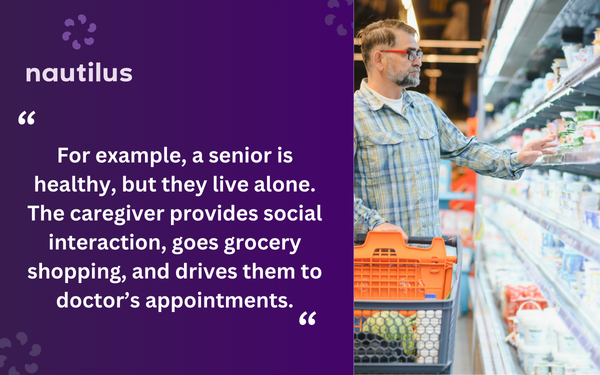
For example, a senior is healthy, but they live alone. The caregiver provides social interaction, goes grocery shopping, and drives them to doctor’s appointments.
Home care providers are there for anyone needing help. Some need minimal assistance, while others require more intensive care. The care schedules are adjusted to the client’s needs.
Home care caters to people with disabilities, chronic conditions, and cognitive decline. Also, it provides short-term care for patients recovering from surgery.
Therefore, it is available for anyone needing help regardless of age.
| Who Benefits | Primary Needs | How In-home Care Helps |
|---|---|---|
| Healthy Seniors | Companionship, errands, light housekeeping | Reduces loneliness, supports daily activities, maintains independence |
| Seniors with Mild Mobility Issues | Bathing, cooking, transportation | Allows safe aging at home without moving to assisted living |
| Post-Surgery Recovery Patients | Short-term help with meals, dressing, appointments | Speeds recovery while avoiding institutional care |
| People with Stable Chronic Conditions | Nutrition, medication reminders, chores | Supports condition management without disrupting routines |
| Socially Isolated Individuals | Emotional support and social interaction | Improves mood, mental health, and quality of life |
| Families Needing Care Support | Relief from caregiving duties | Prevents burnout while keeping loved ones safe at home |
Who Benefits From In-home Care?
Healthy Seniors
Seniors don’t have to be seriously ill to get in-home care. Healthy individuals can adjust the services to their needs.
As people age, their bodies feel weaker. They will feel fatigued with simple activities such as cleaning or grocery shopping.
On the other hand, many seniors live alone. They feel lonely and isolated, impacting their mental health.
One of the services in the in-home care package is companionship. Simple interactions with their caregiver help prevent loneliness.
So healthy seniors will go for companionship, light housekeeping, or transportation. It is important to remember that providers allow you flexibility. You can add more services as their needs change.
Seniors with Mild Mobility
Seniors with mild mobility face challenges every day. Getting in and out of the shower becomes more difficult. Cooking a meal is exhausting and they struggle to remember their medication.
In-home care provides the support they need at home. This is ideal for seniors who don’t need constant support, and it allows them to stay home for longer.
For example, an elderly lady lives alone. Lately, she feels unsteady on her feet. So doing laundry and going to the grocery store are challenging.
However, she is independent and does not require medical help. This makes options like assisted living and nursing homes inadequate.
Her family decided to get home care services twice a week. The caregiver helps with errands and light housekeeping.
The lady can enjoy her porch and be close to her neighbourhood friends. At the same time, her family doesn’t have to worry.
People Recovering From Surgery
Post-surgery recovery is challenging. Despite the medical help, people need additional assistance to speed up healing.
In-home care provides short-term care adjusted to the client’s needs. The caregiver prepares meals and does chores. They manage the medication, ensuring they take it on time.
For example, a man in his 60s returns home after a hip replacement surgery. His daughter lives out of state, so she can’t provide care. They decide to get home care for six weeks.
The caregiver helps with dressing and preparing meals. They take the client to follow-up appointments. After six weeks, the client feels fully recovered and confident to continue with his routines.
People with Chronic Conditions Who are Stable
Some chronic conditions make everyday life challenging. However, it doesn’t have to mean they are “very sick”. With proper management and support, they can proceed with daily routines.
Arthritis, diabetes, and mild heart disease are some of the examples.
A lady has type 2 diabetes and mild arthritis. She is independent but struggles with chores and nutrition. The caregiver helps plan grocery shopping and prepares meals that don’t spike her blood sugar.
People Who Are Socially Isolated
Social isolation is a real problem. Seniors often live alone, as their families have moved to another state.
Social isolation leads to depression, poor sleep, and cognitive decline. In fact, it is as dangerous as smoking.
Companionship is one of the services that home care provides. It is intended to provide socialization, improving the quality of life.
For example, a man in his 70s rarely leaves the home after his wife has passed away. His health is stable, and he is independent.
The caregiver comes three times per week for companionship. They talk and cook meals together. The caregiver encourages him to walk in his neighborhood every day. His overall mood and health improved in a short time.
Families Needing Support with Caregiving
Caregiving is exhausting for the family members. They have a busy life working and caring for children. Home care complements family caregiving to help them avoid burnout.
A man in his 80s needs help after a minor stroke. His daughter works full-time and takes care of her children. They decided to choose a home care schedule that suits their needs. The caregiver provides the needed support, while the daughter can dedicate time to her family.
How In-home Care Helps Seniors
Home care is much more than basic tasks. It helps seniors stay independent and in control of their lives.
For many, assisted living and care facilities mean taking away their freedom. That’s why they resist this change. With home care, they maintain their daily routines while getting help from friendly caregivers.
Preserving Independence
Losing control over life is the biggest fear seniors have. For them, moving into a facility means giving up their routines, privacy, and personal identity.
With home care, seniors wake up in their own beds. They have coffee from their favorite mug. And they watch their favorite afternoon show while enjoying privacy.
Safety and Privacy
Families worry about their loved ones’ safety. That’s why they are looking for care. But for seniors, this means they get constant supervision and lose their privacy.
Home care means respect and privacy. Caregivers assist discreetly at the client’s pace.
For example, bathing is one of the problems. Seniors might feel ashamed and humiliated. Professional caregivers explain every step and move slowly. They treat the client with respect and trust to avoid them feeling humiliated.
Emotional Comfort
Just because a senior has a stable health condition and is independent doesn’t mean things are okay. Many struggle with loneliness and isolation. With time, this impacts the mood, motivation, and memory.
In-home caregivers provide the needed companionship. They listen to the stories that have been told a hundred times. They look through old photo albums. The human connection is more beneficial than messages or phone calls.
Improved Physical Health
Daily tasks become more exhausting for seniors. They miss their medication, neglect nutrition, and avoid movement. With time, this can cause bigger health issues.
Caregivers provide gentle support, tailored to the client’s condition. They encourage light movement and prepare healthy meals.
Sense of Routine
Seniors resist the strict schedules of care facilities. Early wakeups and rigid lunch times leave them irritable. At home, they can proceed with their slow mornings.
They can read the newspaper on the porch and have a cup of coffee. Then, they can prepare breakfast with the caregiver. The care schedule adjusts to their needs and not the other way round.
Reduced Stress
Families feel guilty for not being able to provide the needed care. They struggle with maintaining balance between their jobs, children, and caregiving.
Home care supplements the family love and care they get. Family members still get involved, but they rely on the caregiver while being at work.
Final Take
As professionals in home care, we have seen a lot of families benefit from in-home care. And no, it isn’t only for the ones with serious health problems. The services are intended for anyone needing assistance while staying in a familiar environment.
Seniors are happy to proceed with their lives. Family members know their loved ones are safe and cared for.
We understand that this is a big move for you and your family. We’re ready to answer any questions you have. Contact us now to get started.
| Question | Answer |
|---|---|
| Is in-home care only for seniors? | No. In-home care is available for anyone needing assistance, regardless of age |
| Does in-home care include medical services? | In-home care focuses on non-medical support such as daily activities and companionship |
| Can services be short-term? | Yes. Care can be arranged temporarily, such as during post-surgery recovery |
| How often can a caregiver visit? | Schedules range from a few hours per week to daily support, depending on needs |
| Can services increase over time? | Yes. Care plans are flexible and can expand as health or mobility changes |