


One day, you start noticing little things. Your mom is not keeping up with the house the way she used to. Your dad is skipping meals because cooking feels like too much work. Maybe you notice unopened mail on the counter, a few more missed appointments, or that they are getting tired after doing things that once seemed easy.
This is when families consider home care. But the hardest part is bringing it up. You don’t want your loved one to feel like their independence is taken away. This can only make them resist care.
We have had this conversation with many families over the years. And it is not easy. For seniors, the word home care can mean they are no longer capable. Or, they often associate it with nursing homes.
Still, it is important to clarify that this is not what home care is about. Home care is about helping an older adult stay safely and comfortably in the home they love. Seniors can maintain their independence, routines, their belongings, neighbourhood, and community2.
From our experience, we have some tips on how to have the difficult conversation to prevent resistance.
| Key Takeaway | What It Means for Families |
|---|---|
| Start the conversation early | Talk about home care before a fall, hospitalization, medication issue, or other crisis makes the decision urgent. |
| Listen before offering solutions | Ask what has become difficult and listen for concerns about privacy, independence, aging, or having someone in the home. |
| Explain what home care actually is | Home care brings support into the senior’s home so they can continue living in familiar surroundings rather than moving somewhere else. |
| Focus on independence | Present care as a way to make everyday life easier while helping your parent maintain their routines, choices, and independence. |
| Use supportive language | Words such as “support” or “an extra set of hands” may feel less threatening than telling your parent they “need help.” |
| Start small | A few hours a week or a short trial period can make home care easier to consider than presenting it as a permanent commitment. |
| Keep your parent involved | Let them have a say in the caregiver, schedule, tasks, and level of support whenever possible. |
| Don’t turn resistance into an argument | If your parent initially says no, give them time and return to the conversation later instead of forcing an immediate decision. |
| Home care can protect family relationships | When caregivers handle some daily responsibilities, family members can spend more of their visits enjoying meaningful time together. |
Start the Conversation Before There Is a Crisis
Bringing up this topic during an emergency is the worst time. If your parents have just fallen, been hospitalized, or forgotten an important medication, everyone is already scared. So, there is very little room for a calm conversation about home care.
Instead, start early. You don’t have to say they need a caregiver straightaway. Ask them how things are going around the house. Let them share which chores have become harder.
Ask what they would like to stop doing. Talk about errands, meals, transportation, yard work, or simply having someone around for company.
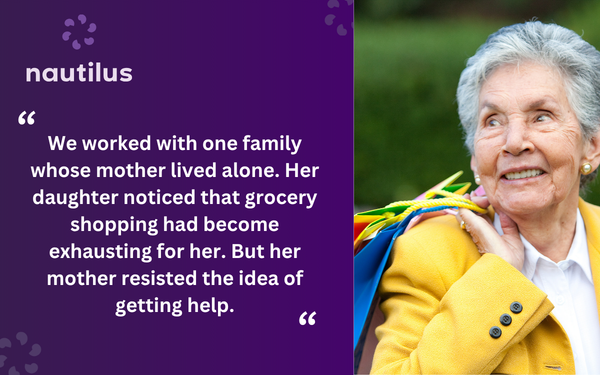
We worked with one family whose mother lived alone. Her daughter noticed that grocery shopping had become exhausting for her. But her mother resisted the idea of getting help.
We started with groceries. Her daughter explained that someone could help with shopping and household tasks. This seemed much less threatening.
Starting with grocery shopping and companionship, the caregiver became a familiar face. He was part of the routine.
Starting early allows seniors time to adjust without pressure1.
| Conversation Approach | What to Do | Why It Helps |
|---|---|---|
| Start Before a Crisis | Begin talking about household tasks, meals, errands, transportation, yard work, or companionship before an emergency occurs. | Starting early gives your parent time to consider support and adjust without the pressure of a crisis. |
| Listen First | Ask open-ended questions about which parts of the day or household routine have become difficult, and listen without immediately correcting or persuading them. | Listening can reveal underlying concerns about privacy, independence, aging, or allowing someone into the home. |
| Explain Home Care | Clarify that a caregiver comes to the senior’s home and provides support based on their individual needs. | This helps distinguish home care from moving into a nursing facility and reinforces the goal of remaining at home. |
| Discuss Available Support | Explain that support can include companionship, meal preparation, light housekeeping, errands, personal care, medication reminders, and help with daily routines. | Your parent can see that care can be adapted to specific needs instead of someone taking over their entire routine. |
| Focus on the Benefits | Talk about what support makes easier, such as carrying groceries, preparing meals, completing household tasks, or having companionship. | The conversation becomes about maintaining quality of life rather than highlighting everything your parent can no longer do. |
| Protect Family Time | Allow a caregiver to handle some routine responsibilities that family members have been managing. | Family visits can become more about spending meaningful time together instead of completing chores and checking daily tasks. |
| Use Softer Language | Describe a caregiver as support or an extra set of hands rather than telling your parent that they “need help.” | Supportive language respects dignity and avoids unnecessarily framing aging as a loss of capability or control. |
| Suggest a Trial Period | Consider starting with a few hours a week or a short trial, such as one month, rather than presenting care as an immediate permanent commitment. | A trial lets your parent experience home care firsthand and allows the family to change the arrangement together if necessary. |
| Acknowledge Their Fears | Recognize concerns about strangers entering the home, losing privacy, or becoming less independent. | Acknowledging those concerns demonstrates that the goal is to preserve their independence and comfort rather than dismiss their feelings. |
| Keep Your Parent Involved | Ask which tasks they want assistance with, what times they prefer, and what makes them comfortable or uncomfortable. | Having a meaningful role in the decisions gives seniors greater ownership over their home care arrangement. |
| Respect Boundaries | Respect preferences such as accepting housekeeping assistance while declining personal care. | Home care can be shaped around the individual instead of forcing them into a rigid routine. |
| Avoid Turning “No” Into an Argument | If your parent initially refuses, give them time and return to the conversation later. | Home care is an emotional subject, and allowing time can prevent the discussion from becoming a confrontation. |
| Keep the Goal in Focus | Frame home care around staying safely and comfortably in the familiar home, neighborhood, and community they value. | The right support can help seniors maintain familiar routines, belongings, hobbies, choices, and independence at home. |
Let Your Parent Tell You What Is Really Bothering Them
Before you start explaining how home care is a good idea, take some time to listen. Ask open-ended questions, like what part of the day feels the most difficult. Listen to the answers without correcting them5.
Remember that a parent who says they don’t need help has a deeper concern. Maybe they are afraid of losing their privacy or letting someone in their home. They may believe accepting care means admitting they are getting older.
Basically, understand their fears so you know how to address them next.
Explain What Home Care Actually Means
Many seniors associate home care with nursing facilities. We always make this distinction clear. Home care helps seniors remain at home. A caregiver comes to the senior’s house rather than the senior moving somewhere else4.
The level of support depends on their needs. This can include companionship, meal preparation, light housekeeping3, errands, personal care, medication reminders, and help with daily routines.
The caregiver doesn’t take over. The real point is they provide support with everyday routines. Seniors can feel safe and supported in the comfort of their own home. They can stick to the routines they’ve created for years. Also, they keep their hobbies and interests.
Talk About the Benefits
A conversation centered around everything they have stopped being able to do is harsh. Instead, talk about what support gives them.
A caregiver could mean your mom no longer has to carry heavy grocery bags. It could mean your dad has someone to prepare lunch with him. It could mean someone is there for conversation during a long afternoon.
Here’s the thing: it also gives family members a chance to simply be family again. Adult children worry if their parents had their medication, ate their meals, or got groceries. Over time, this becomes exhausting.
When a caregiver handles some of those daily responsibilities, the relationship changes. The daughter gets to visit her mother for coffee instead of spending the entire visit cleaning the kitchen.
Long story short, home care does not replace family. It allows for more quality time and meaningful moments.
Use Softer Language
Sometimes the words we choose make the conversation harder than it needs to be. Don’t say to them they need help. Instead, try saying you should get them support.
A caregiver is an extra set of hands around the house. And they should not have to do everything themselves. Refer to it that way.
Saying things this way respects their dignity. Aging does not mean someone suddenly loses their voice in decisions about their own life. They should still have a say in who comes into their home, when that person comes, and what tasks they handle6.
Suggest Trying It Instead of Making a Big Commitment
A big commitment seems scary. But the good news is that home care is quite flexible. Suggest a short trial period. A month is a good starting point.
If they don’t like it, you can change the plan together. A trial gives your parents an opportunity to experience the benefits instead of imagining what home care will feel like9.
In such cases, families start with a few hours a week. Seniors will understand that their caregiver is not there to boss them around. They maintain their comfort and dignity, while the caregiver prepares lunch and picks up groceries.
After a few weeks, they were the ones asking when the caregiver was coming next. That is not unusual. Sometimes the hardest part is simply getting past the first conversation.
Be Honest About the Fears
Don’t underestimate your parent’s concerns. They may be worried about letting a stranger in their house. Or losing their independence.
Acknowledge that you want to keep things as they like. You can say:
”I know you are independent. That is exactly why I want to find a way to keep you living here comfortably.”
That sentence says something important: getting support does not erase independence. In fact, the right support protects it. Your parent does not have to give up control of their home simply because they have someone helping with certain tasks.
Keep Your Parent Involved in the Decision
The conversation should not end with the family making all the decisions. Bring your parent into the process.
Ask what times they prefer. Discuss which tasks they want help with. Let them explain what makes them comfortable and what does not7.
For example, they want help with housekeeping but do not want assistance with personal care. Respect that.
Home care should not force the person to fit into a rigid routine8. We have found that seniors are much more comfortable when they feel ownership of the decision.
Remember That This Is an Emotional Conversation
When you bring up the conversation, you may hear a no. Do not turn that into an argument.
Give them time. Return to the subject later. Keep the conversation focused on their comfort and their wishes. Remember that your parents want to remain themselves.
They want to stay in a home filled with memories. They want to make their own choices. They want to feel useful, respected, and independent.
Home Care Is About Staying Home
For seniors, a home has more than four walls. It is the kitchen where family dinners happened. It is the neighborhood where they know the streets and recognize familiar faces.
Good home care supports that life10. Seniors can sleep in the same bed and drink from the same mug. They don’t have to change their routines or follow strict schedules.
Final Thoughts
Talking to an aging parent about home care is not about how they need help. The conversation is about how you want the next chapter to look. Start early and listen to their needs. Make sure to understand their fears.
Don’t be too pushy and give them choices. Suggest a trial instead of presenting home care as a permanent decision.
If your family is considering home care, we understand that you have so many questions. Contact us today and schedule your free consultation.
| Frequently Asked Question | Answer |
|---|---|
| When should I talk to my aging parent about home care? | It is best to start before there is a crisis. If everyday activities such as grocery shopping, cooking, housekeeping, errands, or keeping appointments are becoming more difficult, it may be a good time to begin the conversation. |
| How do I bring up home care without upsetting my parent? | Start by asking how they are managing everyday tasks and listen to their concerns. Focus on making life easier and preserving independence rather than emphasizing what they can no longer do. |
| Does home care mean my parent has to leave their home? | No. Home care is designed to provide support in the senior’s own home so they can remain in familiar surroundings and continue their established routines. |
| What can a home caregiver help with? | Depending on the senior’s needs, support may include companionship, meal preparation, light housekeeping, errands, personal care, medication reminders, and assistance with daily routines. |
| Will having a caregiver take away my parent’s independence? | The goal of home care is to support independence. Assistance with difficult or tiring tasks can make it easier for a senior to continue living at home and following their preferred routines. |
| What if my parent refuses home care? | Avoid turning the conversation into an argument. Listen to why they are uncomfortable, give them time, and return to the subject later while keeping the discussion focused on their comfort and wishes. |
| Can we try home care without making a long-term commitment? | A short trial can make the idea less intimidating. The article suggests that families may begin with a few hours per week or consider a month-long trial and adjust the arrangement together. |
| Should my parent be involved in choosing their home care arrangement? | Yes. Discuss the tasks they want help with, preferred times, boundaries, and what makes them comfortable so they retain a meaningful role in decisions about their daily life. |
| How can home care help family members? | When a caregiver takes on some everyday responsibilities, family members can spend less time managing chores and more time simply enjoying their relationship with their loved one. |
References
- Does an Older Adult in Your Life Need Help? — National Institute on Aging
- Research Insights on Livable Communities — AARP
- Home Care Services — MedlinePlus
- Home Health Services — Medicare
- Communication — Alzheimer’s Association
- Person-Centered Planning — Administration for Community Living
- Caregiver Guide: Problems of Daily Living — HealthInAging.org
- Integrated Care for Older People (ICOPE): Guidance for Person-Centred Assessment and Pathways in Primary Care, 2nd ed. — World Health Organization
- Respite Tips: Taking a Break From Giving Care to Someone in Need — Family Caregiver Alliance
- Help Shape the Future of Dementia Home- and Community-Based Services — National Institute on Aging