

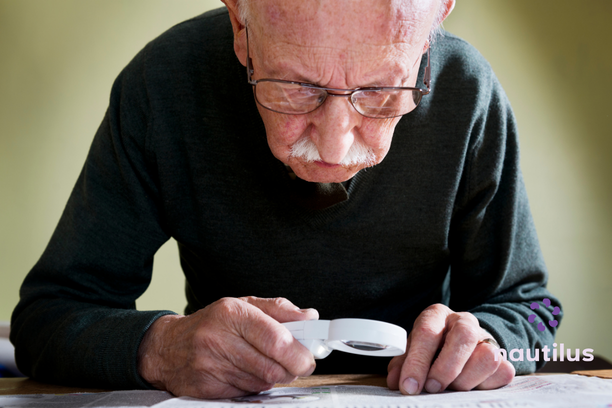
Margaret always started her morning the same way. She made a cup of coffee, read the newspaper at the kitchen table, and watered the flowers on her porch.
Then her vision began to change. The words in the newspaper blurred together. She struggled to recognize faces across the room. Cooking became frustrating because she couldn’t clearly see the markings on the stove. She worried about missing a step on the staircase or tripping over something on the floor.
Her daughter noticed that Margaret stopped reading and accepting invitations from friends. She didn’t feel safe leaving her house anymore.
This is what reality looks like for people with macular degeneration. Losing central vision changes the way a person moves through everyday life. But it doesn’t mean they have to give up living at home.
Home care helps overcome the challenges of vision loss, allowing seniors to remain at home and live independently.
| Key Takeaways |
|---|
| • Macular degeneration affects central vision, making everyday activities such as reading, cooking, and recognizing faces more difficult. |
| • Most seniors retain their peripheral vision, allowing them to continue living independently with the right support. |
| • Home caregivers improve safety by reducing fall hazards and keeping the home organized. |
| • Assistance with meals, transportation, household chores, and personal care helps seniors maintain independence. |
| • Caregivers encourage seniors to remain involved in hobbies and daily routines rather than taking over completely. |
| • Companionship and emotional support help reduce loneliness and improve overall well-being. |
| • Flexible home care services can adapt as vision changes, allowing seniors to remain safely at home longer. |
What Is Macular Degeneration?
Macular degeneration is an eye disease that damages the macula, the part of the retina responsible for sharp central vision.1
Central vision allows people to read, recognize faces, watch television, prepare meals, manage medications, and perform many everyday activities. As the disease progresses, these tasks become difficult.2
Peripheral vision usually remains intact. Seniors don’t become completely blind, but they lose detailed vision.
After a diagnosis, many seniors stop driving, avoid unfamiliar places, or withdraw from activities they once enjoyed.3
But also, this affects their emotional well-being. Older adults with macular degeneration are afraid of losing their independence and leaving home.4
The good news is that they can remain at home with the right support. Home care provides assistance with everyday tasks and establishes a safe environment. Seniors can continue living in familiar surroundings.
| Challenge | How Macular Degeneration Affects Seniors | How Home Care Helps |
|---|---|---|
| Reading Difficulties | Medication labels, bills, recipes, and messages become difficult to read due to loss of central vision. | Caregivers read important documents aloud, organize paperwork, and help ensure medications are taken correctly. |
| Cooking Safely | Difficulty seeing stove controls, measuring ingredients, or checking food can make cooking stressful. | Caregivers prepare nutritious meals while encouraging seniors to safely participate in meal preparation. |
| Fall Risk | Reduced vision makes stairs, rugs, cords, and clutter more hazardous. | Caregivers reduce hazards, assist with mobility, and provide supervision during higher-risk activities. |
| Loss of Transportation | Many seniors stop driving, limiting access to appointments, shopping, and social activities. | Caregivers provide transportation to medical visits, grocery stores, pharmacies, family events, and community activities. |
| Personal Care | Tasks like dressing, grooming, and matching clothing become more difficult. | Caregivers assist while encouraging seniors to remain as independent as possible. |
| Home Organization | Finding everyday items becomes difficult when objects are moved. | Caregivers keep commonly used items in consistent locations to simplify daily routines. |
| Household Chores | Cleaning, laundry, shopping, and changing bed linens become more challenging. | Caregivers assist with housekeeping tasks while supporting the senior’s independence. |
| Loss of Confidence & Isolation | Vision loss may cause seniors to withdraw from hobbies and social activities. | Caregivers encourage hobbies, accompany seniors on outings, and provide meaningful companionship. |
| Family Concerns | Family members worry about safety, medications, and daily routines. | Regular caregiver visits provide reassurance and reduce stress for family caregivers. |
| Changing Care Needs | Vision often declines gradually, requiring additional support over time. | Home care services can be adjusted as needs evolve while helping seniors remain independent. |
The Everyday Challenges Seniors Face
Reading Becomes Frustrating
Reading medication labels, recipes, bills, text messages, or greeting cards becomes exhausting.
So many seniors spend extra time trying to read before eventually asking someone else for help. Something that used to be so simple now feels like hard work.
Cooking No Longer Feels Safe
Preparing a meal becomes more complicated. The senior can’t see the stove settings, measure ingredients, or tell whether the food is cooked.
As this becomes stressful, many seniors start skipping meals. They may rely on packaged foods because they are simple to prepare.
Falls Become a Bigger Concern
Vision plays a major role in balance5. Seniors can’t see steps, rugs, electrical cords, or objects on the floor, so moving around the house is unsafe. Even a small obstacle can become a risk.
Driving Is No Longer an Option
When a senior experiences vision problems, they stop driving. And this is one of the most difficult adjustments. They can no longer go to grocery stores, doctor’s appointments, church, or visit friends.
They may spend more time alone. And their adult children may need to take time off work to take them to doctors’ appointments.
Losing Confidence Leads to Isolation
Vision loss has a huge impact on emotional well-being. A senior who once enjoyed sewing, reading novels, playing cards, or meeting friends for lunch may slowly stop participating. These activities become more difficult to handle.
Over time, the house becomes quieter. Loneliness starts to replace the routines they have built for years.
How Home Care Helps Seniors with Macular Degeneration
Home care is a flexible solution that supports seniors in everyday living. It does not include medical services, but hands-on assistance to keep them safe and enhance quality of life.
Making the Home Safer
The home caregiver helps improve safety in the home. They keep walkways clear, remove clutter, keep commonly used items in consistent places, and reduce hazards that increase the risk of falls.6
For example, they suggest the family remove loose rugs to reduce the risk of falls. They can also organize the shoes so they don’t sit near the front door.
Helping with Meals and Everyday Cooking
When cooking becomes a hassle, the caregiver provides help. They can prepare nutritious meals, organize the kitchen, and ensure food is easy to access.
But some seniors still enjoy participating. In this case, the caregiver gives them easy and safe tasks such as mixing ingredients or sharing the family recipes.
Taking over can feel like losing independence for seniors. Instead, the caregiver allows them to stay involved in something they have always enjoyed.
Providing Transportation
Macular degeneration affects vision. But for seniors, it is seen as taking away their freedom.
The good news is that caregivers provide transportation to medical appointments, grocery stores, pharmacies, family gatherings, and community activities. This means that seniors can return to the things they once enjoyed and stay connected with their community.
Helping with Reading and Everyday Paperwork
Prescription labels, appointment reminders, mail, bank statements, and instruction manuals become difficult to read. A caregiver helps read important information aloud, organize paperwork, and make sure nothing important gets overlooked.
This is very important for managing medications. Instead of struggling to read a prescription bottle, the senior has someone available to confirm instructions.
Supporting Personal Care
Getting dressed, matching clothing, shaving, or styling hair becomes harder when central vision is limited. A caregiver can help while encouraging the senior to remain involved.
For example, the caregiver can help with creating an outfit and allow the senior to dress independently. This support allows the senior to maintain dignity while reducing frustration.
Helping Prevent Falls
Falls are one of the biggest concerns for seniors living with vision loss. A caregiver stays present during activities that require extra attention, such as climbing stairs, walking outdoors, or getting into the shower.
They also remind the seniors to take their time and avoid rushing. For example, the caregiver carries the full laundry basket down the stairs.
Keeping the Home Organized
People living with reduced vision depend on familiarity. When objects are in the same place, it is easier to find them. A home caregiver helps maintain that consistency. They keep the keys in the same bowl and glasses on the same table. The kitchen utensils are in the same drawer.
The predictable environment helps reduce frustration and makes daily routines easier.
Encouraging Hobbies Instead of Giving Them Up
Vision loss changes how seniors enjoy their hobbies. But they still have interests. Instead of avoiding the activities that were once enjoyed, a caregiver helps adapt them. A senior who enjoys baking can mix the cookie dough. Someone who loves gardening can enjoy watering flowers.
Providing Companionship
Getting out of the house feels more difficult for seniors with macular degeneration. The days become quieter, and they start feeling lonely.
A caregiver brings conversation back into the day. They share meals, play games designed for people with low vision, accompany seniors on walks, or simply sit together and talk over coffee.
Those moments matter just as much as practical assistance. The senior feels connected, and this can improve their emotional well-being.
Helping with Household Tasks
Cleaning, vacuuming, laundry, changing bed linens, and grocery shopping all become more difficult when vision is limited. A caregiver helps with chores so the senior doesn’t have to do everything alone.
They don’t take away independence but rather support it. For example, a caregiver can sort laundry because this would be difficult for the senior.
Giving Families Peace of Mind
Adult children frequently worry about a parent living alone with vision loss. They wonder whether their parents are taking medications correctly. They also worry about their parent’s safety.
Regular home care visits provide reassurance. Knowing someone checks in, helps with daily routines, and notices changes reduces stress for the entire family.
Family members don’t have to call every hour or take time off work.
Providing Flexible Support
Vision changes gradually. The good thing is that home care is flexible and can adapt to changing needs7. Some seniors start with a few hours of care per week for transportation and grocery shopping. Later, they add assistance with meals, housekeeping, or personal care.
Home care grows with the changing needs without taking away independence. The goal isn’t to do everything for the person. The caregiver provides support where needed while allowing the senior to do the things they can safely manage.
Final Thoughts
Macular degeneration changes the way seniors see the world. But it doesn’t change who they are. They still enjoy morning coffee, conversations with family, favorite recipes, music, hobbies, and familiar routines. The place they call home is irreplaceable.
Vision problems don’t have to mean a senior should move to a facility. Home care provides the needed support in their own home. Seniors stay connected to their community, enjoy their routines, and maintain their independence.
By helping with meals, transportation, personal care, household tasks, safety, and companionship, caregivers remove many of the daily obstacles.
If you’re exploring your options, contact us and schedule a consultation.
| Question | Answer |
|---|---|
| Can seniors with macular degeneration continue living at home? | Yes. With proper home care support and safety modifications, many seniors can continue living safely and independently in their own homes. |
| Does macular degeneration cause complete blindness? | No. Macular degeneration primarily affects central vision while peripheral vision usually remains intact. |
| What services do home caregivers provide? | Caregivers assist with meal preparation, housekeeping, transportation, personal care, medication reminders, companionship, and improving home safety. |
| How can caregivers help prevent falls? | They remove trip hazards, organize the home, provide mobility assistance, and supervise activities where additional support is needed. |
| Can home care be adjusted as vision changes? | Yes. Home care is flexible and can increase or decrease as a senior’s needs evolve over time. |
| Why is companionship important for seniors with vision loss? | Companionship helps reduce loneliness, encourages social engagement, and supports emotional well-being while maintaining daily routines. |
References
- National Eye Institute – Age-Related Macular Degeneration (AMD)
- Henry Ford Health – Macular Degeneration
- AARP – What Caregivers Should Know About Macular Degeneration
- BrightFocus Foundation – Macular Degeneration, Vision Loss and Mental Health
- Centers for Disease Control and Prevention – Vision Impairment and Falls Among Older Adults
- National Council on Aging – How to Include Adults with Low Vision in Falls Prevention Programs
- World Health Organization – Blindness and Vision Impairment