

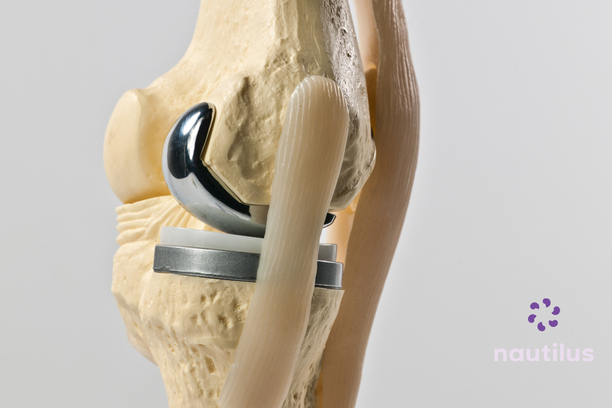
After months or years of living with knee pain, a knee replacement is often the solution. But getting home after a surgery brings a different realization. Normal activities are harder.
Robert used to make his own breakfast, walk to the mailbox, and take his dog for a walk outside. After coming home from his knee replacement, standing at the kitchen counter for several minutes left him tired.
Getting in and out of the shower became challenging. And walking to the bedroom took more effort than he expected.
His daughter wanted to help. But she had a full-time job and couldn’t stay throughout the day. She contacted a home care agency and decided to proceed. A caregiver helped with the everyday tasks while encouraging the senior to stay independent and active.
Knee replacement recovery takes time. But with the right support, seniors can gradually rebuild strength and improve mobility.
Key Takeaways
- Recovery from knee replacement surgery takes time, and progress varies from person to person.
- The first few weeks are critical for healing, mobility, and following physical therapy instructions.
- Preventing falls by creating a safer home environment is an important part of recovery.
- Home caregivers provide support while encouraging seniors to remain as independent as possible.
- Caregivers help reinforce physical therapy routines through reminders and encouragement.
- Assistance with bathing, dressing, meal preparation, medication reminders, and housekeeping allows seniors to focus on healing.
- Proper nutrition and hydration play an important role in supporting recovery.
- Professional home care can reduce stress for family caregivers who cannot provide full-time assistance.
- Recovery often includes both good and challenging days, which is a normal part of the healing process.
- Home care services can be temporary and adjusted as the senior regains strength and independence.
Understanding Recovery After Knee Replacement Surgery
Knee replacement surgery replaces damaged parts of the knee joint with artificial components. This can significantly reduce pain and make walking and other activities easier. But as with other surgeries, the body needs time to heal.1
The first few weeks are important. Seniors need to use a walker or another mobility device, follow a physical therapy program, manage pain and swelling, and gradually increase activity.2
But recovery can look different for everyone. Some seniors regain their strength more quickly. Others may need extra time because of age, muscle weakness, or other health conditions.
| Recovery Stage / Home Care Service | Challenges | How Home Care Helps |
|---|---|---|
| First Days at Home | Difficulty getting out of bed, dressing, walking, swelling, stiffness, higher fall risk. | Assists with mobility, transfers, and creates a safer home environment. |
| First Few Weeks | Balancing exercise with rest, managing pain and swelling, staying active. | Encourages safe movement, supports daily routines, and promotes consistency. |
| Following Weeks & Months | Gradually returning to everyday activities while coping with good and bad recovery days. | Provides flexible support that decreases as independence improves. |
| Safe Mobility Assistance | Fear of falling, unsteady walking, difficulty using mobility aids. | Helps with walking, transfers, walker or cane use, and keeps pathways clear. |
| Physical Therapy Support | Difficulty staying motivated and following exercise routines. | Provides reminders, encouragement, and helps maintain a recovery schedule. |
| Bathing & Personal Care | Risk of slipping, standing fatigue, dressing challenges. | Assists with showering, dressing, footwear, and bathroom safety while preserving dignity. |
| Meal Preparation | Fatigue while cooking, difficulty carrying food, nutritional needs. | Prepares healthy meals, snacks, hydration, and handles kitchen cleanup. |
| Medication Reminders | Managing pain medications and daily prescriptions. | Provides medication reminders and reports concerns to family without changing medications. |
| Household Assistance | Laundry, vacuuming, groceries, garbage, and other physically demanding chores. | Handles household responsibilities so seniors can focus on healing. |
| Transportation | Unable to drive to follow-up appointments or therapy. | Provides transportation and assists with entering and exiting the vehicle. |
| Fall Prevention | Hazards such as clutter, wet floors, loose rugs, and difficult transfers. | Identifies risks, improves home safety, and supervises challenging activities. |
| Monitoring Recovery | Changes in mobility, appetite, swelling, pain, or mood. | Observes changes and communicates concerns to family members. |
| Short-Term Home Care | Need for temporary assistance without permanent caregiving. | Flexible care plans that decrease as recovery progresses and independence returns. |
The First Days at Home
The first days are often overwhelming. Getting out of bed, walking to the bathroom, and getting dressed require more effort than usual. The knee may be swollen and stiff, so seniors need help with mobility.
At this time, preventing falls is very important. Things like a loose rug, crowded hallway, or wet floor can create a hazard when someone is still unsteady on their feet.3
The First Few Weeks
Healing gradually progresses. Seniors generally start walking more and doing light exercises as prescribed by their physical therapist.
Seniors are often told not to stay in bed all the time. Gentle movement and the prescribed exercises help regain strength and mobility.
But doing too much can lead to pain and swelling. Seniors need to find the right balance without overdoing it.
The Following Weeks and Months
Over time, walking becomes easier. Seniors may start walking more independently. Later, they may return to their usual everyday activities.
But progress isn’t always steady. Some days may be more difficult than others, and that doesn’t mean something’s gone wrong. Recovery has both good days and bad days. This is normal as the body continues to heal.
How Home Care Supports Recovery After Knee Replacement
During the recovery process, seniors need assistance with mobility, safety, pain management, and physical therapy.
Often, family members may not be able to provide consistent help. Some have full-time jobs and family responsibilities. Others may live out of state. In that case, home care provides ongoing support that adjusts to the changing needs.
Helping Seniors Move Safely
Walking is an important part of recovery. But seniors can feel unstable or nervous. A caregiver can help a senior get out of bed, walk to the bathroom, or move around the house. They make sure a walker or a cane is used properly. Also, caregivers keep the pathways clear of clutter.
This kind of help is useful during the first few days. During this time, the senior still adjusts to their new limitations.
For example, an older adult may feel confident walking across the living room. But they become unsteady when turning around in the kitchen. Having someone nearby provides the needed reassurance.
Supporting Physical Therapy and Daily Movement
Physical therapy is crucial for knee replacement recovery. Healthcare providers recommend exercises for improving strength, flexibility, balance, and range of motion.4
The real challenge is staying consistent. A caregiver provides gentle reminders about the therapy routine. They encourage the seniors to follow the instructions provided by their healthcare team. They can create a daily schedule that leaves time for exercise and rest.
For example, one senior became discouraged because bending the knee is uncomfortable. The caregiver encouraged them to stay consistent with the exercises rather than giving up.
But home care doesn’t replace physical therapy. It helps seniors follow through with the recovery plan between the appointments.
Helping with Bathing and Personal Care
After knee replacement surgery, taking a shower is stressful. Standing for a long time is difficult. Moving across a wet bathroom floor or stepping over the bathtub edge can increase the risk of falling.
A caregiver helps with bathing and personal care while respecting the senior’s privacy and dignity.
The level of assistance depends on the person’s needs. It may include:
- Getting safely into and out of the shower
- Washing and drying
- Getting dressed
- Putting on socks and shoes
- Moving between the bedroom and bathroom
- Setting up frequently used personal items within easy reach.
The goal is to maintain independence as much as possible. As the senior becomes stronger, the caregiver can step back and allow them to do more on their own.
Preparing Meals and Keeping Seniors Well Nourished
Standing in a kitchen after a knee surgery increases fatigue and discomfort. Also, carrying hot dishes while using a walker can be unsafe. But seniors still need healthy homemade meals to support their recovery. Good nutrition is important during recovery because the body needs adequate calories, protein, vitamins, and fluids to support healing.5
A home caregiver prepares meals and snacks and ensures the senior has easy access to water. They also clean up the kitchen afterward.
Seniors can save their energy for walking and physical therapy.
Helping with Medication Routines
After the surgery, seniors have a lot of medications to manage. They take pain medication as part of the recovery plan. Also, many have other medications prescribed by their healthcare provider.
The caregiver does not prescribe medications or change doses. Instead, they help the seniors follow their care plan. They provide medication reminders, ensuring the right doses are taken at the right time.
Also, the caregiver can inform the family about changes they notice.
Managing Household Tasks
Household chores require movements that are difficult after knee replacement surgery. Vacuuming, doing laundry, changing bed linens, taking out garbage, and carrying groceries can involve standing, bending, lifting, or walking for longer periods.
Keeping up with these tasks can be exhausting or unsafe. A caregiver takes over the practical responsibilities so the senior can focus on their recovery.
Providing Transportation and Appointment Support
Follow-up appointments and physical therapy sessions are an important part of recovery. But seniors aren’t able to drive during this time.
Home caregivers can provide transportation and assistance with getting in and out of the car. They ensure the senior gets safely to appointments, pharmacies, and other destinations.
This takes pressure off family members who otherwise need to rearrange their work schedules every time their loved one has an appointment.
Helping Prevent Falls Around the Home
A home caregiver can identify everyday situations that could cause problems. For example, they keep the walkways clear, put frequently used items within reach, and encourage the senior to use their walker.
They can be present during the activities that are more challenging, such as getting out of bed or moving around the bathroom.
These precautions help prevent falls and keep recovery on track.
Watching for Changes and Communicating Concerns
Caregivers visit frequently, so they may notice changes that family members don’t see during a short visit. They pay attention to changes in mobility, energy, appetite, swelling, pain, and mood. Then the caregiver reports the concerns to the family.
The important thing is that home caregivers don’t diagnose medical problems. But they make sure the changes don’t go unnoticed.
Providing Temporary Support Without a Long-Term Commitment
Some seniors hesitate to accept help because they believe it means they will need a caregiver permanently. Home care can adjust as the recovery progresses. It can be organized as short-term assistance, where the care plan adapts to the changing needs.
Someone may need several hours of help each day. As they become stronger and more confident, they may need help a few times a week. There is no pressure for a long-term commitment, and the services can stop when the senior is fully independent.
Final Thoughts
Knee replacement surgery can make a major difference in a senior’s quality of life. But the recovery process can be challenging. It requires patience, movement, physical therapy, and support.
Home caregivers provide practical support while the senior remains in a familiar environment. They help with the everyday tasks so the seniors can preserve their energy for therapy.
With professional assistance, seniors can move through the difficult stages and return to their routines.
If you’re considering home care, let’s talk. Schedule a consultation with us, and we will walk you through your options.
Frequently Asked Questions
1. How long does it take to recover from knee replacement surgery?
Most seniors experience significant improvement within 6 to 12 weeks, although full recovery may take several months depending on overall health, age, and commitment to rehabilitation.
2. When can someone walk after knee replacement surgery?
Many people begin walking with a walker or other mobility aid shortly after surgery. Walking ability gradually improves as strength and mobility return.
3. Why is home care helpful after knee replacement surgery?
Home care provides assistance with mobility, personal care, meal preparation, medication reminders, transportation, and household tasks while allowing seniors to recover safely at home.
4. Can a home caregiver help with physical therapy?
Home caregivers do not replace licensed physical therapists. They encourage seniors to complete the exercises prescribed by their healthcare provider and help maintain a consistent recovery routine.
5. What daily activities can a caregiver assist with?
A caregiver may assist with:
- Bathing and dressing
- Meal preparation
- Medication reminders
- Walking and transfers
- Light housekeeping
- Laundry
- Transportation to appointments
- Fall prevention around the home
6. How can seniors reduce the risk of falling after knee replacement?
Using prescribed mobility aids, removing tripping hazards, keeping walkways clear, wearing supportive footwear, and having assistance during difficult activities can help prevent falls.
7. Does home care mean someone will need a caregiver permanently?
No. Many seniors only need short-term home care during recovery. Services can be reduced or discontinued as independence improves.
8. Can caregivers manage medications?
Caregivers cannot prescribe medications or change dosages. They provide medication reminders and help seniors follow the care plan established by their healthcare provider.
9. When can someone drive after knee replacement surgery?
Driving should only resume after receiving approval from the surgeon or healthcare provider. Until then, caregivers or family members can assist with transportation.
10. How do I know if home care is right after knee replacement surgery?
If walking, bathing, preparing meals, or attending appointments becomes difficult—or if family members cannot provide consistent assistance—short-term home care can provide valuable support throughout recovery.