

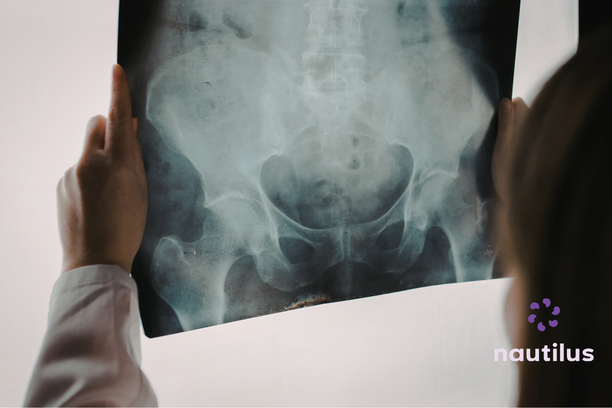
As we get older, movement gets more difficult. Walking, standing, and climbing stairs can cause discomfort. Tight or weak hip flexors are one of the most common reasons for this.
Hip flexors are a group of muscles located at the front of your hips. They help lift your legs, bend at the waist, and maintain balance when walking. When they become stiff or weak, everyday activities may feel uncomfortable.
Gentle exercise can help improve flexibility and reduce discomfort. And no, you don’t need intense workouts. Our guide shares hip flexor exercises designed specifically for seniors. You can follow the simple instructions and learn more about their benefits.
| Key Point | Details |
|---|---|
| Consistency Matters | Short sessions (10–15 mins) done regularly are more effective than intense workouts |
| Start Small | Begin with a few exercises and low repetitions, then gradually increase |
| Safety First | Use support, move slowly, and stop if sharp pain occurs |
| Environment Matters | Exercise in a clutter-free, non-slip space with proper clothing |
| Progress is Gradual | Improvement shows in better balance, less stiffness, and easier daily movement |
Hip Flexor Exercises for Seniors
Seated Marching
The seated marching exercise is one of the hip flexor exercises for seniors. It activates the muscles without putting pressure on your joints. Sit on a chair with your feet flat on the floor. Slowly lift one knee and lower it back. Repeat with the other knee as if you were marching.
This exercise helps improve hip strength. Plus, it is safe for seniors.
Another thing you should remember is keeping your back straight. Lift your knee as high as is comfortable. Start with eight to ten lifts per side.
| Exercise | How to Perform | Benefits |
|---|---|---|
| Seated Marching | Lift one knee at a time while seated, alternating like marching | Improves hip strength with low joint impact |
| Standing Knee Raises | Lift one knee toward chest while standing with support | Strengthens hips and improves balance |
| Seated Leg Extension | Straighten one leg while seated, hold briefly, then lower | Builds thigh and hip strength |
| Supine Hip Flexor Stretch | Lie on back, pull one knee to chest while extending the other | Reduces stiffness and improves flexibility |
| Butterfly Pose | Sit with soles together and knees dropping outward | Opens hips and inner thighs |
| Standing Side Leg Lifts | Lift one leg sideways while standing with support | Strengthens outer hips and improves stability |
Standing Knee Raises
The standing hip flexor stretch strengthens your hips. It also helps with balance.
Stand behind a chair or near a wall. Slowly lift one knee towards your chest and lower it down. Repeat with the other leg.
The simple stretch makes hip flexors stronger and improves balance. Start with five to ten repetitions per leg.
Again, make sure to keep your posture straight. Move slowly and with controlled movement.
Seated Leg Extension
Seated leg extensions support both the hip flexors and thighs. Sit on a chair and slowly straighten one leg in front of you. Hold it for a few seconds and lower it down. Repeat with the other leg. Try eight to ten repetitions.
This exercise strengthens the upper legs and hips. This helps when standing up from a chair.
Supine Hip Flexor Stretch
If you prefer to lie down, this is a good stretch to consider. It helps loosen the tight muscles without putting pressure on your joints.
Lie on your back on your bed or exercise mat. Bend the knees and place them flat on the surface. Bring one knee toward your chest and hold it with your hands. You can keep the other leg bent or slowly straighten it.
Hold the position for 15 to 30 seconds and switch sides. You should feel a nice stretch in the front of the hip of the extended leg. Repeat two to three times on each side.
This simple stretch can help improve posture and reduce stiffness.
Butterfly Pose
The butterfly pose is ideal if you spend a lot of time sitting. It gently opens the hips and inner thighs.
Sit on the exercise mat or bed. Bring the soles together in front of you and let the knees fall out to the sides. Sit upright and rest your hands on your legs. Hold for 20 to 30 seconds and release. Repeat two to three times.
Still, make sure not to push your knees down. Use gentle movement and let gravity do the work. If your hips feel tight, you can sit on a cushion. During the first few times, the stretch may feel strong. You can simply move your feet away from your body to make it more comfortable.
Standing Side Leg Lifts
The muscles around the hips are important too. And the standing side leg lifts target exactly that area.
Stand next to a chair and hold for support. The body should be upright and feet together. Slowly lift one leg to the side while the toes are facing forward. Keep the leg straight. Lift as high as you can without discomfort. Even lifting your leg just a little is better than no exercise at all. Do eight to ten repetitions per leg. Or as many as you can.
The standing side leg lifts help strengthen the outer hip muscles. Plus, it improves balance and stability.
Before You Start
The gentle exercises are specifically designed for seniors. However, it is okay to feel unsure about a new routine. The hip flexor exercises are meant to support your body, not strain it. Before you start, take some time to get prepared. To do so, we share a few helpful steps.
Choose a safe space
Make use of having enough room to move freely. Make sure the floor isn’t slippery and wear non-slip socks. Also, remove any clutter that you can trip over. If you’re doing standing exercises, a wall or a chair can be your support.
Wear comfortable clothing
Choose breathable clothing made of lightweight materials. When doing standing exercises, supporting shoes with a non-slip sole can help.
Warm up
A gentle warm-up helps prepare your muscles. This includes rolling your shoulders, turning your head side to side, and slowly lifting your feet while seated. Five minutes of light warm-up can help reduce stiffness.
Move slowly
Make sure you move slowly. Don’t rush every step. Think about how your body feels with every move rather than counting the repetitions.
Stop if you feel pain
You may feel slight discomfort when doing light exercises. However, it is important to tell the difference between discomfort and pain. Sharp and sudden pain is not a good sign. In this case, stop exercising and rest.
Use support
Many seniors may feel safer if they hold onto a chair or a wall. This helps maintain balance and prevents falls.
Breathe naturally
Maintaining a steady pace while breathing is crucial for exercising. Holding your breath can make you feel dizzy.
Stay hydrated
Make sure to drink water before and after exercising. Even light movement can be exhausting if you are dehydrated.
Start small
Don’t force your body in the beginning. Start with a few repetitions of one or two exercises. Give your body some time to adjust and gradually do more.
Listen to your body
Some days, hip flexor exercises may feel easier. But you may feel tired or stiff. It is important to listen to your body and adjust the pace.
Check with your doctor if needed
If you have other conditions, ask your doctor about exercising. They may suggest which exercises are good for you and modifications to do them safely.
How Often Should Seniors Do These Exercises?
Seniors don’t need to stick to a strict schedule. Being consistent and doing what feels comfortable for your body matters more.
You can do the exercises two to three times per week. Three to four exercises at a time are enough. And you can do 10 to 15 minutes per session. This may not sound like much. But it is enough to get your body moving and build strength.
If it still feels too much for your body, start with less. Even five minutes of meaningful movement is enough to begin with.
Basically, consistency is the most important. Doing a little more often helps more than doing too much and needing long breaks.
The real point is to make it less tiring for you. You can break your movement into smaller parts throughout the day. Do a few seated exercises in the morning and a short stretch in the afternoon. This is easy to fit into your daily routine and is less exhausting.
As your body gets used to the exercise, movements will feel smoother. At this point, you can increase the number of repetitions.
Another helpful tip to motivate you to exercise is doing it with an activity you like. You can watch TV or listen to music.
Signs You’re Making Progress
Progress may not be drastic. With regular exercise, you can notice improvement in walking, less stiffness in the morning, and better balance. Ultimately, this helps you gain more confidence in movement.
This means you’ll feel more stable, which helps prevent falls. Every day tasks will feel more manageable.
However, don’t forget about the less obvious signs of progress. You’ll remember to do your exercises more often. Each step will feel more familiar. And exercising becomes a regular part of your daily routine.
Final Thoughts
Hip flexor exercises for seniors help you stay mobile and reduce discomfort. With this, you can continue doing the everyday things you enjoy.
Remember that exercises don’t have to be perfect. And you don’t have to force your body to do everything at once. Think of this as light movement that is good for your body. Take some time to get good rest and stay well hydrated.
| Question | Answer |
|---|---|
| How often should seniors do these exercises? | Two to three times per week for 10–15 minutes per session is recommended |
| What if the exercises feel too difficult? | Start with fewer repetitions or shorter sessions, even 5 minutes is beneficial |
| Is it normal to feel discomfort? | Mild discomfort is normal, but sharp or sudden pain means you should stop |
| Do I need equipment? | No special equipment is needed, just a chair or wall for support |
| How do I know if I’m improving? | Signs include better balance, smoother movement, and reduced stiffness |