

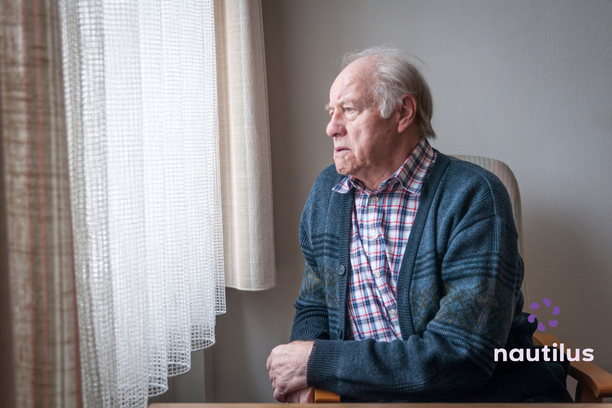
Robert stuck to his morning routine for years. It consisted of showering, shaving, and buttoning up his shirt. But lately, the buttons have started feeling smaller. His hands don’t move the same way, and his shoulders hurt when he lifts his arms. The quick morning routine that once took 5 minutes now takes 20.
Some mornings, the pain is worse, and he gives up and stays in the same clothes. His daughter noticed the change during a visit, as Robert wore the shirt three days in a row.
Dressing is personal, so seniors may struggle to ask for help. This is the reality for many older adults. As physical capabilities are declining, everyday routines become difficult to manage.
That’s why home care agencies offer elderly dressing assistance in Boca Raton, FL. The service is part of a broader care plan intended to support independence.
| Key Point | Insight |
|---|---|
| Dressing Gets Harder with Age | Physical limitations make simple tasks challenging |
| Identity Matters | Clothing plays a key role in confidence and self-expression |
| Flexible Support | Care adapts from minimal guidance to full assistance |
| Safety is Essential | Proper support reduces falls and injury risks |
| Small Changes Help | Adaptive clothing and routines improve independence |
When Getting Dressed Becomes a Challenge
Dressing requires coordination, balance, flexibility, and motor skills. These decline with age, making dressing a struggle.
Many older adults live independently in Boca Raton, so the challenges are often hidden. Arthritis makes simple tasks like buttoning and closing zippers painful.
Seniors also have a limited range of motion in their shoulders or hips, making it difficult to put on clothes. Some may have balance issues when standing or bending.
Dressing with Parkinson’s is even more challenging. This condition causes stiffness and tremors, so dressing can be frustrating.
With these challenges, something as simple as putting on socks feels overwhelming. And often, seniors may feel embarrassed to ask for help. Because of this, they repeat outfits, wear the same clothes, or put on whatever is easiest.
| Category | Details | Examples / Notes |
|---|---|---|
| Challenges with Dressing | Reduced coordination, flexibility, balance, and motor skills | Arthritis, Parkinson’s, and limited range of motion |
| Emotional Factors | Embarrassment, pride, loss of identity | Repeating outfits or avoiding effort |
| Purpose of Assistance | Support independence while ensuring safety and comfort | Caregivers assist without taking over |
| Gentle Guidance | Verbal cues and reminders | Helpful for mild cognitive decline |
| Standby Support | Caregiver nearby for safety | Ideal for balance or mobility concerns |
| Hands-On Assistance | Partial physical help | Buttons, zippers, sleeves, socks |
| Full Support | Complete dressing assistance | Maintains dignity and involvement |
| Specialized Support | Advanced care needs | Compression socks, medical devices |
| Safety Benefits | Reduces fall risk and monitors health | Encourages sitting while dressing |
What Dressing Assistance Really Looks Like
In Boca Raton, in-home caregivers help seniors with dressing. It isn’t about taking control over the process, but rather making it easier and keeping the person involved. Dressing is personal, so caregivers do it in a way that feels natural.
Elderly dressing assistance in Boca Raton, FL, can look different depending on your situation. The caregiver helps pick weather-appropriate clothing. They assist with removing and putting on garments.
They also support balance while standing or sitting. If needed, they help with compression garments, socks, and shoes.
In fact, dressing assistance isn’t a one-size-fits-all solution. Sometimes it is guidance, and in other cases, it is full involvement. Caregivers know when to step in and when to step back. This helps preserve independence and identity.
A caregiver in Boca Raton shared a moment with a client named Elena. Elena had always been dressed well. She wore matching outfits and jewelry. This was part of her identity.
After a stroke, she started wearing whatever was the easiest to put on. This made her feel like she was losing a piece of herself.
Her caregiver presented two outfits and gave her the freedom to choose which one she liked better. Then the caregiver helped with the sleeves and balance. Elena put on her favorite perfume and felt like herself again.
Why Dressing Support Is About More Than Clothes
Elderly dressing assistance isn’t just practical. Clothing is part of a person’s identity. This is especially important in places like Boca Raton. Seniors enjoy active social lives, so it matters more than expected.
With the right support, seniors feel put-together and confident. This also increases the chances of staying socially active and prevents isolation.
As a result, their daily routine feels normal, and there is less frustration.
Safety
Dressing can be risky for seniors. Bending over and standing on one leg can lead to falls.
Caregivers help seniors create a safe dressing routine. They help reduce the risk by assisting with balance. They encourage them to sit when needed and monitor for signs of dizziness.
Plus, they can notice small changes like swelling in the legs or difficulty lifting an arm. Then they will notify the family to check for potential health issues.
Different Levels of Dressing Assistance
Not every senior needs the same kind of help with dressing. And needs can change over time. Dressing assistance in Boca Raton is usually flexible and adapted to the senior’s needs.
Dressing assistance is part of in-home care services. This allows seniors to feel supported at home instead of moving to a facility. They can keep the routines they followed for years. The clothing choices remain personal. And there is more comfort and privacy.
For families, in-home care makes a big difference. It improves the quality of life while allowing seniors to maintain their dignity.
Gentle Guidance
This is the lightest level of support. The caregiver guides and reminds seniors, instead of physically helping them. This is helpful for seniors who have mild cognitive decline and struggle to remember the steps. The caregiver can lay the clothes in the right order. Or they can give simple instructions and redirect if the person gets confused.
For example, a caregiver noticed that her client puts on her blouse before her undershirt. This makes the client feel frustrated. To prevent this, the caregiver starts placing her undershirt on top and gently suggests starting with it. There are no direct corrections or pressure.
Standby Support
With standby support, the senior does most of the steps while the caregiver is nearby for reassurance. This type of assistance is common for individuals with balance issues and mild mobility limitations. The caregiver can stay in the room or outside. They step in only if needed. Or they help maintain balance while the client dresses themselves.
For example, a man was recovering from a hip surgery. At first, he refused help with the dressing. The caregiver stayed nearby and chatted casually. When he struggled to put on his pants, the caregiver suggested sitting down. This improved the safety of his dressing routine and preserved his independence.
Hands-On Assistance
The caregiver provides partial physical help. They let the person keep control of the process and step in for the parts that are physically difficult. The goal is to keep the independence while maintaining safety.
The caregiver may assist with buttons, zippers, or clasps. They guide their arms into sleeves and support balance while putting on pants. They can also assist with socks and shoes when bending down is difficult for the client.
For example, a woman with arthritis could choose outfits and dress herself. However, buttoning her shirt was painful. Her caregiver helped with the buttons while talking about her plans for the day.
The frustrating moments become something easy. With this, the caregiver removed the hardest part of dressing without taking over.
Full Dressing Support
Full dressing support is needed for seniors who need physical help. But at the same time, the caregiver insists on keeping them involved and maintaining dignity.
They help with all the steps and positioning, while maintaining privacy. However, they find ways to keep the client involved. For example, they can present outfit options and make them choose. The caregiver does the physical work, but the senior is involved with the decision.
Specialized Support
With specialized support, caregivers help clients with advanced care needs. This includes putting on compression socks, dressing around wounds or medical devices, and assisting individuals with severe mobility limitations.
A senior in Boca Raton needs compression socks daily. They are very difficult to put on, even for people without mobility issues. The caregiver used proper techniques to apply them. Otherwise, the client may have skipped wearing the compression socks, which may lead to health problems.
Practical Adjustments That Make Dressing Easier
Caregivers may suggest small changes that make dressing easier. They may recommend switching to elastic waistbands instead of buttons. This is very helpful for seniors with joint pain.
Also, Velcro or magnetic closures are simple alternatives that make the routine straightforward. Loose clothing is easier to put on. And they can help keep the outfits organized and easy to reach.
Caregivers can also recommend a safe dressing routine. Sitting down while dressing is one simple change that makes the whole experience safer and more comfortable.
These recommendations don’t take away style. Instead, they remove the struggle and allow seniors to remain independent.
Final Thoughts
Getting dressed is a meaningful routine for seniors. It sets the tone for the day and changes how they feel about themselves. The process can be managed with the right level of support.
For some, help is gentle guidance. For others, it is full support. Families in Boca Raton can choose the right level of support for their loved one.
If you’re looking for an in-home care agency, we would be happy to assist. Let us make your everyday life easier. Contact us now!
| Question | Answer |
|---|---|
| What is elderly dressing assistance? | It is in-home support that helps seniors dress safely while maintaining independence. |
| Who needs dressing assistance? | Seniors with mobility, balance, or cognitive challenges. |
| What tasks do caregivers help with? | They assist with clothing selection, dressing, balance, and difficult fastenings. |
| Can seniors stay independent? | Yes, assistance is designed to support and encourage independence. |
| Are there easier clothing options? | Yes, adaptive clothing like elastic waistbands and Velcro closures simplify dressing. |