
• Skip to primary navigation
  • Skip to main content

Nautilus Nautilus logo

  • About
  • Services
  • FAQs
  • Contact
CALL NOW 561-637-4242 Available 24/7
  • About
  • Services
  • FAQs
  • Contact
  • CALL US (561) 637-4242

Uncategorized

Senior Living Communities in Florida

Senior Living Communities in Florida

Senior Living in the Sunshine State

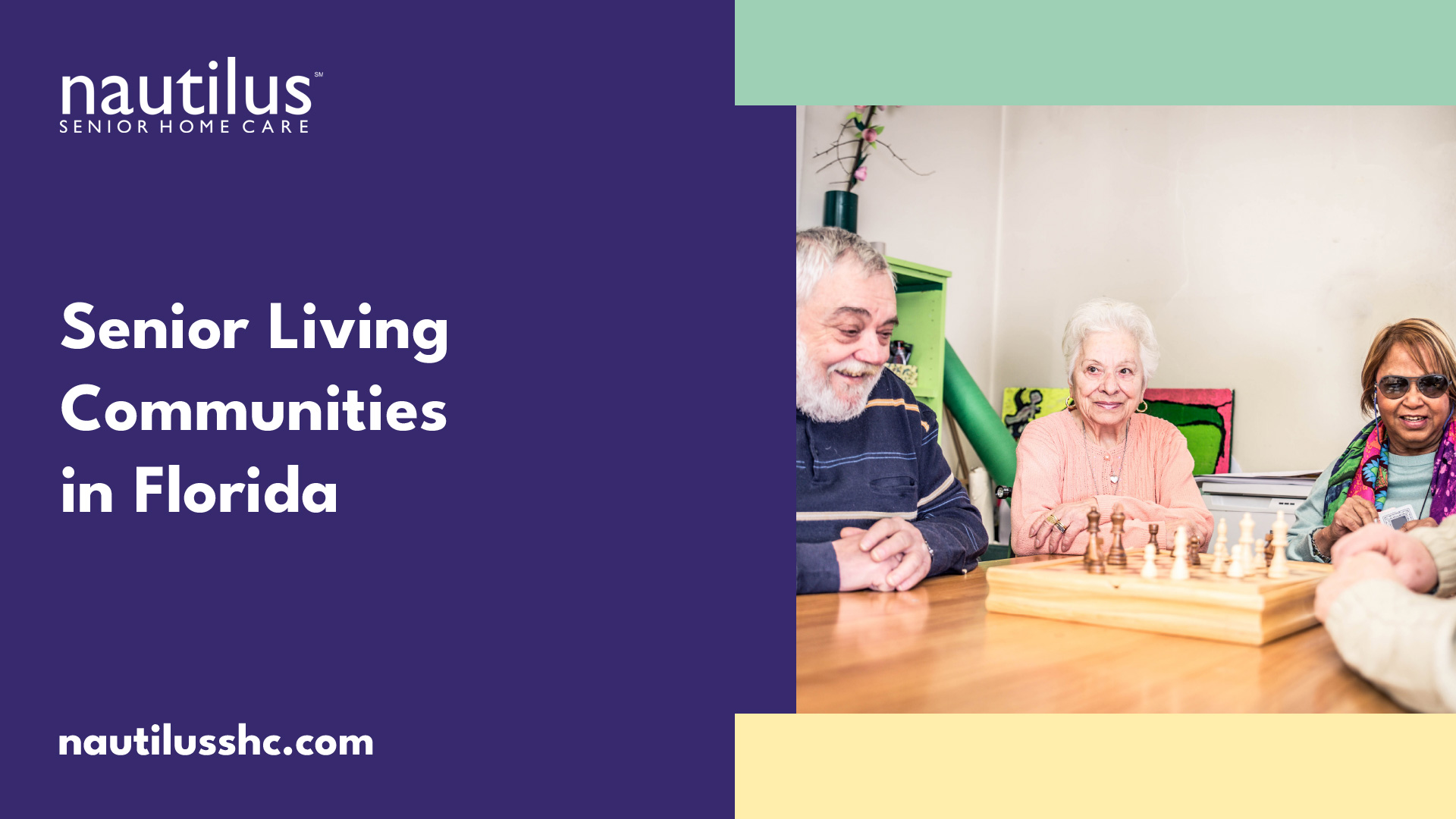
When it comes to senior living, Florida has long been a popular choice for retirees. With its warm climate, beautiful beaches, and diverse cultural offerings, the Sunshine State offers a range of benefits for older adults looking to enjoy their golden years. In this section, we will explore why Florida is a popular choice for senior living and the various housing options available for seniors in the state.
Why Florida is a Popular Choice for Senior Living

Florida’s appeal as a retirement destination stems from several factors. Firstly, the state’s pleasant climate allows for year-round outdoor activities, such as golfing, swimming, and walking on the beach. The abundance of sunshine and mild winters make it an attractive option for those seeking an active and vibrant lifestyle.

Additionally, Florida is home to numerous cultural attractions, including museums, theaters, and art galleries. The state boasts a rich history and diverse population, contributing to a vibrant social scene and opportunities for lifelong learning.

Furthermore, Florida does not have state income tax, which can be advantageous for retirees looking to make the most of their retirement savings. The cost of living in many areas of Florida is also relatively affordable compared to other states, allowing seniors to stretch their budgets further.

Exploring Senior Housing Options in Florida

Florida offers a wide range of senior housing options to suit different needs and preferences. These include independent living communities, assisted living facilities, memory care communities, and continuing care retirement communities (CCRCs).

Housing Option and Description

Independent Living Communities: These communities provide seniors with the opportunity to live an active and maintenance-free lifestyle. Residents can enjoy a variety of amenities and social activities while maintaining their independence.

Assisted Living Facilities: Assisted living facilities offer assistance with daily activities, such as bathing, dressing, and medication management, while still promoting independence. These communities provide a supportive environment for seniors who may require some assistance with daily tasks.

Memory Care Communities: Memory care communities specialize in providing care for individuals with memory-related conditions, such as Alzheimer’s disease or dementia. These communities offer specialized programs and services to support residents’ cognitive and emotional well-being.

Continuing Care Retirement Communities (CCRCs): CCRCs provide a continuum of care, ranging from independent living to assisted living and skilled nursing care. These communities offer seniors the convenience of transitioning to different levels of care as their needs change over time.

The variety of senior housing options in Florida ensures that older adults can find a setting that suits their lifestyle and care needs. Whether they prefer an active and independent lifestyle or require specialized care, Florida’s senior living communities offer a range of choices to meet diverse needs.

Independent Living Communities

Florida offers a wide array of senior housing options, including independent living communities. These communities are designed to provide active seniors with a vibrant and engaging lifestyle while offering a range of features and amenities to support their needs.

Features and Amenities

Independent living communities in Florida typically offer a variety of features and amenities to enhance the quality of life for their residents. These can include:

  • Private Accommodations: Independent living residents often have the option to choose from different housing options, such as apartments, condominiums, or cottages, based on their preferences and needs.
  • Maintenance-Free Living: One of the key benefits of independent living is the freedom from home maintenance tasks. These communities typically take care of exterior maintenance, landscaping, and common area cleaning, allowing residents to focus on enjoying their retirement.
  • Social and Recreational Activities: Independent living communities foster an active and engaged lifestyle by providing a range of social and recreational activities. This can include fitness classes, arts and crafts, book clubs, and group outings, allowing residents to connect with peers and pursue their interests.
  • Dining Options: Many independent living communities offer on-site dining options, ranging from casual cafes to formal dining rooms. These dining venues often provide nutritious and delicious meals prepared by professional chefs, catering to a variety of dietary preferences.
  • Transportation Services: To facilitate residents’ mobility, independent living communities may offer transportation services for scheduled outings, medical appointments, and shopping trips.

Benefits of Independent Living

Choosing to reside in an independent living community in Florida comes with several benefits:

  • Active Lifestyle: Independent living communities provide a vibrant and socially engaging environment, offering a range of activities and opportunities for residents to stay active, make new friends, and pursue their interests.
  • Maintenance-Free Living: By eliminating the burden of home maintenance and repairs, independent living allows seniors to enjoy a worry-free lifestyle, focusing on the activities and experiences that bring them joy.
  • Safety and Security: Independent living communities often have security measures in place, such as gated entrances and 24/7 staff availability, providing residents with peace of mind and a sense of safety.
  • Access to Healthcare: Many independent living communities have partnerships with local healthcare providers, making it easier for residents to access medical services and support as needed.
  • Community and Support: Independent living communities foster a sense of belonging and camaraderie among residents. The shared experiences and support networks available within the community can contribute to overall well-being and happiness.

Choosing an independent living community in Florida allows seniors to maintain an active and independent lifestyle, while enjoying the benefits of a supportive and engaging community. By considering the features and amenities offered, seniors can find a community that aligns with their preferences and enhances their retirement experience.

Assisted Living Facilities

Assisted living facilities are a popular senior housing option in Florida, offering a supportive and comfortable environment for older adults who may require assistance with daily activities. These facilities provide a range of features and services tailored to meet the unique needs of their residents.

Features and Services

Assisted living facilities in Florida offer a variety of features and services to enhance the quality of life for their residents. Some common features and services include:

  • Private or semi-private living accommodations
  • 24/7 staff availability for assistance and emergencies
  • Assistance with activities of daily living (ADLs) such as bathing, dressing, and medication management
  • Delicious and nutritious meals served in a communal dining area
  • Housekeeping and laundry services
  • Transportation services for medical appointments and social outings
  • Social and recreational activities to promote engagement and socialization
  • On-site amenities such as fitness centers, libraries, and beauty salons

These features and services are designed to provide a supportive and enriching environment for seniors, allowing them to maintain their independence while receiving the assistance they need.

Benefits of Assisted Living

Assisted living facilities offer several benefits for older adults seeking a supportive living arrangement. Some of the key advantages of assisted living in Florida include:

  1. Personalized Care: Assisted living facilities provide individualized care plans tailored to meet each resident’s specific needs. This personalized approach ensures that seniors receive the support they require while maintaining their independence and dignity.
  2. Socialization and Community: Assisted living communities foster a sense of belonging and community among residents. With various social activities and opportunities for interaction, seniors can build friendships and enjoy a vibrant social life.
  3. Safety and Security: Assisted living facilities prioritize the safety and security of their residents. The presence of trained staff members and emergency response systems provide peace of mind for both residents and their families.
  4. Convenience: From housekeeping and laundry services to transportation and meal preparation, assisted living facilities offer convenience and assistance with daily tasks. This allows seniors to focus on enjoying their retirement years without the worry of household chores and maintenance.
  5. Peace of Mind for Families: Assisted living facilities provide families with the reassurance that their loved ones are in a safe and supportive environment. Knowing that their senior family members are well-cared for and have access to assistance when needed alleviates concerns and allows for peace of mind.

Choosing an assisted living facility in Florida involves careful consideration of factors such as location, cost, services, and the overall atmosphere of the community. By thoroughly researching and visiting different facilities, families can make an informed decision that best suits the needs and preferences of their loved ones.

Memory Care Communities

Memory care communities are specifically designed to provide specialized care for individuals with memory-related conditions, such as Alzheimer’s disease or dementia. These communities offer a safe and supportive environment that caters to the unique needs of residents with cognitive impairments.

Specialized Care for Memory-Related Conditions

Memory care communities have trained staff members who have expertise in caring for individuals with memory-related conditions. These professionals understand the challenges faced by residents and are equipped to provide the necessary support and assistance.

The care provided in memory care communities is tailored to address the specific needs of residents with memory loss. The staff members are trained to handle behaviors commonly associated with cognitive impairments, such as confusion, agitation, and wandering. They create a structured and secure environment that promotes safety and well-being.

Features and Services in Memory Care Communities

Memory care communities offer various features and services that are designed to enhance the quality of life for residents with memory-related conditions. These may include:

  • Secure Environment: Memory care communities have secure layouts and systems in place to prevent residents from wandering off and getting lost. This provides peace of mind to both residents and their families.
  • Personalized Care Plans: Each resident in a memory care community receives an individualized care plan that is tailored to their specific needs. These plans may include assistance with activities of daily living, medication management, and specialized therapies.
  • Memory Enhancement Activities: Memory care communities provide stimulating activities and programs designed to promote cognitive function and memory retention. These activities may include memory games, music therapy, art therapy, and reminiscence therapy.
  • 24/7 Supervision and Support: Memory care communities offer round-the-clock supervision and assistance to ensure the safety and well-being of residents. Staff members are available to provide assistance with daily tasks, medication reminders, and any emergency situations that may arise.
  • Nutritious Meals: Memory care communities typically provide nutritious meals and snacks that are specifically designed to meet the dietary needs of residents with memory-related conditions. Special attention is given to promoting proper nutrition and hydration.
  • Supportive Environment: Memory care communities create a supportive and compassionate environment that fosters a sense of belonging and community. Residents are encouraged to engage in social activities and interactions, which can help reduce feelings of isolation and promote overall well-being.

Choosing a memory care community requires careful consideration of various factors, including the level of care provided, the qualifications of the staff, the community’s reputation, and the cost. It is important to visit different communities, ask relevant questions, and gather all necessary information to make an informed decision that best suits the needs of your loved one.

Continuing Care Retirement Communities (CCRCs)

Continuing Care Retirement Communities (CCRCs) are an all-in-one senior living solution that offers a range of care options to meet the changing needs of older adults. These communities provide a continuum of care, allowing residents to age in place and transition smoothly between different levels of care as their requirements evolve.

All-in-One Senior Living Solution

CCRCs are designed to provide a comprehensive senior living experience, offering a combination of independent living, assisted living, and memory care services within one community. This means that as residents’ needs change over time, they can seamlessly transition to a different level of care without having to leave the familiar surroundings or make significant adjustments to their lifestyle.

One of the key advantages of CCRCs is the sense of community they foster. Residents have opportunities to socialize, participate in various activities, and develop relationships with fellow residents. Additionally, CCRCs often provide a wide range of amenities and services, such as fitness centers, dining options, transportation services, and housekeeping, to enhance the quality of life for their residents.

Levels of Care Offered in CCRCs

CCRCs typically offer three main levels of care: independent living, assisted living, and memory care.

  1. Independent Living: Independent living in a CCRC allows seniors to maintain an active and independent lifestyle while benefiting from the convenience and security of a community setting. Residents in independent living have access to various amenities and services, including recreational activities, maintenance services, and social events. This level of care is ideal for older adults who are relatively healthy and do not require assistance with daily living activities.
  2. Assisted Living: Assisted living services in CCRCs provide support and assistance with activities of daily living (ADLs). This may include help with bathing, dressing, medication management, and meal preparation. Assisted living residents receive personalized care plans tailored to their specific needs, ensuring that they receive the assistance they require while maintaining as much independence as possible.
  3. Memory Care: Memory care services in CCRCs cater to seniors with Alzheimer’s disease, dementia, or other memory-related conditions. These specialized programs offer a secure and structured environment, along with personalized care plans designed to meet the unique needs of individuals with memory impairments. Memory care communities within CCRCs often provide cognitive stimulation activities, 24/7 supervision, and specialized care staff trained in memory care techniques.

By offering a range of care options, CCRCs provide older adults with the peace of mind of knowing that their changing care needs can be met within the same community. This continuity of care, combined with the amenities and social opportunities available, makes CCRCs an attractive choice for seniors seeking a comprehensive senior living solution in the vibrant state of Florida.

Choosing the Right Senior Living Community in Florida

When considering senior living options in Florida, it’s important to take various factors into account to ensure you find the right community to meet your needs. Here are some key factors to consider and questions to ask during the selection process:

Factors to Consider

  1. Location: Determine whether you prefer a community close to family and friends or if you’re looking for a specific region within Florida.
  2. Budget: Understand your financial situation and explore the cost of living in different communities. Consider the monthly fees, additional services, and any potential entrance fees.
  3. Level of Care: Assess your current and future healthcare needs. Determine whether you require independent living, assisted living, memory care, or a continuing care retirement community (CCRC) that offers various levels of care.
  4. Amenities and Services: Evaluate the amenities and services provided by each community. Consider factors such as dining options, transportation services, fitness facilities, social activities, and access to healthcare professionals.
  5. Safety and Security: Look into the safety measures and security features implemented within the community. Consider factors such as emergency response systems, staff availability, and the overall layout of the community.
  6. Social Environment: Determine the type of social environment you desire. Some communities may offer a vibrant and active social scene, while others may focus on a quieter and more relaxed atmosphere.
  7. Quality of Care: Research the reputation and quality of care provided by each community. Look for reviews and ratings from current or past residents and their families. Consider visiting the communities in person to get a firsthand impression.

Questions to Ask during the Selection Process

Here are some important questions to ask when evaluating senior living communities in Florida:

Questions

  • ‍‍What levels of care are offered?
  • Is there a waiting list for the community?
  • What are the monthly fees and what do they cover?
  • Are there additional fees for specific services or amenities?
  • What healthcare services are available on-site?
  • What safety and security measures are in place?
  • Are there transportation services provided?
  • What social and recreational activities are offered?
  • How does the community handle emergencies or medical situations?
  • Are pets allowed in the community?
  • Can I bring my own furniture and personalize my living space?
  • What is the staff-to-resident ratio?
  • What is the process for addressing concerns or complaints?

By considering these factors and asking the right questions, you can make an informed decision when choosing a senior living community in Florida that aligns with your lifestyle preferences, budget, and care needs.

Sources

The Best Florida Retirement Communities of 2024

The Best Florida 55+ Active Adult Retirement Communities

The 36 Best Independent Living Communities in FloridaSenior Living Communities in Florida
Senior Centers in Palm Beach

Senior Centers in Palm Beach

Aging with Joy

As individuals enter their golden years, it’s important to embrace the aging process and recognize the unique joys that come with it. Aging is a natural part of life, and by embracing it, seniors can lead fulfilling and joyful lives. One way to enhance the aging experience is through the utilization of senior centers, which play a vital role in promoting the well-being of older adults.

Embracing the Aging Process

Embracing the aging process involves shifting one’s perspective and recognizing the beauty and wisdom that comes with age. It’s an opportunity to reflect on a life well-lived, celebrate accomplishments, and cherish the memories created along the way. By embracing the aging process, individuals can cultivate a positive mindset and approach life’s changes with resilience and optimism.

The Importance of Senior Centers

Senior centers are invaluable resources for older adults, providing a multitude of services, programs, and opportunities for social engagement, health and wellness support, and access to resources. These centers are dedicated to enhancing the lives of seniors and promoting their overall well-being.

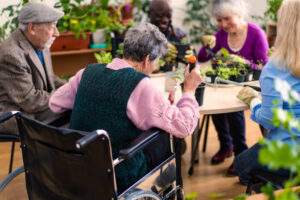
At senior centers in Palm Beach, individuals can find a supportive and inclusive community that fosters a sense of belonging and connection. These centers are designed to cater to the unique needs and interests of older adults, offering a wide range of activities, services, and programs.

Palm Beach Senior Centers

When it comes to senior centers in Palm Beach, there are several options available that cater to the diverse needs and interests of older adults. These centers serve as hubs for social connection, health and wellness support, and access to resources. Let’s take a closer look at the senior centers in Palm Beach and the services and programs they offer.

An Overview of Senior Centers in Palm Beach

Services and Programs Offered

Senior centers in Palm Beach provide a wide range of services and programs to meet the unique needs of older adults. Some of the common services and programs offered include:

  • Health screenings and wellness programs
  • Educational workshops and classes
  • Social activities and events
  • Exercise and fitness programs
  • Nutritional support and meal programs
  • Counseling and support groups
  • Access to information and referrals
  • Volunteer opportunities

By offering a comprehensive range of services and programs, senior centers in Palm Beach strive to enhance the quality of life for older adults and promote their overall well-being.

By embracing the aging process and utilizing the services and programs offered by senior centers in Palm Beach, older adults can experience a sense of joy and fulfillment during their golden years. These centers provide a supportive community, foster social connections, and offer a wide range of resources and assistance to help seniors lead meaningful and enjoyable lives.

Palm Beach Senior Centers

Palm Beach is home to a variety of senior centers that cater to the needs and interests of older adults. These centers provide a range of services and programs to enhance the well-being and quality of life for seniors in the community.

An Overview of Senior Centers in Palm Beach

Palm Beach is known for its vibrant and active senior community, and the senior centers in the area play a vital role in supporting this population. These centers serve as gathering places where seniors can connect with others, engage in activities, and access resources that promote healthy aging.

Here are some key senior centers in Palm Beach:

These centers offer a welcoming and inclusive environment where seniors can socialize, learn, and thrive. They are staffed with dedicated professionals who are committed to meeting the unique needs of the aging population.

Services and Programs Offered

Palm Beach senior centers provide a wide range of services and programs to cater to the diverse needs and interests of older adults. Here are some common offerings found in these centers:

  1. Social Activities: Senior centers organize various social events, such as game nights, dances, and holiday celebrations, to foster connections and build a sense of community among seniors.
  2. Educational Programs: These centers often offer educational workshops, lectures, and classes on topics such as health, finance, technology, and arts and crafts. These programs provide opportunities for seniors to continue learning and stay intellectually engaged.
  3. Fitness and Wellness: Many senior centers in Palm Beach provide fitness programs specifically designed for older adults. These programs may include exercise classes, yoga, tai chi, and other activities that promote physical well-being and mobility.
  4. Nutritional Support: Some senior centers offer meal programs, including nutritious lunches and home-delivered meals, to ensure that seniors have access to healthy and balanced meals.
  5. Supportive Services: Palm Beach senior centers may provide assistance with accessing community resources, transportation services, and referrals to other support agencies. These services help seniors navigate daily living challenges and connect with the appropriate resources.
  6. Volunteer Opportunities: Senior centers often provide opportunities for older adults to engage in volunteer work, allowing them to give back to their community and maintain a sense of purpose.

By offering a wide range of services and programs, Palm Beach senior centers aim to enhance the overall well-being and quality of life for seniors. These centers are valuable assets in the community, providing a supportive and engaging environment for older adults to embrace the joy of aging.

Promoting Social Connection

Senior centers in Palm Beach play a vital role in promoting social connection among older adults. These centers provide opportunities to build relationships, foster a sense of community, and engage in various activities and events that enhance social interaction and overall well-being.

Building Relationships and Community

One of the key benefits of senior centers in Palm Beach is the opportunity to build relationships and establish a sense of community. These centers serve as gathering places where individuals with similar interests and life experiences can come together to connect and form meaningful friendships. The supportive and inclusive environment encourages socialization, helping seniors combat feelings of isolation and loneliness.

By participating in group activities, classes, and events, seniors have the chance to meet new people, share stories and experiences, and develop lasting bonds. The sense of belonging and camaraderie that comes from being part of a community can have a positive impact on mental and emotional well-being.

Engaging Activities and Events

Palm Beach senior centers offer a wide range of engaging activities and events designed to cater to the diverse interests of older adults. These activities not only provide opportunities for social connection but also promote personal growth and fulfillment.

Activity/Event Description

  • Exercise Classes: Group fitness classes tailored to different fitness levels, such as yoga, aerobics, and strength training.
  • Arts and Crafts Workshops: Creative sessions where seniors can explore their artistic side through painting, pottery, and other crafts.
  • Game Nights: Fun-filled gatherings for playing cards, board games, or engaging in friendly competitions like bingo or trivia.
  • Educational Lectures: Informative talks and workshops on a wide range of topics, including history, health, technology, and more.
  • Day Trips and Outings: Organized excursions to local attractions, museums, theaters, and other points of interest in Palm Beach.

These activities foster social interaction, stimulate the mind, and provide a platform for seniors to share common interests and experiences. Whether it’s through a friendly game of cards, a spirited discussion during an educational lecture, or a shared artistic endeavor, seniors can forge connections and create memories that enrich their lives.

By promoting social connection through building relationships and providing engaging activities and events, Palm Beach senior centers contribute to the overall well-being and happiness of older adults in the community. These centers serve as vibrant hubs where seniors can thrive, stay connected, and embrace the joy of aging alongside their peers.

Health and Wellness Support

Senior centers in Palm Beach are dedicated to promoting the health and well-being of older adults. These centers offer a range of programs and services to support physical fitness, education, and overall wellness.

Physical Fitness Programs

Physical activity is crucial for maintaining good health as we age. Palm Beach senior centers provide a variety of physical fitness programs tailored to meet the needs and abilities of older adults. These programs may include:

Program Description

  • Low-Impact Aerobics: Gentle aerobic exercises that improve cardiovascular health and endurance.
  • Strength Training: Resistance exercises using weights or resistance bands to build muscle strength and improve bone density.
  • Yoga and Tai Chi: Mind-body exercises that enhance flexibility, balance, and overall well-being.
  • Water Aerobics: Aquatic exercises that reduce joint stress while improving cardiovascular fitness and muscle tone.

By participating in these physical fitness programs, seniors can improve their overall physical health, maintain mobility, and reduce the risk of chronic conditions such as heart disease and osteoporosis.

Educational Workshops and Classes

Senior centers in Palm Beach also offer a wide range of educational workshops and classes to promote lifelong learning and mental stimulation. These programs provide opportunities for seniors to engage in intellectually stimulating activities and acquire new knowledge and skills. Some examples of educational workshops and classes include:

Program Description

  • Computer and Technology Classes: Instruction on using computers, smartphones, and other digital devices to stay connected and access information.
  • Financial Planning Seminars: Workshops that provide guidance and resources for managing finances and planning for the future.
  • Art and Craft Classes: Creative classes such as painting, pottery, and jewelry-making that stimulate artistic expression and enhance cognitive abilities.
  • Language Courses: Language classes that offer seniors the chance to learn a new language or improve their language skills.

These educational programs not only foster personal growth but also contribute to mental well-being and social engagement. They provide opportunities for seniors to connect with others who share similar interests and passions.

Senior centers in Palm Beach recognize the importance of holistic health and wellness for older adults. By offering physical fitness programs and educational workshops, these centers support seniors in maintaining an active and engaged lifestyle. Whether it’s through exercise or intellectual pursuits, seniors can find the support they need to stay healthy, happy, and connected in their golden years.

Emotional and Mental Well-being

As individuals age, emotional and mental well-being become increasingly important. Palm Beach senior centers recognize this and offer various services and activities to support the psychological health of their members. Two key aspects of emotional and mental well-being provided by these centers are counseling and support groups, as well as creative arts and mindfulness activities.

Counseling and Support Groups

Palm Beach senior centers understand the value of providing a safe and supportive space for individuals to share their thoughts, feelings, and concerns. Counseling services are often available to address specific emotional challenges or to provide guidance during life transitions. Trained professionals offer one-on-one sessions, allowing seniors to explore their emotions, manage stress, and develop coping strategies.

Support groups are another valuable resource offered by senior centers in Palm Beach. These groups bring individuals together who are facing similar life experiences or challenges. They provide a supportive environment where participants can share their stories, seek advice, and gain insights from others who may have gone through similar situations. Support groups can cover a wide range of topics, such as grief and loss, caregiving, or health-related issues.

Creative Arts and Mindfulness Activities

Engaging in creative arts and mindfulness activities can have significant positive effects on emotional and mental well-being. Palm Beach senior centers offer a variety of programs that encourage self-expression, creativity, and relaxation.

Creative arts activities such as painting, drawing, pottery, and writing workshops provide seniors with a means to express themselves and tap into their artistic abilities. These activities not only stimulate creativity but also promote a sense of accomplishment and self-esteem.

Mindfulness activities, such as meditation, yoga, and tai chi, are also popular offerings at Palm Beach senior centers. These practices help individuals focus on the present moment, reduce stress, and promote relaxation. Participating in mindfulness activities can enhance emotional well-being, improve concentration, and foster a sense of inner peace.

By providing counseling and support groups, as well as creative arts and mindfulness activities, Palm Beach senior centers aim to support the emotional and mental well-being of their members. These services and programs contribute to a nurturing and inclusive environment where seniors can find support, develop new skills, and cultivate a sense of purpose and happiness.

Resources and Assistance

Senior centers in Palm Beach provide a wide range of resources and assistance to support the needs of older adults. These centers serve as valuable hubs that offer access to information, referrals, and support for daily living.

Access to Information and Referrals

One of the key benefits of senior centers in Palm Beach is the access to information and referrals they provide. These centers serve as a valuable resource hub, connecting seniors with the information they need to navigate various aspects of their lives. Whether it’s information about healthcare services, legal assistance, housing options, or community resources, senior centers can provide guidance and referrals to help seniors access the support they require.

In addition to providing information, senior centers often have dedicated staff or volunteers who can assist with navigating the complexities of government programs, such as Medicare, Medicaid, and Social Security. They can help seniors understand eligibility criteria, application processes, and any necessary documentation.

By offering access to information and referrals, senior centers empower older adults to make informed decisions and access the resources and services that can enhance their quality of life.

Support for Daily Living

Senior centers in Palm Beach also provide valuable support for daily living. These centers understand that older adults may face challenges in certain areas of their day-to-day lives and aim to provide assistance to address those needs.

Support for daily living can include services such as transportation assistance, meal programs, and help with activities of daily living. Some senior centers offer transportation services, ensuring that seniors can attend their center’s programs and activities without the worry of arranging transportation themselves.

Meal programs at senior centers often provide nutritious meals, fostering social interaction and ensuring that older adults have access to regular, balanced meals. These programs can be particularly beneficial for seniors who may have difficulty preparing meals on their own.

Furthermore, some senior centers may offer assistance with activities of daily living, such as bathing, dressing, and medication management. This support can help older adults maintain their independence and improve their overall well-being.

To better understand the resources and assistance available at senior centers in Palm Beach, refer to the following table:

Resources and Assistance Description

Access to Information and Referrals: Connecting older adults with necessary information and referrals for healthcare, legal assistance, housing options, and community resources.

Support for Daily Living: Providing services such as transportation assistance, meal programs, and help with activities of daily living to support seniors in their day-to-day lives.

Senior centers in Palm Beach are dedicated to ensuring that older adults have access to the resources and assistance they need to thrive and enjoy their golden years. By offering information, referrals, and support for daily living, these centers play a crucial role in enhancing the lives of seniors in the community.

Finding the Right Senior Center for You

When it comes to choosing a senior center in Palm Beach, there are several considerations to keep in mind. Each senior center may offer different services, programs, and amenities. To help you make an informed decision, here are some factors to consider:

Considerations for Choosing a Senior Center

  1. Location: Determine the proximity of the senior center to your home or community. Consider whether you prefer a center that is easily accessible or one that requires a bit of travel.
  2. Services and Programs: Assess the range of services and programs offered by the senior center. Some centers may focus on specific areas, such as health and wellness, while others may provide a broader range of activities, including social events, educational workshops, and recreational programs.
  3. Facilities and Amenities: Take into account the facilities and amenities available at the senior center. This may include exercise facilities, libraries, computer labs, art studios, outdoor spaces, and more. Consider which amenities are important to you and align with your interests.
  4. Social Environment: Consider the social atmosphere of the senior center. Do you prefer a center that fosters a close-knit community or one that offers a more independent and flexible experience? Think about what type of social environment would make you feel most comfortable and engaged.
  5. Cost and Membership: Review the cost structure and membership requirements of the senior center. Some centers may charge a membership fee, while others may offer free or reduced-cost services. Take into account your budget and determine the value you place on the services provided.

Steps to Get Involved

Once you have identified a senior center that aligns with your preferences, here are some steps to get involved:

  1. Visit the Center: Schedule a visit to the senior center of your choice. This will allow you to tour the facilities, meet staff members, and get a feel for the overall environment. It’s important to ensure that the center meets your expectations and provides the services you are looking for.
  2. Attend Orientation Sessions: Many senior centers offer orientation sessions for new members. These sessions provide valuable information about the center’s programs, services, and policies. Attending these sessions will help you familiarize yourself with the offerings and make the most of your membership.
  3. Participate in Activities: Engage in the activities and programs offered by the senior center. This could include joining exercise classes, attending educational workshops, participating in social events, or exploring creative arts and crafts. Get involved in the activities that interest you and allow you to connect with others.
  4. Volunteer and Contribute: Consider volunteering your time and skills at the senior center. Volunteering not only benefits the center but also provides you with an opportunity to give back to the community and form meaningful connections with fellow members and staff.

By carefully considering the factors that matter most to you and taking the necessary steps to get involved, you can find the right senior center in Palm Beach that enhances your quality of life, promotes social connections, and supports your overall well-being.

Sources

Senior Centers – Palm Beach County Community Services

Community Services – Senior Services and Veteran Services

Senior Services and Veteran Services Senior Centers

Self-Help Practices for the Elderly

Self-Help Practices for the Elderly

Embracing Self-Help for the Elderly

Self-help practices play a vital role in enhancing the overall well-being and quality of life for the elderly. By actively engaging in self-help activities, seniors can maintain their physical and mental health, foster social connections, and find fulfillment in their daily lives. Let’s explore the importance of self-help for the elderly and the benefits it brings.

The Importance of Self-Help for the Elderly

Self-help empowers the elderly to take control of their own well-being and actively participate in their own care. It allows them to maintain a sense of independence, autonomy, and purpose in their lives. Self-help practices enable seniors to make choices that align with their values, preferences, and goals, promoting a sense of self-worth and personal fulfillment.

By embracing self-help, the elderly can also develop a greater sense of resilience and adaptability, allowing them to navigate the challenges that come with aging. It encourages them to take responsibility for their health, both physical and mental, and empowers them to make informed decisions about their lifestyle choices.

Benefits of Self-Help Practices

Engaging in self-help practices offers numerous benefits for the elderly, contributing to their overall well-being and quality of life. Here are some key advantages:

  1. Empowerment and Control: Self-help practices give seniors a sense of control over their own lives, fostering a greater sense of empowerment and self-confidence.
  2. Improved Physical Health: Self-help activities, such as staying active and maintaining a balanced diet, can improve physical health, enhance mobility, and reduce the risk of chronic conditions.
  3. Enhanced Mental Wellbeing: Engaging in cognitive stimulation, cultivating a positive mindset, and managing stress and anxiety through self-help practices can contribute to improved mental health and emotional well-being.
  4. Social Engagement: Self-help practices that focus on social connections help combat loneliness and isolation, promoting a sense of belonging and improved social support.
  5. Improved Cognitive Function: By participating in activities that stimulate the mind, such as lifelong learning, the elderly can maintain cognitive function and promote brain health.
  6. Sense of Purpose: Self-help practices involving hobbies and interests provide a sense of purpose and fulfillment, allowing seniors to continue pursuing activities they enjoy.

By embracing self-help practices, the elderly can actively shape their lives and experience the numerous benefits it offers. From physical well-being to mental and emotional health, self-help empowers seniors to lead vibrant and fulfilling lives as they age.

Physical Wellbeing

Maintaining physical wellbeing is crucial for enhancing the overall health and quality of life for the elderly. By incorporating self-help practices into their daily routines, seniors can experience improved functionality, increased energy levels, and a greater sense of independence. In this section, we will explore three key aspects of physical wellbeing: staying active and engaged, incorporating exercise into daily routines, and maintaining a balanced diet.

Staying Active and Engaged

Staying active and engaged is essential for promoting physical and mental health in the elderly. Regular physical activity helps to improve mobility, strengthen muscles, and enhance cardiovascular health. Engaging in activities that are enjoyable and meaningful can also provide a sense of purpose and fulfillment.

Physical Activities and Benefits

Walking: Improves cardiovascular health, strengthens muscles, and promotes joint flexibility.

Swimming: Provides a low-impact workout that is gentle on the joints and improves overall body strength.

Yoga: Enhances flexibility, balance, and promotes relaxation and stress reduction.

Dancing: Increases cardiovascular fitness, improves coordination, and uplifts mood.

Incorporating Exercise into Daily Routine

Incorporating exercise into the daily routine is an effective way for seniors to maintain their physical wellbeing. It’s important to choose activities that are appropriate for their fitness level and interests. Regular exercise can help prevent chronic conditions, improve bone density, and boost overall strength and flexibility.

Exercise Types and Benefits

Strength Training: Builds muscle mass, improves bone density, and increases overall strength and stability.

Aerobic Exercises: Enhances cardiovascular health, burns calories, and improves stamina and endurance.

Flexibility Exercises: Increases joint range of motion, improves posture, and reduces the risk of injury.

Balance Exercises: Enhances stability, reduces the risk of falls, and improves overall coordination.

Maintaining a Balanced Diet

Maintaining a balanced diet is crucial for overall health and wellbeing, regardless of age. As individuals grow older, their nutritional needs may change, and it’s important to adapt the diet accordingly. A balanced diet should include a variety of fruits, vegetables, whole grains, lean proteins, and healthy fats. Adequate hydration is also essential for optimal physical functioning.

Nutrients and Importance

Fiber: Supports digestion, reduces the risk of constipation, and maintains bowel regularity.

Calcium: Promotes bone health and helps prevent osteoporosis and fractures.

Protein: Supports muscle strength, aids in tissue repair, and promotes immune function.

Omega-3 Fatty Acids: Reduces inflammation, supports heart health, and promotes brain function.

By prioritizing physical wellbeing through staying active and engaged, incorporating exercise into daily routines, and maintaining a balanced diet, seniors can enjoy a higher quality of life. It’s important to consult with healthcare professionals and nutritionists to develop personalized plans that cater to individual needs and limitations.

Mental and Emotional Wellbeing

Maintaining mental and emotional wellbeing is vital for overall health, especially as we age. Self-help practices can play a significant role in promoting a positive mindset, cognitive stimulation, and managing stress and anxiety. Let’s explore these aspects further.

Cultivating a Positive Mindset

Cultivating a positive mindset is essential for mental and emotional wellbeing. It involves focusing on gratitude, optimism, and self-compassion. Engaging in activities such as journaling, practicing mindfulness, and surrounding oneself with positive influences can contribute to a more positive outlook on life.

Engaging in Cognitive Stimulation

Keeping the mind active and engaged is crucial for mental wellbeing. Engaging in cognitive stimulation exercises can help maintain cognitive function and promote brain health. This can include activities such as puzzles, reading, learning new skills, or participating in brain-training exercises.

Cognitive Stimulation Activities

  • ‍‍Puzzles (crosswords, Sudoku)
  • Reading
  • Learning a new language
  • Playing musical instruments
  • Brain-training apps and games

Managing Stress and Anxiety

Stress and anxiety can have a significant impact on mental and emotional wellbeing. Self-help practices can help manage and reduce stress levels. Techniques such as deep breathing exercises, meditation, practicing relaxation techniques, and pursuing hobbies can contribute to stress reduction.

It’s important to find the strategies that work best for each individual when managing stress and anxiety. Experimenting with different approaches can help identify the most effective techniques for personal stress management.

By cultivating a positive mindset, engaging in cognitive stimulation, and effectively managing stress and anxiety, older adults can enhance their mental and emotional wellbeing. These self-help practices contribute to a more fulfilling and satisfying life in the later years.

Social Connections

Maintaining social connections is crucial for the overall well-being of the elderly. Engaging in social interactions, finding community and support, and fostering meaningful relationships can have a positive impact on their mental, emotional, and physical health.

Importance of Social Interactions

Social interactions play a vital role in combating feelings of loneliness and isolation among the elderly. Regular social engagement can provide a sense of belonging, purpose, and fulfillment in their lives. It also helps to reduce the risk of cognitive decline and mental health issues.

Finding Community and Support

Finding a community and support system is essential for the elderly to stay connected and engaged. Here are some ways they can find community and support:

  • Join local senior centers or clubs: These centers often offer a variety of activities, classes, and social events specifically designed for older adults.
  • Participate in group activities: Engaging in group activities such as exercise classes, book clubs, or hobby groups can help the elderly meet like-minded individuals and foster new friendships.
  • Volunteer: Volunteering provides an opportunity to give back to the community while also meeting new people who share similar interests and values.

Engaging in Meaningful Relationships

Building and nurturing meaningful relationships is vital for the well-being of the elderly. Meaningful relationships can provide emotional support, companionship, and a sense of purpose. Here are some ways they can engage in meaningful relationships:

  • Stay connected with family and friends: Regularly reaching out to loved ones through phone calls, video chats, or in-person visits can help maintain strong bonds.
  • Foster new connections: Participate in social activities and events where they can meet new people and form new friendships.
  • Join support groups: Support groups provide a safe space to connect with others who are going through similar experiences and challenges.

By prioritizing social interactions, finding community and support, and engaging in meaningful relationships, the elderly can enhance their overall well-being and quality of life. It’s important to encourage and facilitate these connections to ensure that they remain socially connected and supported throughout their aging journey.

Enhancing Life with Hobbies and Interests

Engaging in hobbies and pursuing personal interests can greatly enhance the quality of life for the elderly. These activities provide a sense of purpose, fulfillment, and enjoyment. In this section, we will explore the importance of exploring new hobbies and interests, rediscovering old passions, and continuing lifelong learning.

Exploring New Hobbies and Interests

Exploring new hobbies and interests can open doors to new experiences and foster personal growth. It’s never too late to try something new! Here are a few ideas for hobbies and interests that the elderly can explore:

Hobby/Interest and Description

Gardening: Cultivate a green thumb and enjoy the beauty of nature.

Painting or Drawing: Unleash your creativity and express yourself through art.

Photography: Capture precious moments and explore the world through the lens.

Cooking or Baking: Experiment with new recipes and savor the joy of culinary creations.

Dancing: Get moving and have fun while improving physical fitness.

Playing Musical Instruments: Stimulate the mind and express emotions through music.

Remember, the key is to choose activities that bring joy and a sense of accomplishment. Don’t be afraid to step out of your comfort zone and try something completely new!

Rediscovering Old Passions

For many elderly individuals, there may be passions and interests from the past that have been neglected or put on hold. Rediscovering these old passions can reignite a sense of purpose and provide a nostalgic connection to cherished memories. Here are a few examples:

Passion and Description

Reading: Dive into books and explore new worlds through literature.

Crafts and DIY Projects: Rekindle your creativity and engage in hands-on projects.

Sports or Outdoor Activities: Rediscover the joy of playing a favorite sport or exploring the outdoors.

Writing: Express yourself through writing, whether it’s journaling, storytelling, or poetry.

Volunteering: Give back to the community and make a positive impact through volunteering.

Reconnecting with old passions can bring a renewed sense of purpose and fulfillment, allowing the elderly to tap into their unique talents and interests.

Continuing Lifelong Learning

Learning should never stop, regardless of age. Lifelong learning keeps the mind sharp, promotes personal growth, and fosters a sense of accomplishment. Here are some ways the elderly can continue their learning journey:

Learning Opportunity and Description

Online Courses: Explore a wide range of subjects through online platforms and educational websites.

Book Clubs: Engage in intellectual discussions and connect with others who share similar interests.

Language Learning: Challenge yourself to learn a new language and expand your cultural horizons.

Educational Workshops: Attend workshops and seminars to gain new skills and knowledge.TED Talks and PodcastsTune in to thought-provoking talks and podcasts on various topics of interest.

Continuing to learn and acquire new knowledge can invigorate the mind, boost self-confidence, and provide a sense of accomplishment.

By exploring new hobbies, rediscovering old passions, and continuing lifelong learning, the elderly can add vibrancy and fulfillment to their lives. These activities not only bring joy but also contribute to overall mental, emotional, and social well-being. Embrace the opportunity to explore and pursue personal interests, and let them enrich your life in meaningful ways.

Seeking Support and Resources

In the journey of self-help for the elderly, seeking support and utilizing available resources can greatly enhance their well-being. It’s important to recognize that professional help, technology, and support networks can play a vital role in providing assistance and guidance. Let’s explore these avenues of support further.

Accessing Professional Help

Professional help can provide valuable expertise and guidance tailored to the unique needs of the elderly. Various professionals, such as therapists, counselors, and healthcare providers, can offer support in different aspects of their lives. Here are some areas where professional help can be beneficial:

Professional Help and Areas of Support

Therapists: Emotional well-being, grief counseling, mental health

Counselors: Career guidance, life transitions, relationship issues

Healthcare Providers: Physical health, chronic condition management, medication management

By seeking professional help, seniors can receive specialized care and assistance to address any challenges they may be facing.

Utilizing Technology for Self-Help

Technology has become an integral part of our lives, and it can greatly benefit the elderly in their self-help journey. Here are some ways in which technology can be utilized:

Technology for Self-Help and Benefits

Mobile Applications: Access to meditation apps, fitness trackers, brain training games

Online Learning Platforms: Engaging in courses, acquiring new skills, staying mentally active

Telehealth Services: Remote consultations with healthcare professionals, access to medical advice

Technology can enhance accessibility and convenience, empowering seniors to take control of their well-being and access resources from the comfort of their own homes.

Connecting with Support Networks

Social connections and support networks are essential for the elderly to feel a sense of belonging and receive emotional support. Here are some ways to connect with support networks:

Support Networks and Benefits

Community Centers: Engaging in activities, socializing, accessing resources

Senior Clubs/Organizations: Connecting with peers, participating in group activities

Online Communities: Joining forums, discussion groups, and social media platforms for seniors

By connecting with support networks, seniors can build relationships, share experiences, and find comfort in a community that understands their unique needs.

Seeking support and utilizing available resources can significantly enhance the self-help journey for the elderly. Through professional help, technology, and support networks, seniors can access the guidance, assistance, and connection they need to thrive in their later years.

Sources

Twelve Self-Care Tips for Seniors

10 Self-Care Activities for Seniors for Health and Happiness

Aging and Self-Care: 7 Important Tips for Seniors

Sandwich Generation

Sandwich Generation

Understanding the Sandwich Generation

The term “Sandwich Generation” refers to a unique group of individuals who find themselves sandwiched between caring for their aging parents and supporting their own children. This generation faces the dual responsibility of providing care and assistance to two generations, hence the name “Sandwich Generation.”

What is the Sandwich Generation?

The Sandwich Generation is typically composed of individuals who are in their middle years, often between the ages of 40 and 60. These individuals find themselves juggling the needs and demands of their aging parents, while also fulfilling the responsibilities of raising their own children.

The Sandwich Generation can encompass various family dynamics. Some may have aging parents who require assistance with daily activities or healthcare needs, while also having adult children who still rely on them for financial support or other forms of assistance. Others may have young children who need their attention, along with aging parents who require care and support.

Origins of the Term

The term “Sandwich Generation” was coined by social worker Dorothy Miller in the 1980s. Miller used this term to describe the increasing number of individuals who were caught in the middle of caring for their aging parents and raising their own children. The term gained popularity as it resonated with the experiences of many individuals who found themselves in this caregiving predicament.

The Sandwich Generation has since become a recognized sociological and demographic phenomenon, highlighting the unique challenges and responsibilities faced by this generation. The term continues to be used to shed light on the complexities of balancing the needs of multiple generations.

Understanding the definition and origins of the Sandwich Generation provides a foundation for exploring the characteristics, challenges, and coping strategies associated with this generation. By delving deeper into these aspects, we can gain a better understanding of the experiences faced by individuals who find themselves in the Sandwich Generation.

Characteristics of the Sandwich Generation

The sandwich generation is defined by certain characteristics that set them apart from other generations. These characteristics include their age range, dual responsibilities, and the financial strain they often experience.

Age Range

The sandwich generation typically falls within a specific age range. While there is no universally agreed-upon age range, it generally includes individuals who are in their 30s to 50s. This age range is significant because it represents a stage in life when individuals are often simultaneously caring for both their aging parents and their own children.

Dual Responsibilities

One of the defining features of the sandwich generation is the dual responsibilities they face. These individuals find themselves sandwiched between caring for their aging parents and supporting their own adult children. This dual role can be emotionally and physically demanding, requiring them to navigate the complexities of two generations with different needs and challenges.

Financial Strain

The sandwich generation often experiences financial strain as a result of their dual responsibilities. Supporting both aging parents and adult children can put a significant strain on their finances. They may find themselves juggling expenses such as medical bills, housing costs, education expenses, and more. This financial burden can impact their ability to save for retirement or meet their own personal financial goals.

To better understand the financial strain faced by the sandwich generation, let’s take a look at some statistics:

Financial Aspect and Statistics

  • ‍‍Percentage of sandwich generation adults providing financial support to their aging parents: 48%
  • Percentage of sandwich generation adults providing financial support to their adult children: 27%
  • Average amount of money spent annually by the sandwich generation on their parents’ care: $6,800
  • Average amount of money spent annually by the sandwich generation on their adult children’s expenses: $10,000

These figures highlight the significant financial responsibilities shouldered by the sandwich generation. It is important for individuals in this generation to carefully manage their finances, seek out resources and support, and explore financial planning strategies to alleviate some of the financial strain they may experience.

Understanding the characteristics of the sandwich generation is key to comprehending the unique challenges they face. By recognizing their age range, dual responsibilities, and financial strain, we can gain a deeper understanding of the sandwich generation and the complexities they navigate in their daily lives.

Challenges Faced by the Sandwich Generation

Being part of the sandwich generation comes with its own set of unique challenges. Individuals in this generation often find themselves juggling multiple responsibilities and facing various demands on their time, energy, and resources. Here are three key challenges commonly faced by the sandwich generation: caring for aging parents, supporting adult children, and balancing personal life and responsibilities.

Caring for Aging Parents

One of the primary challenges faced by the sandwich generation is the responsibility of caring for aging parents. As parents grow older, they may require assistance with daily activities, healthcare management, and emotional support. This can range from helping with household tasks to coordinating medical appointments and managing medication schedules.

The sandwich generation often finds themselves navigating the complexities of healthcare systems, making important decisions regarding their parents’ well-being, and providing the necessary care and support. Balancing these responsibilities alongside their own personal and professional commitments can be demanding and emotionally taxing.

Supporting Adult Children

Another challenge faced by the sandwich generation is the financial and emotional support required by their adult children. Many individuals in this generation find themselves providing assistance to their children as they navigate their early adulthood, whether it’s through helping with educational expenses, providing a place to live, or supporting them during job transitions.

Supporting adult children while also caring for aging parents can place a significant strain on the sandwich generation. Financially, it may require careful budgeting and potentially delaying retirement plans. Emotionally, it can be challenging to find the right balance between providing support and encouraging independence.

Balancing Personal Life and Responsibilities

The sandwich generation often struggles with finding a balance between their own personal lives and the responsibilities they shoulder. Trying to meet the needs of aging parents, support adult children, and maintain their own well-being can leave little time and energy for self-care, leisure activities, or pursuing personal goals.

Balancing personal life and responsibilities requires effective time management, setting boundaries, and prioritizing self-care. It’s essential for individuals in the sandwich generation to recognize the importance of taking care of themselves in order to avoid burnout and maintain their own physical and mental well-being.

Recognizing and understanding these challenges is the first step toward finding effective strategies to cope with the demands of the sandwich generation. Seeking support, setting boundaries, and prioritizing self-care are essential strategies that can help individuals navigate these challenges and find a balance between their various responsibilities. Additionally, financial planning and management can help alleviate some of the strain associated with providing support to both aging parents and adult children.

Demystifying the Sandwich Generation Definition

To gain a deeper understanding of the sandwich generation, it is important to explore different perspectives and cultural variations of this unique generational group.

Different Perspectives

The sandwich generation can be viewed from various angles, each highlighting different aspects of their responsibilities and challenges. Some perspectives focus primarily on the dual caregiving role, where individuals find themselves simultaneously providing care and support to both their aging parents and their own children. This perspective emphasizes the intergenerational nature of the sandwich generation’s responsibilities and the balancing act they must perform.

Another perspective shines a light on the financial aspect of the sandwich generation. This viewpoint acknowledges the financial strain that often accompanies caring for both aging parents and adult children. Juggling the financial responsibilities of both ends can be challenging, requiring careful budgeting and decision-making to ensure the well-being of everyone involved.

Cultural Variations

While the concept of the sandwich generation is recognized globally, there are cultural variations in how this generational group is perceived and experienced. The specific cultural context can shape the expectations, support systems, and available resources for individuals in the sandwich generation.

In some cultures, the responsibility of caregiving for aging parents is deeply ingrained and seen as a duty or obligation. This cultural expectation can place additional pressure on individuals in the sandwich generation, impacting their personal lives, career choices, and overall well-being.

Cultural variations also extend to the level of support and resources available to the sandwich generation. Different societies may have varying levels of social programs, community support, and extended family involvement, all of which can influence how individuals navigate their dual responsibilities.

Understanding the different perspectives and cultural variations surrounding the sandwich generation definition can help shed light on the diverse experiences and challenges faced by individuals in this generational group. By recognizing the multidimensional nature of the sandwich generation, we can foster empathy, support, and awareness for those who find themselves in this unique position.

Coping Strategies for the Sandwich Generation

Being part of the sandwich generation, individuals face unique challenges and responsibilities. However, there are coping strategies that can help navigate this complex situation. Here are three key strategies to consider:

Seeking Support and Resources

One of the most important coping strategies for the sandwich generation is seeking support and utilizing available resources. Recognizing that you don’t have to face the challenges alone can make a significant difference. Here are some avenues to explore:

  • Support Groups: Joining support groups specifically tailored for the sandwich generation can provide a sense of community and understanding. These groups often offer valuable advice, tips, and emotional support.
  • Professional Help: Consulting with professionals such as financial planners, geriatric care managers, or therapists can help alleviate stress and provide expert guidance on managing responsibilities and making important decisions.
  • Community Services: Research local community services that offer assistance to both older adults and adult children. These services may include meal delivery programs, respite care, or transportation services, which can provide relief and support.

Setting Boundaries and Prioritizing Self-Care

Another crucial coping strategy for the sandwich generation is setting boundaries and prioritizing self-care. It’s important to remember that taking care of oneself is not selfish but essential for maintaining physical and mental well-being. Here are some strategies to consider:

  • Establish Boundaries: Clearly communicate your limits and needs to both your aging parents and adult children. Setting boundaries can help manage expectations and prevent burnout. It’s important to delegate tasks and involve other family members whenever possible.
  • Take Time for Yourself: Carve out time for activities that bring you joy and relaxation. Whether it’s exercise, hobbies, or spending time with friends, making self-care a priority is crucial for maintaining your own well-being.
  • Practice Stress Management Techniques: Explore stress management techniques that work for you, such as deep breathing exercises, meditation, or journaling. These techniques can help reduce stress and promote emotional resilience.

Financial Planning and Management

Financial planning and management are essential for the sandwich generation, given the various financial responsibilities involved. Here are some strategies to help navigate the financial aspect:

  • Create a Budget: Develop a comprehensive budget that takes into account expenses related to both aging parents and adult children. This will help you understand your financial situation and make informed decisions.
  • Explore Available Resources: Research financial assistance programs or benefits that your aging parents or adult children may be eligible for. This can help alleviate some of the financial strain.
  • Consult with Financial Professionals: Seek guidance from financial planners or advisors who specialize in working with the sandwich generation. They can help you develop a long-term financial plan that considers your specific circumstances.

By implementing these coping strategies, individuals in the sandwich generation can navigate their responsibilities more effectively. Remember that seeking support, setting boundaries, prioritizing self-care, and managing finances can contribute to a healthier and more balanced life.

Sources

The Sandwich Generation, Understanding Who They Are

The Sandwich Generation

Sandwich Generation: What the Term Means, How to Manage

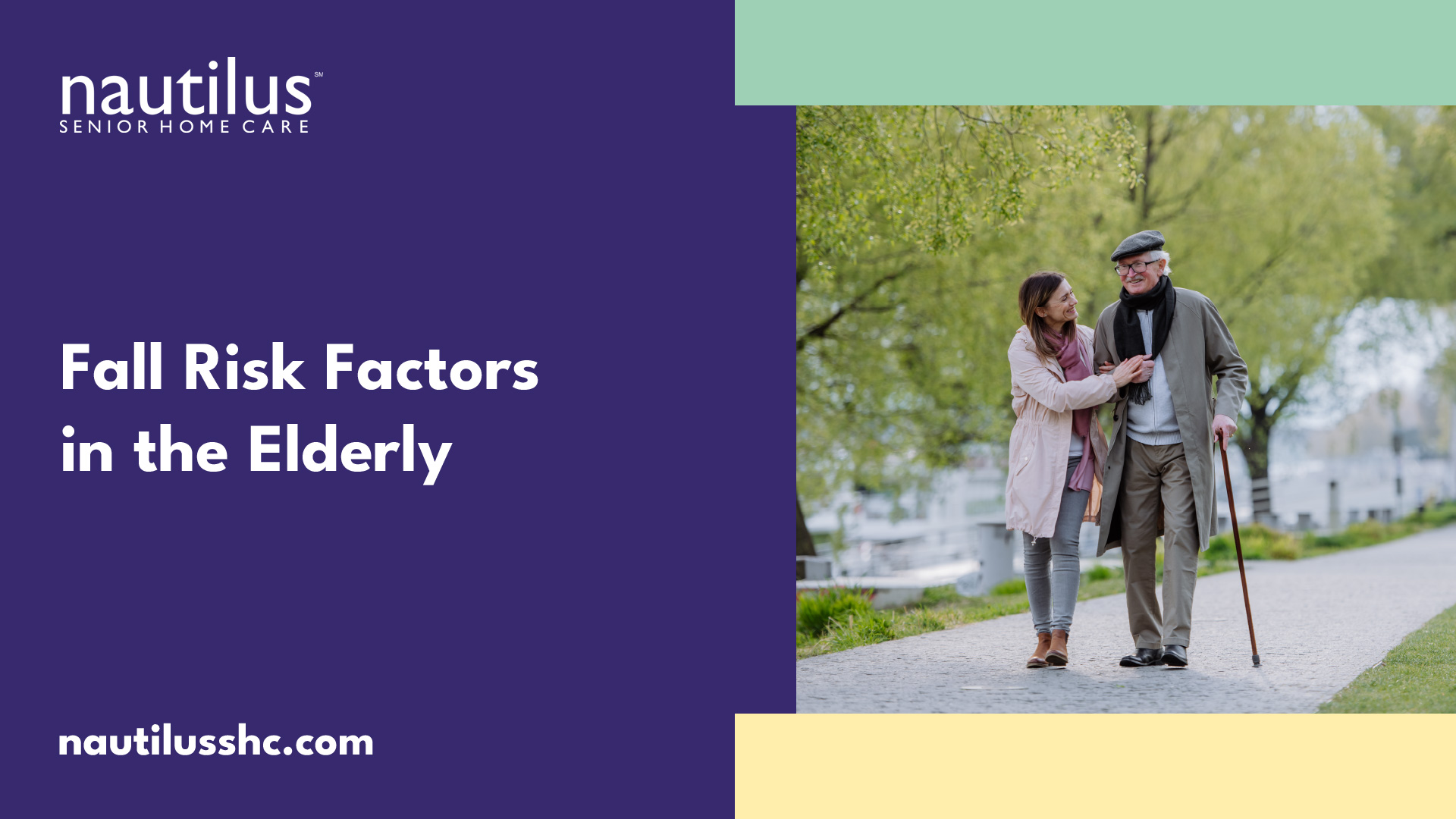
Fall Risk Factors in the Elderly

Fall Risk Factors in the Elderly

Understanding Fall Risk Factors in the Elderly

Falls are a significant concern for the elderly population, as they can lead to severe injuries and a decline in overall health. Understanding the risk factors associated with falls is crucial in implementing effective fall prevention strategies. This section will highlight the importance of fall prevention and discuss common fall risk factors in the elderly.

Importance of Fall Prevention in the Elderly

Fall prevention plays a vital role in maintaining the health and well-being of older adults. Falls can result in fractures, head injuries, and other complications that can significantly impact an individual’s quality of life. By implementing appropriate preventive measures, the risk of falls can be reduced, promoting independence and overall safety.

Common Fall Risk Factors in the Elderly

Numerous factors contribute to an increased risk of falls among the elderly population. By identifying and addressing these risk factors, it is possible to minimize the occurrence of falls. Some common fall risk factors in the elderly include:

Risk Factor and Description

Muscle Weakness and Imbalance: Age-related muscle loss and decreased balance can increase the risk of falls.

Poor Vision: Visual impairments, such as poor depth perception or reduced visual acuity, can contribute to falls.

Chronic Health Conditions: Conditions like arthritis, Parkinson’s disease, and stroke can affect mobility and increase the risk of falls.

It’s important to note that falls in the elderly are often the result of multiple risk factors interacting with each other. Therefore, a comprehensive approach that addresses all relevant factors is necessary to effectively reduce the risk of falls.

Understanding the importance of fall prevention and recognizing the common risk factors in the elderly are crucial steps in promoting the well-being and safety of older adults. By implementing appropriate interventions and creating a safe living environment, the risk of falls can be significantly reduced, allowing seniors to maintain their independence and enjoy a higher quality of life.

Physical Factors

When it comes to understanding fall risk factors in the elderly, there are several physical factors that play a significant role. These factors can contribute to an increased risk of falls and should be taken into consideration for fall prevention strategies.

Muscle Weakness and Imbalance

Muscle weakness and imbalance are common issues that can affect the stability and coordination of the elderly. As we age, our muscles naturally tend to weaken, leading to a decline in strength and balance. This can make it more challenging to maintain stability while walking or performing daily activities.

In addition to muscle weakness, an imbalance between the muscles on either side of a joint can also contribute to falls. When there is an imbalance, it can affect the alignment and stability of the joints, increasing the risk of falls. It’s important to engage in regular strength and balance exercises to improve muscle strength and coordination.

Poor Vision

Vision plays a crucial role in maintaining balance and spatial awareness. As we age, changes in vision can occur, such as reduced visual acuity, depth perception, and peripheral vision. These changes can make it difficult to detect potential hazards or obstacles in the environment, increasing the risk of falls.

Regular eye examinations are essential for identifying and addressing any vision impairments. The use of corrective lenses or other visual aids can help improve vision and reduce the risk of falls. Adequate lighting in the home and the use of contrast-enhancing colors can also assist individuals with poor vision in navigating their surroundings safely.

Chronic Health Conditions

Chronic health conditions can significantly impact an individual’s physical well-being and increase their fall risk. Conditions such as arthritis, Parkinson’s disease, stroke, and diabetes can affect mobility, balance, and coordination, making falls more likely.

It is crucial for individuals with chronic health conditions to work closely with healthcare professionals to manage their condition effectively. Physical therapy and rehabilitation programs can help improve strength, balance, and overall physical function, reducing the risk of falls. Additionally, proper medication management and regular check-ups are essential for minimizing the impact of these conditions on fall risk.

Understanding and addressing these physical factors is vital in developing comprehensive fall prevention plans for the elderly. By focusing on muscle strength and balance exercises, vision care, and management of chronic health conditions, individuals can reduce their risk of falls and maintain their independence and well-being.

Environmental Factors

When it comes to fall risk factors in the elderly, environmental factors play a significant role. The home environment, in particular, can have a significant impact on the risk of falls. By identifying and addressing hazards in the home, slippery surfaces, and poor lighting, we can take proactive steps to reduce the risk of falls in the elderly.

Hazards in the Home

The home should be a safe and comfortable place for the elderly, but certain hazards can increase the risk of falls. These hazards may include:

  • Cluttered walkways and living spaces
  • Loose rugs or carpets that can cause tripping
  • Unstable furniture or poorly placed objects
  • Unsecured electrical cords or wires

By addressing these hazards, such as removing clutter and securing loose rugs, we can create a safer environment for the elderly and reduce the risk of falls.

Slippery Surfaces

Slippery surfaces can significantly contribute to falls, especially for individuals with balance or mobility issues. Common areas where slippery surfaces may be present include:

  • Bathrooms, where wet floors and tubs can pose a risk
  • Kitchens, where spills or slick surfaces can lead to slips
  • Entryways and outdoor areas, where rain or snow can create slippery conditions

To mitigate the risk of falls due to slippery surfaces, the following measures can be taken:

  • Installing non-slip mats or rugs in high-risk areas
  • Using non-slip adhesive strips or decals in showers or bathtubs
  • Keeping outdoor walkways clear of debris and promptly removing ice or snow

Poor Lighting

Inadequate lighting can hinder visibility, making it difficult for the elderly to navigate their surroundings safely. Areas with poor lighting can include:

  • Hallways, staircases, and entryways
  • Bedrooms and bathrooms
  • Outdoor walkways and entrances

To improve lighting and reduce fall risk, consider the following measures:

  • Increase the wattage of light bulbs or replace them with brighter alternatives
  • Ensure that light switches are easily accessible and conveniently placed
  • Install nightlights in hallways and bathrooms to provide guidance during nighttime

By addressing these environmental factors, we can create a safer living environment for the elderly and reduce the risk of falls. Taking proactive steps, such as removing hazards, addressing slippery surfaces, and improving lighting, can significantly contribute to fall prevention efforts. Regular assessments of the home environment are essential to identify and address potential risks.

Medication Factors

Medication factors play a significant role in increasing the risk of falls among the elderly. Certain medications can have side effects that affect balance, coordination, and cognitive function. Additionally, the combination of multiple medications, known as polypharmacy, and the potential for drug interactions can further contribute to fall risk.

Side Effects of Medications

Many medications prescribed to the elderly can have side effects that increase the risk of falls. These side effects may include dizziness, drowsiness, blurred vision, and impaired balance. It’s important to note that the specific side effects can vary depending on the type of medication and the individual’s response to it.

To minimize the risk of falls associated with medication side effects, healthcare providers should carefully assess the potential risks and benefits of each medication prescribed to elderly patients. Regular medication reviews should be conducted to identify any drugs that may be contributing to fall risk. Adjustments or alternative medications can be considered to mitigate the side effects.

Polypharmacy

Polypharmacy refers to the use of multiple medications concurrently, which is common among the elderly population. While each medication may be necessary for managing different health conditions, the combination of multiple drugs can increase the risk of falls.

The more medications an individual takes, the higher the likelihood of experiencing side effects and drug interactions that can impact balance and coordination. Polypharmacy can also lead to confusion and cognitive impairment, further increasing the risk of falls.

Healthcare providers should regularly review the medications prescribed to elderly patients and assess the necessity and potential risks associated with each medication. A collaborative approach involving the patient, caregivers, and healthcare professionals is essential to ensure optimal medication management and reduce the risk of falls.

Drug Interactions

In addition to the side effects of individual medications, drug interactions can further contribute to fall risk in the elderly. When two or more medications interact, their effectiveness or side effects can be altered, potentially leading to adverse effects on balance, cognition, and other factors related to fall risk.

The risk of drug interactions increases with polypharmacy, as the likelihood of using multiple medications that may interact with one another also increases. Healthcare providers should carefully consider potential drug interactions when prescribing medications to elderly patients. Regular medication reviews and open communication with the patient’s healthcare team can help identify and manage any potential drug interactions.

By addressing medication factors, healthcare providers can help reduce the risk of falls in the elderly. Regular medication reviews, adjustments to medication regimens, and close monitoring of side effects and drug interactions are essential steps in promoting the safety and well-being of elderly individuals.

Lifestyle Factors

Several lifestyle factors contribute to the risk of falls in the elderly population. Understanding and addressing these factors is crucial for fall prevention and maintaining the overall well-being of older adults. In this section, we will explore three significant lifestyle factors: lack of physical activity, improper footwear, and inadequate nutrition.

Lack of Physical Activity

A sedentary lifestyle can increase the risk of falls in the elderly. Lack of physical activity leads to decreased muscle strength, flexibility, and balance, making it harder to maintain stability and recover from potential trips or slips. Engaging in regular exercise and physical activity can help improve muscle tone, enhance balance, and promote overall strength.

Encouraging older adults to participate in activities such as walking, swimming, tai chi, or yoga can significantly reduce the risk of falls. It’s important to consult with healthcare professionals or qualified trainers to develop appropriate exercise programs tailored to an individual’s abilities and needs.

Improper Footwear

Wearing inappropriate footwear can also contribute to falls among the elderly. Ill-fitting shoes, high heels, or shoes with slippery soles can compromise stability and increase the chances of tripping or losing balance. Proper footwear plays a crucial role in fall prevention.

When selecting footwear, it is important to consider the following factors:

  • Shoes should fit well and provide proper support to the feet and ankles.
  • Opt for shoes with non-slip soles to improve traction and stability.
  • Avoid high heels or shoes with an unstable base.
  • Velcro or lace-up closures can provide a secure fit and prevent shoes from slipping off.

Encouraging older adults to wear appropriate footwear that promotes stability and comfort is essential for minimizing fall risk.

Inadequate Nutrition

Poor nutrition can weaken muscles, impair balance, and reduce bone strength, making older adults more susceptible to falls. Inadequate intake of essential nutrients, such as calcium, vitamin D, and protein, can compromise overall health and increase the risk of fractures.

Promoting a well-balanced diet that includes a variety of fruits, vegetables, lean proteins, whole grains, and dairy products can help maintain bone health, muscle strength, and overall vitality. Additionally, considering the use of vitamin and mineral supplements, under the guidance of healthcare professionals, can ensure that older adults meet their nutritional requirements.

It is important to address lifestyle factors such as lack of physical activity, improper footwear, and inadequate nutrition when developing fall prevention strategies for the elderly. By encouraging regular exercise, promoting appropriate footwear choices, and ensuring proper nutrition, we can significantly reduce the risk of falls and enhance the overall well-being of older adults.

Assessing and Addressing Fall Risk Factors

To effectively prevent falls in the elderly, it is crucial to assess and address the various risk factors that contribute to falls. By identifying these factors, healthcare professionals can create personalized fall prevention plans and implement safety measures tailored to the individual’s needs. This section will explore fall risk assessments, creating a fall prevention plan, and implementing safety measures.

Fall Risk Assessments

Fall risk assessments are comprehensive evaluations conducted to identify the specific risk factors that increase an elderly person’s vulnerability to falls. These assessments typically involve a series of tests and observations that assess physical factors, environmental factors, medication factors, and lifestyle factors.

During a fall risk assessment, healthcare professionals may evaluate:

  • Balance and gait: Assessing an individual’s balance and the way they walk can provide insights into their risk of falling.
  • Muscle strength: Evaluating muscle strength, particularly in the lower body, can help determine if weakness contributes to fall risk.
  • Vision: Checking an individual’s vision can identify any visual impairments that may increase the likelihood of falls.
  • Chronic health conditions: Assessing the presence of chronic health conditions, such as arthritis or Parkinson’s disease, can help identify potential fall risk factors.
  • Medications: Reviewing an individual’s medication list can identify medications with side effects that may increase fall risk.
  • Lifestyle factors: Gathering information about an individual’s physical activity levels, footwear choices, and nutrition can help identify lifestyle factors that contribute to fall risk.

Based on the results of the fall risk assessment, healthcare professionals can develop a comprehensive fall prevention plan.

Creating a Fall Prevention Plan

A fall prevention plan is a personalized strategy designed to address the specific fall risk factors identified during the assessment. The plan may include a combination of interventions tailored to the individual’s needs. Components of a fall prevention plan may include:

  • Exercise programs: Developing exercise routines that focus on improving balance, strength, and flexibility can help reduce fall risk.
  • Vision correction: Addressing visual impairments through appropriate eyewear or treatments can improve safety and reduce the risk of falls.
  • Medication review: Collaborating with healthcare providers to review and adjust medications with known fall risk side effects or interactions.
  • Home modifications: Identifying and addressing hazards within the home environment, such as removing clutter and adding grab bars, can enhance safety.
  • Assistive devices: Recommending the use of assistive devices, such as canes or walkers, to improve stability and reduce fall risk.
  • Education and awareness: Providing information and resources to promote awareness of fall risk factors and strategies to prevent falls.

Implementing Safety Measures

In addition to the personalized fall prevention plan, implementing safety measures is essential to minimize fall risk. These measures involve creating a safe environment for the elderly individual. Some safety measures to consider include:

  • Adequate lighting: Ensuring that all areas of the home are well-lit, especially stairways and hallways, can help prevent falls.
  • Removing hazards: Clearing walkways from clutter, securing loose rugs, and keeping cords out of the way can reduce the risk of tripping.
  • Slip-resistant surfaces: Using non-slip mats or rugs in areas prone to moisture, such as bathrooms, can enhance safety.
  • Handrails and grab bars: Installing handrails along staircases and grab bars in bathrooms can provide additional support and stability.
  • Fall detection devices: Utilizing technology, such as wearable fall detection devices or home monitoring systems, can provide an extra layer of safety.

By assessing fall risk factors, creating personalized fall prevention plans, and implementing safety measures, healthcare professionals can help reduce the risk of falls in the elderly and promote their overall well-being.

Sources

Facts About Falls | Fall Prevention | Injury Center | CDC

Falls and Fall Prevention in Older Adults – StatPearls

Falls in Older Persons: Risk Factors and Prevention

Simple and Nutritious Recipes for the Elderly

Simple and Nutritious Recipes for the Elderly

Nutritious Recipes for the Elderly

As we age, it becomes increasingly important to focus on wholesome meals that provide the necessary nutrients to support overall health and well-being. Nutritious recipes tailored to the needs of the elderly can help ensure they receive the essential vitamins, minerals, and macronutrients they require. In this section, we will explore the importance of wholesome meals for the elderly and factors to consider when creating recipes specifically for this population.

Importance of Wholesome Meals for the Elderly

Wholesome meals play a vital role in promoting the health and quality of life for the elderly. As we age, our bodies may experience changes that affect our ability to absorb and utilize nutrients. Additionally, certain medical conditions and medications can impact appetite and dietary needs. Therefore, it becomes crucial to focus on nutrient-dense foods that provide the necessary energy and support for optimal health.

A well-balanced and nutritious diet for the elderly should include a variety of foods from different food groups. This ensures that they receive essential nutrients such as protein, fiber, vitamins, and minerals. Wholesome meals can help maintain muscle strength, support immune function, promote healthy digestion, and reduce the risk of chronic diseases.

Factors to Consider When Creating Recipes for the Elderly

When creating recipes for the elderly, several factors should be taken into account to ensure the meals are not only nutritious but also enjoyable and easy to prepare. Here are some important considerations:

  1. Texture: As we age, some individuals may experience difficulty chewing or swallowing. Therefore, recipes should include foods that are soft, tender, and easy to eat. This can be achieved by incorporating cooked vegetables, lean meats that are well-cooked and tender, and incorporating smoothies or purees.
  2. Portion Size: Elderly individuals may have reduced appetites or smaller stomach capacities. It’s important to create recipes with appropriate portion sizes to prevent overeating or food waste. Offering smaller, frequent meals and snacks throughout the day can also help maintain energy levels.
  3. Nutrient Density: Since the elderly have unique nutritional needs, it’s important to focus on nutrient-dense ingredients. Incorporating foods rich in vitamins, minerals, and fiber can help meet their nutritional requirements. This can be achieved by using whole grains, lean proteins, colorful fruits and vegetables, and healthy fats.
  4. Simplicity and Convenience: Elderly individuals may prefer recipes that are easy to prepare and require minimal effort. Simple recipes with fewer ingredients and clear instructions can be more appealing. Additionally, considering the availability and accessibility of ingredients can make it easier for the elderly to prepare the meals independently.

By considering these factors, we can create nutritious recipes that cater to the specific dietary needs and preferences of the elderly. The following sections will provide ideas for breakfast, lunch, dinner, snacks, and desserts that meet these criteria, ensuring a healthy and enjoyable eating experience for the elderly.

Breakfast Ideas

A nutritious breakfast is essential to start the day off right, especially for the elderly. Here are two simple and wholesome breakfast ideas that provide the necessary nutrients to keep them energized throughout the morning.

Simple Oatmeal with Nut Butter and Berries

Ingredients and Quantity

  • Oats: 1/2 cup
  • Water or Milk: 1 cup
  • Nut Butter (e.g., almond butter, peanut butter): 1 tablespoon
  • Fresh Berries (e.g., strawberries, blueberries): 1/4 cup
  • Honey or Maple Syrup (optional): to taste

Directions:

  1. In a saucepan, combine the oats and water or milk. Bring to a boil, then reduce heat and simmer for about 5 minutes until the oats are cooked and creamy.
  2. Remove from heat and stir in the nut butter until well incorporated.
  3. Transfer the oatmeal to a bowl and top it with fresh berries.
  4. If desired, drizzle with a small amount of honey or maple syrup for added sweetness.
  5. Serve warm and enjoy!

Scrambled Eggs with Veggies and Whole Wheat Toast

Ingredients

  • Eggs: 2
  • Mixed Vegetables (e.g., bell peppers, spinach, tomatoes): 1/2 cup
  • Olive Oil or Cooking Spray: for greasing
  • Salt and Pepper: to taste
  • Whole Wheat Toast: 2 slices

Directions:

  1. In a bowl, whisk the eggs until well beaten. Season with salt and pepper.
  2. Heat a non-stick skillet over medium heat and lightly grease it with olive oil or cooking spray.
  3. Add the mixed vegetables to the skillet and sauté until they are slightly softened.
  4. Pour the beaten eggs over the vegetables and stir gently until the eggs are cooked to your desired consistency.
  5. Toast the whole wheat bread slices.
  6. Serve the scrambled eggs alongside the whole wheat toast.
  7. Season with additional salt and pepper if desired.
  8. Enjoy a wholesome and delicious breakfast!

These breakfast ideas provide a balance of carbohydrates, protein, and fiber, helping to fuel the body and support overall health. Remember to consider any dietary restrictions or preferences when preparing meals for the elderly, and feel free to modify the recipes to suit their specific needs.

Lunch Ideas

For a well-rounded and nourishing lunch, here are two simple and nutritious recipes that are perfect for the elderly.

Nourishing Chicken Vegetable Soup

Warm and comforting, chicken vegetable soup is an excellent choice for a nutritious lunch. Packed with protein, vitamins, and minerals, this soup provides essential nutrients to support overall health and well-being.

Ingredients:

  • Chicken breast (cooked and shredded)
  • Mixed vegetables (carrots, celery, peas, corn)
  • Low-sodium chicken broth
  • Onion
  • Garlic
  • Herbs and spices (such as thyme, rosemary, and black pepper)

Instructions:

  1. In a large pot, sauté the onion and garlic until fragrant.
  2. Add the mixed vegetables and cook until slightly softened.
  3. Pour in the low-sodium chicken broth and bring to a boil.
  4. Reduce the heat, add the shredded chicken, and simmer for about 15-20 minutes.
  5. Season with herbs and spices according to taste.
  6. Serve hot and enjoy a nourishing bowl of chicken vegetable soup.

Quinoa Salad with Roasted Vegetables and Feta Cheese

A refreshing and nutrient-rich salad, quinoa salad with roasted vegetables and feta cheese is a wonderful option for a satisfying and balanced lunch. Quinoa is a high-protein grain that provides essential amino acids, while the roasted vegetables add fiber and vitamins. The feta cheese adds a delightful tang and creaminess to the salad.

Ingredients:

  • Cooked quinoa
  • Assorted roasted vegetables (such as bell peppers, zucchini, and eggplant)
  • Feta cheese
  • Fresh herbs (such as parsley or basil)
  • Olive oil
  • Lemon juice

Instructions:

  1. In a large bowl, combine the cooked quinoa and roasted vegetables.
  2. Crumble feta cheese over the mixture.
  3. Add fresh herbs for added flavor and freshness.
  4. Drizzle with olive oil and lemon juice.
  5. Toss gently to combine all the ingredients.
  6. Serve at room temperature or chilled for a delightful quinoa salad experience.

These lunch ideas provide a balance of nutrients and flavors that are suitable for the elderly. They are easy to prepare and can be adjusted according to individual preferences and dietary restrictions. By incorporating these wholesome recipes into their meals, the elderly can enjoy delicious and nourishing lunches that contribute to their overall well-being.

Dinner Ideas

When it comes to dinner, it’s important to provide the elderly with easy and nutritious options that are both flavorful and satisfying. Here are two dinner ideas that fit the bill: Baked Salmon with Lemon and Dill and Tender Beef Stew with Root Vegetables.

Baked Salmon with Lemon and Dill

Baked salmon is not only delicious but also a great source of omega-3 fatty acids, which are beneficial for heart health. This recipe is easy to prepare and packed with flavor.

Ingredients

  • Salmon fillet: 1 (4-6 oz)
  • Lemon juice: 1 tablespoon
  • Fresh dill, chopped: 1 tablespoon
  • Salt: 1/4 teaspoon
  • Black pepper: 1/4 teaspoon

Instructions:

  1. Preheat the oven to 375°F (190°C).
  2. Place the salmon fillet on a baking sheet lined with parchment paper.
  3. Drizzle the lemon juice over the salmon.
  4. Sprinkle the fresh dill, salt, and black pepper evenly over the fish.
  5. Bake for 12-15 minutes or until the salmon is cooked through and flakes easily with a fork.
  6. Serve the baked salmon with a side of steamed vegetables or a simple salad.

Tender Beef Stew with Root Vegetables

Beef stew is a comforting and hearty dish that is easy to chew and digest. This recipe incorporates tender beef and nutrient-rich root vegetables, providing a well-rounded meal for the elderly.

Ingredients

  • Beef stew meat, cubed: 1 lb
  • Onion, chopped: 1 medium
  • Carrots, peeled and sliced: 2 medium
  • Potatoes, peeled and diced: 2 medium
  • Celery, sliced: 2 stalks
  • Beef broth: 4 cups
  • Tomato paste: 2 tablespoons
  • Garlic, minced: 2 cloves
  • Dried thyme: 1 teaspoon
  • Salt: 1/2 teaspoon
  • Black pepper: 1/4 teaspoon
  • Olive oil: 2 tablespoons

Instructions:

  1. In a large pot, heat the olive oil over medium heat.
  2. Add the beef stew meat and cook until browned on all sides.
  3. Add the chopped onion and minced garlic, and sauté until the onion becomes translucent.
  4. Stir in the tomato paste, dried thyme, salt, and black pepper.
  5. Add the beef broth and bring the mixture to a boil.
  6. Reduce the heat to low, cover the pot, and simmer for 1.5-2 hours or until the beef is tender.
  7. Add the carrots, potatoes, and celery to the pot, and continue simmering for an additional 30 minutes or until the vegetables are cooked through.
  8. Adjust the seasoning if needed.
  9. Serve the tender beef stew with root vegetables hot, and enjoy the comforting flavors.

These dinner ideas provide a balance of nutrients and flavors that are suitable for the elderly. They are easy to prepare and can be enjoyed as part of a wholesome meal. Remember to consider any dietary restrictions or preferences when preparing these dishes.

Snack Ideas

Ensuring that elderly individuals have nutritious and satisfying snacks throughout the day is just as important as providing wholesome meals. Here are a couple of snack ideas that are easy to prepare and packed with essential nutrients.

Greek Yogurt with Fresh Fruit and Nuts

Greek yogurt is a versatile and nutritious snack option for the elderly. It is rich in protein, calcium, and probiotics, which support digestive health. Pairing Greek yogurt with fresh fruit and nuts adds a delightful mix of flavors and additional nutrients.

Ingredients

  • Greek yogurt: 1 cup
  • Fresh fruit (e.g., berries, sliced banana): 1/2 cup
  • Nuts (e.g., almonds, walnuts): 1/4 cup

To prepare this snack, simply scoop a cup of Greek yogurt into a bowl and top it with your choice of fresh fruit, such as berries or sliced banana. Sprinkle a handful of nuts, such as almonds or walnuts, for added crunch and healthy fats. This snack provides a satisfying combination of protein, fiber, vitamins, and minerals.

Homemade Trail Mix with Dried Fruits and Seeds

Trail mix is a convenient and energizing snack that can be customized to suit individual preferences. By combining dried fruits and seeds, you create a nutritious and flavorful snack for the elderly.

Ingredients

  • Dried fruits (e.g., cranberries, apricots): 1/2 cup
  • Seeds (e.g., pumpkin seeds, sunflower seeds): 1/2 cup
  • Nuts (e.g., cashews, peanuts): 1/2 cup

To make this homemade trail mix, combine equal parts of dried fruits, seeds, and nuts in a bowl. Choose dried fruits like cranberries or apricots for their natural sweetness, and add a variety of seeds such as pumpkin seeds or sunflower seeds for a boost of nutrients. Feel free to include your favorite nuts, such as cashews or peanuts, for added texture and flavor. Portion the trail mix into small containers or resealable bags for easy snacking throughout the day.

These snack ideas are not only delicious but also provide essential nutrients to support the overall well-being of elderly individuals. Remember to consider any dietary restrictions or allergies when preparing snacks and adjust the ingredients accordingly. By incorporating these simple and nutritious snack options, you can help ensure that the elderly maintain a healthy and balanced diet.

Dessert Ideas

When it comes to dessert ideas for the elderly, it’s important to create options that are not only delicious but also easy to chew and digest. Here are two delightful dessert recipes that are both nutritious and appealing to the taste buds:

Baked Apple Slices with Cinnamon

This simple and comforting dessert combines the natural sweetness of apples with a touch of warming cinnamon. Baking the apple slices brings out their natural flavors and creates a soft texture that is easy to eat.

Ingredients

  • Apples (firm and sweet variety): 2
  • Cinnamon powder: 1/2 teaspoon
  • Honey or maple syrup: 1 tablespoon (optional)

Instructions:

  1. Preheat the oven to 350°F (175°C).
  2. Wash and core the apples, then slice them into thin rounds.
  3. Place the apple slices in a baking dish and sprinkle them with cinnamon powder.
  4. If desired, drizzle honey or maple syrup over the apple slices for added sweetness.
  5. Bake the apple slices for about 20-25 minutes, or until they are tender and slightly golden.
  6. Allow the baked apple slices to cool slightly before serving. They can be enjoyed warm or at room temperature.

Banana and Walnut Muffins

These moist and flavorful muffins are a great option for a sweet treat that incorporates the nutritional benefits of bananas and walnuts. They can be enjoyed as a snack or dessert, providing a good source of fiber and healthy fats.

Ingredients

  • Ripe bananas: 2
  • All-purpose flour: 1 1/2 cups
  • Baking powder: 1 teaspoon
  • Salt: 1/4 teaspoon
  • Cinnamon powder: 1/2 teaspoon
  • Unsalted butter, melted: 1/2 cup
  • Brown sugar: 1/2 cup
  • Eggs: 2
  • Vanilla extract: 1 teaspoon
  • Chopped walnuts: 1/2 cup

Instructions:

  1. Preheat the oven to 350°F (175°C) and line a muffin tin with paper liners.
  2. In a mixing bowl, mash the ripe bananas until smooth.
  3. In a separate bowl, whisk together the all-purpose flour, baking powder, salt, and cinnamon powder.
  4. In another bowl, combine the melted butter, brown sugar, eggs, and vanilla extract. Mix well.
  5. Gradually add the dry ingredient mixture to the wet ingredients, stirring until just combined.
  6. Fold in the chopped walnuts.
  7. Spoon the batter into the prepared muffin tin, filling each cup about 3/4 full.
  8. Bake the muffins for approximately 20-25 minutes, or until a toothpick inserted into the center comes out clean.
  9. Allow the muffins to cool for a few minutes before transferring them to a wire rack to cool completely.

These baked apple slices with cinnamon and banana and walnut muffins provide delightful dessert options for the elderly, combining flavors that are both comforting and nutritious. Remember to consider any dietary restrictions or preferences when preparing these desserts and enjoy them in moderation as part of a balanced diet.

Sources

18 quick, easy meal preparation ideas for seniors

20 Easy, Nutritious Recipes for Seniors

Pneumonia in Elderly: Symptoms and Treatment

Pneumonia in Elderly: Symptoms and Treatment

Understanding Pneumonia in the Elderly

Pneumonia is a common respiratory infection that can affect individuals of all ages, but it poses a higher risk for the elderly population. In this section, we will explore what pneumonia is and why the elderly are more susceptible to this condition.

What is Pneumonia?

Pneumonia is an infection that causes inflammation in one or both lungs. It is most commonly caused by bacteria, but can also be due to viruses or fungi. When a person inhales infected droplets from the air, the pathogens can reach the lungs and lead to an infection.

The infection causes the air sacs in the lungs to fill with fluid or pus, making it difficult for oxygen to reach the bloodstream. This can result in symptoms such as coughing, difficulty breathing, and fever.

Why are the Elderly at Higher Risk?

The elderly population is more susceptible to pneumonia due to a combination of factors. As people age, their immune system naturally weakens, making it harder for their bodies to fight off infections. Additionally, the lungs may become less efficient in clearing mucus and foreign particles, increasing the risk of respiratory infections like pneumonia.

Moreover, underlying health conditions commonly seen in the elderly, such as chronic lung disease, heart disease, or diabetes, can further weaken the immune system and make them more vulnerable to pneumonia. The presence of these comorbidities can also complicate the management and treatment of pneumonia in older adults.

It’s important to note that pneumonia can be a serious condition for the elderly and may lead to hospitalization or even death if left untreated. Recognizing the symptoms and seeking timely medical care is crucial for ensuring proper diagnosis and treatment.

By understanding the basics of pneumonia and the heightened risk faced by the elderly, we can take steps to promote preventive measures and early detection. In the following sections, we will explore the common symptoms of pneumonia in the elderly, the potential complications to watch out for, and the necessary steps for seeking medical care and treatment.

Common Symptoms of Pneumonia in the Elderly

Recognizing the symptoms of pneumonia in the elderly is crucial for early detection and prompt treatment. While symptoms may vary from person to person, there are some common indicators to be aware of. It’s important to note that not all individuals will experience the same symptoms, and some symptoms may be more pronounced in certain individuals.

Coughing and Chest Pain

One of the most common symptoms of pneumonia in the elderly is a persistent cough. The cough may produce phlegm or mucus, and it can be accompanied by chest pain or discomfort. The chest pain may worsen during coughing or deep breathing.

Shortness of Breath

Shortness of breath is another symptom that can be observed in elderly individuals with pneumonia. This occurs due to inflammation and infection in the lungs, which can make breathing more difficult. Shortness of breath may be more noticeable during physical exertion or while lying down.

Fatigue and Weakness

Pneumonia can cause significant fatigue and weakness in the elderly. This can be attributed to the body’s immune response to the infection, which can drain energy levels. Patients may experience a general feeling of tiredness and find it challenging to engage in daily activities.

Fever and Chills

Fever is a common symptom of pneumonia in the elderly. The body’s natural response to infection is to increase its temperature to fight off the invading pathogens. Chills may also accompany the fever, as the body tries to generate heat to combat the infection.

Confusion or Delirium

In some cases, pneumonia in the elderly can manifest as confusion or delirium. This may be more prevalent in individuals with pre-existing cognitive impairments or underlying medical conditions. Confusion can range from mild disorientation to severe cognitive decline, and it may be accompanied by other symptoms such as restlessness or hallucinations.

It’s important to note that these symptoms can be indicative of other medical conditions as well. If you or a loved one experience any of these symptoms, it is crucial to consult a healthcare provider for a proper diagnosis and appropriate treatment. Early detection and timely medical intervention can significantly improve outcomes for elderly individuals with pneumonia.

Complications and Warning Signs

Pneumonia in the elderly can lead to various complications, which require immediate medical attention. It’s important to be aware of the warning signs that may indicate a worsening condition. Here are some common complications and their associated symptoms:

Severe Shortness of Breath

Severe shortness of breath is a concerning symptom that may indicate a serious complication of pneumonia in the elderly. It can be accompanied by rapid breathing and difficulty in getting enough air. If an elderly individual experiences severe shortness of breath, it is crucial to seek medical attention immediately.

High Fever and Rapid Heart Rate

Elevated body temperature and a rapid heart rate are warning signs that the infection may be spreading and causing systemic inflammation. A high fever (above 101°F or 38.3°C) and an increased heart rate (above 100 beats per minute) can indicate a more severe form of pneumonia. Prompt medical intervention is necessary to prevent further complications.

Bluish Coloration of Lips and Fingernails

A bluish discoloration of the lips and fingernails, known as cyanosis, is a serious warning sign that oxygen levels in the bloodstream may be dangerously low. This can occur when pneumonia affects the lungs’ ability to transfer oxygen into the bloodstream. If cyanosis is observed in an elderly individual with pneumonia, immediate medical attention is essential.

Chest Pain and Difficulty Breathing

Chest pain and difficulty breathing can be indicative of complications such as pleural effusion or lung abscess. Pleural effusion occurs when fluid accumulates in the space between the lungs and the chest wall, causing pain and exerting pressure on the lungs. A lung abscess is a pocket of pus that forms within the lung tissue, leading to localized pain and respiratory difficulty. If an elderly individual experiences chest pain or worsening breathing difficulties, it is crucial to seek medical care promptly.

Confusion or Changes in Mental Status

Pneumonia can affect the brain and cause confusion or changes in mental status, especially in older adults. This can manifest as disorientation, memory problems, agitation, or delirium. If an elderly individual with pneumonia displays any changes in mental status, it is important to consult a healthcare provider immediately.

Recognizing these complications and warning signs is crucial for early intervention and appropriate medical treatment. Timely medical care can help prevent further deterioration and improve outcomes for elderly individuals with pneumonia.

Seeking Medical Care and Treatment

When it comes to pneumonia in the elderly, seeking timely medical care and appropriate treatment is crucial for a successful recovery. In this section, we will explore when to consult a healthcare provider, the diagnostic tests used to confirm pneumonia, and the treatment options available for elderly individuals.

When to Consult a Healthcare Provider

It’s important for elderly individuals or their caregivers to be vigilant and seek medical attention if any symptoms of pneumonia are present. Prompt medical care can help prevent the progression of the infection and reduce the risk of complications. It is advisable to consult a healthcare provider if the following signs and symptoms are observed:

  • Persistent cough accompanied by chest pain
  • Difficulty breathing or shortness of breath
  • High fever and rapid heart rate
  • Confusion or changes in mental status
  • Bluish coloration of lips and fingernails

Diagnostic Tests for Pneumonia

To confirm pneumonia in the elderly, healthcare providers may conduct various diagnostic tests. These tests help identify the presence of an infection, determine the type of pneumonia, and guide appropriate treatment. Common diagnostic tests for pneumonia include:

Diagnostic Test and Purpose

‍Chest X-ray: To detect abnormalities in the lungs

Blood tests: To assess the presence of infection and determine the specific pathogen

Sputum culture: To identify the bacteria causing the infection

Pulse oximetry: To measure oxygen levels in the blood

Bronchoscopy: In some cases, a flexible tube is inserted into the airways to collect samples for analysis

Treatment Options for Pneumonia in the Elderly

Treatment for pneumonia in the elderly depends on several factors, including the severity of the infection, the underlying health conditions of the individual, and the causative agent. The primary goals of treatment are to eliminate the infection, relieve symptoms, and prevent complications. Treatment options may include:

Treatment Option and Purpose

‍Antibiotics: To target bacterial infections

Antiviral medication: If the pneumonia is caused by a viral infection

Antifungal medication: If the pneumonia is caused by a fungal infection

Oxygen therapy: To provide supplemental oxygen if oxygen levels are low

Fluids and rest: To ensure hydration and allow the body to recover

Pain relievers: To alleviate fever, pain, and discomfort

Respiratory therapy: In severe cases, oxygen therapy, or mechanical ventilation may be required

It’s important to note that treatment plans may vary depending on the individual’s overall health, the severity of the infection, and the healthcare provider’s assessment. Compliance with the prescribed treatment regimen and follow-up appointments is crucial for a successful recovery.

By promptly consulting a healthcare provider, undergoing appropriate diagnostic tests, and receiving the necessary treatment, elderly individuals with pneumonia can improve their chances of a full recovery. Timely intervention and adherence to the treatment plan play a vital role in managing pneumonia effectively.

Preventing Pneumonia in the Elderly

Preventing pneumonia in the elderly is crucial to maintain their overall health and well-being. By taking certain preventive measures, the risk of developing pneumonia can be significantly reduced. Here are three important strategies to consider: vaccination, good hygiene practices, and healthy lifestyle habits.

Vaccination

Vaccination is a key preventive measure for pneumonia in the elderly. The pneumococcal vaccine and the influenza vaccine are particularly important in reducing the risk of pneumonia. These vaccines are designed to protect against specific strains of bacteria and viruses that can cause pneumonia.

It’s important for elderly individuals to consult their healthcare providers regarding the appropriate vaccination schedule and any specific recommendations based on their medical history.

Good Hygiene Practices

Practicing good hygiene is essential for preventing the spread of infectious respiratory illnesses that can lead to pneumonia. Encouraging elderly individuals to follow these hygiene practices can make a significant difference:

  • Regular handwashing with soap and water for at least 20 seconds, especially before eating and after using the restroom.
  • Using alcohol-based hand sanitizers when soap and water are not available.
  • Covering the mouth and nose with a tissue or the elbow when coughing or sneezing, to prevent the spread of respiratory droplets.
  • Avoiding close contact with individuals who are sick, and staying away from crowded places during flu seasons or outbreaks.

Healthy Lifestyle Habits

Maintaining a healthy lifestyle can strengthen the immune system and reduce the risk of developing pneumonia. Encouraging the following habits can contribute to overall well-being and lower the susceptibility to infections:

  • Eating a balanced diet rich in fruits, vegetables, whole grains, and lean proteins to provide essential nutrients and support the immune system.
  • Staying physically active to improve cardiovascular health and strengthen the respiratory muscles.
  • Getting enough sleep to support the body’s natural defense mechanisms.
  • Avoiding smoking and exposure to secondhand smoke, as smoking weakens the lungs and increases the risk of respiratory infections.

By focusing on vaccination, good hygiene practices, and healthy lifestyle habits, the elderly can take proactive steps to reduce their risk of pneumonia. It’s important to work closely with healthcare providers to ensure that the preventive strategies are tailored to individual needs and medical history.

Sources

What to Know About Pneumonia in Older People

Elderly Pneumonia: Symptoms, Causes, Treatment

Pneumonia Symptoms and Diagnosis

Balance Exercises for Seniors

Balance Exercises for Seniors

Importance of Balance for Senior Citizens

Maintaining good balance is essential for senior citizens as it plays a crucial role in their overall well-being and quality of life. Understanding the role of balance in aging and the benefits of balance exercises can help seniors prioritize their physical health and reduce the risk of falls.

Understanding the Role of Balance in Aging

As individuals age, their balance naturally tends to decline. This can be attributed to various factors, including changes in muscle strength, joint flexibility, and sensory perception. Age-related conditions such as arthritis, osteoporosis, and vision problems can further contribute to balance issues.

Having good balance is important because it helps older adults perform daily activities with confidence and independence. It allows them to walk steadily, climb stairs, and maintain stability while performing routine tasks. By understanding the role of balance in aging, seniors can take proactive steps to improve and maintain their balance.

Benefits of Balance Exercises for Seniors

Engaging in regular balance exercises offers numerous benefits for senior citizens. These exercises help to enhance stability, coordination, and proprioception (the body’s awareness of its position in space). By incorporating balance exercises into their routine, seniors can experience the following advantages:

  1. Fall Prevention: Falls are a significant concern for older adults, often leading to serious injuries. Balance exercises help improve muscle strength and coordination, reducing the risk of falls and associated complications.
  2. Improved Mobility: By enhancing balance, seniors can maintain or improve their ability to move around independently. This allows them to remain active, engage in hobbies, and participate in social activities.
  3. Enhanced Confidence: Regular balance exercises can boost seniors’ confidence in their ability to perform daily activities safely. This confidence can have a positive impact on their overall well-being and quality of life.
  4. Reduced Joint Pain: Balance exercises can help alleviate joint pain by strengthening the muscles around the joints. This can be particularly beneficial for seniors with conditions such as arthritis.
  5. Better Posture and Body Alignment: Balance exercises encourage seniors to engage their core muscles and maintain proper posture. This can help alleviate back pain and improve overall body alignment.

Incorporating balance exercises into a senior’s daily routine is an effective way to promote physical health, prevent falls, and maintain independence. By understanding the importance of balance in aging and the benefits of balance exercises, seniors can make informed decisions about their fitness routine and take proactive steps towards a healthier and more balanced life.

Simple Balance Exercises

Engaging in regular balance exercises is essential for maintaining stability and reducing the risk of falls among senior citizens. Simple balance exercises can easily be incorporated into daily routines and help improve strength, coordination, and overall balance. Here are three effective and straightforward balance exercises for seniors:

Single Leg Stance

The single leg stance exercise is a basic yet effective way to improve balance and stability. To perform this exercise:

  1. Stand tall with your feet shoulder-width apart and your arms at your sides.
  2. Shift your weight onto one leg while lifting the opposite foot slightly off the ground.
  3. Try to maintain your balance on one leg for 30 seconds.
  4. Repeat the exercise on the other leg.

This exercise can be modified by holding onto a sturdy chair or countertop for support if needed. As your balance improves, aim to increase the duration of the single leg stance.

Heel-to-Toe Walk

The heel-to-toe walk, also known as the tandem walk, helps enhance balance and coordination. Follow these steps to perform the exercise:

  1. Find a clear pathway and stand with your feet touching each other.
  2. Place one foot directly in front of the other, so that the heel of the front foot touches the toes of the back foot.
  3. Take a step forward, placing your back foot in front of the front foot.
  4. Continue walking in a straight line, maintaining the heel-to-toe position with each step.
  5. Aim to complete 10-20 steps in a row.

The heel-to-toe walk can be challenging at first, so it’s important to take your time and focus on maintaining your balance throughout the exercise.

Side Leg Raise

The side leg raise exercise targets the muscles in the hips and thighs, which play a crucial role in maintaining balance. To perform this exercise:

  1. Stand tall with your feet hip-width apart and your hands resting on a sturdy surface, such as a countertop or the back of a chair.
  2. Slowly lift one leg out to the side, keeping it straight and maintaining your balance on the supporting leg.
  3. Hold the raised leg in the air for a few seconds, then lower it back down.
  4. Repeat the exercise on the other leg.

To increase the challenge, you can gradually decrease your reliance on the supporting surface and perform the exercise without any assistance.

Incorporating these simple balance exercises into your routine can help improve stability and reduce the risk of falls. Remember to start slowly and gradually increase the difficulty as your balance improves. If you have any concerns or pre-existing medical conditions, it’s always a good idea to consult with a healthcare professional before starting a new exercise program.

Chair-Assisted Balance Exercises

For senior citizens looking to improve their balance, chair-assisted exercises can be a great starting point. These exercises provide stability and support, making them suitable for individuals with varying levels of balance. Here are three effective chair-assisted balance exercises:

Sit-to-Stand

The sit-to-stand exercise helps improve lower body strength and balance. To perform this exercise:

  1. Begin by sitting on a sturdy chair with your feet flat on the floor and your hands resting on your thighs.
  2. Slowly shift your weight forward and engage your leg muscles as you stand up from the chair.
  3. Pause for a moment, then slowly lower yourself back down to a seated position.
  4. Repeat this movement 8-10 times, gradually increasing the number of repetitions as you become more comfortable and stronger.

Exercise and Repetitions

‍Sit-to-Stand: 8-10

Toe Taps

Toe taps are another chair-assisted exercise that targets balance and lower body coordination. Follow these steps to perform toe taps:

  1. Begin by standing behind a chair, lightly holding onto the backrest for support.
  2. Lift your right foot slightly off the ground and tap your toes on the floor in front of you.
  3. Return your right foot to the starting position and repeat the movement with your left foot.
  4. Continue alternating between your right and left foot, aiming for a steady and controlled rhythm.
  5. Aim to perform 10-12 toe taps on each foot, gradually increasing the number of repetitions over time.

Exercise and Repetitions

‍Toe Taps: 10-12 per foot

Knee Extensions

Knee extensions help strengthen the quadriceps muscles and improve stability. Here’s how to do knee extensions with chair assistance:

  1. Begin by sitting on a chair with your feet flat on the floor.
  2. Extend your right leg straight out in front of you, keeping your foot flexed.
  3. Hold this position for a few seconds, then slowly lower your leg back down.
  4. Repeat the movement with your left leg, extending it straight out and holding for a few seconds before lowering.
  5. Aim to perform 8-10 repetitions on each leg, gradually increasing the number as you build strength and stability.

Exercise and Repetitions

‍Knee Extensions: 8-10 per leg

Chair-assisted balance exercises provide a safe and supportive way for seniors to enhance their balance and stability. Remember to maintain proper form and technique throughout each exercise, and if you have any concerns or medical conditions, consult with a healthcare professional before starting a new exercise routine.

Balance Exercises with Stability Aids

For senior citizens looking to improve their balance, incorporating stability aids into their exercise routine can be beneficial. These aids provide additional support and stability, making it easier to perform balance exercises safely. Here are three balance exercises that utilize stability aids:

Wall Push-Ups

Wall push-ups are a great way to improve balance while also strengthening the upper body. This exercise helps to build stability in the shoulders, chest, and arms. Here’s how to perform wall push-ups:

  1. Stand facing a wall, about an arm’s length away.
  2. Place your palms flat against the wall at shoulder height, slightly wider than shoulder-width apart.
  3. Step your feet back, keeping them hip-width apart.
  4. Lean your body towards the wall, bending your elbows as you do so.
  5. Push your body back to the starting position, straightening your arms.
  6. Repeat the movement for a desired number of repetitions.

Standing Hip Abduction with Chair

Standing hip abduction exercises target the muscles of the hips and thighs, helping to improve balance and stability. Using a chair for support adds an extra level of stability. Here’s how to perform standing hip abduction with a chair:

  1. Stand behind a chair, holding onto the back for support.
  2. Lift one leg out to the side, keeping it straight and maintaining balance.
  3. Hold the position for a few seconds, focusing on engaging the muscles of the lifted leg.
  4. Slowly lower the leg back down to the starting position.
  5. Repeat the movement on the opposite leg.
  6. Continue alternating legs for a desired number of repetitions.

Balancing with a Stability Ball

Using a stability ball can be an effective way to challenge and improve balance. The instability of the ball engages the core muscles, enhancing overall stability. Here’s how to perform balancing with a stability ball:

  1. Stand with your feet hip-width apart, holding a stability ball in front of you.
  2. Lift one foot off the ground and place it on top of the stability ball.
  3. Focus on maintaining your balance as you stabilize yourself on the ball.
  4. Hold the position for a few seconds, keeping your core engaged and your body aligned.
  5. Gently lower your foot back down to the ground.
  6. Repeat the exercise with the other foot on the stability ball.
  7. Continue alternating legs for a desired number of repetitions.

Incorporating these balance exercises with stability aids into your routine can help improve balance, stability, and overall physical well-being. Remember to start with a stable aid that suits your comfort level, and gradually progress as you gain strength and confidence. It’s always important to consult with a healthcare professional before starting any new exercise program, especially if you have pre-existing medical conditions or concerns.

Advanced Balance Exercises

For seniors looking to challenge their balance and further improve their stability, advanced balance exercises can provide an extra level of difficulty. These exercises require more strength, coordination, and concentration. Here are three advanced balance exercises that can help seniors enhance their balance skills:

Standing Yoga Poses

Yoga is a popular practice that promotes strength, flexibility, and balance. There are several standing yoga poses that are particularly beneficial for senior citizens. These poses engage the core muscles and challenge balance while improving overall body awareness.

Yoga Pose and Description

‍Tree Pose (Vrksasana): Stand with one foot rooted on the ground, and place the sole of the other foot on the inner thigh or calf of the standing leg. Find a focal point to help maintain balance.

Warrior III Pose (Virabhadrasana III): Stand on one leg and extend the other leg straight back. Reach the arms forward, parallel to the ground, while keeping the torso and extended leg in a straight line.

Eagle Pose (Garudasana): Cross one leg over the other and wrap the foot around the calf. Cross the arms at the elbows, with one arm over the other, and bring the palms together. Maintain balance while holding the pose.

Tai Chi Movements

Tai Chi is a gentle and flowing martial art that focuses on slow, deliberate movements and deep breathing. This ancient practice can greatly enhance balance, coordination, and flexibility in seniors. Incorporating Tai Chi movements into a senior’s exercise routine can help improve stability and reduce the risk of falls.

Some Tai Chi movements that are particularly beneficial for balance include:

Tai Chi Movement and Description

‍Cloud Hands: Stand with feet shoulder-width apart and gently shift weight from side to side while extending and circling the arms. Focus on maintaining a steady and controlled movement.

Parting the Wild Horse’s Mane: Begin in a standing position with feet shoulder-width apart. Step forward with one foot and shift weight onto that foot, while simultaneously extending both arms and rotating the torso. Repeat on the other side.

Needle at the Sea Bottom: Stand with feet shoulder-width apart and slowly shift weight onto one leg while raising the other foot slightly off the ground. Maintain balance and hold the position before switching sides.

Balance Board Exercises

A balance board is a training tool that consists of a board placed on top of a fulcrum or a ball. Using a balance board challenges the body’s stability and proprioception, which is the sense of the body’s position in space. It can be an effective way for seniors to improve balance and strengthen the lower body muscles.

Here are a few balance board exercises for seniors:

Balance Board Exercise and Description

‍Rock and Roll: Stand on the balance board with feet shoulder-width apart. Shift weight from the heels to the toes, rocking the board back and forth. Start with small movements and gradually increase the range of motion.

Single Leg Balance: Stand on one leg on the balance board, keeping the other foot lifted off the ground. Maintain balance and hold the position for as long as comfortable before switching legs.

Squats on the Balance Board: Stand on the balance board with feet shoulder-width apart. Lower into a squat position while keeping the board stable. Return to the starting position. This exercise targets the leg muscles and core stability.

Incorporating these advanced balance exercises into a senior’s fitness routine can help improve balance, stability, and overall physical well-being. It’s important to remember that safety should always be a priority. Seniors should consult with a healthcare professional or a qualified fitness instructor before attempting advanced balance exercises to ensure they are appropriate for their individual needs and capabilities.

Tips for Safe and Effective Balance Training

When engaging in balance exercises, especially for senior citizens, it is important to prioritize safety and effectiveness. Here are some valuable tips to ensure a safe and successful balance training program.

Start Slow and Progress Gradually

It is essential to start with simple and basic balance exercises before progressing to more challenging ones. This allows the body to adapt and build a solid foundation. Begin with exercises that you feel comfortable with and gradually increase the difficulty level over time. This gradual progression helps to prevent injuries and ensures that your balance improves steadily.

Use Proper Form and Technique

Maintaining proper form and technique throughout balance exercises is crucial for both safety and effectiveness. Pay attention to the following guidelines:

  • Keep a neutral spine: Maintain proper alignment of your head, neck, and back while performing the exercises.
  • Engage your core: Activate your abdominal muscles to stabilize your torso and improve balance.
  • Focus on your breathing: Breathe slowly and deeply to promote relaxation and enhance concentration.
  • Maintain proper foot positioning: Ensure that your feet are aligned and placed securely on the ground or on any other surface you are using for support.

By following these guidelines, you can maximize the benefits of balance exercises while minimizing the risk of injury.

Consult a Healthcare Professional

Before starting any new exercise program, it is always advisable to consult a healthcare professional, particularly if you have any pre-existing medical conditions or concerns. They can provide personalized guidance and recommendations based on your specific needs and physical abilities. A healthcare professional, such as a physical therapist or a certified trainer, can also assess your balance capabilities and suggest exercises that are suitable for your current fitness level.

It is important to note that balance exercises can be modified or tailored to meet individual needs. The guidance of a healthcare professional ensures that you are performing exercises that are safe and appropriate for your unique circumstances.

By following these tips for safe and effective balance training, you can enhance your stability and reduce the risk of falls. Remember, consistency and patience are key when it comes to improving balance. Enjoy the process and celebrate small victories along the way.

Sources

Best Balance Exercises for Seniors

14 Strength and Balance Exercises for Seniors | PDF

Balance Exercises for Seniors: 11 Moves to Try

Best Pets For Seniors

Best Pets For Seniors

The Benefits of Pets for Seniors

Pets can bring immense joy and numerous benefits to the lives of seniors. Whether it’s a furry friend or a feathery companion, having a pet can have a positive impact on various aspects of their well-being.

Takeaway Why It Matters
Pets improve senior health They support physical, emotional, and mental well-being
The right match is essential Lifestyle, space, and health must align with the pet’s needs
Low-maintenance pets are ideal for many seniors Cats, fish, and small mammals require less physical effort
Financial planning is important Ongoing costs should be considered before adoption
Support systems matter Family or community help ensures long-term success

Physical Health Benefits

Having a pet can contribute to improved physical health for seniors. The presence of a pet encourages physical activity, as they often require walks, playtime, or general care. Regular exercise, even in the form of gentle activities like walking a dog or playing with a cat, can help seniors maintain mobility, manage weight, and reduce the risk of certain health conditions.

Furthermore, studies have shown that interacting with pets can have a positive effect on blood pressure and heart rate. The simple act of petting an animal can promote relaxation and reduce stress, which in turn can have a beneficial impact on cardiovascular health.

Benefit Area How Pets Help Seniors
Physical Health Encourage movement, support mobility, reduce blood pressure, and improve cardiovascular health
Emotional Well-Being Reduce loneliness, anxiety, and depression while providing comfort and purpose
Mental Health Boost mood through companionship and release of feel-good hormones
Social Connection Create opportunities for interaction and help build new relationships


Emotional and Mental Health Benefits

Pets offer significant emotional and mental health benefits for seniors. The companionship and unconditional love provided by a pet can help reduce feelings of loneliness and isolation. The presence of a furry or feathered friend can provide comfort and a sense of purpose, promoting emotional well-being.

Interacting with pets also triggers the release of endorphins, the feel-good hormones, which can help improve mood and reduce symptoms of anxiety and depression. The responsibility of caring for a pet can give seniors a sense of purpose and provide structure to their daily routine.

Social Connection and Companionship

Pets can serve as catalysts for social connection and companionship, which is especially valuable for seniors. Walking a dog or taking a pet to a park can create opportunities for social interactions with other pet owners and passersby. Pets can act as icebreakers, initiating conversations and fostering new relationships.

Additionally, pets provide constant companionship, alleviating feelings of loneliness and providing a source of comfort. Seniors often form deep bonds with their pets, sharing their thoughts, emotions, and daily experiences with their furry or feathered companions.

The benefits of having a pet extend far beyond the surface level. From improved physical health to enhanced emotional well-being and social connection, pets can bring immeasurable joy and fulfillment to the lives of seniors.

Factors to Consider When Choosing a Pet for Seniors

When selecting a pet for seniors, it’s important to consider various factors to ensure a suitable match. Understanding the activity level and exercise needs, size and space requirements, as well as allergies and sensitivities can help in making an informed decision.

Activity Level and Exercise Needs

Different pets have varying activity levels and exercise needs. It’s crucial to choose a pet that aligns with the senior’s lifestyle and physical capabilities. Some pets may require regular walks or playtime, while others may have lower exercise requirements.

Size and Space Requirements

Consider the available space in the senior’s home when selecting a pet. Some pets, such as large dogs, may require ample room to move around, while others, like cats or small mammals, can adapt well to smaller living spaces.

Allergies and Sensitivities

It’s essential to consider any allergies or sensitivities that the senior may have when choosing a pet. Some individuals may be allergic to pet dander or have sensitivities to certain animals. It’s advisable to identify potential allergies through medical consultations or trial visits before bringing a pet home.

Pet | Allergies and Sensitivities

‍Cats: Some individuals may be allergic to cat dander

Dogs: Some individuals may be allergic to dog dander

Small Mammals (e.g., rabbits, guinea pigs): Generally hypoallergenic, but individual sensitivities may vary

Birds: Some individuals may be allergic to bird feathers or dust

Fish: Generally hypoallergenic, but individuals with water-related allergies should exercise caution

Considering these factors can help seniors and their families make an informed decision when choosing a pet. It ensures that the selected pet’s needs align with the senior’s capabilities and living arrangements, creating a harmonious and fulfilling companionship.

Best Pets for Seniors

When it comes to choosing a pet for seniors, it’s important to consider their unique needs and abilities. Here are some of the best pets for seniors, each offering their own benefits and companionship.

Cats

Cats are excellent companions for seniors, providing comfort, love, and entertainment. They are relatively low maintenance and can adapt well to apartment living. Cats offer a calming presence and can help reduce stress and anxiety. Here are a few key considerations when choosing a cat as a pet for seniors:

Factors to Consider

  • ‍‍Activity Level: Moderate
  • Space Requirements: Moderat
  • Allergy Concerns: Some individuals may have allergies to cats

Dogs

Dogs are known for their loyalty and unconditional love, making them wonderful companions for seniors. They provide a sense of purpose and can encourage physical activity through daily walks. Dogs also offer emotional support and can help alleviate feelings of loneliness. Here are a few key considerations when choosing a dog as a pet for seniors:

Factors to Consider

  • ‍‍Activity Level: Varies (based on breed and size)
  • Space Requirements: Moderate to large, depending on the size of the dog
  • Allergy Concerns: Some individuals may have allergies to dogs

Small Mammals (e.g., rabbits, guinea pigs)

Small mammals like rabbits and guinea pigs can be great pets for seniors, especially those who may have limited mobility or space. They are generally low maintenance and can provide companionship and entertainment. Here are a few key considerations when choosing a small mammal as a pet for seniors:

Factors to Consider

  • ‍‍Activity Level: Low to moderate
  • Space Requirements: Small to moderate, depending on the size of the enclosure
  • Allergy Concerns: Limited, but some individuals may have allergies to fur or dander

Birds

Birds can bring joy and vibrant energy to a senior’s life. They offer beautiful melodies and can be engaging pets. Birds come in various sizes and personalities, allowing seniors to choose the one that suits their preferences. Here are a few key considerations when choosing a bird as a pet for seniors:

Factors to Consider

  • ‍‍Activity Level: Moderate to high
  • Space Requirements: Moderate
  • Allergy Concerns: Limited, but some individuals may have allergies to feathers or dander

Fish

Fish are peaceful and low-maintenance pets that can bring tranquility to a senior’s environment. Watching colorful fish swim can be calming and provide a sense of serenity. Fish tanks are available in different sizes, making it easy to find one that fits the available space. Here are a few key considerations when choosing fish as pets for seniors:

Factors to Consider

  • ‍‍Activity Level: Low
  • Space Requirements: Small to large, depending on the size of the aquarium
  • Allergy Concerns: Limited, as fish do not produce fur or dander

When selecting a pet for seniors, it’s important to consider factors such as activity level, space requirements, and allergy concerns. Each type of pet offers unique benefits and can bring joy and companionship to the lives of seniors. Consulting with local shelters, rescue organizations, or breeders can help seniors find the perfect pet that matches their lifestyle and preferences.

Responsibilities and Considerations

When considering a pet for seniors, it’s important to understand the responsibilities and considerations that come with pet ownership. While pets can bring immense joy and companionship, it’s essential to be aware of the time, effort, financial obligations, and support needed to provide the best care for your furry friend.

Time and Effort Required

Owning a pet requires a significant investment of time and effort, as they rely on their owners for everyday care and attention. Seniors should consider their own physical capabilities and energy levels when choosing a pet. Some pets require more exercise, grooming, and playtime than others.

For example, dogs typically require regular walks, training, and socialization, which can be beneficial for seniors who are active and enjoy spending time outdoors. Cats, on the other hand, are generally lower maintenance and more independent, making them a suitable option for seniors who may have limited mobility or prefer a more relaxed lifestyle.

Financial Considerations

It’s important to factor in the financial responsibilities associated with pet ownership. Seniors should consider the costs of food, veterinary care, grooming, toys, and other supplies. The expenses can vary depending on the type of pet and its specific needs.

To help manage the financial aspect, seniors may want to budget for routine veterinary visits, vaccinations, and preventive medications to keep their pet healthy. It’s also a good idea to have an emergency fund in case unexpected medical expenses arise.

Expense and Estimated Cost per Year

‍Food: Varies depending on pet size and type

Veterinary Care (routine): $200 – $400

Veterinary Care (emergency): Varies significantly

Grooming: Varies depending on pet type

Toys and Supplies: $100 – $300

Support and Assistance

Seniors should consider their support system and whether they have access to assistance when needed. While pets can bring joy and companionship, there may be times when seniors require help with pet-related tasks, especially if their physical abilities or health conditions change.

Family members, friends, or neighbors can provide support by assisting with activities such as pet sitting, taking the pet for veterinary appointments, or helping with grooming. Additionally, there are community programs and services that offer resources for seniors who need assistance with pet care.

By taking into account the time, effort, financial considerations, and support available, seniors can make an informed decision about pet ownership. It’s important to choose a pet that aligns with their lifestyle, capabilities, and resources to ensure a happy and fulfilling relationship between the senior and their furry companion.

Finding the Perfect Pet

When it comes to finding the perfect pet for seniors, there are several avenues to explore. Whether you prefer animal shelters and rescue organizations, breeders and pet stores, or adoption and fostering programs, each option has its own advantages and considerations.

Animal Shelters and Rescue Organizations

Animal shelters and rescue organizations are excellent places to find a furry companion for seniors. These establishments often have a variety of pets available for adoption, including cats, dogs, small mammals, birds, and even fish. By adopting from a shelter or rescue, seniors not only provide a loving home for an animal in need but also reap the benefits of pet ownership.

ProsCons– Wide variety of pets available- Limited breed options- Pets are often already spayed/neutered and vaccinated- Unknown medical history- Adoption fees are typically reasonable- May require some adjustment period for the pet

Breeders and Pet Stores

For seniors who have specific breed preferences, breeders and pet stores can be a viable option. These establishments specialize in specific breeds of cats, dogs, and sometimes other small animals. When obtaining a pet from a breeder or pet store, it’s important to ensure they are reputable and prioritize the health and well-being of their animals.

Pros

  • Wide variety of pets available
  • Pets are often already spayed/neutered and vaccinated
  • Adoption fees are typically reasonable

Cons

  • Limited breed options
  • Unknown medical history
  • May require some adjustment period for the pet

Adoption and Fostering Programs

Adoption and fostering programs provide another avenue for seniors to find their perfect pet. These programs often focus on specific types of animals, such as senior dogs or cats. Adopting or fostering from these programs allows seniors to provide a loving home to animals that may have specific needs or be in temporary care.

Pros

  • Access to specific breeds
  • Opportunity to obtain a pet at a young age
  • Potential to receive detailed breed information

Cons

  • Can be more expensive
  • May not have older pets available
  • May not offer adoption services or assistance

By considering the options of animal shelters and rescue organizations, breeders and pet stores, as well as adoption and fostering programs, seniors can find the perfect pet that suits their preferences and lifestyle. It’s important to carefully evaluate each option, considering factors such as the type of pet, availability, costs, and support provided. With the right pet, seniors can experience the joys and benefits of pet ownership while enjoying the companionship and unconditional love that comes with it.

Question Answer
Are pets good for seniors’ health? Yes, pets can improve physical activity, reduce stress, and boost emotional health
What is the easiest pet for a senior to care for? Fish, cats, and small mammals are generally low maintenance
Can seniors with limited mobility own pets? Yes, choosing a low-activity pet makes ownership manageable
How expensive is pet ownership for seniors? Costs vary, but budgeting for food, vet care, and supplies is essential
Where can seniors find pets? Animal shelters, rescue organizations, breeders, and fostering programs

Sources

Best Pets For Seniors: 10 Companions For Older Adults

6 Best Pets for Your Senior Loved Ones

What Are the Best Pets for Seniors?

Personality Changes in the Elderly

Personality Changes in the Elderly

Understanding Personality Changes in the Elderly

As individuals age, it is not uncommon for them to experience changes in their personality. These changes can be challenging for both the elderly individuals themselves and their loved ones. In this section, we will explore the introduction to personality changes in the elderly and the common causes behind them.

Key Takeaway What It Means
Personality changes are common with aging Changes in behavior, mood, or social habits can occur as part of aging or illness
Not all changes are negative Some seniors develop greater resilience, adaptability, or emotional depth
Health and cognitive conditions play a major role Chronic illness, dementia, medications, or neurological disorders can affect personality
Environment and routine matter Calm settings, predictable routines, and social engagement reduce distress
Caregivers need support too Self-care and professional support help prevent burnout and emotional strain

Introduction to Personality Changes

Personality changes in the elderly refer to alterations in an individual’s thoughts, feelings, and behaviors that differ from their previous patterns. These changes can manifest in various ways, such as increased agitation, withdrawal from social activities, or the development of depression and anxiety. It’s important to note that not all personality changes are negative or problematic. Some changes may be positive, leading to increased wisdom, adaptability, and resilience.

Common Causes of Personality Changes in the Elderly

Personality changes in the elderly can stem from a variety of factors. It is essential to recognize that each individual is unique, and the causes may vary from person to person. However, there are some common factors that can contribute to personality changes in the elderly:

  1. Physical Health Conditions: Chronic illnesses, neurological disorders, and changes in brain structure can affect an individual’s personality. Conditions such as Alzheimer’s disease, stroke, or Parkinson’s disease can lead to significant personality changes.
  2. Medication and Treatment: Certain medications, especially those targeting mental health conditions, can have side effects that impact personality. Additionally, treatments like chemotherapy or surgeries can also result in emotional and behavioral changes.
  3. Psychological Factors: Psychological conditions such as depression, anxiety, or unresolved grief can influence an elderly individual’s personality. These conditions may be triggered by life events, loss of loved ones, or social isolation.
  4. Cognitive Decline: Age-related cognitive decline, including conditions like mild cognitive impairment or dementia, can lead to personality changes. These changes may include increased irritability, impulsivity, or difficulty with social interactions.
  5. Social Factors: Social factors, such as changes in social roles, loss of independence, or limited social support, can impact an individual’s personality. Loneliness and isolation can contribute to the development of personality changes.

Key Takeaway What It Means
Personality changes are common with aging Changes in behavior, mood, or social habits can occur as part of aging or illness
Not all changes are negative Some seniors develop greater resilience, adaptability, or emotional depth
Health and cognitive conditions play a major role Chronic illness, dementia, medications, or neurological disorders can affect personality
Environment and routine matter Calm settings, predictable routines, and social engagement reduce distress
Caregivers need support too Self-care and professional support help prevent burnout and emotional strain

Understanding the potential causes of personality changes in the elderly is crucial in providing appropriate support and care. It is essential to approach these changes with empathy, patience, and a willingness to seek professional help when needed. By recognizing and addressing these changes, we can help promote the well-being and quality of life for our aging loved ones.

Types of Personality Changes

Personality changes in the elderly can manifest in various ways, affecting their behavior, mood, and overall demeanor. Understanding these different types of personality changes is essential for providing appropriate support and care. Let’s explore some common types of personality changes that can occur in the elderly.

Agitation and Irritability

Agitation and irritability are common personality changes observed in the elderly. These individuals may exhibit restlessness, impatience, and a tendency to become easily annoyed or angered. The causes of agitation and irritability can range from physical discomfort, cognitive decline, medication side effects, to underlying medical conditions.

It is important to approach individuals experiencing agitation and irritability with patience and understanding. Creating a calm and soothing environment, engaging in activities that promote relaxation, and providing reassurance can help alleviate these symptoms.

Withdrawal and Social Isolation

Withdrawal and social isolation are personality changes that involve a decreased desire to participate in social activities and a tendency to isolate oneself from others. Elderly individuals experiencing these changes may exhibit a loss of interest in previously enjoyed activities, display a preference for solitude, and have limited social interactions.

Withdrawal and social isolation can stem from various factors, including declining physical health, loss of loved ones, cognitive impairment, or feelings of loneliness. Encouraging socialization through activities tailored to their interests, providing opportunities for interaction, and fostering a supportive environment can help combat withdrawal and social isolation.

Depression and Anxiety

Depression and anxiety are prevalent personality changes in the elderly. These conditions can manifest as persistent sadness, feelings of hopelessness, loss of interest, excessive worry, and restlessness. Depression and anxiety can occur independently or coexist.

The causes of depression and anxiety in the elderly can be multifaceted, including biological factors, life changes, chronic illness, or social isolation. It is vital to recognize the signs and symptoms and encourage individuals to seek appropriate professional help. Treatment options may include therapy, medication, and support services tailored to their specific needs.

Impulsivity and Risk-Taking

Impulsivity and risk-taking behaviors can also emerge as personality changes in the elderly. These individuals may exhibit impulsive decision-making, engage in reckless behaviors, and disregard potential consequences. Such changes can be attributed to cognitive decline, medication side effects, or underlying neurological conditions.

To mitigate the risks associated with impulsivity and risk-taking, it is important to create a safe environment, provide clear guidance, and closely monitor their activities. In some cases, medical intervention and professional guidance may be necessary to manage these personality changes effectively.

Understanding the different types of personality changes in the elderly enables caregivers, family members, and healthcare providers to better support and address the needs of those experiencing these changes. By implementing appropriate coping strategies and seeking professional help when needed, it is possible to improve the well-being and quality of life for individuals navigating through these personality changes.

Coping Strategies for Personality Changes

Coping with personality changes in the elderly can be challenging, but there are strategies that can help both the individuals experiencing these changes and their loved ones. Here are some effective coping strategies to consider:

Patience and Empathy

One of the most important coping strategies is to approach personality changes with patience and empathy. Understand that these changes are often a result of underlying factors such as physical health issues, cognitive decline, or emotional distress. By being patient and empathetic, you can create a supportive environment that helps the elderly individual feel understood and valued.

Communication Techniques

Effective communication is key when dealing with personality changes. Here are some communication techniques that can help:

  • Use simple and clear language: Speak in a calm and reassuring manner, using simple and concise sentences. Avoid talking down to the person or using complex language that may confuse them further.
  • Active listening: Give the person your undivided attention and show genuine interest in what they have to say. Maintain eye contact and nod to indicate that you are actively listening.
  • Validate their feelings: Acknowledge and validate the person’s emotions, even if you don’t fully understand or agree with them. This can help them feel heard and respected.
  • Avoid arguments and confrontation: If the person becomes agitated or confrontational, try to redirect the conversation to a more positive or neutral topic. It’s important to remain calm and avoid escalating the situation.

Creating a Calming Environment

Creating a calming environment can help reduce stress and anxiety for individuals experiencing personality changes. Consider the following:

  • Remove triggers: Identify and remove any triggers that may contribute to agitation or irritability. This could include excessive noise, clutter, or bright lights.
  • Establish routines: Establishing predictable routines can provide a sense of stability and security. Stick to regular meal times, medication schedules, and activities to create a structured environment.
  • Provide a safe space: Create a comfortable and safe space for the individual to relax. This could be a designated area in the home with familiar and soothing items such as photos, favorite books, or soft blankets.

Encouraging Engagement and Socialization

Encouraging engagement and socialization can help combat withdrawal and social isolation. Here are some strategies to consider:

  • Engage in activities: Encourage the individual to participate in activities they enjoy, such as hobbies, puzzles, or gentle exercises. This can help stimulate their mind and provide a sense of purpose.
  • Foster social connections: Facilitate social interactions by arranging visits from friends, family members, or community groups. Encourage the person to engage in conversations and maintain connections with their loved ones.
  • Explore support groups: Consider joining support groups for both the individual and their caregivers. These groups can provide a sense of community and a platform for sharing experiences and coping strategies.

By implementing these coping strategies, you can create a supportive and understanding environment for individuals experiencing personality changes in their later years. Remember that each person’s experience is unique, so it’s important to tailor these strategies to their specific needs and preferences.

Seeking Professional Help

When dealing with personality changes in the elderly, it’s important to recognize when it may be necessary to consult a healthcare provider. Seeking professional help can provide valuable insights, guidance, and support in managing these changes effectively. Here are some key aspects to consider:

When to Consult a Healthcare Provider

If you notice significant and persistent personality changes in an elderly loved one, it is recommended to consult a healthcare provider. While some changes may be a normal part of aging, others could be indicative of underlying health conditions or cognitive decline. Here are some signs that may warrant a healthcare consultation:

  • Sudden and drastic changes in behavior or personality
  • Aggression, agitation, or verbal outbursts that are out of character
  • Social withdrawal and isolation
  • Loss of interest in previously enjoyed activities
  • Signs of depression, anxiety, or emotional distress
  • Difficulty with memory or cognitive function
  • Impulsivity or risky behavior

By seeking professional help, you can ensure a thorough evaluation and appropriate diagnosis of the underlying causes of the personality changes.

Evaluation and Diagnosis

A healthcare provider, such as a primary care physician or geriatric specialist, will conduct a comprehensive evaluation to determine the cause of the personality changes. This evaluation may include:

  1. Medical History: The healthcare provider will review the individual’s medical history, including any pre-existing conditions, medications, and previous mental health concerns.
  2. Physical Examination: A thorough physical examination will be performed to assess general health and identify any physical ailments that may contribute to the personality changes.
  3. Cognitive Assessment: A cognitive assessment, which may involve memory tests and other cognitive tests, can help identify any cognitive impairment or dementia-related changes that may be influencing the personality changes.
  4. Laboratory Tests: Blood tests and other laboratory investigations may be conducted to rule out any underlying medical conditions or imbalances that could be contributing to the personality changes.

Treatment Options and Support Services

Once a diagnosis has been made, the healthcare provider will discuss appropriate treatment options and support services. The treatment plan will depend on the underlying cause of the personality changes. It may involve a combination of medical interventions, therapy, and lifestyle modifications. Some possible treatment options and support services may include:

Treatment Options and Support Services

Medication: In certain cases, medication may be prescribed to manage symptoms related to mental health conditions, cognitive decline, or other underlying medical conditions.

Psychotherapy: Talk therapy, such as cognitive-behavioral therapy (CBT), can help individuals cope with personality changes and address any emotional or psychological issues contributing to the changes.

Support Groups: Joining support groups can provide individuals and their caregivers with a sense of community, understanding, and valuable coping strategies.

Caregiver Support: Caregiver support services, such as respite care or counseling, can help caregivers navigate the challenges associated with personality changes and ensure their own well-being.

Lifestyle Modifications: Encouraging a healthy lifestyle, including regular exercise, a balanced diet, adequate sleep, and engaging in mentally stimulating activities, can positively impact overall well-being and potentially alleviate certain personality changes.

Remember, seeking professional help is a proactive step towards understanding and managing personality changes in the elderly. Healthcare providers can offer valuable guidance, treatment options, and support services to promote the well-being of both the individual experiencing the changes and their caregivers.

Supporting Loved Ones

When a loved one experiences personality changes in their elderly years, it can be a challenging and emotional journey for both the individual and their caregivers. Providing support and understanding is essential in helping them navigate through this time. Here are some strategies for supporting your loved ones during personality changes:

Education and Understanding

Take the time to educate yourself about the different personality changes that can occur in the elderly. Understanding the possible causes and effects can help you approach the situation with empathy and patience. It’s important to remember that these changes are often a result of underlying factors, such as medical conditions or life transitions.

Providing Emotional Support

Emotional support is crucial for your loved one during this time. Be a compassionate listener and provide reassurance. Encourage open communication and validate their feelings. Remember that their emotions may fluctuate, so it’s important to offer a non-judgmental and understanding environment.

Self-Care for Caregivers

Caring for a loved one going through personality changes can be emotionally and physically demanding. It’s important to prioritize your own well-being to ensure you can provide the best support possible. Take breaks when needed, engage in activities that bring you joy, and seek support from others. Remember that you can’t pour from an empty cup.

Building a Support Network

Building a strong support network is essential for both you and your loved one. Connect with other caregivers who are going through similar experiences. Join support groups or online communities where you can share your challenges, seek advice, and find comfort in knowing that you are not alone. Additionally, consider involving healthcare professionals, such as therapists or support groups specialized in elderly care, to provide additional guidance and resources.

Supporting your loved ones during personality changes requires patience, understanding, and empathy. By educating yourself, providing emotional support, prioritizing your own self-care, and building a support network, you can navigate this journey together, promoting their well-being and creating a nurturing environment for their unique needs.

Sources

Your Personality Can Change in Old Age

Personality Changes in the Elderly

Personality Changes in the Elderly – Blue Moon Senior Counseling

Question Answer
Are personality changes a normal part of aging? Some changes can be normal, but sudden or severe changes may signal health concerns.
What causes personality changes in the elderly? Common causes include chronic illness, dementia, medications, mental health conditions, and social isolation.
When should we seek medical help? If changes are sudden, aggressive, persistent, or interfere with safety and daily life.
How can caregivers respond to difficult behavior? With patience, clear communication, calm environments, and consistent routines.
Can in-home care help with personality changes? Yes. Professional caregivers provide structure, supervision, companionship, and emotional reassurance.
  • « Go to Previous Page
  • Page 1
  • Interim pages omitted …
  • Page 9
  • Page 10
  • Page 11
  • Page 12
  • Go to Next Page »

© Nautilus Homecare All Right Reserved. Privacy Policy.

Location

2061 NW 2nd Ave., Ste 203
Boca Raton, FL 33431 
LIC#NR30211080

Phone

561.637.4242

Email

info@nautilusshc.com

Available to speak 24/7

Home
Services
About
FAQs
Blog
Careers
Contact