


Every morning, Frank followed the same routine. He sat on the edge of his bed for a minute before standing. His knees felt stiff, his lower back ached, and his shoulders needed time to loosen up. Walking to the kitchen took longer than it used to.
Years ago, he would have started the day by watering the garden or taking the dog for a walk. Now, he carefully planned every movement.
His daughter noticed something else had changed, too. Frank stopped inviting friends over. He ordered groceries instead of going to the store. Cooking his favorite meal was uncomfortable because it included standing at the stove for half an hour.
Chronic pain makes it difficult to enjoy the things seniors once loved. And many seniors live with it every day. Medications and medical treatment are crucial, but we shouldn’t underestimate everyday support.
Can home care help seniors with chronic pain? The real answer is yes. It allows seniors to stay active, manage daily routines, and continue living comfortably in the place they know best.
| Key Takeaways |
|---|
| • Chronic pain affects mobility, independence, sleep, mood, and overall quality of life for many seniors. |
| • Home care reduces physical strain by assisting with household chores, meal preparation, shopping, and transportation. |
| • Caregivers encourage safe daily movement to help seniors maintain strength, flexibility, and independence. |
| • Companionship and emotional support help reduce loneliness and improve overall well-being. |
| • Home care also provides peace of mind for families by ensuring seniors receive reliable daily support. |
What Does It Mean to Live with Chronic Pain?
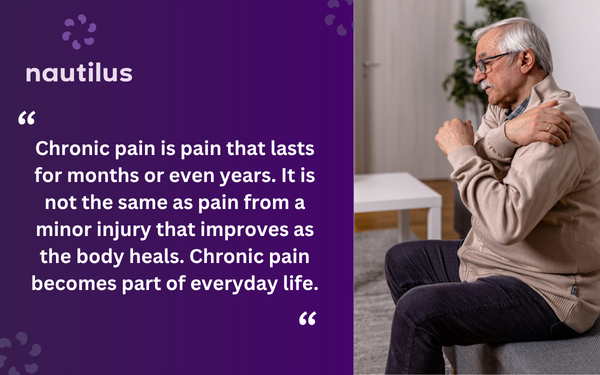
Chronic pain is pain that lasts for months or even years1. It is not the same as pain from a minor injury that improves as the body heals. Chronic pain becomes part of everyday life.
Many older adults live with chronic pain caused by arthritis, back problems, osteoporosis, nerve conditions, joint damage, old injuries, or other long-term health conditions.2
And it doesn’t only affect one part of the body. It changes how a person moves, sleeps, cooks, cleans, socializes, and enjoys daily life.3
A senior used to spend the afternoons working in the yard. But bending has become too painful, and they stopped gardening.
Someone who loves cooking family dinners chooses frozen meals because standing in the kitchen hurts after just a few minutes.
Over time, these changes add up. Seniors worry about losing their independence and sense of self.
| Challenge of Chronic Pain | Impact on Seniors | How Home Care Helps |
|---|---|---|
| Household Chores | Cleaning, laundry, and lifting become physically exhausting. | Caregivers handle demanding chores, allowing seniors to conserve energy for enjoyable activities. |
| Reduced Mobility | Less movement leads to weaker muscles, stiffer joints, and increased pain. | Encourages gentle movement such as walking, stretching, and safe daily activity. |
| Daily Personal Care | Dressing, bathing, and preparing breakfast require more effort. | Provides assistance while encouraging seniors to remain as independent as possible. |
| Meal Preparation | Standing to cook becomes uncomfortable, leading to unhealthy shortcuts. | Prepares nutritious meals while allowing seniors to participate if they enjoy cooking. |
| Shopping & Errands | Walking through stores and carrying groceries becomes overwhelming. | Handles errands or accompanies seniors so they stay involved. |
| Transportation | Driving becomes difficult because of pain and limited mobility. | Provides transportation to appointments, therapy, pharmacies, and social outings. |
| Social Isolation | Pain often causes seniors to withdraw from friends and activities. | Offers companionship through conversation, meals, games, walks, and shared activities. |
| Poor Sleep & Fatigue | Interrupted sleep leaves seniors feeling tired throughout the day. | Helps organize daily routines with balanced activity and planned rest periods. |
| Medical Appointments | Healthcare visits and post-treatment tasks become physically demanding. | Provides transportation, scheduling assistance, and help with errands after appointments. |
| Family Caregiver Stress | Families struggle to balance caregiving with work and personal responsibilities. | Provides dependable support, reduces caregiver stress, and allows families to enjoy quality time together. |
Everyday Tasks Become Exhausting
Pain makes everyday activities difficult4. Making the bed, carrying groceries, vacuuming the living room, or climbing the stairs all require extra effort.
When seniors are done with the household duties, they have no energy left for hobbies, social activities, and exercise.
Moving Less Leads to More Problems
When every step hurts, staying in a chair feels like the easiest choice. But moving less causes muscles to become weaker and joints to become stiffer.5
The daily activities become harder. A short walk to the mailbox starts feeling like a long trip. Getting up from the couch takes more effort.
Pain Affects Mood
Some seniors become frustrated because they can’t do the things they once enjoyed. Others feel discouraged because they have to depend on family members for help.6
For them, simple activities such as walking around the neighborhood and grocery shopping are part of who they are. Older adults feel upset when they can’t do the things they’ve done for years. Those feelings are completely understandable.
Sleep Becomes More Difficult
Pain doesn’t disappear at bedtime. Many seniors wake up several times during the night because they can’t find a comfortable position. And poor sleep makes everyday activities feel even harder.7
Family Members Feel Helpless
Watching someone you love live with chronic pain is difficult. Adult children want to help. But, they can’t always be there to prepare meals, drive to appointments, or help around the house.
Still, you worry throughout the day whether your loved one is trying to do too much when alone.
How Home Care Helps Seniors Living with Chronic Pain
Home care for seniors with chronic pain makes everyday life easier8. The caregiver handles the physically demanding chores so they can do the things they actually enjoy. Also, family members will feel less stressed knowing someone is there for support.
Taking Over the Physically Demanding Chores
Seniors won’t have to struggle with household chores. A caregiver handles tasks like vacuuming, mopping floors, changing bed linens, carrying laundry baskets, taking out the trash, and bringing groceries into the house.
This leaves them enough energy to do the things they enjoy. Instead of spending an hour cleaning the kitchen and feeling sore for the rest of the day, the senior saves that energy for lunch with a friend or an afternoon with family.
Helping Seniors Stay Active
Sitting down makes pain worse. Seniors are encouraged to do gentle movement to keep their joints flexible and muscles strong. A caregiver provides reminders for safe activity based on the senior’s healthcare plan.
That could mean walking to the mailbox, taking a short stroll around the neighborhood, stretching in the morning, or simply walking through the house several times during the day.
Making Daily Routines Easier
Chronic pain affects ordinary moments. Shaving, getting dressed, making breakfast, or stepping into the shower requires more effort.
A caregiver provides support where it’s needed while encouraging the senior to stay as independent as possible. For example, a caregiver might help gather clothes, prepare breakfast, and make sure everything is within easy reach. This makes mornings feel less stressful.
Preparing Healthy Meals
Standing for long periods becomes painful, so seniors skip cooking. When preparing food feels like too much, they rely on frozen dinners. A caregiver prepares nutritious meals and snacks while allowing the senior to join in if they enjoy cooking.9
A senior who loves making homemade soup may sit at the kitchen table and chop vegetables while the caregiver handles the lifting, stirring, and standing at the stove. This makes cooking feel more enjoyable rather than exhausting.
Helping with Shopping and Errands
A grocery trip means walking through the store, pushing a cart, lifting bags, unloading the car, and carrying everything into the house. This becomes overwhelming for someone with chronic pain.
A caregiver takes care of shopping or accompanies the senior so they can stay involved.
Providing Transportation
Turning the steering wheel, checking blind spots, and sitting in one position for a long drive become difficult. So, many seniors stop driving. But, they still need transportation to appointments.
A caregiver provides transportation to doctor’s appointments, physical therapy sessions, pharmacies, family visits, and community activities. The senior won’t miss any appointments and can stay engaged with the community instead of staying home.
Offering Companionship
Pain affects a senior’s social life. Some stop going out because they’re embarrassed by how slowly they walk or because they don’t want others to see them struggling.
A caregiver provides companionship in a way that aligns with the person’s character. They share meals, watch favorite movies, play cards, take short walks, or simply enjoy conversation over coffee.
Some like socialization and activities. Others prefer a quiet connection. Ultimately, those moments help reduce the loneliness that chronic pain sometimes brings.
Supporting Better Rest During the Day
Poor sleep leaves many seniors feeling exhausted. A caregiver can organize the day so the activities are spread out and rest is included. Instead of trying to clean the house, cook lunch, and run errands all in one morning, the day feels calmer and easier to manage.
Seniors can rest between activities without feeling like they’re falling behind.
Helping After Medical Appointments
Managing chronic pain usually involves regular healthcare visits. A caregiver helps keep appointment schedules organized and makes returning home easier after treatment.
After a physical therapy session, the senior doesn’t have to worry about stopping at the pharmacy or carrying shopping bags before getting home. Someone else takes care of the physically demanding tasks.
Giving Family Caregivers a Break
Family members want to help. But they also have jobs, children, and responsibilities of their own. Home care helps eliminate the feeling of guilt10. Knowing that someone is there to assist your loved one gives you peace of mind.
Family members can spend their visits talking, sharing a meal, or watching a favorite television show instead of rushing through a list of chores. This changes the relationship. Visits no longer feel like work, and families can spend more quality time together.
Final Thoughts
Chronic pain changes everyday life. But it doesn’t have to take away the comfort of home or the routines that bring joy. Home care helps seniors with chronic pain deal with the challenges of everyday life.
The right support makes ordinary days easier. Meals are no longer a hassle; they become something to enjoy. Appointments, errands, and household responsibilities feel manageable.
Home care provides practical help while encouraging older adults to stay active and involved in their daily lives.
For families, it brings reassurance. They know their loved one has someone there to help with the tasks that have become difficult. Spending time together becomes a moment for sharing memories and pleasant conversations.
If you’re exploring your home care options, we’re here to talk. Contact us today and schedule your consultation.
| Question | Answer |
|---|---|
| Can home care reduce chronic pain? | Home care does not treat chronic pain directly, but it helps reduce physical strain, supports daily routines, and improves overall comfort and quality of life. |
| What services help seniors with chronic pain? | Services may include housekeeping, meal preparation, transportation, shopping, companionship, personal care assistance, and mobility support. |
| Can caregivers encourage physical activity? | Yes. Caregivers can encourage safe, gentle movement that follows the senior’s healthcare plan, helping maintain strength and flexibility. |
| Does home care help family caregivers? | Yes. Professional support reduces caregiver stress and allows family members to spend more meaningful time with their loved one. |
| Who benefits from home care for chronic pain? | Older adults living with arthritis, back pain, osteoporosis, nerve conditions, or other long-term health issues that make daily activities more difficult can benefit from home care. |
References
- International Association for the Study of Pain (IASP). Terminology.
- Reid MC, Eccleston C, Pillemer K. Management of Chronic Pain in Older Adults. The BMJ.
- National Center for Complementary and Integrative Health. Defining the Prevalence of Chronic Pain in the United States.
- CDC. Prevalence of Chronic Pain and High-Impact Chronic Pain Among Adults — United States.
- American College of Rheumatology. Exercise and Arthritis.
- American Psychological Association. Chronic Pain.
- Sleep Foundation. Chronic Pain and Sleep.
- National Institute on Aging. Aging in Place: Growing Older at Home.
- USDA MyPlate. Nutrition for Older Adults.
- Family Caregiver Alliance. Caregiver Health.