


When a loved one gets diagnosed, families often wonder what life will look like in the next months and years.
At the early stages, the changes can be small. A parent often forgets their appointments or misplaces their keys. Or they repeat the same question several times during a conversation.
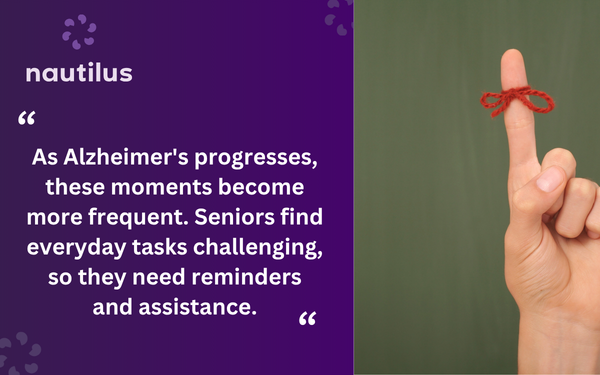
As Alzheimer’s progresses, these moments become more frequent. Seniors find everyday tasks challenging, so they need reminders and assistance.
For many families, helping their loved one stay at home safely is the biggest goal. Home care makes this possible. Basically, a professional caregiver visits according to a defined care plan and provides practical help. They assist with daily routines, allowing seniors to maintain independence and dignity. Also, they offer companionship, reassurance, and support that benefits both seniors and the people who love them.
| Key Takeaways |
|---|
| Alzheimer’s disease gradually affects memory, thinking, reasoning, and the ability to perform everyday tasks. |
| Remaining at home in familiar surroundings can reduce confusion and provide greater comfort for seniors. |
| Professional caregivers help with personal care, meal preparation, medication reminders, and daily routines. |
| Home care improves safety by reducing fall risks, monitoring the home environment, and supervising daily activities. |
| Companionship and meaningful activities help seniors stay socially engaged and emotionally supported. |
| Caregivers can notice changes in a senior’s condition early and communicate concerns with family members. |
| Respite care allows family caregivers to rest, helping prevent burnout and making long-term caregiving more sustainable. |
| Home care plans can be adjusted over time as Alzheimer’s progresses and care needs increase. |
Understanding Alzheimer’s Disease
Alzheimer’s disease is the most common cause of dementia1. It gradually affects memory, thinking, reasoning, and the ability to carry out everyday activities.2
The disease develops gradually. The symptoms become more prominent over time. A senior may first have trouble remembering recent conversations or appointments, but later they struggle to remember medications or don’t recognize familiar places. Simple things like personal care are difficult to do without assistance.
Currently, there is no cure for Alzheimer’s3. But the main goal is to maintain quality of life and allow seniors to enjoy meaningful moments with family, hobbies, music, favorite foods, and familiar routines throughout different stages of the disease.
| Home Care Benefit | How It Supports Seniors with Alzheimer’s | Family Benefit |
|---|---|---|
| Consistent Daily Routine | Creates predictable schedules that reduce confusion and anxiety. | Provides reassurance that daily routines are maintained. |
| Gentle Reminders | Uses reassurance and redirection instead of correction or confrontation. | Reduces stress and emotional conflicts. |
| Personal Care Assistance | Supports bathing, dressing, grooming, and toileting while preserving dignity. | Ensures loved ones receive respectful daily care. |
| Meal Preparation | Prepares nutritious meals, encourages eating, and promotes hydration. | Eliminates concerns about cooking safety and missed meals. |
| Medication Support | Provides medication reminders and helps establish consistent routines. | Offers peace of mind that medications are taken on schedule. |
| Home Safety | Reduces fall risks, checks appliances, and maintains a safer environment. | Lowers the risk of accidents at home. |
| Companionship | Provides conversation, meaningful activities, and emotional support. | Reduces loneliness and gives families confidence their loved one isn’t alone. |
| Meaningful Activities | Encourages hobbies and familiar activities suited to the senior’s abilities. | Helps preserve quality of life and engagement. |
| Monitoring Changes | Observes changes in eating, sleeping, mood, and behavior. | Keeps families informed about noticeable changes. |
| Respite Care | Provides reliable care while family members take needed breaks. | Helps prevent caregiver burnout and supports long-term caregiving. |
| Flexible Care Plans | Adjusts services as Alzheimer’s progresses and care needs increase. | Allows families to increase support gradually as needed. |
Challenges Seniors with Alzheimer’s Face at Home
Every person’s experience with Alzheimer’s is different. But families face similar challenges. Memory loss affects everyday life, causing frustration. Usual tasks can become difficult or unsafe. As the condition progresses, seniors need more hands-on support and supervision.
Memory Loss Affects Everyday Life
Memory loss may start with occasional forgetting where the remote control is. Over time, this can progress. A senior may forget whether they ate lunch, leave the stove on after cooking, or become confused about what day it is. They may ask the same question several times because they don’t remember asking it before.
These situations aren’t intentional. They are part of how Alzheimer’s affects the brain.
Daily Tasks Become More Difficult
Activities like bathing, getting dressed, preparing meals, or taking medications may gradually become confusing.
Choosing clothes can feel overwhelming when a person can no longer remember which order to put them on or why they walked into the bedroom in the first place.
Wandering and Safety Concerns
Some seniors begin walking outside without telling anyone. Or they become disoriented even in familiar neighborhoods. Others forget to lock their door or leave the water running.
These situations can become dangerous when someone is alone.5
Changes in Mood and Behavior
Alzheimer’s affects more than memory. A senior may become anxious, suspicious, frustrated, or withdrawn. They may become upset when routines change or feel frightened because they don’t understand what is happening around them.
Families find these emotional changes difficult to respond to.4
Family Caregivers Can Become Overwhelmed
Caring for someone with Alzheimer’s is a full-time responsibility. Adult children are balancing work, raising children, and caring for their own families while also helping a parent with meals, medications, appointments, and personal care.
Over time, this results in caregiver burnout.
How Home Care Supports Seniors with Alzheimer’s Disease
Home care provides consistent support in the senior’s home. This is very beneficial for Alzheimer’s patients, as staying in familiar surroundings helps reduce confusion.
Creating a Consistent Daily Routine
Seniors with Alzheimer’s feel more comfortable when each day follows a familiar pattern. Waking up at the same time, eating meals on a regular schedule, taking walks, and following predictable routines can reduce confusion and anxiety.
The home caregiver helps create that consistency. For example, breakfast is always served after getting dressed. Then they go for a short walk or other favorite activity. Having the same sequence each day helps the senior feel more relaxed because fewer surprises interrupt their routine.6
Providing Gentle Reminders Instead of Arguments
One of the hardest parts of Alzheimer’s for families is knowing how to respond when a loved one forgets things. Correcting them after a mistake comes naturally, but repeated corrections increase frustration.
Experienced caregivers understand how to gently redirect conversations, provide reassurance, and offer reminders without turning every interaction into an argument.8
For example, a senior asks where their husband is, even though he passed years ago. The caregiver focuses on the person’s emotions rather than making them remember a painful fact.
Helping with Personal Care While Preserving Dignity
As Alzheimer’s progresses, bathing, dressing, grooming, and toileting require assistance. But this feels uncomfortable for seniors.
Professional caregivers know how to provide personal care respectfully and patiently7. Instead of rushing through the task, they explain each step, allow extra time, and encourage the senior to participate as much as possible.
For example, a caregiver hands the senior a toothbrush and allows them to brush independently before helping with the parts they can no longer manage. These small moments of independence matter so much to seniors.
Preparing Meals and Encouraging Regular Eating
Some seniors with Alzheimer’s forget to eat. Others lose interest in cooking or become confused while preparing meals.
Home caregivers can prepare balanced meals and encourage regular eating. Also, they make sure the senior stays hydrated.
If a senior enjoys helping in the kitchen, the caregiver can involve them in simple, safe tasks like washing vegetables or stirring ingredients.
Ultimately, families don’t have to worry that their loved one will leave the stove on.
Helping with Medication Routines
Remembering medications becomes more difficult as the memory changes progress. A home caregiver provides gentle reminders and helps maintain a consistent routine. Family members rest assured that their loved one’s medications are taken on time.
Keeping the Home Safe
As Alzheimer’s progresses, safety becomes a concern. The caregiver helps reduce the safety risks from the space. They make sure walkways remain clear, check that appliances are turned off, and keep commonly used items easy to reach.
But the goal isn’t to limit their independence. The caregiver helps make everyday activities safer.
For example, a senior enjoys gardening. They spend time outside with a caregiver and do light tasks that are safe. Small moments like these bring a sense of purpose.
Providing Meaningful Companionship
Companionship is an important aspect of home care. Many seniors with Alzheimer’s spend long periods alone while family members are at work.
Having someone there to talk to, look through photo albums, listen to favorite music, work on puzzles, fold towels together, or simply enjoy a cup of tea can brighten the day. These moments seem ordinary, but they become the highlights of a person’s day.
Encouraging Activities That Bring Joy
Alzheimer’s changes many abilities. But it doesn’t erase a person’s interests or personality. A caregiver can encourage activities that match the senior’s abilities.
For example, someone who loves baking enjoys mixing the cookie dough. A former gardener finds peace in watering flowers. Someone who always listens to country music smiles as familiar songs play in the background.
The goal is to encourage the seniors to stay engaged in life.
Watching for Changes
Caregivers spend time regularly with seniors. So they can notice the changes early. For example, they can notice when someone is eating less. Or they are sleeping differently. The professional recognizes when a senior acts differently than usual.
Still, a caregiver doesn’t diagnose medical conditions. But they share the concerns with the family members, so they can be addressed.
Giving Family Caregivers Time to Rest
Families want to provide care themselves. Over time, caregiving becomes physically and emotionally demanding. After completing the practical tasks, they no longer have energy.
Home care allows spouses and adult children to step away for work, appointments, errands, or simply a few hours to recharge.
That doesn’t mean they are giving up responsibility. It means they can be present for the long run. A wife caring for her husband with Alzheimer’s uses caregiver visits every Tuesday and Thursday morning. During that time, she can grocery shop, meet a friend for coffee, or simply enjoy a quiet walk knowing her husband isn’t alone.
The small breaks make caregiving more sustainable.
Providing Flexible Care as Needs Change
With Alzheimer’s, needs change over time. In the beginning, a senior needs help with meal preparation and medication reminders. Months or years later, they need help with bathing, mobility, dressing, and supervision.
Home care is a flexible solution that adapts to changing needs. Families can start with a few hours per week and take things from there.
Final Thoughts
Many seniors with Alzheimer’s can continue living at home safely with home care. It provides practical assistance while supporting their independence.
If you’re considering your options, let’s talk. We can help you find the right solution for your situation. Contact us now and schedule your free consultation.
| Question | Answer |
|---|---|
| Can someone with Alzheimer’s continue living at home? | Yes. Many seniors can safely remain at home with the right level of home care, supervision, and family support. |
| What services do Alzheimer’s home caregivers provide? | Caregivers assist with personal care, meal preparation, medication reminders, companionship, safety supervision, and daily routines. |
| How does home care improve safety? | Caregivers help reduce fall risks, monitor the home, supervise daily activities, and ensure appliances and hazards are safely managed. |
| Can home care help prevent caregiver burnout? | Yes. Respite care gives family caregivers time to work, run errands, attend appointments, or simply rest while their loved one receives professional care. |
| Will home care change as Alzheimer’s progresses? | Absolutely. Care plans are flexible and can be adjusted as the senior’s needs evolve, from occasional assistance to more comprehensive daily support. |
References
- World Health Organization. Dementia Fact Sheet.
- National Institute on Aging. What Is Alzheimer’s Disease?
- Mayo Clinic. Alzheimer’s Disease.
- Johns Hopkins Medicine. Alzheimer’s Disease.
- Alzheimer’s Association. Wandering.
- Alzheimer’s.gov. Resources for Caregivers.
- National Institute of Nursing Research. Alzheimer’s Disease.
- Cleveland Clinic. Caring for Someone with Dementia.