


A few days after her hip replacement surgery, Margaret was finally back home. She could barely wait to sleep in her own bed instead of the hospital room. But she realized the usual tasks had become much harder.
Getting out of bed took longer. Walking to the bathroom felt slow and tiring. She was worried about slipping in the shower or losing her balance. Her daughter visited after work. But she couldn’t be there the whole day to assist.
Like many seniors, Margaret didn’t need hospital care anymore. She needed someone to help with the everyday things that had become difficult.
Recovering from a hip replacement surgery takes time and patience. But it also needs the right support. Family members do everything they can. The thing is that many also have jobs, children, and other responsibilities.
Home care provides consistent assistance. It helps make recovery safer and less stressful.
Key Takeaways
- Hip replacement recovery typically shows significant improvement within 6–12 weeks, while full recovery can take 6–12 months.
- Following the surgeon’s instructions, attending physical therapy, and using mobility aids are essential for a safe recovery.
- Home care helps reduce the risk of falls by assisting with walking, transfers, and maintaining a safe home environment.
- Caregivers provide support with bathing, dressing, meal preparation, medication reminders, and transportation.
- Good nutrition and consistent physical therapy help improve strength, mobility, and overall recovery.
- Home care encourages independence by providing only the assistance seniors need as they regain their abilities.
- Professional caregivers help reduce stress for family members while allowing them to spend more quality time with their loved ones.
- Caregivers can notice changes in a senior’s condition and alert family members or healthcare providers when concerns arise.
- Emotional encouragement and companionship help seniors stay motivated throughout the recovery process.
- Home care is flexible and can be adjusted as recovery progresses, making it an effective short-term support solution.
What Seniors Need During Recovery
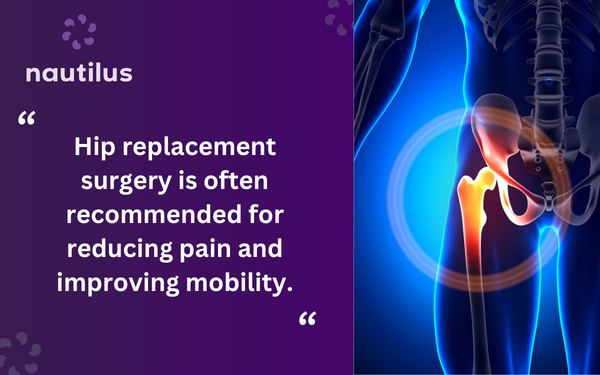
Hip replacement surgery is often recommended for reducing pain and improving mobilityhttps://www.mayoclinic.org/tests-procedures/hip-replacement/about/pac-20385042?utm_source=chatgpt.com. Many seniors can return to the activities they stopped because of arthritis or chronic pain.
After the surgery, the senior goes through a recovery period. And this can be different for everyone. Significant progress can be noticed between 6 and 12 weeks. But full recovery takes between 6 and 12 months.1
During the first few weeks, seniors need to protect their new joint. They use a walker or cane, attend physical therapy, take medications, and follow movement precautions recommended by their surgeon.
Ultimately, everyone heals at a different pace. Steady progress is what matters.
| Topic | Key Information | Home Care Benefit |
|---|---|---|
| Recovery Timeline | Noticeable progress in 6–12 weeks; full recovery may take 6–12 months. | Provides ongoing assistance throughout each stage of healing. |
| Safe Mobility | Short walks, walker or cane, and following surgeon’s movement precautions. | Reduces fall risk and supports safe movement. |
| Pain Management | Medication, ice therapy, rest, and gradual activity. | Encourages comfort and participation in recovery. |
| Physical Therapy | Exercises improve strength, flexibility, and balance. | Keeps seniors consistent with therapy routines. |
| Fall Prevention | Falls can delay recovery or damage the new joint. | Assists with transfers and keeps walkways clear. |
| Personal Care | Bathing and dressing can be challenging after surgery. | Provides respectful assistance while maintaining dignity. |
| Nutrition | Balanced meals support healing and energy. | Prepares nutritious meals and meal plans. |
| Medication Support | Recovery often involves multiple medications. | Provides medication reminders to maintain routines. |
| Transportation | Follow-up visits and therapy appointments are essential. | Ensures reliable transportation and appointment assistance. |
| Family Support | Family caregivers often experience burnout. | Allows families to spend quality time together. |
| Health Monitoring | Watch for swelling, redness, fever, confusion, or increased pain. | Alerts family or healthcare providers to concerns. |
| Emotional Support | Recovery can be frustrating and emotionally difficult. | Provides encouragement and companionship. |
| Flexible Care | Support needs decrease as recovery progresses. | Care plans adapt from daily help to occasional assistance. |
Safe Mobility
Walking is usually encouraged after a hip surgery. But it must be done according to the surgeon’s instructions. Most seniors start with short walks around the home several times a day.
Seniors shouldn’t turn too quickly or carry heavy objects. Using prescribed mobility aids can also help reduce the risk of falls.
Pain Management
Pain is common after surgery, so pain management helps seniors participate in therapy and daily activities. Pain medications should be taken as prescribed. Ice therapy, changing positions regularly, and balancing activity with rest also help reduce soreness.
Often, the pain improves each week gradually. Still, seniors may have good days and more difficult days throughout the recovery process.
Physical Therapy and Daily Exercise
Physical therapists teach movements that strengthen the muscles supporting the new hip, improve flexibility, and restore balance. The exercises are simple but should be done consistently to help improve long-term mobility.
Skipping therapy because of discomfort can slow recovery.
How Home Care Supports Recovery After Hip Replacement
Every recovery is different. But many seniors experience the same milestones. The first two weeks are focused on pain control, safe walking, wound care, and preventing complications. It is common to feel fatigued.
During weeks three through six, walking becomes easier. Many seniors become more independent around the home. They continue to see the results of physical therapy.
Over the following months, many return to their usual activities like hobbies, shopping, gardening, and social activities. But it takes six months or longer for muscles to regain strength.
Home care provides consistent support throughout the healing process. It isn’t about medical services, but rather hands-on support during everyday tasks.
Reducing the Risk of Falls
Falling is one of the greatest concerns for seniors5. A fall can cause serious injury, interfere with recovery, or damage the replaced joint in some cases. Home caregivers help with transfers, walking, and keep pathways clear of clutter. They encourage the use of walkers instead of trying to move independently before they’re ready.
Providing Help Without Taking Away Independence
For seniors, accepting help feels like losing their independence6. But home care doesn’t replace it. It encourages independence; a caregiver steps in where help is needed. Seniors are encouraged to do what they can safely do themselves. As the recovery progresses naturally, the support decreases.
For example, a caregiver helps with dressing during the first week. A few weeks later, they may assist with socks or shoes while the senior does the rest. This gradual approach helps rebuild confidence.
Supporting Physical Therapy Goals
Physical therapy appointments happen a few times per week. But seniors also get recommendations to speed up their recovery. This can look like exercises and regular walks around the house.
The thing is that they need to be consistent with it. The home caregiver encourages seniors to take walks and stay on track.
Helping with Personal Care Safely
Bathing and dressing can be unsafe after hip surgery. Seniors often feel nervous about stepping into the shower, bending down, or standing on one leg while getting dressed. Caregivers provide respectful assistance. They help with showering, washing hard-to-reach areas, dressing, and putting on compression socks if needed.
This allows seniors to keep their dignity while remaining safe.
Preparing Nutritious Meals
Recovery requires good nutrition. But after surgery, standing in the kitchen for long periods isn’t possible.
Home caregivers prepare balanced meals that include protein, fruits, vegetables, and whole grains. They can also prepare several meals in advance so the seniors can eat well throughout the week.
One caregiver noticed her client was skipping lunch because preparing food felt like too much work. They created a simple meal schedule, and the senior had more energy and felt stronger during therapy sessions.
Making Medication Routines Easier
After a surgery, medication schedules can become complicated for seniors. They may have antibiotics, pain medication, blood thinners, and other prescriptions.
Home caregivers can provide gentle medication reminders, helping seniors take medications according to the care plan. This reduces missed doses, ensuring the routine is followed.
Providing Transportation and Appointment Support
Recovering from a hip replacement surgery means multiple follow-up appointments. Seniors need to attend follow-ups, physical therapy sessions, primary care visits, and visit the pharmacy. But they can’t drive for several weeks after the surgery, or until the surgeon confirms it is safe to return to driving.
Caregivers provide transportation, ensuring no appointment gets missed. They can also keep track of appointment times and assist seniors when entering and leaving the medical offices.
Giving Family Caregivers Time to Rest
Adult children often do everything themselves. They work full-time before visiting their parents in the evening. They cook dinner, clean, and help with bathing.
Over time, this schedule becomes exhausting. Professional home care takes over the practical tasks. With this, families can spend meaningful time together instead of managing responsibilities.
For example, a daughter arranges home care for her father during the day when she’s at work. She enjoys dinner with her father in the evening. Now, she doesn’t have to rush through household chores.
Watching for Changes That Need Medical Attention
During recovery, seniors should be monitored for changes. Caregivers who visit regularly become familiar with a senior’s normal routines and can notice changes.
They can recognize increased swelling, redness, fever, confusion, increased pain, changes in appetite, and energy.
The caregiver does not diagnose medical conditions or treat them. But they can notify family members or healthcare providers when concerns arise. This helps prevent small problems from becoming larger ones.
Providing Emotional Support During Recovery
Seniors often feel frustrated when they can’t move like they used to. Others are concerned they may never regain their independence.
The caregiver provides reassurance, encouragement, and conversation. This helps make recovery less lonely.
For example, one senior became discouraged because she still needed a walker a few weeks after the surgery. Her caregiver reminded her how far she had already come. After the surgery, she needed help getting out of bed. Now, she walks through her neighborhood with assistance. Reminding her of her progress helped restore her confidence.
Flexible and Temporary
Families may believe that hiring home care means making a long-term commitment. Seniors worry that accepting help means they lose their independence or that they need a caregiver permanently.
In reality, things are different. Home care is a short-term solution until the senior recovers and regains strength. The level of assistance varies by the stage of healing.
Most seniors need hands-on support during the first few days or weeks. At this time, walking is difficult, pain is intense, and everyday tasks may be difficult or unsafe to manage independently.
A month later, they may need occasional help with transportation, heavier household tasks, or grocery shopping.
The home care plan is flexible and can be adjusted. Some families choose a few hours of help each day in the first few weeks. When the seniors become more independent, they switch to several days per week.
Final Thoughts
Hip replacement surgery helps seniors live with less pain and greater mobility, but the recovery process can be tough. The process requires patience, commitment, and consistent support. Seniors need both physical assistance and emotional encouragement.
Home care provides practical help. Caregivers encourage seniors to regain their independence at a safe pace. They make the recovery journey less overwhelming, both for seniors and family members.
If you’re exploring your options, let’s talk. Contact us now and schedule a free consultation.
Frequently Asked Questions
1. How long does it take to recover from hip replacement surgery?
Most seniors experience noticeable improvement within 6 to 12 weeks, while complete recovery may take 6 to 12 months, depending on their overall health and rehabilitation progress.
2. When can seniors walk after hip replacement surgery?
Walking is usually encouraged shortly after surgery, but seniors should always follow their surgeon’s instructions and use recommended mobility aids such as a walker or cane.
3. How does home care help after hip replacement surgery?
Home care provides assistance with daily activities, including personal care, meal preparation, medication reminders, transportation, mobility support, and fall prevention while encouraging independence.
4. Can a caregiver help with physical therapy?
Caregivers do not replace physical therapists, but they encourage seniors to complete prescribed exercises and stay consistent with walking and rehabilitation routines.
5. Why is fall prevention important after hip replacement?
A fall can delay recovery, cause additional injuries, or affect the new hip joint. Home caregivers help seniors move safely and reduce fall hazards around the home.
6. What foods support recovery after hip replacement surgery?
Balanced meals that include lean protein, fruits, vegetables, whole grains, and adequate hydration help support healing, maintain energy, and promote muscle recovery.
7. Can home care be temporary after surgery?
Yes. Many families arrange home care for only a few weeks or months after surgery. Care plans can be adjusted as seniors regain strength and independence.
8. What warning signs should families watch for during recovery?
Families should contact a healthcare provider if they notice increased swelling, redness, fever, worsening pain, confusion, or significant changes in appetite or energy levels.
9. Does accepting home care mean losing independence?
No. Home care is designed to support independence by providing assistance only where needed while encouraging seniors to safely perform as many daily activities as possible.
10. How does home care support family caregivers?
Professional caregivers assist with daily responsibilities, allowing family members to focus on spending meaningful time with their loved ones while reducing caregiver stress.
References
- https://www.hopkinsmedicine.org/health/expert-qa/hip-replacement-recovery?utm_source=chatgpt.com
- https://www.orthoinfo.org/recovery/activities-after-hip-replacement/?utm_source=chatgpt.com
- https://www.mayoclinic.org/tests-procedures/hip-replacement/about/pac-20385042?utm_source=chatgpt.com
- https://medlineplus.gov/ency/patientinstructions/000171.htm
- https://www.cdc.gov/falls/
- https://www.nia.nih.gov/health/aging-place-growing-older-home