


Arthritis is more than just joint pain. It affects every part of a senior’s life. It makes regular routines, such as getting dressed in the morning or preparing dinner, more challenging.
For many older adults, the hardest part isn’t living with pain. For decades, they have done everyday tasks independently. Realizing they can’t do this anymore is difficult.
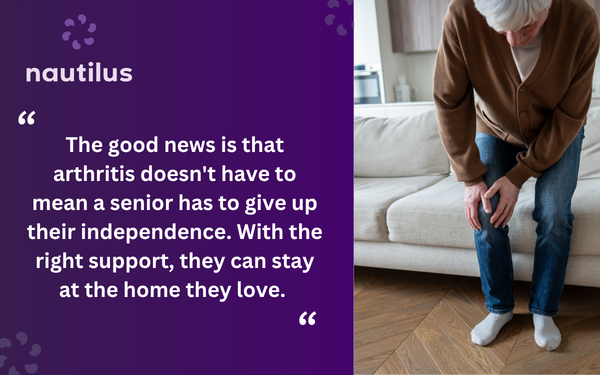
Asking for help can feel frustrating. But the good news is that arthritis doesn’t have to mean a senior has to give up their independence. With the right support, they can stay at the home they love. Home care provides practical assistance with everyday activities, with a care plan adjusted for this specific condition.
At the same time, caregivers are encouraging seniors to stay as active and independent as possible. We believe care should never be about taking over someone’s life. Instead, it is about providing support so seniors can continue nurturing their relationships and enjoying their homes.
| Key Takeaway | Explanation |
|---|---|
| Arthritis affects more than joints. | It impacts mobility, daily routines, emotional well-being, and overall independence. |
| Maintaining independence is possible. | Home care provides support without taking away a senior’s ability to remain involved in everyday life. |
| Personalized care improves quality of life. | Care plans adapt to each senior’s symptoms, preferences, and changing needs. |
| Daily assistance reduces physical strain. | Caregivers help with personal care, meals, housekeeping, transportation, and medication reminders. |
| Companionship matters. | Regular visits and meaningful conversations help reduce loneliness and social isolation. |
| Early support prevents bigger problems. | Starting home care before a crisis can help seniors stay safe, healthy, and independent longer. |
The Everyday Challenges of Living with Arthritis
Arthritis affects everyone differently. Seniors experience mild stiffness in the mornings. Others live with pain that limits simple movements. Personalized care provides help where they need it the most.
Joint Pain Can Make Everyday Tasks Exhausting
Pain is the most common symptom of arthritis. It affects ordinary activities like buttoning a shirt, opening a jar, carrying groceries, standing at the stove, or getting in and out of bed.
The task that once took ten minutes now takes thirty and leaves the senior tired. Many try to push through the discomfort because they don’t want to depend on others. But this can make pain and inflammation worse.
Stiffness Can Limit Mobility
Many seniors notice their joints feel stiff after waking up or sitting for long periods. So, walking across the house, climbing stairs, or standing from a chair takes extra time. This shows the body adapts to painful joints and reduced flexibility.
Household Chores Become More Difficult
Household chores require lifting, bending, reaching, and standing for extended periods. So cleaning, laundry, cooking, and grocery shopping become overwhelming for someone living with arthritis. Over time, seniors skip housekeeping because they physically cannot do it. Others can continue doing everything themselves, even when struggling with pain. Neither situation is ideal.
Arthritis Can Lead to Isolation
When pain takes over, seniors stop doing the things they enjoy. For example, an older adult loved visiting friends, but now, he stays at home because getting in and out of the car feels uncomfortable. Another senior went to church for years. But now he has stopped because walking from the parking lot has become too difficult.
Over time, these small changes can lead to loneliness and isolation.
| Arthritis Challenge | Impact on Seniors | How Home Care Helps |
|---|---|---|
| Joint Pain | Makes dressing, cooking, carrying groceries, and getting in or out of bed physically exhausting. | Provides assistance with daily tasks while encouraging as much independence as possible. |
| Joint Stiffness | Limits mobility, making walking, standing, and climbing stairs more difficult. | Encourages safe movement, gentle walks, and stretching recommended by healthcare providers. |
| Personal Care | Bathing, dressing, grooming, and fastening clothing become painful. | Caregivers assist only where needed, preserving dignity and confidence. |
| Meal Preparation | Cooking becomes difficult due to standing, chopping, lifting, and cleaning. | Prepares nutritious meals while involving seniors in meal planning and family recipes. |
| Housekeeping & Laundry | Cleaning, vacuuming, mopping, and carrying laundry increase pain and fatigue. | Maintains a clean, safe home through light housekeeping and laundry assistance. |
| Transportation | Driving becomes uncomfortable or unsafe due to pain and limited mobility. | Provides transportation to appointments, shopping, pharmacies, and community activities. |
| Medication Management | Managing multiple medications and opening bottles can be challenging. | Provides medication reminders and supports adherence to prescribed care plans. |
| Social Isolation | Pain often causes seniors to stop visiting friends, attending church, or participating in hobbies. | Offers companionship, conversation, shared activities, and emotional support. |
| Changing Care Needs | Symptoms fluctuate with flare-ups and varying mobility levels. | Provides flexible care plans that adjust as the senior’s needs evolve. |
| Family Peace of Mind | Families worry about falls, exhaustion, and managing daily responsibilities. | Provides reliable daily support so families can spend quality time together instead of focusing on chores. |
| When to Start Home Care | Daily activities begin taking longer, causing pain or becoming difficult to complete. | Starting care early prevents crises and helps seniors remain independent longer. |
How Home Care Helps Seniors with Arthritis
With home care, managing pain isn’t the only goal. Caregivers help seniors to continue living comfortably and confidently.
It makes daily life easier by helping with routines, while allowing them to maintain their independence.
Assistance with Personal Care
As arthritis progresses, bathing, dressing, grooming, and getting ready for the day become more difficult. Simple activities like washing hair or fastening buttons become painful.
A caregiver provides assistance while encouraging seniors to do as much as they can on their own. For example, a caregiver helps with socks and shoes because this requires bending. But they allow seniors to complete the rest independently. This helps preserve dignity and confidence.
Meal Preparation Without the Physical Strain
Cooking can become exhausting for someone living with arthritis. It involves standing, chopping vegetables, lifting pots, opening containers, and washing dishes afterward. So, preparing a simple meal can become exhausting for someone with pain.
Home caregivers prepare nutritious and familiar meals. They also prepare meals that meet the senior’s dietary needs. Seniors can have healthy foods without the physical demand of cooking.
For example, one senior enjoyed homemade soup. But she stopped making it because lifting heavy pots hurts her wrists. Now, a caregiver handles the preparation. But the senior is still involved. She chooses the ingredients and shares her family recipes.
These small moments allow seniors to stay involved and maintain independence.
Help with Housekeeping and Laundry
Household chores are one of the first struggles for seniors with arthritis. But a clean home is important for safety and maintaining emotional well-being. Vacuuming, mopping, changing bed linens, carrying laundry baskets, and cleaning bathrooms are activities that can worsen arthritis pain.
Light housekeeping is part of home care. Caregivers can keep the home tidy and clutter-free to maintain a safe environment. Seniors no longer have to spend their energy on physically demanding chores. They can use it for meaningful activities.
Transportation and Running Errands
When arthritis affects the knees, hips, shoulders, or hands, driving becomes difficult. Turning the steering wheel, pressing the pedals, or getting in and out of the car may cause pain. On top of that, seniors often stop driving because of vision problems and slow reaction times.
The caregiver can take them to medical appointments, grocery stores, pharmacies, or community events. With this, seniors remain engaged in their community, which prevents isolation.
Encouragement to Stay Active
Many seniors stop moving when they feel pain. But in many cases, a doctor recommends gentle movement to manage the condition.
The caregiver can encourage light walks and accompany the senior. They can also remind them to do stretching exercises recommended by their healthcare providers.
For example, a senior spends the entire afternoon sitting in a chair . The caregiver suggests an easy walk through the garden if the senior feels comfortable. Gentle activity helps support joint flexibility while improving mood.
Medication Reminders and Daily Routines
Many seniors take medication to manage pain and inflammation. But they may also take additional prescriptions for high blood pressure, diabetes, or other chronic conditions.
Tracking multiple medications can be confusing. Also, opening childproof bottles when their hands are sore is difficult.
Home caregivers help manage the medication routine. They don’t prescribe or change medications, but make sure they are taken according to the care plan. Providing gentle reminders and checking if the senior took their medication are part of the regular routine.
Companionship That Brightens the Day
Pain often makes it difficult for seniors to leave the house or participate in the activities they enjoyed. Over time, this leads to loneliness.
But home care provides more than practical assistance. Caregivers become the friendly face the senior looks forward to with every visit. They are the trusted companions who share conversations, participate in hobbies, or simply sit together for a cup of coffee.
These moments become the highlight of a senior’s day.
Support That Changes as Needs Change
Symptoms can change over time. Flare-ups can make routine tasks temporarily much harder. On other days, seniors can feel capable of doing more.
Home care is flexible and can adapt to changing needs. The care plan can start with a few hours of help weekly. Over time, it can increase gradually.
Home Care Also Brings Peace of Mind to Families
When a loved one has arthritis, families worry about falls, exhaustion, or whether they can handle everyday tasks.
Adult children do want to help, but they can’t be there every day due to work or family responsibilities. Caregivers can step in and provide a consistent presence. They handle the daily routines, providing peace of mind to families. Family members can focus on spending meaningful time instead of cleaning the house or running errands.
When Is the Right Time to Get Started with Home Care?
Many wait until everyday life becomes difficult before exploring the options. We often see families making decisions after a fall, a hospital stay, or when their loved one admits they can’t manage everything alone.
It is always better to start home care earlier. The best time is to start when daily tasks become challenging. Waiting until they become impossible may be too late.
For example, a senior may still be able to cook dinner but struggle to chop vegetables because his hands hurt. They avoid grocery shopping because walking through the store leaves their knees aching. Cleaning the bathroom now takes a whole afternoon. These are clear signs that support is needed.
Starting care early can mean a few hours of assistance per week. The caregiver prepares a few meals, helps with housekeeping, and drives them to appointments. The gradual approach feels more comfortable than introducing care after a crisis.
Final Thoughts
Arthritis makes everyday life more challenging. But with the right support, seniors can maintain independence and quality of life.
Older adults get help with personal care, household tasks, meal preparation, transportation, mobility, and companionship while continuing to live in the place they know and love.
If you wish to explore your options, contact us now and schedule a free consultation.
| Question | Answer |
|---|---|
| How does arthritis affect seniors? | Arthritis can cause pain, stiffness, reduced mobility, fatigue, and difficulty performing everyday tasks such as dressing, cooking, and housekeeping. |
| Can seniors with arthritis remain independent? | Yes. With personalized home care and the right level of assistance, many seniors continue living safely and comfortably in their own homes. |
| What services can home caregivers provide? | Caregivers can assist with personal care, meal preparation, housekeeping, transportation, medication reminders, companionship, and mobility support. |
| When should home care begin? | It’s best to begin home care when daily tasks start becoming difficult rather than waiting until a fall, hospitalization, or other emergency occurs. |
| Does home care replace a senior’s independence? | No. Professional caregivers encourage seniors to do as much as they safely can while providing help only where it is needed. |
| How does home care benefit family caregivers? | Home care reduces daily caregiving responsibilities, provides peace of mind, and allows families to spend more meaningful time together. |