


Hospice care in Florida is widely used, as the state has a large elderly population. It has a strong healthcare system built around end-of-life support.
Hospice care isn’t about curing disease. It focuses on comfort, dignity, and support during the final stages of life.
| Takeaway | Explanation |
|---|---|
| Hospice care is widely accepted | More than half of Medicare patients use it before death |
| Florida’s aging population drives demand | High percentage of seniors increases need for end-of-life care |
| Home-based care dominates | Most patients receive care in familiar environments |
| Quality rankings are high | Indicates reliable, structured, and responsive care systems |
| Hospice supports families too | Includes emotional, educational, and practical assistance |
What Hospice Care Actually Means
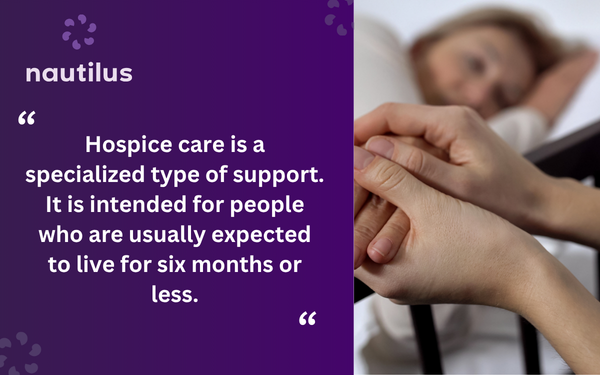
Hospice care is a specialized type of support. It is intended for people who are usually expected to live for six months or less. When curative treatments are no longer effective, the focus shifts to comfort, quality of life, and dignity.
Hospice care helps a person feel as comfortable as possible. It includes:
- Pain relief
- Comfort at home or in a facility
- Emotional support for patients and families
- Help with daily needs
- Dignity in the final stage of life
In Florida, hospice care can be provided at home, in nursing homes, or in hospitals. It helps families cope with difficult situations, providing practical and emotional help.
In regular medical care, doctors diagnose problems and develop treatment plans. This may include surgeries, chemotherapy, medications, or hospital stays. This is done to stop or slow down a disease.
However, hospice care has a different approach. The care team focuses on reducing pain, managing symptoms, minimizing discomfort, and providing emotional support. The goal is to make the remaining time peaceful.
| Category | Details | Impact / Insight |
|---|---|---|
| Definition of Hospice | Focus on comfort, dignity, and support for patients with ~6 months life expectancy | Shifts care from curing illness to improving quality of life |
| Aging Population | 21% of residents (≈5 million) are 65+ | Drives high demand for hospice services |
| Hospice Usage | 116,000+ users (2024); ~56% of Medicare decedents (2022) | Hospice is widely accepted as standard end-of-life care |
| Providers | 57 providers, 94 licensed programs | Improves access, reduces wait times, increases competition |
| Care Location | 80%+ delivered at home or home-like settings | Enhances comfort, privacy, and reduces hospital stress |
| Quality Ranking | Ranked 6th overall, 2nd in hospice care index | Indicates strong care coordination and patient support |
| Services Provided | Medical care, equipment, aides, emotional & spiritual support | Comprehensive support for both patients and families |
| 24/7 Availability | Round-the-clock support from care teams | Reduces emergencies and improves peace of mind |
Large Older Population
Florida has one of the largest older populations in the United States. This increases the demand for hospice care. About 21% of Florida’s population is aged65 or older, compared to 17% nationally. That’s roughly 5 million people, or 1 in 5 residents, who are more likely to develop serious illnesses.
On top of that, Florida ranks as one of the best states for retirees. Thousands of older adults move there each year because of the benefits. This creates consistent demand for end-of-life care services.
As people age, the likelihood of conditions like heart disease, dementia, and cancer increases. And these are the main reasons people need hospice care. That’s why hospice use in Florida is higher than in other states.
How Many People Use Hospice Care in Florida
In 2024, more than 116,000 Floridians received hospice care. This shows it is a standard part of healthcare at the end of life. This also shows that more people are recognizing the importance of comfort, support, and dignity that this service offers.
According to America’s Health Rankings, about 56% of the Medicare decedents in Florida were in hospice at the time of death in 2022. That said, Florida is second in the nation.
This means that more than half of the people on Medicare in Florida used hospice care before they died. This proves that hospice is not an alternative anymore. It is accepted as part of the standard end-of-life care for most families. Hospice care is a large system that serves hundreds of thousands of families every year.
On top of that, hospice use is rising in some regions, with 60% utilization. This reflects the high demand for care, expected when there is a large aging population.
Hospice Care Providers
There are 57 hospice care providers in Florida operating 94 licensed programs. Some providers have more than one hospice program.
A higher number of providers means more access to care and shorter wait times. Also, this makes it a competitive market, so providers keep improving their services. There’s also wide distribution across the state, with availability in cities and suburbs.
Florida hospice providers usually offer services in a 50-mile radius of their physical locations.
The Florida Hospice and Palliative Care Association, or FHPCA, is a nonprofit organization that represents the hospice programs. The core value is easy access to hospice care for everyone who needs it. It provides education, advocacy, and representation.
Location Of Care
Hospice isn’t a facility. Instead, it can be provided wherever the patient resides. According to the FHPCA, over 80% of hospice care in Florida is provided in the patient’s home.
However, home doesn’t have to mean their property. Hospice care can be provided wherever the patient calls home. It can be their private home, a family member’s home, a nursing home, or an assisted living facility.
Care teams typically consist of nurses, aides, and social workers. This approach supports families in keeping patients comfortable at home.
Services may include:
- Regular visits from nurses
- Help with pain and symptom control
- Delivery of medical equipment
- Support from aides for bathing and daily care
- Emotional support services
Families prefer home care because of the many benefits it offers. This allows patients to remain in a familiar environment while being supported.
Staying at home feels familiar and comfortable. Plus, it reduces hospital stress. Patients maintain a sense of privacy and dignity.
Quality Ranking Of Hospice Care In Florida
Florida ranks 6th in the nation for overall hospice care quality. This means that patients are evaluated properly, symptoms are monitored and treated. Overall, care is well structured.
It ranks second for the national hospice care index. The rankings reflect how well providers take care of patients.
They consider things like symptom management, communication, speed of service, support services, and care coordination.
This includes nurse visit frequency, consistency in care, and quick response. Being ranked second nationwide means that hospice teams are actively involved. The patients have constant support, and care is coordinated.
There are a few reasons why Florida achieves top rankings. First, providers have experience with an aging population. Next, healthcare systems are designed around long-term chronic illness. And hospice care is more integrated into healthcare planning.
Along with experience, we have established regulations. Hospice care in Florida is heavily regulated. Every provider must meet the licensing and reporting requirements. This leads to accountability, standardized care, and performance tracking.
For families, the rankings provide reassurance. This reassures families that Florida has a reliable system and providers follow good care practices. However, it is important to know that each experience is different.
When choosing a hospice provider, families should consider communication, staff availability, and reviews.
What Hospice Care Includes
Hospice care isn’t only about medical support. Overall, it focuses on improving the quality of life.
Medical Care
Medical care includes symptom management. Patients may experience symptoms like pain, shortness of breath, nausea, or anxiety.
A care team consists of physicians and nurses. They visit regularly to control symptoms, adjust medication, and prevent unnecessary hospital visits. The focus is on making the patient as comfortable as possible.
Frequency of visits is as needed. It can be range from a few times a week to 24/7 care, depending on the situation.
Medical Equipment
Hospice care provides necessary equipment. This can include hospital beds, oxygen machines, wheelchairs, walkers, or wound care supplies. This helps turn the home into a safe environment.
Home Health Aides
In addition to medical care, patients receive help with daily living. Home health aides assist with bathing, dressing, grooming, and mobility support.
Emotional Support
Serious illness also affects emotional well-being. Hospice includes psychological support for the patients and their families. A social worker may guide families in coping and planning. When families feel overwhelmed, this type of help is very important.
Spiritual Support
Spiritual support is an optional part of hospice. It can be provided when requested by a spiritual counselor. They provide comfort and reassurance, regardless of religion. Also, they support families through the grieving process.
Support For Family Caregivers
Over 80% of hospice care happens at home in Florida. So, family caregivers stay involved throughout the process. However, they may lack training and experience with caregiving. Hospice care guides and educates family members. They teach them how to recognize changes in condition.
24/7 Access To Help
Hospice care does not stop after business hours. Most providers offer 24/7 availability for emergencies. This helps reduce panic and avoid unnecessary emergency room visits.
How Hospice Care Feels Different
Hospital care can look like chasing treatments, appointments, and test results. On the other hand, hospice care focuses on comfort and support. The pace slows down, and there is more structure.
Care is planned, with a nurse’s visit on a schedule. After a long time of uncertainty, this brings a sense of relief. This doesn’t mean that care has stopped. Instead, it shifts focus.
Final Thoughts
Florida’s high rankings mean the system is organized, experienced, and widely used. Patients are more likely to receive structured care and remain in a familiar environment. Still, families are more likely to get the support they need during difficult times.
Statistics aren’t just numbers. Every statistic is a real situation, where families try to make the right decisions. If you’re planning to care for a loved one, reach out today.
| Question | Answer |
|---|---|
| What is hospice care? | A care approach focused on comfort, dignity, and quality of life rather than curing illness |
| Where is hospice care provided? | At home, nursing homes, assisted living facilities, or hospitals |
| Who provides hospice care? | Teams of nurses, aides, physicians, and social workers |
| What services are included? | Pain management, medical equipment, daily care help, and emotional support |
| Is hospice care available 24/7? | Yes, most providers offer round-the-clock support for emergencies |