


Home care provides support while allowing your loved ones to stay at home. As soon as the caregiver steps in, families worry about their involvement. Some think their role is minimal, while others believe they still need to be heavily involved.
The truth lies somewhere in between. Home care does require some level of participation.
This article explains what family involvement looks like in home care.
| Key Area | Main Takeaway |
|---|---|
| Balanced Involvement | Family involvement should be supportive and engaged, but not overwhelming or controlling. |
| Highest at the Beginning | The first phase requires detailed input to personalize the care plan and build trust. |
| Emotional Presence Matters | Caregivers meet physical needs, but family connection supports belonging and emotional well-being. |
| Communication is Essential | Regular updates with caregivers and agencies prevent misunderstandings and ensure quality care. |
| More Involvement in Complex Cases | Cognitive decline or complex medical conditions require closer family oversight and decision-making. |
| Respect Client Preferences | The level of involvement should align with the senior’s comfort, independence, and wishes. |
Why does family involvement in home care matter?
Home care is a partnership between the client, caregiver, agency, and family. The level of family involvement depends on the client’s health condition, personality, family dynamics, and the type of care.
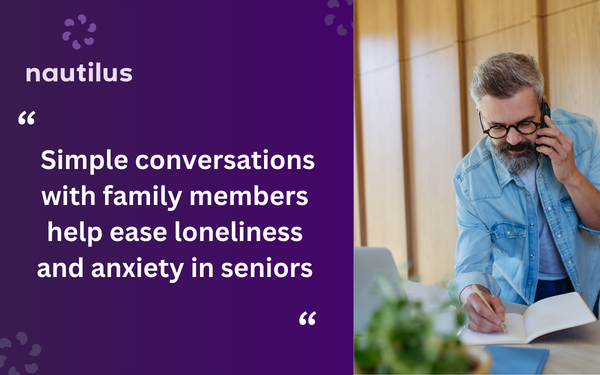
While caregivers handle the everyday routine, family members are still expected to provide emotional support. Simple conversations with family members help ease loneliness and anxiety in seniors.
On the other hand, family members communicate with the home care agency. They need to stay informed about changes in the client’s condition and discuss adjustments in the care plan.
| Stage / Area | Family Role | Key Actions & Examples |
|---|---|---|
| Initial Phase | High involvement to establish care foundation | Share preferences, routines, personality traits, triggers, and sleep patterns to personalize care and build trust. |
| Ongoing Support | Stay informed and emotionally present | Maintain communication with caregiver, monitor changes in mood/health, review care plans periodically. |
| Emotional Support | Provide companionship beyond caregiver role | Schedule meaningful visits, cook together, review photo albums, maintain connection to prevent isolation. |
| Avoid Micromanagement | Be supportive, not controlling | Set expectations early, trust the agency, avoid redoing tasks or constant corrections. |
| Cognitive Decline | High involvement required | Monitor subtle behavior changes, assist with resistance to care, support dementia or Alzheimer’s management. |
| Complex Medical Conditions | Coordinate major responsibilities | Manage doctor appointments, hospital discharges, insurance paperwork, and medical decisions. |
| Decision Making | Responsible for major care choices | Adjust care hours, consider hospice, approve medical interventions based on caregiver observations. |
| Caregiver Support | Promote collaboration | Provide supplies, communicate schedule changes, show appreciation, give positive feedback. |
| Staying Organized | Share responsibilities among family | Schedule check-ins, divide roles, use digital tools, attend care plan reviews, maintain visit schedules. |
What home care covers
In-home care provides a range of non-medical services such as:
- Bathing and grooming
- Meal preparation
- Medication reminders
- Light housekeeping
- Transportation
- Companionship
Even though the caregiver covers the basic needs, the family members still participate depending on their availability. Their role shifts to providing emotional support.
In addition, the family provides helpful input. They share information about the person’s history, preferences, and needs, which helps shape a personalized care plan.
Family involvement in home care
The need for family involvement depends on which stage of the process they are in. In fact, family involvement is highest in the beginning.
First phase
The first few visits require heavy family involvement. This stage sets the foundation for the care plan. Family members need to provide detailed background information so the caregiver can tailor their approach. Remember, this kind of information doesn’t appear in medical charts.
Families should share more about:
- Food preferences
- Cultural or religious routines
- Personality traits
- Triggers for anxiety or confusion
- Sleep patterns
For example, a daughter arranged home care for her father after a stroke. She explained that he felt embarrassed when needing help with bathing. The caregiver tailored their approach and gave him privacy and control over the process.
On the other hand, family involvement in the beginning helps build trust. Clients might not accept caregivers in the beginning. But this is easier when a family member is present. During the first visits, a familiar face provides reassurance.
Ongoing support
When the introductory phase is over, the caregiver takes over the daily tasks. The family constantly communicates with them for changes in behavior or health. Together, they review the care plans periodically and make adjustments. Services and hours can be added or reduced depending on the progress.
How involved does the family need to be?
The level of family involvement depends on different factors. Families should aim to be emotionally present, informed, and supportive.
Emotionally present and informed
Caregivers provide support during the daily routines. While they do offer companionship, they can’t replace family relationships. If the family isn’t involved, the client can still feel isolated even though they receive care.
For example, a woman arranged home care for her grandmother. She assumed that the companionship was enough and reduced visits. Her grandmother became withdrawn after a while. She asked the caregiver about her family and why they stopped coming to visit. The caregivers shared this with the family, and they understood the situation. Once her family resumed visits, her mood improved.
Simply put, home care meets physical needs. On the other hand, family connection supports belonging.
Supportive but not micromanaging
While the family needs to be involved, this should not turn into micromanagement. Constantly correcting the caregiver or redoing tasks can create stress for everyone. This can confuse the client but also result in caregiver turnover.
Family members should establish clear expectations at the beginning of the process. And more importantly, they need to choose a trusted home care agency.
Client’s preferences
Ultimately, the level of involvement should respect the client’s preferences. Some seniors want their family to be involved. Others may prefer privacy and independence. Ask them about how often they want visits and which decisions they want to make independently.
When more family involvement is needed
In some cases, families need to step in with high involvement. This is beneficial for some medical conditions where the needs are complex.
However, it is important to note that involvement doesn’t have to be measured by the physical presence of hours. The engagement, communication, and consistency are what matter.
In addition, we share common situations where more family involvement is needed.
Cognitive decline
For cases with Alzheimer’s or dementia, family involvement is crucial. Clients may forget symptoms, resist changes, or hide discomfort. Family members can notice subtle changes that caregivers might miss.
Complex medical conditions
Clients with multiple diagnoses or frequent hospitalizations require more family involvement. While the caregiver assists, the family members make the decisions. They coordinate doctor appointments, insurance paperwork, and hospital discharges.
Decision making
As previously mentioned, families are responsible for major decisions. This includes adjusting care hours, considering hospice, and approving medical interventions. Caregivers observe the client and provide recommendations, while families make the decisions.
Supporting the caregivers
Families should fully support the caregiver. This can mean:
- Providing clear instructions
- Keeping supplies stocked
- Informing them about schedule changes
- Showing appreciation
Even small gestures, such as a thank-you note, help build collaboration.
Ideas to keep families involved in home care
Schedule check-ins
Schedule regular check-ins with the agency and caregiver to keep updated with your loved one’s condition. A weekly call with the caregiver or a monthly care plan review with the agency are good examples of that. Consistency helps prevent misunderstandings.
During the regular calls, family members can ask about appetite, mood, medication, and upcoming appointments.
Divide responsibilities among family members
When one person carries all the responsibilities, burnout happens. Make sure to divide the roles between the family members for easy handling. For example, one sibling manages the medical appointments. Another handles finance and insurance, while the third provides emotional support.
For example, the eldest daughter coordinates doctor appointments. The brother focuses on grocery deliveries and pharmacy refills. The third sibling coordinates with the agency and caregiver. They constantly communicate and update each other. No one feels overwhelmed, and there are no misunderstandings.
Use digital tools
Technology makes it easier for everyone. Family members can use shared online calendars for appointments. Medication reminder apps ensure the medications are taken correctly. On the other hand, group chats ensure the family catches up with the daily updates. Technology makes it easy for everyone to have access to the same information, eliminating misunderstandings.
Attend care plan reviews
Home care agencies review the plans periodically. Families should participate whenever possible. Even virtual presence is appreciated.
During the meetings, family members can talk about adjusting care hours, safety risks, changes in mobility, or cognition.
Stay involved in doctor visits
Family members should stay involved in doctor’s appointments whenever appropriate. Whether in person or by phone, they can share symptoms or gradual changes.
Meaningful visits
When it comes to visits, quality matters more than frequency. Family members should focus on intentional time to reinforce the connection. Simple things like cooking together, looking through photo albums, or watching a show can help improve emotional well-being.
Family communication notebook
If you prefer offline communication, a physical notebook can help. Caregivers and family members can leave notes. Things like appetite changes, mood shifts, and small improvements can be shared easily.
In-person visit schedule
When multiple family members live nearby, creating a visit schedule is helpful. This helps distribute the responsibilities evenly, preventing burnout. For example, one can visit on Tuesdays, and another helps with Sunday meals.
Mind client preferences
Needs and preferences can change. Families should talk with their loved ones about how they feel. Some examples of questions:
- Are you happy with the schedule?
- Do you feel comfortable with your caregiver?
- Is there something you’d like to adjust?
This helps you make decisions that match their preferences.
Show appreciation to caregivers
The family should support the care team. Small gestures like a thank-you note, positive feedback to the agency, and respecting scheduled hours mean a lot. Caregivers who feel respected will stay longer, which also benefits the client.
Final take
Arranging in-home care doesn’t have to be stressful for families. Sharing responsibility and participating in the process promotes emotional well-being. Family members should maintain a balanced presence to support the process.
We understand that the process of adaptation can be challenging. Reach out to our agency, and we will answer any questions you have.
| Frequently Asked Question | Answer |
|---|---|
| Does home care replace family involvement? | No. Caregivers assist with daily tasks, but family members provide emotional connection, oversight, and major decision-making. |
| How involved should family be at the start? | Very involved. Families share background details, preferences, and routines to help personalize care and ease the transition. |
| When is more involvement necessary? | Higher involvement is needed for dementia, Alzheimer’s, complex diagnoses, frequent hospitalizations, or major care decisions. |
| Can family involvement be remote? | Yes. Regular calls, digital tools, virtual care plan reviews, and consistent communication can maintain strong involvement. |
| How can families support caregivers? | By providing clear instructions, keeping supplies stocked, respecting schedules, communicating changes, and showing appreciation. |
| What if the senior prefers privacy? | Family involvement should respect their preferences while still ensuring safety, communication, and emotional support. |