

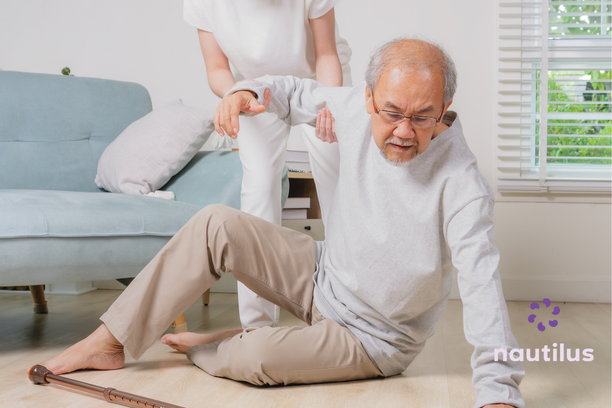
A fall is more than just a physical injury for seniors. While it causes stress and anxiety, it also impacts their independence.
On the other hand, the recovery period is stressful for the family. They need to provide care and emotional support while working full-time.
| Topic | Key Takeaway |
|---|---|
| Impact of Falls | Falls affect both physical health and emotional confidence, often reducing independence |
| Recovery Challenges | Pain, fear of re-injury, and daily task limitations can slow recovery without support |
| Role of In-Home Care | One-on-one care ensures routines, safety, and emotional reassurance during healing |
| Family Support | Professional caregivers reduce stress and burnout for working family members |
| Long-Term Outlook | In-home care can start short-term and transition into ongoing support if needed |
In such cases, in-home care is the perfect solution. The one-on-one assistance at the comfort of their own home helps them stick to the recovery routine. On the other hand, this helps enhance independence.
Seniors will feel secure and can go on with their daily activities. The caregiver also helps them navigate through the fear of falling again.
In this article, we explain how in-home care helps seniors recover after falls. You will understand how to get the support you need in caregiving to ensure recovery goes smoothly for your loved one.
| Recovery Area | Challenges After a Fall | How In-Home Care Helps |
|---|---|---|
| Physical Recovery | Pain, stiffness, weak muscles, fear of movement | Caregivers assist with mobility, gentle movement, and following doctor-approved activity plans |
| Emotional Well-Being | Fear of falling again, anxiety, loss of confidence | One-on-one reassurance, encouragement, and companionship to rebuild confidence |
| Daily Activities | Difficulty dressing, bathing, cooking, and personal care | Assistance with daily tasks while encouraging independence where possible |
| Medication Management | Confusing schedules, new medications, side effects | Ensures medications are taken on time and monitors for adverse reactions |
| Physical Therapy | Transportation issues, missed appointments | Transportation, walking assistance, and follow-through on therapy exercises at home |
| Home Safety | Environmental hazards like clutter, loose rugs, poor lighting | Fall-prevention measures to make the home safer and more secure |
| Family Support | Caregiver burnout, limited availability | Relieves family stress by providing consistent professional care |
Why Seniors Fall?
As the body ages, the risk of falling is higher. The muscle mass is gradually reducing throughout the years, which can impact the body’s stability.
Also, the sense of balance is weaker. With reduced flexibility, a quick reaction is almost impossible.

Vision loss is another problem that can result in a fall. Seniors might not be able to see the obstacles, which results in tripping.
Seniors with chronic health conditions such as Parkinson’s, stroke, or arthritis are more vulnerable.
Also, the sedentary lifestyle is another major culprit. Lack of movement speeds up muscle weakness.
Medication side effects can be one of the reasons. Some causes of dizziness can increase the chances of falling.
And we shouldn’t forget about the environmental hazards. Poor lighting, clutter, and slippery surfaces pose a fall risk.
Even with a minor fall, seniors can get injured due to reduced flexibility.
Why Falls Are a Serious Concern for Seniors
Falls happen as a result of poor vision, weak muscles, health conditions, or medication side effects. Simple things, such as poor lighting or a loose rug, cause tripping.
Seniors can get seriously injured after a fall. Bruises and fractures take time to heal. However, the fear of falling again remains.
The fall leaves an emotional impact in the form of guilt, anxiety, and stress. They can lose confidence and may avoid daily activities.
Challenges of Recovery After a Fall
Managing recovery alone is challenging for seniors. Taking medication as directed, physical therapy appointments, eating healthy, and light activities are more difficult. Pain and stiffness make moving harder.
Many forget about the emotional aspect of falling. While injuries can heal, the fear and anxiety remain long after the fall.
Due to fear, seniors will limit their movement. However, this can slow the recovery process and cause stiffness.
Seniors need assistance to overcome such problems. However, they need constant care, and family members might not be able to keep it up. At this point, many consider getting professional help.
How In-Home Care Helps Seniors Recover After Falls
In-home care can help establish a recovery routine and maintain consistency. The caregiver provides one-on-one support that matches the doctor’s recommendations. Also, they help with the household tasks and personal care.
We can explain this with our own example. A lovely old lady fell down while going to the kitchen. After this, she was afraid to walk a few steps.
Our experienced caregiver visited her daily. Their kindness and reassurance helped her regain her confidence. She taught safe ways to navigate through the home. Soon she returned to her everyday activities.
Physical Therapy Appointments
Going to physical therapy as recommended by the doctor is important for recovery. While mobility and transportation can be a problem for seniors, their dedicated caregiver can help.
They will take the client to the clinic, help with walking, and attend to them during their therapy session. They ensure no appointment is missed and make the whole experience less stressful.
They will also take the notes from the physical therapist to continue the care at home.
Recovery Routine
Recovery after a fall can feel so overwhelming for seniors. The caregiver helps establish a recovery outline that matches the doctor’s recommendations.
A simple routine brings structure. They will have breakfast at the same time every day. The medicines will be taken accordingly.
Routine is very important for gaining back their confidence. Instead of staying in bed all day, they will start the day with a light and nutritious meal. The caregiver will then accompany them for a short walk to the living room. Then, they can rest to heal their body.
The familiar routine helps patients rebuild their confidence.
Mobility
After falling, seniors are afraid of falling again. This makes getting up so difficult for them.
A caregiver provides mobility support so they have the confidence needed. They help the individual stand up, go to the bathroom, and get up from bed.
The support is calm and steady, following the patient’s pace. Nothing is rushed. Knowing that their caregiver is there to support them, seniors will regain their confidence with small steps.
Daily Activities
The simple everyday activities can become a hassle after a fall. Suddenly, cooking a meal, getting dressed, and taking a shower are risky for them.
A caregiver can help with the daily activities, allowing seniors to stay as independent as they can. They will encourage them to do what they can, while helping with the rest.
Light Activity
If light movement is part of the recovery plan, the caregiver will encourage it. They follow the doctor’s recommendations and ensure gentle activity. Thai helps boost circulation and prevent stiffness.
The caregiver will support the client for a short walk to the kitchen. They will encourage light exercise when seated. Or they can help them do light stretches. Any activity is strictly done according to the patient’s condition and the doctor’s recommendations.
Medication Management
Changing the medication schedule can be overwhelming for recovering patients. They need to add new medicine and rearrange the current ones.
The caregiver helps them take medicine on time and as directed. Plus, they can monitor for any reactions after taking a new medicine.
Emotional Support
After a fall, seniors can feel frustration and fear. Knowing that their body isn’t the same with age can be so overwhelming. And they are afraid this might repeat.
The caregiver provides emotional support for healing patients. Their kind words and encouragement positively impact the recovery process. A simple conversation is what gives them reassurance. With time, they will regain confidence.
Home Safety
Every corner of the home can feel like a potential falling hazard. Caregivers step in to remove the risks and make the home feel secure for them.
They can remove loose rugs, keep walkways clear, and encourage safe habits. These small steps help prevent future falls but also make seniors feel safer in their own homes.
When to Consider In-Home Care After a Fall
The fall can be a turning point for the whole family. It reminds you that your loved ones are getting older. They aren’t as independent as they used to be, so more support is needed.
In-home care should be considered for the entire recovery period. It is a must if your loved one is struggling with their everyday activities.
A fall signals that their body is weaker, which means they need help. While in-home care can be used during the recovery period, it can also be long-term support. Caregivers can visit for a few hours a week to provide support.
These signs mean your loved one needs extra support:
- Difficulty walking and standing
- Fear of moving alone
- Forgetfulness
- Pain and stiffness
- Decline in personal care
When to Seek Long-Term Care
As your loved one is aging, this question will open. Often, it is difficult for family members to understand the right moment when they need care.
You remember them being independent and cheerful. But as years pass, they need you more than ever.
After the recovery, you should watch out for any signs. Frequent falls mean their physical condition is declining. And chronic conditions slow down recovery. Also, they might avoid doing the everyday tasks.
Final Take
Recovery after a fall is difficult to manage for seniors and their families. They need professional assistance to ensure the recovery plan is met and proper emotional support is provided.
Don’t navigate through these challenges alone. Let a skilled caregiver help your loved one and guide them through the process.
Not sure what your next steps are? We’re here to help. Contact our team today to explore the care options!
| Question | Answer |
|---|---|
| When should in-home care start after a fall? | As soon as mobility, confidence, or daily activities are affected, even for minor falls |
| Is in-home care only temporary? | No, it can be short-term during recovery or long-term for ongoing support |
| Will caregivers encourage independence? | Yes, caregivers assist only where needed while encouraging safe independence |
| Can caregivers help prevent future falls? | Yes, through mobility support, home safety adjustments, and routine monitoring |
| How does in-home care help families? | It eases caregiving stress while ensuring consistent, professional support |