


Caregiving brings a range of emotions. There are moments of quiet connection and love. But you may also feel exhaustion and isolation.
Caring for a loved one brings questions no one prepares you for. But a few kind words can remind you that what you’re doing now matters. We share caregiving quotes that reflect the real side of caregiving.
| Key Point | Details |
|---|---|
| Emotional Complexity | Caregiving includes love, exhaustion, connection, and isolation |
| Small Acts Matter | Simple gestures and daily care have deep emotional impact |
| Support is Essential | Asking for help prevents burnout and makes caregiving sustainable |
| Self-Care is Necessary | Taking care of yourself ensures you can continue caring for others |
| Balance is Key | Combining personal life, responsibilities, and caregiving requires flexibility |
Caregiving Quotes
1. “Caregiving often calls us to lean into love we didn’t know possible.” — Tia Walker
Caregiving brings out the strengths you didn’t know you had. It asks for patience, empathy, and strength.
You’ll help with daily tasks and manage medications. At the same time, you’ll make difficult decisions. Still, allow yourself to feel the love and the difficulty. They can exist together.
2. “Too often we underestimate the power of a touch, a smile, a kind word.” — Leo Buscaglia
Caregivers assist with household chores, morning routines, and meal preparation. It is not only about physical support, but also about presence. A calm voice and a reassuring hand are more important than the tasks on your checklist.
3. “Family is not an important thing. It’s everything.” — Michael J. Fox
People step into the caregiver role because of love. Supporting someone you love is emotional. And it is okay if it feels complicated. In reality, caregiving doesn’t come with a guidebook.
So don’t aim for perfection. Being present matters more than doing everything right.
4. “There are only four kinds of people… those who have been caregivers, those who are caregivers, those who will be caregivers, and those who will need caregivers.” — Rosalynn Carter
Many people experience this role at some point in their lives. But also, this quote shows the vulnerability of human nature. Everyone may need to be taken care of.
5. “The simple act of caring is heroic.” — Edward Albert
Stepping into the role of a caregiver pushes us to go beyond the limits. It is not only about helping them get dressed or cooking a meal. It is about showing up and providing the emotional support that they need. It often goes unseen and unrecognized.
6. “Sometimes asking for help is the most meaningful example of self-reliance.” — Cory Booker
Caregivers often try to do everything alone. At the same time, they have a full-time job, children, and personal responsibilities.
Asking for help is not a failure. It is the only way to make caregiving sustainable in the long term.
7. “Compassion is about giving all the love that you’ve got.” — Cheryl Strayed
Caregiving is an expression of love. You provide emotional support and make your loved one feel protected. It is one of the ways to show them your unconditional love.
8. “Take care of yourself. You can’t pour from an empty cup.” — Unknown
This quote emphasizes the need to take care of yourself. Caregiving can be exhausting. Fatigue builds up slowly. Caregivers often ignore their needs before burnout happens. Remember that rest is necessary to continue providing love and care.

9. “To care for those who once cared for us is one of the highest honors.” — Tia Walker
Our parents took care of us when we were children. Now we feel a responsibility to give back. We feel gratitude, but it is also emotionally difficult to see a loved one become dependent.
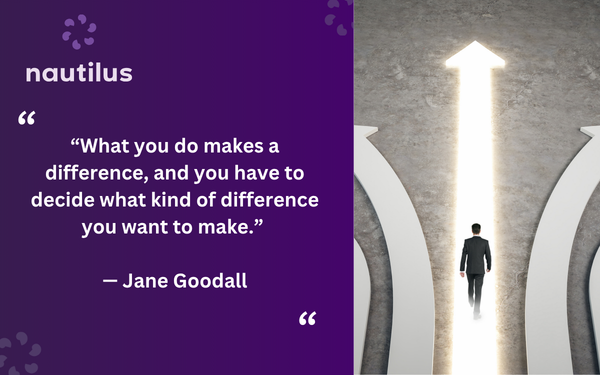
10. “What you do makes a difference, and you have to decide what kind of difference you want to make.” — Jane Goodall
For many, caregiving may feel like small and repetitive tasks. But remember that over time, the small actions add up to something bigger. Your care shapes your loved one’s experience, comfort, and dignity.
| Quote | Author | Key Message |
|---|---|---|
| Caregiving often calls us to lean into love we didn’t know possible. | Tia Walker | Caregiving reveals inner strength and deep love |
| Too often we underestimate the power of a touch, a smile, a kind word. | Leo Buscaglia | Small gestures have meaningful emotional impact |
| Family is not an important thing. It’s everything. | Michael J. Fox | Caregiving is rooted in love and family connection |
| There are only four kinds of people… caregivers or those who will need one. | Rosalynn Carter | Caregiving is a universal human experience |
| The simple act of caring is heroic. | Edward Albert | Caregiving efforts are meaningful and often unseen |
| Sometimes asking for help is the most meaningful example of self-reliance. | Cory Booker | Seeking help is essential for sustainability |
| Compassion is about giving all the love that you’ve got. | Cheryl Strayed | Caregiving is an act of unconditional love |
| Take care of yourself. You can’t pour from an empty cup. | Unknown | Self-care is necessary to avoid burnout |
| To care for those who once cared for us is one of the highest honors. | Tia Walker | Caregiving reflects gratitude and responsibility |
| What you do makes a difference. | Jane Goodall | Small actions create meaningful long-term impact |
What Caregiving Really Looks Like Day to Day
Caregiving is a balance between physical care, emotional support, and everyday responsibilities. Every day is different. Some days you follow a routine. Others change depending on how your loved one feels.
Everyday life can look like assisting with bathing, dressing, and grooming. You will prepare nutritious meals and ensure their medication is taken on time and correctly. Caregivers also manage doctor’s visits, prescriptions, refills, and follow the doctor’s notes.
Keeping up with these tasks requires consistency and attention. In many cases, caregivers may neglect their own responsibilities.
Over time, the health condition changes. This can result in more physically demanding tasks such as lifting, supporting, and supervising.
Emotional Side
Care isn’t only physical. Caregivers carry emotional weight too. They worry about changes in the person’s condition. They may feel guilty when tired or needing a break to rest.
Another helpful approach is staying positive even on difficult days. Caregivers miss the way things used to be. Chronic illnesses also bring uncertainty.
Even so, there are moments of closeness. You will share meaningful conversations and old memories.
You Are Not Alone
Caregiving can feel isolating. Your routine is different from those around you. You may feel that no one fully understands what your days are like.
In reality, caregiving leaves you almost no time for social activities and hobbies. You can change plans at the last minute, and people may stop asking.
On top of that, explaining what you’re going through is difficult. Especially to the ones that haven’t experienced this themselves. That’s why many caregivers stay quiet.
Connection doesn’t have to be complicated. Consider talking to someone you trust. You can also join an online caregiver group where people share similar experiences. In many cases, support can ease the emotional weight.
Another thing that caregivers often feel is a strong sense of responsibility. They want to manage everything. But trying to do everything alone leads to exhaustion.
It is okay to ask for help from family, friends, or professionals. A family member can help with errands. A friend can sit and have a conversation with your loved one for an hour. A professional caregiver can assist with daily tasks.
This leaves you time to recharge or take care of the other responsibilities.
Finding Balance in Caregiving
Caregiving can take over your energy, routines, and even sense of self. The truth is that caregiving can last for months and years. Doing everything on your own for that long is not sustainable. You may have a full-time job that pays your bills. Or you need to take care of your children or your own health.
That’s why you need to find balance. First, understand that not every day will go as planned. Some days, you may need to stick to the essentials only. Focus on safety, comfort, and consistency.
Don’t be hesitant to accept help from others. A friend can handle grocery shopping. A family member can do rotating visits or help with administrative tasks. Even small surprises can ease the weight you carry.
When caregiving feels overwhelming, it is time to turn to professionals for help. Professional caregivers can make a difference.
In-home care services are specifically designed to support families. Caregivers help with the practical tasks in your loved one’s home. There is no need to move them to a facility.
How In-home Care Helps
In-home care provides non-medical services at the patient’s home. It is a flexible model, where you can determine the number of hours and types of services included. At first, help doesn’t have to be full-time. You can start with a few hours per week and take things from there.
Over time, the hours and services can be increased. The in-home care agency and family work closely to find out what works best for the person.
In-home care caregivers handle:
- Personal care
- Mobility support
- Errands
- Transportation to appointments
- Medication reminders
However, this doesn’t have to mean that families will fully step aside. The professional caregiver can take care of the practical tasks, while family members have more time for emotional support. It is the everyday routines like personal hygiene, transfers, meal preparation, and medication reminders that take the most time and effort. Having someone to help with this eases the pressure.
Having additional support for a few hours per week can be so helpful. You can have some time to rest and recharge. Or you can take care of your personal responsibilities.
Exhaustion is real. But remember that pushing through it is not sustainable in the long term. Your own well-being matters too, so it is important to understand your limits without feeling guilty.
Final Thoughts
Caregiving is both meaningful and demanding. Stepping into this role brings so many challenges. The quotes shared here remind you that your feelings and struggles are valid.
You don’t have to go through this alone. Support from family, community, or in-home care services can help you.
| Question | Answer |
|---|---|
| Why is caregiving emotionally challenging? | It involves balancing love, responsibility, stress, and uncertainty |
| What are common caregiving tasks? | Daily care, meal prep, medication management, and appointments |
| How can caregivers avoid burnout? | By asking for help, taking breaks, and prioritizing self-care |
| Is professional help necessary? | It can provide relief and support with daily responsibilities |
| What is in-home care? | A flexible service providing non-medical support at home |